
Review · JAKARTA
Jakarta: Volcano, Tea/Rice Fields, Hot Spring, Local Food
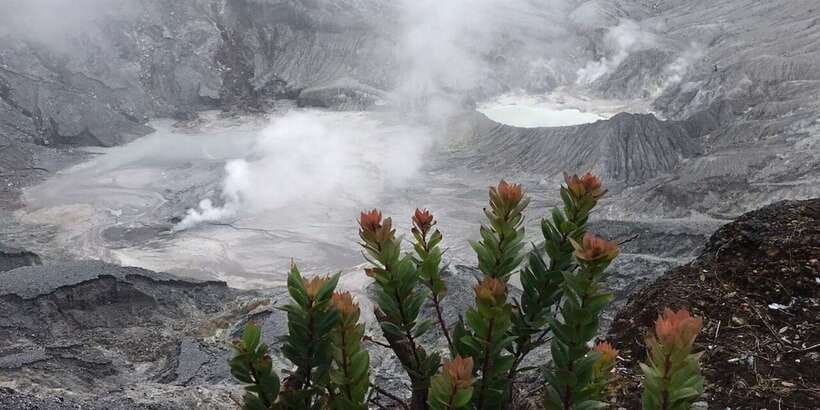
Tangkuban Parahu is the star here: an active volcano where you can smell sulfur, watch mud bubble, and sometimes hear the ground rumble. I like the way this day links the crater with working rice and tea fields, rather than treating the volcano as a stand-alone photo stop. I also like the generous food angle, from honey pineapple and mangosteen to a local lunch and Indonesian coffee.
The catch is the distance. You can spend roughly six hours in the vehicle between Jakarta and the mountain area, and the schedule is full. The hot spring pools may also feel less luxurious than the name suggests, with some water only calf-deep. Still, at $114 per person, the included transport, guide, meals, entry fees, and small group make this a strong one-day introduction to West Java.
Key points to know before booking
- Tangkuban Parahu is the main event: See sulfur fumes, bubbling mud, and a crater in an active volcanic area.
- You get several tastes of West Java: Try honey pineapple, snake fruit, mangosteen, local dishes, and coffee.
- The group is limited to 10 people: That helps the guide manage a long day and answer questions.
- The journey is long but useful: Expect pickup around 7 to 7:25 AM and a return around 7 to 8 PM.
- The hot springs are a relaxing finish: Bring swimwear or a change of clothes, plus a towel.
- The coffee stop deserves a careful eye: The Luwak display can feel commercial, and animal welfare may concern you.
Why this Jakarta day trip works
This is not a quick trip to one attraction. It is a broad introduction to the countryside north of Jakarta, combining geology, farming, food, coffee, and bathing culture in one demanding day.
I like that the experience gives you more than postcard scenery. You see farmers working around rice fields, learn how tea is grown and harvested, taste fruit that may be unfamiliar, and hear about coffee production from plant to bean. The volcano supplies the drama, but the farming stops give the day its local character.
The tour costs $114 per person. That is not a bargain for a simple sightseeing ride, but the price covers hotel pickup and drop-off in the Jakarta area, air-conditioned transportation, an English-speaking guide, bottled water, lunch, fresh fruit, tolls, parking, the volcano entrance fee, the hot spring, and other entry charges. A private car and guide would cost more, while arranging all these stops independently would be difficult from Jakarta.
The strongest value comes from the guide and driver. Guides including Rizky, Bryan, Nanda, Vincent, Isabella, Mitchell, and Valentine are repeatedly praised for clear English, local explanations, humor, and care with timing. Drivers such as Dede, Toto, Andre, and Tito are often singled out for handling Jakarta traffic and winding mountain roads comfortably.
More Tea Experiences around Indonesia:
- Active Volcano, Rice Field, Hot Spring, Fruit market, Tea Plantation with Lunch
★ 5.0 · 513 reviews - Bandung: White Crater Hotspring Tea Plans And Lunch Included
★ 4.9 · 419 reviews - Bandung: White Crater, Scenic Tea Plantations & Hot Spring
★ 4.9 · 122 reviews
The early drive from Jakarta to Subang
Pickup begins between 7 and 7:25 AM. Your guide contacts you about 10 minutes before arriving and waits outside the hotel lobby for no more than 10 minutes, so you need to be ready downstairs.
The first drive to the Subang and Bandung area takes about 2.5 to 3 hours. Traffic can make the timing less predictable, especially on weekends. You return to Jakarta around 7 to 8 PM, sometimes later on busy days, so I would not pair this tour with a flight or an important evening appointment.
The road time is a real part of the experience. I would bring a small neck pillow, water, and something quiet to do, though bottled water is included. The upside is that the vehicle is air-conditioned, and the small group, capped at 10, keeps the ride more manageable than a large coach.
As you leave Jakarta, the day shifts from city traffic toward farms and mountain roads. The scenery improves as you climb, but the mountain roads curve. Several drivers receive high praise for smooth driving, including from people who usually feel motion sick.
Subang fruit tasting and rice-field views
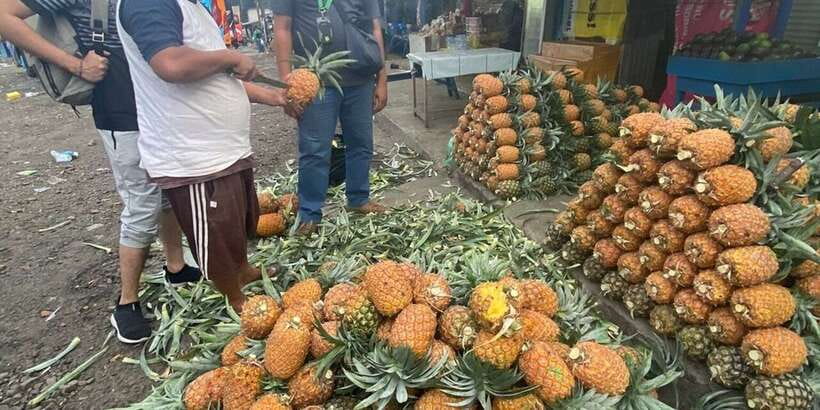
The Subang stop gives you an early taste of West Java’s agricultural side. You can try honey pineapple, snake fruit, and mangosteen, with your guide explaining or selecting the produce.
Honey pineapple is a highlight for many people because it is especially sweet and fragrant. Snake fruit has a scaly brown skin and a crisp fruit inside, but its outer skin can be sharp, so peel it carefully. Mangosteen offers a softer, sweet-tart contrast.
This is a small stop, around 30 minutes, but it adds something a standard volcano tour would miss. You are not just looking at farms from the window. You are tasting what grows in the region.
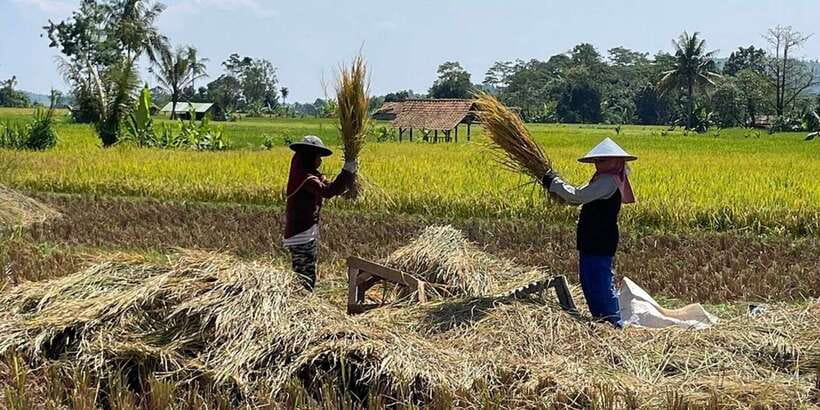
You also pause near rice fields and may see farmers working. The visit is not a formal farm lesson with a long guided walk. It is more of a short roadside or village stop with time to look around and take photographs. That matters if you want an authentic glimpse of rural work, but you should lower your expectations if you are hoping for a detailed agricultural workshop.
Tangkuban Parahu and its sulfur crater
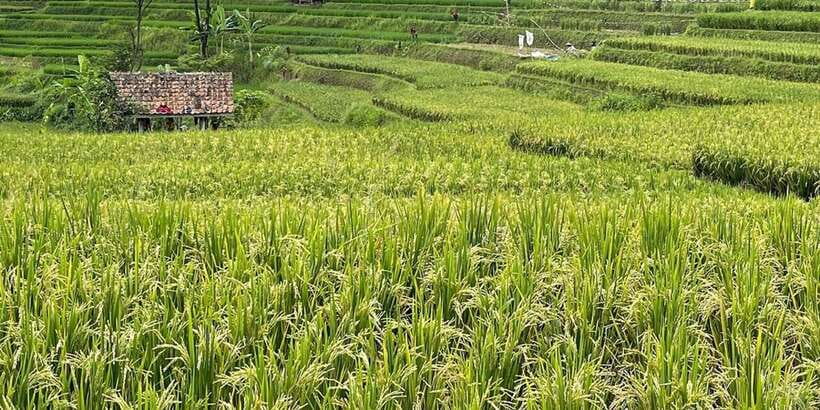
Tangkuban Parahu is the emotional high point of the day. The volcano sits in a forested mountain area, and you can approach the crater for views, photographs, and a close look at volcanic activity.
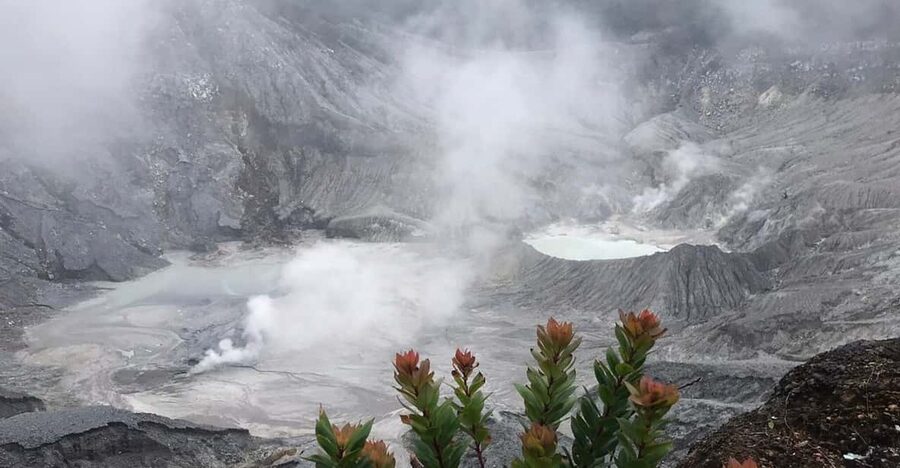
Expect sulfur odors, smoke, bubbling mud, and possibly a low rumble. One particularly memorable possibility is seeing small bursts or bubbles from the active crater. Conditions can change, though. Rain and cloud can reduce visibility, and one wet-weather visit had poor views from the summit.
The stop lasts about 1.5 hours. You have time to walk, take photographs, and listen to the guide explain the volcano. Wild monkeys may be visible in the surrounding forest, but wildlife sightings are not guaranteed.
You may also encounter vendors near the crater. A firm, polite no usually works, but the attention can be tiring if you prefer quiet viewpoints. Bring some cash if you want handmade items or snacks, but you do not need to buy anything.
Comfortable shoes matter here. The ground can be uneven, and the tour is not suitable for wheelchair users or people with significant mobility problems. The activity also excludes people over 80 and people over 70, according to the stated restrictions.
Same leaf, a different ritual:
- Bandung Tour Volcano, Hotsprings, Mud, Tea, Lunch all Included
★ 5.0 · 91 reviews - Volcano, Hot Spring, Tea Factory, rice fields and Coffee Tour
★ 5.0 · 25 reviews - Jakarta :Volcano, HotSpring, Tea Factory, RiceField, &Coffee
★ 5.0 · 21 reviews - From Jakarta : Volcano, Tea & Rice Fields, Hot Spring
★ 4.9 · 17 reviews
Lunch in Lembang and the taste of local food
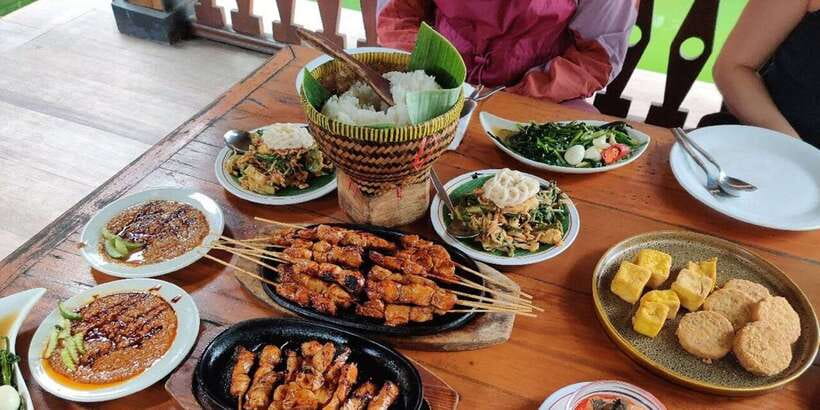
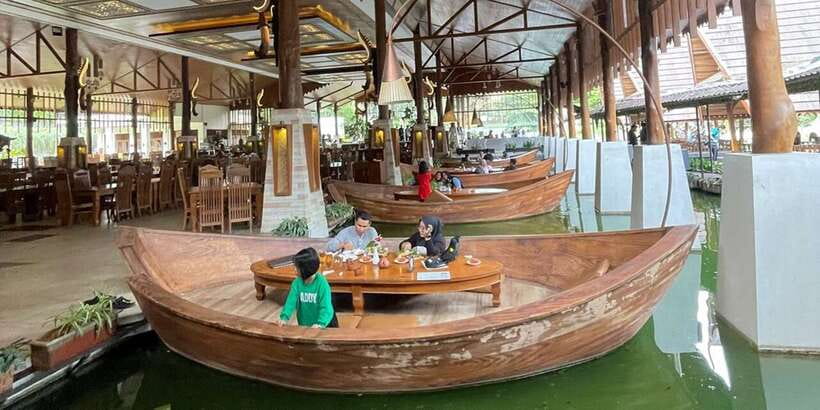
Lunch takes about an hour in the Lembang area at a local restaurant. The meal is included, which makes the $114 price easier to judge, and the restaurant experience gives you a proper break after the volcano.
The food receives mixed but generally positive impressions. Some people describe it as delicious, while one detailed account found the meal heavy on fried items and short on flavor beyond the water spinach. That is useful to know: you should expect a local set-style meal rather than a carefully chosen culinary tasting menu.
The guide can sometimes help with dietary needs. Plant-based food was arranged for one participant, and another person found the restaurant clean and efficient even when busy. Tell your guide about restrictions early in the day rather than waiting until lunch.
I would treat lunch as a practical local meal, not the central reason to book. The better food moments may come from the fruit tasting and the smaller regional details your guide shares along the way.
Coffee, luwaks, and a difficult ethical question
The visit to Kopi Luwak Cikole lasts about an hour. You learn about coffee plants, beans, processing, benefits, and different coffee products. For anyone curious about Indonesian coffee, this is a useful stop because you see the plant and hear how the beans are handled.
The setting can also raise concerns. Some participants found the coffee stop commercial, with luwaks kept in small cages. One person also disliked being served coffee from a packet rather than seeing a more direct preparation.
I would not ignore this issue. If animal welfare is important to you, ask the guide how the coffee is sourced and decide in advance whether you are comfortable visiting a luwak display. You can still learn about coffee cultivation without treating the animal encounter as entertainment.
The stop is valuable for the coffee education, but it may not feel like a quiet, small-scale farm visit. Keep that distinction in mind when comparing this tour with a specialist coffee experience.
Tea fields near an active volcanic area
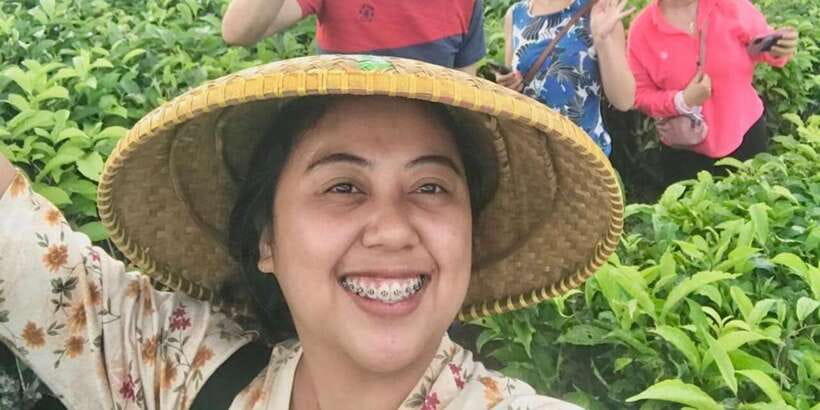
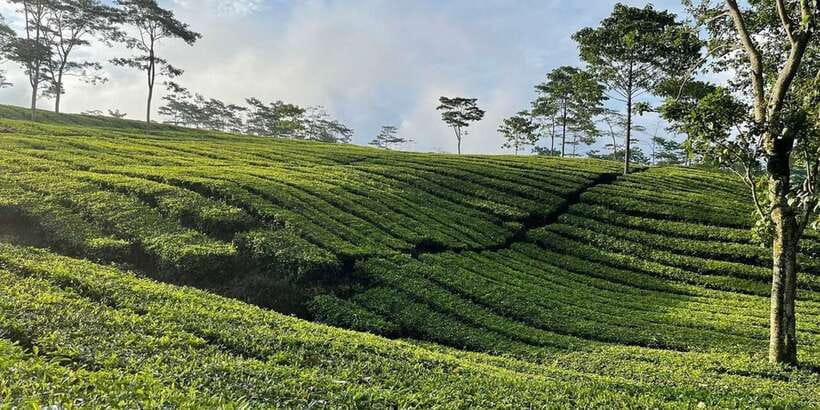
The tea plantation stop lasts about 30 minutes. You walk among the rows, take photographs, and learn about tea cultivation, picking, types, and the crop’s place in local life.
This is another short scenic pause rather than a full plantation tour. The views can be beautiful, especially when the mountain air is clear, but weather affects the experience. In rain or low cloud, you may get more atmosphere than wide views.
I like the contrast with the volcano. At the crater, the earth is hot, smoky, and unstable. In the tea fields, the same mountain environment supports careful agricultural work. That pairing helps you understand why West Java is such a productive region.
Bring comfortable clothing and shoes. The day includes walking at several stops, but it is not designed as a demanding trek.
Sari Ater hot springs and the final hour of the day
The hot spring visit comes late, after the busiest sightseeing. You get about an hour at Sari Ater Hot Springs Ciater, with time to enter the warm sulfur-infused pools and use the facilities.
This can be a fine way to finish. After the early pickup, mountain roads, walking, and full schedule, warm water feels welcome. A local body or foot massage may also be available as part of the stop, depending on what you choose to do there.
Do not picture a single deep natural pool where you can float for an hour. Some pools are shallow, with water reaching only the calves. One person found the stop less worthwhile, while another enjoyed the massage and found it a good ending.
Bring a towel and a change of clothes. Comfortable clothing is useful throughout the day, and you should avoid bringing alcohol or drugs. The hot spring is best viewed as a simple local bathing stop, not a high-end spa.
What the guides add to the day
A good guide matters because this schedule could otherwise feel like a series of unrelated stops. The strongest guides explain the volcano, local history, plants, farming, food, and customs in clear English while keeping the pace comfortable.
Rizky is praised for being friendly and attentive, Bryan for humor and clear explanations, Nanda for making the day light and easy to follow, and Vincent for explaining everything from rice cultivation to coffee processing. Isabella, Mitchell, Valentine, and Thomas also receive specific praise for their care and local knowledge.
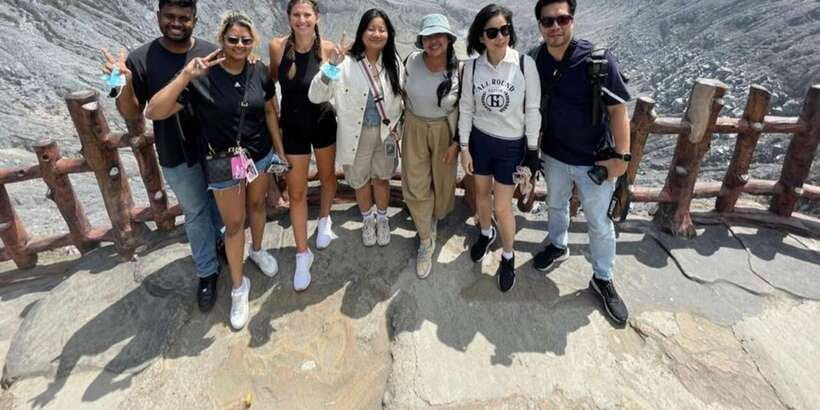
The guide may also take photographs for you, help with food requests, allow rest breaks, and adjust small details when possible. That support is especially useful if you are joining alone. Small groups can turn a long road day into a social experience, and the group limit of 10 prevents the stops from feeling like a mass tour.
What to pack for a 14-hour outing
Keep your day bag simple:
- Comfortable walking shoes
- A towel and a full change of clothes
- Comfortable clothes suitable for warm weather and mountain air
- A phone or camera
- Some cash for optional purchases near the volcano
Rain can affect the mountain views, so a light waterproof layer is sensible, though it is not specifically listed as included. You may also want a swimsuit if you plan to enter the hot spring pools.
The volcano area can smell strongly of sulfur. That is part of the attraction, but it can be unpleasant if you are sensitive to strong odors.
Is this a good value from Jakarta?
I think the value is good if you want variety and convenience more than free time. The tour packs a great deal into one day: transport, a volcano, village and farm views, fruit, lunch, coffee, tea, and hot springs.
The cost is harder to justify if you mainly want a long, quiet visit to Tangkuban Parahu. You are paying for the guide, vehicle, organization, and many included fees, not just admission to the crater. The long return drive also means the day can feel tiring.
For a first look at West Java, the variety is the advantage. You can leave Jakarta with a better sense of how food is grown, how tea and coffee are produced, and how volcanic land shapes daily life.
Should you book this tour?
Book it if you want a full rural and volcanic day without arranging several separate transfers. It suits curious first-time visitors, solo travelers who like small groups, and anyone who wants food and farming alongside a major natural attraction.
Think twice if you dislike long drives, need step-free access, want a serious hike, or expect a polished spa and gourmet meal. I would also consider the luwak stop carefully if caged-animal displays trouble you.
For most people who accept the long road time, this is a well-priced way to see far more than a single Bandung viewpoint. Just protect your evening, wear sensible shoes, and treat the hot springs and coffee stop as useful extras rather than the main event.
FAQ
How long does the tour last?
The tour lasts about 14 hours. Pickup begins around 7 to 7:25 AM, and return to Jakarta is expected around 7 to 8 PM, though weekends can take longer.
Is hotel pickup included?
Yes. Hotel pickup and drop-off are included for hotels in the Jakarta area. The guide contacts you about 10 minutes before arrival and waits outside the lobby for no more than 10 minutes after the scheduled pickup time.
What is included in the $114 price?
The price includes air-conditioned transportation, an English-speaking guide, bottled water, lunch, fresh fruit tasting, tolls, parking, the volcano entrance fee, hot spring entrance tickets, and other listed entrance fees.
Is this tour suitable for someone with limited mobility?
No. The activity is not suitable for people with mobility impairments or wheelchair users. It also states that it is not suitable for people over 80 or people over 70.
What should I bring?
Bring comfortable shoes, comfortable clothing, a towel, and a change of clothes. A change of clothes is especially useful if you enter the hot spring pools.
Can I cancel the booking?
You can cancel up to 24 hours in advance for a full refund. The activity also allows you to reserve now and pay later.
Newly steeped around Indonesia
- Yogyakarta: Prambanan Tour, Sukuh Temple & Tea Plantation★ 5.0 · 3 reviews
- Volcano, Hot Spring, Mud Bath & Tea plantation all included★ 5.0 · 5 reviews
- Full-Day Adventure: Tea Plantation & the Mystical Dieng Plateau★ 5.0 · 6 reviews
- Private Half-Day Tea Village Discovery with lunch in Yogyakarta★ 5.0 · 3 reviews
- TULA Wellness Taiwan Tea Ceremony★ 5.0 · 3 reviews
- Tea Tree Spa at Holiday Inn Resort Baruna Bali★ 5.0 · 2 reviews
- Private Trip Malang/Surabaya : Tour Tea Plantation Wonosari★ 5.0 · 5 reviews
- From Yogyakarta: Dieng Tour, Golden Sunrise & Tea Plantation★ 5.0 · 6 reviews
Indonesia Tea Tours, compared.
Bandung: White Crater Hotspring Tea Plans And Lunch Included
Read our review →
Bandung: White Crater, Scenic Tea Plantations & Hot Spring
Read our review →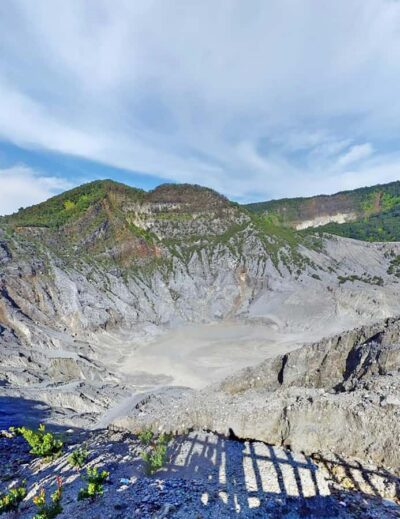
From Jakarta : Volcano, Tea & Rice Fields, Hot Spring
Read our review →
Bandung : White Crater, Tea Plantation Tour Guide Bandung
Read our review →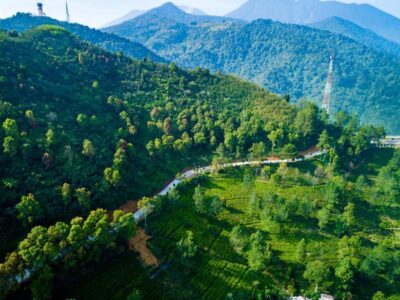
From Jakarta: Safari Park, Tea Plantation & Jaksa Waterfall
Read our review →
From Yogyakarta: Dieng Tour, Golden Sunrise & Tea Plantation
Read our review →
Full-Day Adventure: Tea Plantation & the Mystical Dieng Plateau
Read our review →
Sunrise Sunan Ibu,Kawah Putih,Volcano,Tea factory,Hot spring
Read our review →Browse the lists this tea experience appears in