
Review · USA
San Francisco: Chinatown Dim Sum and Tea Tour
San Francisco’s Chinatown is best understood one bite and one alley at a time. This three-hour tour starts with a full dim sum meal, then threads through bakeries, old lanes, a fortune cookie factory, and a tea shop. It gives you food, local stories, and a useful first look at one of the city’s most distinctive neighborhoods.
I like the small group of 10 or fewer, which makes it easier to hear the guide and ask questions. I also like the range of food: dim sum, bubble tea, a Chinese pastry, roasted specialties, dessert, and tea are all part of the price.
The main caution is cost. At $99 per person, this is not a quick snack walk. You are paying for a substantial meal and a guide-led cultural tour, but anyone focused mainly on low-cost food may find the price high.
Key points to know before booking
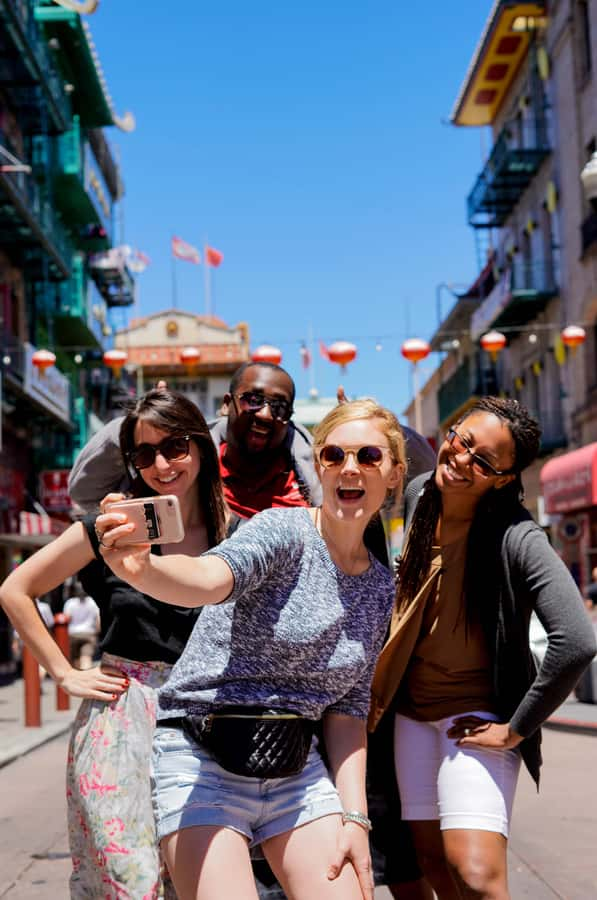
- The food is a full meal: Dim sum, bubble tea, duck, dessert, soft drinks, pastries, and tea tasting are included.
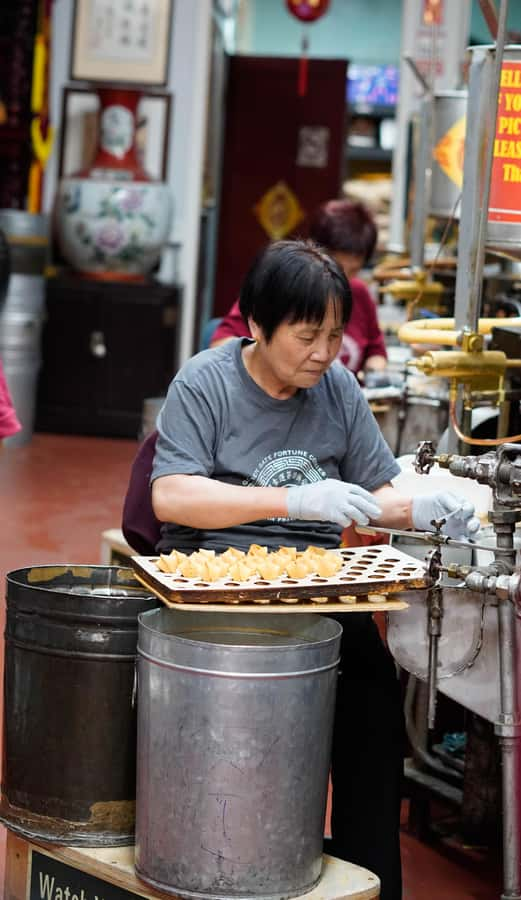
- The tour visits the first fortune cookie factory: You can watch the cookies being made and sample them fresh.
- The walking route adds local context: Alleyways, a historic bakery, a church connected to the 1906 earthquake, and a Gold Rush-era gathering place all appear along the way.
- Tea is the thoughtful finale: The final tasting explains why tea is treated as an art and social tradition in Chinese culture.
- The group stays small: With no more than 10 participants, the experience should feel more personal than a large bus-style tour.
- Plan for three hours of eating and walking: Wear comfortable shoes and arrive hungry, but not so hungry that you rush the first course.
Starting with dim sum at House of Dim Sum
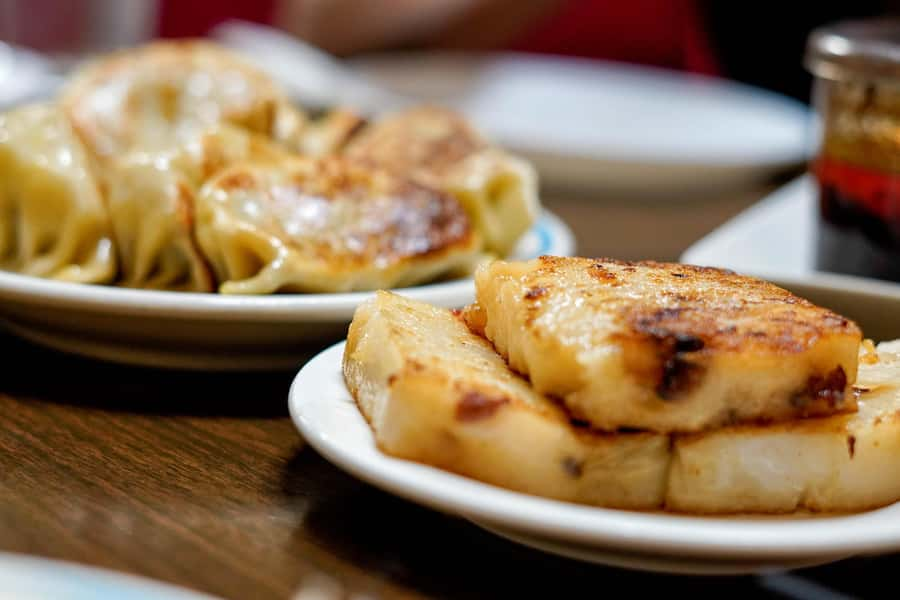
The meeting point is outside House of Dim Sum, right in the middle of Chinatown. The opening meal sets the tone: this is a food tour first, but the dishes are also a way into the neighborhood’s story.
Dim sum is especially useful for a guided introduction because the meal is built around small portions. You can taste several items instead of committing to one large plate. That matters if you are new to Chinese food or unsure what you will like.
Come with a real appetite. The tour includes food at several stops, so the dim sum is only the beginning. You will later have bubble tea, a bakery item, savory dishes, duck, dessert, and tea. This is not a good choice if you prefer to eat lightly in the morning and save room for a separate lunch.
The guide also introduces the background of America’s oldest Chinatown while you eat. That pairing works well. Instead of hearing a long history lecture on an empty stomach, you get context alongside the food that helped shape the neighborhood’s identity.
The guide speaks English, and Dale is one guide associated with the experience. A small group makes the first stop easier to manage. You can ask about unfamiliar dishes, and the guide has a better chance of noticing if someone needs clarification.
More Tea Experiences around the USA:
- Tea Around Town: High Tea Experience and Tour of Washington DC
★ 4.0 · 154 reviews - SF’s Chinatown: Tea & Dim Sum Food Tour – Includes full meal, 3hr
★ 5.0 · 153 reviews - Tea Around Town® NYC: Mobile Tea Room Experience
★ 3.5 · 99 reviews
Watching fortune cookies take shape
The fortune cookie factory is one of the tour’s most memorable stops because it turns a familiar restaurant extra into a small piece of working food craft. You can watch the cookies being made, see the process up close, and sample them fresh.
The visit also helps correct a common assumption. Fortune cookies are now closely linked with Chinese restaurants in the United States, but their place in American dining is its own story. Seeing them produced in Chinatown gives that story a physical setting rather than leaving it as a bit of trivia.
The fresh samples are a nice change from the packaged cookies found at the end of a restaurant meal. You may also get to see what your fortune says, which adds a little playful energy without taking over the tour.
This stop is short compared with the meal and tea tasting, but it earns its place. I like that the itinerary includes an active food-making visit rather than only restaurant tables. It gives you something to watch and photograph while keeping the focus on Chinatown’s food traditions.
Bubble tea and Chinatown’s narrow lanes
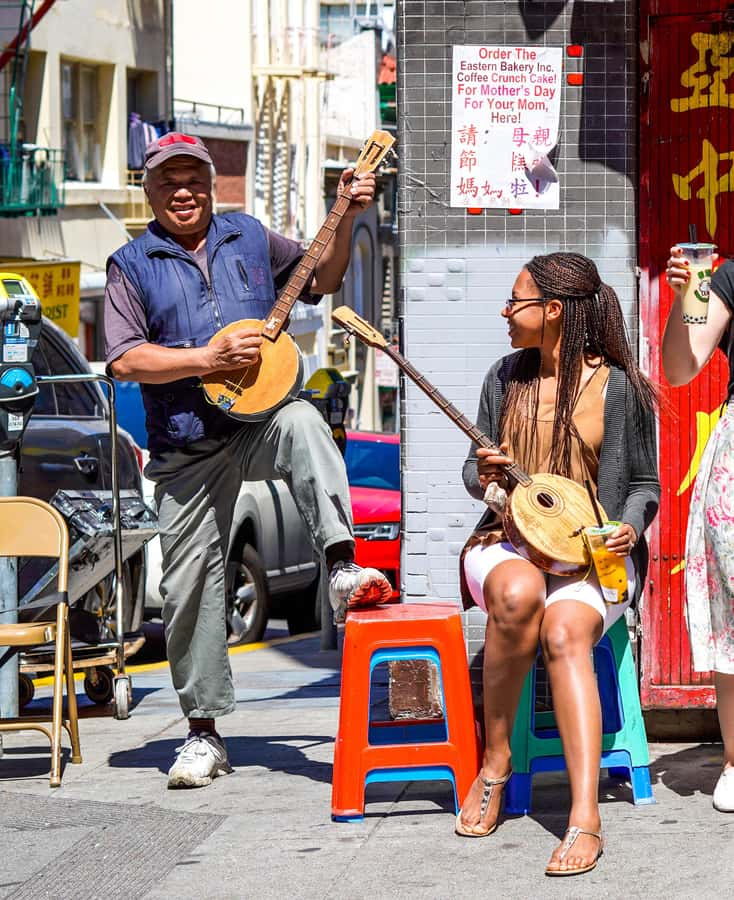
After the fortune cookies, you continue with bubble tea in hand. The drink adds sweetness and texture to the walk, and it gives you a chance to try a modern favorite alongside older Chinatown traditions.
The route passes through alleyways with stories tied to gambling halls, sailors, and inexpensive haircuts. These details help you picture Chinatown as a working neighborhood shaped by newcomers trying to build a life in San Francisco, not just as a row of restaurants and souvenir shops.
This portion is where the guide’s storytelling matters most. The lanes are easy to pass through on your own, but a local account can point out why a narrow passage mattered and how the neighborhood changed over time. You are not simply checking off famous streets. You are learning to read the spaces between them.
There is also a practical side to this walk. Chinatown streets and alleyways can feel compact and busy, and the tour keeps the route organized. With a group capped at 10, you should not have the same stop-and-start feeling that comes with a large crowd.
Bring comfortable shoes. The tour lasts three hours and combines several food stops with neighborhood walking. The experience is designed with accessibility in mind, but the operator asks people with specific needs to contact them for details. That is sensible, especially since the route includes alleyways and multiple food venues.
Pastries, earthquake survival, and Gold Rush echoes
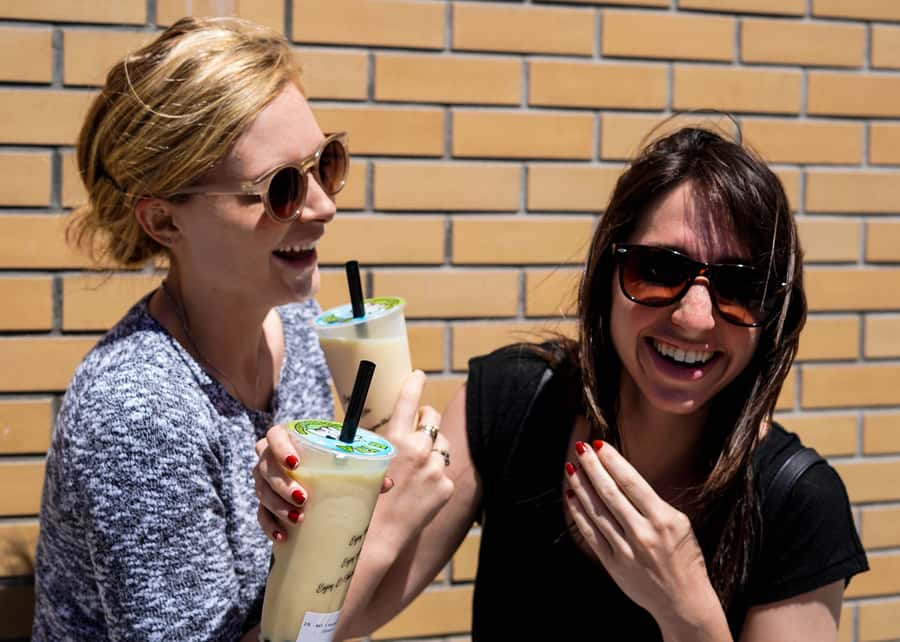
The next food stop is a historic family-owned bakery. You receive a traditional Chinese pastry, giving you another chance to compare textures and flavors with the earlier dim sum.
I like the bakery stop because it broadens the idea of Chinatown food. Dim sum gets much of the attention, but baked goods are just as useful for understanding daily life. A pastry from a family business also feels different from a dish served in a formal restaurant. It is the kind of food you might buy for a snack, a gift, or a simple breakfast.
The walking route then brings in two important local landmarks. You pause at a church that survived the 1906 earthquake and visit a park that once served as a gathering place during the Gold Rush. These stops give the neighborhood a longer timeline.
San Francisco Chinatown is often presented as a place of old customs, but its story also involves disaster, relocation, work, and reinvention. The earthquake reference is a reminder of the neighborhood’s ability to survive a major crisis. The Gold Rush connection places Chinatown within the larger story of San Francisco’s early growth.
The walking sections keep the meal from feeling like a string of unrelated tastings. You get a sense of how food businesses, religious buildings, public spaces, and narrow streets fit together. That is one reason I would choose this tour early in a San Francisco visit. It can help you return to Chinatown later with a clearer sense of place.
Same leaf, a different ritual:
- Charleston: Wadmalaw Island Wine Tasting and Tea Garden Trip
★ 4.9 · 94 reviews - Tea Around Town: A Delightful Atlanta Experience
★ 3.5 · 91 reviews - Wine Sippin’-Tea Drinkin’-Tree Huggin’ Lowcountry Sightseeing
★ 5.0 · 88 reviews - Tea Around Town Dallas: Sip and Savor the Sights
★ 3.0 · 81 reviews
Roasted specialties and a flexible lunch stop
Weather determines how the next savory tasting works. On a suitable day, you may eat picnic-style in the park. If conditions are poor, the group settles into a local eatery instead.
The food at this stage includes savory rolls and roasted specialties, with duck part of the meal. Peking Duck is specifically included, and the overall selection is meant to move beyond dim sum into richer roasted flavors.
This flexible arrangement is practical, though it means the exact feel of the stop can vary. A park setting gives you a more relaxed break and lets you watch the neighborhood around you. A local restaurant is more dependable when the weather turns cold or wet.
The tour includes soft drinks as well, so you are not expected to purchase a beverage at every stop. Alcohol is not included. If you want wine or beer, you would need to pay separately, assuming it is available at the stop.
One important point: the food is generous enough that this should replace a meal, not merely precede one. The tour description calls it a full meal, and the combination of dim sum, pastry, savory dishes, duck, dessert, and drinks supports that claim. If you book it near lunchtime, plan your other meals around it.
Finishing with Chinese tea culture
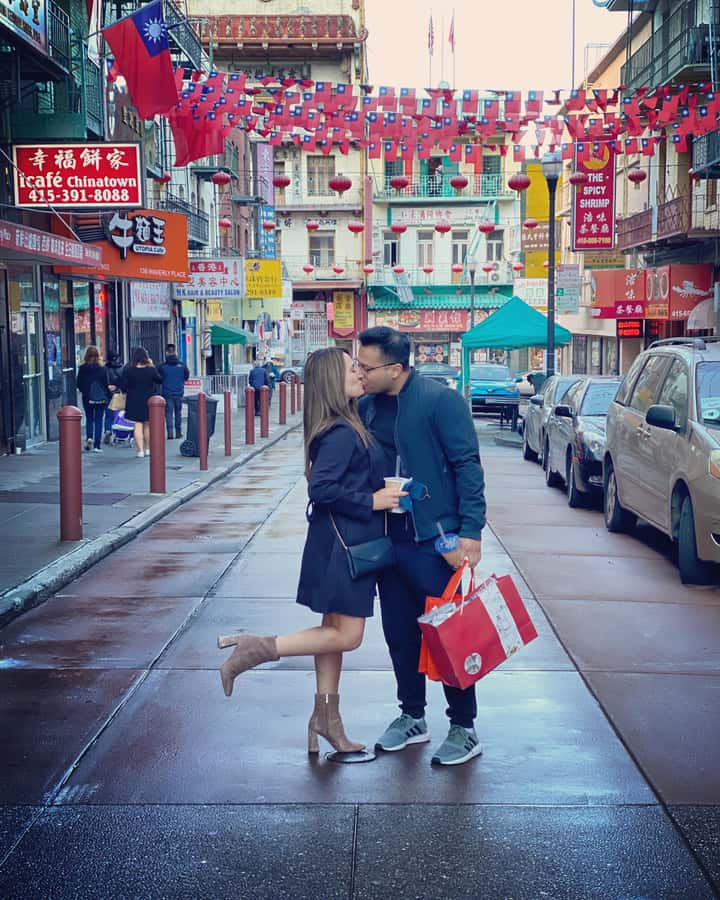
The final stop is a traditional tea shop with a nostalgic feel. Here, tea is treated as more than a hot drink. You taste different teas and learn about the role tea plays in Chinese culture, including its social and ceremonial importance.
This is the most reflective part of the route. The earlier stops are lively and food-focused, while the tea tasting slows the pace. You have time to compare flavors, ask questions, and connect the day’s dishes with a larger set of customs.
The tea tasting is also the portion most likely to appeal to someone who has already visited Chinatown before. You may know where to get dim sum or recognize fortune cookies, but tea culture can be less familiar. The tasting offers a structured way to learn rather than simply buying a tin from a shop and guessing how to use it.
There may also be a chance to hear a story from someone connected with the shop. That possibility is not guaranteed, but it fits the informal nature of the stop. The setting is intended to feel personal and old-fashioned rather than like a formal classroom.
I would not rush away after the last sample. The tea is the part that ties the food and neighborhood together. It gives the tour a calmer finish than ending with one more sweet or a quick souvenir stop.
What $99 gets you
The price is $99 per person. That sounds high for a walking tour until you count what is included: dim sum, bubble tea, a bakery pastry, savory food, Peking Duck or another roasted specialty, dessert, soft drinks, and a tea tasting.
You are also paying for three hours of guiding in a small group. The food alone may not equal the full price in a budget-minded calculation, especially if you are comfortable ordering at Chinatown restaurants on your own. The value comes from combining several tastings with local context, navigation, and access to stops you might not choose independently.
I see the tour as a good purchase for a first visit, an occasional food splurge, or a day when you want someone else to organize the meal. It is less attractive if you already know Chinatown well or mainly want the cheapest possible dim sum lunch.
The strongest parts are the variety and the tea tasting. The range of food means you do not spend three hours eating the same type of dish. The tea stop adds a cultural subject that many food walks skip.
The main weakness is that the exact food rhythm may feel heavy for some people. There are several eating points in a short period, and children or picky eaters may not enjoy every item. Anyone over age 7 needs a full ticket, and there are no children’s meals. Children under 2 are free, but the experience is not recommended for children under 7.
Group size, timing, and practical planning
The tour lasts three hours, with starting times based on availability. Since there is no hotel pickup, you need to reach House of Dim Sum on your own and meet the guide outside the restaurant.
The small group is a real advantage. Ten people or fewer is enough for conversation but still small enough to move through Chinatown without creating a large cluster. It also helps during the tea tasting, where questions and discussion are part of the experience.
The tour is conducted in English. Pets are not allowed. The experience is wheelchair accessible, but you should contact the operator ahead of time for details about the specific route and stops.
You can cancel up to 24 hours in advance for a full refund, and the reserve-now, pay-later option keeps your plans flexible. Those terms matter in San Francisco, where weather can affect the picnic portion and where a busy sightseeing schedule may change.
Wear shoes suitable for walking and arrive ready to eat. Because the route includes several food stops, I would avoid booking another major meal immediately afterward. If you have food allergies or strong dietary limits, ask about them before booking, since the information provided does not promise special menus.
Who should book this Chinatown food walk
I would recommend this tour to first-time San Francisco visitors who want a guided introduction to Chinatown without committing to a full-day excursion. It also suits people who enjoy learning through food and prefer a set plan to choosing dishes at random.
It works particularly well for couples, small groups of friends, and adults who want cultural context with their meal. The tea tasting gives the experience a more thoughtful edge than a standard restaurant crawl.
Families should think carefully. Children under 7 are not considered a good fit, and anyone over 7 pays the full adult-style ticket without a children’s menu. Older children who enjoy trying new foods may have fun, but this is not designed as a kid-focused activity.
If you are on a strict budget, I would compare the $99 price with the cost of eating independently. You can likely spend less by ordering a few dishes at one restaurant, but you will not receive the same combination of guided stories, multiple stops, fortune cookie production, and tea instruction.
Should you book the San Francisco Chinatown Dim Sum and Tea Tour?
Book it if you want a complete Chinatown introduction, not just a meal. The strongest reasons are the small group, wide food selection, fortune cookie factory, old alleyways, and well-paced tea tasting.
Skip it if you already know the neighborhood well, dislike eating several times in one afternoon, or want the lowest possible food cost. For everyone else, the tour offers a convenient and substantial way to connect Chinatown’s food, businesses, public spaces, and long story in three hours.
The tea tasting is the deciding factor for me. Dim sum and bubble tea are easy to find, but finishing with Chinese tea culture gives the experience a sense of purpose. If that sounds more appealing than simply checking restaurants off a list, this tour is worth considering.
FAQ
Where does the tour meet?
The guide meets the group outside House of Dim Sum in San Francisco Chinatown.
How long is the Chinatown tour?
The experience lasts three hours.
What food and drinks are included?
The tour includes dim sum, bubble tea, Peking Duck or roasted specialties, dessert, a traditional Chinese pastry, soft drinks, and a tea tasting.
Is the fortune cookie factory included?
Yes. You visit the first fortune cookie factory in the world, watch cookies being made, and sample them fresh.
Is the tour conducted in English?
Yes. The live tour guide speaks English.
Is the tour suitable for children?
Children under 2 are free. The experience is not recommended for children under 7, and participants above age 7 require a full ticket without a children’s meal.
Can I cancel the booking?
Yes. You can cancel up to 24 hours in advance for a full refund. A reserve-now, pay-later option is also available.
Newly steeped around the USA
- Washington, D.C.: Tea Around Town Bus Tour with Landmarks★ 3.4 · 7 reviews
- Tea By The Sea★ 5.0 · 9 reviews
- Tea Blending★ 4.5 · 8 reviews
- Tea Around Town: A Charming Tea Experience in Philadelphia★ 3.5 · 24 reviews
- St. Johns River High-Tea Cruise Tour in Sanford★ 5.0 · 2 reviews
- Premium Loose Leaf Tea and Chocolate Tasting★ 3.0 · 4 reviews
- Beach Yoga & Tea Experience on South Beach★ 5.0 · 19 reviews
- Tea Plantation and Winery Tour in Charleston★ 5.0 · 3 reviews
USA Tea Tours, compared.
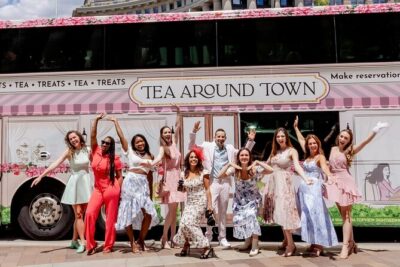
Tea Around Town: High Tea Experience and Tour of Washington DC
Read our review →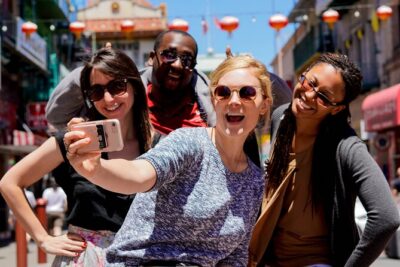
SF’s Chinatown: Tea & Dim Sum Food Tour – Includes full meal, 3hr
Read our review →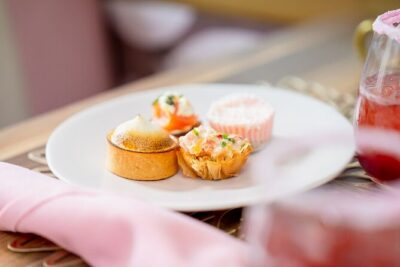
Tea Around Town® NYC: Mobile Tea Room Experience
Read our review →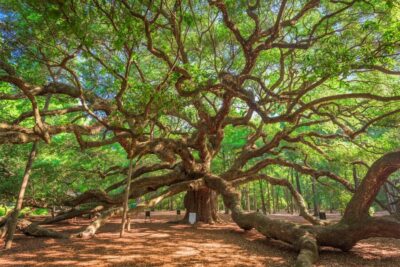
Charleston: Wadmalaw Island Wine Tasting and Tea Garden Trip
Read our review →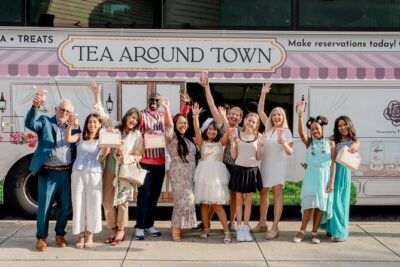
Tea Around Town: A Delightful Atlanta Experience
Read our review →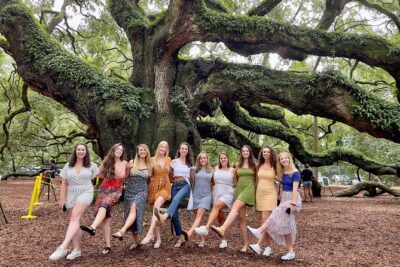
Wine Sippin’-Tea Drinkin’-Tree Huggin’ Lowcountry Sightseeing
Read our review →
Tea Around Town Dallas: Sip and Savor the Sights
Read our review →
NYC: Tea Around Town Bus Tour with Live Entertainment
Read our review →Browse the lists this tea experience appears in