
Review · AUSTRALIA
Bowral Honey Farm Tour, Honey Tasting & morning Tea
At Bowral Honey Farm, the star of the show is not a grand building or a long list of stops. It is the chance to put on a veil and watch bees working around their hives at close range. You then see an empty Flow Hive in action and taste honeys made from different flowers, each with its own color, texture, smell, and flavor.
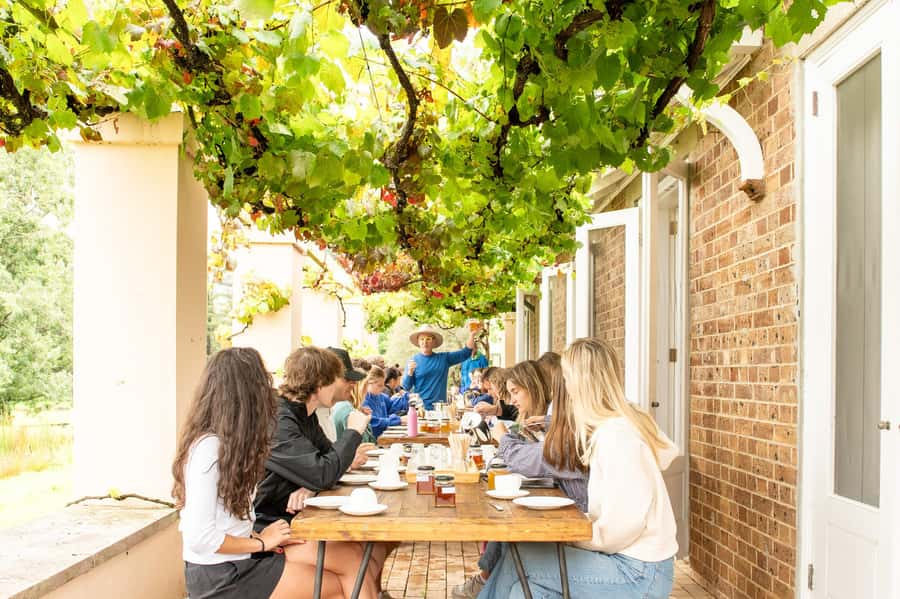
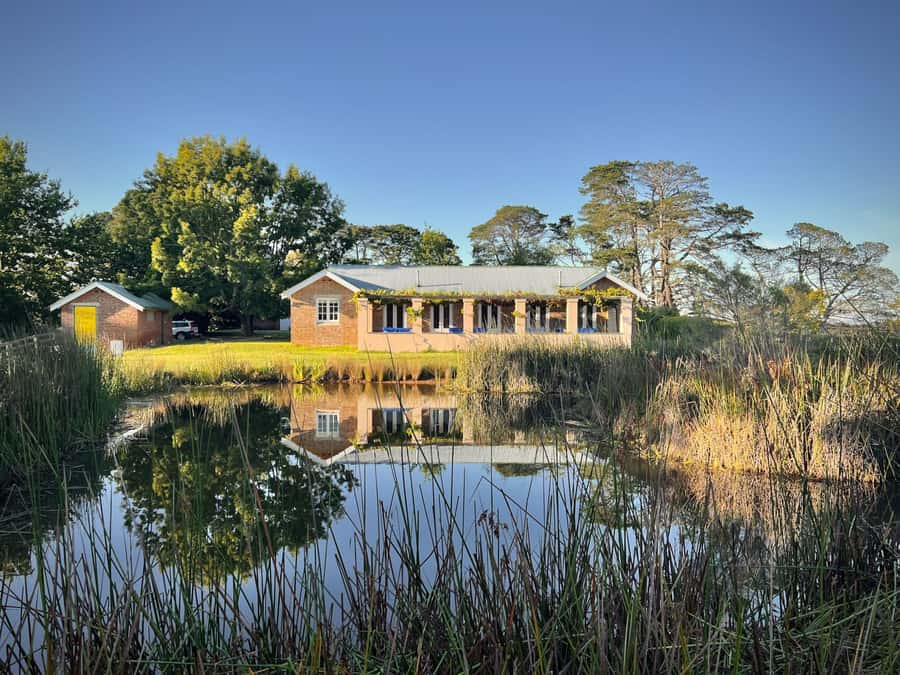
I like the direct contact with beekeeping, and I like the gentle finish: tea, coffee, and fresh sourdough on a terrace above a private lake. The main consideration is that this is a compact one-hour visit, and anyone with an insect allergy should not book. Also, one recent booking problem involved unanswered requests to change a date, so confirm your plans carefully before arrival.
Key points at a glance
- Veil-on hive visit: Walk beside the hives and observe the bees safely while the beekeeper explains their life cycle.
- Flow Hive demonstration: See how a modern hive is designed to let honey flow out, with the demonstration hive kept empty for safety and clarity.
- Guided raw honey tasting: Compare local honeys by color, aroma, thickness, mouthfeel, and taste.
- Tea on a private-lake terrace: Finish with leaf tea, coffee, and freshly baked sourdough rather than rushing straight back to the car.
- Retford Park setting: Enter through the National Trust property at 1525 Old South Road, then follow the long drive to the apiary.
- Good value at $29: The price covers the farm tour, hive viewing, tasting, and morning tea, though transport and extra honey cost more.
Why this short Bowral bee tour is worth your time
The Southern Highlands has plenty of scenic outings, but this one gives you something you cannot get from a viewpoint alone. You learn how bees live, how beekeepers work with them, and how flowers affect the honey in your jar. The lesson stays practical because you are looking at real hives, not only listening to a talk indoors.
I especially like the order of the experience. You first meet the bees, then learn how a hive works, and only after that taste the result. By the time the morning tea arrives, honey is no longer just a sweet spread. You have seen the insects, the hive structure, and the careful work behind it.
The tour runs for about one hour, so it fits neatly into a morning around Bowral. It is long enough to offer more than a quick farm-gate purchase, but short enough to combine with other Southern Highlands plans. Families can manage the time without committing half a day, and adults who already know a little about bees can still enjoy the tasting and the farm setting.
More Tea Experiences around Australia:
- Great Ocean Road Tour Plus Koalas, Forest Walk and Morning Tea
★ 4.5 · 1,068 reviews - Great Ocean Road, 12 Apostles, Rainforest & Morning Tea-Melbourne
★ 5.0 · 568 reviews - Great Ocean Road 12 Apostles & Rainforest Walk with Morning Tea
★ 4.5 · 549 reviews
Finding the hives at Retford Park
Bowral Honey Farm sits on the grounds of Retford Park, a National Trust property at 1525 Old South Road. From Bowral main street, the drive takes about five minutes, though the entrance road itself is long. Follow the main driveway through the gates rather than expecting the apiary immediately beside the road.
The route eventually turns to the right, where you will see the hives and signs. You can park in the paddock opposite or continue a little farther to the gravel parking area. This is useful information for a first visit because the grand entrance and long drive can make the meeting point feel less obvious than a standard shopfront.
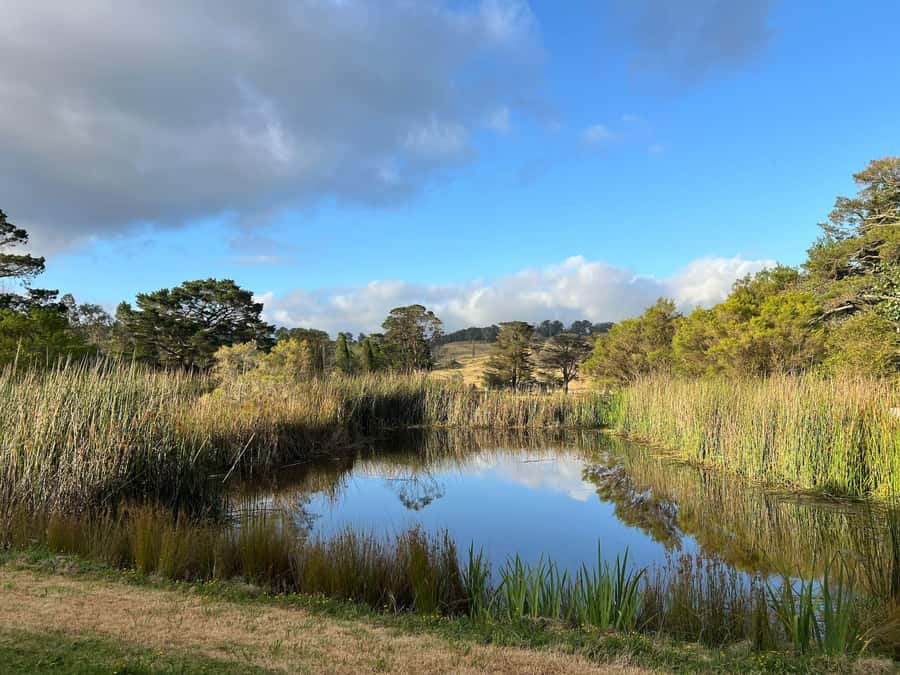
The setting is part of the appeal. The apiary looks across open ground toward rolling hills, while the morning tea terrace faces a private lake. You get a rural view without traveling far from town, and the location gives the visit a clear sense of place.
Bring comfortable shoes, warm clothing, a hat, and sunscreen. The activity takes place outdoors beside the hives, so conditions may feel different from what you expect in town. Smoking is not allowed.
Five minutes of safety before meeting the bees
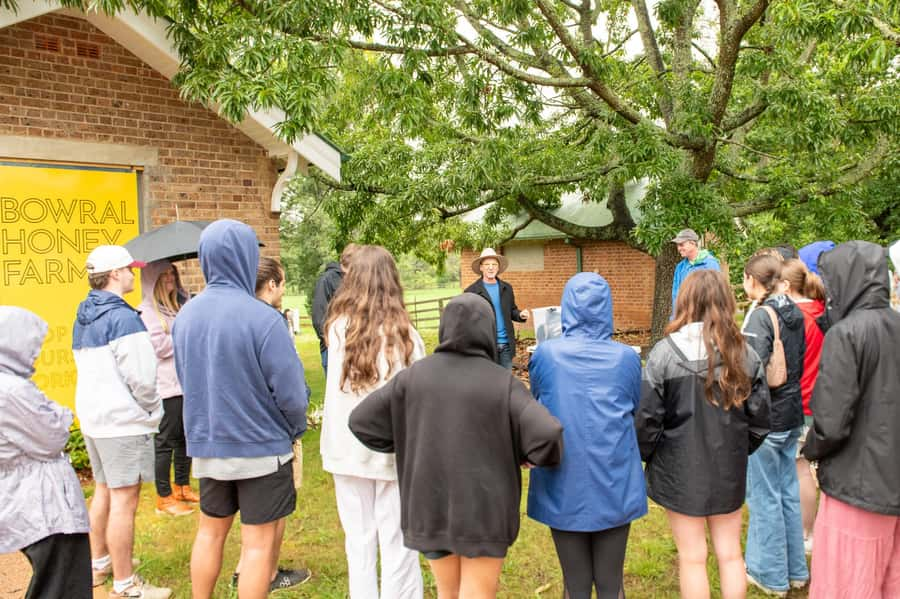
The visit begins with a safety briefing of about five minutes. This is not wasted time. Bees are generally calm when handled properly, but they are still insects with their own behavior, and you need to understand how to move and listen around the hives.
You wear a head veil for the hive visit. The veil lets you see the bees up close while keeping your face protected. The tour information does not promise a full protective suit, so choose clothing for comfort and coverage rather than treating this as a dressed-up photo opportunity.
This activity is not suitable for people with insect allergies. That point deserves more weight than it often gets in short tour descriptions. If an allergy is a concern, do not rely on the veil alone as a solution. The safest decision is to skip the experience.
The tour is wheelchair accessible, but the visit includes an outdoor route alongside the hives. If you have specific mobility needs, it is sensible to confirm the exact conditions before booking.
Twenty minutes beside active hives
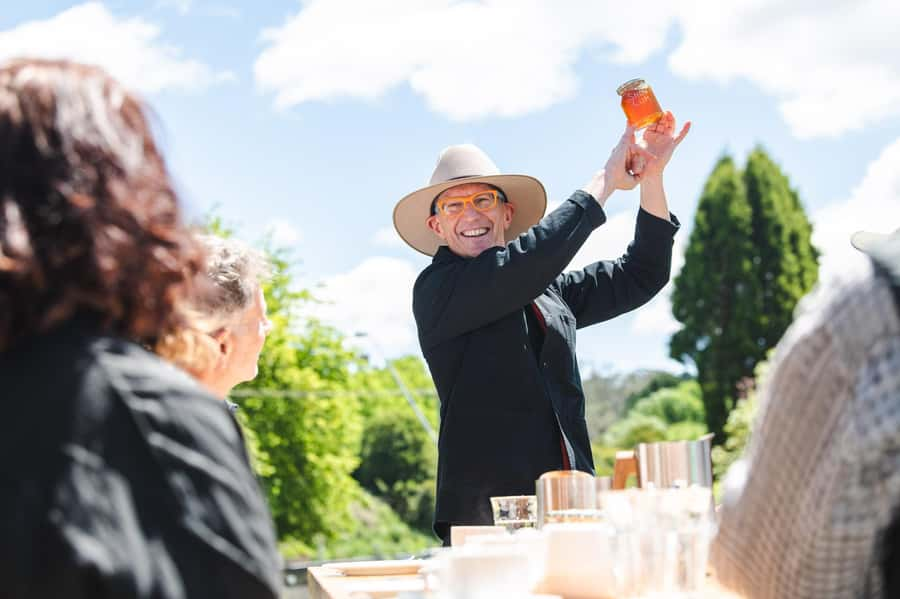
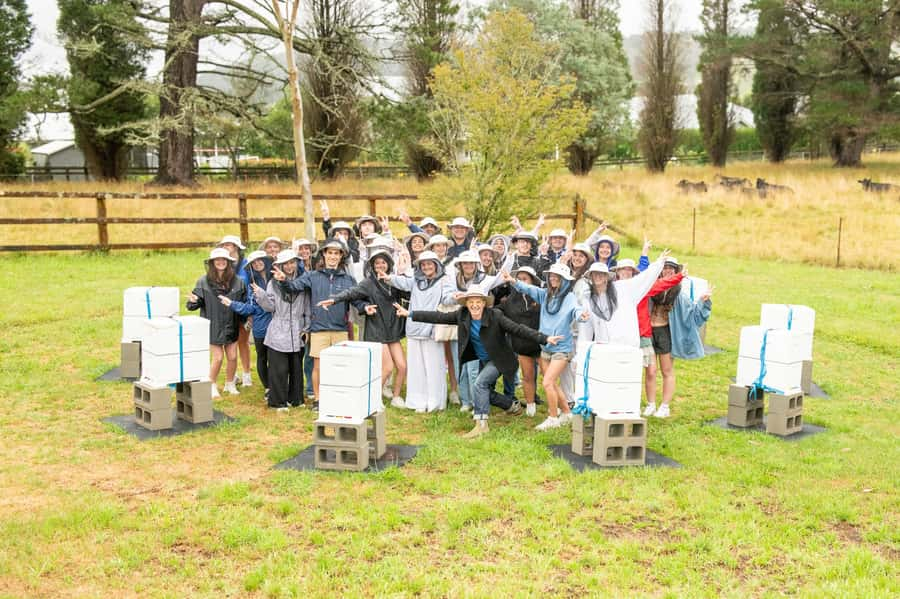
The guided tour lasts about 20 minutes and takes place alongside the apiary. Your beekeeper explains the remarkable lives of bees, their life cycle, and the role they play as pollinators. You are not simply shown a row of boxes. The aim is to help you understand what is happening inside them and why beekeeping requires care.
The strongest part of this section is the close view. With your veil on, you can watch the bees at work rather than seeing them only as tiny shapes in a photograph. That makes the talk easier to follow, especially for children, because the subject is right in front of you.
The guide’s enthusiasm matters here. Feedback on the experience repeatedly highlights the guide’s clear explanations and ability to make the subject fun. You can expect the talk to be informative without becoming a technical lecture.
There is also a useful environmental angle. Bees are at-risk pollinators, and the tour places their work in a wider context. You come away with a better sense of why healthy bee populations matter, but the activity remains grounded in the day-to-day work of maintaining hives and producing honey.
Same leaf, a different ritual:
- Morning Sightseeing Cruise: 10:30am-12pm (90min)
★ 4.5 · 973 reviews - Brisbane: Morning Sightseeing Cruise: 10:30am-12pm (90min)
★ 4.5 · 521 reviews - Adelaide: River Torrens Popeye Devonshire Tea Cruise
★ 4.7 · 207 reviews - Magnetic Island: Guided Bus Tour with Morning Tea
★ 4.8 · 129 reviews
Fifteen minutes with the Flow Hive
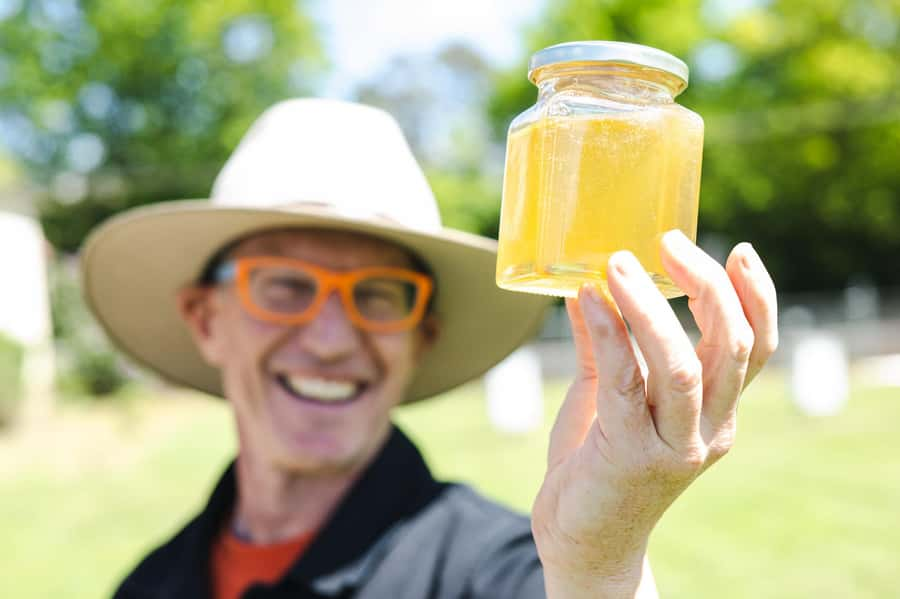
After the apiary visit, the tour moves to a 15-minute workshop and demonstration. The featured item is a Flow Hive, a modern hive design that helps honey flow out through the hive structure. The demonstration hive is empty, which lets you see how the system works without confusing the explanation with a live hive inspection.
This is a good bridge between the bees and the honey tasting. You have just seen the outside of an active apiary, and now you get a clearer look at the equipment used in honey production. If you are new to beekeeping, this part helps answer a basic question: how does honey move from the hive into a jar?
The Flow Hive is also useful for families because it gives the workshop a concrete focus. Instead of hearing only about bee behavior, you can look at a piece of equipment and see the idea in operation. The 15-minute length keeps it moving, though anyone hoping for a detailed beekeeping course will find the session introductory.
Twenty minutes comparing local honeys
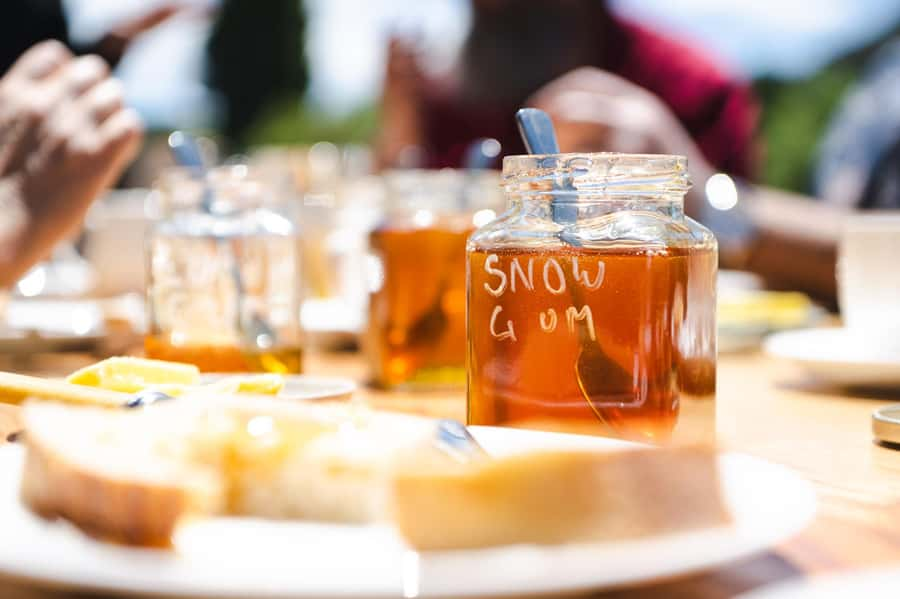
The tasting is the final main part of the visit and takes about 20 minutes. You sample local raw honeys from different floral sources, with the guide drawing attention to their appearance, aroma, viscosity, mouth texture, and taste.
That comparison is the point. Honey is not one fixed flavor, and the tasting shows how different flowers can produce different results. One sample may look lighter or darker than another, while its thickness and aroma change the way it feels and tastes.
Fresh sourdough is served with the honey, along with leaf tea and coffee. The bread gives you a plain base for comparison, while the hot drinks make the session feel like a proper morning stop rather than a quick spoonful at a farm stall.
I like this ending because it turns the earlier information into something you can judge for yourself. You have learned how bees gather nectar and how beekeepers manage hives, then you taste the finished product side by side. It is a small lesson in food and farming, not just a sweet snack.
The tasting also gives you time to ask questions. The tour is in English and led by a live guide, so you are not moving through a self-guided display. If you enjoy food tastings but want some context behind what you are eating, this is the part that gives the $29 price its strongest value.
The lake terrace and final photo stop
The morning tea takes place on a terrace looking across a private lake, with rolling hills beyond. This is a calm way to end the tour, especially after standing near the hives and concentrating on the guide’s explanation.
There is a short photo stop at the end, followed by an opportunity to shop. Honey is available for purchase after the visit, and the farm also operates a weekend farm-gate stall. The purchase is optional and is not included in the $29 price.
Do not expect a large retail operation or a long shopping session. The useful part is being able to take home a honey you have just tasted and compared. If one variety suits you, you can buy it with a better idea of what you are getting than you would have from reading a label in a supermarket.
What the $29 price gets you
At $29 per person, the tour is fairly priced for a guided one-hour experience. The fee includes the safety briefing, veiled visit beside the hives, the bee and beekeeping talk, the Flow Hive demonstration, the guided tasting, tea, coffee, and sourdough.
The value depends on what you want from a farm visit. If you only want to buy honey, the weekend farm-gate stall is the simpler choice. If you want to understand bees and taste several local honeys in one sitting, the tour gives you much more for a modest extra cost.
Transportation is not included, so you need to reach Retford Park yourself. The short drive from central Bowral makes that straightforward if you have a car, but the price should not be judged as a door-to-door excursion. You are paying for the hosted experience at the farm.
Meals are not included beyond the morning tea described above. Think of the bread, honey, tea, and coffee as a generous tasting and light refreshment, not a full breakfast or lunch.
Who will enjoy this experience most
I would recommend this tour to families, couples, food lovers, and anyone spending time in the Southern Highlands who wants a short activity with a local connection. It works particularly well for people who are curious about where food comes from but do not want a long agricultural tour.
Children may enjoy the visible action at the hives and the simple cause-and-effect of the Flow Hive demonstration. Adults get more from the details of bee life, pollination, hive care, and honey flavor. The morning tea gives everyone a comfortable shared finish.
It is less suitable if you dislike insects, have an insect allergy, or want a full working-apiary experience lasting several hours. The tour gives you a close introduction, not an apprenticeship in beekeeping.
The outdoor setting also means you should dress for the weather. Warm layers, a hat, sunscreen, and sensible shoes are more useful than anything stylish. The farm is attractive, but the focus is working hives, not polished entertainment.
Booking, cancellation, and a small caution
You can cancel up to 24 hours ahead for a full refund, and the reserve-now-pay-later option lets you hold a place without paying immediately. Check available starting times because the tour lasts one hour and operates at set times.
One practical warning comes from the booking record: a customer who needed to change a date reported making several attempts to contact the provider without receiving a response. That does not describe the tour itself, but it is a reason to check your date carefully before confirming and to contact Bowral Honey Farm early if your plans change.
The overall score is 4.5 from seven reviews, with the strongest praise aimed at the guide’s enthusiasm, the beautiful setting, the easy parking, and the honey tasting. Those are exactly the areas where this experience earns its keep.
Should you book Bowral Honey Farm?
Book it if you want a friendly, compact introduction to bees, beekeeping, and local honey near Bowral. The veil-on hive visit, Flow Hive demonstration, and tasting create a clear beginning, middle, and end, while the lake terrace gives the hour a pleasant finish.
Skip it if you have an insect allergy, need a full meal, or expect a long technical workshop. For everyone else, $29 buys a well-focused morning activity with real educational value and a taste of the Southern Highlands beyond the usual gardens and cafés.
FAQ
Where is Bowral Honey Farm located?
It is on the grounds of Retford Park, a National Trust property at 1525 Old South Road, Bowral, New South Wales.
How far is the farm from Bowral main street?
The apiary is about a five-minute drive from Bowral main street.
How long does the tour take?
The experience lasts one hour.
What happens during the hive visit?
You receive a safety briefing, wear a head veil, and walk alongside the hives while the beekeeper explains bees, beekeeping, and the bee life cycle.
Will I see a Flow Hive?
Yes. The tour includes a demonstration of an empty Flow Hive to explain how the hive works.
What is included in the honey tasting?
You taste local raw honeys from different floral sources and compare their appearance, aroma, viscosity, mouth texture, and flavor.
Is morning tea included?
Yes. Morning tea includes leaf tea, coffee, and freshly baked sourdough to accompany the honey tasting.
Is transportation included?
No. You must make your own way to Retford Park and the Bowral Honey Farm apiary.
Can I buy honey after the tour?
Yes. Honey is available for purchase after the visit, and a weekend farm-gate stall also sells honey.
Is the tour suitable for people with insect allergies?
No. The experience is not suitable for people with insect allergies.
Is the activity wheelchair accessible?
Yes, the activity is listed as wheelchair accessible.
What should I bring?
Bring comfortable shoes, warm clothing, a hat, and sunscreen. Smoking is not allowed.
Newly steeped around Australia
- Yarra Valley Foodie Tour, Devonshire Tea, Cheese and Chocolate★ 5.0 · 10 reviews
- Boab and Myrtle Chandon High Tea in Broome★ 5.0 · 5 reviews
- Honey Farm Tour. Morning Tea. Guided Tasting★ 5.0 · 3 reviews
- Private Tassie Distillery Tour – Tastings, Lunch and Morning Tea★ 5.0 · 3 reviews
- Sunshine Coast:Silver Bullet High Tea at Mary Valley Rattler★ 4.6 · 12 reviews
- Sapphire Coast: 7h Shore Excursion with Aussie Morning Tea★ 5.0 · 5 reviews
- Perth: Pinnacles Desert Lobster Tour with Morning Tea★ 4.2 · 4 reviews
- Gold Coast Private Lunch Sailing Charter for up to 10 guests★ 5.0 · 2 reviews
Australia Tea Tours, compared.
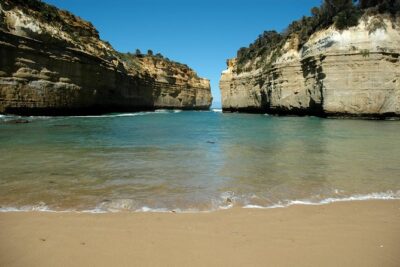
Great Ocean Road Tour Plus Koalas, Forest Walk and Morning Tea
Read our review →
Morning Sightseeing Cruise: 10:30am-12pm (90min)
Read our review →
Great Ocean Road, 12 Apostles, Rainforest & Morning Tea-Melbourne
Read our review →
Adelaide: River Torrens Popeye Devonshire Tea Cruise
Read our review →
Magnetic Island: Guided Bus Tour with Morning Tea
Read our review →
Half Day Sea Kayak Tour from Batemans Bay with Morning Tea
Read our review →

Sydney Harbour: 2-Hour Morning Yacht Cruise with Morning Tea
Read our review →Browse the lists this tea experience appears in