
Review · ELLA
Uva Halpewatte Tea Factory Tour in Ella Sri Lanka
The most useful part of this visit is that you see Ceylon tea being made inside a working factory, not just pretty tea fields. In about an hour, your guide explains each production step, then serves tea for tasting. It is a clear way to understand what happens after the leaves leave the hillside.
I like the small group size, capped at 15 people, and the chance to walk close to the machinery. I also like the English explanations, which can cover tea science, chemistry, varieties, and the hard work behind each cup. Guides named Siva, Lahiru, and Rajha have each been praised for clear and lively talks.
The main caution is timing. Factory work may be easiest to see early in the day, and production may not be running on Sundays. The tea tasting also seems to vary, so serious tea drinkers should keep expectations sensible.
Key points to know before you go
- Watch tea production up close: The tour covers the factory process step by step, with access close to working machinery when production is running.
- Go early for the best chance of action: Some production may be finished after the morning, and Sunday factory work may not take place.
- Expect a short, focused visit: The tour lasts about one hour and ends with tea tasting.
- Guides shape the experience: Siva, Lahiru, and Rajha are among the guides associated with especially clear explanations and good humor.
- Leave time for the shop: Factory-fresh tea, a tea shop, and a cafe are part of the visit.
- Good value at $18: You get a guided factory visit, tasting, and admission for a modest price, but plantation activities are not automatically included.
What you really see at Halpewatte Tea Factory
This is a factory tour first. That distinction matters in Ella, where tea experiences can range from a quick field stop to a hands-on leaf-picking activity. At Halpewatte, your attention is on the work done after tea leaves arrive at the factory.
The visit follows the basic path of tea manufacture. Your guide explains how fresh leaves are handled and processed, then shows the machinery and modern methods used to turn them into finished Ceylon tea. The explanations are intended to be step by step, so you do not need much prior knowledge to follow along.
The factory is described as an award-winning, functioning producer and one of the larger Ceylon tea operations in the area. That gives the visit more weight than a display-only museum. If production is active during your arrival, you may see the machinery in use and get a better sense of the pace and noise of factory work.
The factory itself is set on a hill, with views around it. The view is a pleasant extra, but it is not the main reason to book. You come here to understand the process, not to spend an hour taking scenic photographs.
More Tea Factory Tours in Sri Lanka
- Nuwara Eliya: Tea Factory and Pickle Waterfalls Tuk Tuk Tour
★ 4.7 · 113 reviews - From Colombo: Kandy, Pinnawala and Tea Factory Full-Day Trip
★ 4.4 · 99 reviews - Ella: Tea Factory, Train, and Nine Arch Day Tour with Pickup
★ 4.8 · 98 reviews
The step-by-step factory walk
The guide leads you through the tea-making stages in order. That structure is one of the tour’s strengths. Instead of seeing a machine and receiving a vague explanation, you are shown how each stage fits into the finished drink.
Expect an English-language explanation of the production process, including the role of different machines and the way tea is handled. Some guides add detail about tea science and chemistry. Siva, in particular, has been singled out for explaining the science behind the process with enthusiasm, while Rajha has been praised for knowledge, humor, and a lively presentation.
The quality of the explanation can make a big difference. A good guide helps you connect the dry leaves in a packet with the fresh leaves from the estate. You begin to see tea as a series of physical changes, not simply a crop that is picked, dried, and packed.
You may also be able to walk close to the factory floor and machinery. That makes the visit more direct than standing behind a window and looking at equipment from a distance. Factory access can depend on the day’s work and safety arrangements, so I would not treat every machine as guaranteed to be running.
This is also where the tour gives you a better respect for the labor involved. Tea production may look simple once the leaves are in a box, but the factory process involves repeated, careful stages. The visit helps explain why tea varieties taste different and why production requires both machinery and human attention.
Why the timing matters so much
The official opening hours are listed as 8:00 AM to 4:30 PM, Monday through Sunday. That tells you when the site is open, but it does not guarantee that the factory floor will be active for the entire period.
For the best chance of seeing live production, I would aim for the morning. One practical suggestion is to arrive before noon. Another note warns that if you arrive after about 8:30 AM, there may be no production, and Sunday factory work may not take place. Those details do not line up perfectly, so the safest advice is simple: go as early as you can and confirm the operating schedule before setting out.
This is especially important if the factory tour is the main reason for your visit. If you arrive during a quiet period, you may still receive the guided explanation and visit the shop, but the experience can feel more like an educational presentation than a working factory tour.
The tour is short enough to fit neatly into an Ella morning. At roughly one hour, it will not consume your whole day, and the meeting point is also the end point. If you have a plantation visit planned, the two can complement one another, but they are separate experiences. Do not assume that the factory ticket includes a plantation tour or leaf-picking session.
Tea tasting: a useful finish, with mixed expectations
The visit ends with a tea-tasting session. This is more than a free drink at the door. It gives you a chance to connect the factory process with the final cup and to compare what you have just learned with the taste in front of you.
The tasting can be a good moment to ask about tea types and production methods. If your guide has explained the difference between varieties, you can use the tasting to make that information practical. The experience may also change how you think about the black tea commonly served in Sri Lanka.
Still, I would keep expectations moderate. Some people find the tasting enjoyable and flavorful, while one tea enthusiast found the sample weak and watery. Tea preparation, serving style, and personal taste can affect the result. If you are very serious about tea, treat the tasting as an introduction rather than a formal professional tasting.
Afterward, you can browse the factory-fresh tea shop and cafe. That is convenient if you want to take tea home, and the shop gives you a chance to ask about the products before buying. One useful point is that the visit does not force you to shop, so you can simply look around and leave with a better understanding of what you have seen.
Same leaf, a different ritual:
- Tea Plantation Tour in Ella, Sri Lanka
★ 5.0 · 319 reviews - Handmade Tea Tour in Ella Sri Lanka
★ 5.0 · 77 reviews - Tea Fields & Factory Tour
★ 5.0 · 67 reviews - Ella Private Day Trip with Train Ride & Tea Factory-All Inclusive
★ 5.0 · 61 reviews
The plantation question: what this tour does not include
The factory and the tea estate are linked, but they are not the same experience. The factory tour concentrates on manufacture. A plantation visit concentrates on the growing environment, the tea fields, and the work of picking leaves.
If you want the complete journey from hillside to cup, plan carefully. Some visitors combine a plantation tour with the factory visit because the two show different parts of tea production. The factory tour alone will not give you the full field experience described by the separate plantation activity.
A hands-on option may also be available at the site on some visits, including a handmade tea experience where participants pick leaves and help prepare and taste them. That is not something I would assume is included in the standard $18 factory tour. Ask before booking if you specifically want leaf picking or handmade tea preparation.
This distinction helps you choose the right activity. If you want machinery, processing, and tea science, choose the factory. If you want fields, picking, and a more personal connection with the crop, add or select a plantation visit.
The guide can make or break the hour
The tour is brief, so the guide carries much of the experience. A strong guide turns a sequence of machines into a clear story. A weaker presentation can feel rehearsed, especially if the group receives a set talk with little room for questions.
Several guide names appear in connection with positive experiences. Siva has been associated with an enthusiastic explanation of tea chemistry. Lahiru has been described as clear and engaging. Rajha is known for bringing knowledge, humor, and energy to the presentation. You may meet one of them, or another member of the Halpewatte team, depending on the day.
The best approach is to ask questions. You can ask how the process affects flavor, why tea varieties differ, or which stages are most labor intensive. The tour is small enough, with no more than 15 people, for questions to be practical rather than lost in a large crowd.
There is also a social side to the visit. The factory is a workplace, not a polished theme park. Some rooms and displays may look worn, and the presentation may not feel perfectly modern. For me, that is acceptable if the factory is operating and the explanation is honest. If you expect a glossy visitor center, you may find the setting plain.
Is $18 fair for one hour?
At $18, this is a reasonable short activity if you value clear explanation and a close look at production. The price includes admission, the guided factory tour, and the tasting. You also have access to the tea shop and cafe afterward.
The value depends heavily on what is happening when you arrive. With active machinery, a good guide, and a useful tasting, the price feels fair. If the factory is quiet, the tour becomes less powerful, though you still receive the explanation and the chance to learn how tea is made.
Compared with a long plantation excursion, this is a compact purchase. It fits well between other Ella plans and does not require you to give up half a day. The tradeoff is that you get less time and fewer outdoor activities.
I would not book it solely for the scenery or the tasting. I would book it for the factory access and the chance to ask questions about Ceylon tea. The tea shop may add value if you already plan to buy tea, but your purchase should not be the reason for going.
Who will enjoy this most
This tour suits curious first-time tea drinkers, people who want to understand how Sri Lankan tea is produced, and anyone who prefers a focused visit over a long excursion. It also works well for visitors with limited time in Ella.
Families may like the machinery and the simple step-by-step format, though the amount of interest will depend on the children. Tea fans will appreciate the chance to discuss production and varieties, but should remember that the tasting may not be especially elaborate.
The tour is also a good match for people who want a more honest look at working conditions and production. Seeing how much labor sits behind a packet of tea can change the way you view your morning drink. The factory setting is not dressed up as a luxury attraction, which can be part of its appeal.
You may want to skip it if you only want sweeping views, a slow walk through tea fields, or a hands-on rural activity. Those are better served by a plantation tour. You may also be disappointed if you arrive late and find that production has stopped.
Meeting point, group size, and cancellation terms
The meeting point is Uva Halpewatte Tea Factory on Badulla Road in Hela Halpe, Ella, postal code 90090. The activity ends back at the same location, so you do not need to arrange a separate return point.
A mobile ticket is accepted, and confirmation is provided at booking. The group can include up to 15 people. That is small enough for a more personal explanation, though the actual group size can be smaller or close to the limit.
Most people can take part. The visit is a factory walk rather than a long trek, but the available information does not give detailed accessibility specifications. If you have particular mobility needs, confirm the conditions with the provider before booking.
Free cancellation is available up to 24 hours before the start time for a full refund. Changes or cancellations made less than 24 hours before the start time are not accepted for a refund, and the cut-off follows local time.
Should you book the Halpewatte factory tour?
I would book this if you want the practical side of Sri Lankan tea. The strongest parts are the step-by-step factory explanation, the chance to get close to the machinery, the small group limit, and the guides who bring science and humor to the hour.
Book an early time and confirm that production will be running, especially if your visit falls on a Sunday. If you want tea fields or leaf picking, pair this with a plantation activity rather than expecting the factory ticket to cover both.
At $18, it is a sensible add-on to an Ella visit. Just think of it as a working factory lesson with a tasting, not a polished museum or a full tea-estate day. With the right timing, it gives you a clearer understanding of what is in your cup and why Ceylon tea has such a strong place in Sri Lanka’s story.
FAQ
How long does the Uva Halpewatte Tea Factory tour last?
The tour lasts approximately one hour, including the guided factory visit and tea tasting.
What time is the factory open?
The listed opening hours are 8:00 AM to 4:30 PM, Monday through Sunday.
Should I visit in the morning?
Yes. Morning is the safest choice if you want to see active production. Production may be limited later in the day, and Sunday factory work may not take place.
Is the tour conducted in English?
Yes. The tour includes an English-language guided explanation of the tea-making process.
Is tea tasting included?
Yes. The experience ends with a tea-tasting session for participants.
How large is the tour group?
The maximum group size is 15 people.
Where does the tour start and finish?
It starts at Uva Halpewatte Tea Factory on Badulla Road in Hela Halpe, Ella, Sri Lanka, and ends back at the same meeting point.
Can I cancel for a full refund?
Yes. You can cancel at least 24 hours before the start time for a full refund. Cancellations or changes made less than 24 hours before the start time are not accepted for a refund.
Newly steeped around Sri Lanka
- Tea Experience Tour in Haputale with Lunch at a Village house★ 5.0 · 19 reviews
- Tuk Tuk safari and Picnic in The Tea Plantation from Ella,Haputale & Bandarawela★ 5.0 · 7 reviews
- Trekking & Picnic in The Tea Plantation From Ella, Haputale & Bandarawela★ 5.0 · 4 reviews
- Nandana Tea Walking Tour in Sri Lanka★ 5.0 · 16 reviews
- Tea Plucking and Tea Factory Visit from Nuwara Eliya.★ 3.5 · 3 reviews
- Explore Nuwara Eliya | Experience the Best Tea in the World★ 4.5 · 3 reviews
- Nuwara Eliya: All Inclusive Horton Plains & Tea Plucking Day Trip★ 4.5 · 10 reviews
- NuwaraEliya Tea Factory,Plantation & Water Falls Hike Tour by Car★ 5.0 · 12 reviews
Tea Factory Tours, compared.
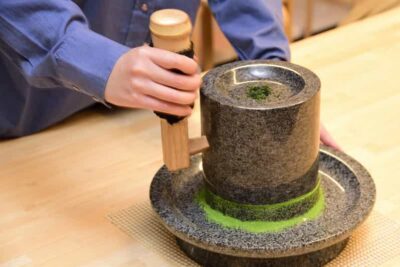
Kyoto: Tea Museum Tickets and Matcha Grinding Experience
Read our review →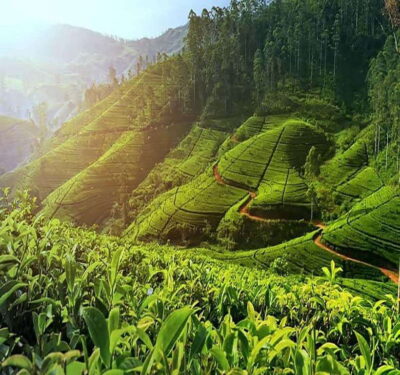
Nuwara Eliya: Tea Factory and Pickle Waterfalls Tuk Tuk Tour
Read our review →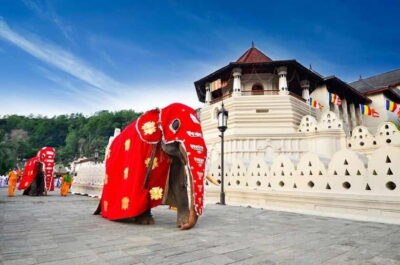
From Colombo: Kandy, Pinnawala and Tea Factory Full-Day Trip
Read our review →
Ella: Tea Factory, Train, and Nine Arch Day Tour with Pickup
Read our review →

Ella Private Day Trip with Train Ride & Tea Factory-All Inclusive
Read our review →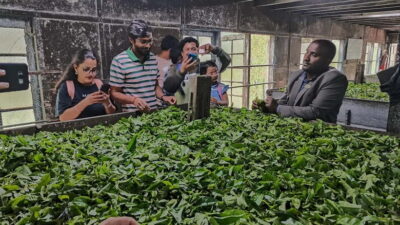
Munnar: Tea trail, Tea Factory, and Tea Tasting Tour
Read our review →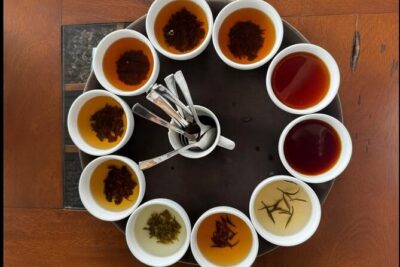
Nuwaraeliya Tea Factory and WaterFall Tour’s With DMJ Tours
Read our review →Browse the lists this tea experience appears in