
Review · SRI LANKA
Tea Fields & Factory Tour
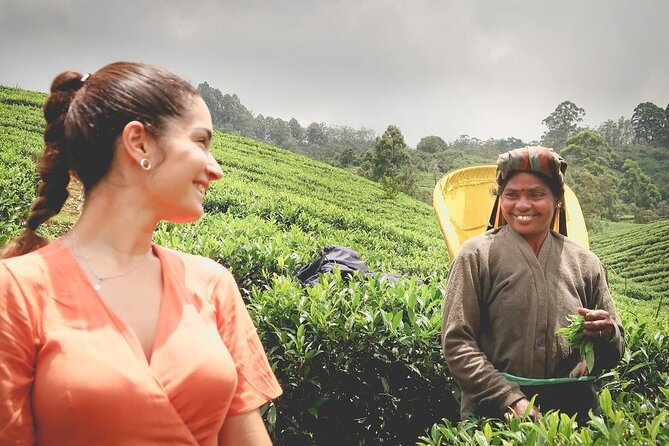
Hatton’s tea country is best understood with a fresh leaf in your hand. This three-hour tour takes you from the tea fields and pluckers to the factory floor, where you can follow the crop through withering, rolling, drying, testing, and packing. The process gives the famous Ceylon label a human and practical face.
I especially like the chance to try plucking yourself, rather than simply looking at rows of tea bushes. The visit to the pluckers’ village and temple also adds local context, while the freshly brewed cup at the end gives the tour a fitting finish. The main drawback is the fixed 3:00 pm start and the need for good weather, so this is less flexible than a quick factory stop.
Key points at a glance
- Follow tea from leaf to teapot: See the field work and the factory stages in one short outing.
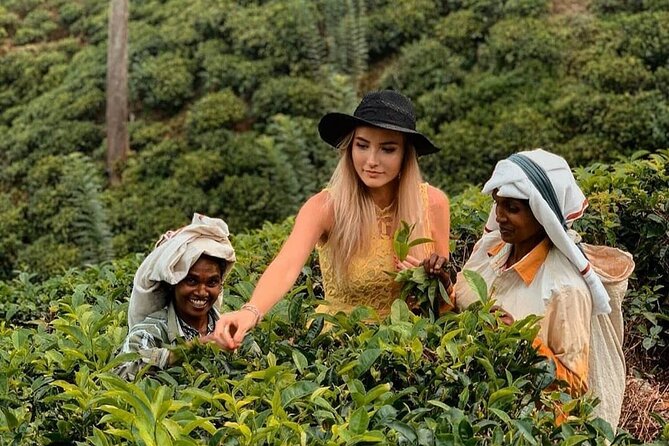
- Try the pluckers’ technique: Meet tea pluckers and have a go at picking the leaves yourself.
- Visit more than the factory: The route includes a pluckers’ village, temple, and weighing stations.
- Keep the group small: A maximum of 10 people should make explanations and questions easier.
- Finish with fresh tea: The tour ends with tea made and brewed at the factory.
- Plan around the clock and clouds: Meet at 3:00 pm in Norwood, and allow for a weather-related change.
Why Hatton tea country is worth your afternoon
Central Sri Lanka is the heart of Ceylon tea country, and Hatton is a useful place to see how the industry works beyond the souvenir tin. Here, tea is not just a drink served after a meal. It is a crop that passes through many hands and several carefully timed stages before it reaches a cup.
I like this tour because it connects those stages in a clear order. You begin among the tea bushes, meet the people who pick the leaves, and then move to the factory to see what happens after the baskets reach the weighing station. That sequence makes the subject easy to follow, even if you know little about tea production.
The tour is also short enough to fit into a busy Sri Lankan itinerary. At roughly three hours, it does not ask you to give up an entire day. The 3:00 pm start may work well after morning sightseeing or a train journey, though you will need to organize your transport so you reach the Norwood meeting point on time.
More Tea Factory Tours in Sri Lanka
- Uva Halpewatte Tea Factory Tour in Ella Sri Lanka
★ 5.0 · 653 reviews - Nuwara Eliya: Tea Factory and Pickle Waterfalls Tuk Tuk Tour
★ 4.7 · 113 reviews - From Colombo: Kandy, Pinnawala and Tea Factory Full-Day Trip
★ 4.4 · 99 reviews
Starting among the tea bushes in Norwood
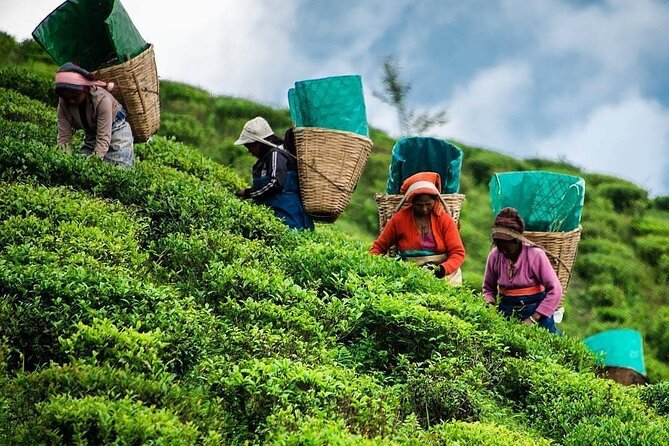
The activity begins at RJR9+WC Norwood, Sri Lanka, and ends back at the same meeting point. Norwood is the only listed stop, but the experience includes several parts within the tea-growing area: the fields, weighing stations, pluckers’ village and temple, and factory.
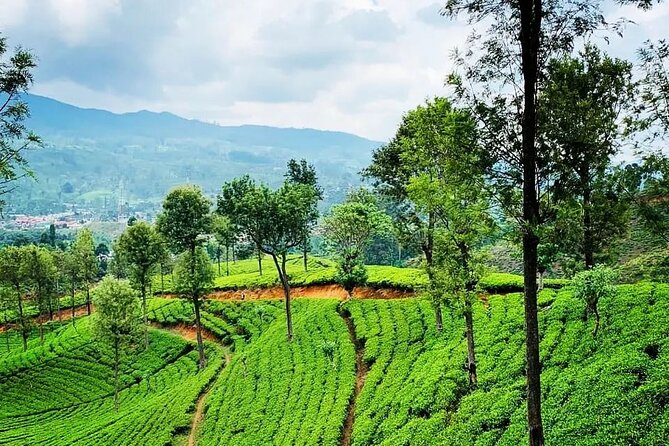
Your first real lesson comes in the tea fields. You can walk among the plants and see where the process begins. The important point is that this is not only a scenic stroll. The guide explains the work done in the fields and shows you the technique used by the pluckers.
You can also try plucking for yourself. That small hands-on moment matters because it changes the way you look at the crop. Picking leaves neatly and efficiently is different from simply reaching for a branch, and the activity gives you a clearer sense of the skill involved.
The field visit should suit anyone who prefers a working place to a polished display. You are not just shown a finished product. You see the starting point, meet the people connected with the work, and learn how the leaves are gathered before processing begins.
Meeting the pluckers and visiting their village
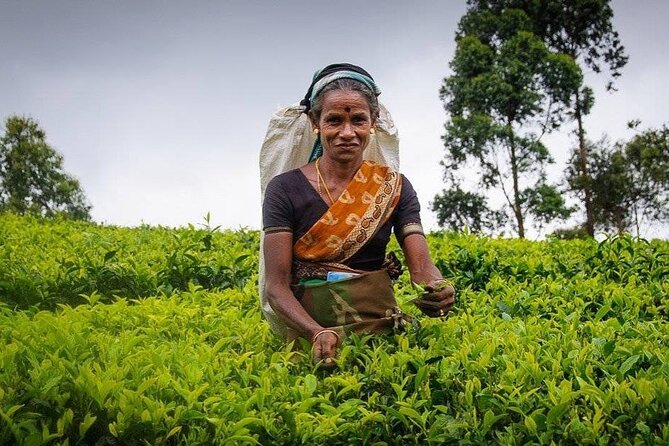
The tour includes time to meet tea pluckers and learn about their technique. That contact is one of the strongest parts of the experience because it places people at the center of the tea story.
The visit also includes a pluckers’ village and temple. The available details do not specify how long you spend at either place, so I would treat them as short but useful additions rather than separate sightseeing stops. Their value is in showing that tea production is tied to a settled community, not isolated from daily life.
This part may be especially useful if you want more than factory machinery. You get a wider view of the setting in which tea is grown and collected. At the same time, remember that this remains a compact tour. It is not presented as an extended village visit or a full cultural program.
A respectful attitude is important here. You are entering a working community, not a staged attraction. Follow the guide’s lead, ask before taking photographs, and keep the focus on learning about the work and place.
The weighing station links field work to factory work
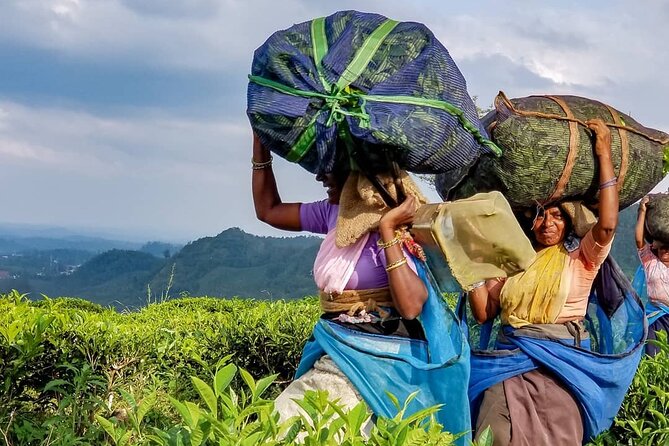
After the leaves are picked, they are taken to weighing stations. Seeing this stage helps explain how the tea leaves move from individual pluckers into the larger production system.
The weighing station is easy to overlook, but it is a useful link in the story. It shows that the crop is gathered, measured, and then sent onward for processing. Without this step, the visit could feel like two separate activities, a walk in the fields followed by a factory tour. The weighing stage joins them.
The tour does not give specific details about payment systems, weighing equipment, or how the crop is recorded, so I would not expect a detailed business lesson. Still, the stop gives you a physical sense of the transition from hand-picked leaves to factory production.
More Tea Plantation Tours in Sri Lanka
- Tea Plantation Tour in Ella, Sri Lanka
★ 5.0 · 319 reviews - Tuk-Tuk Safari Liptons seat,Tea Fields Hike,TeaFactory Tour
★ 4.8 · 46 reviews - Galle Day Tour and Tea Plantation from Bentota & Other Places
★ 5.0 · 19 reviews - Ella’s Ceylon Tea Plantation and Factory Tour
★ 5.0 · 15 reviews
Inside the factory, from withering to rolling
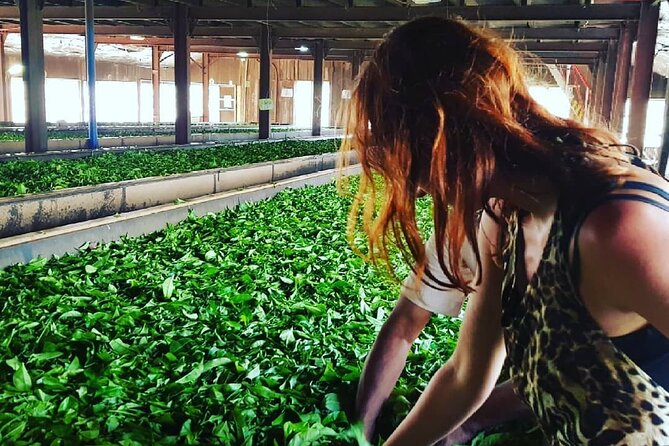
The factory visit is the technical center of the tour. You learn about the main stages used to turn freshly picked leaves into tea ready for packing.
Withering comes first. The leaves are prepared before further processing, and the guide explains where this stage fits into the larger sequence. You then learn about rolling, a step that changes the leaves and prepares them for the next part of production.
These explanations are valuable because tea making can look mysterious from the outside. A packet on a shop shelf gives you no clue about the work between field and cup. Seeing the process in order makes the finished drink easier to understand.
The factory is likely to be the part that appeals most to people who enjoy machinery, production, or food origins. It is also where a clear guide matters most. The experience is built around explanations, and past feedback specifically praised the clarity of the teaching and the way the process was explained from growing and picking through to production.
Drying, shifting, testing, and packing
The later factory stages include drying, shifting, testing, and packing. Together, they show that the factory does much more than simply dry leaves.
Drying prepares the tea for storage and use. Shifting sorts the processed tea, while testing helps assess the product before it is packed. The exact equipment and length of each demonstration are not specified, but the tour is designed to explain the purpose of these steps as part of the full production chain.
Packing is the final practical stage before the tea leaves the factory. It gives you a clear endpoint to the tour’s main story. The crop began as leaves on bushes, passed through human hands and factory work, and ends as a product that can be prepared in a teapot.
I appreciate this full sequence because it avoids the usual shallow factory visit. You are not only shown a machine and sent to a shop. The point is to understand how each stage changes or sorts the leaves. If your interest is mainly in buying tea, this tour may feel longer than necessary. If you want to know how tea is made, the detail earns the time.
A fresh cup makes the process easier to remember
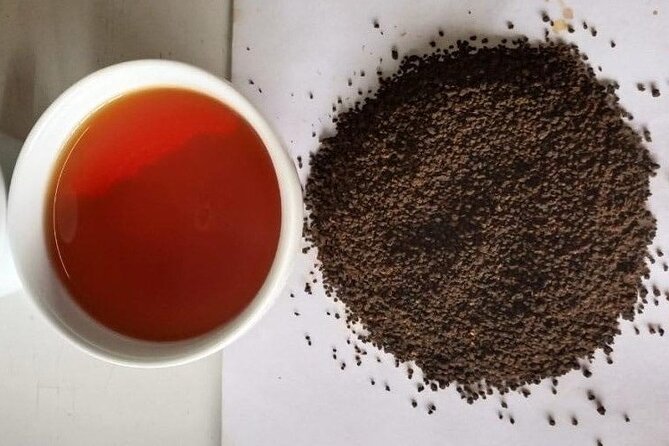
The experience ends with freshly made and brewed tea. That final cup is more than a refreshment. It gives you a chance to connect the factory explanation with the drink itself.
I like tasting at the end of a food or drink tour because the information is still fresh in your mind. You have just seen the leaves, learned about processing, and then received the finished result. It is a simple finish, but a well-chosen one.
The description does not specify the tea variety, serving size, or whether other refreshments are available. You should therefore expect tea tasting, not a full meal or a formal tasting session with multiple labeled cups.
Why the $20 price can make sense
At $20 per person, this is priced as a modest half-day experience rather than an expensive specialist visit. The fee covers roughly three hours of guided activity, including the fields, pluckers, weighing stations, village and temple visit, factory explanation, and brewed tea.
I consider that good value if you want several connected activities in one outing. Arranging separate visits to a plantation area and factory could take more time and planning, while this tour gives you a single story with a beginning, middle, and end.
The value depends on what you want. Someone looking only for photographs of tea rows may find a shorter stop enough. Someone who wants to understand how Ceylon tea is grown, collected, processed, and packed gets much more for the price.
Transport to Norwood is not stated as included, so budget and plan for getting to the meeting point yourself. The location is near public transportation, which helps, but you should confirm your route and arrival time before setting out.
Group size, timing, and weather
The group is limited to 10 people. That is a useful size for a practical tour. You should have a better chance to hear the guide in the fields and factory, ask questions, and take your turn trying to pluck tea.
The fixed start time is 3:00 pm. Since the activity lasts about three hours and returns to the starting point, expect to finish around early evening, though the exact end time can vary. Allow some extra time if you have another booking afterward.
The tour requires good weather. Tea fields are an outdoor working setting, and rain could affect the walk and the general operation. If poor weather cancels the activity, you are offered another date or a full refund.
You can cancel for a full refund if you do so at least 24 hours before the start time. Cancellations or changes made within 24 hours are not accepted for a refund. Confirmation is sent within 48 hours of booking, subject to availability, so do not leave the reservation until the last minute if your schedule is tight.
Who will enjoy this tea tour most
I would recommend this experience to you if you like seeing how everyday products are made. It suits curious visitors who want a working agricultural setting, a clear explanation of factory methods, and a small amount of local contact in one outing.
It is also a good choice for anyone staying in or passing through Hatton who wants an activity beyond scenery. The tea fields are part of the appeal, but the tour has enough explanation and hands-on activity to keep it from being only a photo stop.
Families and first-time tea drinkers may appreciate the simple structure. You walk, meet the pluckers, try the technique, see the factory stages, and taste the result. Most people can participate, and the group size is capped at 10.
I would hesitate only if you need a very flexible schedule, dislike outdoor visits, or want a long, highly specialized tea seminar. The tour is compact and practical, not an all-day study of Sri Lankan tea grades, export markets, or plantation history.
Should you book the Tea Fields and Factory Tour?
Yes, if you want a reasonably priced, three-hour introduction to Ceylon tea that includes both people and process. The strongest reason to book is the complete route from tea bush to brewed cup, with the chance to meet pluckers and try the work yourself.
The factory stages make the visit more useful than a simple plantation walk, while the village and temple add a little local setting. Just plan around the 3:00 pm start, arrange your own way to Norwood, and keep a weather backup in mind.
For a short, focused look at how Hatton tea is produced, this is a sensible choice. It gives you enough detail to understand the work without taking over your day.
FAQ
Where does the Tea Fields and Factory Tour begin?
The tour begins at RJR9+WC Norwood, Norwood, Sri Lanka. It also ends back at the meeting point.
What time does the tour start?
The scheduled start time is 3:00 pm.
How long does the experience last?
The tour lasts approximately three hours.
What will I see during the tour?
You can walk through tea fields, meet tea pluckers, learn and try their plucking technique, visit weighing stations, see a pluckers’ village and temple, and tour the factory.
What factory processes are explained?
The factory portion covers withering, rolling, drying, shifting, testing, and packing.
What happens if the weather is poor?
The experience requires good weather. If it is canceled because of poor weather, you can choose a different date or receive a full refund.
Newly steeped around Sri Lanka
- Tea Experience Tour in Haputale with Lunch at a Village house★ 5.0 · 19 reviews
- Tuk Tuk safari and Picnic in The Tea Plantation from Ella,Haputale & Bandarawela★ 5.0 · 7 reviews
- Trekking & Picnic in The Tea Plantation From Ella, Haputale & Bandarawela★ 5.0 · 4 reviews
- Nandana Tea Walking Tour in Sri Lanka★ 5.0 · 16 reviews
- Tea Plucking and Tea Factory Visit from Nuwara Eliya.★ 3.5 · 3 reviews
- Explore Nuwara Eliya | Experience the Best Tea in the World★ 4.5 · 3 reviews
- Nuwara Eliya: All Inclusive Horton Plains & Tea Plucking Day Trip★ 4.5 · 10 reviews
- NuwaraEliya Tea Factory,Plantation & Water Falls Hike Tour by Car★ 5.0 · 12 reviews
Tea Factory Tours, compared.
Kyoto: Tea Museum Tickets and Matcha Grinding Experience
Read our review →Uva Halpewatte Tea Factory Tour in Ella Sri Lanka
Read our review →
Nuwara Eliya: Tea Factory and Pickle Waterfalls Tuk Tuk Tour
Read our review →
From Colombo: Kandy, Pinnawala and Tea Factory Full-Day Trip
Read our review →
Ella: Tea Factory, Train, and Nine Arch Day Tour with Pickup
Read our review →
Ella Private Day Trip with Train Ride & Tea Factory-All Inclusive
Read our review →
Munnar: Tea trail, Tea Factory, and Tea Tasting Tour
Read our review →
Nuwaraeliya Tea Factory and WaterFall Tour’s With DMJ Tours
Read our review →Browse the lists this tea experience appears in