

Review · INDIA
Tea Pluckers’ Day
Darjeeling’s tea country is best understood with your shoes on the path, not from a shop counter. This private day trip takes you from your hotel to one available estate, where you can see tea plucking, walk through the grounds, visit a factory, and taste the finished drink.
I like the full-day rhythm, which includes packed breakfast, fruit, organic Darjeeling tea, lunch, and unlimited tea. I also like the personal touch: guides such as Sunny and Amit have handled the day with flexible pacing and plenty of conversation. The main drawback is that the exact estate is not fixed, and Sunday or monsoon conditions may limit what you see.
Key points to know
- One estate, chosen by availability: The long list names possible partner gardens, but you visit one rather than all of them.
- A working tea day: Expect garden walks, plucking, factory stages, tea tasting, lunch, and time in the estate community.
- Private transport and private touring: Only your group takes part, with hotel pickup offered from an 8:30 am start.
- Guides can shape the experience: Sunny and Amit are named guides, while Kewal has driven the route.
- Strong value for tea lovers: At $85.11 per person, the price covers transport, meals, tastings, fees, and a private experience.
- Weather and timing matter: The activity needs good weather, and Sunday may be a poor choice if you want to see tea pluckers at work.
From Darjeeling town to the tea bushes
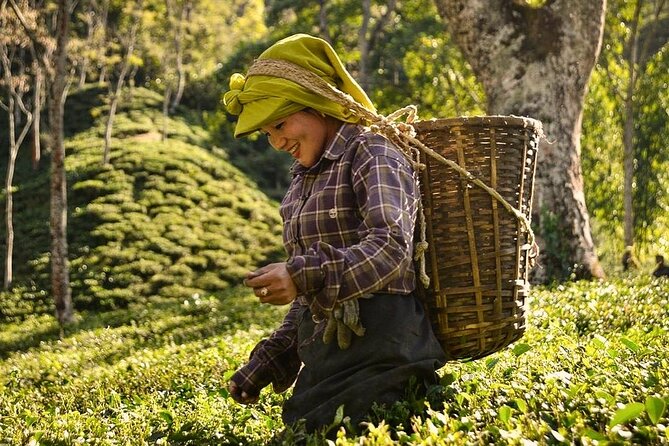
The day begins at 8:30 am with pickup from your hotel. You leave the crowded center behind and drive toward one of Darjeeling’s tea estates, with the destination selected from a group of partner gardens according to real-time availability.
That flexible system has one clear advantage: it lets the operator match the day to operating conditions. The trade-off is that you cannot book a particular estate with certainty. If Ging, Makaibari, Tumsong, or another named garden matters greatly to you, confirm the destination before setting your expectations.
The drive is part of the outing. You are not simply being taken to a tasting room. The aim is to spend the day in the setting where tea is grown, picked, processed, and served. Private transportation also means you avoid coordinating local taxis between scattered mountain sites.
This is a private activity, so only your group takes part. That matters in a hilly setting. You can ask questions without competing with a large crowd, and the pace can be adjusted for the people in your vehicle. Walking sticks are available if needed.
More Tea Experiences around India:
- Munnar Tea Trail Tour with Factory Experience ( By Munnar Info)
★ 5.0 · 458 reviews - Village Vibes: Cansaulim Coastal E-Bike & Japanese Tea Tour
★ 5.0 · 292 reviews - Munnar Tea valley Tour ( By Munnar Info)
★ 5.0 · 83 reviews
A working day in Darjeeling tea country
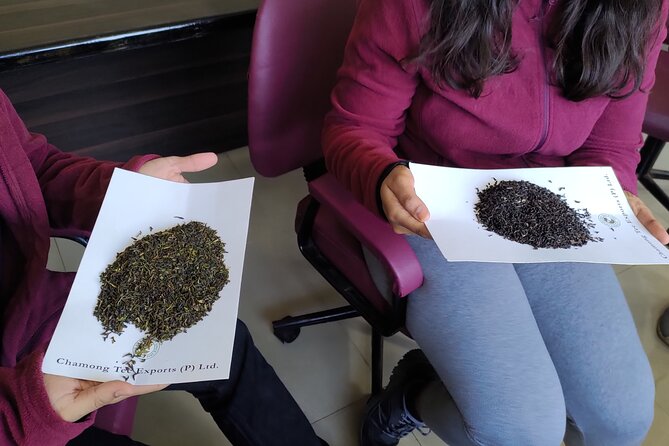
The experience is built around the daily work behind Darjeeling tea. You begin with a packed breakfast, fresh fruit, and organic Darjeeling tea. It is a simple but useful start, since the activity runs from morning toward afternoon or early evening tea.
The garden walk gives you a chance to see tea bushes where they grow rather than treating tea as an abstract luxury product. The focus is on craftsmanship and skilled labor, including planting, plucking, and the careful handling of leaves.
One account of the day included a gentle walk from a guest house to the factory, with stops along the way. You might pass practical estate facilities such as a dispensary or school, depending on the property you visit. That is valuable context: a tea estate is not only a field, but also a place where work and community life meet.
Your guide may explain local customs, tea production, and the daily routine of people working in the gardens. Sunny is specifically associated with a flexible, informative day, while Amit has led a more conversational outing that included discussion well beyond tea. The guide you receive can vary, but the private format leaves room for real conversation.
Understanding the 13 possible estates
The tour description names 13 possible gardens and factories. They are alternatives, not a promise that you will cover them all in five or six hours. Each has a different character, so it helps to know what the choices represent.
Ging Tea Estate dates to 1864 and is one of the heritage estates in the Lebong hills. It is a good fit if you want a traditional estate setting with more than fields alone. A visit may include walks to different stations, including community facilities and the factory.
Rangaroong Tea Garden is described as one of the less explored gardens near the Senchal West Forest Range and Darjeeling town. It suits you if you prefer a quieter setting and a garden walk away from the busiest sightseeing stops.
Poobong Tea Garden dates to the mid-19th century and includes the Poobong Tea Room as an added attraction. This may appeal if you want the tea experience to continue into a more settled refreshment setting.
Soom Tea Garden is known for natural quiet, cherry blossoms, pine, and rhododendron trees. The name Soom comes from a Lepcha word meaning triangle. Its appeal is the combination of tea grounds and plant life, rather than factory production alone.
Mim Tea Estate belongs to Andrew & Yule Company Ltd., a Scottish-established company with centuries-old roots in the description provided. It is presented as one of the attractive villages in the district, giving the visit a stronger connection to estate settlement and rural life.
Chamong Tea Estate is a large and varied garden known for organic tea production. It may be the right choice if your main interest is in the range and character of organic Darjeeling teas.
Tumsong Tea Retreat combines estate scenery with a heritage-oriented tea stay. Its focus is less on a quick stop and more on a polished Darjeeling tea setting.
Ring Tong Tea Garden is associated with careful plucking and a long export reputation. This is particularly relevant if you want to understand why leaf selection and handwork matter to the quality of the final tea.
Phubsering Tea Garden is one of the older estates in the hills and is noted for organic tea. It offers another route into the history of Darjeeling’s tea industry without requiring you to visit several estates in one day.
Turzum and Sungma Tea Factory are presented together as boutique tea producers. If your main goal is production and tasting, a factory visit here could be especially rewarding.
Tukvar Tea Garden offers broad hill views and the possibility of hiking down toward the river after the tea experience. That option makes it attractive for you if walking is as important as tea.
Makaibari Tea Garden combines nature, history, and heritage and is described as one of Darjeeling’s oldest organic estates. It is a strong match for anyone who wants the estate story to include organic farming and long-term tradition.
The final possible stop, Tea Garden View, is described more as a scenic and interpretive tea setting than as a single named estate. The important point is to ask which location has been assigned and what activities are operating there that day.
Watching leaves become Darjeeling tea
A factory visit helps connect the field to the cup. You may see how freshly picked leaves move through production, though the exact sequence depends on the estate and its operating schedule.
The value is not just in seeing machinery. Darjeeling tea depends on timing, careful plucking, and skilled handling. Once you have walked among the bushes and then tasted the finished tea, the price of a good cup makes more sense.
The tour includes an elaborate tea tasting. This is the part to slow down for. Rather than rushing through one sample, you can compare teas and notice how aroma, body, and finish differ. Unlimited tea is also included, so you are not paying extra each time you want another cup.
Do not expect the factory stop to feel like a museum visit with a fixed script. It is a working estate experience, and the day may change with weather, production schedules, and seasonal conditions. That uncertainty is a drawback for strict planners, but it can also make the outing feel less staged.
Same leaf, a different ritual:
- Tea planation walking In Munnar- (by Munnar Info)
★ 5.0 · 53 reviews - Munnar: Tea trail, Tea Factory, and Tea Tasting Tour
★ 4.9 · 47 reviews - Private Munnar Tea Trek
★ 4.6 · 38 reviews - Amchong Tea Estate + Factory Visit (with Hi-tea only)
★ 5.0 · 30 reviews
Lunch, walking, and the pace of the day
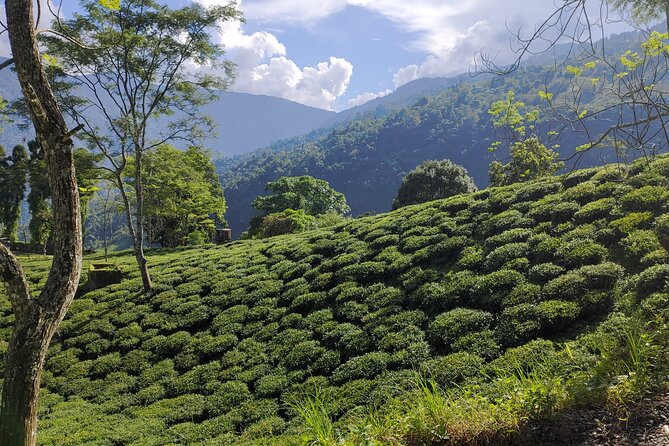
Lunch is included, as are bottled water and the morning meal. One day described a delicious lunch served outdoors near the guest house, which suggests that the meal can be part of the setting rather than a stop in a separate city restaurant.
You should be comfortable with walking on estate paths. The tour includes garden walks, a forest hike, and movement between parts of the property. The supplied details say most people can participate, and walking sticks are available if required, but the tour is not presented as a seated sightseeing excursion.
The forest portion adds variety. After time among orderly tea rows, a forest path gives you a different view of the hills. The amount of hiking is not specified, so ask before departure if you need to know the exact distance or level of exertion.
The planned duration is about five to six hours. That is long enough for the day to feel substantial without taking over your entire Darjeeling visit. Still, mountain roads and estate distances can affect the schedule, so leave the evening open rather than booking a tight connection afterward.
What the $85.11 price covers
At $85.11 per person, this is not the cheapest way to drink Darjeeling tea. It is priced as a private experience, not as a simple garden admission ticket.
Your fee includes private transportation, all fees and taxes, lunch, bottled water, unlimited tea, breakfast, an elaborate tasting, tea garden and estate visits, and walking sticks if needed. Those inclusions add up, especially in a hilly region where arranging transport independently can be inconvenient.
The value is strongest if you want several elements in one day: transport, local interpretation, a factory visit, food, walking, and tasting. If you only want a quick photograph among tea bushes, the price will feel high. If you want to understand how the drink reaches your cup, the package is more convincing.
The booking pattern suggests planning ahead. It is booked about 23 days in advance on average, so last-minute availability may be limited. Group discounts are offered, which can improve the per-person value if you are traveling with a larger party.
Sunday and monsoon cautions
The best timing depends on what you hope to see. If watching tea pluckers is central to your plan, avoid Sunday if possible. Tea workers may have a day of rest, leaving you with the garden and factory but not the active handwork that gives the tour its name.
Monsoon weather does not automatically cancel the experience. A day can still include an estate visit and a guide who gives the group close attention. But rain can affect paths, views, forest walking, and the practical work happening in the garden.
The cancellation terms are reasonable. You can receive a full refund if you cancel at least 24 hours before the start time. The activity may also be canceled for poor weather or because too few people book, in which case you are offered another date or experience, or a full refund.
Who will enjoy Tea Pluckers’ Day
I would choose this for you if tea is a main reason for visiting Darjeeling, or if you want a rural day outside the town rather than another viewpoint and market visit.
It also suits curious food and craft enthusiasts. The combination of plucking, processing, tasting, and lunch shows the whole chain in a way a shop tasting cannot. The private setting is useful for couples, families, and small groups who want to ask questions at their own pace.
You should think twice if you dislike uneven walking, changing plans, or long mountain drives. You should also confirm the estate and Sunday schedule if your priority is seeing active pluckers rather than simply touring the grounds.
The experience is available with a mobile ticket, pickup is offered, and the meeting time is 8:30 am. It is near public transportation, though private pickup is the more practical choice for a day that moves beyond town.
Should you book this tea estate day?
Book it if you want the working side of Darjeeling tea, not just a pretty cup in a café. The strongest parts are the private transport, flexible guide interaction, factory access, estate walking, tasting, and meals included in one price.
Before paying, ask which estate is operating that day, whether plucking will be taking place, and how much walking is planned. If Sunny or Amit is available, you may appreciate their conversational approach, though guide assignment is not guaranteed.
For a tea-focused visit, this is a well-rounded use of half a day or more. For a strict sightseeing schedule, or for anyone seeking a guaranteed named estate and fixed sequence, the flexible format may frustrate you.
FAQ
What time does Tea Pluckers’ Day start?
The activity starts at 8:30 am.
How long does the experience last?
The tour lasts approximately five to six hours.
Is hotel pickup offered?
Yes, pickup is offered, and the activity includes private transportation.
Will I visit every tea estate listed?
No. The gardens listed are possible partner locations. You are taken to one estate based on real-time availability.
What is included in the price?
The price includes lunch, unlimited tea, bottled water, breakfast, tea tasting, private transportation, estate and garden visits, walking sticks if required, and all fees and taxes.
Is lunch included?
Yes. Lunch is included, along with a packed breakfast and fresh fruit.
Is this a private tour?
Yes. Only your group takes part in the activity.
Can I cancel for a full refund?
Yes, if you cancel at least 24 hours before the experience starts. Late cancellations and changes within 24 hours are not refunded.
What happens if bad weather cancels the tour?
You are offered a different date or a full refund if poor weather causes the activity to be canceled.
Newly steeped around India
- Varanasi: Sunrise Boat Ride with Masala Tea – Arti Ceremony★ 4.5 · 4 reviews
- Heritage Tour : Private Boat, Havelis, City Walk & High Tea★ 5.0 · 6 reviews
- Tea plantation walk with Visit of Historical ,village & Market★ 5.0 · 5 reviews
- Tea Farm Tourism★ 5.0 · 8 reviews
- Tea plantation walk and stay in valley view Room (By Munnar Info)★ 4.0 · 2 reviews
- Munnar Tea Plantation Evening walking with Sunset View★ 5.0 · 8 reviews
- Tea Plantation, Grass Land and Mountain Hiking in Munnar★ 5.0 · 6 reviews
- Tea Tasting Session at India’s oldest tea boutique : Sancha Tea Boutique★ 5.0 · 13 reviews
India Tea Tours, compared.
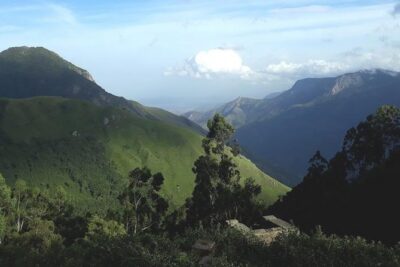

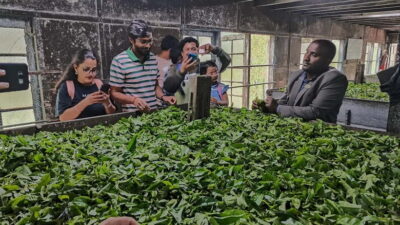
Munnar: Tea trail, Tea Factory, and Tea Tasting Tour
Read our review →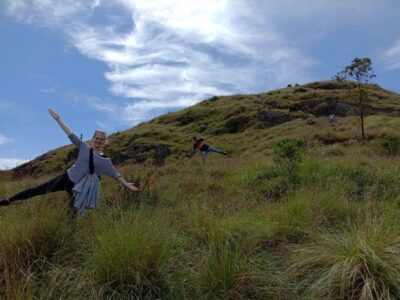
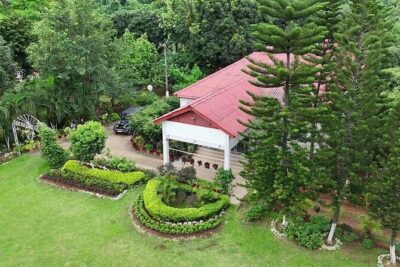
Amchong Tea Estate + Factory Visit (with Hi-tea only)
Read our review →
Guwahati Tea Garden Tour with Lunch & Hi Tea (Premium Experience)
Read our review →Browse the lists this tea experience appears in