
Review · INDIA
Tea Tasting Session at India’s oldest tea boutique : Sancha Tea Boutique
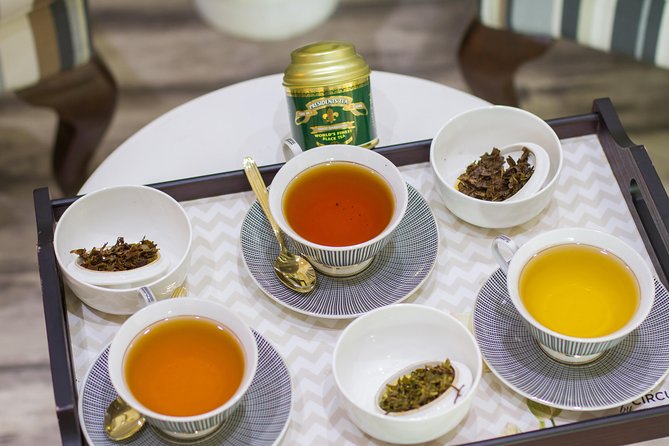
The most interesting part of this Jaipur experience is tasting three seasons of Darjeeling tea side by side. Spring first flush, summer, and autumn tea come from the same broad growing area, yet each has a different character. You also taste black teas from Indian regions including Darjeeling, Assam, and Sikkim, followed by Masala Chai.
I like the small-group format, capped at 10 people, because it gives you room to ask questions. I also like the setting: Sancha Tea Boutique is part tasting room, part shop, with more than 100 Indian teas to inspect after the lesson. The main consideration is that this is a one-hour tasting, not a long tea ceremony or a full meal, so the value depends on how curious you are about tea.
Key points at a glance
- Compare three Darjeeling seasons: Taste spring first flush, summer, and autumn tea to see how the same tea-growing area can produce different flavors.
- Sample teas from Indian regions: The session includes black tea from Darjeeling, Assam, and Sikkim, along with teas from other Indian producing areas.
- Learn how tea is made: The tasting explains tea origins, production, and the history of Indian tea as you sample.
- Finish with Masala Chai: The spiced tea gives you a familiar Indian flavor after the more delicate black teas.
- Browse over 100 teas: Sancha sells black, green, white, and Oolong teas, making the final shopping stop useful rather than rushed.
- Easy central location: The boutique is on MI Road near Lassiwala, and the activity returns to the same shop.
Why the Darjeeling comparison matters
Many people know Darjeeling as a name on a tea tin. This tasting gives you a more useful way to understand it. You taste tea from three seasons, often called flushes, and notice how the same region can produce different results across the year.
The spring first flush is the early-season tea. Summer tea follows, while autumn tea comes later. The point is not simply to identify a favorite. You learn that season, growing conditions, and the tea’s origin all affect the cup.
That comparison is the strongest part of the hour. A single tasting of Darjeeling can be pleasant, but three seasonal examples give you a reference point. If you later buy tea in Jaipur, at home, or from another shop, you will have a better idea of what descriptions such as first flush or autumn tea are trying to tell you.
The activity also places Darjeeling beside Assam and Sikkim. Assam is one of India’s best-known tea regions, while Sikkim gives you another point of comparison from the Himalayan side of Indian tea production. The tasting is therefore not limited to one famous label. It shows you that Indian tea is not one uniform drink.
The exact order of service can vary, but you should expect the host to guide you through selected black teas before moving to Masala Chai. The selection is made by Sancha’s master tea taster, so the session is intended to show meaningful differences rather than offer random samples.
More Tea Tastings in India:
- Munnar: Tea trail, Tea Factory, and Tea Tasting Tour
★ 4.9 · 47 reviews - Munnar Tea Trail Tour , Tea factory visit & Tea Tasting
★ 5.0 · 25 reviews - Full Day Food Tour Of Delhi with a chef. Includes Tea Tasting
★ 5.0 · 20 reviews
What happens during the one-hour session
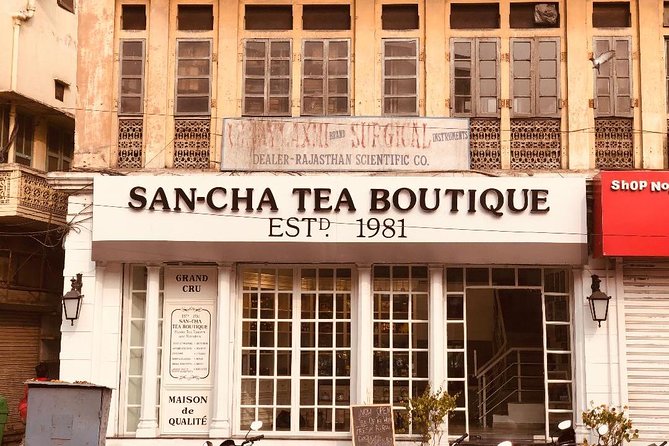
You meet at Sancha Tea Boutique on Mirza Ismail Road, part of Jaipur’s MI Road area. The shop is near Lassiwala in Panch Batti, making it practical to combine with time around central Jaipur. Since the activity begins and ends at the boutique, you do not need to arrange a separate return transfer.
The session begins with an introduction to Indian tea and its history. This gives the tasting some context before you start comparing cups. You learn where tea is grown and how production affects the final drink.
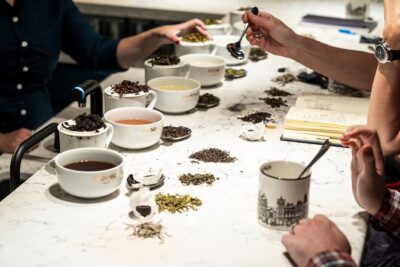
Next comes the regional tasting. You sample black tea from Darjeeling, Assam, Sikkim, and other Indian tea-producing regions included in the selection. The tasting is not just about sipping and choosing the strongest flavor. The staff explain the origins and manufacturing processes as you go.
That explanation is useful for beginners. If you are not normally a tea drinker, the range of flavors can otherwise seem hard to sort out. The host points out notes in the teas and explains what you are tasting, giving you a practical vocabulary without turning the session into a technical lecture.
The centerpiece is the Darjeeling season comparison. You taste spring, summer, and autumn examples and learn why the same tea bush can produce three distinct styles. Darjeeling’s location and growing conditions are part of the story, but the experience keeps the subject tied to what is in your cup.
Masala Chai comes later in the tasting. It is a different experience from the unblended black teas, with spices changing the aroma and flavor. Including it is a smart choice because it connects formal tea tasting with the everyday drink many people associate with India.
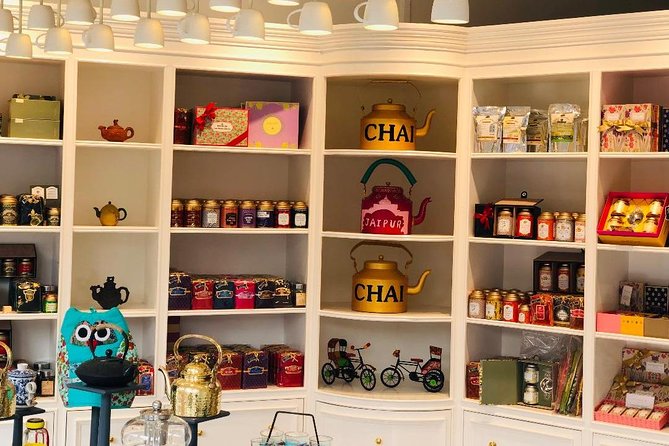
The hour ends with time to browse the shop. This is not an unrelated retail stop. After tasting several styles, you can revisit the shelves with a clearer sense of what you liked. Sancha carries more than 100 Indian teas, including black, green, white, and Oolong varieties.
Sancha Tea Boutique on Jaipur’s MI Road
The location gives this activity a simple rhythm. You arrive at the shop, sit for the tasting, then remain in the same place to browse and buy tea. That makes it easy to fit into a Jaipur sightseeing day without losing time to transport.
The boutique is open for this experience from noon to 6 p.m., Monday through Sunday, according to the supplied schedule. You choose a day and time when booking, but it is sensible to check the confirmed time carefully before setting out.
The activity uses mobile tickets and confirmation is provided at booking. Public transportation is nearby, though the information does not specify a particular bus stop or route. You should plan to use the listed meeting point rather than assume the tasting begins at another Sancha location.
Because the group limit is 10 people, this is more personal than a large commercial demonstration. A small group also matters when you want to ask about brewing, regions, flavor notes, or which tea might suit you at home.
The shop itself is part of the appeal. It is not only a place to collect a souvenir after a tasting. The selection of black, green, white, and Oolong teas gives you a chance to see how broad Indian tea can be beyond the familiar black varieties.
The teaching is the real value

At $10.67 per person, the price is modest for an hour that combines tasting, instruction, and shopping access. I would judge the value less by the number of cups and more by how much the lesson changes the way you understand tea.
A tea lover gets the most from the seasonal comparison and the chance to sample several regions. You can use the hour to refine your palate, compare styles, and choose something to take home. The shop’s selection adds value because you are not limited to the teas poured during the formal tasting.
A newcomer also has a good reason to book. Several people have found the session accessible even without being regular tea drinkers, and Masala Chai provides an easy point of entry. The staff explain what you are drinking instead of expecting you to arrive with specialist knowledge.
Families can consider it, too. The experience has been enjoyed by adults and children, and the tasting format gives younger visitors something active to do. Still, the session is built around sitting, smelling, tasting, and listening. Children who need constant movement may find the hour less engaging.
The price does not include a meal, a long guided walk, or transportation around Jaipur. You are paying for a focused tea lesson and samples. If that matches your interest, the cost is reasonable. If you only want a quick cup of chai, you can find cheaper options elsewhere in the city.
More Tea Experiences around India:
- Munnar Tea Trail Tour with Factory Experience ( By Munnar Info)
★ 5.0 · 458 reviews - Village Vibes: Cansaulim Coastal E-Bike & Japanese Tea Tour
★ 5.0 · 292 reviews - Munnar Tea valley Tour ( By Munnar Info)
★ 5.0 · 83 reviews - Tea planation walking In Munnar- (by Munnar Info)
★ 5.0 · 53 reviews
What you can learn about Indian tea
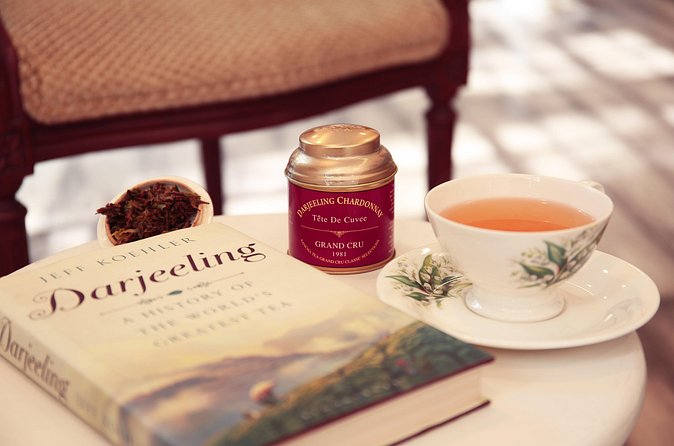
The tasting gives you several useful ideas to carry into the rest of your trip. First, tea is strongly linked to place. Darjeeling, Assam, and Sikkim are not interchangeable names on a package. They represent different growing areas and styles.
Second, the season can matter as much as the region. The three Darjeeling samples make this clear. You get a direct comparison rather than relying on a label or a shop description.
Third, processing changes the final drink. The host discusses manufacturing processes while you taste, helping you connect the leaf to what appears in the cup. This is especially helpful if you are deciding between black, green, white, or Oolong tea in the store.
The session also places Masala Chai beside more delicate regional teas. That contrast is worth noting. You can enjoy a refined, lightly handled tea and then taste a boldly spiced drink made for a different purpose. Neither is presented as the only correct way to drink tea.
Sancha’s staff are praised for clear explanations and strong customer service. No individual guide name is provided, so you should not expect a specific named host. The experience is led by the boutique’s tea staff, with the selection connected to Sancha’s master tea taster.
Shopping after the tasting
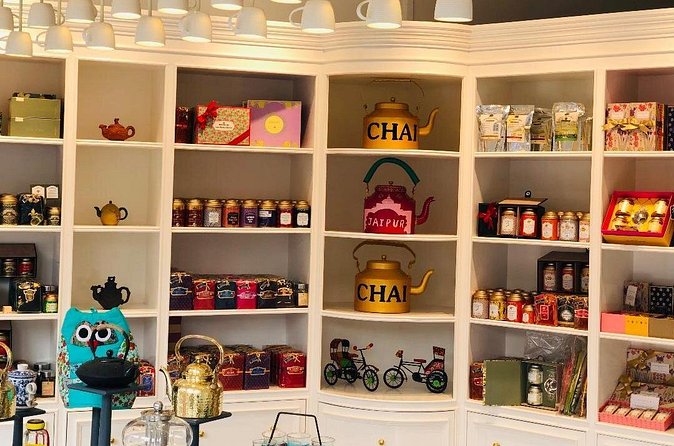
The final browse works best if you treat it as part of the lesson. You can return to teas you found interesting, compare packaging, and ask staff for help choosing among the many options.
The range includes black, green, white, and Oolong tea. That matters because the tasting focuses heavily on black tea, while the shop lets you explore other categories. If you usually drink green tea or want a less familiar style, this is your chance to ask about it.
The selection of more than 100 Indian teas may feel like a lot after an hour of sampling. I suggest making a quick note of the teas you prefer during the tasting, especially if you are buying gifts. Otherwise, the choice can become confusing once you are standing in front of a full shelf.
Some visitors have received a small gift at the end, but this should not be treated as a guaranteed part of the booking. The dependable takeaway is the tasting, the lesson, and the opportunity to purchase tea from the boutique.
The shop also gives you a practical souvenir option. Tea is compact, useful, and easier to carry than many Jaipur purchases. You can buy something for yourself or choose a few varieties for people who would appreciate a taste of Indian tea.
Who should book this Jaipur activity
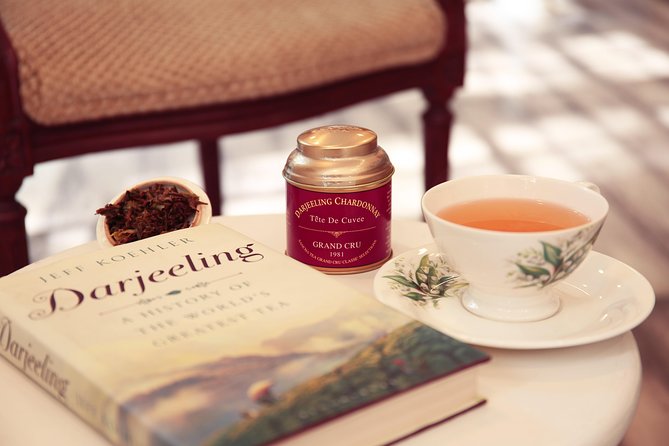
I would book this if you already enjoy tea and want to understand Indian varieties beyond Masala Chai. The seasonal Darjeeling comparison gives serious tea drinkers a clear reason to attend.
It also works well for curious first-timers. You do not need to know how to taste tea before you arrive. The host explains the origins and production methods, then points out flavor notes as you sample.
Families may find it a pleasant break from sightseeing, especially if the children are interested in food and drink. The small group size helps, but remember that the format is quiet and seated.
This is less suitable if you are looking for a full afternoon activity. The duration is about one hour, and the experience ends back at the boutique. You can add shopping afterward, but the tasting itself is compact.
It is also not the right pick if you want a general Jaipur food tour. The subject stays focused on Indian tea, with Masala Chai included as one part of the session. That focus is a strength for tea lovers, but it limits the range for anyone seeking a wider food experience.
Timing, cancellation, and practical planning
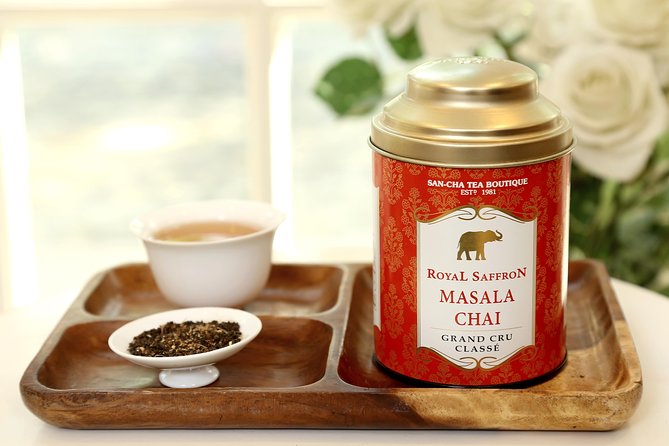
The meeting point is Sancha Tea Boutique on MI Road, Mirza Ismail Road, near Lassiwala, in the Panch Batti and Jayanti Market area of Jaipur. Use the exact address in your confirmation because Sancha is a chain and the experience is tied to this listed boutique.
The booking includes a mobile ticket, and confirmation is provided at the time of booking. The activity is generally booked about six days ahead, so you do not need to reserve months in advance, but booking ahead is sensible if your Jaipur schedule is tight.
Free cancellation is available up to 24 hours before the start time for a full refund. Changes or cancellations made less than 24 hours before the start are not refunded, and the cutoff uses local time.
The activity requires a minimum number of participants. If that minimum is not reached and the experience is canceled, you are offered another date or experience, or a full refund.
Should you book the Sancha tea tasting?
Book it if you want a quiet, useful hour focused on Indian tea rather than another fast-paced sightseeing stop. The best reasons are the three-season Darjeeling comparison, the regional black tea tasting, and the chance to shop from more than 100 teas after you know what you like.
At $10.67, it offers good value for tea drinkers and a gentle introduction for people who are still deciding if they like tea. I would skip it only if your schedule is too tight for a seated one-hour session or if you are hoping for a full meal, a city tour, or a broader cooking activity.
For most curious visitors, Sancha gives you something better than a quick cup: a clear way to taste, compare, and understand Indian tea.
FAQ
Where does the tea tasting take place?
It takes place at Sancha Tea Boutique on Mirza Ismail Road, near Lassiwala, in the Panch Batti and Jayanti Market area of Jaipur, Rajasthan.
How long does the experience last?
The tasting lasts approximately one hour.
What teas are included?
You taste black tea from Indian regions including Darjeeling, Assam, and Sikkim. You also taste three Darjeeling seasons, spring first flush, summer, and autumn, plus Masala Chai.
Does the activity include other types of tea?
The boutique sells more than 100 Indian teas, including black, green, white, and Oolong teas. The supplied details specifically describe the guided tasting as focused on regional black teas, seasonal Darjeeling tea, and Masala Chai.
How many people can join?
The maximum group size is 10 participants.
What are the opening hours for the activity?
The listed hours are Monday through Sunday, from 12:00 p.m. to 6:00 p.m.
Is the activity near public transportation?
Yes. The meeting point is listed as being near public transportation.
Can I cancel for a full refund?
Yes. You can cancel at least 24 hours before the start time for a full refund. Cancellations or changes made less than 24 hours before the start time are not refunded or accepted.
Newly steeped around India
- Varanasi: Sunrise Boat Ride with Masala Tea – Arti Ceremony★ 4.5 · 4 reviews
- Heritage Tour : Private Boat, Havelis, City Walk & High Tea★ 5.0 · 6 reviews
- Tea plantation walk with Visit of Historical ,village & Market★ 5.0 · 5 reviews
- Tea Farm Tourism★ 5.0 · 8 reviews
- Tea plantation walk and stay in valley view Room (By Munnar Info)★ 4.0 · 2 reviews
- Munnar Tea Plantation Evening walking with Sunset View★ 5.0 · 8 reviews
- Tea Plantation, Grass Land and Mountain Hiking in Munnar★ 5.0 · 6 reviews
- Palampur Tea Garden Tour★ 5.0 · 4 reviews
Tea Tastings, compared.
Twinings 2-Hour Tea Tasting Masterclass in London
Read our review →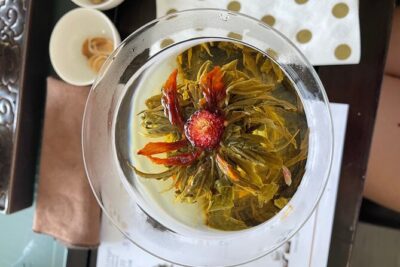
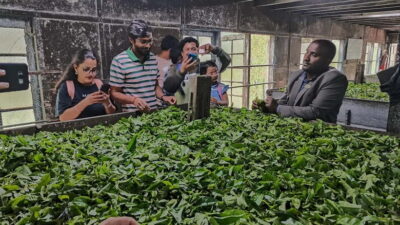
Munnar: Tea trail, Tea Factory, and Tea Tasting Tour
Read our review →
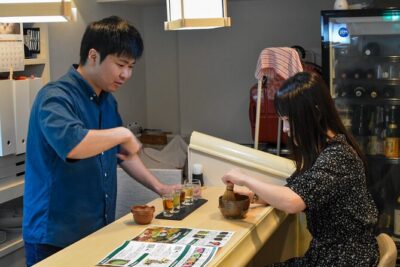
Matcha Experience with of Japanese Tea Tasting in Tokyo
Read our review →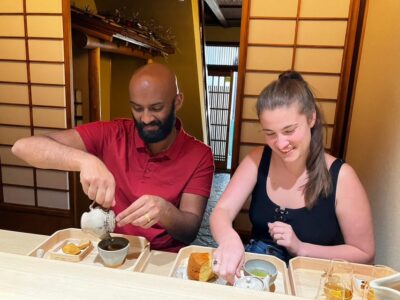
Nara:5 Type of Tea Tasting & Mindful Tea Ceremony
Read our review →
Montmartre Hill French Afternoon Tea Tasting Tour with Crepes and Macarons
Read our review →
Full Day Tour In Uzungol Lake with Turkish Tea Tasting
Read our review →Browse the lists this tea experience appears in