
Review · ISTANBUL
Istanbul: World Teas & Turkish Tea Brewing, Tasting Workshop
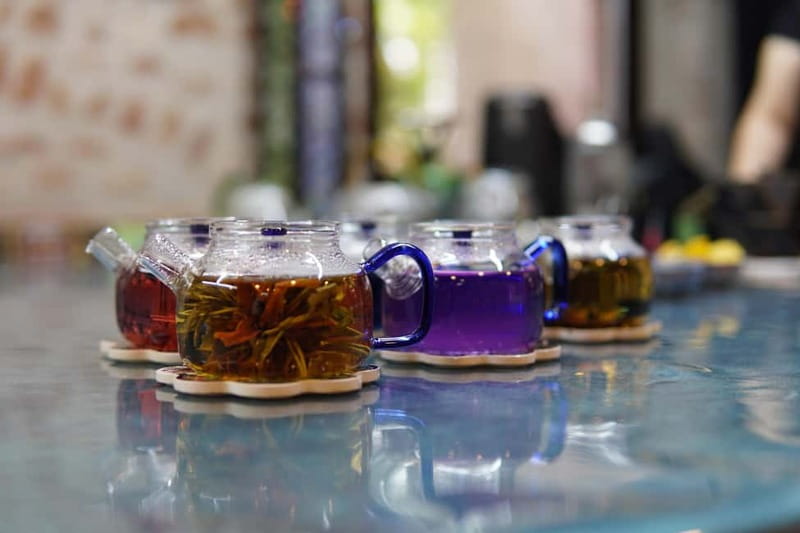
The most interesting part of this Istanbul workshop is the side-by-side comparison. You do not simply drink Turkish tea and move on. You learn why a Turkish double teapot, a Chinese gaiwan, and a thin-waisted glass change the taste, color, and feel of the same broad tea tradition. Five teas from around the world give the 90-minute session a useful range, from Chinese green or white tea to Turkish black tea, English breakfast, rooibos, and herbal infusions.
I like two things especially. First, the workshop turns tea culture into something you can see and taste, not just a talk about history. Second, you make a personal blend at the end, so the experience continues after you leave Istanbul. Guides including Zeynep, Kamran, Abdullah, and Togrul have been praised for clear explanations and an easy conversational style.
The main consideration is that the session takes place in a large creative studio where other craft work may be happening. It is described as calm, but it may not feel like a silent tea room. Also, the included take-home gift is not the same as buying extra tea to bring home, which can cost more.
Key points at a glance
- Five distinct tea styles: Compare Chinese tea, Turkish black tea, English breakfast, rooibos, and herbal teas rather than sampling one narrow category.
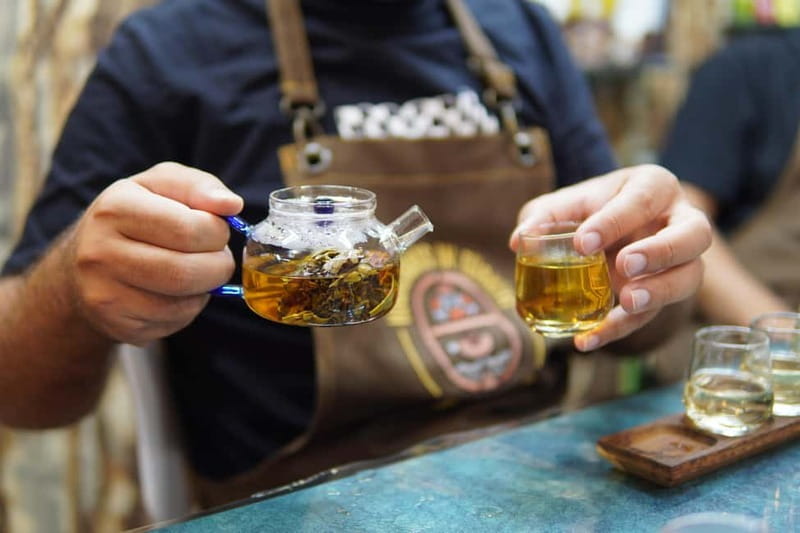
- Two brewing traditions: Watch Turkish tea prepared with a double teapot and Chinese tea brewed in a gaiwan, with attention to water temperature and timing.
- Thin-waisted glasses: Learn why Turkish tea is served in the familiar curved glass and how the color is part of the experience.
- Small groups: The maximum group size is 10, and some sessions may be much smaller, even one-on-one.
- A blend to take home: Create a tea suited to your taste, with a small gift included in the workshop.
- Central Istanbul setting: The atelier is between Galataport and Galata Tower, diagonally right of Arada Beyrut Cafe and across from Lavander Cafe.
Why this tea workshop is different from a café stop
A cup of tea in Istanbul is easy to find. This activity earns its price by showing you the method behind the cup.
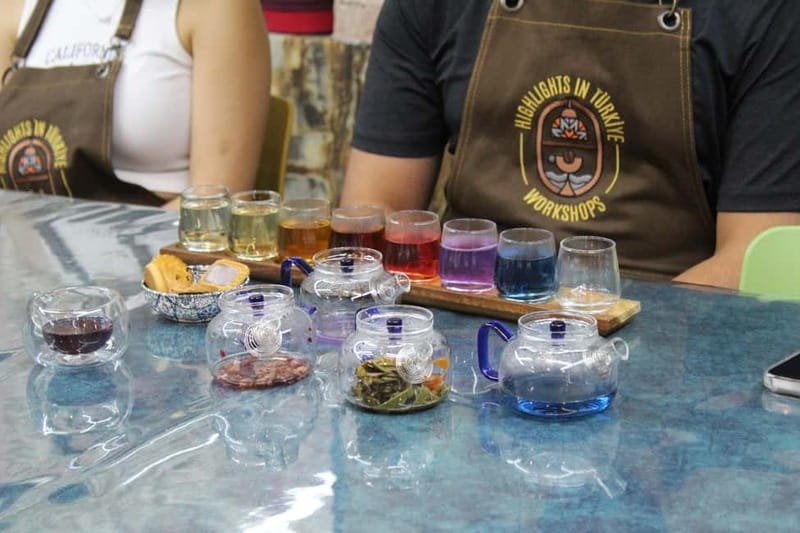
Turkish tea culture is often presented as a simple ritual: strong black tea, hot water, a glass with a narrow waist, and perhaps sugar. Here, you get the reason behind each part. You see how the double teapot lets you adjust the strength, then drink the tea from an authentic thin-waisted glass. The glass is not just decoration. Its shape gives you a clear view of the deep color often associated with well-brewed Turkish tea.
The session also places Turkish tea beside Chinese brewing. A gaiwan is a small lidded bowl used to brew and pour tea with control. That change in equipment makes the comparison practical. You can see how a different vessel, water temperature, and steeping time bring out different flavors.
I find this approach more useful than a standard tasting where someone hands you several cups and lists their names. You are given a way to repeat the process at home. Even if you are new to tea, the lesson helps you understand why one tea can taste grassy, floral, smoky, sweet, or strong depending on how it is prepared.
More Turkish Tea Stops around Turkey:
- Istanbul Highlights: Guided Tour with Turkish Tea or Coffee
★ 5.0 · 278 reviews - Antalya: Old Town Walking Tour with Turkish Tea and Baklava
★ 4.8 · 101 reviews - Antalya: Old Town Walking Tour incl. Turkish Tea and Baklava
★ 4.5 · 37 reviews
Entering the bright atelier near Galataport
The workshop takes place in a spacious, high-ceiling studio between Galataport and Galata Tower. The meeting point is diagonally to the right of Arada Beyrut Cafe and directly across from Lavander Cafe, so those two businesses are useful landmarks when you arrive.
The studio is more than a dedicated tea counter. It is described as a creative workshop with other art forms and craft activity around you. That gives the place character and makes it feel connected to Istanbul’s modern creative side, but it also means the setting may have some background activity. If you want complete silence and formal service, this is not that kind of place.
The room matters because the workshop is built around demonstration. You need enough space to see different teapots, the double-teapot setup, the gaiwan, and the tea ingredients used for blending. The large room also works well for a small group of up to 10.
The meeting location is in a useful part of the city for a day of sightseeing. You can fit it around the Galata Tower area or the Galataport waterfront. Still, allow time to find the studio, especially if you are moving through the steep streets around Galata.
Five cups, five different lessons
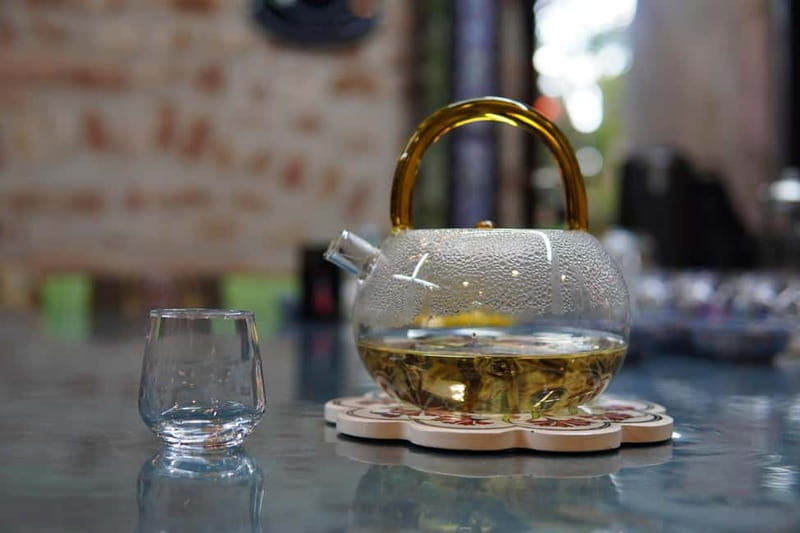
The tasting is the heart of the experience. You sample five teas from different traditions and compare their aromas, colors, and flavors. The exact selection may vary, but the stated range includes Chinese green tea, Turkish black tea, English breakfast tea, rooibos, tisanes, and Chinese white tea.
This variety is useful because it keeps the workshop from becoming a lesson only about Turkish tea. You get a wider sense of what tea can be. A delicate Chinese tea may require more careful handling than a robust breakfast blend. Rooibos and herbal infusions also show that not every cup follows the same rules as traditional tea made from the tea plant.
The tasting is unlimited within the workshop, with Turkish delight and other treats included. That is a practical touch. You can return to a tea, compare cups, and think about what you are tasting instead of rushing through five small sips.
I would pay attention to the color changes. One participant specifically enjoyed the way brewing chemistry affected the colors and flavors. This is a good reminder that the workshop is not only about flavor vocabulary. The visual side of tea is part of the lesson, especially when you are drinking from clear, thin-waisted glasses.
If you already know a lot about tea, the range still gives you room to learn. One experienced tea drinker found the session introduced new information and even developed a new interest in oolong. If you are a beginner, you will not need specialist knowledge to follow along.
The Turkish double teapot and the glass with a narrow waist
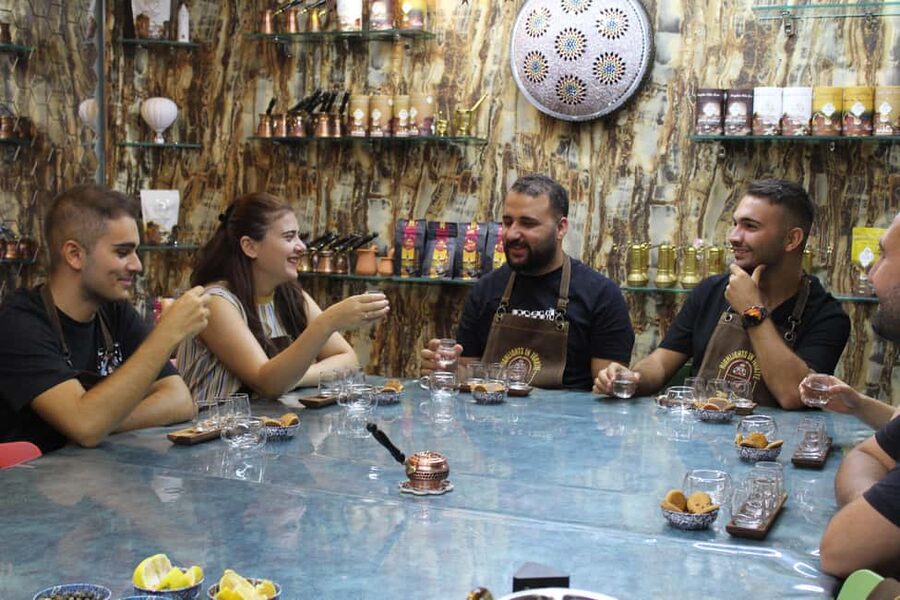
Turkish tea is commonly prepared with a double teapot, known as a çaydanlık. The upper pot holds a concentrated brew, while the lower pot provides hot water for adjusting the strength. That arrangement lets each person make a lighter or stronger glass without preparing separate batches.
During the workshop, you see how the method produces the strong, reddish tea often described as rabbit blood in Turkish tea culture. The phrase refers to the desired color, not an ingredient. It is one of those local expressions that makes more sense once you see the tea in the glass.
The thin-waisted glass is equally important. It shows off the color, stays comfortable to hold near the rim, and is closely tied to everyday Turkish tea service. The narrow middle also gives the glass its instantly recognizable shape.
This is one of the strongest parts of the session for anyone who plans to spend more time in Turkey. Afterward, you will understand what is happening when a server brings a small glass of dark tea with a separate pot of hot water. You can adjust the strength rather than accepting whatever arrives.
The only limitation is time. Ninety minutes is enough for a good introduction, but not enough for a full study of every Turkish tea custom or regional variation. Think of the session as a practical starting point, not a specialist course.
More Tea-Making Classes around Turkey:
- World Teas and Turkish Tea Brewing & Tasting Workshop in Istanbul
★ 5.0 · 5 reviews - London: Traditional English Scone Making and Tea Workshop
★ 5.0 · 702 reviews - London Traditional English Scone Making and Tea Workshop
★ 5.0 · 271 reviews - Marrakech: Moroccan Pastries and Tea Class with a Local
★ 4.7 · 84 reviews
Chinese gaiwan brewing beside Turkish tea
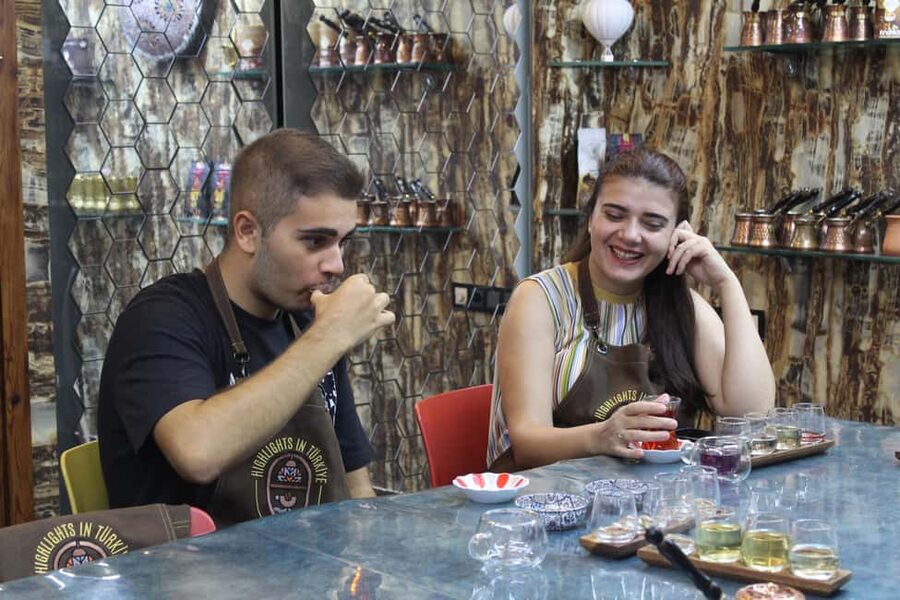
The Chinese portion adds contrast. Rather than using the Turkish double teapot, you brew Chinese tea with a gaiwan. This small vessel encourages short, controlled infusions and makes the preparation more hands-on.
The value lies in comparing the two systems directly. Turkish brewing is built around a concentrated brew and dilution. Gaiwan brewing gives you a different relationship with steeping, aroma, and repeated tasting. The instructor explains how water temperature and brewing time affect the cup, then you can taste the result instead of treating the advice as theory.
This comparison also helps you avoid a common mistake at home: using boiling water and the same steeping time for every tea. Delicate green or white teas can respond differently from black tea. The workshop does not require you to memorize a long chart, but it gives you a sense of why preparation should match the tea.
The guides are a major part of the experience. Zeynep is described as especially engaging when explaining Turkish family tea customs and the history of preparation. Kamran received praise for clear explanations and good conversation. Abdullah combined tea history with a quick look at Turkish coffee made by the sand method when time allowed. Other named instructors include Togrul, Melek, Daryn, and Ilham.
The staff list suggests that the tone can vary slightly by session, but the repeated pattern is clear: instruction is conversational rather than stiff. English and Turkish are the listed languages.
Tea culture, family customs, and a little Turkish coffee
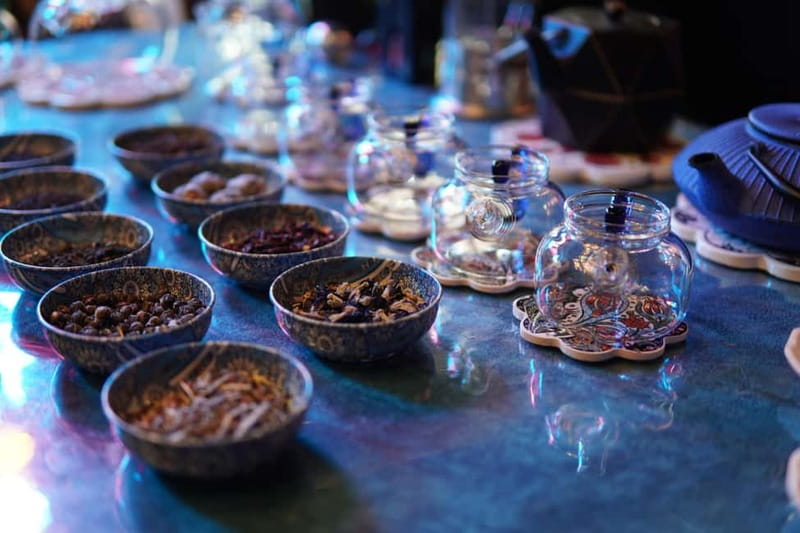
Tea in Turkey is not only a drink served to visitors. It is part of daily social life, and the workshop gives attention to that side of the subject. You hear how tea is served and observed in Turkish families, along with stories connecting preparation methods to local habits.
That cultural context makes the equipment easier to understand. The glass, the double teapot, and the way tea is offered all have a place in ordinary life. You are not simply learning how to make a stronger beverage. You are learning why tea is a natural part of conversation and hospitality in Turkey.
Some sessions may also include a short look at Turkish coffee. This is not the main activity, and it should not be the reason you book. Still, seeing coffee prepared with the sand method can be a welcome extra if the group has time.
The best guides appear to use the tea as a way to connect China, India, Turkey, and other tea-producing regions. That wider view keeps the experience from becoming a sales pitch for one local product. You compare origins, preparation, and customs while keeping Istanbul at the center.
Making a personal tea blend to take home
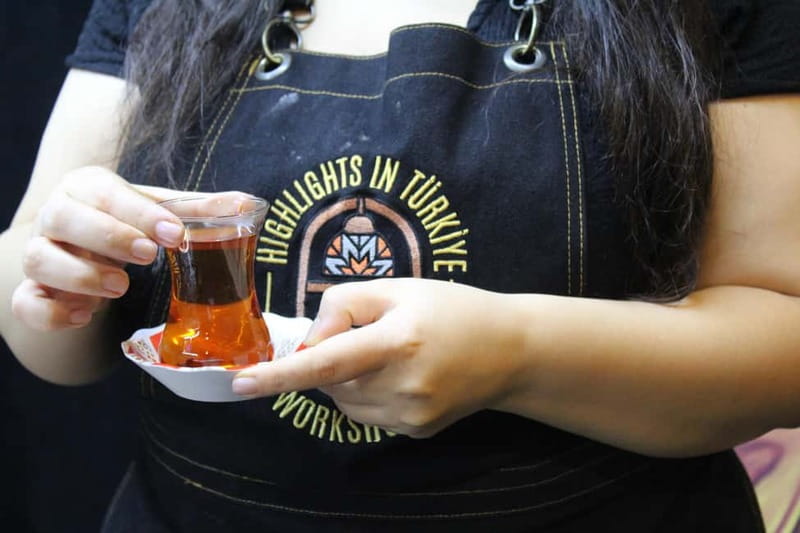
The final part lets you prepare a blend suited to your taste. This is a simple idea, but it gives the workshop a satisfying ending. You have already sampled different styles, so you can make a more informed choice about what you like.
Perhaps you prefer something bold and familiar, or perhaps the tasting changes your mind about oolong, white tea, or rooibos. The point is not to create a professional blend. It is to turn your impressions from the workshop into something personal.
A special tea gift is included. Be aware of the distinction between that gift and buying additional tea. If you want extra tea to take home, you may have to pay separately. Ask about the cost before adding anything, particularly if you are watching your spending.
The take-home blend is a better souvenir than another generic package from a tourist shop because it connects to something you prepared yourself. It is also compact and easy to pack.
Is $33 a fair price for 90 minutes?
At $33 per person, this is good value if you want an activity rather than just a drink. The price includes five premium teas, the equipment, tastings, snacks, unlimited sampling during the session, instruction, and a take-home gift.
The small-group limit strengthens the value. With no more than 10 people, you should be able to see the brewing demonstrations and ask questions. Some sessions may be very small. One person had a private-feeling experience with the instructor, while another described the group as small enough for personal attention.
The comparison is less favorable if you only want to sample Turkish black tea. You can do that far more cheaply in a café. You are paying for the teaching, the equipment, the international selection, and the chance to make your own blend.
The price also makes sense for a rainy day, a spare block between sightseeing plans, or a break from mosques, museums, and busy streets. Ninety minutes is short enough to fit into a full Istanbul itinerary. Just remember that a large creative studio is not the same as an intimate tearoom.
Who will enjoy it most?
I would recommend this workshop to:
- Tea drinkers who want to understand brewing, not just taste samples.
- First-time visitors who want a clear introduction to Turkish tea customs.
- People interested in Chinese tea and the gaiwan method.
- Couples and small groups looking for a calm indoor activity.
- Solo visitors who appreciate a small class and conversation with an instructor.
- Anyone who wants a practical, lightweight Istanbul souvenir.
It is less suitable if you dislike tasting several unfamiliar teas or want a long, formal lecture. It may also disappoint anyone expecting a full Turkish coffee workshop, since coffee appears only as a possible short extra when time allows.
The activity works well for beginners because no prior knowledge is required. It also has enough variety for serious tea drinkers to compare styles and preparation. The clearest advantage is flexibility: you can taste, ask questions, and decide what you like rather than being pushed toward one preferred tea.
Practical details before you book
The session lasts 90 minutes, and start times depend on availability. The group limit is 10 people. The listed teaching languages are English and Turkish.
The studio is near Galataport and Galata Tower, with Arada Beyrut Cafe and Lavander Cafe serving as meeting-point references. Check the location carefully before setting out, since the Galata area includes sloping streets and many nearby cafés with similar-looking entrances.
You can cancel up to 24 hours before the activity for a full refund. You can also reserve now and pay later, which helps if your Istanbul schedule is still changing.
The experience has a rating of 4.8 from 29 ratings, with especially strong praise for the instructors’ explanations, warmth, tea knowledge, and ability to make a solo booking enjoyable. The consistent practical takeaway is that the instructor matters. Names such as Zeynep, Kamran, Abdullah, Togrul, Melek, Daryn, and Ilham appear among the hosts, but you may not know your guide in advance.
Should you book this Istanbul tea workshop?
Book it if you want to understand why Turkish tea is brewed and served the way it is, while also trying tea from China and other regions. The combination of double teapot, gaiwan, thin-waisted glass, snacks, and a personal blend gives you more substance than a quick tasting.
I especially recommend it for a first Istanbul visit when you want a quiet change of pace near Galata or Galataport. The main drawbacks are the creative-studio setting, the limited 90-minute schedule, and the possible extra cost for additional tea.
For $33, you receive a hands-on lesson, a generous tasting, and a small souvenir. If those matter more to you than a formal tearoom atmosphere, this is a smart, personable way to spend part of an Istanbul afternoon.
FAQ
How long does the Istanbul tea workshop last?
The workshop lasts 90 minutes.
How many teas will I taste?
You will taste five premium teas from around the world. The selection can include Chinese green or white tea, Turkish black tea, English breakfast tea, rooibos, and herbal infusions.
Which brewing methods will I learn?
You will learn the Turkish double-teapot method and Chinese gaiwan brewing. The session also covers how water temperature and brewing time affect flavor.
Is a take-home gift included?
Yes. You create a personal tea blend to take home, and a special tea gift is included. Additional tea purchases may cost extra.
What languages are available?
The listed languages are English and Turkish.
Where does the workshop meet?
It meets at a spacious, bright studio diagonally to the right of Arada Beyrut Cafe and directly across from Lavander Cafe, between Galataport and Galata Tower.
Newly steeped around Turkey
- Full Day Tour In Uzungol Lake with Turkish Tea Tasting★ 4.0 · 21 reviews
- Networking Turkish Tea Tasting in Istanbul – Sip & Connect★ 5.0 · 3 reviews
- World Teas and Turkish Tea Brewing & Tasting Workshop in Istanbul★ 5.0 · 5 reviews
- Rize: Ayder Highland Village & Tea Tasting Private Day Trip★ 5.0 · 5 reviews
- City Of Side:Turkish Bath with Traditional Turkish Tea★ 4.0 · 14 reviews
- Antalya: Frame Glass Painting Workshop with Turkish Tea★ 5.0 · 8 reviews
- Card Game and Afternoon Turkish Tea with Local Grandma★ 5.0 · 7 reviews
- Handmade Charm Jewelry Workshop in Galata with Turkish Tea★ 5.0 · 6 reviews
Turkish Tea Experiences, compared.
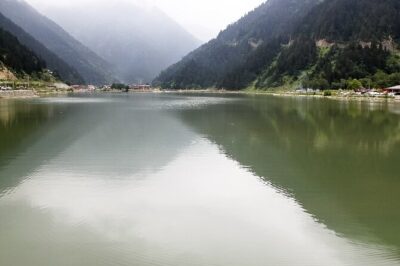
Full Day Tour In Uzungol Lake with Turkish Tea Tasting
Read our review →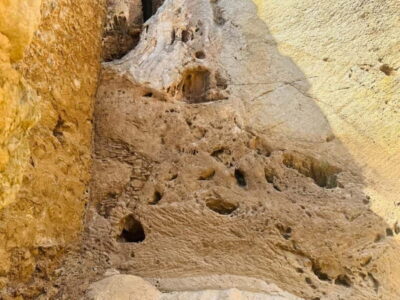
City Of Side:Turkish Bath with Traditional Turkish Tea
Read our review →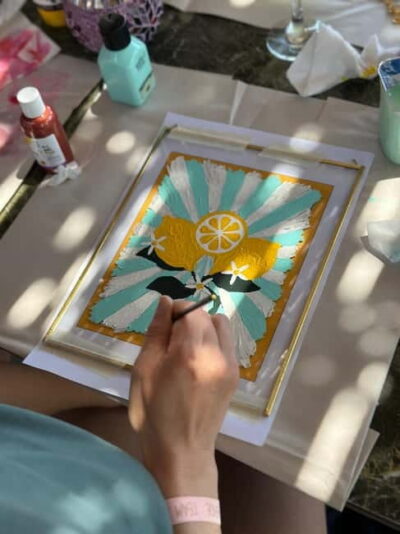
Antalya: Frame Glass Painting Workshop with Turkish Tea
Read our review →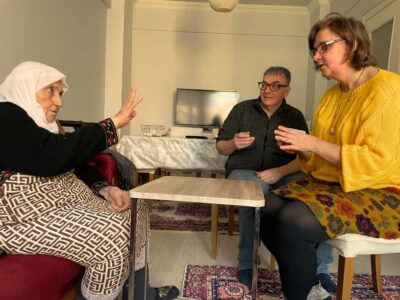
Card Game and Afternoon Turkish Tea with Local Grandma
Read our review →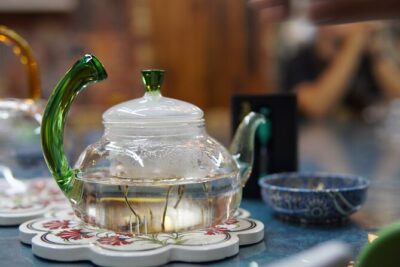
World Teas and Turkish Tea Brewing & Tasting Workshop in Istanbul
Read our review →
Networking Turkish Tea Tasting in Istanbul – Sip & Connect
Read our review →Browse the lists this tea experience appears in