
Review · NAIROBI
Private Day Trip to Kiambethu Tea Farm in Limuru from Nairobi
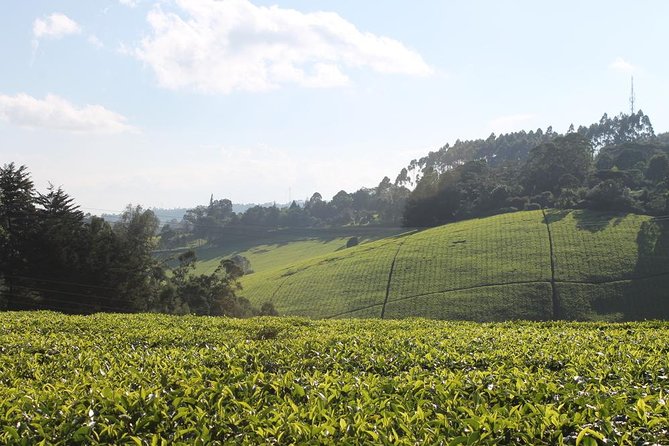
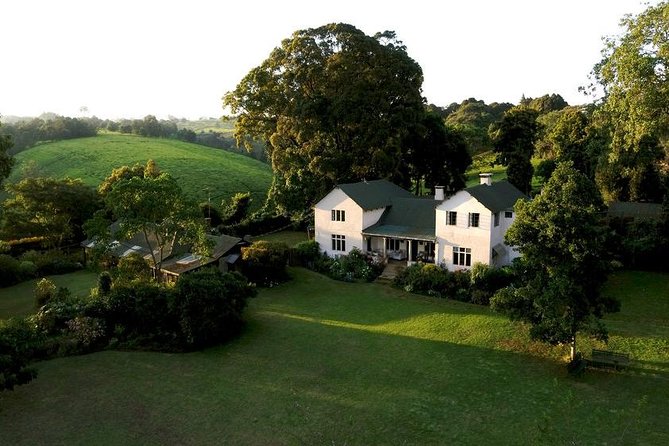
Kiambethu Tea Farm gives you a close look at Kenyan tea without sending you deep into the country. The farm dates to 1910, and its visit combines tea fields, an indigenous forest walk, Colobus monkey sightings, and lunch on a verandah facing the Ngong Hills. The old family farm setting is the real draw.
I like the easy private transport from Nairobi and the warm, personal hosting at the farm. I also like that the experience goes beyond a quick plantation photo stop: you learn how tea is grown, picked, and prepared, then taste it fresh with a three-course farm lunch.
The main limitation is that you do not tour a working tea factory. You learn about processing at the farmhouse and in the fields, but anyone hoping to follow leaves through a full industrial production line may find that part missing.
Key points to know before you book
- A 1910 family farm: Kiambethu offers a personal look at one of Kenya’s oldest tea-growing properties.
- Private transport from Nairobi: Pickup begins at about 9:45 a.m. within Nairobi CBD, with afternoon hotel drop-off.
- More than a tea tasting: The visit includes a plantation walk, indigenous forest stroll, birdwatching, and possible Colobus monkey sightings.
- Lunch with a view: A three-course meal made with farm produce is served at the house, overlooking tea fields toward the Ngong Hills.
- Personal guiding: Fiona and Sarah are among the hosts associated with the farm, while drivers such as Peter and Paul handle the Nairobi transfer.
- Good value for a private outing: The $141 price includes transport, lunch, drinks, bottled water, and an English-speaking guide.
Leaving Nairobi for Limuru at 7,200 feet
Your day starts with pickup at about 9:45 a.m. from a hotel or residence within Nairobi CBD. The private vehicle matters here. You do not need to arrange a taxi to the farm, compare directions, or share the day with a large group.
The drive takes you toward Limuru, which sits at roughly 7,200 feet, or 2,195 meters, above sea level. That height helps explain the cooler feel of the area and the tea-growing conditions. Your driver may be Peter or Paul, both praised for safe, considerate driving, or another member of the provider’s team. One driver, known as Black Santa, also provided passengers with background about Nairobi during the drive.
The trip from city streets to open farmland is part of the experience. It gives you a change of pace without requiring an overnight stay. If you have spent several days in Nairobi, this outing offers a useful break from traffic, buildings, and city noise.
The advertised experience lasts about six hours, though the farm visit itself is listed at roughly four hours. Plan for a morning departure and afternoon return. Nairobi traffic can affect the timing, so I would avoid booking a tight evening flight or another fixed appointment immediately afterward.
More Tea Plantation Tours in Nairobi:
- Nairobi to Kiambethu Tea Farm Tour
★ 5.0 · 51 reviews - Day Tour To Kiambethu Tea Farm in Limuru
★ 5.0 · 22 reviews - Nairobi: Tea Farm Day Trip with Lunch at kiambethu
★ 4.0 · 21 reviews
Tea, biscuits, and the story of a family farm
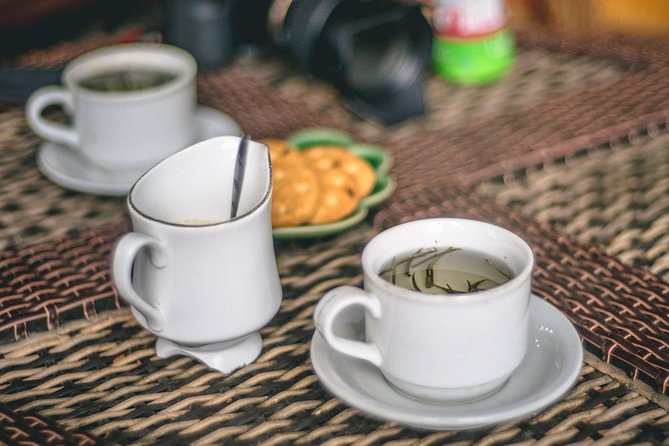
Arrival at Kiambethu is followed by tea or coffee and an informal introduction to the farm. This is a pleasant way to begin. You can settle in, look across the property, and hear how AB McDonell established the farm in 1910.
The same family still runs Kiambethu. That detail gives the visit a sense of continuity that a short stop at a commercial factory cannot easily provide. You are not only looking at rows of tea. You are hearing how a property, a family, and a crop have remained connected for more than a century.
The introduction covers the basic process of making tea, from growing and picking to preparation. The explanation is practical rather than highly technical. You learn what happens to the leaves and then see tea growing in the field, which helps connect the talk to the place around you.
Fiona is one of the farm hosts associated with the experience, and Sarah also helps welcome visitors. Fiona is especially noted for explaining the subject with warmth and confidence. You can expect an informal style rather than a formal lecture, with time to ask questions as the visit moves along.
Walking through the tea fields
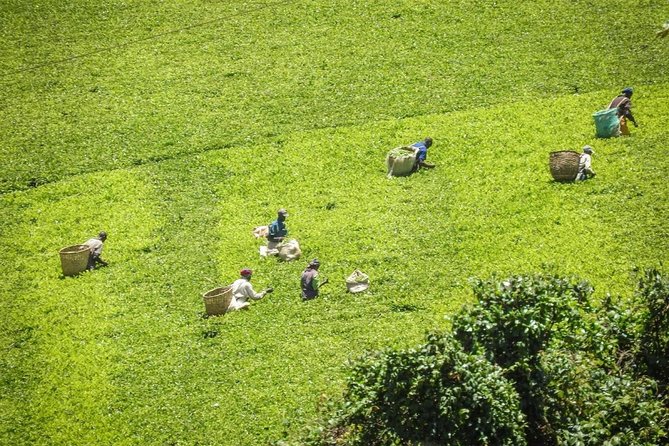
The plantation walk is the heart of the visit. Your guide explains how tea is grown and picked while you look closely at the rows of plants. This is more useful than simply seeing tea from a passing vehicle because you can connect the farming work to the cup served later.
The walk is also a good fit for anyone interested in how everyday products are made. Kenyan tea is known around the world, but many visitors only encounter it after it has been processed and packaged. Here, you see the crop before it reaches that stage and hear about the work behind it.
The farm setting gives the walk a calm pace. You are not rushing from one major sight to another, and the private format allows the guide to spend more time on questions that interest your group. If your group is keen on agriculture, local family businesses, or food production, this part should hold your attention.
Do not expect a long trek. The experience is a guided farm walk combined with a short nature walk, not a strenuous hiking day. Still, you should be comfortable walking outdoors on farm paths and through a forested area. The supplied information does not promise a fully paved route, so sensible shoes are a good idea.
The indigenous forest and possible Colobus monkeys
After the tea fields, you walk through an indigenous forest with a resident Kenyan guide. The guide identifies plants and explains how they have traditionally been used. This adds a local botany element and keeps the outing from becoming only a plantation tour.
The forest also provides the chance to see Colobus monkeys. Sightings are not guaranteed, and you should treat them as a pleasant possibility rather than the main reason to book. The gardens are home to a range of birds and flowers as well, so bring patience if you enjoy watching wildlife.
This section is one of the experience’s best surprises. Tea is the headline, but the forest makes the visit feel broader and more connected to the surrounding environment. You get to see the farm as a living property, not just a set of cultivated rows.
Your guide’s explanations are important here. Traditional plant uses give the walk a human connection, while the birds and monkeys add a little natural drama. If wildlife is your priority, this should not replace a safari. If you want a gentle nature stop alongside your tea visit, it fits well.
More Day Trips with Tea around Nairobi:
- Nairobi: Purple Tea Farm Gatura Greens Day Trip
★ 4.9 · 16 reviews - From Colombo: Kandy, Pinnawala and Tea Factory Full-Day Trip
★ 4.4 · 99 reviews - Ella Private Day Trip with Train Ride & Tea Factory-All Inclusive
★ 5.0 · 61 reviews - Tea Village in lost Town and Buddha 1 day tour
★ 5.0 · 32 reviews
Verandah tea with the Ngong Hills beyond
After the walking portion, you return to the farmhouse for a pre-lunch drink on the verandah. The view stretches across the tea fields toward the Ngong Hills. This is a good place to slow down and appreciate the setting rather than rush through the next activity.
Freshly brewed Kenyan tea is served here. You learn how the leaves are prepared and then sample the result yourself. The tea tasting is simple and direct, which suits the farm. You are tasting tea close to where it is grown, with the growing fields still in view.
You can also have coffee during the earlier introduction, and drinks at the farm are included. Bottled water is included as well. Alcoholic drinks are not part of the package, so plan to pay separately if they are available and you want one.
The verandah is also where the private format pays off. Your group can take its time with the drink, ask follow-up questions, and enjoy the view at a comfortable pace. This is not a rushed tasting counter with a queue behind you.
A three-course lunch made from farm produce
Lunch is included and served as a three-course buffet. The meal uses produce fresh from the farm, which gives the midday break a clear connection to the property. You are not simply stopping at a restaurant on the road back to Nairobi.
Food is one of the most praised parts of the outing. The meal, friendly staff, and garden setting combine to make the visit feel generous for a half-day trip. The view toward the Ngong Hills makes the meal especially pleasant, even if the weather is misty.
You should provide any dietary requirements when booking. That is important because the meal is part of the planned experience, and the farm needs notice to prepare appropriately. The supplied details do not list a fixed menu, so do not book expecting particular dishes.
The lunch also helps explain the price. At $141 per person, you are paying for a private vehicle, round-trip transfer, guide, farm admission, drinks, water, tea experiences, and a substantial meal. For one person, that is not a budget outing. For a couple or small private group that values convenience and a quieter visit, the package is easier to justify.
What the $141 price really covers
The strongest value comes from combining several services in one booking. You get pickup and drop-off within Nairobi CBD, private transport, an English-speaking local guide, admission to the farm, lunch, drinks, and bottled water.
You are also buying time and simplicity. The provider handles the journey to Limuru and the return to Nairobi, so you do not need to negotiate a driver for the day. The private arrangement means your schedule and questions are not shaped around a busload of strangers.
Group discounts are available, although the exact saving depends on the booking. If you are traveling with family or friends, check the final per-person figure before deciding. The private format can make more financial sense when the cost is shared among several people.
I would compare this price with the cost of arranging a private Nairobi car and guide separately. Once you add fuel, waiting time, entry, lunch, and drinks, the package becomes more reasonable. The value is weaker if you only want to see tea fields briefly or if you are searching for a factory tour.
What is missing, and why that matters
The clearest omission is a visit inside a tea factory. You learn about tea preparation and processing, but the experience does not promise a factory-floor tour with machinery or a detailed demonstration of commercial production.
That is not a flaw for every visitor. Kiambethu is built around a family farm, a personal host, a forest walk, and a meal in a historic home. If you prefer small-scale agriculture and conversation to industrial equipment, the current format may suit you better.
It does matter if you are a serious tea enthusiast. You may leave with a stronger understanding of growing and picking, but not a complete picture of every stage between fresh leaf and packaged tea. If factory access is essential, ask before booking rather than assuming it is included.
Weather can also shape the day. A misty visit can make the plantation look atmospheric, but it may reduce distant views of the Ngong Hills. The tour still includes indoor tea and lunch, yet the walking sections are outdoor activities, so dress for changing conditions.
Who will enjoy Kiambethu most
I would recommend this outing to anyone who wants a gentle break from Nairobi with a strong food and culture angle. It suits couples, families, and small private groups who value having their own vehicle and guide.
It is particularly good for you if you enjoy:
- Food and farming: You see how tea grows, taste it fresh, and eat a meal made with farm produce.
- Quiet nature: The forest walk, birds, flowers, and possible Colobus monkeys add variety.
- Personal hosting: Fiona, Sarah, and the wider farm team provide a more intimate setting than a large commercial attraction.
- Easy day planning: Pickup, transport, admission, lunch, drinks, and hotel return are arranged together.
- A slower pace: The day leaves room for conversation, views, and tea rather than packing in many unrelated sights.
It may be less suitable if you want a long wildlife outing, a demanding hike, or a full factory-production tour. It is also not the best choice for a traveler who wants to spend the entire day in central Nairobi.
Most travelers can take part, according to the supplied tour information, and the activity is near public transportation. Since private pickup and drop-off are included within Nairobi CBD, you usually have little reason to use public transport for this particular outing.
Booking details worth checking
Confirmation is provided at booking, and the start time is about 9:45 a.m. Pickup is limited to your hotel or residence within Nairobi CBD, so confirm your address if you are staying farther out.
The tour is private, meaning only your group participates. That makes it easier to ask for extra explanation, spend longer at the view, or move at a comfortable pace. It does not mean every timing detail is flexible, so confirm the pickup point and dietary needs in advance.
Free cancellation is available if you cancel at least 24 hours before the local start time. Cancellations or changes made within 24 hours are not accepted for a refund. That policy is worth noting before you commit, especially if your Nairobi plans depend on flight or safari timing.
Should you book this Kiambethu day trip?
Book it if you want an easy, personal outing that combines Kenyan tea, a historic family farm, light nature, and a proper lunch. I especially like it for a first visit to Nairobi when you want to see more of the area without taking on a complicated independent day trip.
The private car and included meal make the $141 cost reasonable for many couples and small groups. Fiona and the farm team add the human side, while the tea fields, forest, and Ngong Hills view give the day enough variety.
Skip it if a factory tour is essential or if your main goal is wildlife. In that case, choose another activity. But if you want a relaxed trip with real local character, fresh tea, and a farm lunch away from the city, Kiambethu is a strong choice.
FAQ
How long does the Kiambethu Tea Farm tour last?
The experience lasts approximately six hours, with pickup at about 9:45 a.m. and afternoon drop-off in Nairobi. The farm portion is listed at roughly four hours.
Where does pickup take place?
Pickup and drop-off are offered from hotels or residences within Nairobi CBD. Confirm your exact address when booking.
Is lunch included?
Yes. The tour includes a three-course buffet lunch made with produce from the farm.
Is transportation included?
Yes. Private round-trip transport from Nairobi CBD is included, along with hotel or residence pickup and drop-off.
Will I visit a tea factory?
A factory visit is not included in the stated itinerary. You learn about tea growing, picking, and processing at the farm and farmhouse, then sample freshly brewed tea.
Can I cancel for a full refund?
Yes, if you cancel at least 24 hours before the experience start time. Cancellations or changes made less than 24 hours in advance are not accepted for a refund.
Newly steeped around Nairobi
- Purple Tea Farm Tour from Nairobi City – Specialty Tea Tasting★ 4.5 · 12 reviews
- Riara tea farm tour with lunch and tea tasting from Nairobi★ 5.0 · 3 reviews
- Kiambethu Tea Farm Tour & Lunch From Nairobi★ 5.0 · 7 reviews
- Day tour to Kiambethu tea farm in Limuru from Nairobi★ 4.5 · 2 reviews
- Excursion to Kiambethu Tea Farm★ 5.0 · 6 reviews
- Tea Farm Experience at Riara Tea Farm And Factory Tour★ 5.0 · 11 reviews
- Tea Farm Experience at Riara Tea Farm And Factory Tour★ 4.8 · 2 reviews
- Tea Farm Tour From Nairobi (Kiambethu).★ 4.9 · 10 reviews
Tea Plantation & Farm Tours, compared.
From Taipei: Thousand Island Lake and Pinglin Tea Plantation
Read our review →
Furnas: Tea Plantations, Lake and Volcano Guided Tour
Read our review →
São Miguel: Furnas Volcano & Tea Plantation Tour with Lunch
Read our review →
Furnas Volcano & Tea Plantation With Traditional Lunch, East Tour
Read our review →
Furnas: Volcano Wonders, Tea Plantation & Waterfall Tour
Read our review →
Adventure in the Furnas, with volcanoes, lagoons and tea plantations
Read our review →
Bandung: White Crater, Scenic Tea Plantations & Hot Spring
Read our review →Browse the lists this tea experience appears in