
Review · THAILAND
7 Wonders of Chiang Rai: Temples, Tea, and Golden Triangle
Chiang Rai packs an unusual amount into one long day: white and blue temples, a black art compound filled with reminders of death, tea fields, a Karen village, and the former opium center where Thailand, Laos, and Myanmar meet. The result is less a gentle sightseeing outing than a brisk tour through the region’s art, faith, culture, and difficult past.
I like the way the tour pairs the famous Wat Rong Khun with the less conventional Baan Dam Museum. I also like the practical value: at $41, you get transport, an English-speaking guide, lunch, drinking water, and travel insurance. The drawback is the pace. With seven major stops and a return around 6:30 to 7:00 PM, you will see a lot, but you will not have unlimited time at any one place. Admission fees also add 530 baht if you enter every paid attraction.
Key points to know before booking
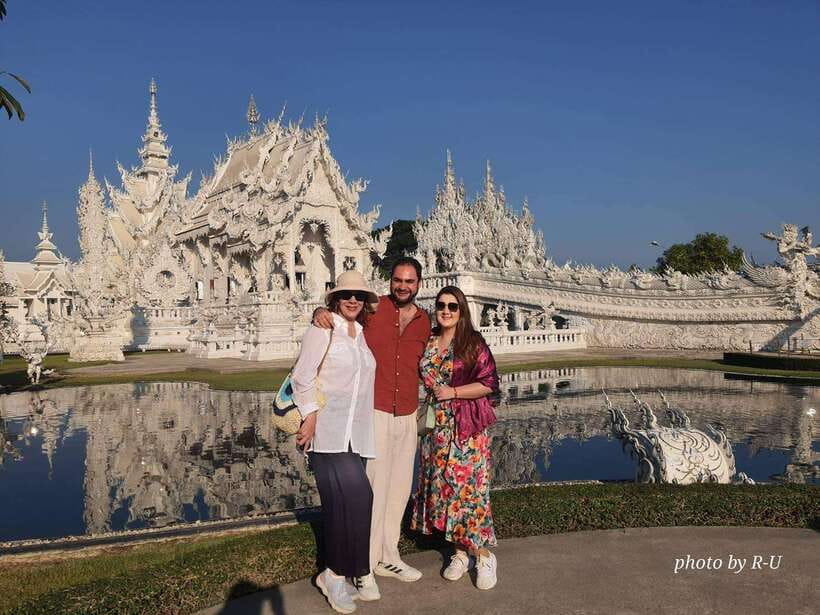
- Wat Rong Khun sets the tone: The White Temple blends Buddhist imagery with mirrored glass and modern pop culture references.
- The day covers very different sights: You move from temples and art to tea farming, Karen culture, and Golden Triangle history.
- Small groups keep transport manageable: The van is limited to 10 participants, with pickup and drop-off within 3 kilometers of Chiang Rai city center.
- The price covers the basics: Thai buffet lunch, water, insurance, guide service, and transportation are included.
- Budget for entrance fees: The White Temple costs 100 baht, Baan Dam 80 baht, the Long Neck Karen Village 300 baht, and the House of Opium 50 baht.
- Expect a full day on the road: The schedule includes a 30-minute outbound transfer and an 80-minute return ride.
Why this Chiang Rai day trip works
This tour is useful if you have only one full day in Chiang Rai and want to see the area’s major sights without arranging several separate rides. The route reaches places that are spread across the province, including the Golden Triangle near the borders of Laos and Myanmar.
The strongest feature is its variety. Wat Rong Khun is polished, bright, and highly theatrical. Baan Dam is dark, strange, and deliberately unsettling. Choui Fong Tea Plantation offers a calmer pause, while the Golden Triangle and House of Opium Museum add political and economic context to the region.
You should think of this as an overview, not a slow cultural study. The schedule allows about an hour at the White Temple and Black House, but only 30 minutes at the Blue Temple and Golden Triangle. The tea plantation gets 40 minutes, and the Long Neck Karen Village gets 45 minutes.
The English-speaking guide matters here because each site needs explanation. Without context, the bones at Baan Dam or the brass neck rings at the Karen village could become quick photo stops. A guide can help connect each place to local beliefs and present-day life.
More Tea Experiences around the world:
- Kyoto: Tea Ceremony in a Traditional Tea House in Kiyomizu
★ 4.9 · 3,519 reviews - London: Afternoon Tea Cruise on the River Thames
★ 4.4 · 3,274 reviews - Kyoto: Tea Ceremony Ju-An at Jotokuji Temple
★ 4.9 · 3,207 reviews
The White Temple, where faith meets modern art
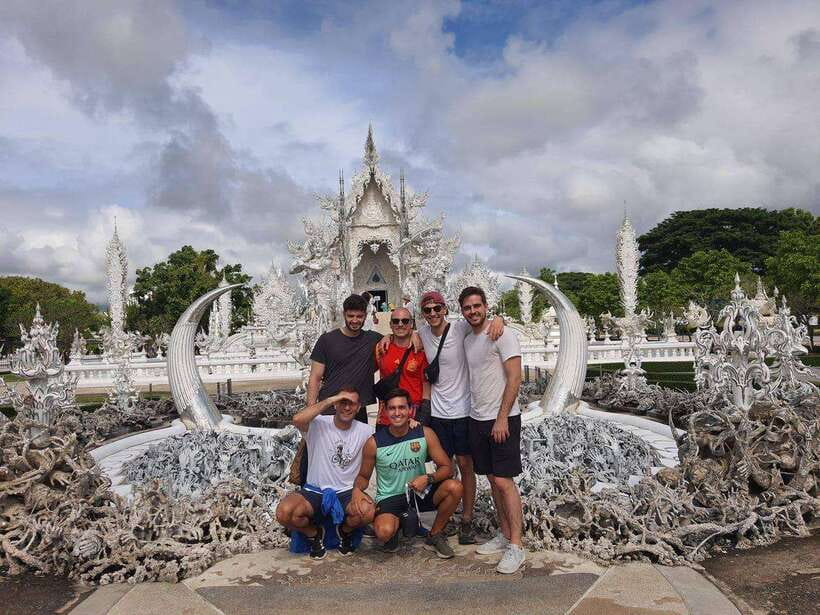
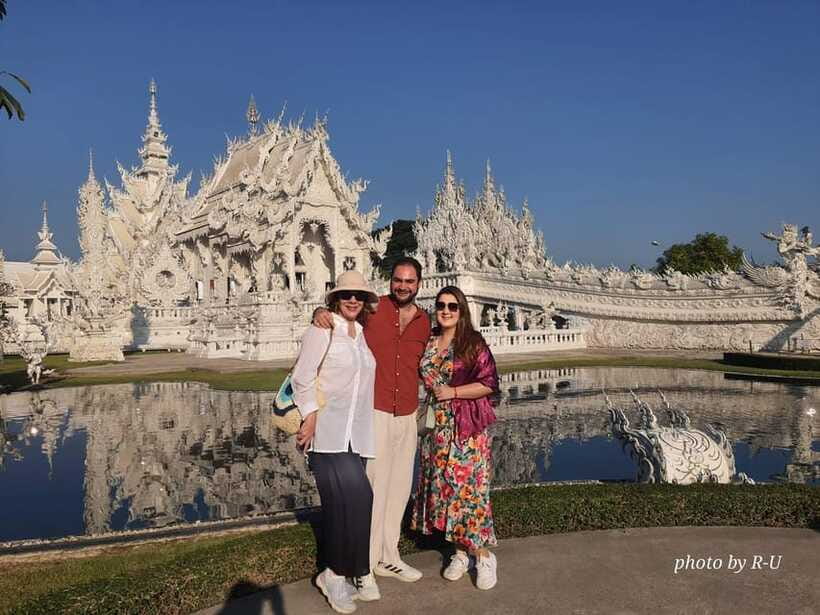
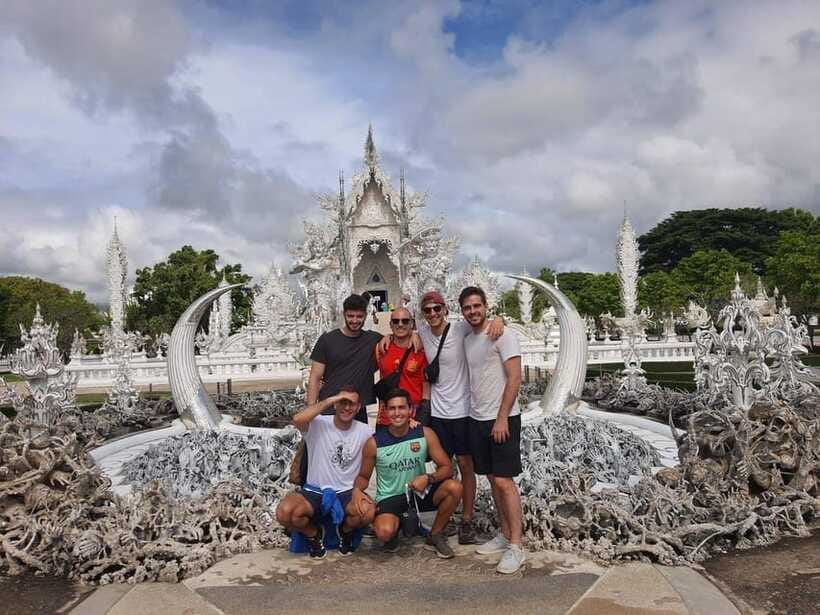
Your first major stop is Wat Rong Khun, usually called the White Temple. The building is the work of Chalermchai Kositpipat, and its bright white surfaces are covered with intricate details and small pieces of mirrored glass.
In the sunlight, the glass flickers across the temple’s carvings. The effect is clean and almost unreal, but the details reward a closer look. The design uses white as a symbol of purity, while the surrounding imagery draws on Buddhist ideas about temptation, suffering, and spiritual progress.
Inside, the murals take an unexpected turn. Alongside traditional Buddhist themes, you may see modern references from popular culture. This combination is what makes Wat Rong Khun different from an older temple. It is a contemporary artistic vision using religious symbols, not an ancient monument preserved unchanged.
The tour allows about one hour here, including guided sightseeing and time for photos. That is enough to appreciate the main building and its visual details, though the site can feel quick if you enjoy examining artwork closely.
The entrance fee is 100 baht per person and is not included. Bring cash or a credit card, but cash is the safer choice for small charges. As with the other paid stops, you can choose not to enter, although skipping the White Temple would remove one of the day’s central experiences.
The Blue Temple and its tiger legend
Wat Rong Suea Ten, or the Blue Temple, gives you a very different color scheme. Its walls and roof use strong blue tones with gold details, following a modern interpretation of Lanna architecture.
Inside, a large white Buddha creates the visual focus. Blue murals surround it, giving the interior a calm but dramatic feel. The effect is more unified than the White Temple’s mix of traditional and modern references.
The temple’s Thai name means Dancing Tiger. Local stories connect the area with tigers that once roamed nearby. That small piece of local lore helps explain why this is not simply a blue version of the White Temple. The building has its own identity and regional connection.
You have about 30 minutes here. That is enough for the main hall, photographs, and a quick look at the exterior. If you prefer quiet temple time, this will feel short. The stop works best as a focused visit before the darker and more unusual Baan Dam Museum.
Baan Dam Museum brings a darker mood
The Black House, or Baan Dam Museum, is the sharpest change in mood. Created by Thai artist Thawan Duchanee, the complex is made up of buildings decorated with animal bones, skins, horns, and other objects linked to mortality.
This is not a conventional temple, and it is not designed to give you a soft, pretty version of northern Thailand. Its buildings and collections ask you to think about death, power, animals, and the balance between the light and dark sides of life.
Some people will find the display fascinating. Others may find the animal materials uncomfortable. That is part of the point, but you should know what to expect before paying to enter. The experience is more thought-provoking than relaxing.
The schedule gives you about an hour, which is helpful because the site includes several buildings and outdoor areas. The entrance fee is 80 baht. I would keep this stop even if you are not normally interested in art museums, since it gives the day a needed contrast after the polished beauty of the temples.
Same leaf, a different ritual:
- Afternoon Tea Bus Tour in Dublin
★ 5.0 · 2,791 reviews - Kyoto: 45-Minute Tea Ceremony Lesson Experience
★ 4.3 · 2,378 reviews - London: Afternoon Tea Bus Tour – 1960s Routemaster Bus
★ 4.5 · 2,032 reviews - London: Afternoon Tea Bus with a Glass of Prosecco
★ 4.4 · 1,853 reviews
A short look at Long Neck Karen traditions
The Long Neck Karen Village introduces a cultural tradition that needs a respectful approach. Women in the community wear brass rings around their necks, creating the appearance of an elongated neck. The rings are linked to beauty and cultural identity and are passed through generations.
You can learn about daily life, see weaving, and look at handmade souvenirs. The visit lasts about 45 minutes, so it is a compact introduction rather than a full study of Karen history or community life.
This is also the stop that calls for the most care from you. Treat the village as a place where people live and work, not simply as a photo set. Follow your guide’s advice about photography, speak politely, and buy a craft only if you genuinely want it.
The entrance fee is 300 baht per person, the highest individual charge on the route. That fee is not included in the tour price. If you are trying to keep costs low, you can choose not to enter, but skipping it means missing one of the tour’s central cultural stops.
Lunch keeps the middle of the day simple
Lunch takes place at a local restaurant and lasts about 45 minutes. A Thai buffet is included, which makes the meal straightforward and helps avoid the need to order from a menu in a hurry.
Do not expect a long food-focused experience. The meal is a practical break between the morning’s cultural sites and the afternoon drive toward the tea plantation and Golden Triangle. Drinking water is also included.
Because this is a full day, lunch has real value even if food is not your main reason for booking. You can eat, rest, and reset before the longer stretch of sightseeing.
Choui Fong Tea Plantation offers a quieter pause
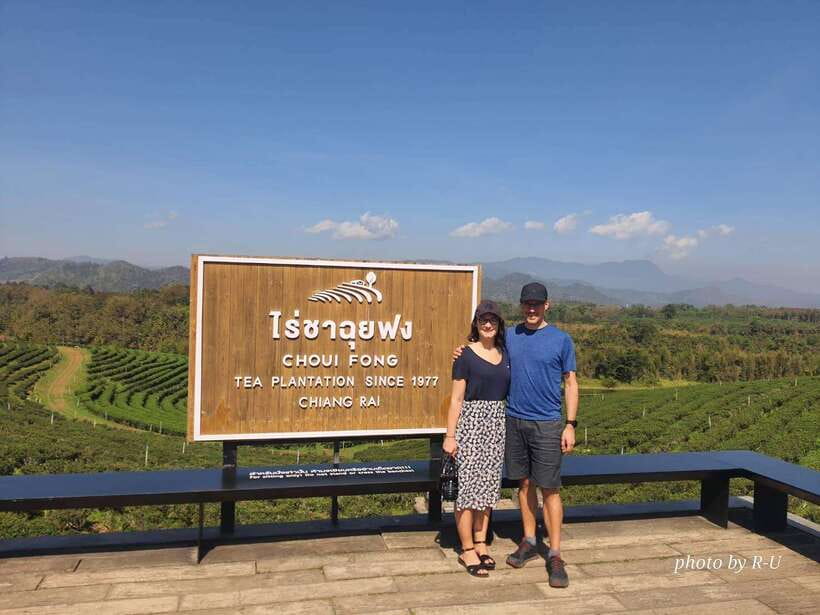
After the museums and village visit, Choui Fong Tea Plantation gives the schedule some breathing room. The plantation sits among rolling green hills, with neatly trimmed tea fields and broad views from the café area.
You can walk through the tea fields, learn about cultivation, and spend free time taking photographs. Freshly brewed tea and tea-based desserts are available at the café, though the supplied tour details do not state that these purchases are included.
The stop lasts about 40 minutes. That is enough to enjoy the views and sample something from the café, but not enough for a long plantation walk. I would use this time to slow down, take in the setting, and avoid rushing from one photograph to the next.
This is one of the tour’s best pacing choices. Chiang Rai’s temples and museums ask you to look closely at buildings and objects. The tea plantation gives your eyes a wider view and offers a less demanding stop before the border region.
The Golden Triangle connects three countries
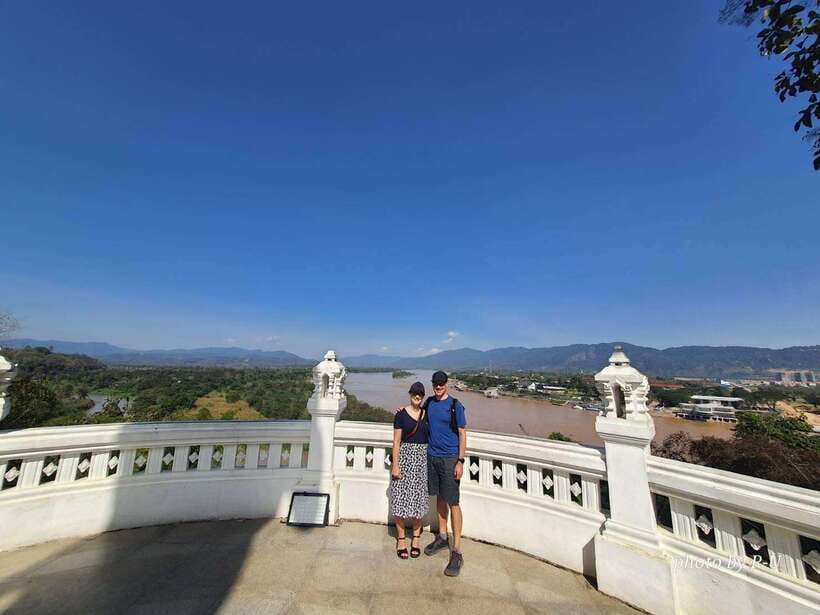
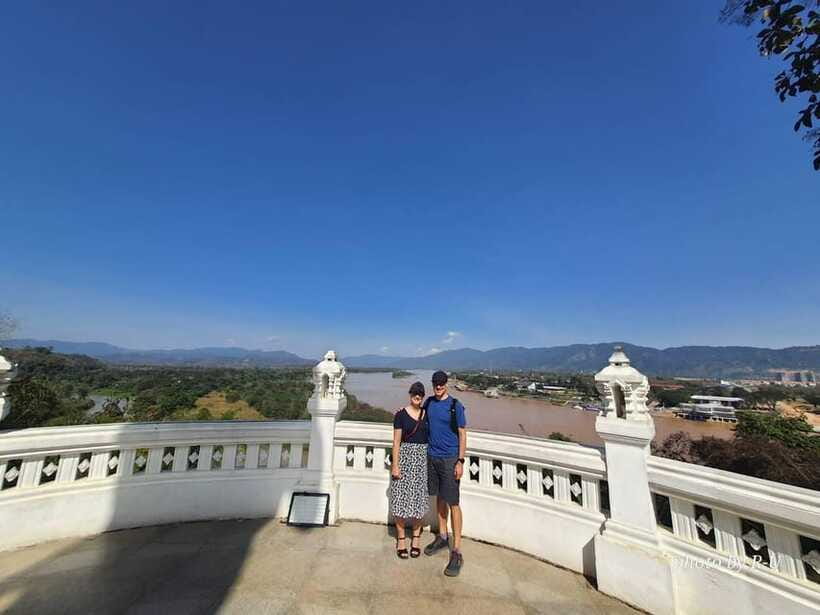
At the Golden Triangle, you reach the meeting point of Thailand, Laos, and Myanmar. The Mekong and Ruak rivers come together here, creating the geographic reason for the name.
The area was once strongly associated with the opium trade. Today, the viewpoint offers a peaceful setting and a chance to learn how the region changed. The 30-minute stop is mainly for views, photographs, and a short explanation from the guide.
Do not expect a long border excursion. The tour does not describe crossing into Laos or Myanmar, and you should not assume that you will leave Thailand. This is a viewpoint and history stop within the Thai part of the Golden Triangle.
The short visit works because the next stop, the House of Opium Museum, provides more detail about the region’s past. Taken together, the two stops make the Golden Triangle more than a quick photo with a famous name.
The House of Opium Museum adds needed context
The House of Opium Museum is a smaller museum near the Golden Triangle. Its exhibits cover the cultivation, tools, pipes, smuggling, and wider effects of the opium trade.
The displays explain how opium affected local communities and how efforts to combat the trade developed. That makes this stop especially useful after seeing the geographical meeting point of the three countries.
You get about 40 minutes, with time for a guided visit, walking, photographs, and some shopping. The museum entrance costs 50 baht and is not included.
This stop may interest you more if you want historical context than if you are looking only for scenic views. It also gives the day a more serious finish. The Golden Triangle can look calm and scenic now, but the museum explains why the area became internationally known.
Transport, timing, and the real cost
Pickup is available from hotels within 3 kilometers of Chiang Rai city center. You should wait in the hotel lobby between 8:00 and 8:30 AM, since the exact pickup time can fall within that window.
The first van ride takes about 30 minutes. After the House of Opium Museum, the return ride takes about 80 minutes, and the tour ends back at the original meeting point between 6:30 and 7:00 PM.
That timing makes this a poor choice if you plan to return to Chiang Mai the same day. The schedule can finish late, and the tour itself is already a long day.
The group is limited to 10 people. That is small enough to make hotel pickup and guide explanations easier than on a large coach, while still keeping the price low. Transportation is provided in a van, but no special vehicle features are listed, so pack lightly and wear comfortable clothes.
At $41 per person, the tour is good value if you use most of the included services. Add every listed admission fee, totaling 530 baht, and account for any tea, dessert, or souvenir purchases. The main saving is not just the transport. It is the time and effort required to connect far-flung sights in one day.
What to bring and who should book
Wear comfortable shoes. You will walk around temples, museums, the village, and tea fields, even though none of the individual walks is described as especially long.
Bring a camera, cash, and a credit card. Cash is useful for admission fees and small purchases. Alcohol and drugs are not allowed, and baby strollers and bikes are not permitted on the activity.
I would recommend this tour to you if:
- You have one full day in Chiang Rai.
- You want major sights rather than a slow stay at one temple.
- You prefer having transport and lunch arranged.
- You are interested in art, local traditions, tea, and regional history.
- You are comfortable with an early start and a return around 7:00 PM.
I would look for a slower private tour if you want long photography sessions, extended time at the tea plantation, or detailed study of one temple. The same applies if you dislike spending much of the day in a van.
The experience is not suitable for babies under 1 year, and it is not recommended for people over 80 or over 95 years. The information gives both age limits, so older participants should confirm suitability before booking.
Should you book this Chiang Rai tour?
Book it if you want a broad, well-organized introduction to Chiang Rai and you have no problem with a packed schedule. The combination of Wat Rong Khun, Wat Rong Suea Ten, Baan Dam, the Karen village, Choui Fong, and the Golden Triangle gives you a far more varied day than a temple-only outing.
The best reasons to choose it are the strong mix of art and culture and the convenience of covering distant sights for $41. The main reason to hesitate is the pace, especially with the long return drive and extra entrance fees.
For a first full day in Chiang Rai, I think the tour makes sense. Go in expecting an overview, not unhurried exploration, and bring enough cash to decide freely at the paid stops.
FAQ
Where does the tour start?
Pickup is available from hotels within 3 kilometers of Chiang Rai city center. You should wait in the hotel lobby between 8:00 and 8:30 AM.
Where does the tour end?
The activity ends back at the original meeting point in the Mueang Chiang Rai area.
How long does the tour last?
It is a full-day tour and usually ends between 6:30 and 7:00 PM.
Is transportation included?
Yes. Pickup and drop-off in Chiang Rai city are included, with van transfers between the stops.
How large is the group?
The tour is limited to 10 participants.
Is an English-speaking guide included?
Yes. The tour includes a live guide who speaks English.
Is lunch included?
Yes. A Thai buffet lunch is included.
Is drinking water included?
Yes. Drinking water is included in the tour price.
Which entrance fees are not included?
Wat Rong Khun costs 100 baht, Baan Dam Museum costs 80 baht, Long Neck Karen Village costs 300 baht, and the House of Opium costs 50 baht per person.
Can I skip an attraction or admission fee?
Yes. Visiting the attractions and paying the admission fees is optional.
Can I return to Chiang Mai after the tour?
The tour information advises against returning to Chiang Mai the same day because the activity may finish quite late.
What should I bring?
Bring comfortable shoes, a camera, cash, and a credit card.
Newly steeped around the world
- York: Private Horse-Drawn Carriage Ride and Afternoon Tea★ 5.0 · 3 reviews
- Yokohama : Tea Ceremony with Sweets and Souvenir★ 5.0 · 5 reviews
- Washington, D.C.: Tea Around Town Bus Tour with Landmarks★ 3.4 · 7 reviews
- Whisk Your Own Matcha: A Zen Matcha Experience at Temple★ 3.6 · 7 reviews
- Yogyakarta: Prambanan Tour, Sukuh Temple & Tea Plantation★ 5.0 · 3 reviews
- Walking Tour: Yanaka,Nezu& Sendagi: Tea Ceremony & Old Tokyo★ 5.0 · 3 reviews
- Wadi Rum: 2-Hour Jeep Tour with Bedouin Tea★ 5.0 · 11 reviews
- Volcano, Hot Spring, Mud Bath & Tea plantation all included★ 5.0 · 5 reviews
Thailand Tea Tours, compared.
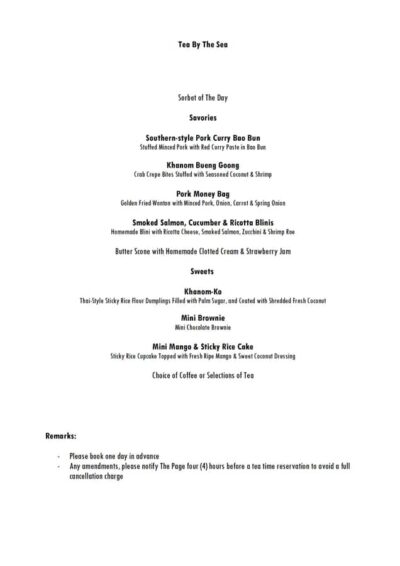
Chiang Mai InterContinental Afternoon Tea & Teresa Teng Room
Read our review →Browse the lists this tea experience appears in