
Review · KYOTO
Whisk Your Own Matcha: A Zen Matcha Experience at Temple
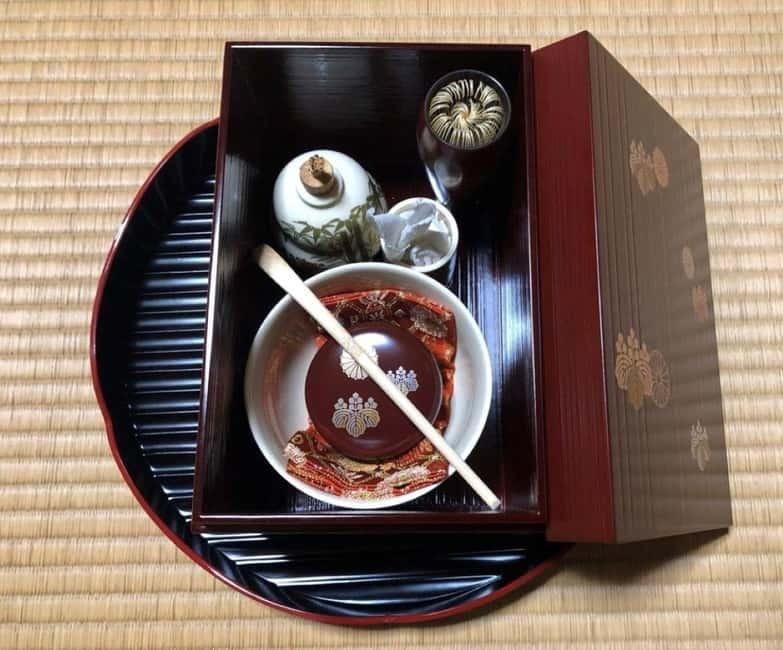
Whisking your own matcha inside a Japanese temple gives this short experience its appeal. You do more than watch a formal tea ceremony: you handle the bamboo tools, prepare the tea, and learn why each small movement matters. Host Sakura has led warm, question-friendly sessions in English.
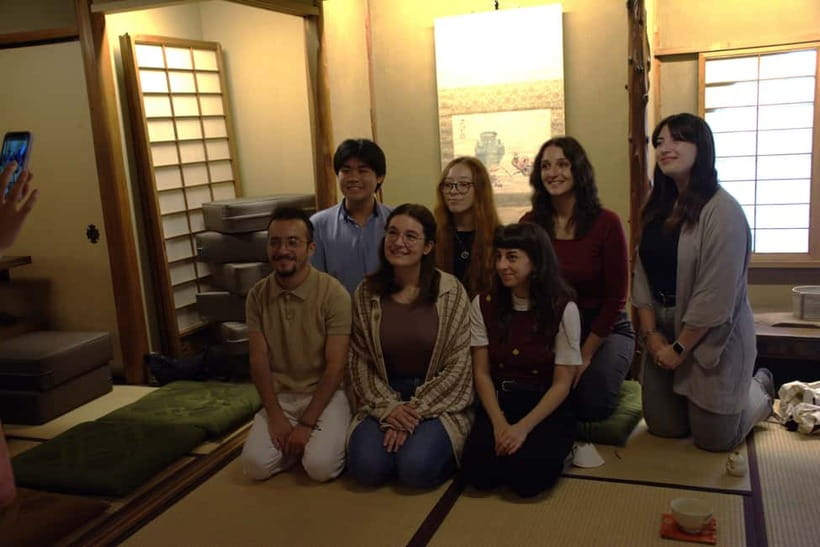
I like the hands-on format, especially for first-time visitors who want more than a quick cup of matcha. I also like the pairing of tea with a traditional Kyoto sweet, plus the included photo shoot, which gives you a small record of the experience.
The main concern is finding the meeting place. The directions point to Shokoji Temple near Kyoto Station, while several booking comments describe a Grapevine Cafe near Ichinen-zaka and Ninen-zaka. Confirm the exact location before setting out.
Key points at a glance
- Whisk your own bowl: You prepare matcha with traditional tea tools instead of only watching a demonstration.
- English guidance from Sakura: Sessions can include clear explanations, questions, and practical advice about buying matcha.
- Tea and a Kyoto sweet included: The tasting gives the ceremony a simple, satisfying finish.
- A short 45-minute visit: It fits neatly between sightseeing stops in Kyoto.
- Temple setting with a location caveat: The listed meeting point is Shokoji Temple, but directions in booking information and past experiences do not fully match.
- Suitable for adults and older children: The activity is not suitable for children under 10 or people with back problems.
What happens during the 45-minute matcha session
This is a compact introduction to Japanese tea culture, not a full-day study of tea ceremony. In 45 minutes, you should expect a focused sequence: an explanation of the ceremony, a demonstration or instruction in using the tools, your own matcha preparation, and time to drink the tea with a Kyoto sweet.
The key difference is participation. You are not simply seated while a host performs every step. You whisk your own matcha, guided by an English-speaking instructor. That makes the experience easier to remember, since the feel of the whisk and the rhythm of preparation become part of the lesson.
The host also explains the cultural meaning behind the gestures. Tea ceremony can look mysterious when you first see it, with careful movements and formal handling of cups and utensils. A plain explanation helps you understand that the ceremony is not just about making tea. The order, attention, and calm pace all matter.
You should not expect a lengthy formal ceremony with a large group. Several sessions described by participants were private rather than crowded, but group size is not promised in the activity details. If a private setting matters to you, ask before booking.
More Matcha Experiences in Kyoto
- Kyoto: Arashiyama Bamboo Forest, Monkeys, Matcha & Temple Tour
★ 5.0 · 759 reviews - Kyoto: Tea Ceremony Meditation – Make Matcha with Tea Master
★ 4.8 · 406 reviews - Kyoto: Kimono Tea Ceremony with Matcha and Sweet
★ 4.9 · 249 reviews
Learning why matcha matters in Zen culture
Matcha has long been linked with Zen practice, and this session uses that connection as a starting point. The host explains how tea became part of Japanese cultural life and why preparation is treated as a mindful act rather than a rushed drink.
That background is useful when you visit temples, gardens, or tea houses elsewhere in Japan. You begin to notice the care given to bowls, tools, gestures, and silence. Even a short lesson can make later tea experiences easier to follow.
The tone appears friendly rather than stiff. Sakura, the host named in several accounts, is described as willing to answer questions and explain the process in detail. She also offers advice about buying matcha, which is handy if you want to continue the habit after leaving Kyoto.
The session is conducted in English. That matters here because much of the value comes from understanding the reasons behind the movements. A demonstration without explanation would be pleasant, but less useful.
Whisking your own bowl with traditional tools
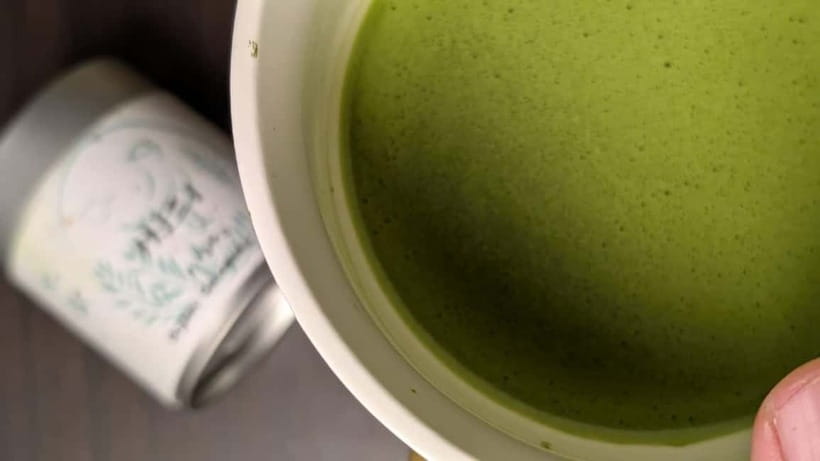
The practical center of the experience is your own bowl of matcha. You use traditional tea tools under guidance, learning the basic action needed to turn powdered tea and water into a smooth drink.
For a first attempt, this is just the right level of involvement. You get to try the technique without needing prior knowledge. The host can correct your movements and explain what you are doing, so the ritual does not feel like a performance test.
Matcha has a distinct taste that can surprise newcomers. It is powdered green tea, so the flavor is more direct than that of a clear brewed tea. The traditional sweet helps balance the tea and gives you a classic Kyoto pairing.
The experience does not promise a full meal or multiple varieties of tea. Think of it as one carefully prepared serving, one sweet, and a guided lesson. At $32 per person, the value rests mainly in the instruction and the chance to take part, not in the amount of food or drink.
A Kyoto sweet and a chance to pause
The sweet is a small but important part of the visit. Traditional Japanese sweets are often served with matcha because their sweetness offsets the tea’s earthy, sometimes bitter edge. You can focus on the taste while also seeing how food fits into the ceremony.
This is a good choice if you want a quiet cultural pause between major sights. Forty-five minutes is long enough to slow down, but short enough to fit around a day of temple visits. The experience does not require you to give up half a day or plan around a long meal.
The included photo shoot adds another practical touch. You should confirm how the photos are handled if that matters to you, since the available details only say that a photo shoot is included. Still, the feature gives you a visual reminder of the tools, tea, and setting.
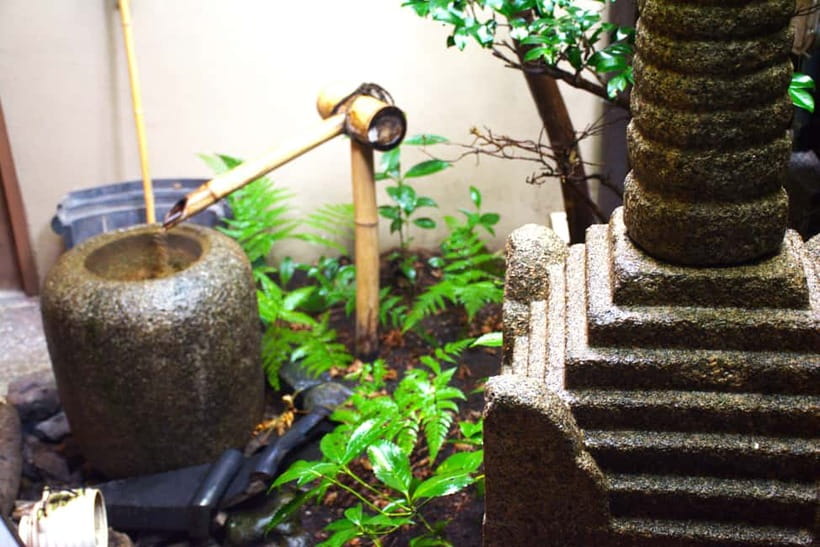
The setting is meant to be serene and temple-based. That atmosphere is part of the price. You are paying for a guided encounter with a Japanese tradition, not simply buying matcha at a café.
More Zen Tea Sessions around Kyoto:
- Kyoto: Mindful Tea Ceremony in 100-Year-Old Teahouse
★ 4.8 · 160 reviews - Oboro | Mindful Tea Ceremony in a 100-Year-Old Kyoto Teahouse
★ 5.0 · 19 reviews - The Art of Mindful Living: Tea Ceremony in Kyoto
★ 5.0 · 16 reviews - Kyoto Hidden Riverside Zen Mediation and Uji Matcha Experience
★ 5.0 · 9 reviews
Finding the correct entrance in Kyoto
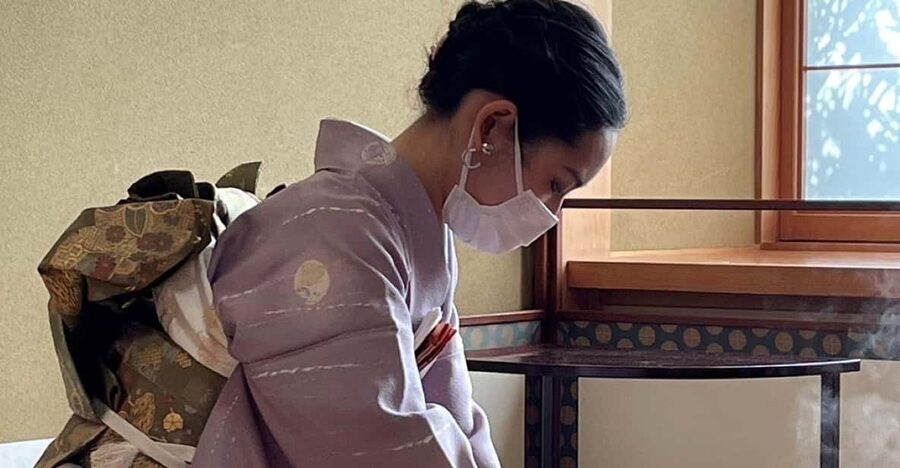
This is the part I would handle carefully. The stated directions begin at Kyoto Station’s north central exit. You walk north along Karasuma Street for about 10 minutes, with Shokoji Temple described as being on the right after several intersections. The instructions say to watch for a small sign at the entrance.
At the same time, multiple booking accounts give a different landmark: Grapevine Cafe near the corner of Ichinen-zaka Street and Ninen-zaka Path. The entrance is described as being under grapevines, and you may need to knock. One account says the vines help identify the café from outside.
Those details do not match the Shokoji Temple directions. That is not a small issue, especially in Kyoto, where narrow lanes and quiet entrances can be hard to identify. Before leaving your hotel, check the address and meeting instructions in your confirmation. If they remain unclear, email the provider or call 080-5259-3796.
Allow extra time. Do not assume that a nearby café or temple sign will make the place obvious. A little planning here can protect the 45-minute appointment from a stressful start.
How the $32 price holds up
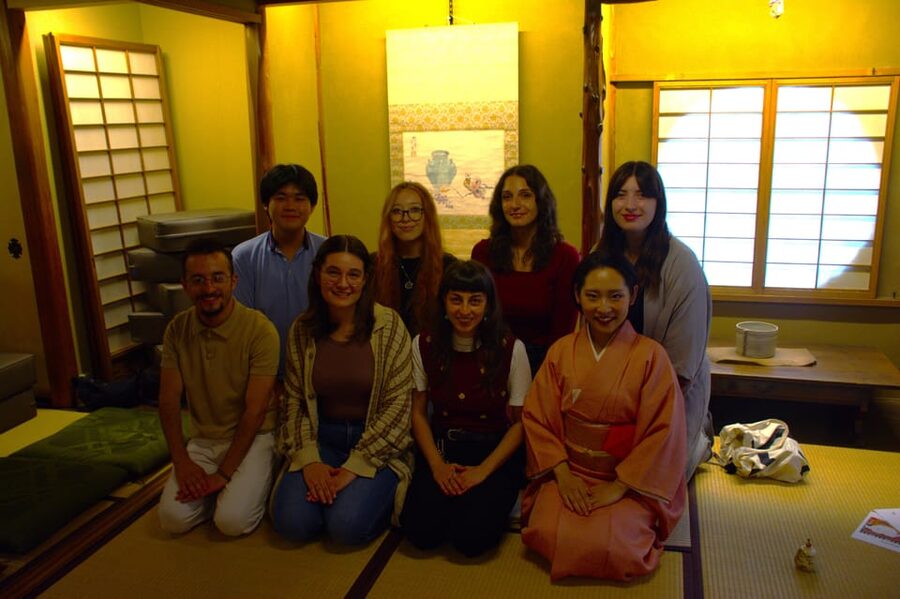
At $32 per person, this is reasonably priced for a short guided cultural activity in Kyoto. Tea, a traditional sweet, instruction in English, use of traditional tools, and a photo shoot are included. You also receive an experience that is more personal than simply ordering matcha at a café.
The price is less attractive if you only want to taste matcha. Kyoto has many places where you can buy a cup for less. This activity earns its price through the explanation, the ceremony setting, and the chance to prepare the tea yourself.
The short duration works in its favor. You are not paying for a long block of time, and the session can fit into a busy sightseeing schedule. It is also useful for people who want a first introduction before deciding if they want a longer tea ceremony elsewhere.
Transportation is not included, and tips are not included. Factor in your route to the location, especially because the meeting-point information needs checking. The activity allows free cancellation up to 24 hours in advance and offers a reserve-now, pay-later option, which can help if your Kyoto plans are still changing.
Who will enjoy this experience most
I would choose this for a first visit to Japan, a short stay in Kyoto, or a day when you want one calm cultural activity between temples and shopping streets. It suits adults and children aged 10 or older who can sit, listen, and follow instructions.
It is also a good fit for anyone curious about matcha but unsure where to begin. You learn the basic tools and preparation method without needing to commit to an advanced class. The chance to ask questions makes it more useful than a silent demonstration.
Tea enthusiasts may enjoy the cultural explanation and the private feel reported in several sessions. Still, someone already trained in formal tea ceremony may find the 45-minute introduction too basic.
The activity is wheelchair accessible, according to the supplied information. People with back problems should not book it, and children under 10 are not suitable. Alcohol, drugs, and party groups are not allowed, so the atmosphere is intended to remain quiet and respectful.
What the strongest praise tells you
The clearest positive pattern is the host. Sakura is repeatedly described as friendly, well informed, clear, and happy to answer questions. That matters because the quality of a short cultural activity depends heavily on the person guiding it.
The second strong point is warmth. The session is presented as welcoming rather than overly formal, with room for questions and laughter. You still learn the proper customs, but you do not need to worry about knowing the rules in advance.
The private format is another attraction, though it should not be treated as guaranteed. If your session is private, you will have more time to ask about matcha, tea ceremony etiquette, and where to buy tea. If it is shared, the activity may feel less personal.
There have also been serious problems with both meeting directions and provider availability. One scheduled participant reported that the guide did not arrive and that the venue said the service was no longer being offered at that time. Another person could not locate the ceremony and had trouble finding a sign. These are not minor complaints, so confirm the appointment and location directly.
Should you book Whisk Your Own Matcha?
Book it if you want a short, hands-on introduction to matcha with English explanations, a Kyoto sweet, and a chance to ask questions. The $32 price is fair when you value instruction and setting more than quantity, and Sakura appears to bring the friendly, personal approach this format needs.
I would hesitate only if your schedule is too tight to deal with unclear directions, or if you expect a long, highly formal tea ceremony. Before paying, verify the exact meeting point and session status with ENSHI KYOTO. With that practical check done, this can be a pleasant way to slow down and understand what is in your tea bowl.
FAQ
How long does the matcha experience last?
The activity lasts 45 minutes.
How much does the experience cost?
The price is $32 per person.
Is the experience conducted in English?
Yes. The listed instructor language is English.
What is included?
Tea, a traditional Kyoto sweet, and a photo shoot are included.
Where is the meeting point?
The stated meeting point is Shokoji Temple, reached from Kyoto Station’s north central exit by walking north along Karasuma Street for about 10 minutes. Some location instructions describe Grapevine Cafe near Ichinen-zaka Street and Ninen-zaka Path instead, so confirm the exact meeting place before departure.
Is the activity wheelchair accessible?
Yes, the activity is listed as wheelchair accessible.
Can children take part?
Children under 10 are not suitable for this activity. The supplied information does not give a maximum age.
Can I cancel for a refund?
Yes. You can cancel up to 24 hours in advance for a full refund.
Newly steeped around Kyoto
- Kyoto: Authentic Tea Ceremony in a Small Group★ 5.0 · 7 reviews
- Tea ceremony at Kyoto’s Zen Temple Teahouse★ 5.0 · 2 reviews
- Uji Walking Tour – Byodo-in temple and Tea Ceremony from Kyoto★ 3.5 · 3 reviews
- Tea Ceremony in 150 Years Old Townhouse with Tables and Chairs★ 5.0 · 22 reviews
- Tea Ceremony Experience in Traditional Kyoto Townhouse★ 5.0 · 19 reviews
- Sencha-do the Japanese Tea Ceremony Workshop in Kyoto★ 5.0 · 21 reviews
- Silent Beauty of Kyoto Zen Walk and Tea Experience★ 5.0 · 2 reviews
- Traditional Tea Ceremony in Kyoto★ 4.5 · 3 reviews
Zen Tea & Meditation Experiences, compared.
Kyoto: Tea Ceremony Meditation – Make Matcha with Tea Master
Read our review →
Kyoto: Mindful Tea Ceremony in 100-Year-Old Teahouse
Read our review →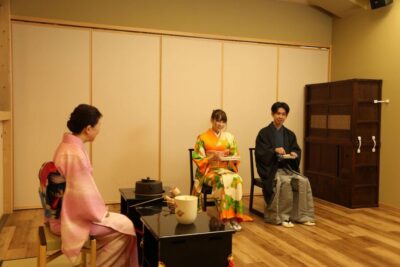
Tokyo: Practicing Zen with a Japanese Tea Ceremony
Read our review →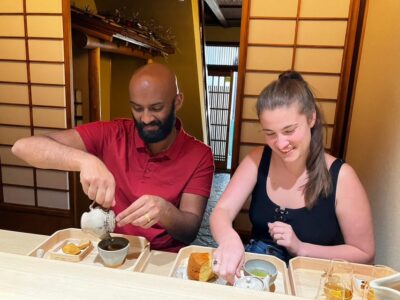
Nara:5 Type of Tea Tasting & Mindful Tea Ceremony
Read our review →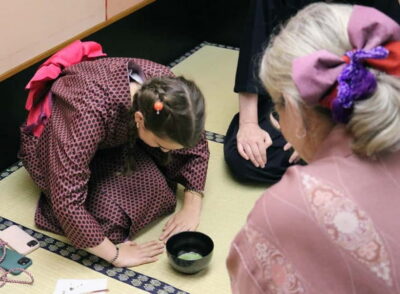
Learn Zen in a class of making Matcha tea near Osaka Castle
Read our review →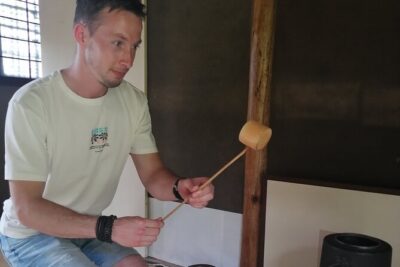
The Art of Mindful Living: Tea Ceremony in Kyoto
Read our review →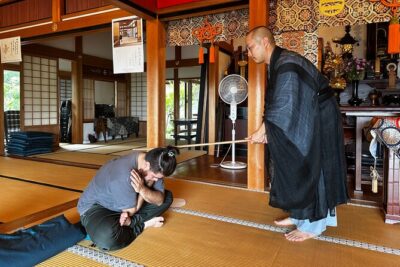
Shizuoka Shore Excursion: Zen, Matcha & Calligraphy Shimizu Port
Read our review →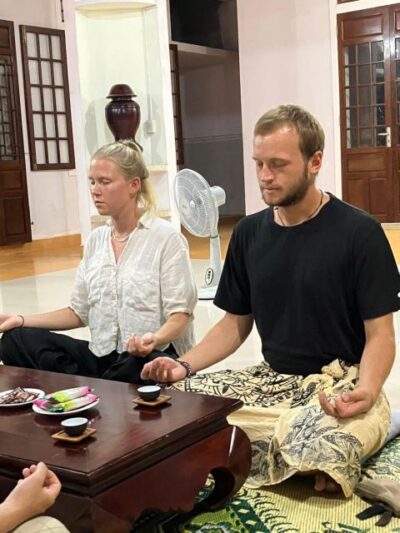
Hue Retreat: Tea and Meditation with Vegetarian Meal
Read our review →Browse the lists this tea experience appears in