
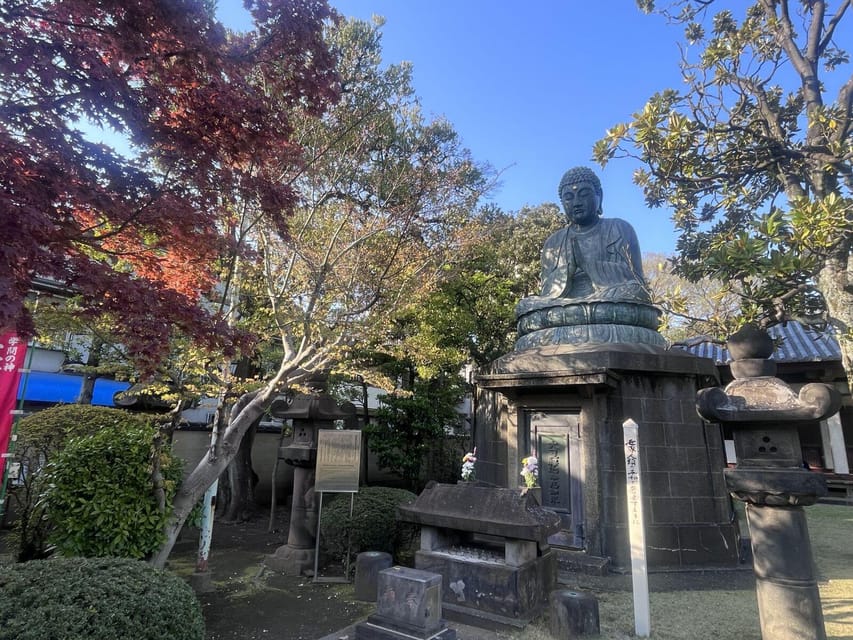
Review · TOKYO
Walking Tour: Yanaka,Nezu& Sendagi: Tea Ceremony & Old Tokyo
Yanesen gives you a side of Tokyo that high-speed trains and giant signs tend to hide. In Yanaka, Sendagi, and Nezu, you’ll walk past old homes, temples, quiet lanes, a cemetery, an art museum, and one of the city’s finest shrines. The day’s special moment is a tea ceremony with antique tea bowls, served with wagashi in an intimate tea-house setting.
I like the way this tour mixes culture with ordinary neighborhood life. You get a real walk through old Shitamachi Tokyo, not just a quick photo stop, and the Asakura Museum of Sculpture adds a strong artistic note. The guides, including Jeff and Beth, shape the day around conversation and questions rather than delivering a stiff speech.
The main consideration is the price: $135 per person is a serious outlay for a walking tour, and lunch is not listed among the inclusions. You should also be ready to walk for most of the day, often on narrow neighborhood streets and between several stops.
Key points about this Yanesen day
- Antique tea bowls and wagashi: The tea ceremony is the emotional center of the day, with old bowls, Japanese sweets, and a personal touch from the tea-house owner.
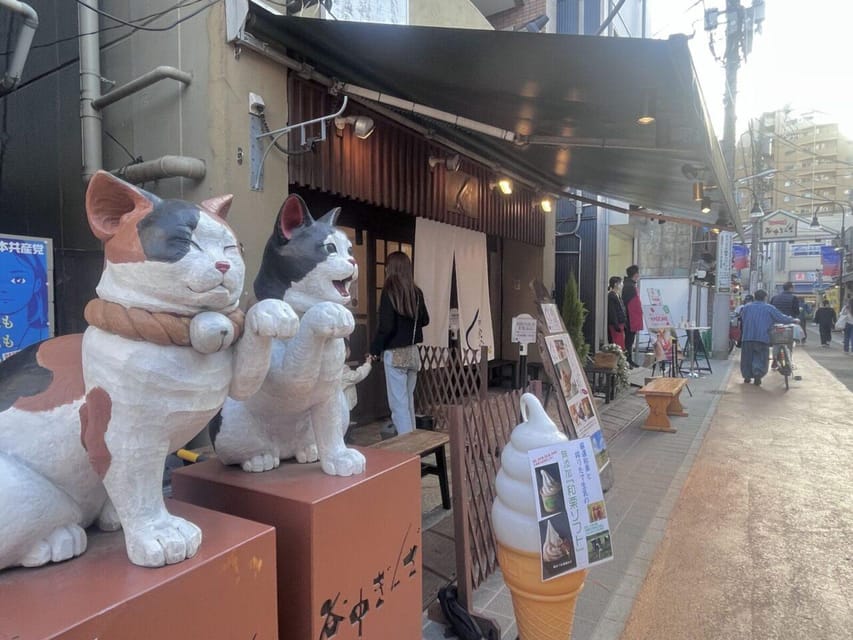
- Three old Tokyo districts: Yanaka, Sendagi, and Nezu each have a slightly different feel, yet all retain the Shitamachi character.
- A quieter side of Tokyo: The route moves away from the city’s biggest tourist zones and into low-key streets, temples, gardens, and local businesses.
- Asakura Museum of Sculpture: Admission is included, giving the walk an art and architecture stop beyond the usual shrine circuit.
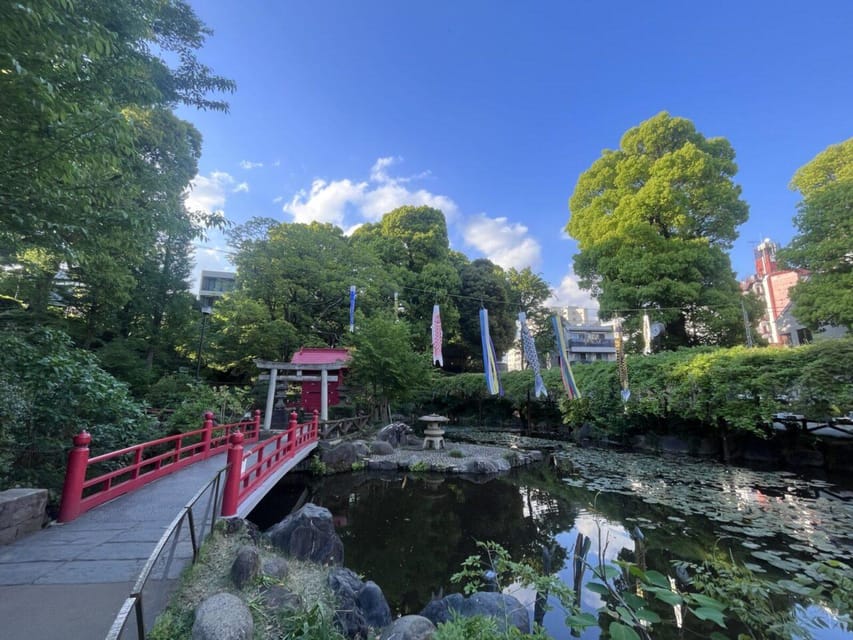
- Nezu-jinja Shrine: The final major stop brings you to one of Tokyo’s most beautiful shrines.
- A guide-led day with room for conversation: Jeff and Beth have both led this experience, and the format allows the day to feel personal rather than mechanical.
Why Yanesen feels different from central Tokyo
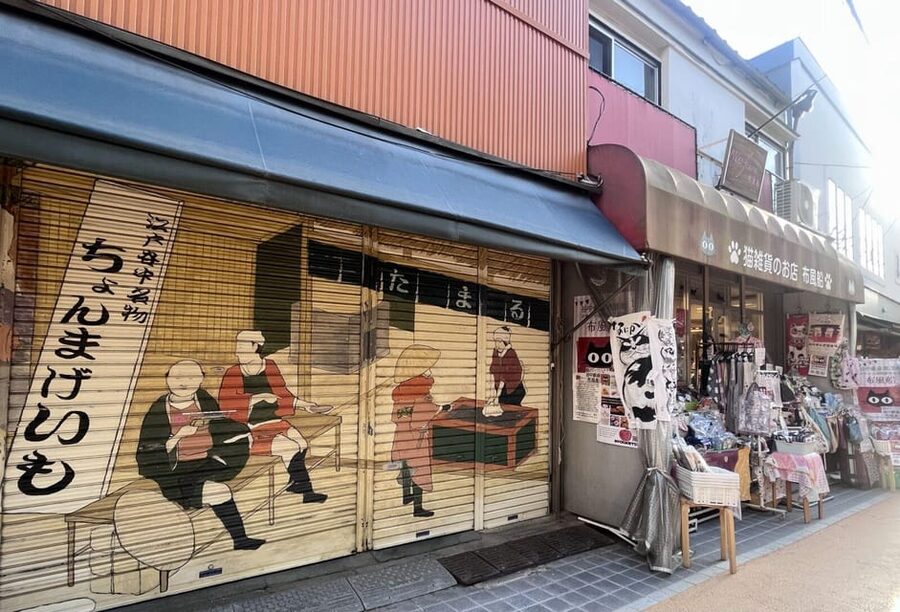
Yanesen is the shared name for Yanaka, Nezu, and Sendagi. The area is part of Tokyo’s old Shitamachi, traditionally known as the lower city. That label is useful because it points to a different urban character: smaller streets, traditional homes, neighborhood temples, local shops, and a slower rhythm than you find around Tokyo Station or Shibuya.
You are still close to the great metropolis, but the visual mood changes quickly. Instead of towers and huge commercial signs, you’ll see buildings with a more modest scale and streets where history remains part of daily life. The appeal is not one single blockbuster sight. It is the accumulated effect of many small details.
I like this tour for that reason. It lets you understand Tokyo through a neighborhood rather than through a list of famous landmarks. You’ll still see important cultural places, but the route gives them context. A cemetery, a museum, a tea house, a park-like setting, and a shrine all fit together in a way that feels natural.
This is also a good choice if you have already seen the city’s main shopping and sightseeing districts. Yanesen provides contrast. If this is your first day in Tokyo, it can also help you see that the city is not only neon, crowds, and department stores.
More Tea Ceremonies in Tokyo
- Kimono Tea Ceremony at Tokyo, Asakusa Maikoya
★ 5.0 · 638 reviews - Tokyo: Traditional Tea Ceremony with a Tea Master
★ 5.0 · 528 reviews - Tea Ceremony Workshop in Tokyo by the Experienced Instrucor
★ 5.0 · 189 reviews
Meeting your guide at Nippori Station
The day begins at 10:30 outside the West exit of Nippori Station. Follow the signs for the West exit and leave the ticket gates. The meeting point is directly in front of a red information board and a post box.
Take care with the station name. You need Nippori Station, not Nishi-Nippori Station. They are different stations, and arriving at the wrong one could start your morning with an avoidable scramble.
From the station, the group walks for about 10 minutes toward the first major stop. The English-speaking guide leads the full day. Jeff has been praised for making the outing feel like a friendly walk and conversation, while Beth has been described as bringing plenty of enthusiasm and information about both old and present-day Japan.
That distinction matters. A tour like this works best when you can ask why a street looks a certain way, how a shrine fits into local life, or what you are seeing inside a traditional building. The guide is not just there to keep time. The commentary helps connect the places.
Yanaka Cemetery and the first view of old Tokyo
Yanaka Cemetery is the first substantial stop, with about 30 minutes for a guided visit and a pass through the grounds. It may sound like a quiet start, but it sets the tone well.
This is not a stop designed for a quick checklist photo. The cemetery forms part of Yanaka’s historic atmosphere and gives you a calmer introduction to the district. Your guide can explain what makes the area different from more modern parts of Tokyo while you walk among the lanes and memorials.
The stop also offers a useful reminder: old Tokyo is not preserved in a single open-air museum. It survives in places still connected to everyday life. A cemetery can sit beside a residential area, a temple can appear at the end of a narrow street, and an old neighborhood can continue to function without turning into a stage set.
The cemetery visit lasts only around half an hour, so you should not expect a long historical lecture or an exhaustive tour of every section. Its purpose is to ease you into Yanaka and establish the local character before the more hands-on cultural stops.
A tea ceremony with antique bowls
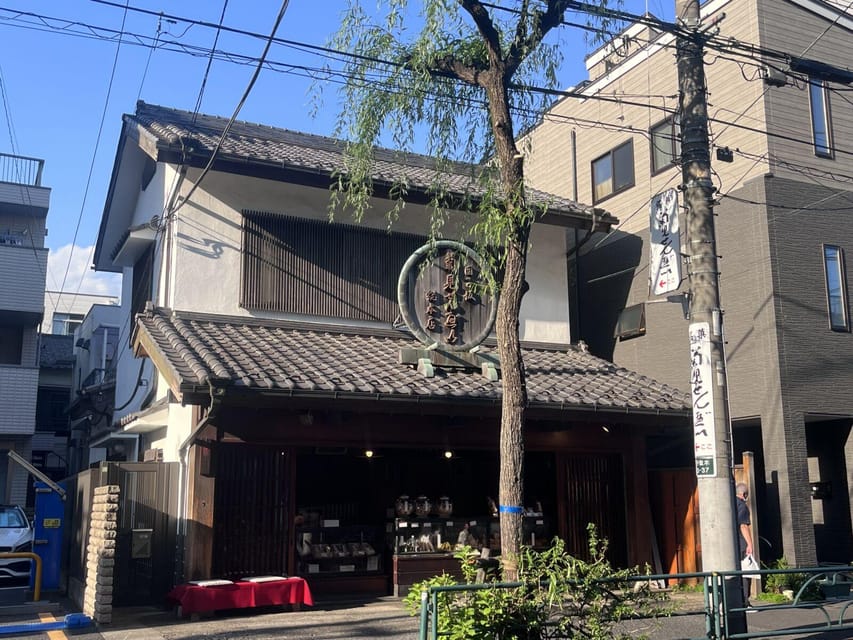
The tea ceremony is the part of the tour that gives the day its strongest sense of occasion. After the cemetery, you visit a more private stop for about an hour, with a food tasting included in the planned experience.
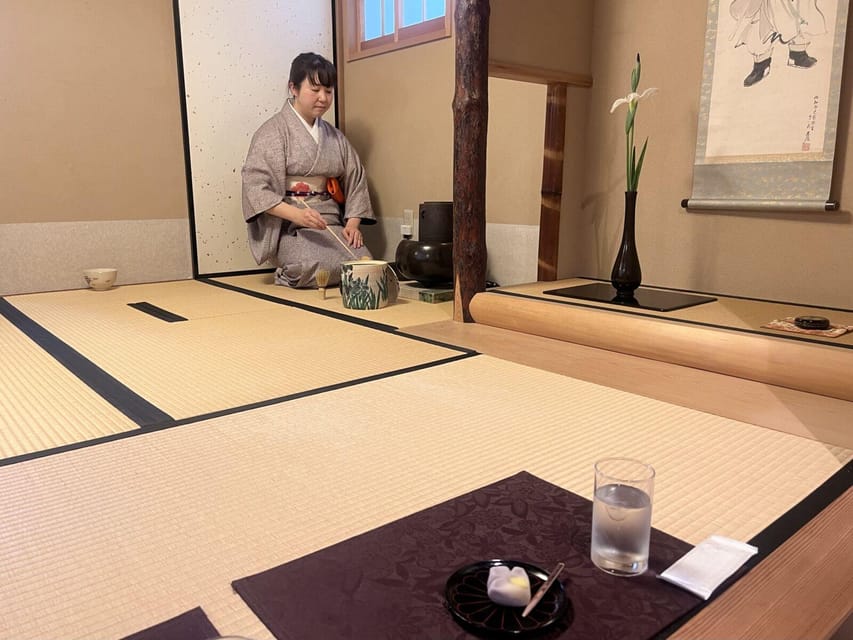
The tea is served in antique tea bowls, which changes the feeling of the ritual. You are not simply drinking a cup of green tea in a modern café. The bowl itself becomes part of the experience, with age, shape, and craftsmanship adding meaning to a simple act.
You can also expect wagashi, the traditional Japanese sweet served with tea. The balance between the sweet and the tea is one reason this ceremony works well for visitors who want more than a sightseeing explanation. You are participating, tasting, and observing at the same time.
One especially personal detail comes from the tea-house owner. The owner made a drawing or portrait connected to the antique bowls selected for the ceremony. That small artistic touch helps the stop feel less like a standard demonstration and more like an encounter with someone who has built a life around tea and objects.
You should not expect a grand formal ceremony in a famous temple hall. The appeal is the intimate setting and the chance to handle the experience at close range. If tea culture interests you, this part may justify much of the tour price on its own. If you prefer fast sightseeing and dislike sitting through cultural demonstrations, this is the point where the pace may feel slow.
Same leaf, a different ritual:
- Matcha Making Class in Tokyo with Authentic Japanese Sweets Set
★ 5.0 · 744 reviews - Dynamic Tokyo: Tokyo Tower, Tea Experience, Bay Cruise Day Tour
★ 4.5 · 521 reviews - Tokyo: Matcha Making Experience with Mochi Sweets in Asakusa
★ 4.9 · 388 reviews - Asakusa Cultural Walk & Matcha Making Tour
★ 5.0 · 245 reviews
Walking through Yanaka’s lanes and local character
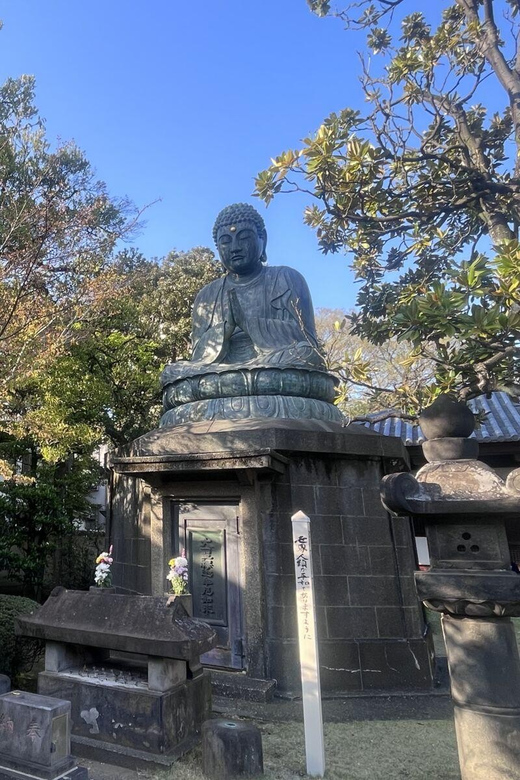
The tour then gives you roughly 80 minutes in Yanaka, combining a guided visit with free time. This is where the day’s theme becomes clearest.
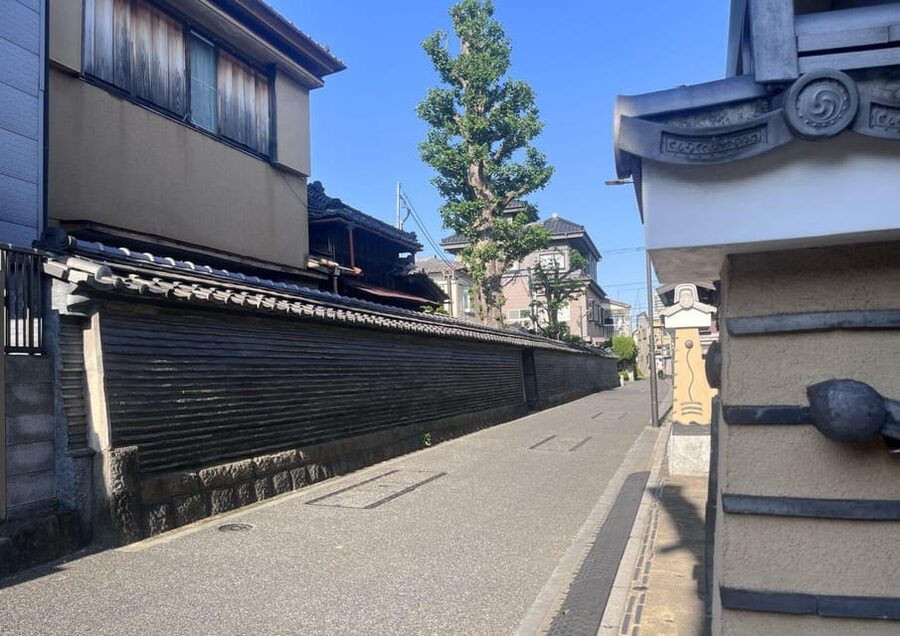
Yanaka is known as a historic and artistic district, but the useful part is seeing how those qualities appear on the ground. You’ll move through a neighborhood with traditional architecture, small lanes, and a quieter tone than central Tokyo. The guide can point out details you might pass without noticing, while free time gives you room to look at your own pace.
I like the balance here. A fully guided walk can leave you feeling pulled from one explanation to the next. Too much free time, on the other hand, makes a paid tour feel unnecessary. This section offers both: enough commentary to understand the district, and enough breathing room to enjoy it.
The phrase off the tourist trail should be used with care. Yanaka is no secret, and some parts are popular. Still, it feels far removed from Tokyo’s best-known commercial zones. You are seeing a district with its own identity rather than a collection of attractions assembled for sightseeing.
Keep your expectations practical. This is a neighborhood walk, not a parade of major monuments. The reward is mood, scale, and local detail. You’ll enjoy it most if you are happy to notice old walls, shopfronts, temples, and changing streetscapes rather than needing a major sight every 15 minutes.
Asakura Museum of Sculpture and rooftop views
The Asakura Museum of Sculpture provides the day’s main art stop. Admission is included, and the guided visit lasts about an hour.
The museum adds welcome variety after the cemetery, streets, and tea ceremony. It also fits Yanaka well, since the district has long attracted artists and people interested in traditional craft and design. You get to see a cultural space rather than only walking past historic buildings.
A highlight is the rooftop terrace, where you can look out across Tokyo. This offers a useful change in viewpoint. Much of the morning is spent at street level, where the city feels intimate and enclosed. From above, you can place Yanaka within the much larger Tokyo urban area.
The terrace is not presented as a high skyscraper observation deck, so do not expect sweeping views of the entire city. Its value is in the contrast: old neighborhood below, enormous metropolis beyond. That visual change helps explain why Yanesen feels so unusual.
The museum stop also means the tour is not only about old buildings and shrines. You receive admission to a specific art institution, and the guide can help you understand why it belongs on this route. Art lovers may wish the visit were longer, while people less interested in sculpture may find an hour sufficient.
Lunch and a useful pause in Yanaka
After the museum, the route returns to Yanaka for about an hour of lunch and free time. Lunch is part of the schedule, but it is not listed among the included items, so plan to pay for your own meal.
This pause is practical as well as enjoyable. A full day on foot is easier when you have time to sit, eat, and reset before the afternoon walking. It also gives you a chance to choose food at a pace that suits you rather than being locked into a fixed group meal.
Because no restaurant or menu is specified, you should not book this tour expecting a particular dining experience. Think of it as a flexible lunch break within the route. If you have dietary needs, it is sensible to raise them with the guide early in the day.
The free time may also appeal to shoppers and photographers. Yanaka’s value is in wandering and looking closely, not rushing to the next large attraction. Just remember that the tour continues afterward, so do not stray too far from the meeting arrangement set by your guide.
Sendagi, temples, and the walk toward Nezu
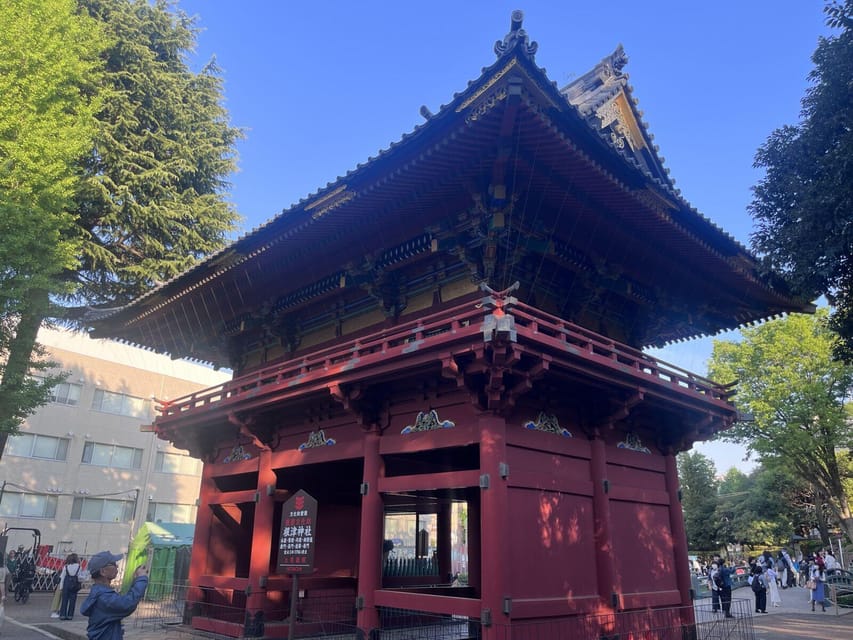
The route moves into Sendagi for about 40 minutes of guided walking. Sendagi is known for temples and park-like areas, and it provides another view of the old lower-city style.
This section helps prevent Yanesen from feeling like a Yanaka-only tour with two names added for marketing. Each district contributes a different part of the day. Yanaka supplies the historic and artistic mood, Sendagi brings temples and greenery, and Nezu finishes with its major shrine.
The walk is also where the day’s physical demands become clearer. You are not being carried between stops by a bus or train. The movement from one district to another is part of the experience, but you should wear comfortable shoes and be ready for several hours on foot.
The route’s slower pace can be a benefit. Tokyo often encourages you to move quickly, especially when changing trains or crossing major shopping streets. Here, the walking itself becomes the way you read the city. You see how one district changes into another instead of experiencing each place as a separate stop.
Nezu-jinja Shrine as the final major stop
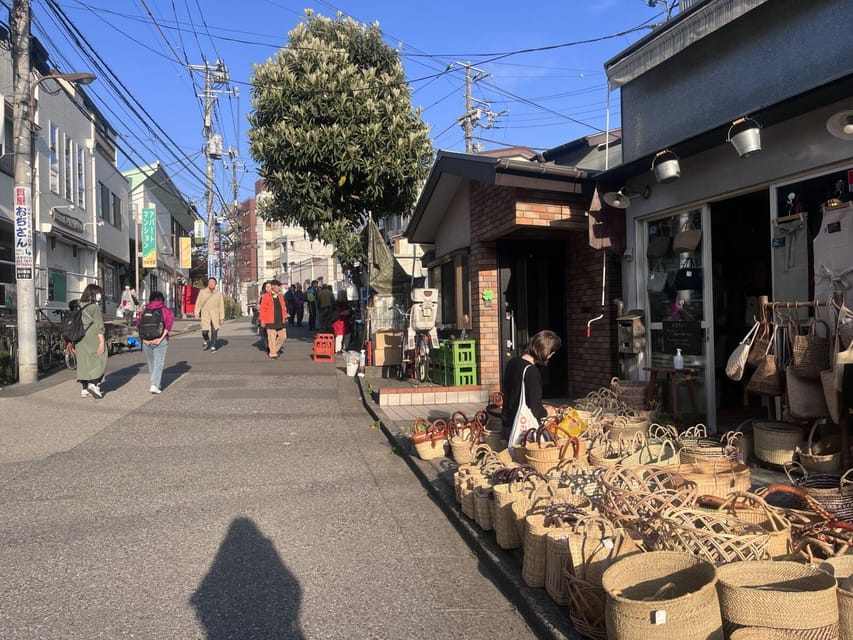
The last major visit is Nezu-jinja Shrine, with about an hour for a guided visit. It is regarded as one of Tokyo’s most beautiful shrines and gives the day a strong finish.
The shrine brings together many of the themes introduced earlier: religious tradition, carefully maintained architecture, pathways, and a setting that feels removed from the city’s busiest streets. After the quiet cemetery, intimate tea ceremony, art museum, and neighborhood walking, the shrine feels like a fitting final chapter.
A guided visit is useful here because shrines have customs and visual details that are easy to overlook. Your guide can explain what you are seeing and help you approach the site with the right respect. You get more from the visit than simply walking through, taking a picture, and leaving.
The shrine is also a good final stop because it provides a clear sense of place. You have spent the day learning how Yanesen differs from modern Tokyo, and Nezu-jinja gives that idea a memorable visual anchor before the route returns to Nippori Station.
Is $135 a fair price?
At $135 per person, this is not a budget walking tour. The value depends on what you want from the day.
You are paying for a full-day route, a local English-speaking guide, the tea ceremony, admission to the Asakura Museum of Sculpture, a food tasting stop, and the planning needed to connect several districts. You also receive interpretation that helps make the neighborhoods meaningful rather than simply scenic.
The price makes more sense if you would otherwise struggle to find the tea-house experience, understand the old Tokyo districts, and fit the museum and shrine together. It is less attractive if you only want to stroll Yanaka on your own or spend most of the day shopping and eating.
Lunch is not listed as included, so add that cost. You should also think about the value of a guide’s time. The strongest part of this experience is not transportation or luxury. It is the human connection, explanations, and access to a cultural activity that is difficult to reproduce casually.
The five-star feedback from Henri of Albania and Claudia of Germany points to the qualities that matter most here: a relaxed conversation with the guide, clear information about old and modern Japan, and a tea ceremony that feels personal. Beth and Jeff are specifically praised for bringing warmth and interest to the walk. Those details make the price easier to accept for someone who values guided context.
Who should book this walk?
I would recommend it to you if you want to see a quieter side of Tokyo and prefer a day with several kinds of stops. It suits first-time visitors who want more context, as well as repeat visitors who have already seen the main central districts.
It is especially good for people interested in Japanese tea, traditional architecture, local history, art, temples, and neighborhood walking. The route also works well for anyone who likes a guide who talks with you rather than simply reciting facts.
You may want to skip it if your ideal Tokyo day involves very little walking, a fast schedule, or major modern attractions. It is also not the best match if you want a fully private tea lesson or a formal ceremony in a grand setting. The tea experience is a key part of a broader neighborhood day, not the entire purpose of the outing.
Cancellation is flexible up to 24 hours in advance for a full refund, and you can reserve now and pay later. Those terms help if your Tokyo plans are still shifting, but the real decision comes down to pace and interest: can you give one full day to old Tokyo?
Should you book the Yanesen tea and walking tour?
Book it if you want Tokyo to feel more human in scale. The combination of Yanaka Cemetery, the tea ceremony with antique bowls, Asakura Museum, lunch time, Sendagi’s temple streets, and Nezu-jinja gives you a well-shaped day rather than a single attraction.
I would book this for the guide-led conversation and the tea-house setting, not simply for the number of stops. At $135, it needs to offer more than directions, and the personal details associated with Beth, Jeff, the antique bowls, wagashi, and the owner’s drawing are what give it value.
Bring comfortable shoes, arrive at the correct Nippori exit, budget for lunch, and allow the day to move at a relaxed pace. If that sounds like your kind of Tokyo, this is a strong way to meet Yanesen.
FAQ
Where does the tour begin?
It begins at 10:30 outside the West exit of Nippori train station. Look for a red information board and a post box directly in front of the ticket gates.
Should I go to Nippori Station or Nishi-Nippori Station?
You should go to Nippori Station. The meeting point is at Nippori Station’s West exit, not Nishi-Nippori Station.
How long does the tour last?
The experience is listed as a one-day tour. The route begins at 10:30 and returns to Nippori Station after the visits and walking sections.
Is the tour conducted in English?
Yes. It includes a live English-speaking guide.
Is the tea ceremony included?
Yes. The tea ceremony is included in the experience, along with tea served in antique tea bowls.
Is food included?
A food tasting is scheduled during the tour. Lunch is listed as a stop with free time, but lunch is not included among the stated inclusions.
Is admission to the Asakura Museum of Sculpture included?
Yes. Admission to the Asakura Museum of Sculpture is included.
Which neighborhoods does the tour visit?
The route covers Yanaka, Sendagi, and Nezu, the three districts commonly known together as Yanesen.
Does the tour visit Nezu-jinja Shrine?
Yes. Nezu-jinja Shrine is a guided visit lasting about an hour.
Can I cancel for a refund?
You can cancel up to 24 hours in advance for a full refund. You can also reserve now and pay later.
Newly steeped around Tokyo
- Yokohama : Tea Ceremony with Sweets and Souvenir★ 5.0 · 5 reviews
- Private Mochi・Matcha sweets Making Class Near Shibuya Area★ 5.0 · 22 reviews
- 2 Hours Mochi &Nerikiri Making & Matcha Class in Bunkyo★ 5.0 · 21 reviews
- Private Kimono and tea ceremony at local home near Tokyo Disney★ 5.0 · 6 reviews
- Kimono and Tea Ceremony in Asakusa Private Food Tour With Guide★ 5.0 · 4 reviews
- Giant Sushi Cooking Class: Make a 1.5m Sushi Roll in Tokyo★ 5.0 · 9 reviews
- Tokyo: Tea Ceremony & Japanese Sweets Making★ 5.0 · 10 reviews
- Tokyo Sweets Tour: Hidden Gems & Matcha at an Old Tea House★ 5.0 · 6 reviews
Tea Ceremony Experiences, compared.
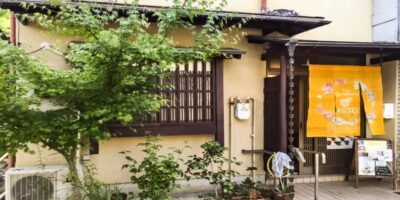
Kyoto: Tea Ceremony in a Traditional Tea House in Kiyomizu
Read our review →
Kyoto: 45-Minute Tea Ceremony Lesson Experience
Read our review →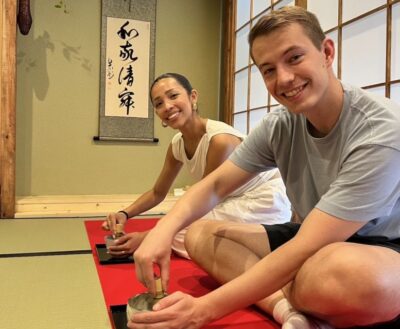
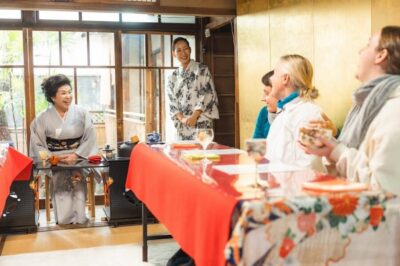
Kyoto: Table-Style Tea Ceremony at a Kyo-Machiya
Read our review →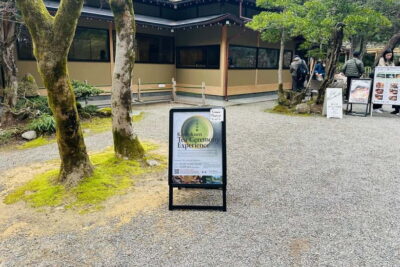


Browse the lists this tea experience appears in