
Review · NAIROBI
Kiambethu Tea Farm Tour & Lunch From Nairobi
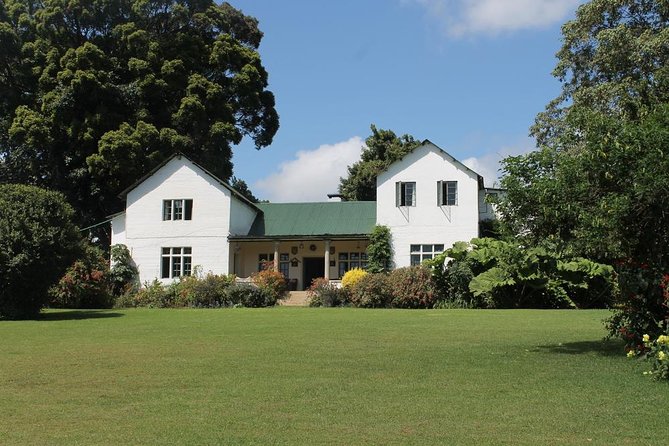
Kiambethu Tea Farm gives you a rare look at Kenya beyond the usual wildlife circuit. The family-run estate has operated since 1910, and the day blends settler history, tea culture, and a preserved indigenous forest into one easy outing from Nairobi. Marcus and Fiona welcome you at the main house with tea and homemade biscuits before the tour begins.
I like the personal feel of the visit, especially the chance to hear how tea became one of Kenya’s major exports while walking through the gardens where it is grown. I also like that the day includes a forest walk and a proper three-course lunch, not just a quick plantation stop.
The main thing to consider is the price: at $125 per person, this is not a budget half-day. You are paying for hotel transport, guiding, lunch, and a private estate experience, so it makes the most sense if you want history and food along with your countryside views.
Key details at a glance
- A family farm dating to 1910: Kiambethu offers a direct look at Kenya’s settler-era farming story through the people and place that still run the estate.
- Tea with the welcome: Marcus and Fiona greet you at the main house with tea and homemade biscuits before explaining the farm and tea-making process.
- Colobus monkeys in the gardens: Keep your eyes open around the house and gardens for the estate’s resident Colobus monkeys.
- A surviving indigenous forest: The walk includes old forest that was preserved while much of the surrounding area was cleared for tea.
- Lunch is part of the experience: You receive a three-course meal made with fresh, locally sourced ingredients, followed by afternoon tea.
- Simple Nairobi logistics: Pickup and drop-off are included, with a 9:30 a.m. start and an overall duration of about six hours.
Why Kiambethu feels different from a standard Nairobi day trip
Many outings from Nairobi are built around wildlife, museums, or city landmarks. Kiambethu takes you into a quieter part of Kenya’s agricultural story. The focus is not only on what is grown there, but also on the people, choices, and colonial-era changes that shaped the farm.
The estate has been owned and operated by the same family since 1910. That continuity gives the visit a personal thread. Instead of hearing a broad lecture about Kenyan agriculture, you hear stories connected to one home, one family, and one working farm.
I find that useful because tea can otherwise seem like a simple crop in the distance. Here, you learn how it became one of Kenya’s largest export products and see the tea gardens at close range. The setting helps connect the economic story to an actual place.
The estate is also known for its beauty. The main house gardens are worth time on their own, and the preserved forest adds something that a plantation-only visit would miss. The high rating of 4.9 from seven published ratings reflects how strongly the setting and personal atmosphere appeal to people who choose this kind of outing.
More Tea Plantation Tours in Nairobi:
- Nairobi to Kiambethu Tea Farm Tour
★ 5.0 · 51 reviews - Private Day Trip to Kiambethu Tea Farm in Limuru from Nairobi
★ 5.0 · 31 reviews - Day Tour To Kiambethu Tea Farm in Limuru
★ 5.0 · 22 reviews
Leaving Nairobi at 9:30 a.m.
Pickup begins from your Nairobi hotel or accommodation, with the stated meeting time at 9:30 a.m. The transport matters here. Kiambethu is outside the city, and having hotel pickup and return included saves you from arranging a separate driver for a full day.
The full experience is advertised at about six hours. You arrive at the estate around 11 a.m., leaving time for the welcome, farm talk, garden and forest walk, lunch, and return journey. The farm portion itself is described as about four hours, so you should expect this to occupy most of your day rather than fit into a quick morning stop.
Because pickup times can vary by accommodation and Nairobi traffic, I would keep the rest of your schedule light. Do not book a tight afternoon appointment or an evening departure that depends on getting back at an exact time. The tour includes transport, but city traffic is still city traffic.
The group can be large, with a maximum stated capacity of 100 people. That is worth noting if you are picturing a quiet private visit. The estate setting may feel personal, but the size of the group can affect how close you are to the guide and how easily you hear every story.
Tea and homemade biscuits at the main house
At about 11 a.m., you arrive at the main house, where Marcus and Fiona welcome you with tea and homemade biscuits. This opening is more than a courtesy stop. It sets the tone for the entire visit, which is built around hospitality and conversation rather than a fast sequence of photo stops.
The tea gives you an immediate connection to the farm’s main subject. You can settle in while hearing about the estate, its family story, and the process of making tea. The homemade biscuits add a small but memorable touch, particularly after the drive from Nairobi.
I like that the introduction takes place at the house rather than beside a large commercial display. The experience is tied to the place where the family lives and works. You are not simply shown an agricultural product. You are introduced to the people and setting behind it.
The guides are described as professional English-speaking guides with expertise in African wildlife, culture, and tour guiding. Marcus and Fiona are specifically named as the hosts at the house. If hearing every detail matters to you, staying near the guide during the talk will be useful, especially if the group is near its maximum size.
Understanding tea, land, and settler life
The historical portion covers settler culture and the development of tea in Kenya. This is an important part of the tour because the farm is not presented as a timeless rural scene. Its story belongs to a particular period in Kenya’s past, when European settlers established farms and crops that later became central to the country’s export economy.
The discussion also helps explain the relationship between the tea gardens and the surrounding forest. Much of the indigenous forest was cleared to make room for tea farms, while a section at Kiambethu remains protected. That contrast gives the walk a clear purpose. You see both the agricultural use of the land and what survived beside it.
I appreciate this kind of context because it keeps the visit from becoming a pretty but shallow plantation tour. You can enjoy the gardens while also thinking about how farming changed the area. The experience is especially suitable for you if you like local history presented through a home, a working estate, and a walk rather than through a museum display.
The information provided does not give a detailed step-by-step account of tea processing or say that you will handle leaves yourself. Expect an explanation of the tea-making process and the farm’s role in Kenyan tea culture, but do not book this as a technical factory tour.
More Tea Experiences around Nairobi:
- Nairobi: Tea Farm Day Trip with Lunch at kiambethu
★ 4.0 · 21 reviews - Nairobi: Purple Tea Farm Gatura Greens Day Trip
★ 4.9 · 16 reviews - Kaimbethu tea farm tour and lunch package
★ 4.8 · 14 reviews - Purple Tea Farm Tour from Nairobi City – Specialty Tea Tasting
★ 4.5 · 12 reviews
Walking the tea gardens
The tea gardens provide the most direct look at the crop that made Kiambethu important. You walk among the plants while the guide explains how tea developed into a major Kenyan export. The setting gives the history a physical scale, allowing you to see the cultivated area rather than only hearing about it.
The gardens around the main house are also a good place to slow down. They are described as lovely and worth strolling through, and they offer a chance to look for the estate’s Colobus monkeys. You may see them around the gardens, but wildlife sightings are never something I would treat as guaranteed.
The tea walk is not only for people who already care about tea. It works well as a gentle introduction to one of Kenya’s most important crops. You learn where the drink in your cup fits into the country’s economy, then return to the same drink later in the meal setting.
I would wear comfortable shoes and bring protection from the sun, though the supplied details do not specify a required dress code or particular equipment. The walk includes both gardens and forest, so practical footwear is a sensible choice.
Looking for Colobus monkeys in the old forest
The preserved indigenous forest is one of the best reasons to choose this outing over a simple tea tasting. Much of the original forest was cleared for tea cultivation, while this section remains intact. The guide leads you through it and points out its wildlife, with special attention to the Colobus monkey population.
The forest walk adds variety to the day. After hearing about farming and tea, you move into a more natural setting where the focus shifts to wildlife and native plants. It also helps you understand what was lost when land was converted to agriculture and what the estate chose to preserve.
The guide is described as entertaining and comical, which should make the walk lively rather than overly formal. Still, the information provided does not promise a full safari or a long wildlife trek. Think of this as a guided forest walk with a chance to see Colobus monkeys, not a replacement for a national park game drive.
If monkeys are your main reason for booking, keep your expectations sensible. The forest and gardens are known for the population, but animals move on their own schedule. The walk is worthwhile even if your sightings are brief.
A three-course lunch made from fresh ingredients
The tour ends with a relaxed lunch. You receive a three-course meal made with fresh ingredients, with much of the produce sourced locally. Food is not an afterthought here. It is one of the main parts of the day and helps turn a farm visit into a full country-house experience.
The provided details do not give a fixed menu, so you should not expect to select specific dishes in advance based on the information available. The emphasis is on fresh, locally sourced produce rather than a named signature meal.
For me, this is where the $125 price begins to make more sense. The cost includes hotel transport, a professional guide, the estate visit, the forest and tea walks, and lunch with afternoon tea. If you only want to see tea plants, the price may feel high. If you want a hosted day with food, history, and countryside time included, the package is more substantial.
Food and drinks outside the specified lunch and afternoon tea are not included. Personal expenses, telephone calls, tips, insurance, laundry, communication charges, and souvenir photos are also your responsibility. Bring a little extra if you want to buy photographs or cover incidental costs.
Who will enjoy the six-hour outing most
I would recommend Kiambethu to you if you want a slower, more cultural side trip from Nairobi. It suits people who enjoy family history, food, gardens, and guided walks more than high-speed sightseeing.
It is also a good choice if you have already planned a safari and want something different. The Colobus monkeys provide a wildlife element, but the day is mainly about the farm and its story. You get a useful change of pace from game drives and city attractions.
Families and mixed-age groups may find the combination appealing because the day has several parts: tea, stories, gardens, forest, monkeys, and lunch. Most people can participate, according to the supplied information. The walk may still require ordinary comfort with being outdoors and on foot.
I would be less likely to choose it for a short Nairobi stopover when every hour matters. The departure, drive, and return take much of the day, and the $125 cost is difficult to justify if you are interested only in a quick tea photo or a short meal outside the city.
Timing, group size, and what to bring
The advertised start is 9:30 a.m., with arrival at the estate around 11 a.m. The overall duration is about six hours, although the farm visit is also described as roughly four hours. I would use six hours as the safer planning figure because it includes pickup and return to Nairobi.
Pickup and drop-off are offered from your hotel or residence. That is a real convenience, especially if you are staying somewhere unfamiliar or do not want to negotiate a separate car hire.
The maximum group size is 100 people. A group that large can change the feel of the visit, so consider that when booking. The tour is not presented as a private experience, and the personal welcome does not guarantee a small group.
For a comfortable day, I would bring:
- Comfortable shoes for the garden and forest walk
- Sun protection
- Water for personal use
- A small amount of money for personal expenses or photographs
- A camera, if you want to record the gardens and wildlife
The activity is closed every Monday, Christmas Day, and New Year’s Day. Confirmation is provided at booking, and free cancellation is available if you cancel at least 24 hours before the start time. Changes or cancellations inside that window are not refunded.
Is Kiambethu Tea Farm worth $125?
The value depends on what you want from a day outside Nairobi. At $125, this is a premium outing rather than a simple plantation visit. The price includes transport, guiding, entry to the estate, the forest and tea walks, a three-course lunch, and afternoon tea.
I think the cost is reasonable for you if you value convenience and a complete hosted experience. You are not only paying to look at tea plants. You are paying for access to a historic family farm, a guided account of settler culture and tea production, a preserved forest walk, possible Colobus sightings, and a meal made with local produce.
The value is weaker if you are counting every dollar or already have transport arranged. You might prefer a less expensive city activity if your main aim is to learn about tea in a short session. Kiambethu works best when you treat the day as a countryside visit with several connected parts.
The highly praised features are the beautiful setting and the sense that the place is special. Those qualities matter here because the experience depends on atmosphere as much as information. If you enjoy being welcomed into a historic home, walking through gardens and forest, and sitting down to lunch afterward, the price is easier to defend.
Should you book Kiambethu Tea Farm?
Book this tour if you want a relaxed, well-organized day that combines Kenyan tea, settler-era history, forest wildlife, and a proper lunch. It is especially suitable for you if you prefer personal stories and scenery to a packed schedule of city sights.
Think twice if you want a small private group, a technical tea-factory lesson, or guaranteed monkey sightings. The group may reach 100 people, and the wildlife is never certain.
For most visitors with enough time in Nairobi, I would consider Kiambethu a strong choice for a cultural day outside the city. The combination is unusual: a family estate founded in 1910, tea with the hosts, an old forest, Colobus monkeys, and a three-course meal. That is a fuller experience than the price may first suggest.
FAQ
Where does the Kiambethu Tea Farm tour begin?
Pickup is offered from your Nairobi hotel or accommodation. The stated start time is 9:30 a.m.
How long does the tour take?
The full experience lasts about six hours. The farm visit itself is described as approximately four hours, with arrival at the estate around 11 a.m.
What is included in the price?
The price includes hotel pickup and drop-off, the visit to Kiambethu Estate, the local history talk, the forest and tea-plantation walks, professional English-speaking guides, lunch, and afternoon tea.
Is lunch included?
Yes. A three-course lunch and afternoon tea at Kiambethu Estate are included. The meal uses fresh ingredients, with much of the produce sourced locally.
Can I see Colobus monkeys?
The gardens and old forest are known for their Colobus monkey population, so you may see them during the visit. Sightings are not guaranteed.
Is the tour available every day?
No. Kiambethu Tea Farm is closed every Monday, Christmas Day, and New Year’s Day.
Can I cancel for a refund?
Yes, you can cancel up to 24 hours before the experience starts for a full refund. Cancellations or changes made less than 24 hours before the start time are not refunded or accepted.
Newly steeped around Nairobi
- Purple Tea Farm Tour from Nairobi City – Specialty Tea Tasting★ 4.5 · 12 reviews
- Riara tea farm tour with lunch and tea tasting from Nairobi★ 5.0 · 3 reviews
- Day tour to Kiambethu tea farm in Limuru from Nairobi★ 4.5 · 2 reviews
- Excursion to Kiambethu Tea Farm★ 5.0 · 6 reviews
- Tea Farm Experience at Riara Tea Farm And Factory Tour★ 5.0 · 11 reviews
- Tea Farm Experience at Riara Tea Farm And Factory Tour★ 4.8 · 2 reviews
- Tea Farm Tour From Nairobi (Kiambethu).★ 4.9 · 10 reviews
- Kaimbethu tea farm tour and lunch package★ 4.8 · 14 reviews
Tea Plantation & Farm Tours, compared.

From Taipei: Thousand Island Lake and Pinglin Tea Plantation
Read our review →
Furnas: Tea Plantations, Lake and Volcano Guided Tour
Read our review →
São Miguel: Furnas Volcano & Tea Plantation Tour with Lunch
Read our review →
Furnas Volcano & Tea Plantation With Traditional Lunch, East Tour
Read our review →
Furnas: Volcano Wonders, Tea Plantation & Waterfall Tour
Read our review →
Adventure in the Furnas, with volcanoes, lagoons and tea plantations
Read our review →
Bandung: White Crater, Scenic Tea Plantations & Hot Spring
Read our review →Browse the lists this tea experience appears in