
Review · THAILAND
Chiang Rai: 7 Major Sites, Golden Triangle & Tea Plantation
Chiang Rai’s most memorable sights are not all ancient. The White Temple, Blue Temple, and Black House form a striking trio of modern Thai art, religion, and imagination. Add the Golden Triangle, a tea plantation, and the Opium Museum, and you get a packed day that reaches well beyond the city center.
I like the range of this trip and the way the guide helps connect the stops. I also like the comfortable air-conditioned minibus, Thai buffet lunch, and small group size of up to 10 people. The main drawback is time: seven major stops make for a long day, and you may want more time at the White Temple, the day’s most popular sight.
Key points to know before booking
- Three very different artistic landmarks: See the dazzling White Temple, intense Blue Temple, and unusual Black House.
- A full northern Thailand circuit: Combine Chiang Rai’s city sights with the Golden Triangle, tea country, and the Opium Museum.
- Two ticket choices: Pick the option with entrance fees included or the lower-cost option that excludes them.
- Small-group transport: Travel in an air-conditioned minibus with a maximum of 10 participants.
- Guides who add personality: Guides such as Guitar, Ping, Meo, Muew, and Yok have been praised for clear explanations and friendly service.
- One practical limitation: The tour is not suitable for wheelchair users or people over 70.
Why this Chiang Rai day trip works
I see this as a useful first look at Chiang Rai rather than a slow, single-site cultural tour. You cover the city’s best-known art temples, then head north toward the Golden Triangle and the tea-growing hills.
That variety is the biggest strength. One stop may feel playful and surreal, another solemn and colorful, and another strange enough to need explanation. Later, the mood changes again as you reach the border region and learn about opium production and the area’s past.
The schedule also saves you from arranging several separate rides. Pickup and drop-off are included within 6 kilometers of Chiang Rai city center, and the vehicle has air conditioning. That matters in northern Thailand, where a private car or several local transfers can quickly cost more than this tour.
The listed price is $72 per group up to one person. Since the booking wording is unusual, check the final price carefully for your party size before paying. Value depends heavily on the ticket option you select. The included-ticket choice is simpler, while the excluded-ticket choice requires you to pay entrance fees along the way.
More Tea Plantation Tours in the world:
- From Taipei: Thousand Island Lake and Pinglin Tea Plantation
★ 4.7 · 519 reviews - Active Volcano, Rice Field, Hot Spring, Fruit market, Tea Plantation with Lunch
★ 5.0 · 513 reviews - Furnas: Tea Plantations, Lake and Volcano Guided Tour
★ 4.8 · 511 reviews
Starting with Chiang Rai’s White Temple
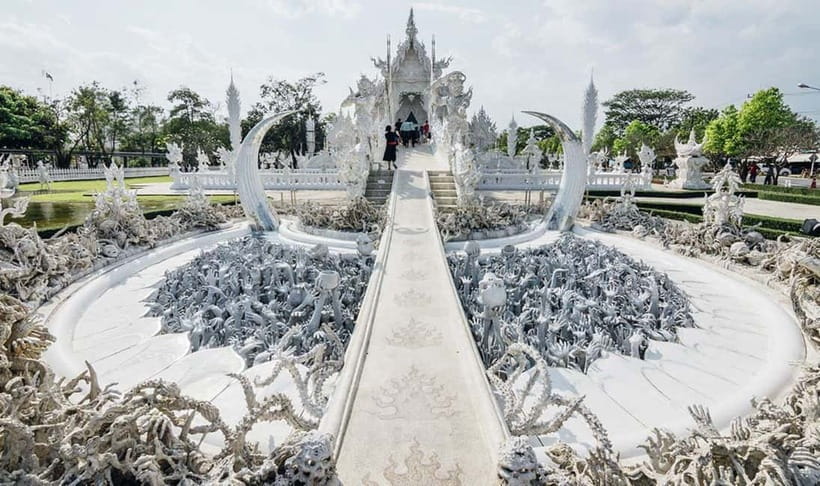
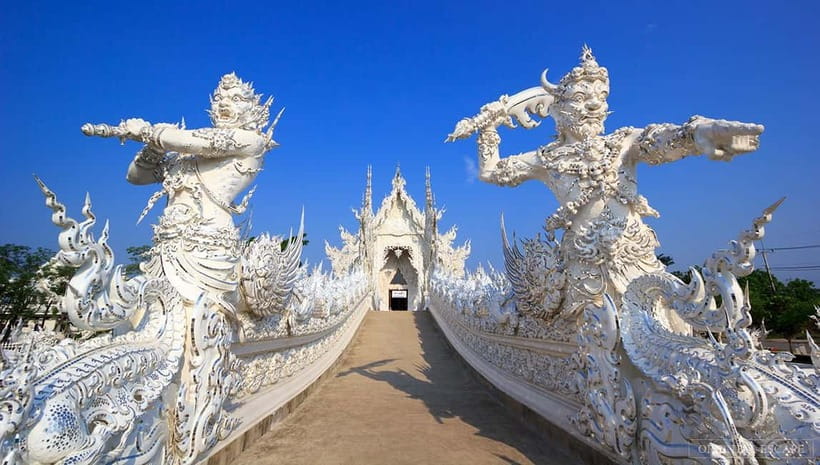
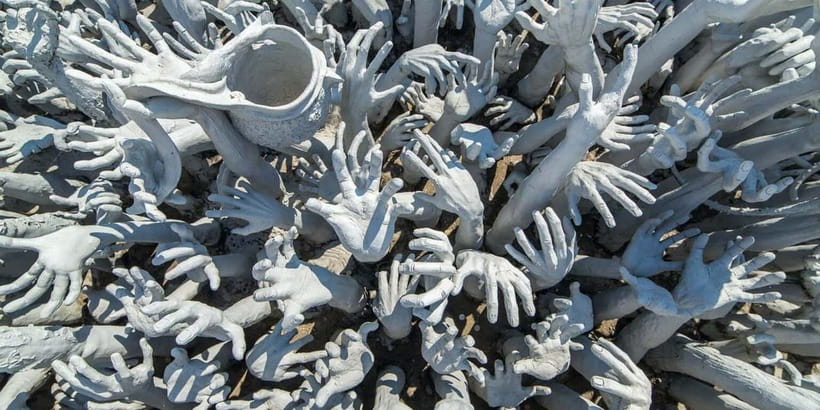
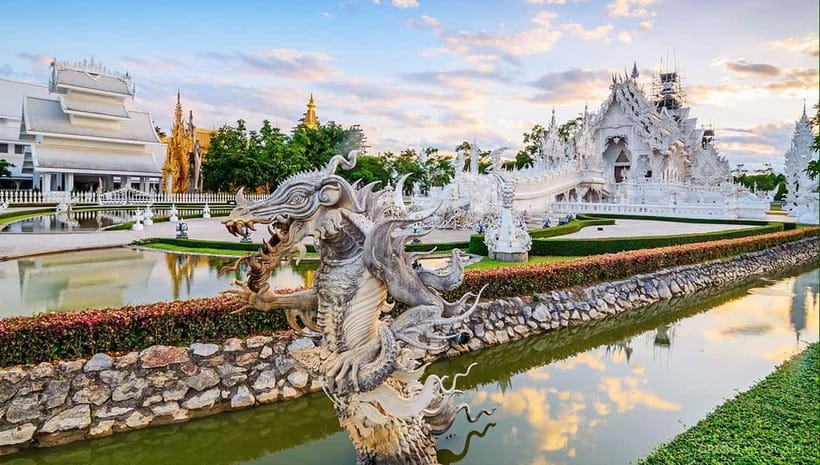
The White Temple, Wat Rong Khun, is the day’s signature stop. It is a modern work by Thai artist Chalermchai Kositpipat, not an old temple preserved from another era. That distinction helps you understand what you are seeing: this is contemporary Buddhist art on a grand scale.
The exterior is known for its white surfaces and detailed decoration. The effect is theatrical, but the ideas behind it are serious. Your guide can help explain the symbols and the artist’s vision, which makes the visit more rewarding than simply taking photographs from the entrance.
Plan to pay attention to the setting and details rather than rushing straight through. One practical point matters here: the White Temple ticket costs 200 baht per person. It is included only if you select the appropriate ticket option, so confirm your booking details before the tour begins.
This is also the stop where time may feel tight. The route includes many attractions, and several people have wished for longer at the White Temple. If this is your main reason for visiting Chiang Rai, keep that in mind. You will see it, but you may not get the relaxed pace of a half-day visit devoted to the temple alone.
Seeing the Blue Temple’s strong colors
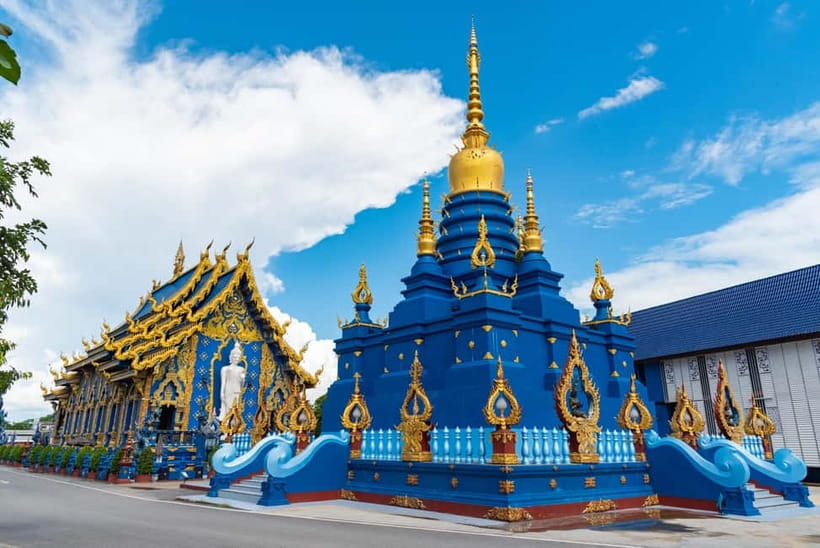
The Blue Temple, or Wat Rong Suea Ten, gives you a very different visual experience. Its deep blue coloring and modern design show how present-day Thai artists can work with Buddhist forms without copying older temple styles.
I like the contrast with the White Temple. Where the first stop feels light and otherworldly, the Blue Temple has a stronger, more dramatic presence. The colors make it easy to remember, but the guide’s explanation is still important because the building combines decorative art with religious meaning.
This stop is a good example of why a guided visit helps. You can admire the architecture on your own, but an English-speaking guide can point out details you might otherwise miss and explain how Chiang Rai has developed its own artistic identity alongside more established northern Thai traditions.
The grounds can be busy and bright, so bring a hat and sunscreen. Dress and behave respectfully as you would at any Buddhist religious site, even though the design feels modern.
Entering the Black House, an art museum with an edge
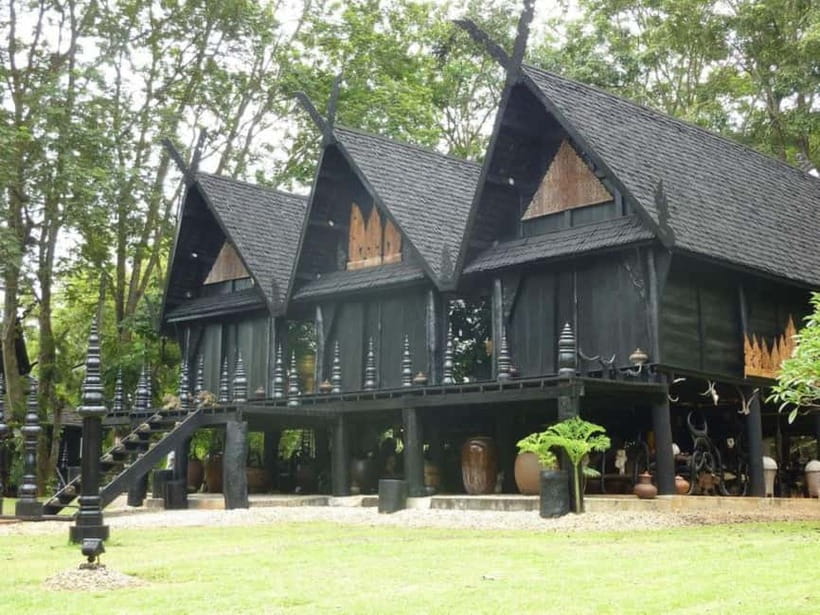
The Black House, or Baan Dam Museum, is not really a temple. It is an art museum and collection associated with Thai artist Thawan Duchanee. Its dark buildings and unusual objects create a mood far removed from the polished whiteness of Wat Rong Khun.
This stop may not suit everyone. The art can be stark, strange, and unsettling, and some displays are deliberately confronting. If you enjoy art, symbolism, and stories that do not offer easy answers, you will likely find it one of the most memorable places on the route. If you prefer traditional temples, it may feel odd or even uncomfortable.
That difference is exactly why I would not treat the Black House as a filler stop. It gives the day a wider view of Thai creativity. Chiang Rai is not presented as a place of only gold roofs and quiet shrines. You also see modern artists testing limits and using religious ideas, animals, death, and power in unusual ways.
Give yourself time to look closely, but listen to the guide before deciding what you think. The explanation can provide useful context for a collection that is easy to misread from a quick walk-through.
More Tea Experiences around the world:
- Kyoto: Tea Ceremony in a Traditional Tea House in Kiyomizu
★ 4.9 · 3,519 reviews - London: Afternoon Tea Cruise on the River Thames
★ 4.4 · 3,274 reviews - Kyoto: Tea Ceremony Ju-An at Jotokuji Temple
★ 4.9 · 3,207 reviews - Afternoon Tea Bus Tour in Dublin
★ 5.0 · 2,791 reviews
Reaching the Golden Triangle
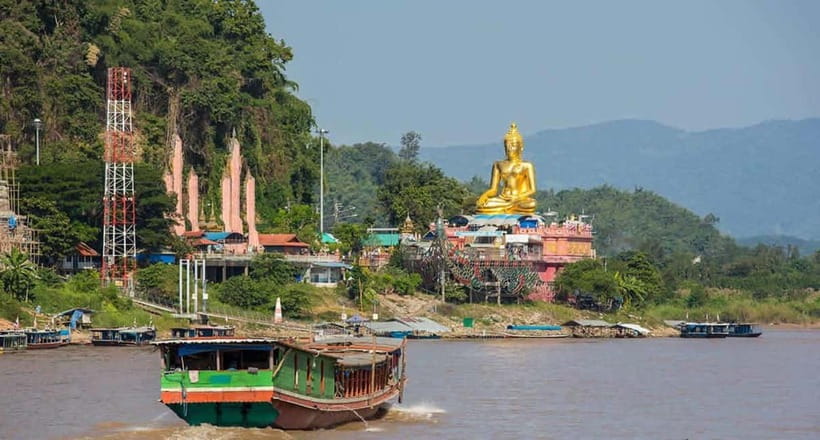
The Golden Triangle takes you out of the city and into one of northern Thailand’s best-known border regions. This is where Thailand meets Laos and Myanmar, and the area is closely linked with the history of opium production and cross-border trade.
The value of this part of the day is context. You are not just checking off another viewpoint. The Golden Triangle helps connect the Opium Museum, the region’s past, and the wider story of northern Thailand.
The drive also gives the schedule a change of pace after the three artistic sites. You will spend more time on the road, but the air-conditioned minibus makes the transfer easier. A smooth driver matters on a long day, and the transport has received especially strong marks from people who have taken the tour.
Do not expect a slow, private exploration of every corner of the border region. This is a sightseeing stop within a larger circuit. If you want extensive time near the river or a separate border excursion, you would need a different arrangement.
Understanding the Opium Museum
The Opium Museum adds substance to the Golden Triangle visit. It explains the history and impact of opium in the region, giving you more than a scenic stop and a quick photograph.
I consider this one of the most useful parts of the itinerary because it puts the area into perspective. The Golden Triangle name is familiar, but without background it can remain just a label. The museum helps explain why the region became associated with opium and how that history affected local communities and international trade.
The exact amount of time available depends on the day’s pace. Since the tour includes seven major sites, you should expect an overview rather than a museum visit lasting several hours. Still, the stop gives the day an educational center and balances the more decorative temple visits.
Tea, hills, and Chui Fong Plantation
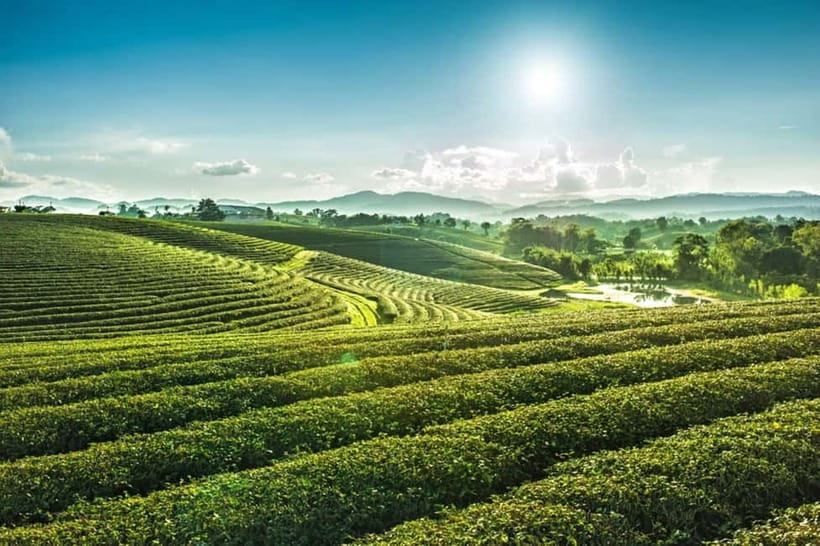
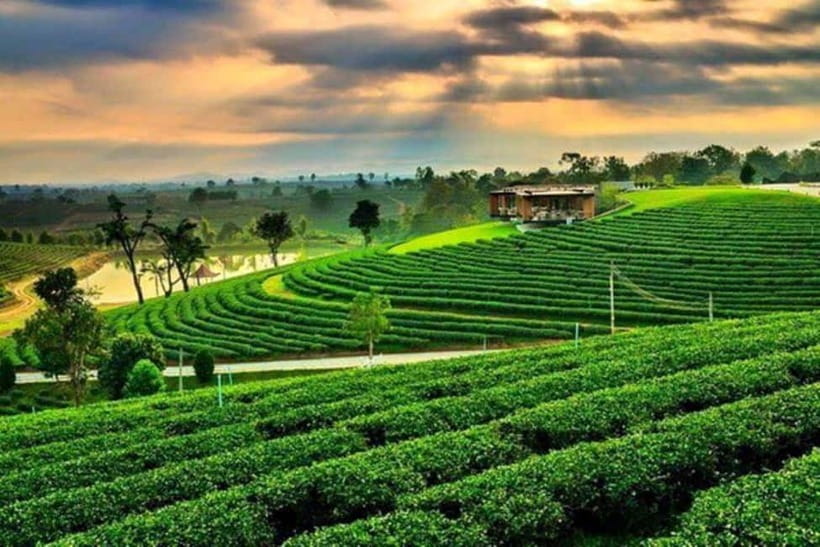
Chui Fong Tea Plantation provides a welcome change from temples and museums. You reach a tea-growing area where the visual focus shifts to cultivated rows and open hill country.
This is a pleasant place to slow down, take photographs, and see another part of Chiang Rai Province. The plantation also shows how the region’s identity is not limited to religious buildings or border history.
The information provided does not promise a formal tea-making workshop or a long tasting session, so book it as a plantation visit rather than a specialist tea tour. You might find time for views and tea-related shopping, but the day’s schedule remains broad.
Weather can affect the mood of this stop. On cloudy days, the views may feel softer and less dramatic, but the visit still offers a useful break from the busier temple grounds. Sunscreen and a hat remain good ideas, especially during open-air portions of the day.
The optional Karen hilltribe village visit
The Karen hilltribe village is listed as an option, so clarify before departure exactly how it fits your selected tour. This is important because the day is already full, and you should know whether the stop is included in your plan or offered as an additional choice.
If you choose to visit, approach it with respect. A village visit should not be treated as a quick photo stop or a performance arranged only for visitors. Listen to the guide, follow local instructions, and buy souvenirs only if you genuinely want them.
The available information does not specify the extra cost, length of the visit, or exact village arrangements. Ask before booking if this is a deciding factor for you. The main tour can still work well without this optional addition because the route already includes temples, the plantation, the border region, and the museum.
Lunch and the practical rhythm of the day
A Thai buffet lunch is included, with vegetarian food available on request. Tell the guide about allergies, dietary limits, or foods you cannot eat before the meal, rather than waiting until you reach the restaurant.
This arrangement suits a busy itinerary because a buffet usually lets you choose what works for you and keeps the group moving. Drinking water is included as well. Even so, bring extra water if you normally drink often in hot weather.
The day begins with pickup during the 8:00 to 8:30 am period and returns to Chiang Rai in the evening. That is a long stretch, but it is the trade-off for fitting so much into one day. You will spend part of the time traveling between sites, so comfortable clothing and sensible shoes are more useful than dressing for a single temple photograph.
The pickup area covers locations within 6 kilometers of the city center. Give the operator your hotel name because Chiang Rai addresses can be difficult to locate. If you stay outside the city, contact the operator for a meeting point rather than assuming pickup is included.
Guides, vehicles, and the human side of the tour
The guide can make or break a day with this many stops. Names praised for friendly, clear service include Guitar, Ping, Meo, Muew, and Yok, though your assigned guide may be different.
The strongest guide qualities are easy to see in the feedback: good English, clear explanations, personal attention, and a willingness to answer questions about Thailand, local culture, food, and places to visit. One guide remembered everyone’s names, while another helped with food choices and local restaurant and massage suggestions. Those small efforts matter during a long group day.
The group limit is 10 people, which gives you a better chance to hear the guide than you would in a large coach. It also allows for a little flexibility, including the choice to take part in an activity or skip it when that option is offered.
The minibus is air-conditioned, and the driver is responsible for long stretches of road between the sites. Smooth driving and a comfortable vehicle are not exciting tour features, but they become very important by late afternoon.
What the price includes, and what it does not
The tour includes transport, an English-speaking private guide for the group, Thai buffet lunch, drinking water, accident insurance, and pickup and drop-off within the stated city area.
The key choice is the ticket structure:
- Option 1 includes the standard entrance tickets.
- Option 2 excludes entrance tickets.
- The White Temple ticket is listed as 200 baht per person.
Compare the total cost rather than choosing only by the headline price. The included-ticket option may be worth it if you want a simple day with no cash stops. The excluded-ticket option could suit you if you want the lower initial price and are comfortable paying at the attractions.
Souvenirs, tips, and excluded entrance tickets are not covered. Tipping is optional, but it is a practical way to thank a guide or driver who has looked after the group throughout a long day.
Who should book this tour?
I would choose this tour if you have one full day in Chiang Rai and want to see the major sights without arranging several taxis or private transfers. It is especially useful for first-time visitors who want both the famous temples and the wider province.
It suits people who enjoy variety. You will move from modern religious art to a museum, a border region, tea country, and possibly a hilltribe village. It is less suitable if you want a quiet, unhurried temple visit or a specialist art tour.
The tour is not suitable for wheelchair users or people over 70, according to the stated restrictions. The long day, multiple stops, and vehicle transfers also make it a poor match for anyone who needs frequent rest or very easy access.
Should you book it?
Book it if you value breadth, transport, and a guide’s local explanations more than a relaxed pace. The route covers an impressive amount of Chiang Rai in one day, and the small group, lunch, air conditioning, and flexible ticket options improve the value.
Before paying, confirm the total price for your group, decide whether entrance fees are included, and ask how the optional Karen village visit fits into the schedule. If the White Temple is your main goal, consider a slower visit instead. For most people with limited time, though, this is a practical way to see Chiang Rai’s famous modern art temples and the important sights farther north.
FAQ
How long does the Chiang Rai tour last?
It is a full-day experience, with pickup in the morning between 8:00 and 8:30 am and return to Chiang Rai in the evening.
Where does pickup take place?
Free pickup and drop-off are available within 6 kilometers of Chiang Rai city center. You should provide your hotel name because some locations can be difficult to find. If you stay outside the city, contact the operator for a meeting point.
Are entrance tickets included?
You can choose between an option that includes standard tickets and an option that excludes them. Check your selected ticket before booking. The White Temple ticket is listed as 200 baht per person.
Is lunch included?
Yes. A Thai buffet lunch and drinking water are included. Vegetarian food can be provided if you tell the guide about your dietary needs.
Is the Karen hilltribe village included?
The Karen hilltribe village is listed as an optional visit. Ask the operator how the option applies to your booking and whether any additional cost or schedule change is involved.
How many people are in the group?
The tour is a small-group experience limited to 10 participants.
Is the tour suitable for wheelchair users or people over 70?
No. The stated conditions say the tour is not suitable for wheelchair users or people over 70.
Newly steeped around the world
- York: Private Horse-Drawn Carriage Ride and Afternoon Tea★ 5.0 · 3 reviews
- Yokohama : Tea Ceremony with Sweets and Souvenir★ 5.0 · 5 reviews
- Washington, D.C.: Tea Around Town Bus Tour with Landmarks★ 3.4 · 7 reviews
- Whisk Your Own Matcha: A Zen Matcha Experience at Temple★ 3.6 · 7 reviews
- Yogyakarta: Prambanan Tour, Sukuh Temple & Tea Plantation★ 5.0 · 3 reviews
- Walking Tour: Yanaka,Nezu& Sendagi: Tea Ceremony & Old Tokyo★ 5.0 · 3 reviews
- Wadi Rum: 2-Hour Jeep Tour with Bedouin Tea★ 5.0 · 11 reviews
- Volcano, Hot Spring, Mud Bath & Tea plantation all included★ 5.0 · 5 reviews
Tea Plantation & Farm Tours, compared.
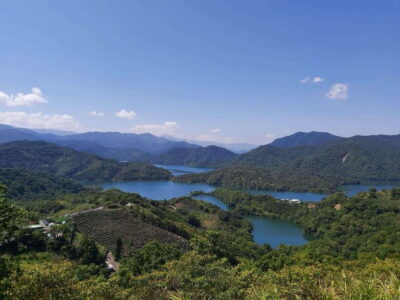
From Taipei: Thousand Island Lake and Pinglin Tea Plantation
Read our review →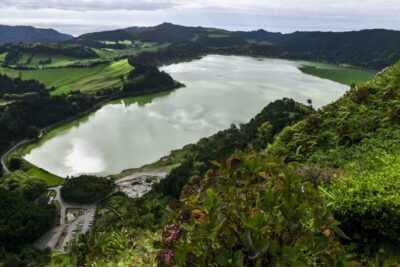
Furnas: Tea Plantations, Lake and Volcano Guided Tour
Read our review →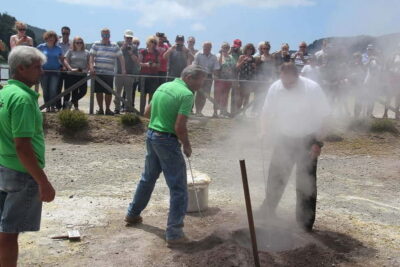
São Miguel: Furnas Volcano & Tea Plantation Tour with Lunch
Read our review →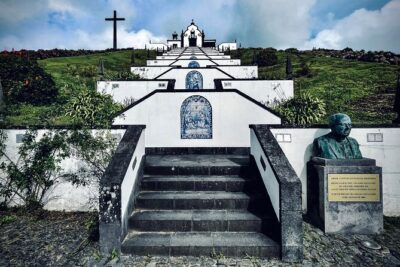
Furnas Volcano & Tea Plantation With Traditional Lunch, East Tour
Read our review →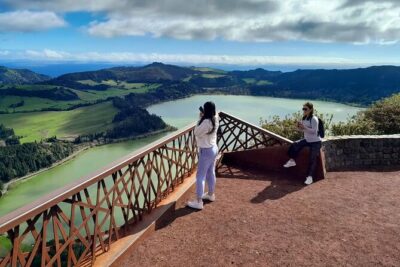
Furnas: Volcano Wonders, Tea Plantation & Waterfall Tour
Read our review →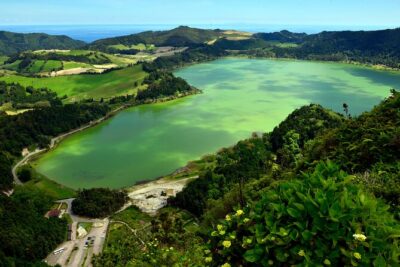
Adventure in the Furnas, with volcanoes, lagoons and tea plantations
Read our review →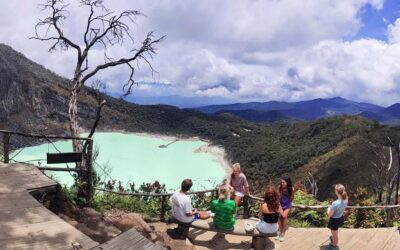
Bandung: White Crater, Scenic Tea Plantations & Hot Spring
Read our review →Browse the lists this tea experience appears in