
Review · HO CHI MINH CITY
Ho Chi Minh City: Vietnamese Lotus Tea Culture Experience
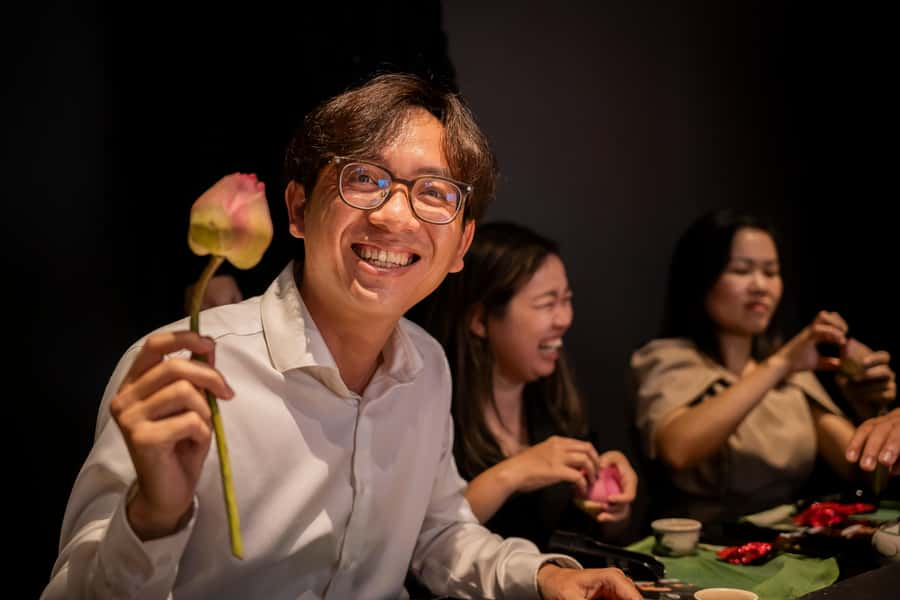
The most unusual part of this Ho Chi Minh City experience is watching tea leaves placed inside fresh lotus flowers. This old craft turns a cup of tea into a lesson in patience, scent, and Vietnamese ceremony. You then make one lotus flower of your own.
I like the hands-on souvenir, which is more personal than another packaged snack, and the quiet setting just off Nguyen Hue Walking Street. I also like the clear cultural focus: you learn why West Lake Lotus Tea matters before tasting it. The main consideration is that this is a small tea workshop, not a full meal or a broad city tour.
Key points at a glance
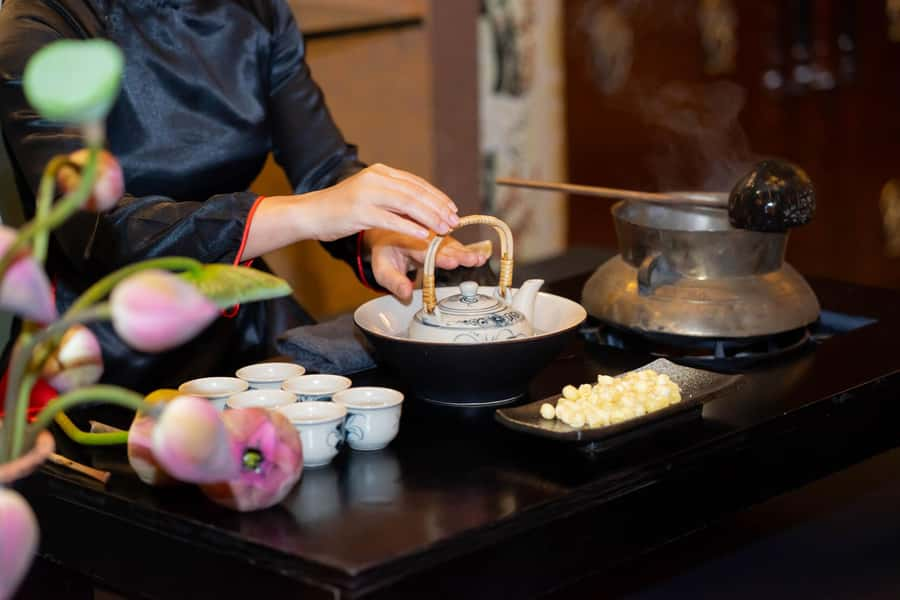
- Tea placed inside fresh lotus buds: Watch an artisan demonstrate a careful method that is rarely seen in everyday cafés.
- Tay Ho Lotus Tea tasting: Sample the delicate tea associated with Hanoi’s West Lake area and learn about its scent.
- Make one lotus flower of your own: Follow step-by-step instructions to add tea leaves and create a take-home keepsake.
- Central District 1 setting: Find the showroom opposite Bitexco Tower, about a one-minute walk from Nguyen Hue Walking Street.
- A calm break from city streets: The traditional tea setting gives you a quieter cultural stop in the middle of downtown.
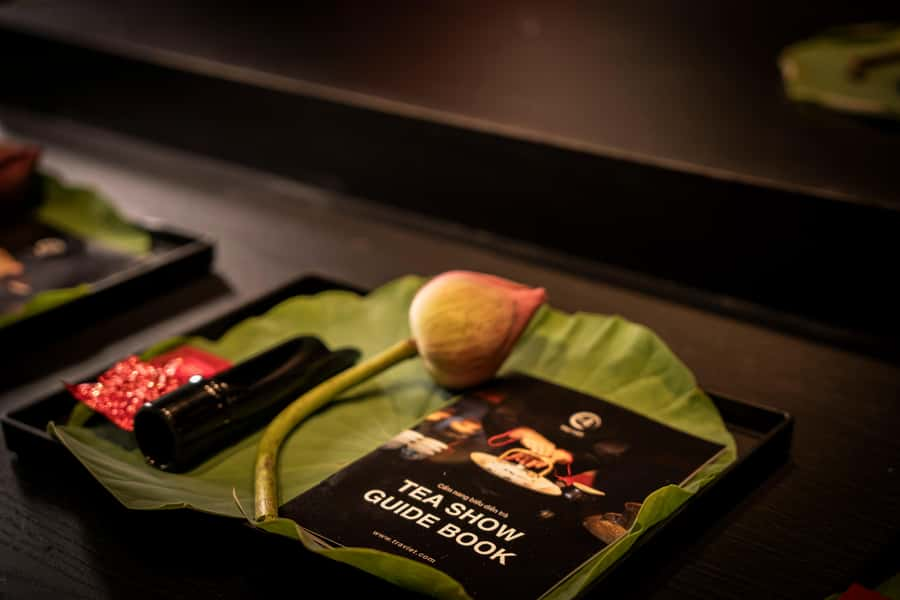
- English guidebook included: Use the Tea Show Guidebook in English to follow the lesson and remember the process.
Starting opposite Bitexco Tower
You meet at 19 Hai Trieu Street in Ben Nghe Ward, District 1. The showroom is on the second floor of a local apartment building, directly opposite Bitexco Tower and roughly one minute from Nguyen Hue Walking Street.
That location is useful if you are already exploring central Ho Chi Minh City. You do not need to build a separate transport plan around the workshop, and the activity ends back at the same meeting point. Since transport is not included, you arrange your own way there. The central address makes walking, a short taxi ride, or a ride-hailing service practical, though you should allow time to find the correct building and second-floor showroom.
The setting matters. Outside, District 1 is full of traffic, shops, tour groups, and horns. Inside, the tea experience shifts your attention to flowers, leaves, fragrance, and measured movements. It is not a countryside tea farm, and you should not expect gardens or a long ceremony in a historic house. Its appeal is the contrast between the city center and the calm of the tea room.
More Tea Experiences around Vietnam:
- Coffee – Wine – Tea Da Lat’s Agricultural Treasures Tour
★ 4.8 · 63 reviews - Huong River Afternoon Tea Cruise Tour Along Hue City
★ 5.0 · 14 reviews - Vietnam Tea Tasting – Giang Egg Coffee & Train Street Visit
★ 5.0 · 10 reviews
A short introduction to Vietnamese tea customs
The first section explains how tea fits into Vietnamese daily life and ceremonies. You learn about tea’s place in social gatherings and formal rituals, along with the care given to preparation.
The lesson also introduces West Lake Lotus Tea, known locally as Tay Ho Lotus Tea. Tay Ho refers to West Lake in Hanoi, an area linked with lotus cultivation and this particular style of scented tea. The presentation connects the tea with older Vietnamese traditions, including a story reaching back to 1883 and the way tea associated with the royal court was harvested.
That historical detail gives the tasting more meaning. Without it, lotus tea can seem like a flavored drink with a pleasant smell. With the background, you begin to see why the flower, the timing, and the handling of the leaves all matter.
The workshop also explains that authentic lotus tea is made with real lotus flowers. This is important because a floral tea bag or artificial lotus flavor gives you only the idea of lotus. Here, the scent comes from contact between tea and flower. You get a look at the work behind the finished cup instead of simply being handed a drink.
The presentation is likely to suit you if you enjoy food and drink experiences that explain local customs. It may feel slow if you want a quick photo stop or a packed sightseeing schedule. Tea is the subject from beginning to end, so the value comes from attention and participation rather than from covering many sights.
Watching the artisan prepare tea in a lotus bud
The live tea performance is the visual center of the workshop. A skilled artisan demonstrates how tea is placed inside a fresh lotus bud, showing the fine movements involved in the process.
This is not a rough-and-ready demonstration. The flower must be handled with care, and the leaves must be positioned correctly. The method reflects a close relationship between natural materials and human craft. You see why lotus tea requires more effort than adding a spoonful of flavoring to hot water.
The presentation also helps you understand the role of patience. The flower is not just decoration around the cup. It is part of the scenting process. Tea leaves absorb the lotus fragrance through careful contact, giving the finished tea a soft floral character.
One presenter identified in participant feedback is Ky, who was described as friendly and well informed about the preparation and its cultural background. The experience includes an English-speaking host and artisan. At the same time, the information lists Armenian under languages, so if language support is important to you, confirm the current arrangement before booking.
The demonstration is a good reason to bring a camera or phone, provided you remain attentive to the instructions. You have photo opportunities in a traditional tea setting, and the flower, tea leaves, and brewing tools should make more meaningful pictures than a standard souvenir-shop display.
Tasting Tay Ho Lotus Tea
After the demonstration, you taste Tay Ho Lotus Tea. This part is less about drinking a large quantity and more about noticing subtle fragrance and flavor.
Lotus tea is delicate. You may notice the flower’s scent before the taste itself, followed by the character of the tea leaves. The exact impression depends on the preparation, but the point is to pay attention to the relationship between aroma and flavor. The host guides you through the tasting rather than leaving you to guess what you should notice.
The tasting session is included in the $15 price. That makes the activity good value if you want a cultural lesson as well as a drink. You are paying for the demonstration, the teaching, the materials, the tasting, and the hands-on activity. It is less attractive if your only goal is to buy a cup of tea cheaply.
You should also set your expectations about quantity. The experience includes tea tasting, not a meal or an afternoon tea spread. Meals and drinks outside the tasting are not included. Additional tea purchases may be available on request, but they are separate from the basic experience.
I like that the tasting comes after the explanation and demonstration. You first learn what makes the tea special, then try it with a better sense of what you are drinking. The arrangement gives the cup a story, which is often what separates a useful cultural activity from a quick sample.
Same leaf, a different ritual:
- Tea & Coffee Experience
★ 5.0 · 10 reviews - Hue Retreat: Tea and Meditation with Vegetarian Meal
★ 5.0 · 9 reviews - Hanoi Eco Tour: Ba Vi National Park Wonders & Tea Plantation
★ 4.7 · 7 reviews - Tea & Coffee Tour
★ 4.8 · 5 reviews
Making your own lotus-scented tea
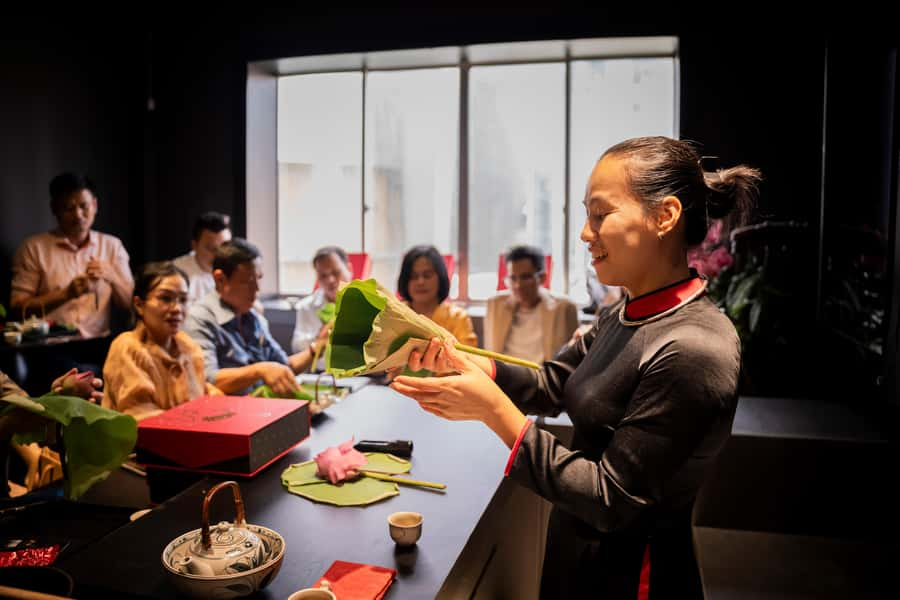
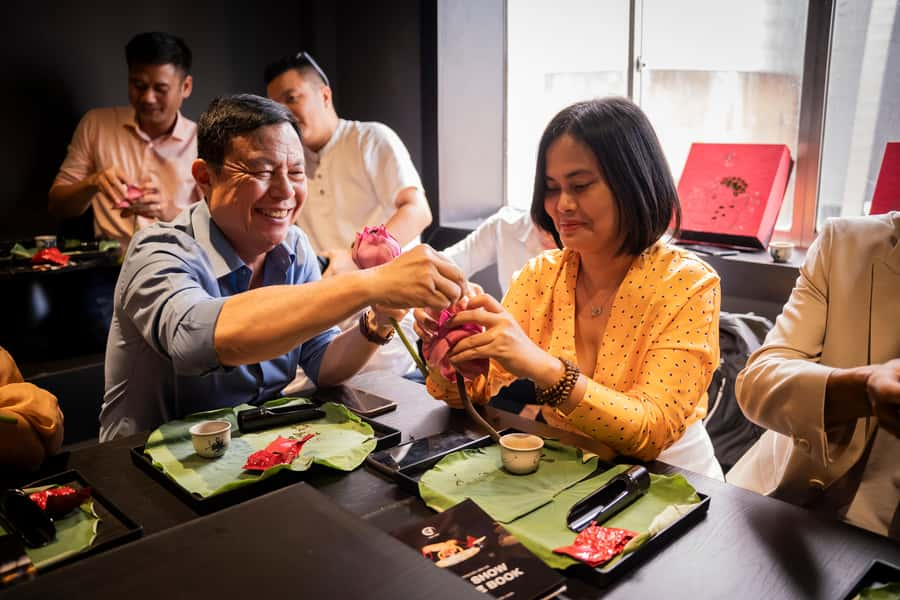
The hands-on section lets you place tea leaves inside a real lotus flower. The host or artisan gives you step-by-step guidance, so you do not need prior tea-making experience.
This activity is gentle and precise. You handle the flower, arrange the leaves, and learn how the parts fit together. It is not a craft class with a large finished product, but it gives you direct contact with the technique shown earlier.
Your finished item is one lotus flower filled with your own tea blend. That is included in the price, and it gives you something connected to the lesson rather than a generic magnet or printed souvenir. You can take it home as a fragrant reminder of your time in Vietnam, though the supplied information does not specify packaging, storage instructions, or how long the scent lasts.
The activity involves handling lotus flowers and tea leaves. If you have sensitivities to flowers or tea, take that into account before reserving. Children under two are not permitted, and the venue is not suitable for wheelchair users. Those limits are worth noting because this is a seated, hands-on workshop in an apartment-building showroom, not an adapted attraction with stated wheelchair access.
The activity should work well for couples, families with older children, solo visitors, and anyone interested in Vietnamese food traditions. One parent-child visit was especially suited to the calm pace. For young children who struggle to sit still or handle delicate flowers, the workshop may be less satisfying.
The value of a $15 cultural stop
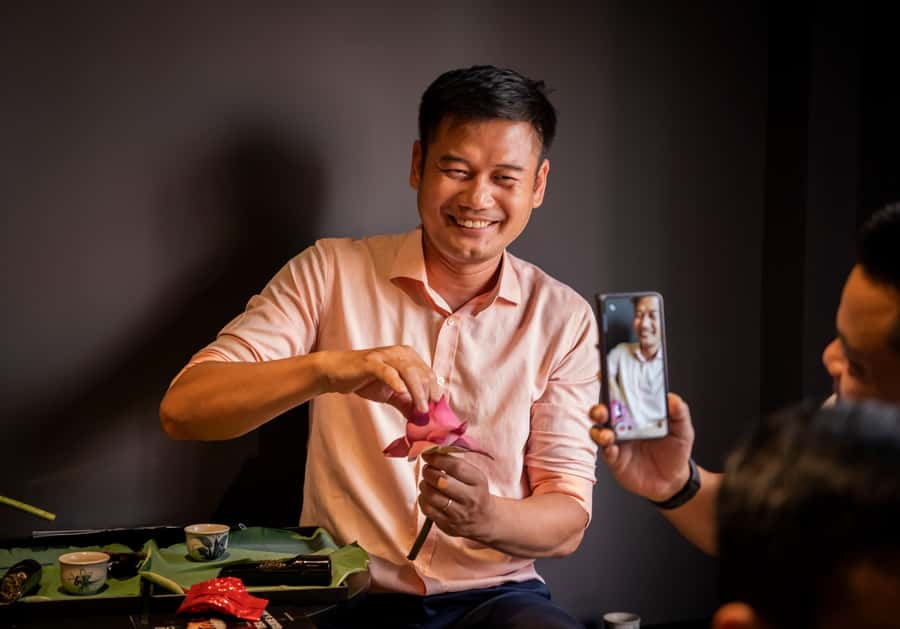
At $15 per person, this is a modestly priced experience for central Ho Chi Minh City. The value is strongest when you count the whole package: an introduction to Vietnamese tea customs, a live artisan demonstration, a tasting, a guidebook in English, photo opportunities, and your own lotus-filled flower.
The price also buys access to a process you might not encounter while ordering tea in a café. A restaurant may serve lotus tea, but it usually will not show you how the scenting method works or let you prepare the flower yourself.
I would not compare this with a full cooking class, a market tour, or a long cultural excursion. It is a focused workshop, likely best used as a one-hour-style stop within a day in District 1, though no duration is provided. You should confirm the length if you need to fit it between timed activities.
The location increases its practical value. You can pair the workshop with Nguyen Hue Walking Street, the Bitexco Tower area, and other central sights. Since the activity returns to the meeting point, you do not need to arrange a complicated pickup or finish in another part of the city.
There is also a little uncertainty to manage. The published information does not provide group size, exact duration, or a full schedule. If you prefer quiet activities, ask about the number of participants before you book. The calm setting may feel very different with a small group than with a busy session.
What to bring and how to prepare
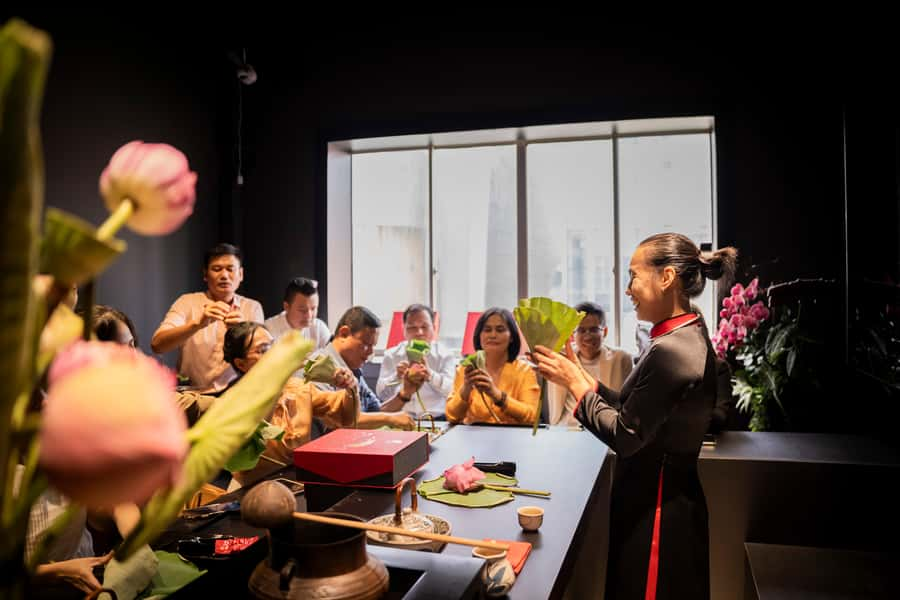
Wear something comfortable enough for seated hand work. You will handle fresh flowers and loose tea leaves, so avoid treating the session like a formal dinner. The activity is not described as messy, but simple clothing is sensible when working with natural materials.
Arrive with enough time to locate the apartment building and showroom. The address is central, but apartment-building entrances can be easy to miss when you are watching traffic and street signs. Use Bitexco Tower as your visual reference and check that you are heading to 19 Hai Trieu Street.
Bring your phone if you want pictures. The traditional tea setting and lotus flower make the best subjects, and the hands-on preparation gives you a record of what you learned. You also receive the Tea Show Guidebook in English, so you do not need to rely on photographs alone to remember the steps.
If you are buying extra tea, ask about available options and pricing during the visit. Additional purchases are not part of the $15 package and are available only on request.
Who will enjoy this experience most
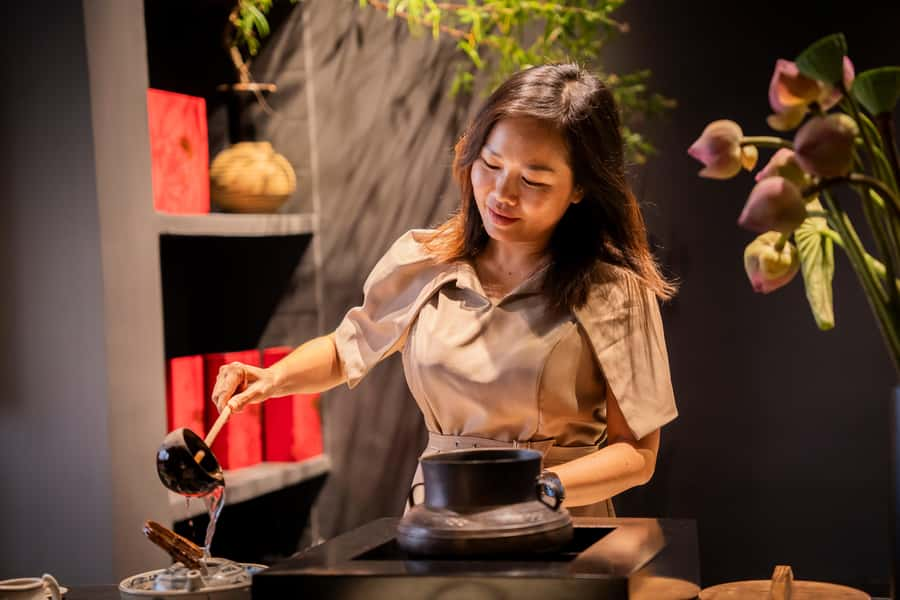
I would choose this workshop if you want a compact introduction to Vietnamese tea customs without leaving central Ho Chi Minh City. It is a particularly good match for:
- Tea drinkers who want to understand scenting rather than simply sample a flavored tea
- First-time visitors looking for a quiet cultural activity near Nguyen Hue Walking Street
- Couples seeking a shared activity with a personal souvenir
- Families with children old enough to follow careful instructions
- Visitors who enjoy craft, food, and drink experiences more than sightseeing checklists
- Anyone who wants a meaningful gift from Vietnam that they helped make
I would think twice if you want a major sightseeing attraction, a full meal, a tea plantation visit, or a long outdoor activity. This is a close look at one tradition, not a survey of Vietnam’s entire tea culture.
The five-star rating from the five supplied ratings matches the experience’s strongest qualities: the presenter’s friendly manner, clear teaching, good tea, and peaceful setting. I would place the most weight on the teaching and the chance to make your own lotus flower. Those are the parts that make the $15 fee more worthwhile than simply stopping for tea at a café.
Should you book this lotus tea workshop?
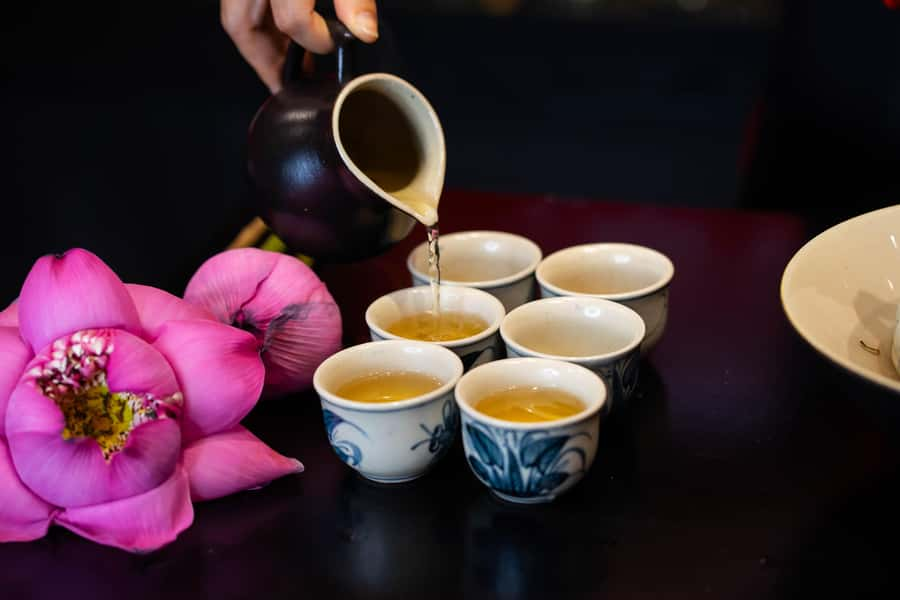
Book it if you value small cultural experiences and like knowing how a local specialty is made. The lotus-bud demonstration, Tay Ho tasting, and hands-on flower preparation give you three layers of the same tradition: context, observation, and practice.
It is also an easy addition to a District 1 sightseeing day. You can walk there from Nguyen Hue Walking Street, spend time away from the traffic, and finish where you began. For $15, the personal keepsake and focused instruction are strong value.
Skip it if you need wheelchair access, want a substantial meal, or prefer a fast activity with a fixed, highly detailed schedule. Also confirm the language arrangement if the listed Armenian language information conflicts with your need for English. For most curious visitors who can manage stairs and enjoy a quiet workshop, this is a thoughtful way to experience a less familiar part of Vietnamese culture.
FAQ
Where does the lotus tea experience begin?
It begins at the showroom at 19 Hai Trieu Street, Ben Nghe Ward, District 1, Ho Chi Minh City. The showroom is on the second floor of a local apartment building, opposite Bitexco Tower and about a one-minute walk from Nguyen Hue Walking Street.
Where does the activity end?
The activity ends back at the meeting point.
How much does the experience cost?
The listed price is $15 per person.
Is tea tasting included?
Yes. A tea tasting session is included, featuring Tay Ho Lotus Tea.
Do I get to make my own lotus tea?
Yes. You receive step-by-step guidance on placing tea leaves into a real lotus flower and receive one lotus flower filled with your own tea blend.
Is a guidebook included?
Yes. The Tea Show Guidebook in English is included.
Is transportation included?
No. You arrange transportation to the venue yourself.
Is the experience suitable for wheelchair users?
No. The activity is not suitable for wheelchair users.
Can I cancel for a full refund?
Yes. You can cancel up to 24 hours in advance for a full refund.
Newly steeped around Vietnam
- 3 Hour Vietnam Tea & Egg Coffee Tasting With Train Street★ 5.0 · 2 reviews
- Tea Tour and Ha Giang Loop 4D/3N on Motorbikes★ 5.0 · 4 reviews
- 2 days Ancient Tea Tour and Real Homestay West of Ha Giang★ 5.0 · 2 reviews
- Experience Classy Afternoon Tea At Intercontinental Da Nang★ 5.0 · 2 reviews
- Sapa to Waterfall, Green Tea Farm with motorbike driver★ 4.5 · 2 reviews
- Hoi An: Body Therapy and Local Tea Tasting Experience★ 3.6 · 3 reviews
- Hanoi Eco Tour: Ba Vi National Park Wonders & Tea Plantation★ 4.7 · 7 reviews
- Da Lat: Sunrise Panorama, Green Tea Hill and Strawberry Farm★ 4.0 · 3 reviews
Ho Chi Minh City Tea Tours, compared.
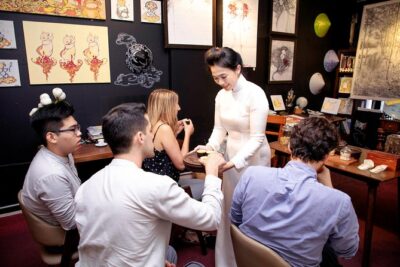
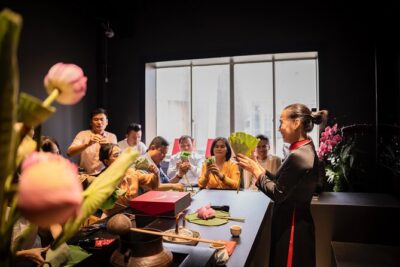
Ho Chi Minh City’s Hidden Gem: Experience Lotus Tea Culture
Read our review →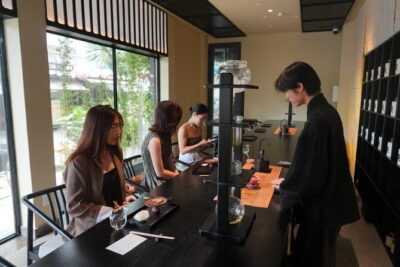
Browse the lists this tea experience appears in