
Review · HUE
Hue Retreat: Tea and Meditation with Vegetarian Meal
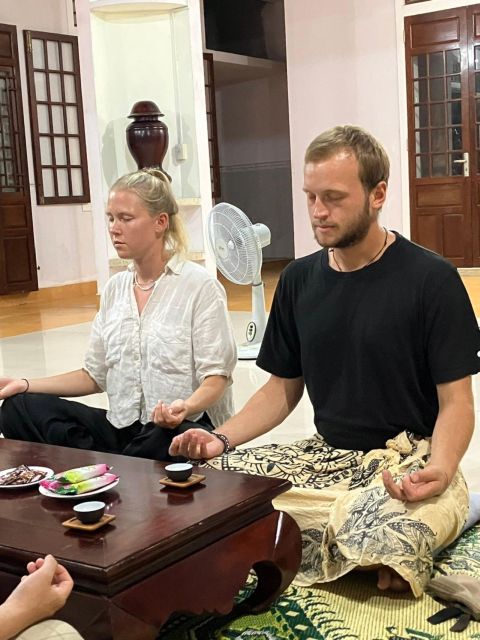
A quiet pagoda, a pot of hot tea, the soft scent of incense, and a shared meditation session make this three-hour Hue evening quite different from a standard sightseeing trip. You meet monks or nuns, hear about Vietnamese Buddhism through your English-speaking guide, and spend time slowing your breathing instead of rushing from one sight to the next.
I like the personal contact with the religious community, especially the chance to speak with wise nuns through a guide and translator. I also like the simple vegetarian dinner, which gives you a relaxed introduction to local food after the pagoda visit. The main thing to consider is that the meditation is a calm, seated activity, so this may feel too slow if you want a packed evening of sightseeing.
Key points at a glance
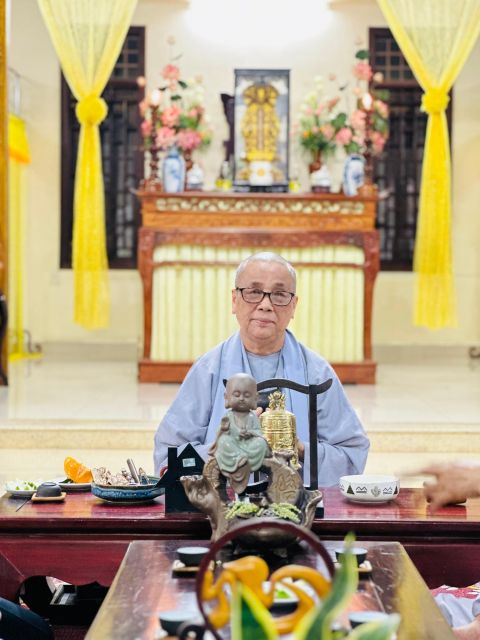
- Pagoda visit at the heart of the evening: Learn about Vietnamese Buddhism and meet monks or nuns in a working religious setting.
- Tea and breathing practice: Sit quietly with a pot of hot tea, incense in the air, and time to focus on each breath.
- A meaningful community connection: The pagoda community looks after orphan children, adding a human side to the visit.
- Local vegetarian dinner: Finish with a meat-free meal at a local restaurant and a practical introduction to Vietnamese dishes.
- Simple three-hour schedule: Hotel pickup begins around 6:00 pm, with return to central Hue close to 9:00 pm.
- Useful booking flexibility: The tour costs $36 per person, includes transport and bottled water, and allows cancellation up to 24 hours before departure.
Why this Hue evening feels different
Hue is known for imperial buildings, royal tombs, and the Perfume River. This experience takes you into another part of the city’s character: its living Buddhist practice.
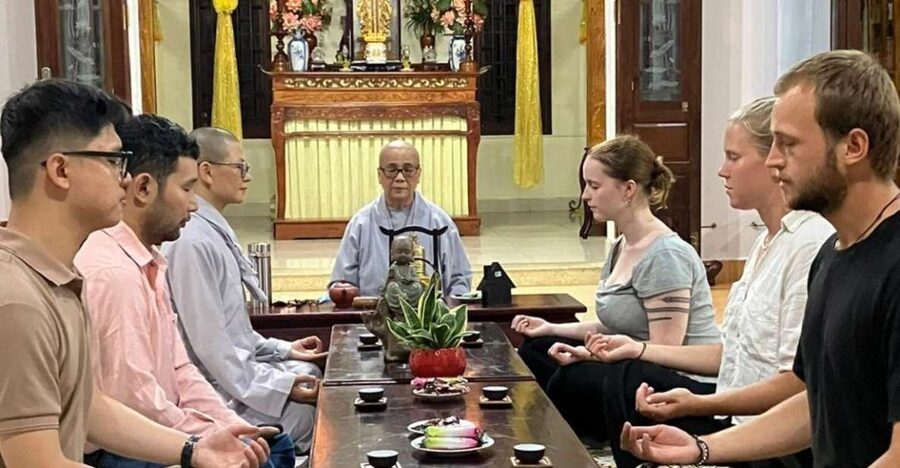
The focus is not on collecting photographs or ticking off a major monument. You visit a pagoda, listen to an explanation of Vietnamese Buddhism, and take part in a gentle tea and meditation session. For me, that makes the evening useful for anyone who wants to understand how religion still shapes daily life in Vietnam.
The setting also encourages a slower pace. You sit with a hot pot of tea and pay attention to your breathing. It is a small idea, but after a busy day of sightseeing, the change can be welcome. You are asked to stay still and notice each breath, rather than fill every quiet moment with conversation or a phone.
That calm mood is the point, but it is also the experience’s main limitation. The meditation is not presented as a long formal retreat, yet you still need to be comfortable with silence and sitting quietly. If you prefer active tours, this should be an evening you choose for rest, reflection, and conversation rather than constant movement.
More Zen Tea Sessions around Vietnam:
- Hue Retreat: Tea and Meditation Tour with Vegetarian Meal
★ 5.0 · 4 reviews - Kyoto: Tea Ceremony Meditation – Make Matcha with Tea Master
★ 4.8 · 406 reviews - Kyoto: Mindful Tea Ceremony in 100-Year-Old Teahouse
★ 4.8 · 160 reviews
The 6:00 pm hotel pickup in central Hue
The guide collects you from your hotel in Hue Center at about 6:00 pm. An air-conditioned vehicle is included, which matters in Hue’s warm climate and keeps the evening simple from the start.
The tour lasts about three hours, so the pickup time fits neatly after a day of sightseeing. You do not need to arrange a separate taxi to the pagoda or find your way back after dinner. At the end, the driver returns you to central Hue and your hotel.
The exact starting time should be checked when you book, even though the stated schedule begins at 6:00 pm. The experience is wheelchair accessible, which makes the included vehicle and direct pickup especially useful for anyone who needs a simpler transfer.
The group size is not stated, so you should not assume a private visit or an intimate small group. The personal quality of the evening will depend partly on the guide and the number of people attending. Still, the structure gives you time at the pagoda rather than treating it as a quick photo stop.
Entering the pagoda and meeting the Buddhist community
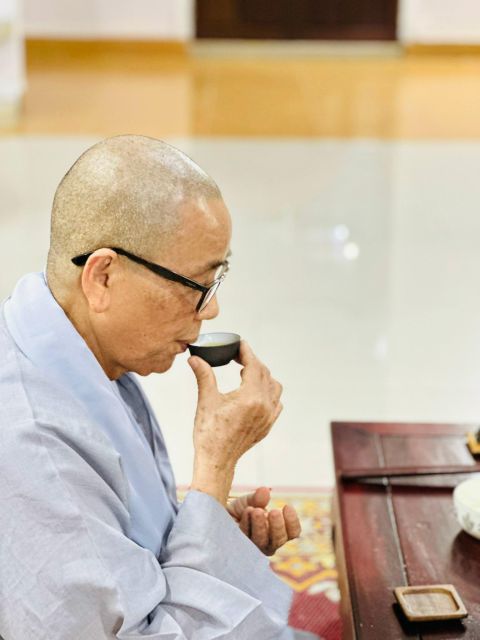
At the pagoda, your guide introduces you to the religious community and explains the role of Buddhism in Vietnam. You hear about the pagoda, meet monks or nuns, and have a chance to ask questions through the English-speaking guide.
This is where the experience becomes more than a tea tasting. You are not simply looking at religious buildings from outside. You are welcomed into a place where Buddhist practice, teaching, and care for children are part of the community’s work.
A particularly moving part of the visit can be seeing the orphan children cared for by the nuns. This detail gives the pagoda a social role as well as a spiritual one. If you choose this tour, it is worth arriving with a respectful attitude and an open mind. The children are not an attraction, and the visit should remain centered on the community’s work and dignity.
You may also want to ask your guide ahead of time how the visit is organized. The supplied details do not specify rules about clothing, photography, or donations. A polite approach is best at any pagoda: dress modestly, follow instructions, and ask before taking pictures.
The conversation with the nuns is one of the strongest reasons to book. Since the guide and translator help bridge the language gap, you can learn more than you might during an ordinary temple visit. At the same time, the precise amount of time available for conversation is not stated, so do not expect a long private discussion with the religious community.
Tea, incense, and a quiet meditation session
After visiting the pagoda, you sit together with a pot of hot tea and begin the meditation practice. The description emphasizes breathing, stillness, and awareness of each breath, with the faint aroma of incense in the background.
You do not need to arrive as an experienced meditator. The guide leads the session, and the basic idea is simple: sit still, breathe, and let your mind settle. That makes it approachable for someone who has never attended a meditation class.
The tea gives the activity a warm, social center. You are not left alone in silence from the moment you arrive. Sharing tea creates a gentle connection between the group and the pagoda community, while the meditation gives the evening a clear purpose.
I would not book this expecting a detailed Buddhist course. The tour includes an introduction to Vietnamese Buddhism and a meditation practice, but no advanced teaching is promised. Think of it as a short guided pause, not a full retreat or a formal religious training session.
You should also plan for a seated activity. The experience asks you to stay still and focus on breathing, so comfortable clothing may help. Because the details do not state how long the meditation lasts or what type of seating is provided, you can ask the operator if you have mobility or comfort concerns.
More Plant-Based Tea Tables around Vietnam:
- Tokyo Vegan Tour : Miso Making, Tea Ceremony, Rickshaw Ride
★ 5.0 · 2 reviews
A vegetarian dinner at a local restaurant
The evening ends with dinner at a local restaurant. The meal is vegetarian, and the guide and helper can give you a crash course in Vietnamese food while you eat.
This is a smart addition to the schedule. Dinner keeps the experience from feeling like a short temple visit followed by an awkward end to the evening. It also lets you try several local flavors in a relaxed setting, with someone available to explain what is on the table.
Do not expect dinner to take place at the pagoda. The supplied schedule places it at a local restaurant, and the wish to eat with the nuns is not part of the confirmed plan. That distinction matters if your main goal is extended time with the religious community.
The meal is also an opportunity to ask questions about Vietnamese food. If you are new to the cuisine, the guide can help explain unfamiliar dishes and eating customs. The food details are not specified in advance, so the exact dishes and restaurant may vary.
Vegetarian food can be a plus even for people who normally eat meat. It fits the Buddhist setting and offers a different side of Hue’s cooking. If you have allergies or strict dietary needs, ask about them before booking, since the available information confirms a vegetarian meal but does not list ingredients or special dietary arrangements.
What the $36 price covers
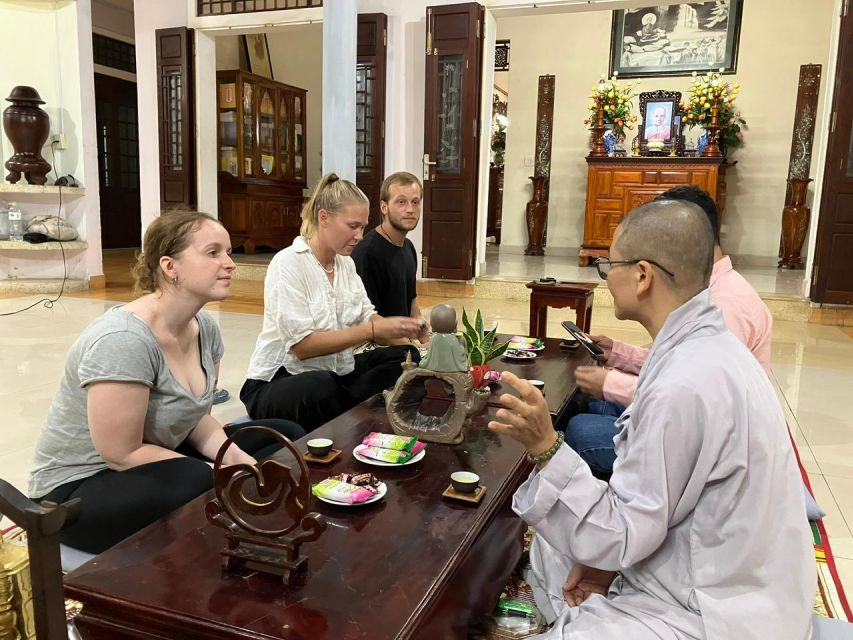
At $36 per person, the tour is priced as an easy evening package rather than just a pagoda entrance visit. You get hotel pickup and return in an air-conditioned vehicle, an English-speaking live guide, bottled water, the pagoda visit, tea and meditation, and a vegetarian dinner.
The value is strongest if you want transport and interpretation included. Booking separate rides, finding a suitable pagoda, arranging a guide, and locating a vegetarian dinner would take more effort and may not give you the same access to the community.
The price is less compelling if you only want to see a pagoda from the outside. Hue has many sights that can be visited independently, and this tour’s cost pays for the guided connection, the organized meditation, and the dinner as much as it pays for transport.
Travel insurance is included, according to the activity details. Personal expenses are not included, so bring money for anything beyond the listed meal, water, and tour arrangements. No extra cost for the tea is stated, but the provider should be able to clarify any optional spending before departure.
Who will get the most from this experience
I would recommend this evening to you if you want a quieter cultural activity after a full day in Hue. It suits people interested in Buddhism, local food, community life, and guided reflection.
It is also a good choice if you prefer an experience with conversation and meaning rather than a large entertainment show. The contact with monks or nuns, plus the chance to learn about children cared for by the pagoda community, gives the evening emotional weight.
Solo visitors may find the guide and group setting especially helpful. Couples and friends can share a calm evening that feels different from a standard restaurant outing. Families should consider the ages and patience of their children, since the meditation requires stillness and the pagoda is a religious setting.
I would hesitate to recommend it if you want a full meal with the monks or nuns, a long religious discussion, or a physically active evening. Dinner is at a local restaurant, not confirmed at the pagoda, and the tour does not promise extended time with the religious community.
The English-language format also matters. You have a live guide in English, and the guide helps translate conversations with the monks or nuns. That makes the experience accessible, but the quality of the discussion will still depend on how much time is available and how many people are in the group.
Practical details before you book
The activity is three hours long, with pickup around 6:00 pm and return close to 9:00 pm. Check the available starting time when booking, since the schedule may vary.
The listed price is $36 per person. The tour includes bottled water, an air-conditioned vehicle, travel insurance, the guide, and the vegetarian meal. Personal expenses are not included.
You can cancel up to 24 hours in advance for a full refund. A reserve-now, pay-later option is also available, which lets you hold a place without paying immediately.
The tour is wheelchair accessible. If you use a wheelchair or have specific seating needs during meditation, contact the provider in advance because the supplied details do not explain the pagoda’s interior layout or the type of meditation seating.
A respectful attitude is more important here than a long packing list. Wear clothing suitable for a religious place, keep your voice low during quiet periods, and ask before photographing people or sacred spaces. These are sensible habits for any pagoda visit, even though specific dress and photography rules are not provided.
Should you book the Hue Tea and Meditation Retreat?
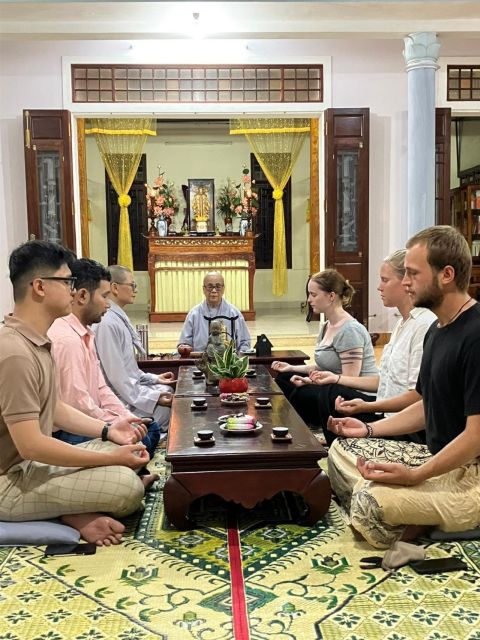
Book it if you want to slow down, meet members of a Buddhist community, and finish the evening with a vegetarian meal and a better understanding of Vietnamese food. The combination of pagoda access, tea, guided breathing, translation, and transport gives the $36 price solid value.
Skip it if you want a busy schedule, extensive sightseeing, or dinner with the monks and nuns themselves. The experience works best when you accept its quiet pace and treat the pagoda as a living place of worship, not just another stop.
For the right visitor, this can become one of the most personal evenings in Hue. You leave the imperial monuments behind for a few hours and make room for tea, conversation, incense, and a little stillness.
FAQ
How long does the Hue Tea and Meditation experience last?
The activity lasts three hours. The planned schedule runs from pickup at about 6:00 pm to return to Hue Center around 9:00 pm.
Where does the tour begin?
An English-speaking guide picks you up from hotels in Hue Center. Check the available starting time when booking.
What activities are included?
The experience includes a pagoda visit, an introduction to Vietnamese Buddhism, tea with meditation and breathing practice, and a vegetarian dinner at a local restaurant.
Is the tour conducted in English?
Yes. The tour has a live English-speaking guide. The guide also helps with translation during conversations with monks or nuns.
Is transportation included?
Yes. An air-conditioned vehicle picks you up and returns you to your hotel in central Hue. Bottled water is also included.
Is the experience wheelchair accessible?
Yes, the activity is listed as wheelchair accessible.
Can I cancel the booking?
Yes. You can cancel up to 24 hours in advance for a full refund. A reserve-now, pay-later option is also available.
Newly steeped around Vietnam
- 3 Hour Vietnam Tea & Egg Coffee Tasting With Train Street★ 5.0 · 2 reviews
- Tea Tour and Ha Giang Loop 4D/3N on Motorbikes★ 5.0 · 4 reviews
- 2 days Ancient Tea Tour and Real Homestay West of Ha Giang★ 5.0 · 2 reviews
- Experience Classy Afternoon Tea At Intercontinental Da Nang★ 5.0 · 2 reviews
- Sapa to Waterfall, Green Tea Farm with motorbike driver★ 4.5 · 2 reviews
- Hoi An: Body Therapy and Local Tea Tasting Experience★ 3.6 · 3 reviews
- Hanoi Eco Tour: Ba Vi National Park Wonders & Tea Plantation★ 4.7 · 7 reviews
- Da Lat: Sunrise Panorama, Green Tea Hill and Strawberry Farm★ 4.0 · 3 reviews
Zen Tea & Meditation Experiences, compared.
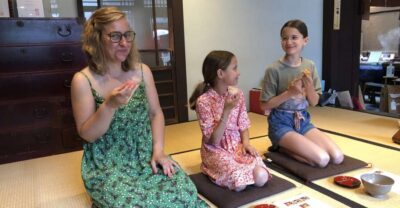
Kyoto: Tea Ceremony Meditation – Make Matcha with Tea Master
Read our review →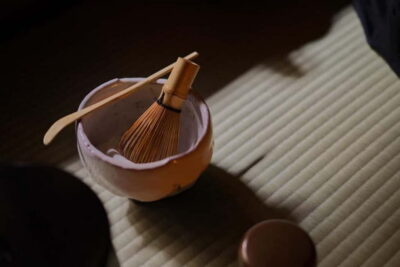
Kyoto: Mindful Tea Ceremony in 100-Year-Old Teahouse
Read our review →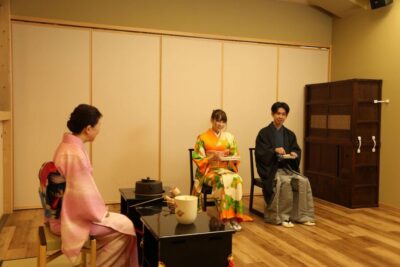
Tokyo: Practicing Zen with a Japanese Tea Ceremony
Read our review →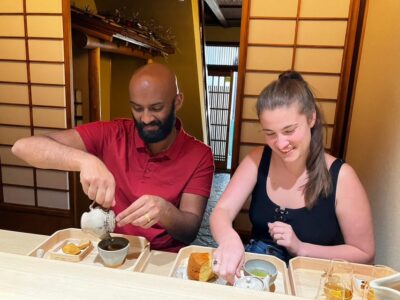
Nara:5 Type of Tea Tasting & Mindful Tea Ceremony
Read our review →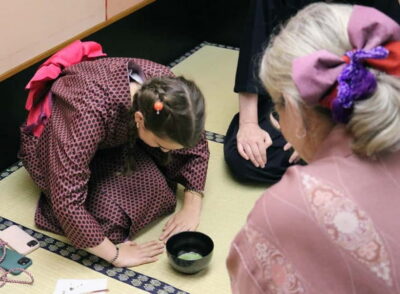
Learn Zen in a class of making Matcha tea near Osaka Castle
Read our review →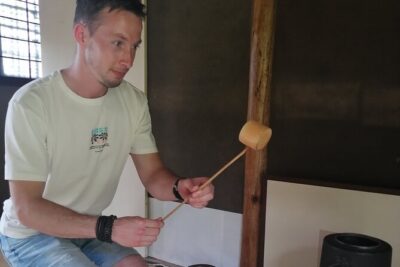
The Art of Mindful Living: Tea Ceremony in Kyoto
Read our review →
Shizuoka Shore Excursion: Zen, Matcha & Calligraphy Shimizu Port
Read our review →
Kyoto Hidden Riverside Zen Mediation and Uji Matcha Experience
Read our review →Browse the lists this tea experience appears in