
Review · DALAT
Tea & Coffee Tour
Dalat’s best flavors begin in the fields. This private outing takes you from the city’s old railway station to Arabica coffee farms and the cool tea hills of Cau Dat, where you can see how local crops are picked, dried, and prepared.
I like two things here: you get both tea and coffee, rather than a single farm visit, and the day adds Dalat’s railway station, Linh Phuoc Pagoda, and Datanla Waterfall. The English-speaking guide is also a real help, especially when explaining coffee processing. The main thing to check is the timing, since the tour is described as five hours in one place but runs from about 8:30 am to 4:30 pm in the detailed schedule.
Key points to know before booking
- Arabica from field to cup: See coffee picking, sorting, drying, and milling, then taste coffee with an explanation of Dalat’s coffee culture.
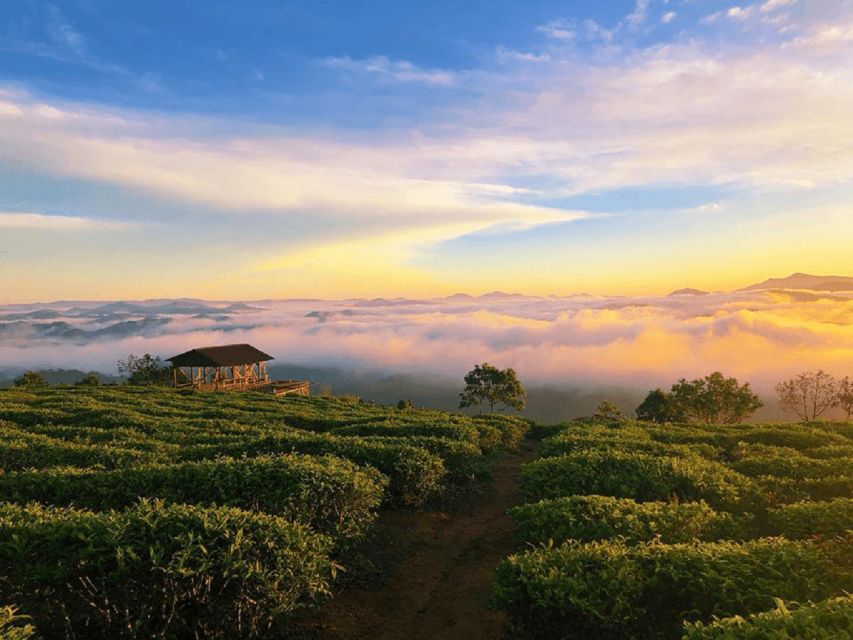
- Cau Dat’s tea-growing hills: Walk or stop among tea plants and watch tea pickers at work, with the giant turbine as a distinctive local sight.
- A private day for up to two people: The $128 price covers a private group of one or two, guide, vehicle, entrance fees, and bottled water.
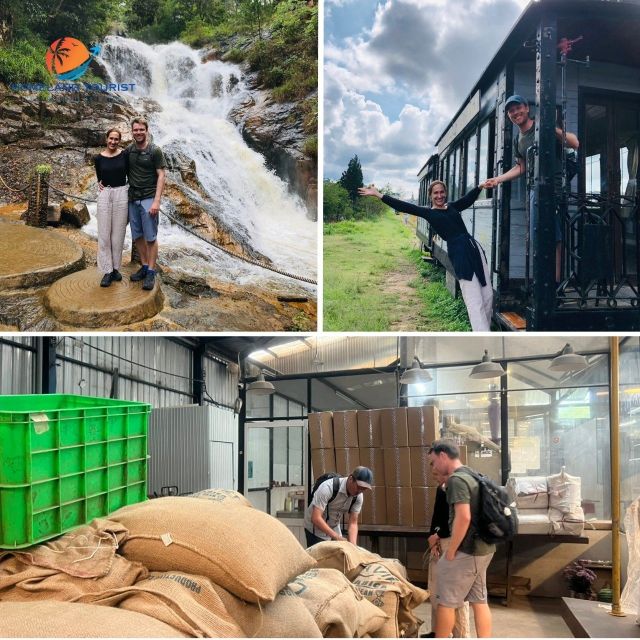
- Dalat’s unusual railway station: See French-era architecture, an old Japanese steam locomotive, and the railway’s distinctive cog system.
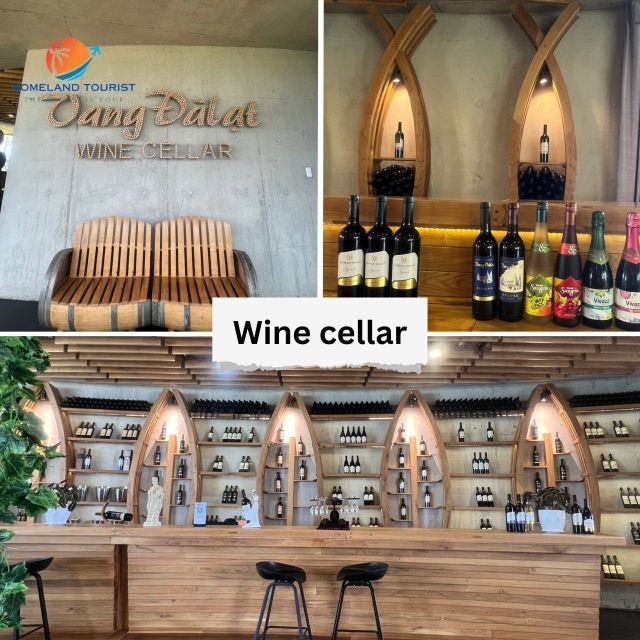
- Two cultural stops in one day: Linh Phuoc Pagoda is built with glass, pottery, and porcelain fragments, while the winery or Tea Museum adds a food-and-drink focus.
- A useful timing question: Confirm the exact schedule and whether lunch is included before you go, since lunch costs an extra $10 per person.
Why the coffee and tea focus works
Dalat is often treated as a cool-weather escape from Vietnam’s hotter cities, but its farms give the region much of its character. This tour puts the crops first. You are not simply handed a cup and told it is local. You get an outline of the work behind it, from the coffee plant to the finished drink.
The coffee section is especially practical. Your guide explains the picking of beans, selection in the field and factory, drying, and milling. The schedule refers to Arabica instant coffee, with its own fragrance and flavor. That matters because it gives you a way to compare what you taste with how it was made.
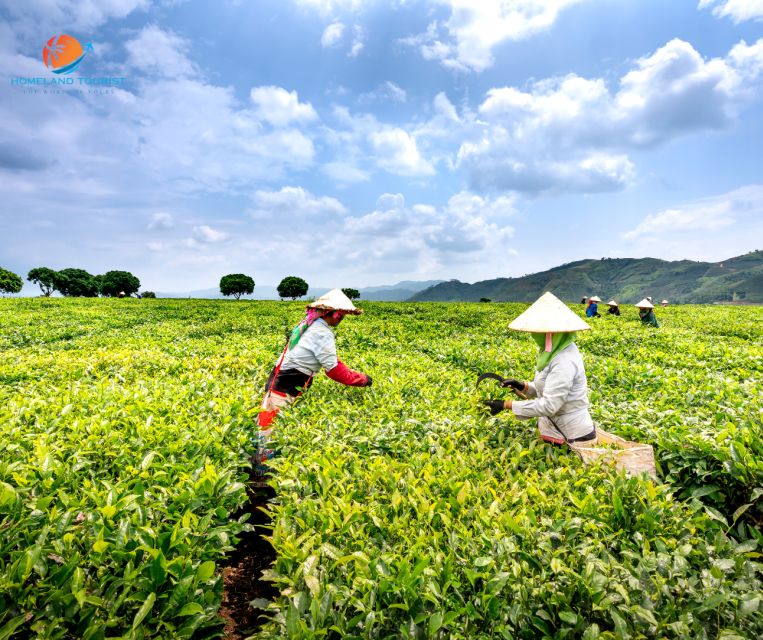
The tea side has a different rhythm. Cau Dat’s tea plantations spread across curving green hills, and the sight of tea pickers in colorful clothing gives the stop a human scale. You get a look at a working agricultural area, not just a tasting counter.
I like this combination because tea and coffee are easy to enjoy without specialist knowledge. You can ask simple questions, taste the results, and leave with a better idea of why Dalat’s drinks are part of its identity. If you want a long technical coffee workshop, this is not that. It is a broad introduction mixed with sightseeing.
More Tea Experiences around Vietnam:
- Coffee – Wine – Tea Da Lat’s Agricultural Treasures Tour
★ 4.8 · 63 reviews - Huong River Afternoon Tea Cruise Tour Along Hue City
★ 5.0 · 14 reviews - Vietnam Tea Tasting – Giang Egg Coffee & Train Street Visit
★ 5.0 · 10 reviews
Starting at Dalat Railway Station
Pickup is scheduled for 8:30 am from your hotel or another location in central Dalat. The first stop is Dalat Railway Station, an old French-built station with an atmospheric, early railway feel.
The visit includes the station’s French architectural details, an old Japanese steam locomotive, and the unusual cog railway technology associated with the line. This is a good opening stop because it gives you a quick sense of how Dalat developed as a mountain retreat and transport center.
You will want to allow time for photographs here, but the station is not the main subject of the day. Its value is as a compact historical stop before the vehicle heads toward the plantations. If you are mainly interested in trains, the tour may feel too brief. If you want a varied day, it fits well.
The private vehicle also helps at this point. You do not need to organize separate rides between a city attraction and the rural stops near Cau Dat. That convenience is part of what you are paying for.
Following Arabica from plant to mill
The drive toward Cau Dat brings the tour into coffee-growing country. The guide uses the plantation visit to explain several stages of production:
- Picking coffee cherries
- Selecting coffee at the field and factory
- Drying coffee seeds
- Milling the seeds
- Producing Arabica instant coffee
This is the most educational part of the day. You can see the plants in their growing setting and then connect them to the processing steps that shape the final taste. The guide’s English is described as very good, which is important here. Coffee production involves several unfamiliar terms, and clear explanations make the visit more useful.
Do not expect a full-scale industrial tour unless the operating details allow it. The supplied schedule says you will understand the process at the plantation and factory, but it does not promise a long factory visit or a hands-on roasting class. Think of this as an introduction to the chain of production.
The visit also gives you a better basis for the final coffee stop. You can ask about aroma, drying, milling, and the difference between farm work and the drink in your cup. That is a better souvenir than buying coffee without knowing what makes it local.
Cau Dat tea hills and the giant turbine
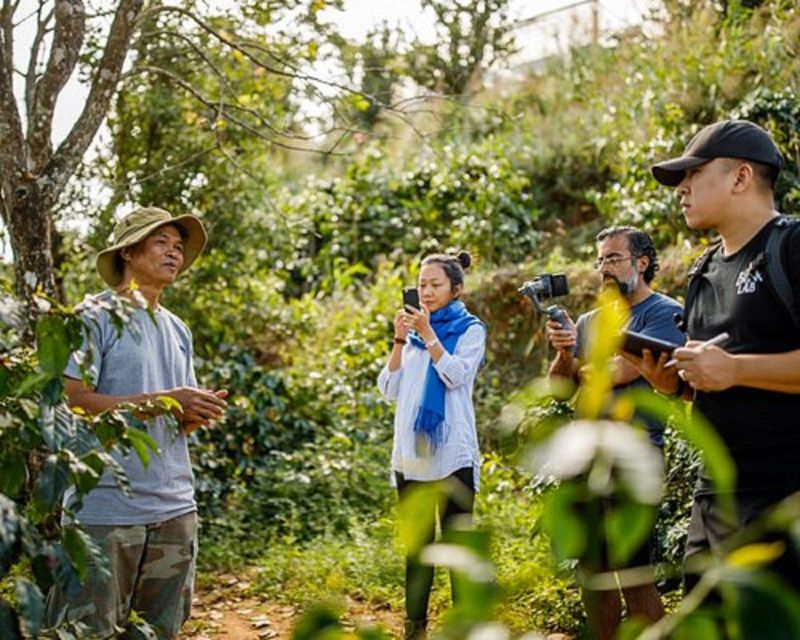
Cau Dat is the visual centerpiece of the morning. The tea plantations run over rolling, curved hills, with rows of plants creating broad green patterns. The schedule also calls out a giant turbine, an unusual feature that gives the stop a memorable landmark.
Tea pickers in colorful clothing add movement to the scene, though you should remember that this is a working plantation rather than a staged show. The exact amount of walking is not specified, so wear shoes that are comfortable for outdoor stops and be prepared for uneven ground.
This is a good place to slow down. The coffee visit explains a process. The tea plantation lets you look at cultivation on a larger scale. You can compare the tidy rows of tea with the different shape and feel of coffee-growing areas.
The tour does not specify a formal tea-picking activity, so you should not book it expecting to harvest leaves yourself. Its strength is observation, explanation, and tasting rather than farm labor.
Same leaf, a different ritual:
- Tea & Coffee Experience
★ 5.0 · 10 reviews - Hue Retreat: Tea and Meditation with Vegetarian Meal
★ 5.0 · 9 reviews - Hanoi Eco Tour: Ba Vi National Park Wonders & Tea Plantation
★ 4.7 · 7 reviews - Ho Chi Minh City: Vietnamese Lotus Tea Culture Experience
★ 5.0 · 5 reviews
Choosing between wine and the Tea Museum
One part of the morning depends on opening hours. You visit either the Dalat wine winery and showroom or the Tea Museum, not both.
At the winery, you learn how wine is produced and taste the wine. This gives the day another local food-and-drink angle, although the schedule warns that the stop depends on the factory being open. Ask your guide early in the day which option is available so you know what to expect.
The Tea Museum offers a more direct extension of the Cau Dat plantation visit. It may suit you better if tea is the main reason you booked, while the winery gives you a wider look at Dalat’s local drinks. Since only one place is included, this is an important point for anyone comparing tours.
Neither option should be treated as guaranteed without checking the opening time. The flexible arrangement is sensible, but it means the final morning plan can change.
Linh Phuoc Pagoda’s fragment-covered design

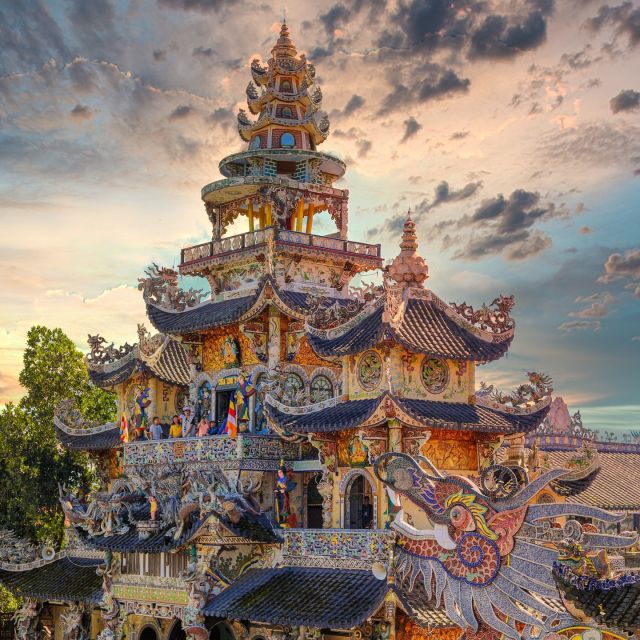
Linh Phuoc Pagoda is one of Dalat’s most distinctive cultural stops. Its decoration uses broken glass, pottery, and porcelain fragments to create colorful patterns. The craftsmanship is the attraction here, with small pieces forming large decorative surfaces.
The pagoda also contains a Guan Yin statue made from Vietnamese flowers, described as an extraordinary feature of the site. Another unusual detail is the 49-meter dragon, whose fin is covered with fragments from 50,000 beer bottles.
This is not a quiet, bare temple visit. The visual style is elaborate and packed with small details. I would give yourself time to look closely instead of treating the pagoda as a quick photograph stop. The guide can help put the architecture into context, though the supplied information does not provide the guide’s name or a detailed religious commentary.
The stop works well after the plantations because it changes the subject completely. You move from crops and machinery to craft, devotion, and recycled materials. If you prefer simple historic buildings, the pagoda may feel highly decorated. If you enjoy unusual construction, it is one of the day’s strongest stops.
Datanla Waterfall after lunch
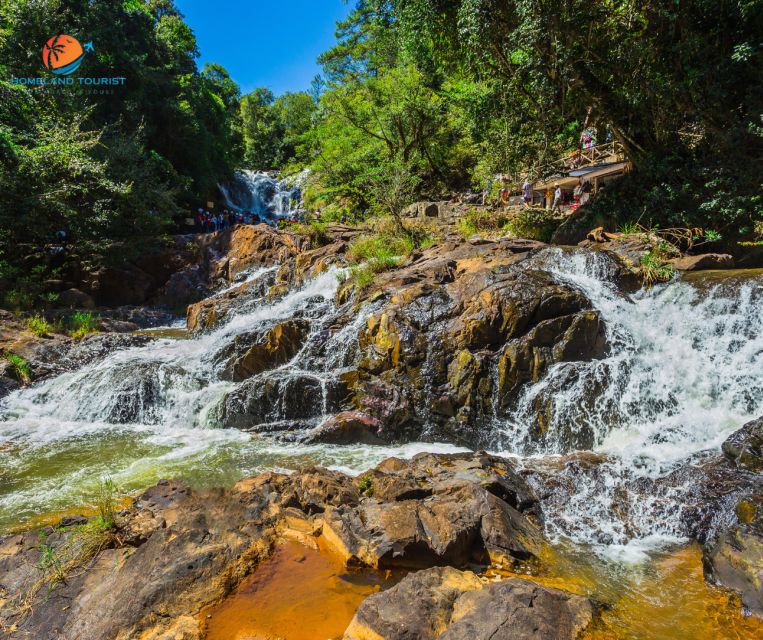
The afternoon includes Datanla Waterfall, where you see one of Dalat’s notable natural attractions. The schedule describes the waterfall as imposing and pairs it with a chance to discover the surrounding nature.
The tour does not specify which optional activities are available at the waterfall, so you should expect sightseeing rather than assume a particular ride or adventure. Take care with timing here, since the stop comes after lunch and the day still ends at a coffee shop.
Lunch is not included. It costs an additional $10 per person if you choose to arrange it through the tour. A meal break matters on a full day with several stops, so confirm how it will be handled when booking. You may also prefer to choose your own food rather than use the arranged option.
The waterfall is a useful change of pace. After a morning of explanations and cultural sites, you get open air and moving water. Its appeal depends partly on your expectations. It is a sightseeing stop within a busy day, not a long nature walk.
Finishing with coffee in Dalat
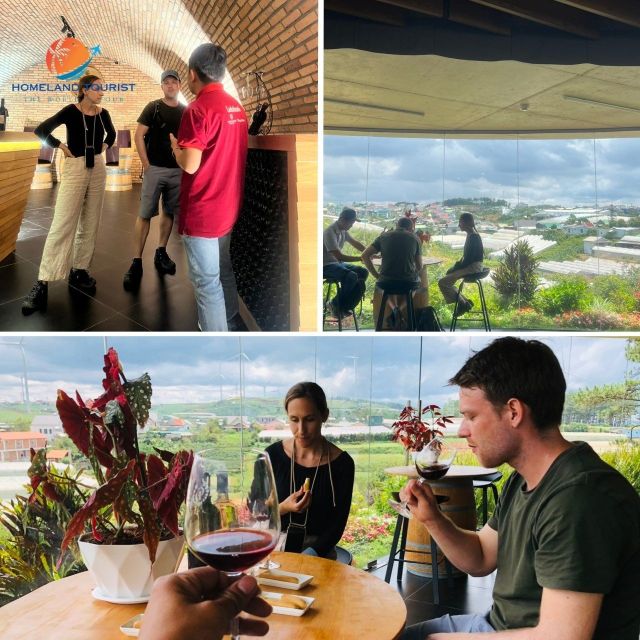
The final stop is a coffee shop, where you can enjoy a cup while the guide explains more about Dalat coffee and shares the local coffee story. This is where the earlier plantation visit comes together.
I like the order. Tasting coffee at the end gives you information to think about, rather than starting with a drink before you know anything about the crop. You can ask questions about the flavor, the processing, and the relationship between the plantation and the finished cup.
The day ends at about 4:30 pm according to the detailed schedule. That is a substantial day, especially with the morning pickup, rural drives, cultural sites, waterfall, lunch, and final tasting. It is worth confirming the exact length because the tour is also described elsewhere as lasting five hours. That may reflect a shortened schedule or a separate availability setting.
What the $128 price includes
The price is $128 per private group of up to two people, not $128 per person. For a couple or two friends, that works out to $64 each before lunch. For one person, it is a less attractive deal because the same group rate applies.
The package includes:
- An English-speaking guide
- A private vehicle
- Entrance fees and tourist permits
- Bottled water
- A voucher for Homeland Tourist’s BBQ restaurant
- A 5 percent discount on a second booking with the company
The private vehicle and guide are the main value. You can move between central Dalat, Cau Dat, the pagoda, and the waterfall without arranging separate transport. You also get a day shaped around your small group rather than a large coach.
Lunch is extra at $10 per person. Personal major medical and evacuation insurance is not included, and insurance is recommended. The BBQ voucher may be useful, but the information does not specify its value or exactly what it covers, so ask before counting it as part of your meal budget.
Free cancellation is available up to 24 hours before departure, and you can reserve now and pay later. Those terms are useful if your Dalat plans may change, but the key practical question remains the schedule. Confirm whether your booking is the five-hour version or the longer 8:30 am to 4:30 pm program.
Who will get the most from this outing
I would choose this tour if you want several sides of Dalat in one day: food production, rural scenery, architecture, religion, a waterfall, and a final tasting. It suits couples and friends particularly well because the private price is shared by up to two people.
It also works for first-time visitors who want a guide to connect the stops. The coffee and tea explanations give the day a clear theme, while the railway station, pagoda, and waterfall prevent it from becoming a single-subject farm trip.
You may want something else if you prefer a slow plantation stay, serious wine tasting, or a long hike. The schedule is full, the winery and Tea Museum are alternatives, and lunch is not built into the price. People who dislike switching between many stops may find the day too packed.
The guide’s English is an important plus. You should still ask questions as you go, especially at the coffee plantation and the final café. The more you engage, the more useful the farm visits become.
Should you book the Tea and Coffee Tour?
Book it if you want a private, efficient introduction to Dalat’s coffee and tea country, with several major sights added around it. The best reasons are the field-to-cup coffee explanation, the Cau Dat tea hills, and the small-group vehicle with an English-speaking guide.
Before paying, confirm the exact duration, the lunch arrangement, and whether the winery or Tea Museum will be open. If those details suit your plans, $128 for up to two people is fair value for a full private day with transport, entrance fees, water, and a guide.
Skip it if you want to spend most of the day at one plantation or need a guaranteed winery visit. For everyone else, this is a practical way to see how Dalat grows, makes, and serves its favorite drinks while fitting in some of the city’s most distinctive sights.
FAQ
Where does the Tea and Coffee Tour take place?
The tour takes place in and around Dalat in Central Vietnam. Stops include the French Quarter area, Dalat Railway Station, Arabica coffee plantations, Cau Dat tea plantations, Linh Phuoc Pagoda, Datanla Waterfall, and a coffee shop.
How much does the tour cost?
The price is $128 per private group of up to two people.
How long does the tour last?
The activity information states five hours, while the detailed schedule runs from about 8:30 am until 4:30 pm. Confirm the exact duration and starting time when checking availability.
What time does pickup begin?
The detailed schedule gives an 8:30 am pickup from your hotel or another location in central Dalat.
Is hotel pickup included?
Yes. Pickup is included from your hotel or another place in the Dalat center. You should wait in the hotel lobby 10 minutes before the scheduled pickup.
Is the tour private?
Yes. It is a private group tour for up to two people.
Is lunch included?
No. Lunch is not included. It can be added for $10 per person if desired.
Which languages are available?
The tour is conducted in English with a live English-speaking guide.
Do I visit both the Dalat winery and Tea Museum?
No. The schedule offers one of these two places, depending on opening hours and timing.
What is included in the price?
The price includes an English-speaking guide, private vehicle, entrance fees, tourist permits, bottled water, a BBQ restaurant voucher, and a 5 percent discount on a second booking with Homeland Tourist.
Newly steeped around Vietnam
- 3 Hour Vietnam Tea & Egg Coffee Tasting With Train Street★ 5.0 · 2 reviews
- Tea Tour and Ha Giang Loop 4D/3N on Motorbikes★ 5.0 · 4 reviews
- 2 days Ancient Tea Tour and Real Homestay West of Ha Giang★ 5.0 · 2 reviews
- Experience Classy Afternoon Tea At Intercontinental Da Nang★ 5.0 · 2 reviews
- Sapa to Waterfall, Green Tea Farm with motorbike driver★ 4.5 · 2 reviews
- Hoi An: Body Therapy and Local Tea Tasting Experience★ 3.6 · 3 reviews
- Hanoi Eco Tour: Ba Vi National Park Wonders & Tea Plantation★ 4.7 · 7 reviews
- Da Lat: Sunrise Panorama, Green Tea Hill and Strawberry Farm★ 4.0 · 3 reviews
Dalat Tea Tours, compared.
Coffee – Wine – Tea Da Lat’s Agricultural Treasures Tour
Read our review →
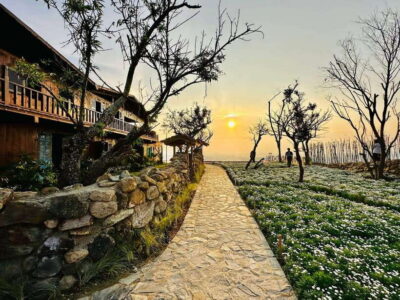
Da Lat: Sunrise Panorama, Green Tea Hill and Strawberry Farm
Read our review →Browse the lists this tea experience appears in