
Review · SHANGHAI
Shanghai Mahjong Experience in Local Tea Bar
Shanghai Mahjong is best understood around a table, not behind a museum display. In a local tea bar near the Former French Concession, Jenny and her friends show you how the tiles work, explain the game’s place in Chinese social life, and let you try the automatic tables used in modern play. No previous Mahjong knowledge is needed, and English translation keeps the lesson on track.
I like the small, private setting, where only your group takes part, and I like the mix of instruction and actual play. The printed handout mentioned by participants is useful when the rules begin to pile up. The main drawback is the price: at $95 per person for about three hours, this costs more than a casual tea stop or ordinary sightseeing walk.
What makes this Shanghai Mahjong experience special
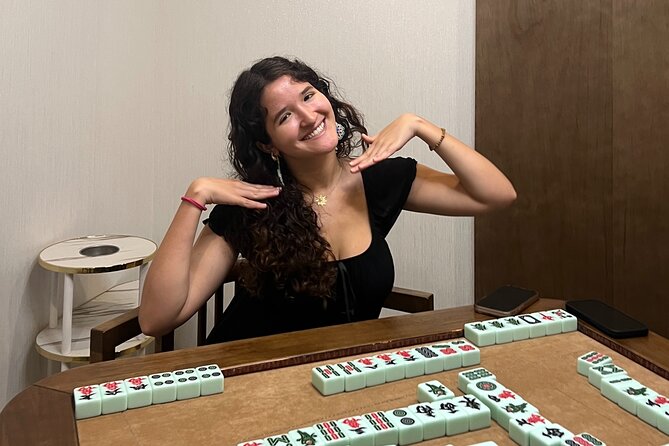
- A real neighborhood tea bar: You meet at 327 Shanxi South Road, in Shanghai’s Former French Concession, rather than at a large tourist venue.
- Jenny and local friends lead the session: Their role combines Mahjong teaching, English translation, and conversation about Chinese leisure life.
- Beginners can start from zero: The class covers rules, strategy, and techniques before you play.
- Automatic Mahjong tables add a modern touch: You get to see how machines shuffle and set up the tiles for play.
- The class is both social and practical: You do not only hear about Mahjong. You handle the tiles and play with a Mahjong master.
- Tianzifang is nearby for a follow-up walk: The class ends at the meeting point, but you can continue exploring the Former French Concession afterward.
Meeting Jenny in the Former French Concession
The experience begins at 327 Shanxi South Road, Huangpu District, in Shanghai’s Former French Concession. The setting matters. You are not being taught in a hotel conference room or a staged cultural center. You enter a local Chinese tea bar in an ordinary neighborhood, where Mahjong fits naturally into the surroundings.
The meeting point is near public transportation, which makes it practical to reach from other parts of central Shanghai. The activity lasts about three hours and returns to the same place at the end. That makes it easy to pair with another nearby plan, such as a walk around Tianzifang after the lesson.
Jenny leads the class with help from local friends. English translation is provided, so you can ask questions as the game becomes more detailed. One useful touch is the instruction sheet available during the lesson. You can refer back to it instead of trying to remember every term from a single explanation.
Because this is a private activity, only your group participates. That is a real advantage if you are traveling with family or friends and want to ask basic questions without feeling rushed. It also means the experience depends on the size and energy of your own group. A small group may feel relaxed and conversational, while a larger private booking may create a livelier table.
More Tea Experiences around China:
- One-Day Hangzhou Dragon Well Tea Culture & West Lake Private Tour
★ 5.0 · 98 reviews - Traditional Chinese Tea Ceremony Experience
★ 4.7 · 74 reviews - Beijing Culture: Tea Ceremony, Heritage Instrument & Calligraphy
★ 5.0 · 57 reviews
Learning the tiles before you play
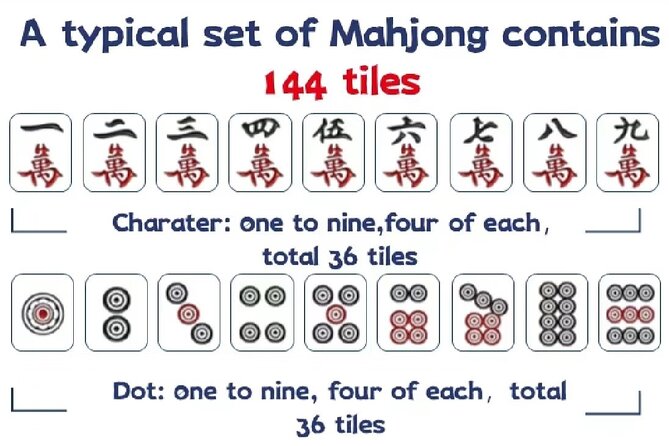
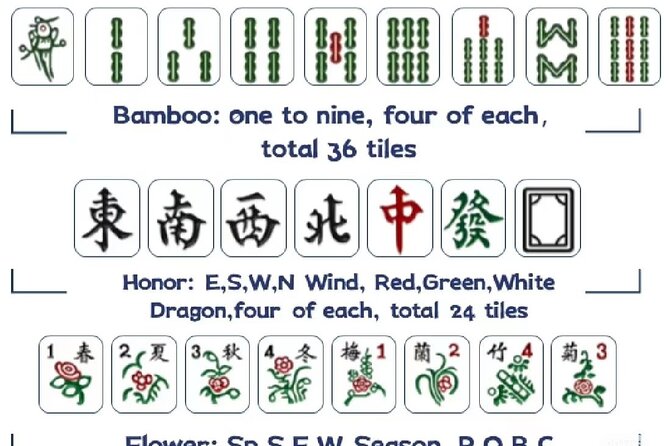
The first part focuses on the basic rules. You learn what the tiles represent, how a hand is built, and how turns work. The instructor also explains strategy and techniques, so the class is not limited to memorizing a few legal moves.
Mahjong can look confusing at first because several things happen at once. You are watching the tiles in your hand, tracking what other players discard, and trying to form a winning combination. English translation helps here, especially when the instructor explains why a move matters rather than simply telling you which tile to pick.
I would not worry about arriving with any background in Mahjong. The class is designed for complete beginners, and the basic instruction comes before the hands-on play. If you already know the game, you can use the session to compare your understanding with Shanghai-style play and ask about local customs.
A handout is especially helpful for first-time players. You can use it as a quick reference while playing, when the rules are harder to follow than they seemed during the explanation. Bring patience rather than preparation. The point is to learn by taking part.
Trying an automatic Mahjong table
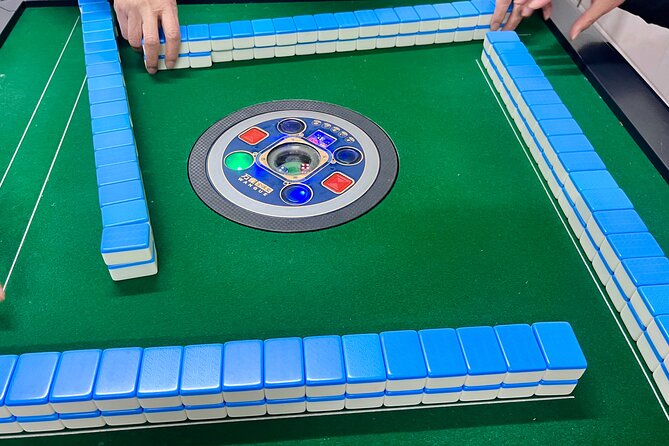
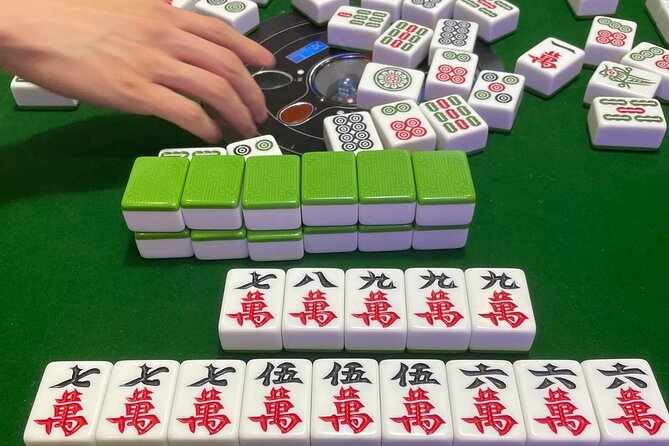
One of the most interesting parts is the chance to use an electronic Mahjong table. These machines are common in casual and competitive play in China, and they change the feel of the game. Instead of manually mixing and stacking the tiles, the table handles much of the setup.
For someone visiting Shanghai, this is a small but useful piece of everyday technology. It shows how a traditional social game has adapted to modern homes, clubs, and tea rooms. You are not only learning an old pastime. You are seeing how people play it today.
The machine also leaves more time for the game itself. Once the table is operating, you can concentrate on your hand, the other players, and the rhythm of the game. The instructor can explain what is happening as you go, which makes the equipment less intimidating.
Do not expect the table to remove the learning curve. Automatic setup makes the mechanics easier, but Mahjong still requires attention. You will need to follow the rules, notice discarded tiles, and make choices. That is why the lesson and translator matter more than the machine alone.
Playing with a Mahjong master
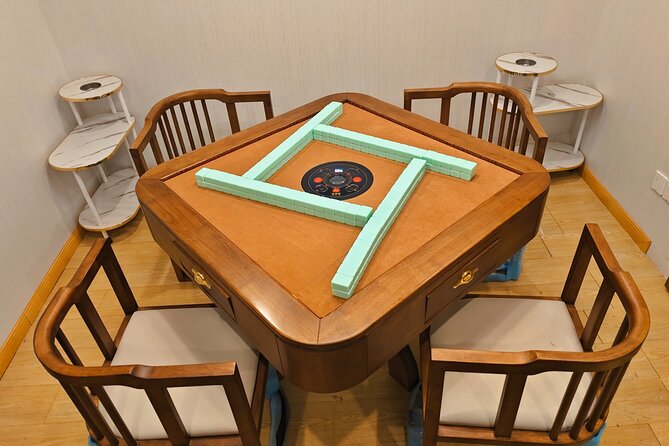
After the basic teaching, you get to play. This is where the experience earns its place on a Shanghai itinerary. Mahjong makes more sense once the tiles are in front of you and you have to make a decision.
The instructor and local friends guide the game, so you are not left alone with a stack of unfamiliar tiles. You can ask for clarification during play and see how strategy works in a real hand. The pace should feel more forgiving than a serious tournament, though the exact rhythm will depend on your group.
I like this part because Mahjong is also a social language. The game creates a reason to sit together, watch one another, talk, and share time. Learning in a local tea bar gives the lesson more meaning than simply studying a rule sheet.
The cultural value comes through the setting and conversation. You learn why Mahjong remains a beloved leisure activity in China and how it fits into ordinary social life. The class does not turn you into an expert in three hours, but it gives you enough structure to understand why the game has such staying power.
Same leaf, a different ritual:
- Tea Tasting and Pairing Concept Workshop
★ 5.0 · 57 reviews - Biking Real Shanghai& Tea Tasting Experience
★ 4.5 · 45 reviews - Tea Village in lost Town and Buddha 1 day tour
★ 5.0 · 32 reviews - Authentic Hangzhou Longjing Tea Culture Experience Tour
★ 5.0 · 32 reviews
Tea bar atmosphere, with drinks paid separately
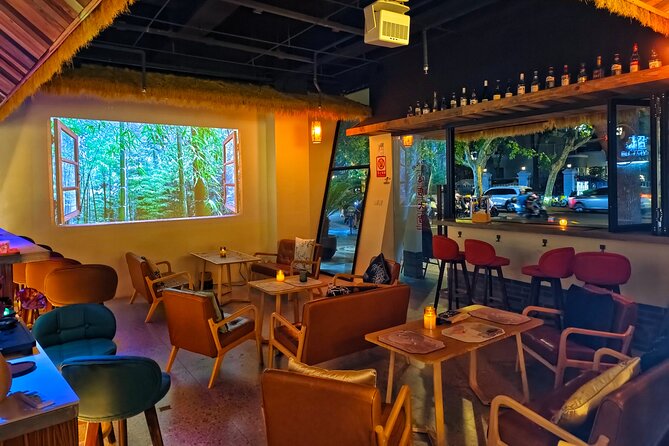
The tea bar is part of the appeal, but you should read the inclusions carefully. The venue is a local Chinese tea bar, yet tea, coffee, alcohol, and other drinks are not included in the price.
That is not a serious problem, but it affects the final cost. If you expect the $95 fee to cover a tea service as well as the lesson, you may be surprised. Ask about ordering and payment at the venue if you want a drink during the session.
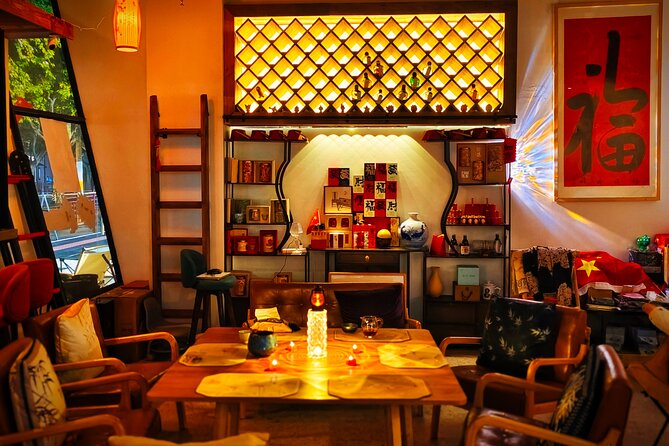
The setting still adds something even without a drink included. You are learning in a place connected to local leisure rather than in a formal classroom. On a drizzly afternoon, the cozy interior can make the three-hour lesson feel like a welcome pause from Shanghai’s streets.
I would treat the tea bar as the backdrop and the social setting, not as a separate tasting activity. If sampling Chinese tea is your main goal, this is not the right tour. If you want to learn Mahjong in a relaxed local room, it fits much better.
Continuing toward Tianzifang afterward
The official activity ends back at the Shanxi South Road meeting point. You are not dropped at another attraction, and no sightseeing walk is included in the three-hour session.
Still, the location gives you an easy way to extend the outing. Tianzifang is nearby and is suggested as a place to walk after class. You can use the rest of the afternoon to explore the Former French Concession rather than crossing the city for your next stop.
This pairing works well because the two activities offer different views of Shanghai. Mahjong shows you a social pastime and a local indoor setting. A walk through the surrounding area lets you continue seeing the streets, lanes, and shops of the old concession district.
Keep the timing in mind when planning. The class lasts about three hours, and the finish time depends on the agreed start time. If you have a fixed restaurant reservation or another ticketed attraction, allow some breathing room.
Is $95 a fair price?
At $95 per person, this is not a budget activity. You are paying for a private three-hour session, an experienced instructor, English translation, printed guidance, use of an electronic table, and direct time playing with a Mahjong master.
That can be good value if you want a personal cultural lesson rather than a quick demonstration. A private format lets you ask questions and learn at your own pace. The English support also matters because Mahjong terms and scoring can be difficult to follow without help.
The value is weaker if you only want to see the tiles or take a few photographs. The class is built around learning and participation. You should be ready to spend most of the time listening, practicing, and playing.
Group discounts are available, so the price may work better for a family or group of friends than for one person booking alone. Since drinks are extra, include that in your budget. The free cancellation policy also gives you some flexibility: cancel at least 24 hours before the start time for a full refund.
Who should book this activity?
I would recommend it most to curious first-time visitors who want something beyond Shanghai’s major sights. It is also a strong choice for couples, families, and friends who enjoy learning a game together.
You do not need to be a Mahjong fan. In fact, complete beginners may get the most from the instruction because the class starts with the basics. People who already play can still benefit from the local setting, the automatic table, and the chance to discuss Chinese styles of play.
This may not suit you if you dislike structured activities or want a short stop between attractions. Three hours is a substantial commitment, and the price requires real interest. It is also not a tea-tasting tour, since drinks are not included.
The activity is accessible to most participants, and it is near public transportation. Confirmation is received at booking, and mobile tickets are available. Since the experience is private, you can focus on your own group rather than adjusting to strangers.
My booking advice
Book this Shanghai Mahjong experience if you want a friendly lesson with cultural context, English help, and real time at the table. The strongest features are the local tea bar, Jenny’s patient instruction, the useful handout, and the chance to use an automatic Mahjong machine.
Think twice if your main aim is inexpensive sightseeing or a formal tea ceremony. At $95, this is a specialist experience, but it gives you something most Shanghai itineraries do not: a seat at a local game and a practical look at how people spend social time together.
If you do book, leave room afterward for a walk near Tianzifang. That simple combination gives you an indoor lesson, a local neighborhood setting, and more time in the Former French Concession without adding a second major excursion.
FAQ
Where does the Mahjong experience begin?
It begins at 327 Shanxi South Road, Huangpu District, Shanghai, China, postal code 200031.
Where does the activity end?
The activity ends back at the meeting point on Shanxi South Road.
How long does the experience last?
It lasts about three hours.
How much does the experience cost?
The listed price is $95 per person.
Is the activity suitable for beginners?
Yes. No prior Mahjong knowledge is needed, and the instruction covers the basics, rules, strategy, and techniques.
Is English assistance available?
Yes. A professional English guide or translator provides language support during the class.
Will I play Mahjong or only watch a demonstration?
You will take part in hands-on play with a professional Mahjong master and have use of an electronic Mahjong table.
Are drinks included?
No. Alcoholic drinks, tea, coffee, and other beverages are not included.
Is this a private activity?
Yes. Only your group participates in the activity.
Can I cancel for a full refund?
Yes, if you cancel at least 24 hours before the experience start time. Cancellations made less than 24 hours in advance are not refunded, and changes within that period are not accepted.
Newly steeped around China
- Full-day Tour: Spectacular Sunrise, Tea Plantation & Sunset★ 5.0 · 3 reviews
- Unlock Chinese Tea: Culture, Science, Tasting & Hands-on Brewing★ 5.0 · 12 reviews
- Chinese Tea Ceremony Experience★ 5.0 · 3 reviews
- Private Tour Hangzhou West Lake and Tea Fields Discovery★ 5.0 · 3 reviews
- Hangzhou West Lake and Tea Plantation Half Day Tour★ 5.0 · 4 reviews
- Private Hangzhou Day Tour to West Lake, Lingyin Temple, Tea Village, Old Pagoda★ 5.0 · 17 reviews
- Half-Day Hangzhou Private Tour with Green Tea Village and Lingyin Temple★ 5.0 · 3 reviews
- Half-Day Hangzhou Tianzhu Buddhist Mountain Hiking Tour with Green Tea Village★ 5.0 · 2 reviews
China Tea Tours, compared.

One-Day Hangzhou Dragon Well Tea Culture & West Lake Private Tour
Read our review →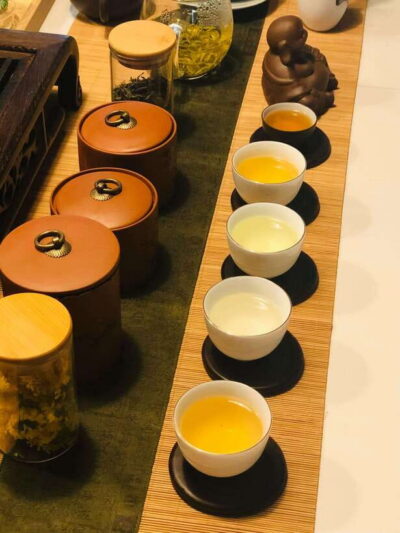
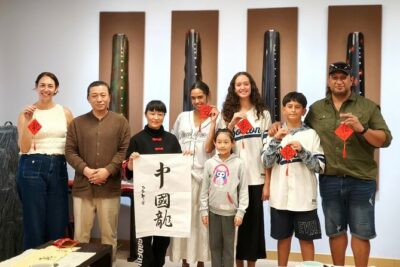
Beijing Culture: Tea Ceremony, Heritage Instrument & Calligraphy
Read our review →


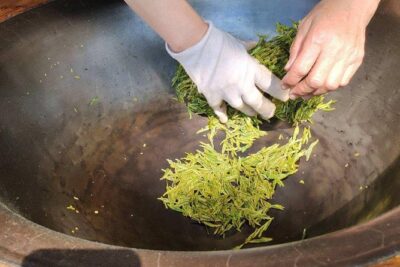
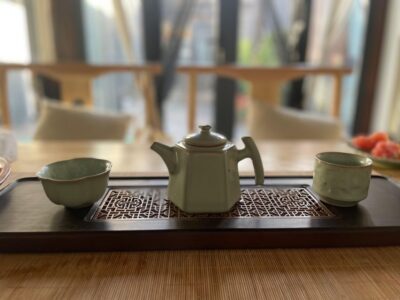
Chinese Tea ceremony in Beijing Hutong courtyard
Read our review →Browse the lists this tea experience appears in