
Review · BEIJING
Traditional Chinese Tea Ceremony Experience
China’s tea culture comes alive in the small details here: warming the teapot, smelling dry leaves, measuring water temperature, and judging the right steeping time. This is not simply a tasting. It is a quiet lesson in respect, harmony, and mindfulness, led by an English-speaking tea master.
I like two things right away. You taste several styles, including green tea, Oolong, Pu-erh, jasmine tea, and flower tea, rather than being handed one cup and sent on your way. I also like the modest price, about $9 per person, which makes this an easy cultural stop after the Forbidden City or during a free afternoon. The main catch is that transportation is not included, the meeting point can vary, and the experience may last anywhere from 30 minutes to three hours depending on the option you book.
Key points to know before you book
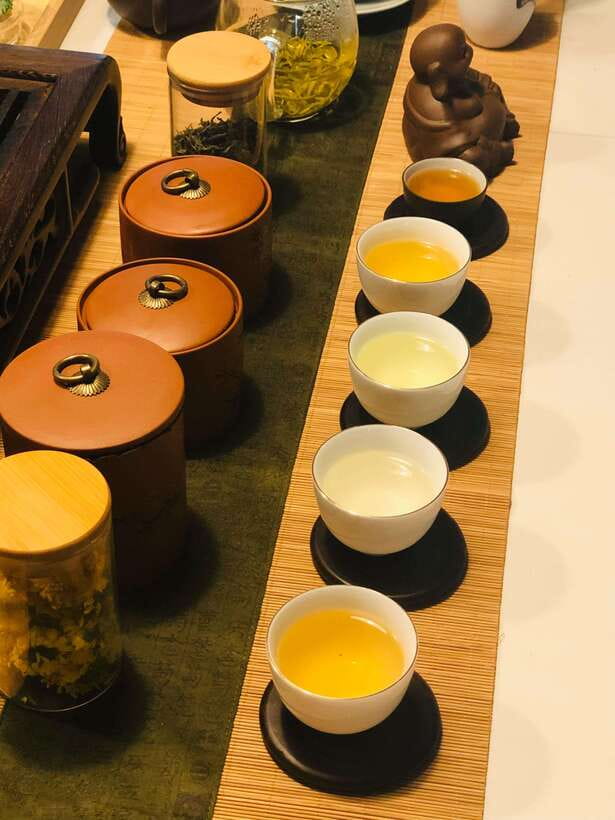
- Five mini cups are included, giving you a useful first taste of several Chinese tea styles.
- The tea-making ritual matters, with attention given to leaf quality, water temperature, steeping time, and pouring.
- English-speaking hosts explain the ceremony, with Richard Li and Feye receiving especially warm praise for friendly, clear service.
- Tea shopping comes afterward, but anything you buy is extra and should be treated as optional.
- The $9 starting price is excellent value for a short cultural activity, though longer options may cost more.
- Children under seven and pregnant women are not accepted, so check your group before booking.
Why this ceremony is worth your Beijing afternoon
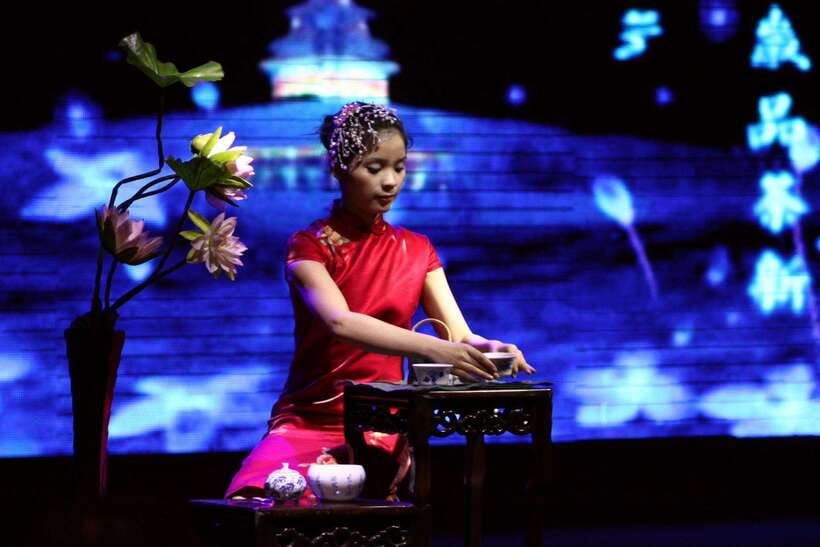
Tea is one of the easiest ways to meet Chinese culture at a human scale. You are not standing in front of a monument trying to absorb centuries of information. You are watching someone perform a careful daily art, then trying the result yourself.
The ceremony treats tea as more than a beverage. The host shows how the pot is warmed, how the leaves are handled, and how each small pour is made. You learn that water temperature and steeping time can change a tea’s character. That practical lesson gives you something to notice in tea shops and restaurants for the rest of your trip.
I also like the pace. Beijing can be loud, crowded, and demanding. A seated tea ceremony gives you half an hour or more to slow down. It suits an afternoon when your feet need a rest but you still want to do something distinctly Chinese.
The activity has a 4.7 rating from 74 bookings, and the strongest praise centers on the same points: friendly hosts, fluent English, good explanations, and a pleasant tea house setting. Richard Li is repeatedly singled out for being helpful and easy to understand. Feye is praised for her humor and clear knowledge of Chinese tea. Kostya has also hosted a Russian-speaking ceremony.
More Chinese Tea Ceremonies in China
- Chinese Tea ceremony in Beijing Hutong courtyard
★ 4.7 · 26 reviews - Traditional Chinese Tea Ceremony Experience
★ 5.0 · 7 reviews - Beijing:Learn Calligraphy & Enjoy Kung Fu Tea Ceremony
★ 5.0 · 2 reviews
Arriving at the tea house
You arrange your own way to the meeting point. No transportation is included, and the meeting point may change with the option you choose, so read your confirmation carefully and keep the host’s WhatsApp contact available.
That WhatsApp detail matters in Beijing. A host may need to clarify the exact meeting point, especially when an option uses a pickup near a subway station. Leave your number when booking, as requested, and check messages before setting out.
Some hosts, including Richard, have helped people find their way from the meeting point and back again. That help is useful, but do not mistake it for a private transfer service. You are responsible for reaching the designated place.
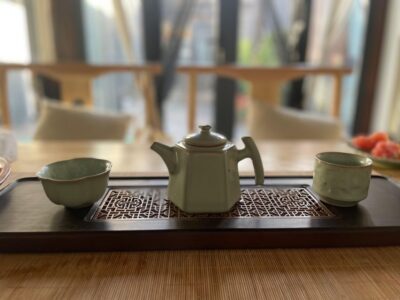
The setting is described as a traditional tea house, with tea, Chinese porcelain, and the possibility of buying high-grade leaves. The atmosphere appears friendly rather than formal or intimidating. You do not need to arrive as a tea expert. The point is to ask questions, smell the leaves, and learn by tasting.
The ceremony, from warmed pot to final sip
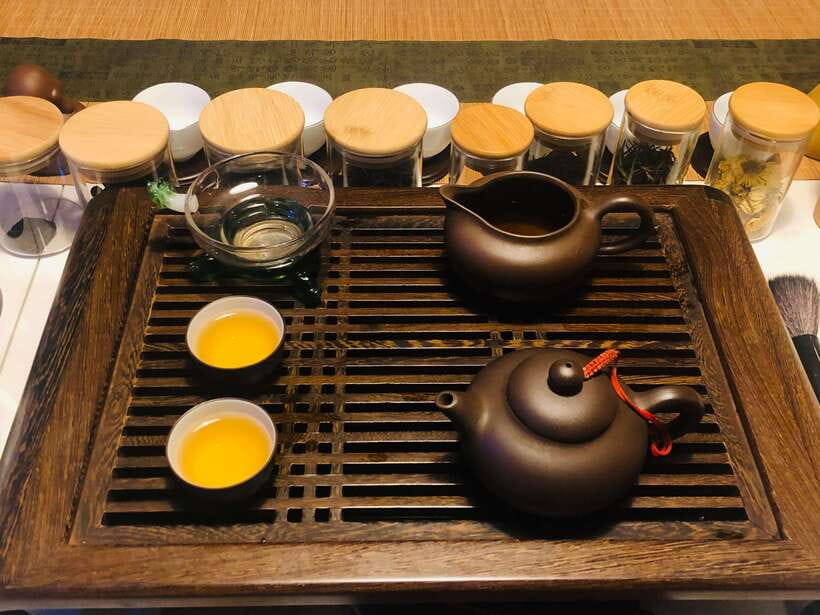
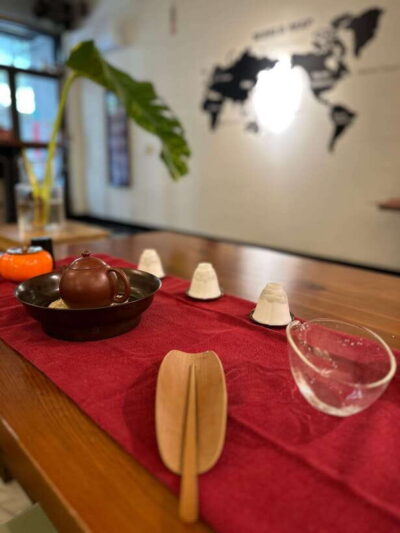
The host begins by introducing the tea and preparing the equipment. Warming the teapot is part of the ritual, not a bit of theater added for tourists. It prepares the vessel and marks the start of the ceremony.
You then get to smell the tea leaves before they are brewed. This is one of the most useful parts for a beginner because dry leaves can give you clues about the tea before the first sip. The host explains what to notice, then uses water at a suitable temperature and controls the steeping time.
Each tea is poured into a small cup. Five mini cups are included, though the exact number of teas can vary by session. One booking described six different teas, while the standard inclusion lists five cups. Treat five as the safe expectation and any extra tasting as a possible bonus.
The host may discuss the character of each tea as you go. The goal is not to memorize a list of names. It is to compare the aroma, color, strength, and aftertaste from one cup to the next.
The ceremony can include several familiar categories:
- Green tea, often delicate and sensitive to water temperature.
- Oolong tea, which can offer a fuller aroma and more complexity.
- Pu-erh tea, known for its distinctive earthy profile.
- Jasmine tea, scented with jasmine flowers.
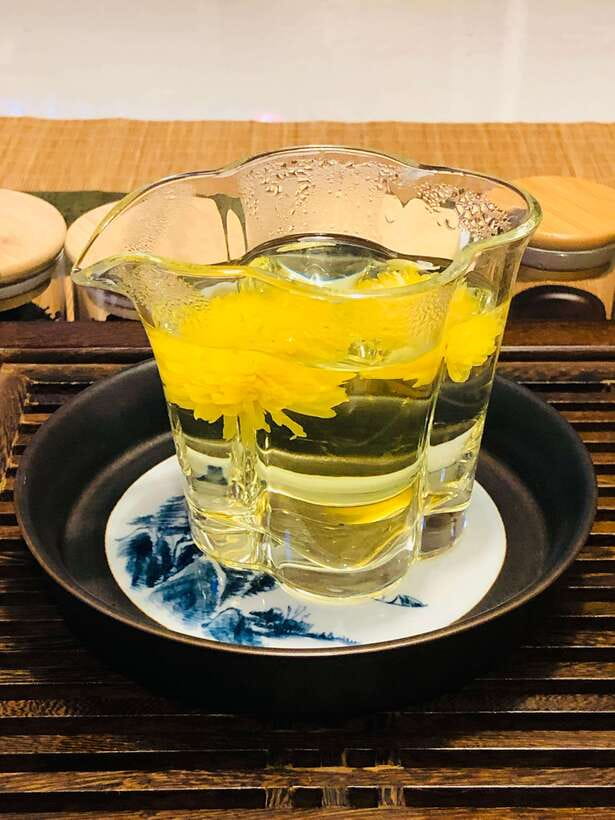
- Flower tea, which adds a visual element as the flowers open or release their aroma.
The exact selection is not guaranteed, and the host may choose based on availability. Still, this range gives you a good introduction to the breadth of Chinese tea.
What you actually learn about Chinese tea
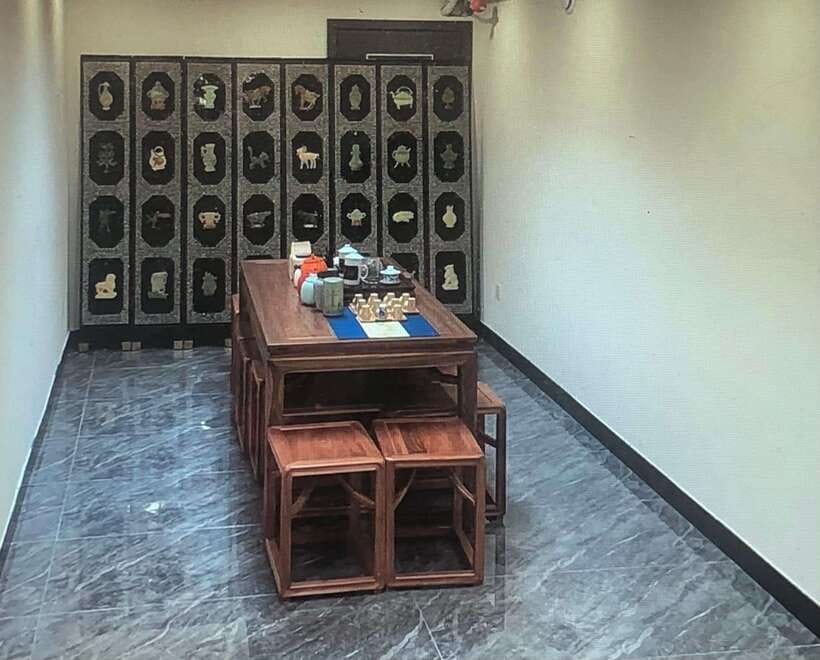
The best part of the experience is the useful instruction. You learn why boiling water is not always right for every tea, why timing affects strength, and why pouring is done with care.
That may sound small, but it changes how you drink tea afterward. You begin to notice that a tea can be fragrant without being strong, or full-bodied without being bitter. You also get a better idea of why good tea is brewed in short rounds rather than left to stew in one large mug.
The ceremony also explains the social meaning of tea. Offering tea can show respect. Sharing it creates a calm space for conversation. The careful movements encourage attention rather than haste. You may not adopt every step at home, but you can take away a more thoughtful way to enjoy a simple drink.
English is available, and this is a major practical advantage. Several hosts have been praised for fluent English and clear explanations. That matters because a tea ceremony depends on small distinctions. If you cannot ask why one tea uses cooler water than another, much of the lesson is lost.
More Tea Ceremonies in China
- Beijing Culture: Tea Ceremony, Heritage Instrument & Calligraphy
★ 5.0 · 57 reviews - Beijing Culture Event: Tradition Music, Tea Ceremony, Calligraphy
★ 5.0 · 11 reviews - Beijing: Temple Of Heaven+Tai Chi Class+Tea Ceremony
★ 5.0 · 8 reviews - Beijing Tai Chi and Tea Ceremony Experience
★ 5.0 · 4 reviews
The guides and the quality of the welcome
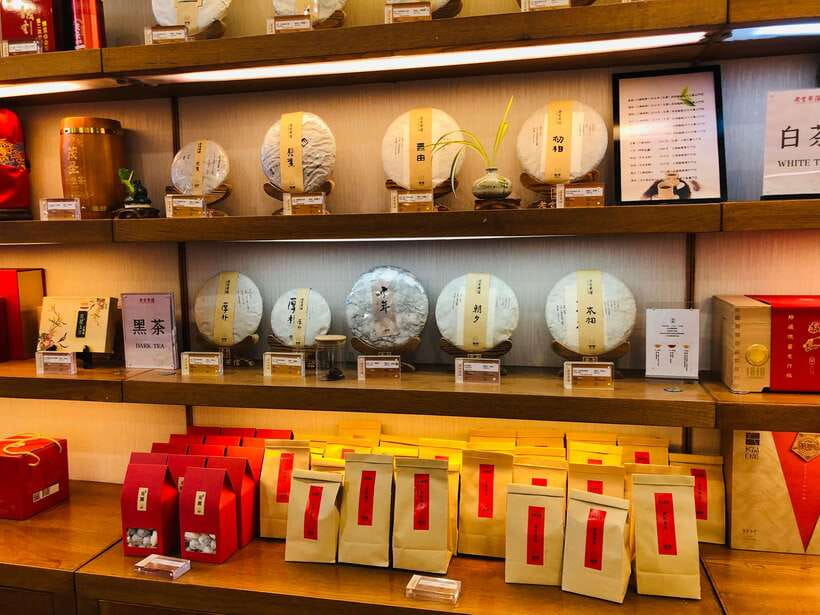
Richard Li is the name most useful to know when considering this activity. He has been praised for fluent English, patience, directions, and general care with the details. One family with children aged 10 and 13 found the activity a good fit, and another couple booked it after visiting the Forbidden City.
Feye is another host associated with the ceremony. Her style is described as humorous, welcoming, and clear in English. That combination helps keep the session from becoming stiff or overly technical.
A late arrival may not automatically ruin the appointment. One group arrived late and was still served, with welcome gifts offered. I would not count on that kindness, though. Beijing traffic and subway delays can be unpredictable, so allow extra time.
Photographs may also be taken during the ceremony. One host helped capture pictures for the group, which is a nice touch if you want a record of the ritual. It is not listed as a formal inclusion, so ask before the session if photographs matter to you.
The optional tea shop stop
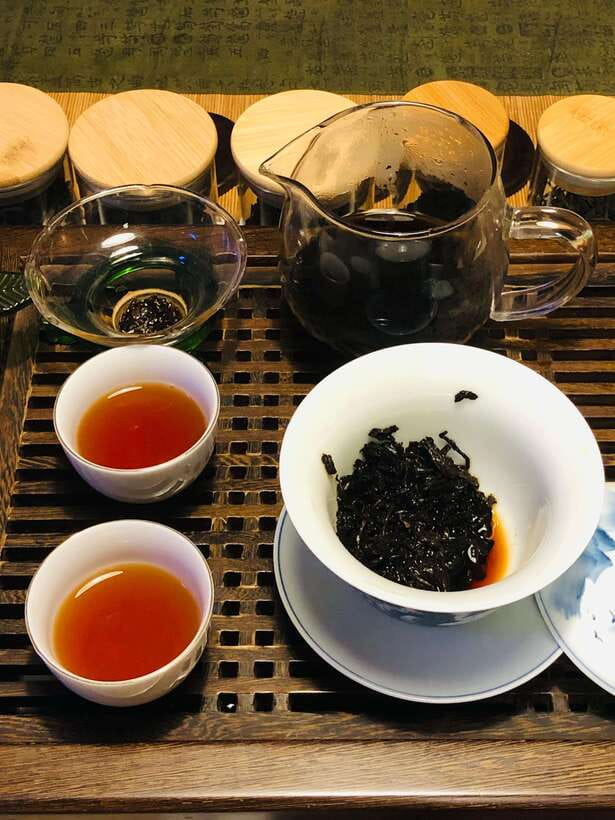
After the tasting, you can buy tea to take home. The shop may also carry Chinese porcelain and other tea-related items. This is a useful chance to buy something with a direct connection to the lesson you just received.
The important word is optional. Shopping is not included in the $9 price, and you should not feel obliged to purchase anything. If you do want tea, ask about the type, brewing method, quantity, and price before agreeing. A good host should explain what you are buying in plain terms.
Buying after tasting is better than choosing a packet at random from a souvenir shop. You have already compared styles and can select something you genuinely liked. You can also ask the tea master for brewing advice, then try to repeat the method at home.
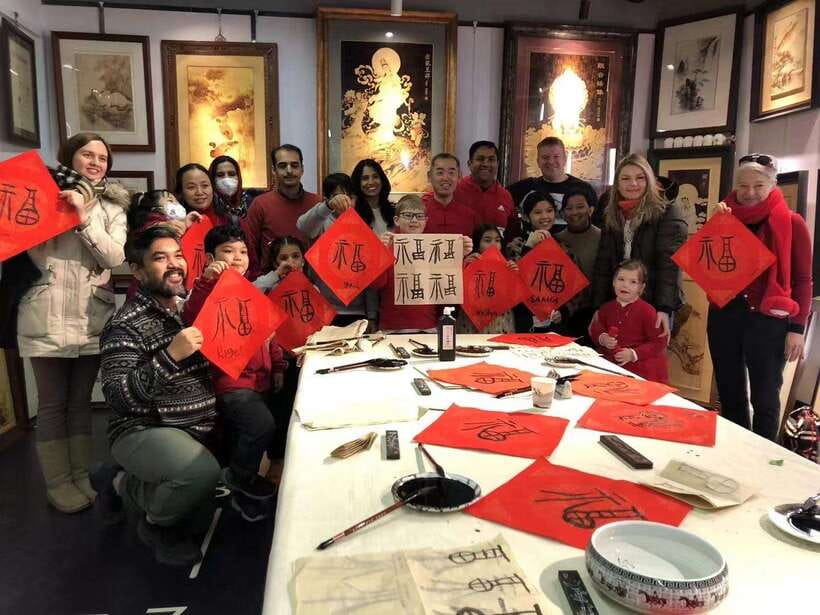
Some experiences connected with this provider have also included calligraphy or a Beijing food activity. Those additions are not part of the basic tea ceremony described here, so check the option details before assuming they are included. The tea session itself is the dependable core.
How long should you allow?
The published duration ranges from 30 minutes to three hours. That is a wide spread, so do not build your schedule around the longer figure unless your chosen option clearly confirms it.
A 30-minute session works well as a compact cultural break. You can fit it between major sights, provided the meeting point is nearby and you leave enough time for getting there.
A longer option may allow more tea, more conversation, shopping, or linked activities. It could suit you if tea is a serious interest or if you want a slower afternoon. Families and first-time visitors may prefer the shorter version, especially if children have limited patience for a formal tasting.
The tea ceremony itself is not a sightseeing tour. There is no included transportation, no city commentary, and no tour guide in the standard package. Think of it as a hosted cultural lesson at one location.
Is $9 good value?
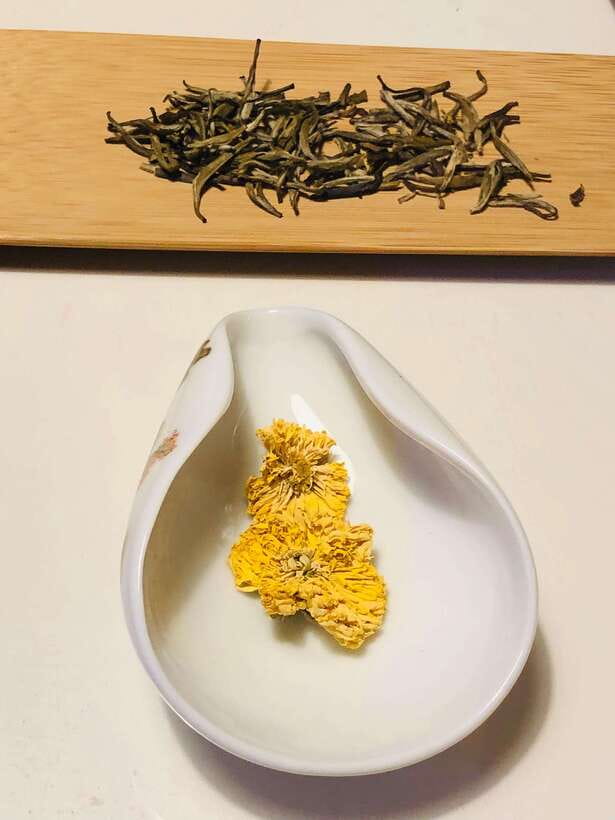
At around $9 per person, this is one of the easier Beijing activities to justify. You receive the ceremony and five mini cups of tea, plus an introduction to brewing, tea types, and Chinese tea customs.
The value comes from the instruction, not the quantity of tea. You are not paying for a large drink or a meal. You are paying for a guided tasting and the chance to understand what you are drinking.
The low starting price also reduces the risk. If you have never tried Pu-erh or flower tea, this is a cheap way to find out what you like. The optional shopping can raise your total cost, but you control that part.
Check the exact price for your selected duration and option. A longer session or added activity may not match the $9 starting figure. The activity offers reserve now and pay later booking, and cancellation is free up to 24 hours before the start time for a full refund.
Who will enjoy this most?
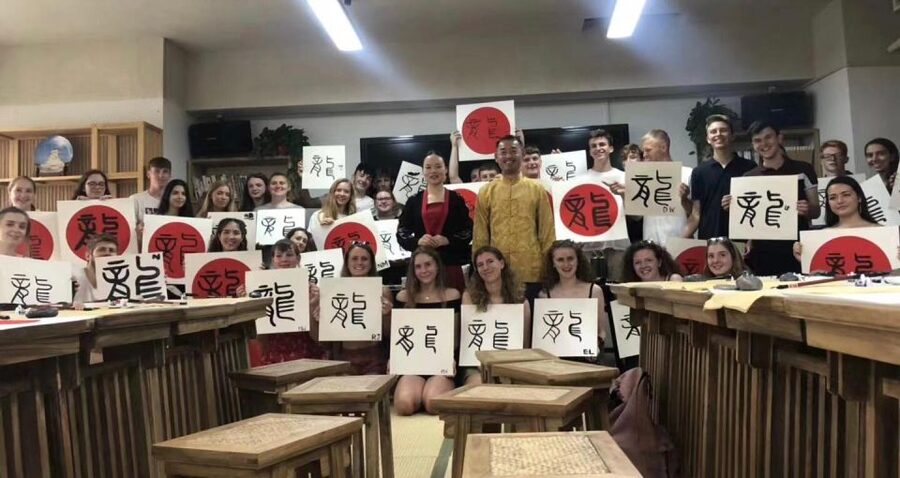
I would recommend it to first-time visitors who want a cultural activity that does not require a full day. It also suits tea drinkers, curious adults, couples, and families with older children.
Children aged 10 and 13 have enjoyed the session, but children under seven are not accepted. The ceremony asks for some patience, so older children who like trying new smells and flavors will get more from it.
This is also a good choice after the Forbidden City. You can trade grand imperial rooms for a small, focused lesson in daily Chinese culture. It gives your afternoon a different rhythm.
You may want to skip it if you dislike guided tastings, have no interest in tea, or need a fully escorted Beijing tour. The host meets you for the ceremony, but there is no included transport and no general sightseeing guide.
Pregnant women are listed as not suitable for the activity. If that applies to someone in your group, choose another experience.
Practical tips for a smooth visit
Bring your booking details and keep WhatsApp active. The host may need to confirm the meeting point, and the location varies by option.
Do not arrive expecting lunch or a full city tour. The included package is the ceremony and five mini cups of tea. Shopping, transport, and other expenses are separate.
Tell the tea master what you already know and what you want to learn. You will get more from the session if you ask about water temperature, steeping time, storage, and how to brew a tea at home.
If you are tempted to buy tea, taste first and decide later. The ceremony gives you a sound basis for choosing, but there is no reason to rush into a purchase.
Should you book the Beijing tea ceremony?
Book it if you want an inexpensive, calm, and clearly explained introduction to Chinese tea. The strongest reasons are the variety of teas, the careful brewing demonstration, and the warm English-speaking hosts, especially Richard Li and Feye.
I would place it between major sights rather than treat it as a full-day activity. Confirm the meeting point, check the duration you are selecting, and remember that transport and shopping are extra.
For about $9, the standard session offers real cultural value with little time commitment. It is best for curious adults and children over seven who want to learn how tea is prepared and enjoyed in China.
FAQ
How much does the tea ceremony cost?
The listed starting price is $9 per person. The final price may depend on the duration and option you select.
How long does the experience last?
The available duration ranges from 30 minutes to three hours. Check the selected option for its exact timing.
What teas will I try?
The ceremony may include Oolong, Pu-erh, green tea, jasmine tea, and flower tea. The standard package includes five mini cups, though the exact tea selection can vary.
Is transportation included?
No. Transportation is not included, and you must make your own way to the meeting point. The meeting point may vary by booking option.
Is the ceremony offered in English?
Yes. English-speaking hosts or greeters are available. Richard Li and Feye are among the hosts associated with English-language sessions.
Can I cancel the booking?
Yes. You can cancel up to 24 hours in advance for a full refund. Reserve now and pay later booking is also available.
More Tea Ceremonies in Beijing
- Beijing: Chinese Culture Tea Ceremony Reservation Service
★ 4.8 · 4 reviews - Private Beijing Spiritual Tour with Lunch and Tea Ceremony
★ 5.0 · 2 reviews - Kyoto: Tea Ceremony in a Traditional Tea House in Kiyomizu
★ 4.9 · 3,519 reviews - Kyoto: Tea Ceremony Ju-An at Jotokuji Temple
★ 4.9 · 3,207 reviews
More Chinese Tea Ceremonies in Beijing
- One-Day Hangzhou Dragon Well Tea Culture & West Lake Private Tour
★ 5.0 · 98 reviews - Authentic Hangzhou Longjing Tea Culture Experience Tour
★ 5.0 · 32 reviews - Tainan Culture Trip: Chinese Tea Ceremony_Oolong Tea
★ 5.0 · 29 reviews - Unlock Chinese Tea: Culture, Science, Tasting & Hands-on Brewing
★ 5.0 · 12 reviews
Newly steeped around Beijing
- Private Tour to the Temple of Heaven and Tea tasting at the Maliandao Tea city★ 5.0 · 3 reviews
- Private Beijing Spiritual Tour with Lunch and Tea Ceremony★ 5.0 · 2 reviews
- Temple of Heaven Private Tour and Tea Tasting at Maliandao Tea Street★ 5.0 · 2 reviews
- Beijing Tai Chi and Tea Ceremony Experience★ 5.0 · 4 reviews
- Traditional Chinese Tea Ceremony Experience★ 5.0 · 7 reviews
- 3-Hour Private Hutong Walking Tour with Drum Show at Drum Tower and Tea Tasting★ 5.0 · 3 reviews
- 3-hour Morning/Afternoon Tea Tasting on Maliandao Street & Dimsum★ 5.0 · 7 reviews
- Beijing Hands-On Culture Tour: Tea, Instrument, Calligraphy★ 5.0 · 6 reviews
Chinese Tea Ceremony Tours, compared.
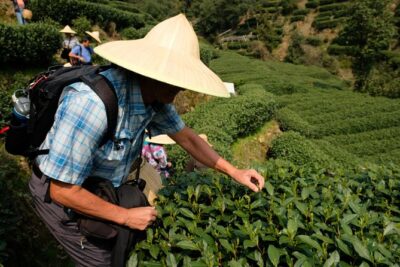
One-Day Hangzhou Dragon Well Tea Culture & West Lake Private Tour
Read our review →
Chinese Tea ceremony in Beijing Hutong courtyard
Read our review →
Unlock Chinese Tea: Culture, Science, Tasting & Hands-on Brewing
Read our review →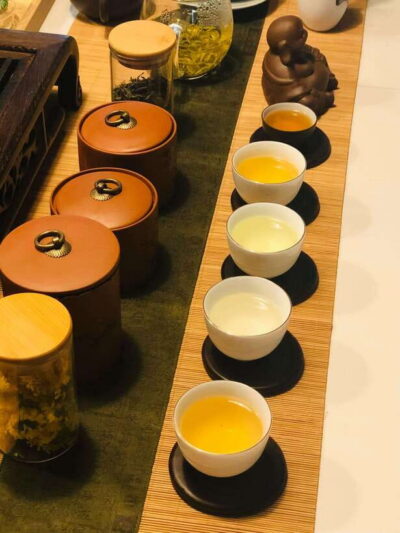
Taiwanese Baking Class with Oolong Tea Tasting in Taipei
Read our review →
Browse the lists this tea experience appears in