
Review · BEIJING
Beijing Culture: Tea Ceremony, Heritage Instrument & Calligraphy
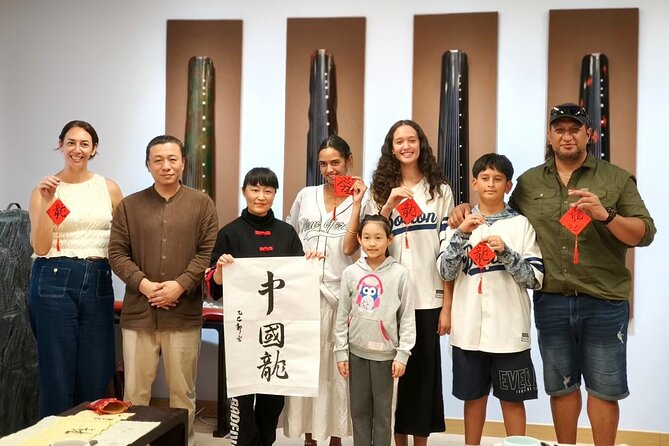
The unusual part of this Beijing outing is that you do not just watch Chinese culture from a safe distance. You brew and taste tea, guide your fingers across a Guqin, and use a brush to write real Chinese characters. The small group, capped at eight, keeps the session personal.
I especially like the hands-on Guqin lesson and the chance to take home your calligraphy. I also like the calm setting at 813 Creative Park, a welcome change from Beijing’s crowded sights. The main consideration is price: at $78.60 per person, this costs more than a standard cultural demonstration, and transportation to the venue is not included.
Key Points at a Glance
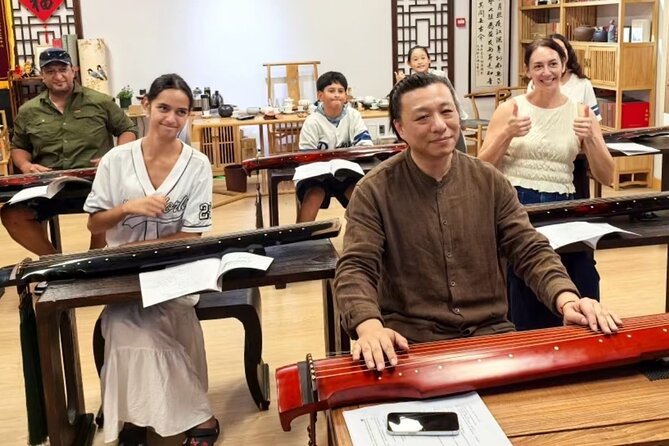
- Play a complete Guqin melody: A national-level heritage artist gives a live performance, then helps you try this ancient Chinese instrument yourself.
- Brew tea with a certified tea master: You learn the purpose behind the movements instead of simply being served a cup.
- Write Chinese characters with meaning: The calligraphy lesson covers traditional brushwork and can include writing your Chinese name.
- Wear traditional clothing: Attire rental is included for the cultural rituals and photos.
- Enjoy a genuinely small group: A maximum of eight people allows room for questions and one-on-one help.
- Stay in an air-conditioned private venue: The space is closed to the public, quiet, and designed for cultural instruction rather than a staged show.
A Quiet Cultural Stop at 813 Creative Park
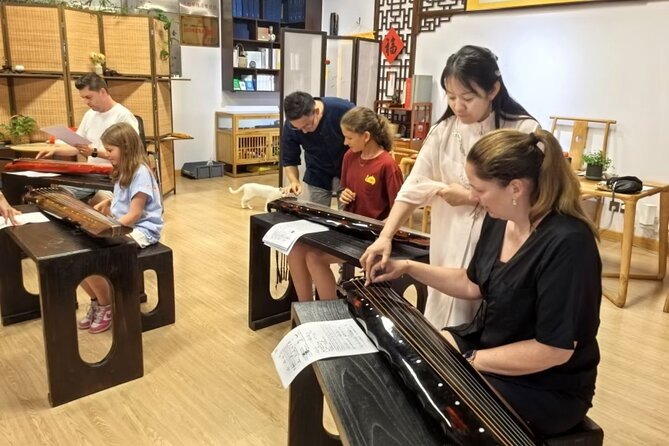
Beijing can be noisy, crowded, and demanding. This 2.5-hour workshop takes a different approach. You meet at 813 Creative Park in Chaoyang, then enter an air-conditioned heritage venue set apart from the usual sightseeing circuit.
The setting matters. Tea preparation, brush writing, and Guqin music all depend on attention and patience. A crowded hall would work against the point of the activity. Here, the small capacity gives the teachers room to correct your hand position, explain unfamiliar customs, and answer questions in English.
The venue is described as private and closed to the public. That does not mean you should expect an old palace or a major historic monument. Its value is its quiet purpose: this is a working cultural space where artists teach practices that are often reduced to short demonstrations elsewhere.
You need to arrange your own transportation to 813 Creative Park. The activity ends back at the same meeting point, so it is easy to plan as a stand-alone morning or afternoon stop. Since the exact transport details are not provided, check the route from your hotel before booking and allow extra time for Beijing traffic.
More Tea Ceremonies in China
- Traditional Chinese Tea Ceremony Experience
★ 4.7 · 74 reviews - Chinese Tea ceremony in Beijing Hutong courtyard
★ 4.7 · 26 reviews - Beijing Culture Event: Tradition Music, Tea Ceremony, Calligraphy
★ 5.0 · 11 reviews
Tea Ceremony: Slow Movements, Better Understanding
The tea portion is more than a tasting. A certified tea master leads the ceremony and explains the meaning behind the preparation. You brew and taste Chinese tea, with tea snacks included.
I like this part because it gives you something useful to take into the rest of your China trip. Tea service can look simple when you see it from across a room. Once you handle the teaware and follow the steps yourself, you begin to notice the care given to water, timing, pouring, and presentation.
The ceremony also offers a gentle introduction to Chinese ideas of balance and attention. You are not expected to arrive with any knowledge of tea. The instruction is designed for beginners, and the English-speaking guide helps connect the actions with their cultural meaning.
The practical limit is that this is a tasting and workshop, not a meal. Tea snacks are included, but you should eat beforehand if you need something substantial. Personal expenses and any food outside the provided snacks are your responsibility.
This is likely the most peaceful part of the session. You sit with a warm cup, listen to the explanations, and have time to slow down. After a morning at the Forbidden City or a busy shopping street, that change of pace can be just as valuable as another major attraction.
The Guqin: Hearing an Ancient Instrument Up Close
The Guqin is one of China’s most respected classical instruments. This session includes a live performance by a national-level heritage artist, followed by a hands-on lesson.
The performance gives you a reference point. Before trying the instrument, you hear what a skilled player can do with its strings. The sound is quiet and restrained rather than dramatic. That makes it a good match for the calm setting, though anyone expecting a large concert or energetic stage performance may find it understated.
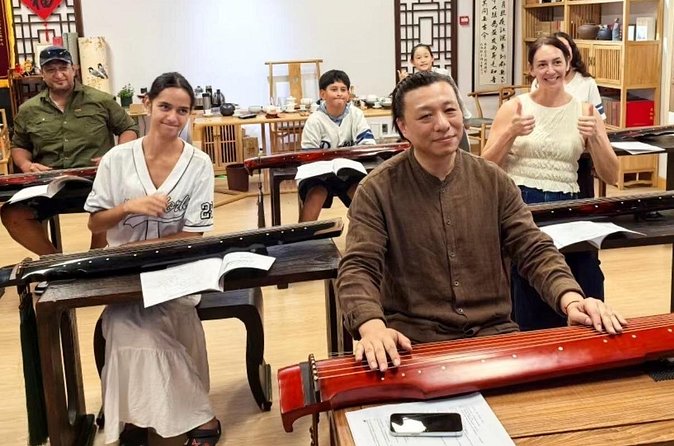
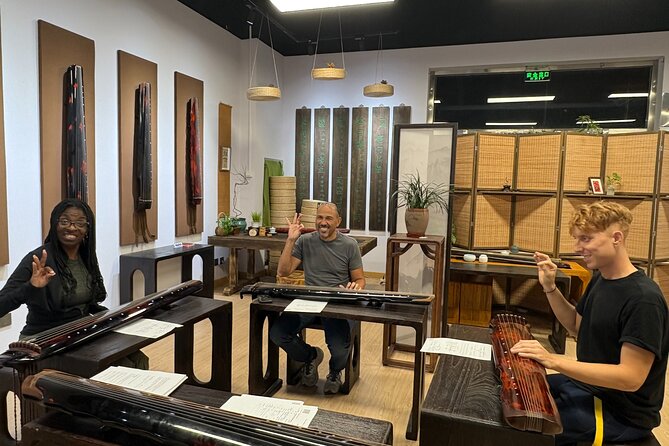
Then comes the part that makes this activity different from a museum visit. You get to handle the instrument and learn a full melody with the teacher’s help. One especially useful detail is the close guidance: the artist can help position your fingers and guide your movements as you play.
Do not measure success by musical polish. The point is to feel the strings, understand the basic technique, and experience the concentration required to produce even a simple phrase. You may play slowly, but that is part of the lesson.
I consider the Guqin the strongest reason to choose this activity over a general Beijing cultural show. Many performances let you watch an expert for ten minutes. This one gives you a chance to try the instrument yourself. That small shift from watching to doing makes the memory more personal.
The lesson may also be surprisingly moving. The instrument has a quiet sound and a long cultural association, so the session can feel reflective rather than merely entertaining. If you prefer loud music, fast activity, or polished spectacle, this may not be your favorite part. If you enjoy craft and careful instruction, it should be a highlight.
Calligraphy You Can Take Home
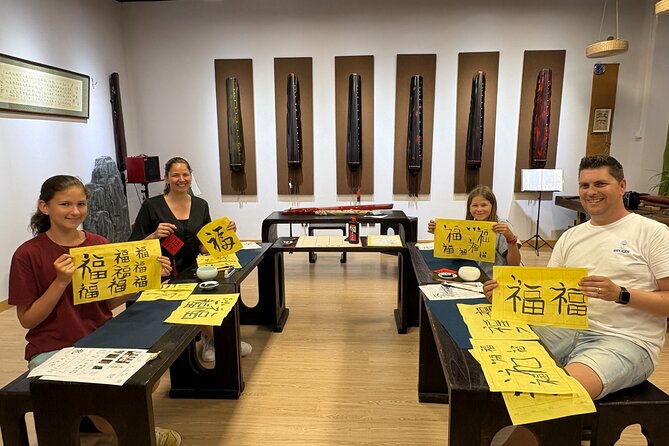
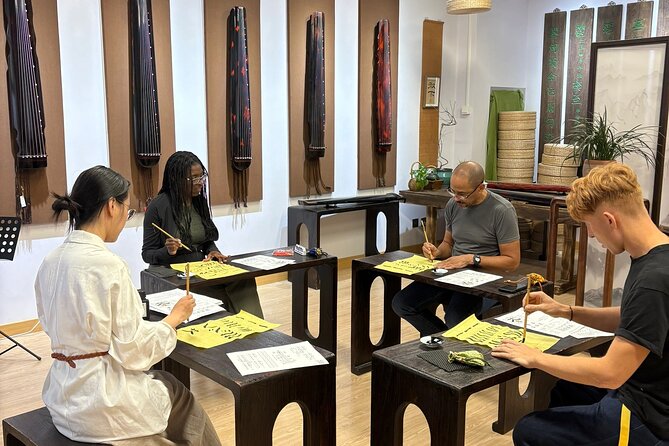
The calligraphy workshop gives you a brush, ink, and guidance from an expert. You write traditional Chinese characters and learn something about their ancient roots.
This is not simply a chance to copy a decorative symbol. The lesson connects the shape of the character with its meaning and development. That context helps you understand why Chinese calligraphy is treated as both writing and visual art.
You can also write your Chinese name, then keep the paper as a souvenir. That is a far better memento than a generic item from a shop because it records something you made during the session.
Brush writing takes more control than most first-time participants expect. You need to manage pressure, direction, and rhythm, and the result may not look perfect. That is fine. The instructor’s help is the point, and the small group makes it easier to ask for another demonstration.
Calligraphy is also the most portable part of the experience. The tea is consumed, and the Guqin lesson ends when you leave. Your finished characters can travel home with you and serve as a reminder of the afternoon.
If you have limited mobility in your hands, you may want to ask the operator about the exact setup before booking. The general information says most people can participate, but it does not describe the seating or writing arrangements in detail.
More Tea and Calligraphy Workshops in Beijing:
- Beijing Hands-On Culture Tour: Tea, Instrument, Calligraphy
★ 5.0 · 6 reviews - Beijing:Learn Calligraphy & Enjoy Kung Fu Tea Ceremony
★ 5.0 · 2 reviews - Osaka: Tea Ceremony, Calligraphy, and Kimono Experience
★ 4.9 · 130 reviews - Experience all of Japanese culture and Japanese food experience classes “origami, udon, Japanese food, green tea, calligraphy” in 4 hours
★ 5.0 · 105 reviews
Traditional Clothing and the Feel of the Session
Traditional outfit rental is included for the ritual and photos. This adds visual interest, but it is not the reason to book the activity. Think of it as an optional layer that helps you feel part of the setting and gives you a few memorable pictures.
The stronger value comes from the teaching. The clothing works best when it supports the tea, music, and calligraphy rather than replacing them with costume photography. Here, it is one element in a broader cultural lesson.
An English-speaking guide with a master’s degree in history and sociology helps connect the three activities. That background is useful because tea, Guqin music, and calligraphy can otherwise seem like unrelated demonstrations. The guide explains the rituals and ideas tying them together.
No individual guide names are provided, so you should not book this expecting a particular host. The important point is the combination of bilingual explanation and instruction from national-level cultural practitioners.
What the Two and a Half Hours Feel Like
The schedule is compact but full. In about 150 minutes, you receive a tea ceremony and tasting, a live Guqin performance, a Guqin practice session, a calligraphy workshop, cultural explanations, and time for photos in traditional clothing.
That is a lot to fit into one visit. The benefit is variety: you move between taste, sound, touch, and writing. The drawback is that none of the subjects can receive the attention of a full-day class.
You should approach each section as an introduction, not professional training. You will not become a tea master, musician, or calligrapher in one afternoon. You will, however, gain a better sense of how these traditions work and why they matter.
The experience is guided in English, which makes it a strong choice if you want context rather than silent observation. It also suits people who are new to Chinese culture. You do not need to know anything in advance, and the activities are presented in an approachable way.
The small group is a major advantage. With no more than eight participants, the instructors can provide personal help. That is particularly important for the Guqin and brush writing, where a quick correction can make the activity much easier.
Price, Value, and Who Should Book
The cost is $78.60 per person. That is not a bargain basement activity, especially since transportation, meals beyond tea snacks, and personal expenses are not included.
I think the price can be fair if you value instruction and a small group. You are paying for several cultural encounters in one private session, including a specialist performance and hands-on teaching. The included traditional clothing, tea tasting, bilingual guidance, and calligraphy paper add to the value.
It is less convincing if you mainly want to see a performance. Beijing has many ways to watch music and cultural demonstrations. The special feature here is participation, so the price makes more sense when you plan to use the teaching time fully.
I would recommend it for:
- First-time visitors who want a thoughtful introduction to Chinese traditions
- Couples looking for a quiet shared activity
- Families with older children who can focus during a slow lesson
- People interested in tea, calligraphy, music, or Chinese philosophy
- Visitors who have already seen Beijing’s major monuments and want a different kind of afternoon
- Anyone who prefers a group of eight or fewer to a large organized tour
I would be more cautious if you have only a short time in Beijing and want to prioritize famous sights. The workshop does not replace the Forbidden City, the Great Wall, or other major landmarks. It works best as a cultural pause between sightseeing days.
It may also disappoint anyone expecting a theatrical event. The Guqin performance is part of the lesson, not a full concert. The ceremony is quiet, the writing takes patience, and the rewards come from participation rather than spectacle.
Practical Details Before You Go
The meeting point is 813 Creative Park, VGP3+CCX, Chaoyang, China, 100124. The activity starts and finishes there. Transportation is not included, and the venue is near public transportation.
A mobile ticket is provided. Booking confirmation is sent within 48 hours, subject to availability. The group limit is eight, which is worth protecting by booking ahead if your Beijing dates are fixed. The average booking window is 51 days in advance, suggesting that early planning is sensible.
Most people can participate, and service animals are allowed. The activity requires good weather under its operating policy. If poor weather causes cancellation, you are offered another date or a full refund. A minimum number of participants is also required, and if that minimum is not met, you are offered another option or a full refund.
You can cancel for a full refund up to 24 hours before the start time. Cancellations or changes made less than 24 hours before the start are not refunded or accepted. The cut-off follows local Beijing time, so keep that in mind if you are booking from another country.
Wear something comfortable enough for sitting, writing, and handling tea. Since traditional clothing is available, you do not need to dress in costume beforehand. Bring a phone if you want to use the photo opportunity, and leave room in your day for the ride to and from Chaoyang.
Should You Book This Beijing Culture Workshop?
Book it if you want to practice Chinese traditions instead of only viewing them. The tea ceremony, Guqin lesson, and calligraphy workshop offer three different ways to connect with the culture, while the group limit keeps the teaching personal.
The best reason to go is the Guqin session, followed closely by the chance to take home your own calligraphy. The strongest practical benefit is the English guidance, especially if you want to understand the meaning behind the rituals.
Skip it if your budget is tight, you dislike slow activities, or you want a large-scale performance. At $78.60, the value depends on your willingness to participate. For the right person, this is a calm and memorable counterpoint to Beijing’s famous monuments, with real skills and a personal souvenir at the end.
FAQ
How long does the Beijing culture experience last?
The activity lasts approximately 2 hours and 30 minutes.
Where does the activity begin?
It begins at 813 Creative Park, VGP3+CCX, Chaoyang, China, 100124.
Where does the activity end?
The activity ends back at the meeting point.
What activities are included?
You receive a traditional tea ceremony and tasting, a live Guqin performance, a hands-on Guqin lesson, a Chinese calligraphy workshop, traditional clothing rental, and bilingual guidance.
Is tea included?
Yes. The tea ceremony and tea tasting are included, along with tea snacks.
Is transportation included?
No. You must arrange transportation to and from the venue yourself.
How many people can join the group?
The activity has a maximum of eight participants.
Is the activity guided in English?
Yes. A bilingual guide provides the explanations in English and Chinese.
Can I cancel for a full refund?
Yes. You can receive a full refund if you cancel at least 24 hours before the local start time.
Are service animals allowed?
Yes. Service animals are allowed, and most people can participate in the activity.
More Heritage Visits with Tea around Beijing
- World Heritage Kyoto & Nara Uji Authentic Matcha Experience
★ 5.0 · 1,573 reviews - Uji: UNESCO Heritage & Tea Ceremony Walking Tour
★ 4.6 · 54 reviews - Slow Cycling Tour at Uji’s Matcha Green Tea Fields and Heritage
★ 5.0 · 25 reviews - Uji Tea Ceremony and UNESCO Heritage Walking Tour
★ 5.0 · 20 reviews
More Tea Ceremonies in Beijing
- Beijing: Temple Of Heaven+Tai Chi Class+Tea Ceremony
★ 5.0 · 8 reviews - Traditional Chinese Tea Ceremony Experience
★ 5.0 · 7 reviews - Beijing Tai Chi and Tea Ceremony Experience
★ 5.0 · 4 reviews - Beijing: Chinese Culture Tea Ceremony Reservation Service
★ 4.8 · 4 reviews
Newly steeped around Beijing
- Private Tour to the Temple of Heaven and Tea tasting at the Maliandao Tea city★ 5.0 · 3 reviews
- Temple of Heaven Private Tour and Tea Tasting at Maliandao Tea Street★ 5.0 · 2 reviews
- Private Beijing Spiritual Tour with Lunch and Tea Ceremony★ 5.0 · 2 reviews
- Traditional Chinese Tea Ceremony Experience★ 5.0 · 7 reviews
- Beijing Tai Chi and Tea Ceremony Experience★ 5.0 · 4 reviews
- 3-Hour Private Hutong Walking Tour with Drum Show at Drum Tower and Tea Tasting★ 5.0 · 3 reviews
- 3-hour Morning/Afternoon Tea Tasting on Maliandao Street & Dimsum★ 5.0 · 7 reviews
- Beijing Hands-On Culture Tour: Tea, Instrument, Calligraphy★ 5.0 · 6 reviews
Tea & Calligraphy Workshops, compared.
Osaka: Tea Ceremony, Calligraphy, and Kimono Experience
Read our review →
An Amazing set of Cultural experience: Kimono, Tea Ceremony and Calligraphy
Read our review →
Osaka: Private Tea Ceremony and Calligraphy Experience
Read our review →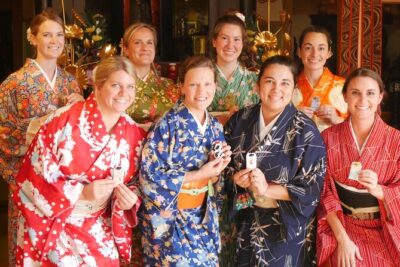
Cultural Activities :Kimono, tea ceremony, Calligraphy and Amulet
Read our review →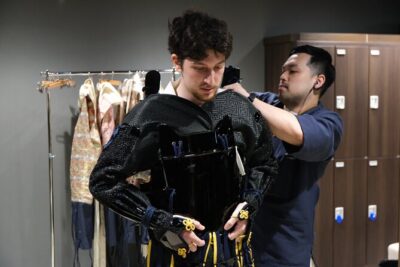
Samurai dress-up and shows, plus Tea Ceremony & Calligraphy
Read our review →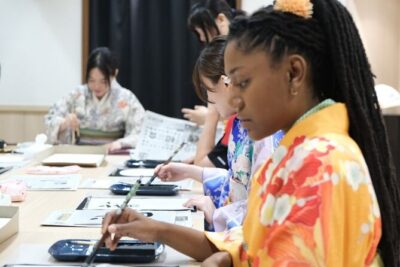
Premium Kimono Dressing, Tea Ceremony, Calligraphy, Samurai show
Read our review →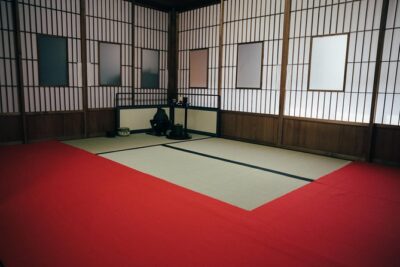
Experience Japanese calligraphy & tea ceremony at a traditional house in Nagoya
Read our review →Browse the lists this tea experience appears in