Review · BANGLADESH
Sreemangal Tea Tour Experience Nature and Culture in a Local way
Sreemangal is at its best when you slow down. This three-day trip trades private cars and polished attractions for a morning train, rattling local tuk-tuks, tea-garden paths, forest trails, village homes, and cups of seven-layer tea. You get a close look at rural Bangladesh without giving up a guide or planned transport.
I like the train journey because it puts you beside everyday life from the start, and I like the mix of tea estates, Lawachara National Park, wetlands, and village culture. The home-cooked lunch in a Manipuri house is especially valuable: it turns a sightseeing stop into a personal meeting.
The main catch is the schedule. You spend about five hours on the train each way, and hotel accommodation is not included. The return train can be crowded on weekends, so this suits you best if you value local contact more than speed or polished comfort.
Key points to know before booking
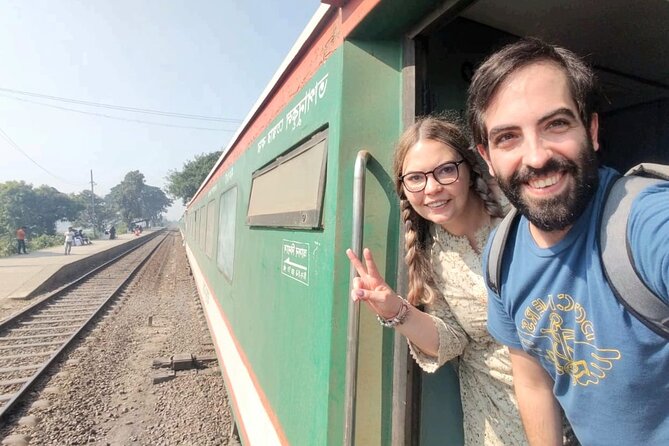
- Five hours by train each way: You travel from Kamlapur Railway Station to Sreemangal and back in chair-coach seats.
- Tuk-tuks replace private cars: Local sightseeing takes place in small, open vehicles, which makes village roads part of the experience.
- Tea estates are explored on foot: Noorjahan and Padmacherra offer different views of plantation life and nearby communities.
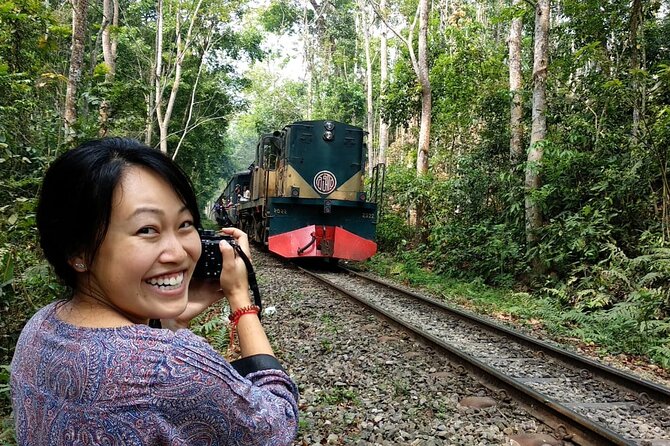
- Lawachara includes a 2.5-hour hike: You need moderate fitness, and sightings of hillock gibbons are possible but not promised.
- A Manipuri home provides the cultural focus: The traditional lunch is included, while other meals and your hotel are your responsibility.
- The price is $225 per person: It covers trains, local transport, guide services, entry fees, water, and one lunch, but not accommodation.
The 6:30 am train from Dhaka
Your trip begins at Kamlapur Railway Station, where you should arrive around 6:15 am for the 6:30 am Parabat Express. That early start is not a minor detail. Dhaka is a huge, busy city, and getting to the station with time to spare will make the first morning far easier.
The train ride takes about five hours. You travel in chair-coach seats, watching the city give way to quieter country views as the train moves toward Sreemangal. This is not the fastest way to reach the tea region, but it is one of the most local parts of the experience.
I like that the train is built into the trip rather than treated as a transfer to hide. You see how people move around Bangladesh, and the journey gives you time to rest before the afternoon visits. The trade-off is clear: if you have limited time or dislike long rail journeys, a three-day trip with ten hours of train travel may feel demanding.
You arrive at Sreemangal Railway Station around 11:00 or 11:30 am. It is a small station, and your guide helps you leave the train before taking a local tuk-tuk to your hotel for a freshen-up. You arrange and pay for the hotel separately, so confirm that part before departure.
More Tea Experiences around the world:
- Kyoto: Tea Ceremony in a Traditional Tea House in Kiyomizu
★ 4.9 · 3,519 reviews - London: Afternoon Tea Cruise on the River Thames
★ 4.4 · 3,274 reviews - Kyoto: Tea Ceremony Ju-An at Jotokuji Temple
★ 4.9 · 3,207 reviews
Noorjahan Tea Estate and Padmacherra
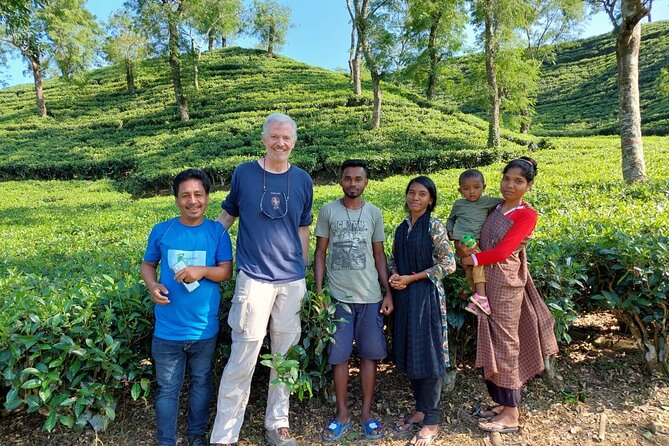
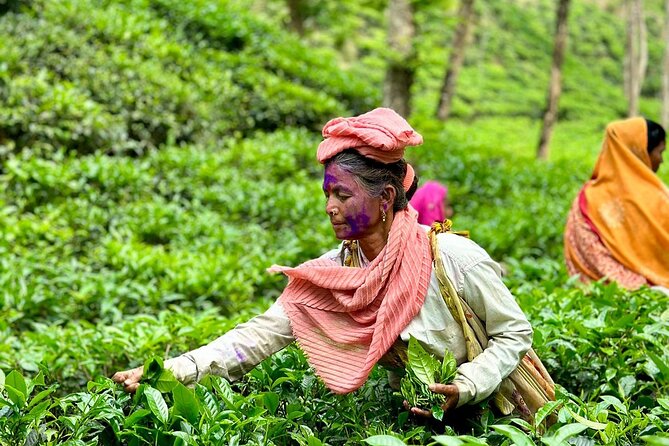
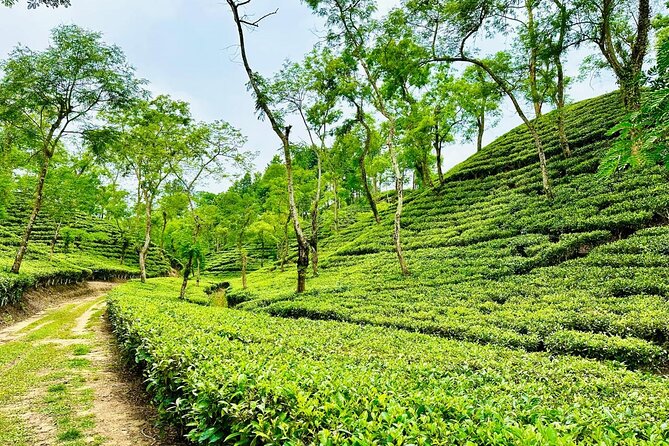
After a break, you begin the first tuk-tuk outing. The road leads through the tea-growing area, with time to walk inside Noorjahan Tea Estate. The appeal here is simple: rows of tea plants, green slopes, quiet paths, and a chance to see the setting rather than only view it from a roadside stop.
You have about an hour at Noorjahan. Wear shoes that can handle uneven ground, since the visit includes walking through the estate. The tour description does not promise a tea-factory visit or a formal tea-picking demonstration, so you should think of this as a plantation walk and a scenic introduction to Sreemangal.
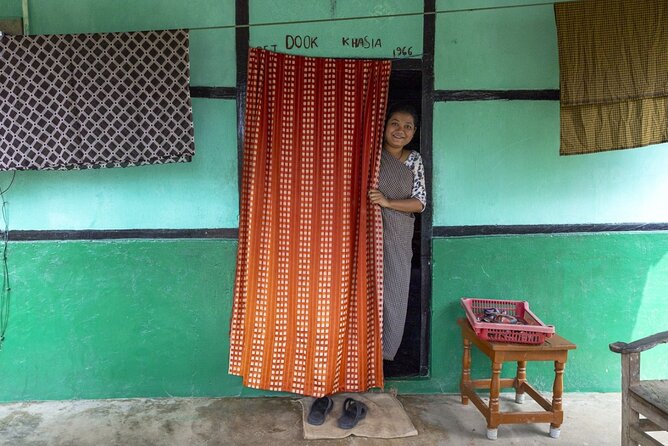
Padmacherra offers a different feel. Its narrow paths run near colorful homes and daily village life, with greenery close around the settlement. The stop lasts about an hour and gives you a better sense of the people who live near the tea estates.
This pairing is well judged. Noorjahan gives you the plantation setting, while Padmacherra brings you closer to a community. You are not simply ticking off two gardens. You are seeing how tea production and village life sit beside one another.
The tuk-tuk matters here. It is less enclosed than a car, so you can see and hear more along the way. It also means less protection from sun, rain, dust, and road bumps. That is part of the local character, but pack a hat and be ready for basic transport.
Madhabpur Lake at the end of day one
Madhabpur Lake is the final major stop on the first day. Forest and hills surround the calm water, and the lake can reflect the sky and trees. A nearby high point offers a broader view, making this a quieter change of pace after the tea estates.
You have around an hour here. It is a good place to pause, take photographs, and let the day’s sights settle. The attraction is scenery rather than a long activity, so do not expect a full afternoon at the lake.
By this point, you have had a long day that began before sunrise and included a five-hour train ride. The hotel break helps, but you should still keep your evening easy. Since accommodation and most meals are excluded, plan your own dinner and make sure your hotel is close enough for the next morning’s 9:00 am meeting.
A two-and-a-half-hour walk in Lawachara
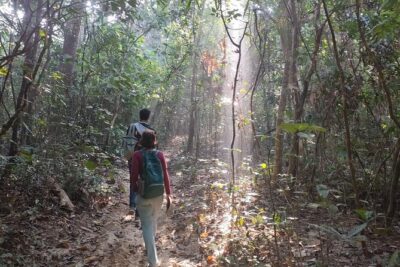
Day two starts around 9:00 am in your hotel lobby. A guide and tuk-tuk driver take you to Lawachara National Park for a hike of about two and a half hours, with the full park visit listed at roughly three hours.
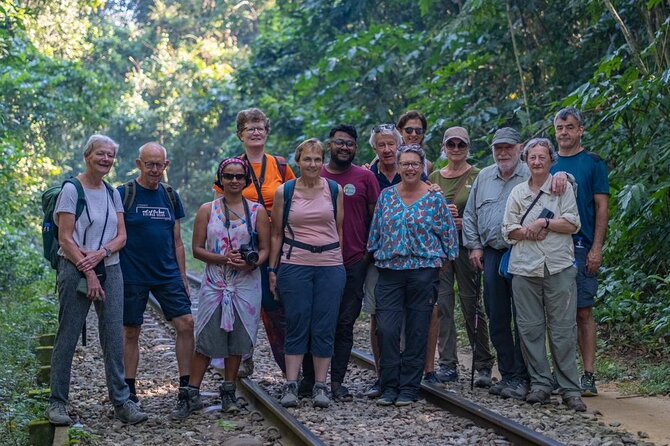
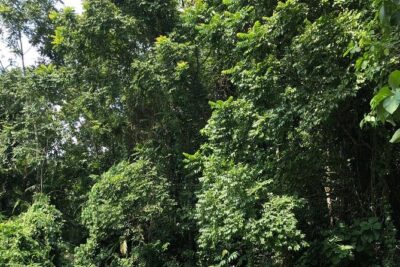
This is the most active part of the tour. The forest gives you a chance to look for wildlife, including the endangered hillock gibbon. The wording is important: you might see one, but no wildlife sighting is guaranteed. The real value is the walk itself, with time to notice the forest rather than race through it.
You need a moderate level of physical fitness. The tour data does not give a detailed trail grade, distance, or accessibility information, so ask the provider if you need those specifics before booking. Comfortable walking shoes, water, and protection from the sun are sensible choices. One 500 ml bottle of mineral water per person is included, but you may want more for the hike.
This stop gives the trip a needed balance. Tea gardens show the cultivated side of Sreemangal, while Lawachara offers a protected forest setting. If you are choosing this experience mainly for wildlife, keep your expectations sensible. The park visit is worthwhile even if the gibbons stay out of sight.
Same leaf, a different ritual:
- Afternoon Tea Bus Tour in Dublin
★ 5.0 · 2,791 reviews - Kyoto: 45-Minute Tea Ceremony Lesson Experience
★ 4.3 · 2,378 reviews - London: Afternoon Tea Bus Tour – 1960s Routemaster Bus
★ 4.5 · 2,032 reviews - London: Afternoon Tea Bus with a Glass of Prosecco
★ 4.4 · 1,853 reviews
Hail Haor and the afternoon wetlands
After the forest, the day turns toward Hail Haor, one of Bangladesh’s larger wetlands. The visit is split between Ramnagar and Hail Haor, with about an hour assigned to each stop.
The character of the wetland changes with the season. During the monsoon, shallow water spreads widely and attracts birds. At other times, the area may feel more open and less watery. The supplied information does not promise a boat trip or a specific bird list, so you should see this as a scenic and seasonal stop rather than a fixed wildlife program.
That uncertainty is not a flaw, but it is worth understanding. Natural places change. The wetland may be the highlight of your afternoon, or it may be a quieter look at rural surroundings. Either way, it adds a type of scenery that the tea plantations and forest do not provide.
Seven-layer tea at Adi Nilkantha
The day ends at Adi Nilkantha Tea Cabin, known for its seven-layer tea. The owner is identified as the inventor of this local specialty, and the tasting is included before you return to your hotel.
Seven-layer tea is a visual as well as a drinking experience. The different layers are prepared so they remain distinct in the glass, giving you something unusual to see before you taste it. This is the kind of short local stop that works well after a day outdoors.
You have about 30 minutes here. It is not a tea education session or a long meal, but it is a memorable Sreemangal ritual. If you prefer plain tea, you may find the sweet, layered drink more novelty than daily refreshment. Still, it is closely tied to the town’s identity and worth trying once.
Sreemangal market before the village visit

The third morning begins with a short visit to Sreemangal’s morning market. Local sellers bring fresh vegetables and fruit, giving you a quick look at the town’s ordinary trade before the day moves into the countryside.
This stop lasts about 30 minutes, so keep your expectations modest. It is a brief introduction, not a guided food tour or a long shopping session. A sweet shop visit follows, where you can buy local sweets.
I like this part because it is not built around a major monument. Markets show what a place needs each day, and the short visit helps you see Sreemangal as a working town rather than only a base for scenic excursions.
Kalachara and the tea labor community
The next outing takes about an hour by tuk-tuk along village roads to the Kalachara area. The stop lasts around three hours and focuses on a less-known community connected with tea labor.
The Kalachara Community School is part of this visit, and the wider stop brings you closer to people whose lives are tied to the tea industry. This is where the tour’s title makes the most sense. You are not only looking at tea plants. You are meeting communities connected to the work behind them.
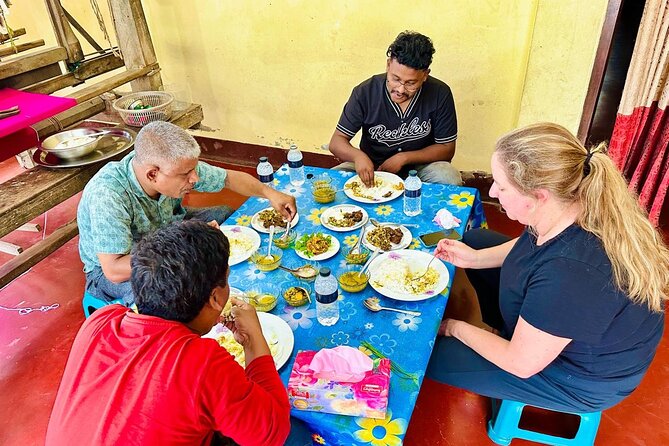
The tour also includes a traditional lunch in a Manipuri home. This is the one meal specifically included, while your other meals are not. A home-cooked meal can be one of the most meaningful parts of the trip because food gives you a direct connection to local customs, family life, and regional taste.
Keep in mind that this is a community visit, not a staged cultural show. The information provided does not promise a dance performance, craft lesson, or formal presentation. Go with a respectful attitude, follow your guide’s advice about photography, and treat the home and school as real places rather than photo backdrops.
The five-hour return to Dhaka
After the village visit, you return to Sreemangal for lunch and then go to the railway station for the afternoon train. The journey back takes about five hours, with arrival at Airport Railway Station expected around 7:00 or 8:00 pm.
Weekend trains may be crowded. The ride uses chair-coach seats, so the return is practical rather than luxurious. If you are connecting to a flight, give yourself plenty of extra time. The included transfer can take you to your hotel, airport, or residence after arrival, but the stated arrival window is broad.
This final day packs a lot into the morning and afternoon, then adds another long rail ride. That makes the trip efficient, but not leisurely. You get three full days of movement, not three slow days at a resort.
What the $225 price really covers
At $225 per person, the value depends on how much planning and local transport you would otherwise arrange yourself. The cost includes train travel between Dhaka and Sreemangal, chair-coach seats, local tuk-tuks, an English, Bengali, or Hindi-speaking guide, entrance fees, parking, one traditional lunch, and 500 ml of mineral water per person.
It does not include your hotel, most meals, or tips. That changes the real budget. You should add two nights of accommodation, breakfasts, dinners, and any extra drinks or snacks. Tipping is not required by the stated price, but it is suggested separately for the driver and guide.
The private format is a strong point. Only your group participates, so you are not tied to a large coach schedule. That can make the forest walk and village visit feel more personal. It does not mean the train will be private, of course. The rail journey is local public transport, and weekend crowding remains possible.
Pickup is offered, and the tour accepts mobile tickets. Confirmation is usually provided when you book, though reservations made within nine days of departure can take up to 48 hours and depend on availability. You can cancel for a full refund up to 24 hours before the start time.
Who should book this Sreemangal trip?
I would choose this tour if you want tea country with real local contact, not just a resort stay or a quick photo stop. It suits you if you are comfortable with long train rides, simple transport, village roads, and a moderate forest walk.
It is also a good fit if you want one organized package but still prefer local ways of moving around. The guide handles the transitions, while the train and tuk-tuk keep the trip connected to daily life.
You may want a different plan if you need hotel accommodation included, dislike early starts, want guaranteed wildlife sightings, or prefer private road transport. The ten hours of rail travel and the open tuk-tuks are central to the experience, not minor details.
FAQ
How long does the Sreemangal tour last?
The experience lasts approximately three days, beginning with the morning train from Dhaka and ending after arrival at Dhaka’s Airport Railway Station around 7:00 or 8:00 pm on day three.
What time does the tour begin?
The stated meeting time is 6:00 am. The Parabat Express is scheduled to leave Kamlapur Railway Station at 6:30 am, and you are advised to arrive about 15 minutes early.
Is accommodation included?
No. You must arrange and pay for your hotel in Sreemangal separately.
Which meals are included?
A traditional lunch at a Manipuri house is included. Other meals are excluded, so you should budget separately for breakfast, dinner, snacks, and additional drinks.
Is the tour private?
Yes. Only your own group participates in the guided tour. The train journeys are public rail services, and the return train can be crowded on weekends.
What languages can the guide speak?
Guide service is available in English, Bengali, and Hindi.
Should you book it?
Book this trip if you want Sreemangal through its working tea country, forest, wetlands, local rail service, tuk-tuks, and village communities. The strongest parts are the tea-estate walks, Lawachara hike, seven-layer tea, and Manipuri lunch.
At $225, it is fair value for the transport, guide, entry fees, and private local touring, but only after you add the hotel and most meals to your budget. Go in expecting long travel days and basic comfort. If that sounds like part of the adventure rather than a nuisance, this is a thoughtful way to see Bangladesh beyond Dhaka.
Newly steeped around the world
- York: Private Horse-Drawn Carriage Ride and Afternoon Tea★ 5.0 · 3 reviews
- Yokohama : Tea Ceremony with Sweets and Souvenir★ 5.0 · 5 reviews
- Washington, D.C.: Tea Around Town Bus Tour with Landmarks★ 3.4 · 7 reviews
- Whisk Your Own Matcha: A Zen Matcha Experience at Temple★ 3.6 · 7 reviews
- Yogyakarta: Prambanan Tour, Sukuh Temple & Tea Plantation★ 5.0 · 3 reviews
- Walking Tour: Yanaka,Nezu& Sendagi: Tea Ceremony & Old Tokyo★ 5.0 · 3 reviews
- Wadi Rum: 2-Hour Jeep Tour with Bedouin Tea★ 5.0 · 11 reviews
- Volcano, Hot Spring, Mud Bath & Tea plantation all included★ 5.0 · 5 reviews
Bangladesh Tea Tours, compared.
Full Day Sreemangal Tea Garden & National Park Hiking Tour
Read our review →