
Review · NARA
Nara:5 Type of Tea Tasting & Mindful Tea Ceremony
The most special part of this Nara experience is the setting: a 120-year-old Japanese house with a small garden view, used for a private tea gathering rather than a polished stage show. You taste five teas, choose a favorite for careful pot brewing, then learn to whisk matcha under direct guidance from a tea master.
I like the thoughtful tea flight and the chance to compare mellow roasted teas with fragrant matcha. I also like the personal scale. The group is private, and Mike has been praised for his warmth, humor, and practical tips about Japan. The main consideration is comfort: you may sit on the floor for close to two hours, even though the listed duration is 90 minutes, and the experience is not suitable for children under 12 or pregnant women.
Key points to know before booking
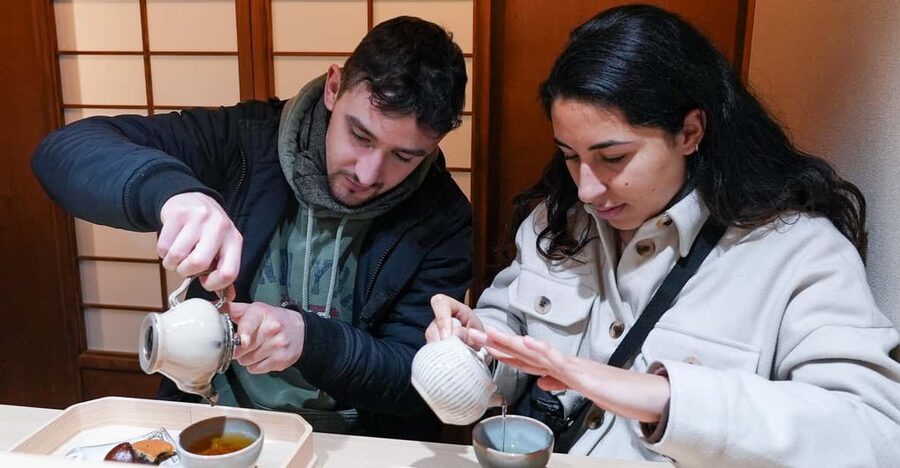
- Five teas, one favorite brewed again: Taste a full flight, then choose the tea you want served in a dedicated pot.
- A real traditional setting: The tea room occupies a renovated wooden Japanese house roughly 120 to 125 years old.
- Personal matcha practice: You whisk your own matcha and receive one-on-one help with the movements and tools.
- Mike and local hosts add context: Along with tea, you can ask for ideas about places to visit in Japan.
- Seasonal wagashi are included: Two types of traditional Japanese sweets balance the tea tasting and ceremony.
- Quiet, private, and unhurried: This suits adults and older children who can sit still and appreciate a calm cultural activity.
Entering a 120-year-old Nara tea house
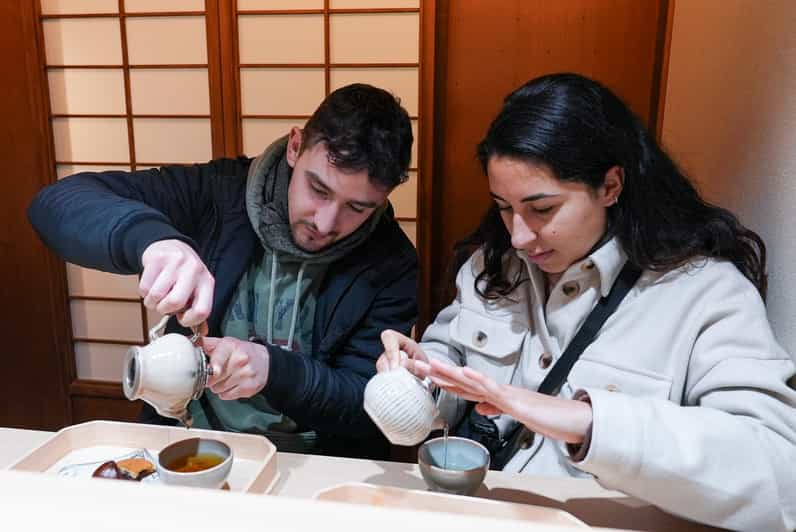
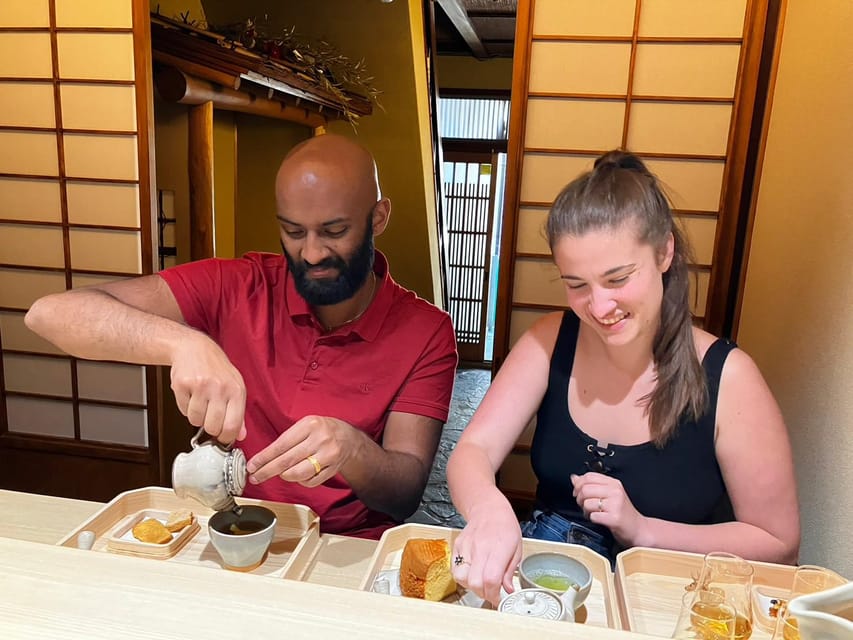
Nara has no shortage of temples, deer, and grand sights. This experience gives you a quieter look at Japanese culture inside a traditional wooden house. The tea room has a garden view, and the small setting helps the ceremony feel personal rather than staged for a crowd.
Mike welcomes private groups of up to four people, according to the experience details shared by past participants. That size matters. You can ask why a tea is roasted, how a whisk is made, or what a particular gesture means without waiting for a large group to catch up.
The house itself is part of the lesson. You are not simply sitting in a modern café while someone explains tea customs. The older wooden room, garden, tools, and careful movements create the right surroundings for a ceremony built around attention and restraint.
One especially interesting detail is the connection to bamboo tea whisks. The host has discussed the craft of making the whisks used to prepare matcha, giving you a useful reminder that the ceremony depends on more than the tea leaves. The bowl, scoop, whisk, pot, sweets, and manner of serving all have a role.
You should expect a calm atmosphere, not a theatrical presentation. The experience is quiet and deliberate. If you want a quick photo stop or a broad introduction to Japanese culture, this may feel slow. If you want time to notice small details, the pace is a strength.
More Tea Tastings in Japan
- Matcha Experience with of Japanese Tea Tasting in Tokyo
★ 5.0 · 31 reviews - Nara:Tea Tasting&Private Tea Ceremony -Master Matcha Making-
★ 5.0 · 19 reviews - Authentic Japanese tea tasting: sencha, matcha and gyokuro
★ 5.0 · 12 reviews
Five Nara teas, tasted side by side
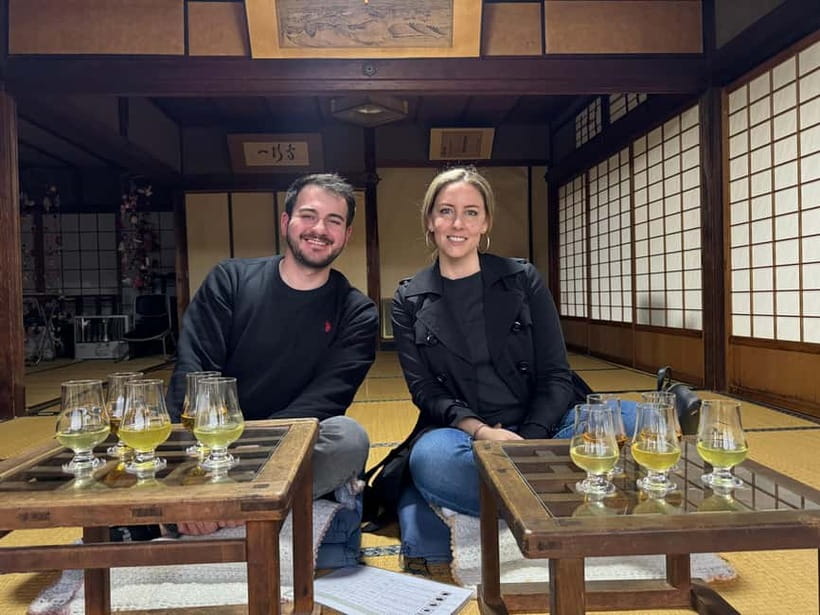
The first major part is a guided tasting of five Japanese teas sourced in Nara prefecture. This is a good format for beginners because you can compare the teas immediately instead of trying to remember flavors from separate cafés.
The selection may include matcha and mellow roasted teas, with each cup offering a different aroma, color, and finish. The point is not to find a single correct favorite. It is to notice how preparation and processing shape the cup.
I like this part because it gives you a useful vocabulary for Japanese tea. You can pay attention to fragrance first, then taste, texture, and aftertaste. A roasted tea may feel soft and familiar, while matcha brings a fuller flavor and a different mouthfeel because the powdered leaf is whisked into the water rather than strained away.
The tea master chooses the flight, so the tasting has a clear order and purpose. You are not left guessing what to try. Ask questions as you go, especially if one tea surprises you. Local hosts can also offer tips about places to visit in Japan, which adds a practical travel layer to the cultural lesson.
The experience includes five kinds of Japanese tea. It also includes two kinds of Japanese sweets, giving you enough variety to make the tasting feel like more than five small samples.
Choosing a favorite for a pot-brewed serving
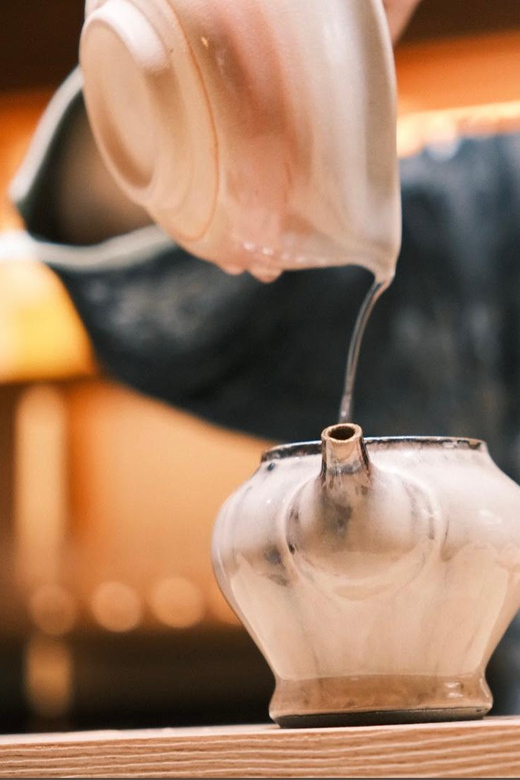
After sampling the five teas, you choose the one you prefer. The tea master then prepares it in a pot, drawing out its flavor with each pour.
This is a small but valuable step. It lets you return to one tea with more attention, now that you have tasted the alternatives. You may discover that your favorite is not the tea you expected. A tea that seemed mild in the flight may become more expressive when brewed on its own.
The pot-brewing also shows why Japanese tea is not just a matter of adding hot water. Water temperature, timing, quantity, and pouring technique affect the final cup. You get to watch the master handle those details rather than receiving a generic explanation.
This is where the experience offers more value than a simple tea sample. At $61 per person, you are paying for instruction, several teas, sweets, a private setting, and the time of a tea specialist. It is not the cheapest drink you will have in Nara, but it is fairly priced for a private cultural activity that combines tasting and hands-on practice.
Learning the meaning behind the tea ceremony
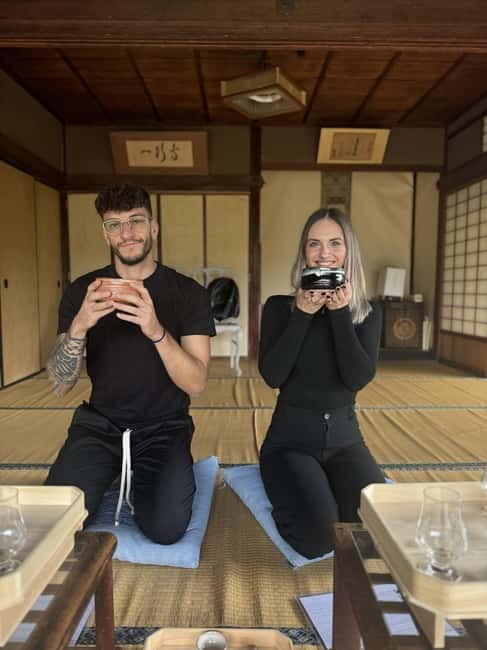
The second section introduces the tea ceremony itself. Your tea master explains the tradition, etiquette, tools, and symbols before guiding you through the ritual.
The ceremony is not only about drinking matcha. It teaches a way of paying attention. Movements that might look formal at first begin to make sense when you understand how the host handles each object, presents the bowl, and sets the pace.
You will learn why the tools matter and how the ceremony creates a calm exchange between host and visitor. The setting encourages you to slow down, watch carefully, and avoid treating the activity as a rushed demonstration.
The tone is friendly rather than stiff. Mike has been described as warm, funny, and helpful with tourists, which should make the etiquette easier to follow. You do not need to arrive as a tea expert. The instruction is designed for you to learn by watching and then trying the steps yourself.
The ceremony also gives you a closer look at a part of Japanese culture that can be difficult to understand from the outside. At a temple or tourist site, you may see the visual results of tradition. Here, you learn how the tradition is carried out in a private room, with attention to the order and meaning of each action.
More Zen Tea Sessions around Japan:
- Kyoto: Tea Ceremony Meditation – Make Matcha with Tea Master
★ 4.8 · 406 reviews - Kyoto: Mindful Tea Ceremony in 100-Year-Old Teahouse
★ 4.8 · 160 reviews - Tokyo: Practicing Zen with a Japanese Tea Ceremony
★ 4.7 · 105 reviews - Oboro | Mindful Tea Ceremony in a 100-Year-Old Kyoto Teahouse
★ 5.0 · 19 reviews
Whisking your own matcha
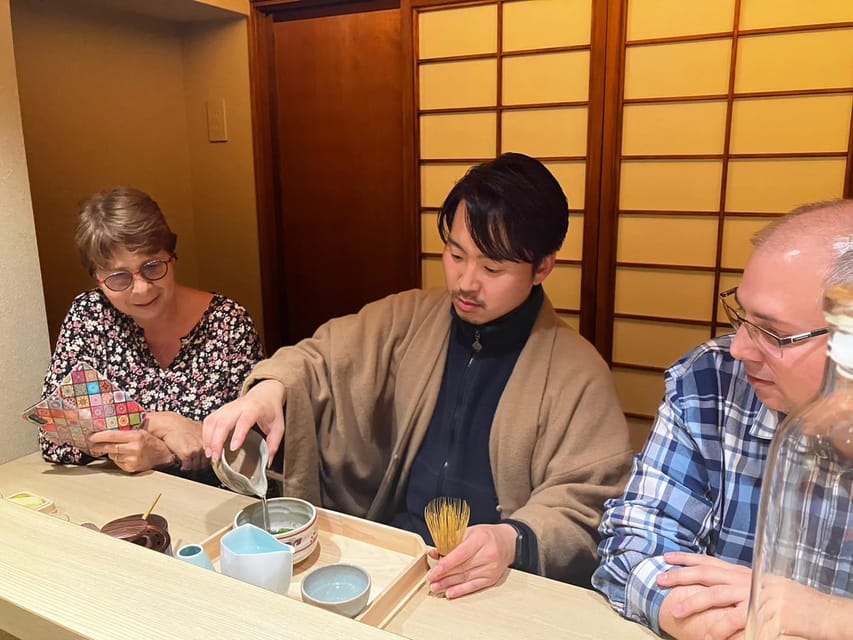
The hands-on matcha lesson is the most active part of the experience. After seeing the tea master work, you whisk your own bowl of matcha and receive personal feedback.
This is useful because the whisking motion can look easier than it feels. You will need to coordinate the whisk, water, bowl, and speed while trying to create the proper texture. The teacher can correct your movement and help you understand what you are aiming for.
The lesson is not about producing a perfect bowl on the first try. It is about learning through the motion. You get to handle the tools, feel the rhythm, and taste the result of your own work.
That personal practice makes the activity suitable for couples, friends, and families with older children. One past family group even had a son serve his mother as a tea master in training, turning the formal ritual into a memorable shared moment. Children under 12 are not accepted, so this is better for teenagers than young kids.
If you are mainly interested in drinking tea, the matcha lesson may feel like extra work. I think it is one of the strongest parts of the experience because it gives you a skill to remember after you leave. You are not just told how matcha is made. You make it yourself.
Wagashi and the sweet side of the ritual
Seasonal wagashi, or traditional Japanese sweets, complete the gathering. Two kinds are included, and they are chosen to complement the tea.
Wagashi are not simply dessert served after the important part. Their sweetness balances the bitterness and grassiness that can come with matcha. Eating the sweet at the right point helps prepare your palate for the tea.
The seasonal element also gives the experience a sense of time and place. Japanese tea culture pays attention to the season through ingredients, shapes, colors, and presentation. You may not need to memorize every symbol to appreciate the care behind the sweets.
The sweets are also a practical benefit for anyone who finds strong tea challenging. Matcha can have a firm, savory edge, while roasted tea may taste gentler. The wagashi help keep the tasting comfortable and give you something to enjoy between cups.
A past participant also mentioned tasting sake alongside the tea and snacks. Sake is not listed as a standard inclusion, so do not book expecting it, but the comment suggests the hosts may sometimes share additional local touches. The confirmed inclusions are five Japanese teas and two kinds of Japanese sweets.
Why the small group makes a difference
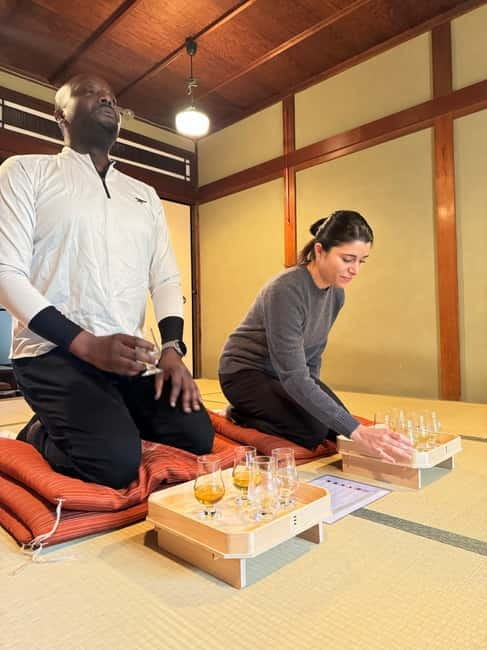
This is a private group experience, and that changes the mood. You can ask questions about tea, Japanese customs, or places to visit without feeling that you are holding up a busload of people.
A private gathering also allows the teacher to adjust the matcha instruction to your pace. If your whisking needs help, you can receive direct feedback. If you already know a little about tea, you can ask more detailed questions.
The small group size makes the traditional house feel like a working tea room rather than a performance space. You are close to the host and the tools. You can see the preparation clearly and follow the ceremony without relying on a distant view.
That intimacy comes with a tradeoff. There is less anonymity than in a café or large class. You are expected to take part, listen, and respect the quiet rhythm of the room. For most people choosing this experience, that is the point.
Timing, comfort, and practical limits
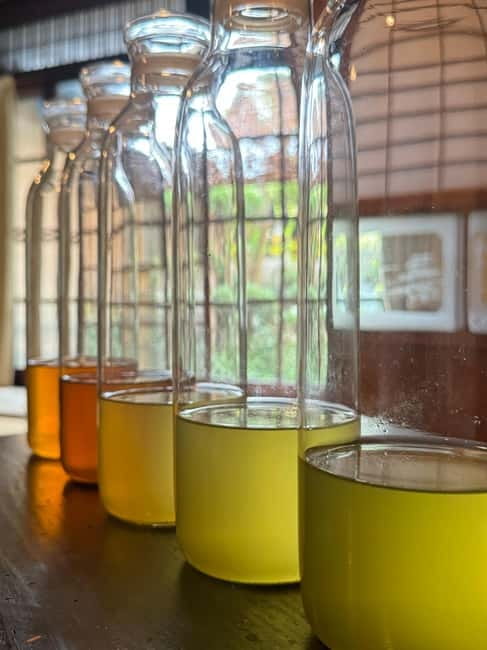
The listed duration is 90 minutes, but allow extra time in your day. One detailed account describes sitting on the floor for about two hours, so the actual pace may feel longer than the official time depending on the group and conversation.
Wear clothing that lets you sit comfortably. The experience takes place in a traditional house, and the ceremony involves stillness rather than walking around. If floor seating is difficult for you, confirm the arrangement before booking, even though the activity is listed as wheelchair accessible.
English instruction is provided. That makes the experience approachable if you do not speak Japanese, especially when learning the names and uses of the tea tools.
The activity is not suitable for children under 12 or pregnant women. There is no need to rush to another attraction immediately afterward. Give yourself room to enjoy the final tea, ask questions, and leave without breaking the mood.
Cancellation is free up to 24 hours before the start time, and you can reserve now and pay later. Those terms are useful if your Nara plans may change, but the main booking decision is whether you want a seated, quiet cultural activity rather than another sightseeing stop.
Is $61 per person good value?
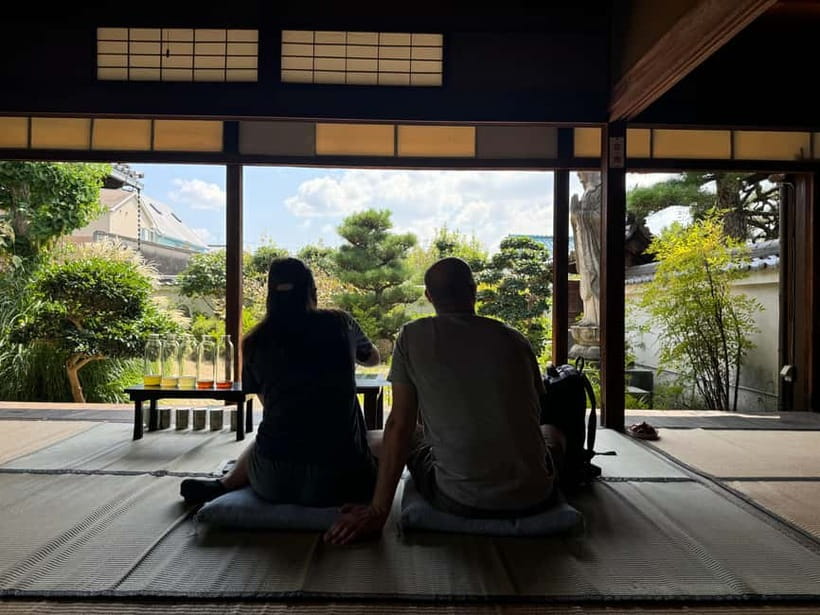
I see this as a fair price for the right person. You receive five teas, a second serving of your chosen tea, two traditional sweets, a guided ceremony, matcha practice, and private instruction in an old Japanese house.
The value is strongest if you are curious about tea or want a cultural experience with real participation. You are not paying only for refreshments. You are paying for the teacher’s time, the setting, the tools, and the chance to ask questions.
The price may feel high if you only want to try matcha once. Nara has less expensive ways to drink tea, and a café visit will be faster. This experience earns its price through detail and personal attention, not quantity.
I would also consider the mood of your group. Someone who dislikes formal customs, floor seating, or quiet activities may find the ceremony too restrained. Someone who enjoys craft, food, and local conversation will likely get much more from it.
Who should book this Nara tea experience?
I would recommend it to tea beginners who want a clear introduction without a large class. It also fits people who have already visited temples and deer parks and want a slower look at daily Japanese culture.
It works well for couples, small families with teenagers, and friends who enjoy trying several foods or drinks together. The private format is especially useful if you have questions or want personal help with matcha.
I would not choose it for very young children, anyone who cannot sit comfortably on the floor, or anyone looking for a fast activity between major sights. Pregnant visitors should also note the stated restriction.
Book it when you have enough time to be present. The experience is designed around calm, repetition, and small gestures. Treating it as a box to check between train connections would miss much of its value.
Final call: a strong choice for tea and culture
I recommend this experience if you want more than a ceremonial photo. You will taste five Nara teas, learn why they differ, prepare your own matcha, and enjoy wagashi in a traditional house with a garden view.
The strongest reasons to book are the private format, the generous tea comparison, and the direct guidance from Mike and the tea hosts. The main cautions are the floor seating, the possibly longer real-world timing, and the fact that the quiet pace will not suit everyone.
For a calm morning or afternoon in Nara, this is a thoughtful choice. It gives you a better understanding of Japanese tea while leaving space for conversation, questions, and a little silence.
FAQ
How long does the Nara tea experience last?
The listed duration is 90 minutes. You should allow extra time because one description of the experience advises sitting on the floor for about two hours.
How many types of tea will I taste?
You will taste five kinds of Japanese tea sourced in Nara prefecture. After the tasting, you can choose a favorite for a special pot-brewed serving.
Is matcha preparation included?
Yes. You will learn about the tea ceremony and whisk your own matcha with personal instruction and feedback from the tea master.
What food is included?
The experience includes two kinds of traditional Japanese sweets, known as wagashi. They are served to complement the tea.
Is the experience private and available in English?
Yes. It is a private group experience, and instruction is provided in English.
Who should not book this activity?
Children under 12 and pregnant women should not book this experience. You should also consider whether you can sit still on the floor comfortably for the duration.
More Tea Ceremonies in Japan
- Kyoto: Tea Ceremony in a Traditional Tea House in Kiyomizu
★ 4.9 · 3,519 reviews - Kyoto: Tea Ceremony Ju-An at Jotokuji Temple
★ 4.9 · 3,207 reviews - Kyoto: 45-Minute Tea Ceremony Lesson Experience
★ 4.3 · 2,378 reviews - Osaka: Tea Ceremony Experience
★ 4.9 · 1,426 reviews
Newly steeped around Japan
- Yokohama : Tea Ceremony with Sweets and Souvenir★ 5.0 · 5 reviews
- Whisk Your Own Matcha: A Zen Matcha Experience at Temple★ 3.6 · 7 reviews
- Walking Tour: Yanaka,Nezu& Sendagi: Tea Ceremony & Old Tokyo★ 5.0 · 3 reviews
- Visit local home for music and tea ceremony near Disney★ 4.9 · 13 reviews
- Trip to Kamakura & Enoshima: Shrines, Seaside, Temples &Tea★ 5.0 · 11 reviews
- Yokohama: Sushi & Gyoza Cooking with Matcha & GreenTea Experience★ 5.0 · 3 reviews
- Kyoto tea town for matcha lovers★ 5.0 · 16 reviews
- Uji: Private immersion into Kyoto’s tea and reglious culture★ 5.0 · 17 reviews
Zen Tea & Meditation Experiences, compared.
Kyoto: Tea Ceremony Meditation – Make Matcha with Tea Master
Read our review →
Kyoto: Mindful Tea Ceremony in 100-Year-Old Teahouse
Read our review →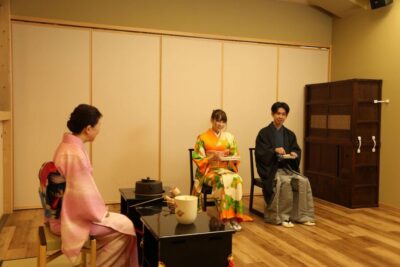
Tokyo: Practicing Zen with a Japanese Tea Ceremony
Read our review →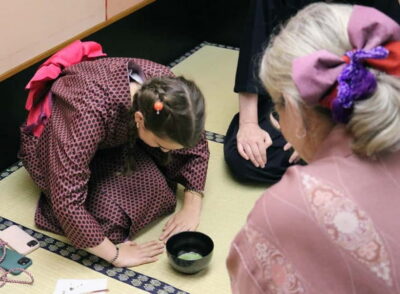
Learn Zen in a class of making Matcha tea near Osaka Castle
Read our review →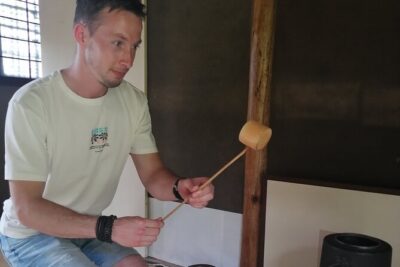
The Art of Mindful Living: Tea Ceremony in Kyoto
Read our review →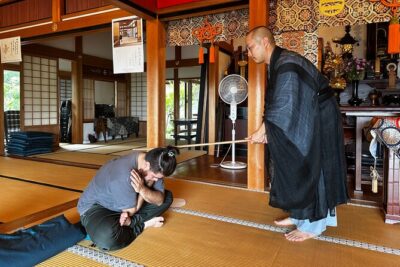
Shizuoka Shore Excursion: Zen, Matcha & Calligraphy Shimizu Port
Read our review →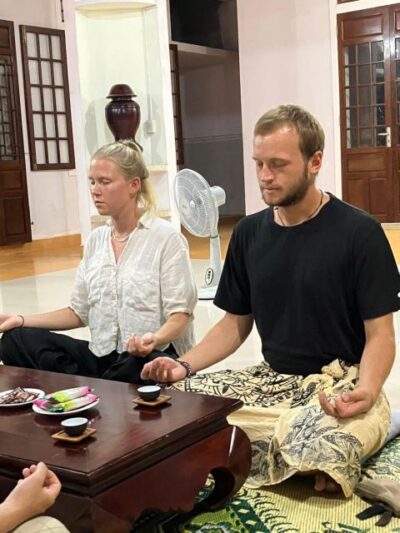
Hue Retreat: Tea and Meditation with Vegetarian Meal
Read our review →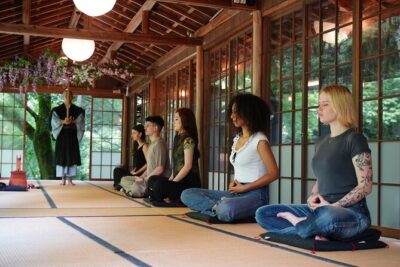
Kyoto Hidden Riverside Zen Mediation and Uji Matcha Experience
Read our review →Browse the lists this tea experience appears in