
Review · BEIJING
3-hour Morning/Afternoon Tea Tasting on Maliandao Street & Dimsum
Maliandao Tea Street is the real draw here: a vast tea-trading district where you can taste eight kinds of Chinese tea before sitting down to dimsum. I like the way this tour links two everyday pleasures instead of treating tea as a quick souvenir stop. I also like the small-group format, capped at 15 people, and the help with finding the subway or a taxi afterward.
The main drawback is that the meeting-point details are not perfectly consistent. The tour information lists Wanzi Station Line 7, but gives both Exit C and Exit D in different places. Confirm the exact exit with the operator before you go, and allow time to get oriented.
Key points to know before booking
- Eight teas in one sitting: Taste green, oolong, black, puer, white, and other teas during a traditional tea ceremony.
- Maliandao is the main attraction: You walk through Beijing’s largest tea-trading street and visit two tea shops.
- Dimsum is part of the price: Expect steamed soup buns, steamed vermicelli rolls, chicken feet, shrimp ravioli, spring rolls, and more.
- Morning or afternoon timing: Choose a 10:00 a.m. departure or a 3:00 p.m. departure, with about three hours set aside.
- Small group, simple transport: The group is limited to 15 people, and the meeting point is at Wanzi Subway Station on Line 7.
- A good introduction, not a private tea lesson: The tour gives you broad exposure to tea and food, but personal shopping time and detailed tea instruction may be limited.
Why Maliandao Tea Street makes this tour different
Beijing has many food walks, but Maliandao gives this outing a clear local focus. The district is known as a major tea-trading street and market, with shops connected to tea producers and farms. You are not simply handed one pot of tea in a hotel lounge. You walk through a working retail area and compare different styles.
That setting matters. Chinese tea can feel confusing if you encounter it only as a long menu of unfamiliar names. Here, you taste several categories side by side. Green tea, oolong, black tea, puer, and white tea each offer a different starting point, and tasting them in one session helps you notice the contrasts.
The exact teas are not fixed in the information provided, so you should not expect a guaranteed list of rare varieties. The promise is eight different teas, with stops at two shops. That is enough for a useful introduction, especially if you are curious about tea but do not know where to begin.
The market itself is also part of the experience. You can watch tea trading and browse a district that serves people from China and beyond. I would treat the shopping as an optional bonus rather than the sole reason to book. The tour includes tastings and a meal, but personal purchases are your own expense.
More Tea Tastings in China
What happens during the three-hour visit
Your day begins at Wanzi Subway Station on Line 7. The listed meeting point is an easy-to-find subway location, but the information gives both Exit C and Exit D. That small contradiction is worth taking seriously in Beijing, where the wrong exit can put you on the opposite side of a busy road.
The scheduled departures are 10:00 a.m. and 3:00 p.m. A morning start leads naturally into a dimsum meal, while the afternoon option works well if you prefer tea and food later in the day. The tour lasts about three hours, though exact timing can depend on the group and the pace of the tastings.
The group may be smaller than the maximum, with one description indicating a group of eight or fewer and the formal limit set at 15 people. That is a useful middle ground. You are not paying for a private guide, but you also are not likely to be lost in a large coach crowd.
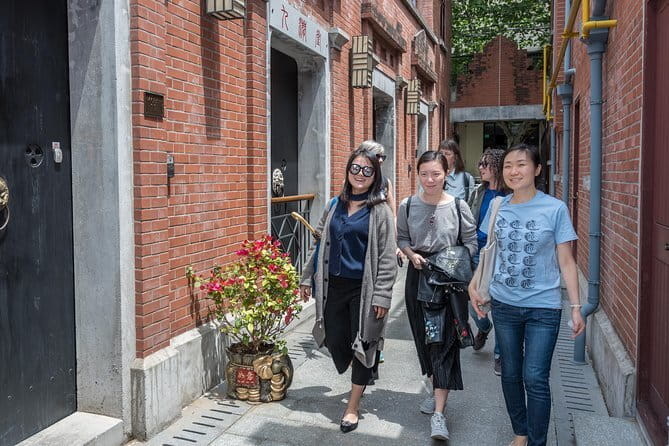
From the station, your guide takes you toward Maliandao Tea Street. The walk allows you to see the market area rather than arriving directly at a single restaurant or shop. The route is described as a stroll through the tea market, with two tea-shop stops.
The tea ceremony: eight cups, several styles
The ceremony is the heart of the experience. You taste eight different teas and learn through comparison. The selection can include green, oolong, black, puer, and white tea, along with other varieties available at the shops you visit.
This broad approach suits a first-time tea drinker. You can decide what you actually enjoy instead of buying a package based on an attractive name. Some people prefer lighter green or white teas, while others like the deeper taste of puer or black tea. Tasting before buying is the sensible part.
A traditional ceremony also gives the tasting some structure. Tea is not just poured into a large mug and forgotten. The preparation, serving, and comparison help you pay attention to aroma, color, and flavor. The supplied details do not promise a formal lesson in brewing technique, so think of this as a guided introduction rather than an advanced class.
The tea shops are described as places with links to real tea farms. That may appeal to you if you want to understand where tea comes from and how it reaches the market. Still, the tour does not specify the names of the farms, the exact shops, or which eight teas will be served. If you have a particular tea in mind, ask your guide what is available that day.
Renny is the only guide named in the available information. The guide is described as warm, friendly, and helpful, with a calm tea tasting followed by food. That suggests the human side of the tour matters. A good guide can explain an unfamiliar tea without making the experience feel like a sales pitch.
Two tea shops, not just one tasting room

Visiting two shops gives you a little more range than a single stop. You may see differences in the way tea is displayed, prepared, and sold. You also get a better sense of Maliandao as a trading district, rather than a staged activity created only for tour groups.
The trade-off is time. Three hours must cover transport from the station, a market stroll, two tea shops, the ceremony, and a full meal. You should expect a focused introduction, not hours of unhurried browsing.
Personal spending is not included. If you decide to buy tea, budget separately and ask clear questions about price, quantity, and packaging before agreeing to a purchase. The tour price covers the organized experience, tea tastings, food, guide services, the ceremony, and local taxes. It does not cover your shopping.
More Tea Tastings in Beijing:
- Twinings 2-Hour Tea Tasting Masterclass in London
★ 5.0 · 105 reviews - Tea Tasting and Pairing Concept Workshop
★ 5.0 · 57 reviews - Munnar: Tea trail, Tea Factory, and Tea Tasting Tour
★ 4.9 · 47 reviews - Biking Real Shanghai& Tea Tasting Experience
★ 4.5 · 45 reviews
Dimsum with soup buns and rice rolls

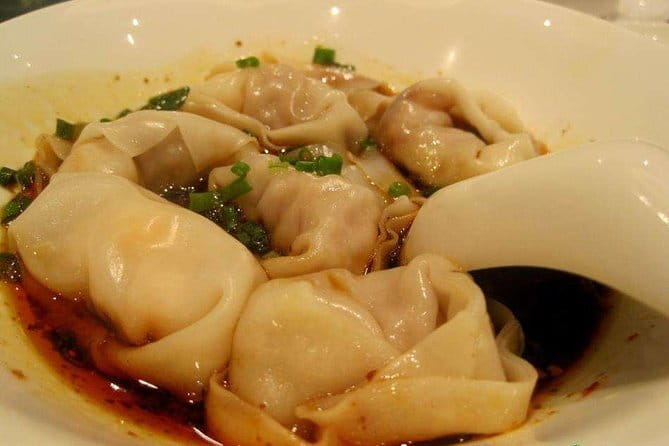
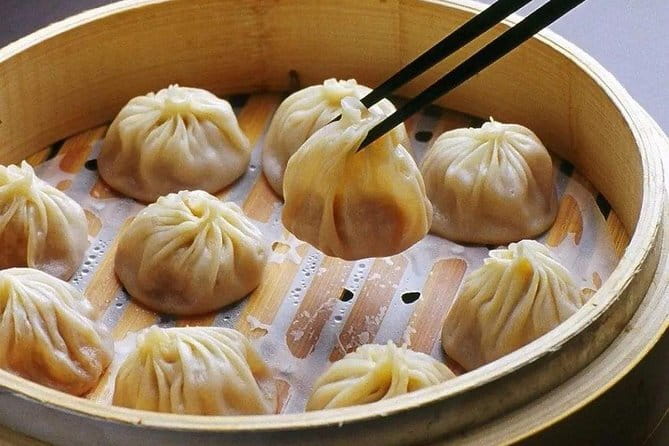
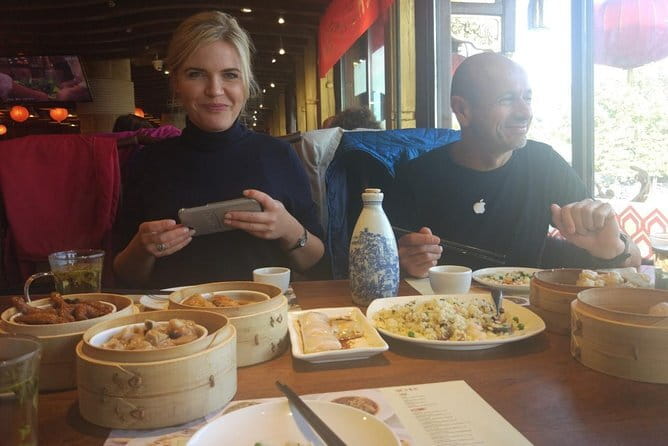
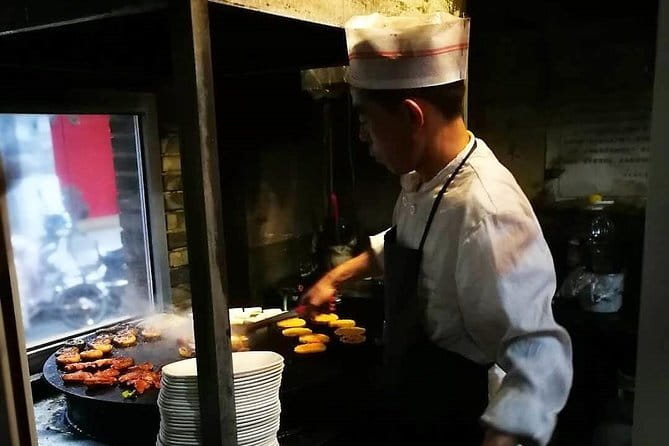
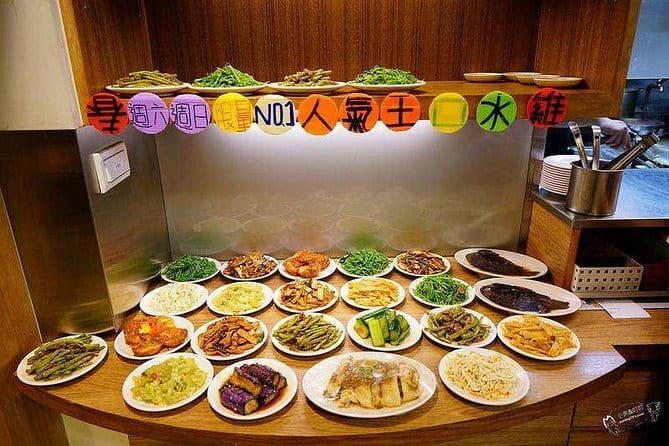
After the tea tasting, you sit down at a nearby tea restaurant for dimsum. This is more than a small snack. The meal can include steamed soup buns, steamed vermicelli rolls, chicken feet, shrimp ravioli, spring rolls, and other dishes.
That menu gives you a useful range of dimsum textures. Soup buns bring a hot, filled center. Vermicelli rolls are soft and slippery, while shrimp ravioli offer a different wrapper and filling. Chicken feet are a traditional choice that some diners enjoy and others may prefer to skip.
The food selection is not presented as a fixed menu, so the exact dishes can vary. The supplied experience also mentions pork dumplings and hand-pulled noodles as part of the food enjoyed on one outing. You may therefore receive dishes beyond the examples listed, but you should not assume every item will appear every time.
The meal is included in the $99 price, which makes the cost easier to assess. You are paying for a guide, a tea ceremony, eight tastings, a walk through Maliandao, two tea-shop visits, and dimsum. If you planned to visit the tea market and arrange a meal independently, the tour bundles those pieces into one appointment.
Still, $99 is not a bargain food stop. Its value depends on how much you want the explanation, structure, and easy introduction. If your main goal is simply to eat dimsum, you can likely spend less elsewhere. If you want help making sense of Chinese tea and prefer not to negotiate the market on your own, the price is more reasonable.
What the small group changes
A maximum of 15 people keeps the experience manageable. You can hear the guide during the tea ceremony, ask questions, and move between stops without the delays that often come with a large group.
The smaller format is especially useful in tea shops. Shelves, displays, and tasting tables can become awkward when too many people crowd around them. A group of eight or fewer, when that size applies, would give the ceremony a more personal feel.
This is still a shared tour. You will not control every stop or choose the full menu. If you want a private tea expert, a custom buying session, or a slow meal built around your own preferences, this is not that kind of outing.
For most people, the group size is a fair compromise. You get company and guidance without sacrificing the basic ability to hear, taste, and ask questions.
Timing, meeting point, and the end of the tour
The morning tour begins at 10:00 a.m., and the afternoon tour begins at 3:00 p.m. The morning departure is the practical choice if you want to make tea and dimsum one of your main daytime activities. The afternoon departure leaves the earlier part of your day open.
The activity ends back at the meeting point. At the end, the guide can send you back to the subway station or help you get a taxi. That is useful in an unfamiliar part of Beijing, especially if you have made tea purchases or are continuing to another sight.
The meeting point is near public transportation, and most people can participate. A vegetarian option is available, but you need to request it when booking. That request matters because several listed dishes contain meat or seafood, including pork, chicken feet, and shrimp.
The child rate applies only when a child shares with two paying adults. The tour is confirmed at booking, and mobile tickets are available. Group discounts may also be offered, so check the current booking terms if you are arranging this for several people.
Is $99 a fair price for this Beijing experience?
I see the price as fair for a visitor who wants several pieces handled at once. You receive a professional guide, local taxes, a tea ceremony, eight tea tastings, two tea-shop visits, a market walk, and dimsum. The food alone is not the main value. The useful part is the link between the market, the tea, and the meal.
The cost is harder to justify if you already know Chinese tea, speak confidently with shop staff, and plan to eat at a casual dimsum restaurant anyway. In that case, you may prefer to visit Maliandao independently and spend your money on tea.
For a first visit to Beijing, the tour removes much of the guesswork. You do not need to decide which shop is worth entering, how to compare tea types, or where to find a nearby meal. That convenience has real value, particularly on a short stay.
The seven available ratings give the experience a perfect five-star score, and the strongest praise focuses on the tea tasting, the food, and Renny’s warm, helpful manner. I would give those points proper weight, but I would also remember that seven ratings are a small sample. The practical details, especially the unclear subway exit, deserve more attention than the perfect score.
Who should book this tour?
I would recommend it to you if you enjoy food, want a gentle introduction to Chinese tea, and prefer a guide in a market that could otherwise feel hard to read. It is also a good fit if you like trying several dishes in one sitting rather than ordering a single meal.
It suits curious first-time tea drinkers better than serious tea collectors. You get breadth, context, and a chance to taste before buying. You do not get a guaranteed list of rare teas or a long technical workshop.
The tour also works for small groups, couples, and families who can manage a three-hour food activity. Ask for the vegetarian option in advance if needed. Be aware that chicken feet and seafood are among the listed dishes, so diners with strong food preferences should clarify the meal before arrival.
Should you book the Maliandao tea and dimsum tour?
Book it if you want an organized, small-group introduction to two important parts of Beijing food culture. The strongest reasons are the eight-tea tasting, the visit to two tea shops, and the included dimsum meal with soup buns, vermicelli rolls, shrimp ravioli, spring rolls, and more.
Skip it if you only want a cheap lunch, need a fully private experience, or already know exactly which teas and dishes you want. Before booking, confirm the Wanzi Station exit, choose your preferred departure time, and request vegetarian food if necessary.
Free cancellation is available when you cancel at least 24 hours before the start time. Changes or cancellations made within 24 hours are not accepted for a refund.
FAQ
Where does the tour meet?
The tour meets at Wanzi Subway Station on Line 7 in Beijing. The provided directions mention both Exit C and Exit D, so confirm the exact exit with the tour provider before the start.
What time does the tour begin?
You can choose a 10:00 a.m. morning tour or a 3:00 p.m. afternoon tour.
How long does the experience last?
The tour lasts approximately three hours.
How many people can join the tour?
The maximum group size is 15 people. The tour details also describe a group of eight or fewer for the meeting and visit.
How many teas will I taste?
You will taste eight different kinds of tea.
What types of tea may be included?
The tasting can include green, oolong, black, puer, and white tea, along with other varieties.
Is the tea ceremony included in the price?
Yes. The tea ceremony and the eight tea tastings are included.
Is food included?
Yes. Dimsum is included, with examples such as steamed soup buns, steamed vermicelli rolls, chicken feet, shrimp ravioli, and spring rolls.
Is a vegetarian meal available?
Yes. A vegetarian option is available, but you should request it when booking.
Where does the tour end?
The activity ends back at the meeting point. The guide can send you to the subway station or help you get a taxi.
More Three-Hour Tea Sessions around Beijing
- Shanghai 3-Hour Afternoon Tea Tasting and Dessert Tour
★ 4.9 · 15 reviews - Three-Hour Private Chengdu Tea Wholesale Market Tour
★ 5.0 · 4 reviews - 3 Hour Vietnam Tea & Egg Coffee Tasting With Train Street
★ 5.0 · 2 reviews - 3 hours Xi’an Mahjong Class with Local Tea
★ 5.0 · 2 reviews
More Afternoon Tea in Beijing
- London: Afternoon Tea Cruise on the River Thames
★ 4.4 · 3,274 reviews - Afternoon Tea Bus Tour in Dublin
★ 5.0 · 2,791 reviews - London: Afternoon Tea Bus Tour – 1960s Routemaster Bus
★ 4.5 · 2,032 reviews - London: Afternoon Tea Bus with a Glass of Prosecco
★ 4.4 · 1,853 reviews
Newly steeped around Beijing
- Private Tour to the Temple of Heaven and Tea tasting at the Maliandao Tea city★ 5.0 · 3 reviews
- Private Beijing Spiritual Tour with Lunch and Tea Ceremony★ 5.0 · 2 reviews
- Temple of Heaven Private Tour and Tea Tasting at Maliandao Tea Street★ 5.0 · 2 reviews
- Beijing Tai Chi and Tea Ceremony Experience★ 5.0 · 4 reviews
- Traditional Chinese Tea Ceremony Experience★ 5.0 · 7 reviews
- 3-Hour Private Hutong Walking Tour with Drum Show at Drum Tower and Tea Tasting★ 5.0 · 3 reviews
- Beijing Hands-On Culture Tour: Tea, Instrument, Calligraphy★ 5.0 · 6 reviews
- Beijing: Temple Of Heaven+Tai Chi Class+Tea Ceremony★ 5.0 · 8 reviews
Tea Tastings, compared.
Twinings 2-Hour Tea Tasting Masterclass in London
Read our review →
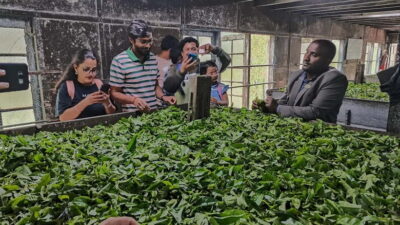
Munnar: Tea trail, Tea Factory, and Tea Tasting Tour
Read our review →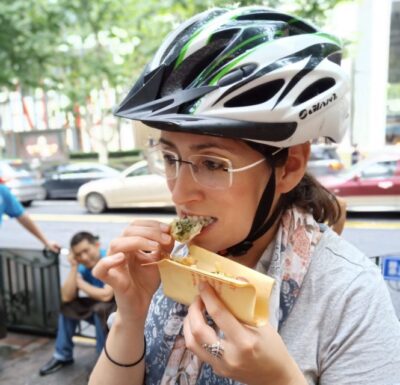
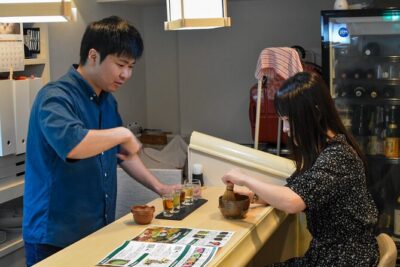
Matcha Experience with of Japanese Tea Tasting in Tokyo
Read our review →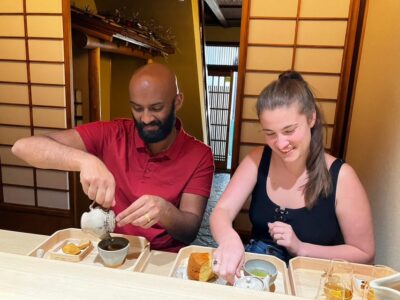
Nara:5 Type of Tea Tasting & Mindful Tea Ceremony
Read our review →
Montmartre Hill French Afternoon Tea Tasting Tour with Crepes and Macarons
Read our review →
Full Day Tour In Uzungol Lake with Turkish Tea Tasting
Read our review →Browse the lists this tea experience appears in