
Review · CHINA
Chongqing 1941 theatre: Tea Art Performance with Folk Art
The star of this short Chongqing show is the 1.2-meter long teapot, swung and tilted by a tea artisan with surprising control. Your covered bowl of tea arrives as part of the performance, along with a small snack, while the stage moves through Sichuan drama, kung fu, music, magic, and folk storytelling.
I like the front-row interaction, where you may get close to the performers and possibly touch a face-changing artist’s makeup. I also like the compact format: 45 minutes gives you a taste of local entertainment without taking half a day. The main caution is value. At $31, this is not a bargain if you only want a short stage show, and one booking found the walk-in price much lower.
Key points at a glance
- The long-mouth teapot: Watch tea service performed with a teapot measuring about 1.2 meters.
- A five-part folk-art mix: Expect Sichuan drama with kung fu, pipa music, money-board storytelling, magic, and folk customs.
- Tea and a snack included: You receive covered-bowl tea and a small snack, often nuts and similar treats.
- Close seating can pay off: Front-row guests may interact with performers and may be invited for a photo afterward.
- A short indoor activity: The full program lasts 45 minutes and works well around other Chongqing plans.
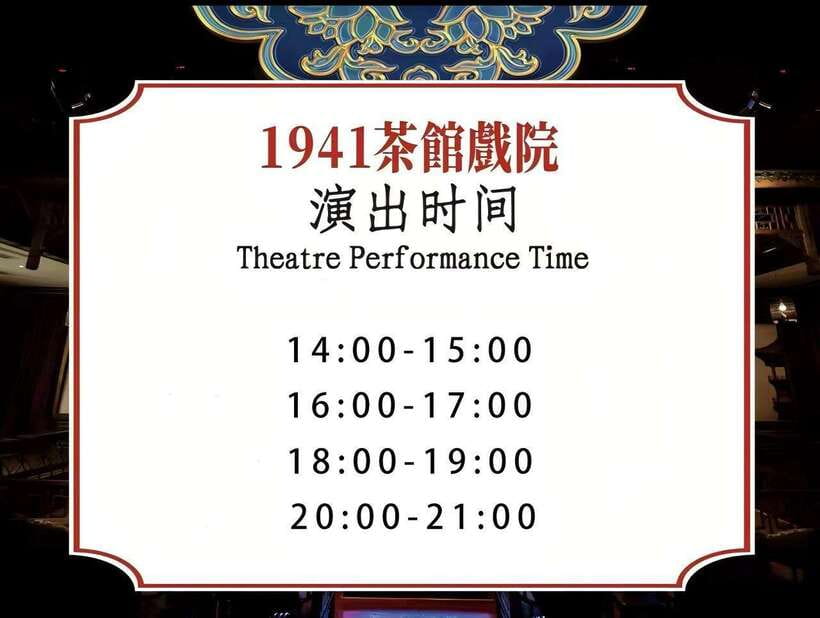
- Arrive early: The meeting point is the Yutian Building garage entrance, beside the time elevator to the eighth floor. Arrive 30 minutes ahead.
A compact look at Chongqing folk entertainment
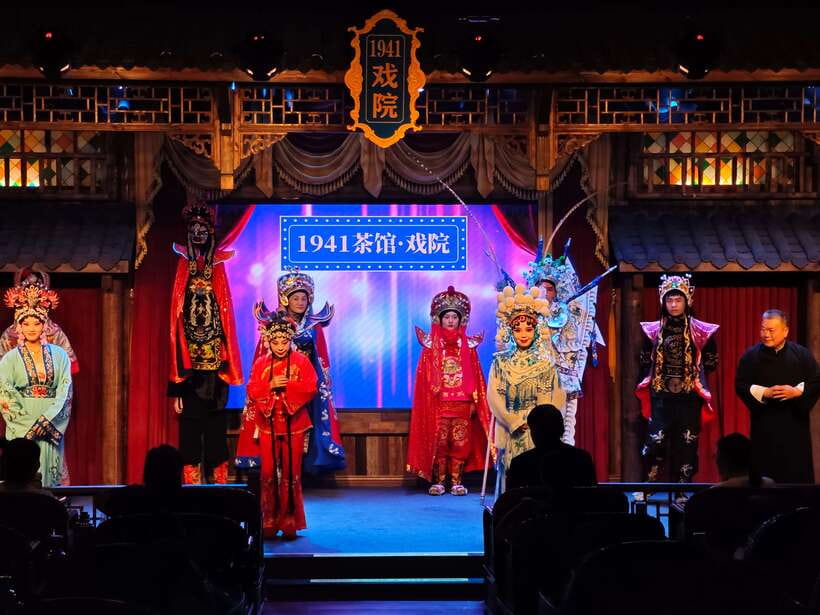
Chongqing 1941 presents a short stage program built around the city’s tea-house tradition. You are not simply handed a cup and left to watch a show. Tea service, music, opera, comedy-style performance, magic, and folk customs are mixed into one fast-moving presentation.
The format matters. A 45-minute program cannot explain every tradition in depth, but it can give you several strong visual snapshots. If you have limited time in Chongqing, this is an easy way to see forms of entertainment that are difficult to encounter casually during a standard city visit.
The performers work in Chinese, and the host or greeter also speaks Chinese. Still, much of the program is physical. Kung fu, tea pouring, face-changing, instrument playing, and magic do not require fluent language skills to enjoy.
More Tea Experiences around China:
- One-Day Hangzhou Dragon Well Tea Culture & West Lake Private Tour
★ 5.0 · 98 reviews - Traditional Chinese Tea Ceremony Experience
★ 4.7 · 74 reviews - Beijing Culture: Tea Ceremony, Heritage Instrument & Calligraphy
★ 5.0 · 57 reviews
Starting with gaiwan tea and a small snack
Your tea service is part of the admission. You receive a covered bowl, known as a gaiwan, with hot water and tea. A gaiwan has a lid that lets you hold back the leaves while drinking, and using one gives the opening moments a distinctly Chinese tea-house feel.
The tea is more than a welcome drink. It sets the mood for a performance centered on traditional skills and hand movements. Watch how the tea artisan handles the bowl and water, since the small gestures are part of the appeal.
A snack is included as well. The portion is not meant to replace a meal. It may consist of nuts or similar small bites, so I would eat beforehand if you are arriving hungry. One useful rule is strict: tea will not be provided if you arrive late. That gives you a good reason to reach the venue well before the curtain.
The long-mouth teapot performance
The most unusual act uses a teapot about 1.2 meters long. This is the visual centerpiece of the tea-art portion, and it gives the show an immediate sense of place. The performer handles the long spout as a piece of theater, not just as a serving tool.
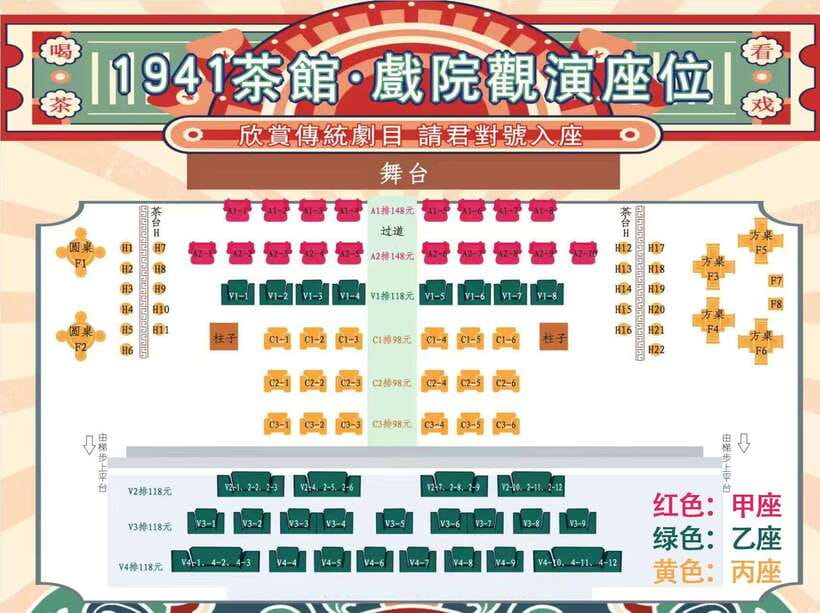
You will want a clear view of the action. Front seating helps, though the available seating arrangement can vary. The long pot is designed to be seen across the room, but being closer makes the handwork easier to follow.
This act also explains why the tea ceremony belongs in a stage show. In a quiet tea shop, tea preparation can be calm and private. Here, it becomes a display of balance, timing, and control. If you like demonstrations of practical skill, this section is likely to be one of the most memorable parts.
Sichuan drama, kung fu, and quick stage changes
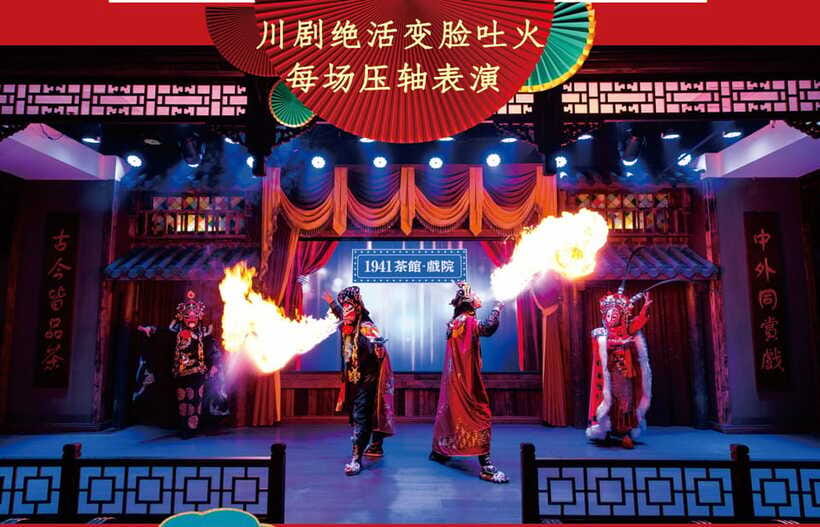
The program includes a Sichuan drama performance called Human Good, paired with kung fu. This section gives you a taste of regional theater while adding the athletic movement that makes the act easy to follow even if you do not speak Chinese.
Do not expect a full-length opera with a long plot. The show is a short sampler, and the dramatic section works best as a concentrated burst of character, movement, and stage energy. The kung fu adds physical clarity, so you can follow the action through gestures and movement rather than dialogue alone.
The wider program may also include opera, magic, facial makeup changes, and folk customs. The exact rhythm of the acts can feel like a small variety show. That variety is a strength for first-time visitors, though anyone seeking a serious, extended opera performance may find the treatment too brief.
Same leaf, a different ritual:
- Tea Tasting and Pairing Concept Workshop
★ 5.0 · 57 reviews - Biking Real Shanghai& Tea Tasting Experience
★ 4.5 · 45 reviews - Authentic Hangzhou Longjing Tea Culture Experience Tour
★ 5.0 · 32 reviews - Tea Village in lost Town and Buddha 1 day tour
★ 5.0 · 32 reviews
Pipa music and the sound of traditional China
The pipa performance brings a different pace. The pipa is a Chinese plucked instrument, and its sound can be bright, delicate, and forceful within a few notes. Here it is presented as a beautiful, sonorous part of the program, with interwoven musical tones.
This gives the show an important change of texture. The tea ceremony relies on visual control. The kung fu relies on movement. The pipa act asks you to listen. Taken together, the different sections prevent the 45 minutes from feeling like one repeated demonstration.
You do not need musical training to appreciate this portion. Focus on the contrast between the instrument’s clear plucked notes and the louder physical acts around it. If the audience is small, the room may feel quiet during the music, which can help you hear it clearly but may also make the atmosphere less lively.
Money-board storytelling and folk performance
The Quyi money-board performance adds singing and storytelling. Money boards are small clacking instruments used to mark rhythm, and the performer uses that rhythm alongside the voice.
This is one of the program’s more culture-specific acts. Without Chinese language skills, you may not catch every story or joke, but the timing, gestures, and repeated rhythm still communicate the basic shape of the performance. The act offers a glimpse of folk entertainment that is different from opera or instrumental music.
For me, the value here is not in expecting a full translation. It is in seeing how storytelling can use voice, rhythm, and a simple handheld object. If you want every word explained in English, this is not the right experience. If you enjoy watching traditional performance styles in their original setting, it adds useful variety.
Face-changing, magic, and audience contact
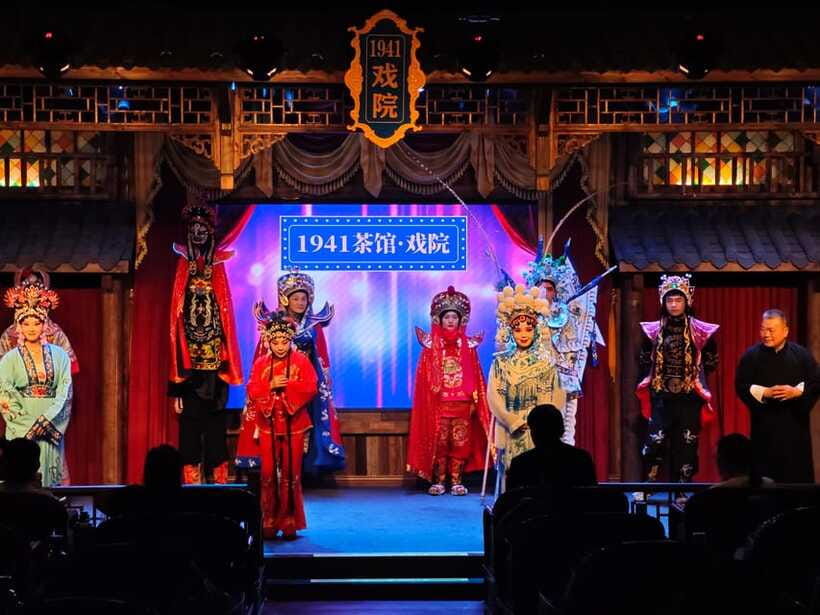
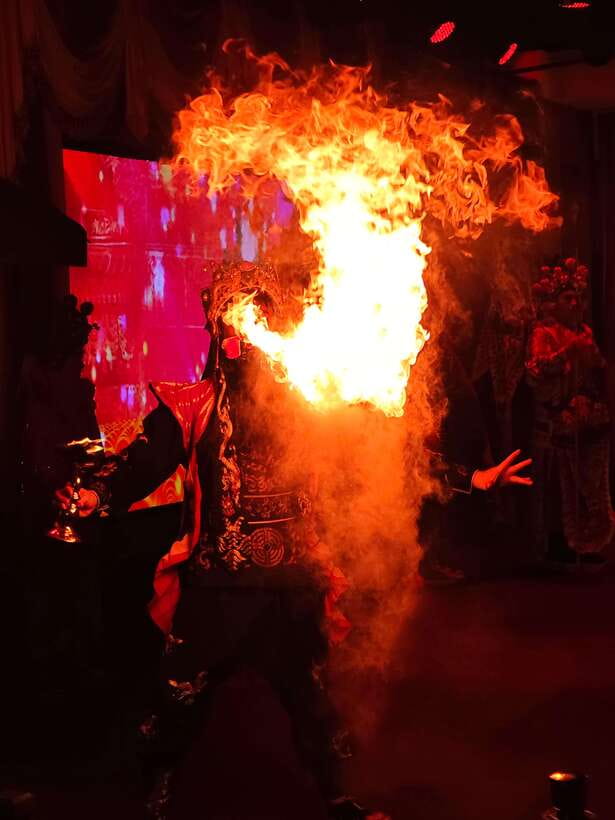
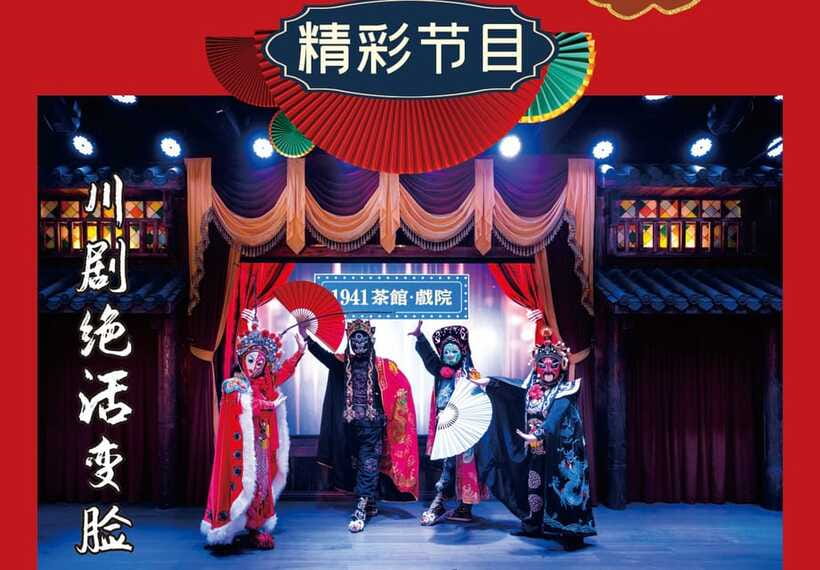
The show includes magic and unpredictable facial makeup changes. Face-changing, associated with Sichuan opera, is famous for rapid shifts in painted masks or makeup. The sudden changes are visual, dramatic, and easy to understand from any language background.
Front-row seating can make this section especially fun. One visitor was able to touch a face-changing performer’s makeup, which is not something you should assume will happen every time, but it shows the kind of audience contact that may be possible.
You may also be invited to take a photograph with the performers after the show. Treat this as a possible extra rather than a guaranteed part of the formal program. If the opportunity is offered, it is worth taking the picture. It gives you a simple souvenir and a chance to meet the artists after the stage lights go down.
What the 45-minute format really means
The short length is both an advantage and a limitation. You can fit the performance into a busy Chongqing day, perhaps before dinner or between other indoor stops. There is no long transfer and no half-day commitment because transportation is not included and you make your own way to the venue.
The tradeoff is depth. Five or more performance styles must share less than an hour. Each act is a sample, not a full cultural presentation. You are buying range and convenience rather than a long, carefully explained study of one art form.
A small audience can affect the atmosphere. One account described the audience as sparse, while still noting that the performers made a strong effort. A smaller room can mean closer contact and easier sight lines, but it may lack the charge of a packed theater.
Finding the Yutian Building entrance
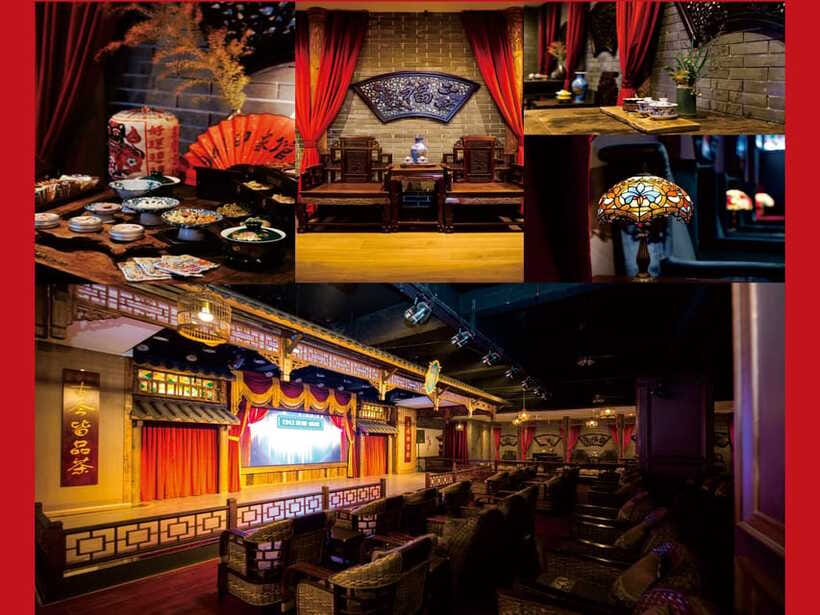
The meeting point is specific but not especially intuitive: the garage entrance of the Yutian Building, next to the time elevator that goes to the eighth floor. You should allow extra time to identify the correct entrance and elevator.
Arriving 30 minutes before the start is not needless padding. It gives you time to find the building, reach the eighth floor, check in with the Chinese-speaking host or greeter, and settle before the tea service begins. Since late arrivals do not receive tea, arriving at the last minute can cost you part of what makes the experience distinctive.
Transportation to and from the venue is not included. Plan your route separately and keep the venue directions available in Chinese if needed. The activity takes place indoors, which makes it a useful option in poor weather or when you need a break from Chongqing’s steep streets and busy city movement.
The venue is listed as wheelchair accessible. If you use a wheelchair, it is still sensible to confirm the exact route to the building entrance when booking, since the meeting point is at a garage entrance and the activity is on the eighth floor.
Is $31 a fair price?
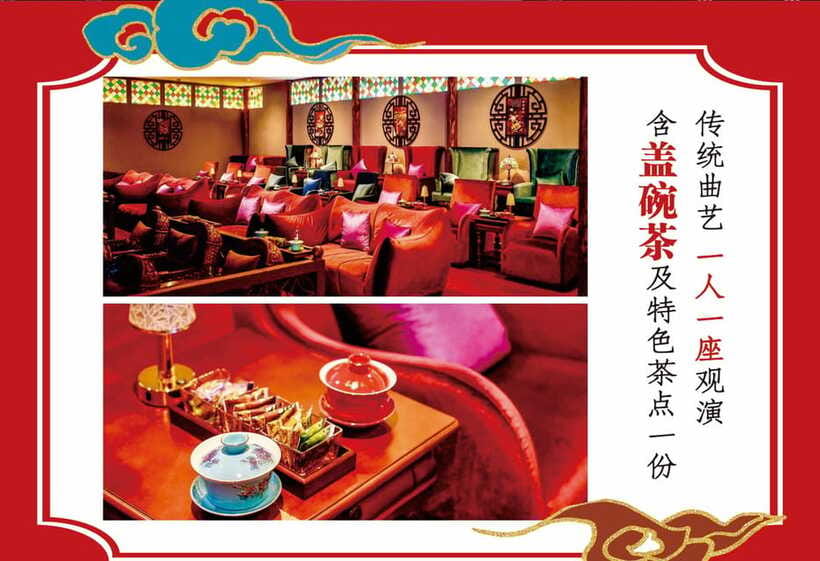
At $31 per person, the price can make sense if you value the combination of tea, a snack, and several live art forms in a central indoor outing. You are not paying for a long excursion, transport, or a meal. You are paying for a short cultural performance with included refreshments.
The value improves if you enjoy variety. In 45 minutes, you may see tea art, Sichuan drama, kung fu, pipa music, money-board storytelling, magic, face-changing, and folk customs. Booking a separate activity for each would take far more time.
The value weakens if you judge the experience only by running time. At less than an hour, $31 is a noticeable cost for a simple stage show. One verified booking specifically advised checking the price at the venue, saying the local price was much lower and that the difference could be about $45. Because prices can change and may vary by sales channel, compare the direct venue price before paying.
The rating attached to the experience is 3.8 out of 5 from eight ratings. That fits the mixed picture: the strongest response centers on the excellent performers, tea service, snacks, front-row interaction, and range of acts. The weaker response focuses on the short length and the price.
Who will enjoy this show most
I would choose this for a first visit to Chongqing when you want a quick introduction to local folk performance without giving up an entire evening. It also suits families and mixed-age groups because many acts rely on visual action rather than long spoken explanations.
It is a good match for anyone curious about Chinese tea, opera makeup, traditional instruments, and folk storytelling. The show moves between styles, so you do not need to arrive with a narrow interest in opera or music.
I would be more cautious if you want an English-speaking guide, a detailed explanation of every tradition, or a full-length Sichuan opera. The host and performance language are Chinese, and the program is designed as a sampler.
Practical ways to get more from the performance
Arrive early enough to receive the tea and settle near the front if seating allows. The close view can make a real difference during tea pouring, face-changing, and magic.
Eat a proper meal beforehand. The included snack is small, with nuts and similar items rather than a substantial plate. If you have a nut allergy, ask about the snack before eating it.
Keep your expectations tied to the format. Think of this as a lively cultural sampler, not a detailed theater course. Watch the hand skills, listen for the pipa’s changing tone, and notice how rhythm shapes the money-board storytelling.
Finally, ask about a post-show photograph if the staff does not make the option clear. A photo with the performers may be offered, and it is one of the more personal moments connected with the show.
Should you book Chongqing 1941?
Book it if you want a short, indoor introduction to Chongqing folk arts and you like the idea of combining tea with live entertainment. The long-mouth teapot, face-changing, pipa music, kung fu, and money-board storytelling give you plenty of distinct moments in 45 minutes.
Skip it or compare prices carefully if $31 feels high for a brief show, or if you need English commentary and a deeper look at Sichuan opera. The best booking decision is to confirm the direct venue price first, then choose this experience when the convenience, tea service, and close-up variety justify the cost for you.
FAQ
How long does the Chongqing 1941 performance last?
The performance lasts 45 minutes.
What is included in the ticket?
The ticket includes one traditional performance admission, one covered-bowl tea, and one special snack per person.
What happens if I arrive late?
Tea will not be provided if you arrive late. You are advised to arrive 30 minutes before the activity begins.
Where is the meeting point?
Meet at the Yutian Building garage entrance, next to the time elevator leading to the eighth floor.
Is transportation included?
No. Transportation to and from the activity, along with personal expenses, is not included.
Is the activity wheelchair accessible?
Yes, the activity is listed as wheelchair accessible.
Newly steeped around China
- Full-day Tour: Spectacular Sunrise, Tea Plantation & Sunset★ 5.0 · 3 reviews
- Unlock Chinese Tea: Culture, Science, Tasting & Hands-on Brewing★ 5.0 · 12 reviews
- Shanghai Mahjong Experience in Local Tea Bar★ 5.0 · 4 reviews
- Chinese Tea Ceremony Experience★ 5.0 · 3 reviews
- Private Tour Hangzhou West Lake and Tea Fields Discovery★ 5.0 · 3 reviews
- Hangzhou West Lake and Tea Plantation Half Day Tour★ 5.0 · 4 reviews
- Private Hangzhou Day Tour to West Lake, Lingyin Temple, Tea Village, Old Pagoda★ 5.0 · 17 reviews
- Half-Day Hangzhou Private Tour with Green Tea Village and Lingyin Temple★ 5.0 · 3 reviews
China Tea Tours, compared.
One-Day Hangzhou Dragon Well Tea Culture & West Lake Private Tour
Read our review →
Beijing Culture: Tea Ceremony, Heritage Instrument & Calligraphy
Read our review →
Chinese Tea ceremony in Beijing Hutong courtyard
Read our review →Browse the lists this tea experience appears in