
Review · CHINA
Guilin Longji: Rice Terrace with Oil-Tea Demo & Zhuang Lunch
Longji is not just a photo stop. This full-day outing connects the famous rice terraces with Zhuang village life, a small museum, a hands-on oil-tea lesson, and lunch cooked in a mountain home. The result is a fuller day than simply riding up for a viewpoint and riding back down.
I like the chance to make your own tea from roasted peanuts, soybeans, and tea leaves, and I like that the day includes Guzhuang Village, where old wooden houses and family artifacts offer a look at local life. The drawback is the long two-hour drive each way from Guilin, followed by uphill walking if you choose the trail.
Key points at a glance
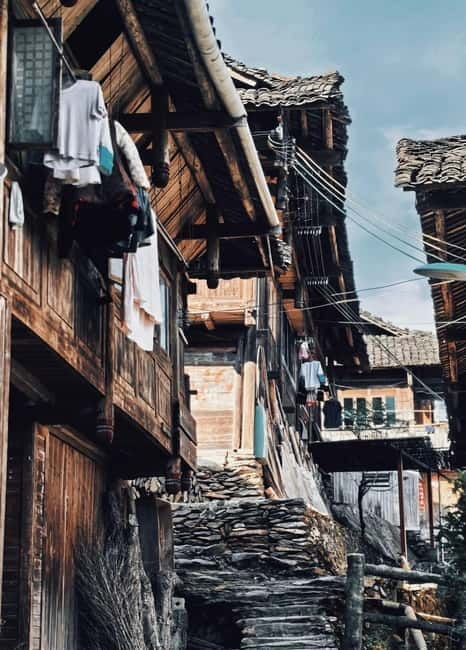
- Guzhuang Village: Walk stone-paved lanes past wooden homes more than 100 years old and visit a small museum of costumes, tools, instruments, and ancestral objects.
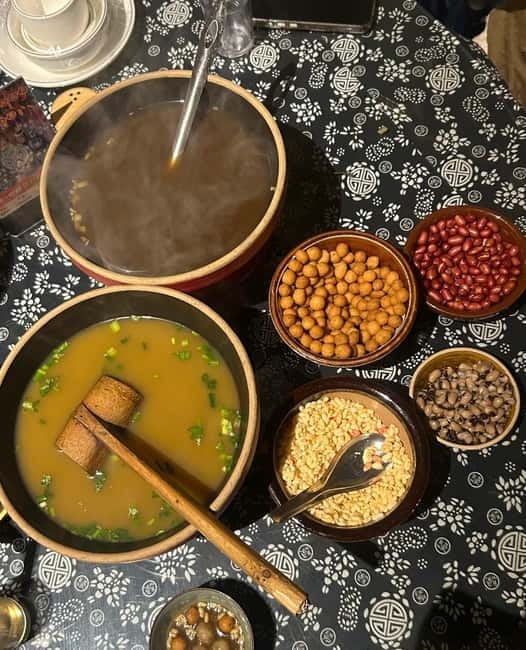
- Oil-tea workshop: Roast peanuts and soybeans, grind the mixture, and turn it into Longji’s savory tea soup.
- Zhuang lunch: Eat a homemade meal using local ingredients in a mountain village with terrace views.
- Two ways uphill: Walk for 30 to 40 minutes through village and farmland paths, or choose the scenic cable car option.
- Guide-led day: Guides such as Tonwn provide transport, cultural context, and practical help from pickup through the return to Guilin.
- Good weather flexibility: Rain can soften the views, but the village, food, and workshop still give the day purpose.
The long road from Guilin to Longsheng
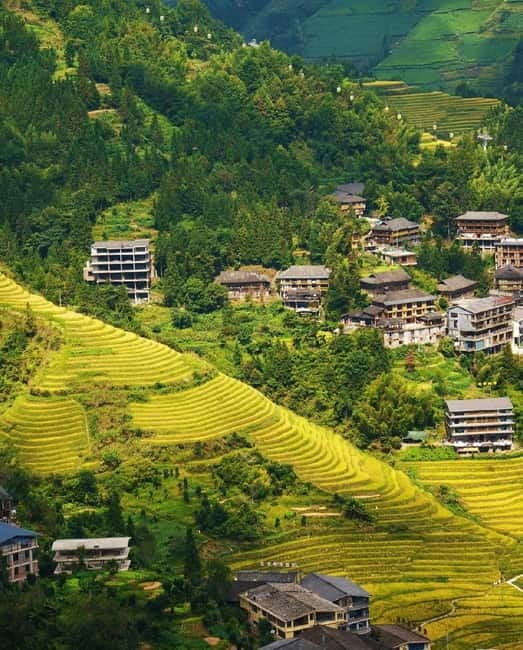
The day begins with pickup anywhere in Guilin city and a scenic drive of about two hours into Longsheng County. That is a serious chunk of the day, so I would not book this tour expecting a quick side trip. You are trading road time for access to a mountain area that is difficult to cover independently in one day.
The drive passes rice paddies, bamboo groves, and quiet country roads. Your guide introduces the Zhuang and Yao communities, whose farming traditions shaped the terraces on the hillsides. This background matters because the terraces are not just pretty scenery. They are working agricultural land, built and maintained over generations.
The tour takes up to 12 people, though a smaller group can make village walks and lunch feel more personal. The available languages are Chinese, English, Japanese, Korean, Spanish, and French. Guides such as Tonwn have also helped with small personal needs, safe driving, and simple cultural details that can make a long day easier.
More Tea Experiences around China:
- One-Day Hangzhou Dragon Well Tea Culture & West Lake Private Tour
★ 5.0 · 98 reviews - Traditional Chinese Tea Ceremony Experience
★ 4.7 · 74 reviews - Beijing Culture: Tea Ceremony, Heritage Instrument & Calligraphy
★ 5.0 · 57 reviews
Guzhuang Village and its old wooden homes
Guzhuang Village is a calm first stop at the foot of the terraces. You walk along stone-paved paths between wooden houses that have stood for more than a century. This is a useful contrast to the grand views later in the day. Here, the focus is on homes, tools, family life, and the shape of a mountain settlement.
The local museum displays traditional clothing, weaving tools, musical instruments, and objects connected with ancestors. It is not a huge museum, and that is part of its appeal. You get a compact introduction to Zhuang customs without spending half the day behind glass.
I would pay attention to the practical objects rather than rushing through for photographs. Clothing and instruments show how people expressed identity, while farming tools point back to the work required to maintain the terraces. Your guide can connect these items to migration, agriculture, and family traditions passed down over time.
This stop also helps set the right pace. The day is not a race between viewpoints. You have time to walk, listen, and notice details in the village. If your main goal is only the most dramatic panorama, Guzhuang may feel like a slower start. If you want cultural context, it gives the scenery more meaning.
Making Longji oil tea from scratch
The oil-tea workshop in Ping’an Village is the most unusual part of the outing. You do not simply receive a cup and move on. You roast peanuts and soybeans, grind your own mixture, and combine it with fragrant tea to make the local drink.
Longji oil tea is better understood as a savory tea soup than as the sweet drink many people expect. The roasted ingredients give it a fuller taste, and the hands-on work makes the dish easier to remember. You can see how simple local ingredients become part of daily food culture.
The workshop is also a welcome pause after the drive. It is hands-on without demanding major physical effort, and it gives you something to do in poor weather. One of the strongest parts of this tour is the balance between looking at scenery and taking part in a local activity.
The host is described as friendly, and the workshop has a relaxed feel. I would not book it expecting a formal cooking class with long technical instruction. Think of it as a short cultural activity where you help prepare a traditional drink and then taste the result.
A Zhuang lunch with a terrace view
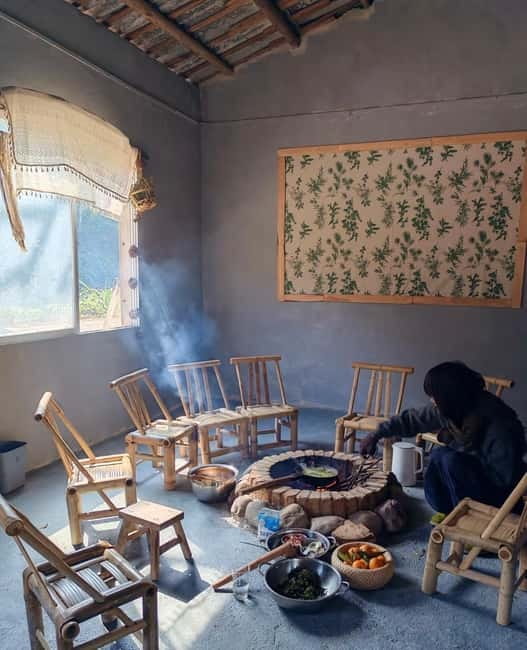
After the workshop, you eat a homemade Zhuang-style lunch in a mountain village. The meal uses fresh local ingredients and is served with the kind of direct hospitality you expect in a family setting rather than a large restaurant.
The exact dishes are not specified, so you should not book this expecting a fixed menu. What is clear is that the food is a central part of the day, not an afterthought. Several visitors found it among the best meals of their China holiday, and one described it as healthy and genuinely local.
I especially like the setting. A meal with a view of the terraces gives you time to appreciate the area without standing at a lookout with a camera in hand. It also makes the stop feel connected to the surrounding farms.
If you have dietary needs, raise them when arranging the tour. The information provided does not list special menus or allergy procedures. The same applies to drink preferences and other meal requests.
Same leaf, a different ritual:
- Tea Tasting and Pairing Concept Workshop
★ 5.0 · 57 reviews - Biking Real Shanghai& Tea Tasting Experience
★ 4.5 · 45 reviews - Authentic Hangzhou Longjing Tea Culture Experience Tour
★ 5.0 · 32 reviews - Tea Village in lost Town and Buddha 1 day tour
★ 5.0 · 32 reviews
Reaching the Longji terrace viewpoints
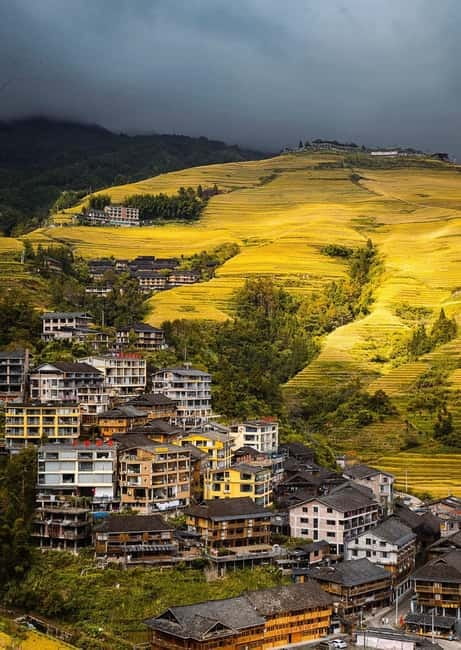
The final major section takes you toward the famous Longji viewpoints. Depending on your energy, you can walk uphill for about 30 to 40 minutes through village and farmland paths, or choose a scenic cable car to reach the top.
The walk is not described as a long mountain trek, but it is uphill and may feel harder after a full day of driving and sightseeing. Wear shoes with a firm grip and bring water. The route lets you see more of the village and farmland at ground level, so it is the better choice if you want movement and close views.
The cable car is the easier option for saving your legs. Check the exact cost before departure, since the stated inclusion covers the Longji scenic-area ticket and shuttle bus ticket, while a cable-car fare is not clearly listed as included. That small detail can affect the final price.
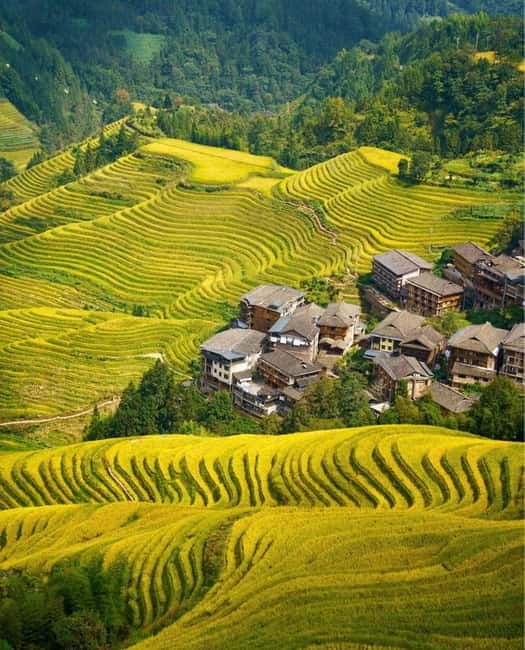
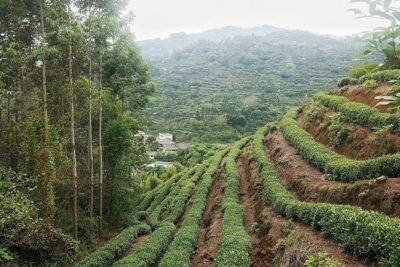
At the viewpoint, the terraces sweep across the hills in curved bands. Depending on the season, the fields may appear green, reflective, or more muted. The view is broad and layered, with the terraces rising and falling like lines drawn across the mountains.
Weather can change the mood quickly. Rain may blur distant views, but it can also bring mist and soft color. One outing included a rainbow after rain, while another rainy day still worked well because the guide, lunch, and village activities carried the experience. I would pack a light rain layer instead of treating bad weather as an automatic reason to cancel.
What the guides add to the day
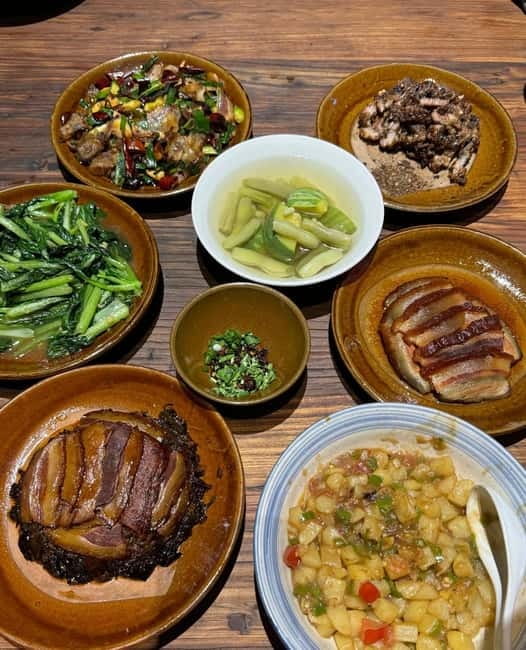
This is a guide-led tour, not simply a transfer to a scenic area. Your guide explains Zhuang and Yao traditions during the drive, manages the day’s timing, and helps you choose between walking and the easier uphill option.
Tonwn is specifically associated with several strong experiences. The available information describes him as polite, cultured, friendly, and careful behind the wheel. He has also offered small handmade gifts, including a hand-painted fan, and arranged local touches such as seasonal fruit picking during one outing.
Those details matter because the Longji area requires coordination. You are moving from Guilin to a village, then to a workshop, lunch, and a viewpoint. A guide who communicates clearly can prevent the day from feeling like a series of disconnected stops.
The exact guide is not guaranteed, so book this for the structure and activities rather than for Tonwn personally. You can request your language from Chinese, English, Japanese, Korean, Spanish, or French.
Is $152 a fair price?
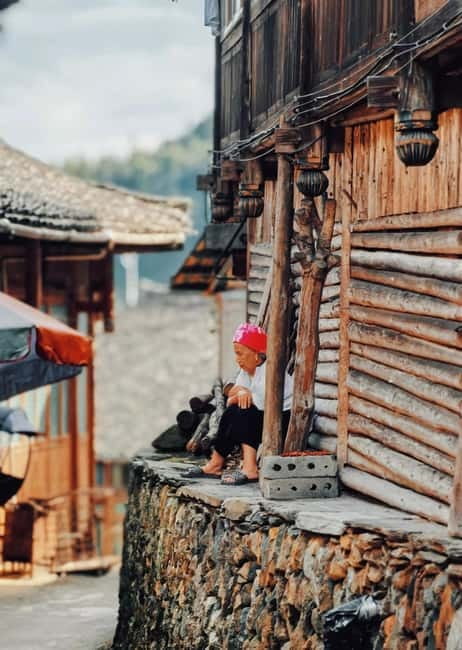
At $152 per person, this is not the cheapest way to see Longji. The price makes more sense when you count the long private-style day structure: pickup and drop-off in Guilin, transport to a remote mountain area, a guide, the scenic-area entry, shuttle bus, oil-tea workshop, and Zhuang lunch.
You are also paying for variety. A basic scenic transfer may give you the terraces, but it will not necessarily include Guzhuang Village, the museum, a cooking activity, and a family-style meal. If you value local food and cultural context, those additions improve the value.
The calculation is less favorable if you mainly want a quick photograph from the best viewpoint. In that case, you may spend too much time on the road for the amount of time you want at the terraces. The two-hour drive each way is the main cost in time, even more than the listed price.
For a first visit to Guilin, I see this as a good fit for someone who wants one organized day with many parts rather than a narrow sightseeing transfer. A group of one to 12 people also gives you a more manageable arrangement than a large coach outing, though the feel will depend on the number of people booked.
Who should book this day?
You should consider it if you want:
- A full-day outing from Guilin without arranging several transport connections
- A mix of scenery, food, village life, and minority culture
- A moderate uphill walk with a non-walking option
- A local lunch rather than a standard tourist restaurant
- A hands-on activity that works even when the weather is not perfect
- Guided help in one of six listed languages
It is less suitable if you dislike long drives, need a wheelchair-accessible route, or want a free day with no fixed schedule. The tour is not suitable for wheelchair users, and the uphill village paths may be tiring even for people who normally walk easily.
Bring your passport or ID card, since it is required. Comfortable walking shoes, water, and rain protection are sensible choices based on the mountain setting and the possibility of wet weather.
Should you book the Longji oil-tea tour?
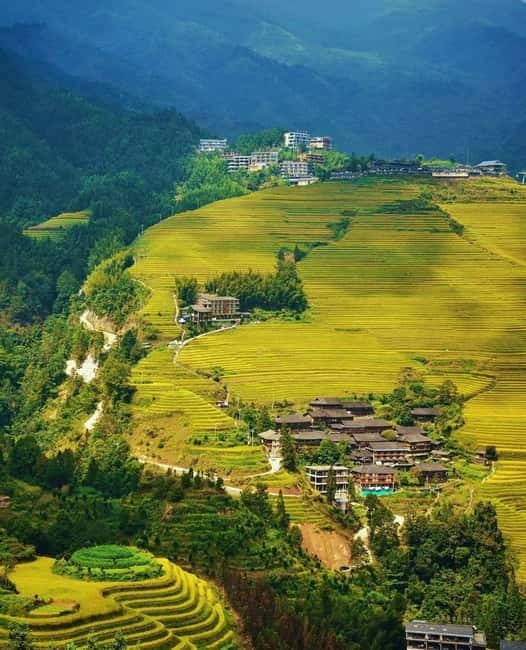
I would book this if you want the terraces to be part of a broader day, not the whole day. The strongest combination is the oil-tea workshop, homemade Zhuang lunch, and village visit, followed by the big viewpoint. Those parts give the outing warmth and variety beyond the standard mountain panorama.
I would think twice if you have only a short stay in Guilin or if a two-hour drive sounds frustrating. The tour is about 10 hours, and the mountain road is unavoidable. Still, for a full day available, the $152 price buys a well-connected experience with transport, food, entry costs, and a guide.
Book with confidence if your priorities are local food, minority culture, and an organized route. Cancellation is allowed up to 24 hours before departure for a full refund, and you can reserve while keeping payment for later, which helps if your Guilin plans are still shifting.
FAQ
How long is the Longji rice terrace tour?
The tour lasts approximately 10 hours, including pickup and drop-off from Guilin city.
Does the tour include pickup in Guilin?
Yes. Pickup and drop-off are available from anywhere in Guilin city. Staff confirm the pickup details the evening before.
How long is the drive to Longsheng County?
The scenic drive from Guilin to the Longji area takes about two hours each way.
What happens at Guzhuang Village?
You walk through a Zhuang village with stone-paved paths and wooden houses more than 100 years old. You also visit a museum with traditional costumes, weaving tools, musical instruments, and ancestral artifacts.
What is included in the oil-tea workshop?
You roast peanuts and soybeans, grind the mixture, and combine it with tea to make Longji oil tea.
Is lunch included?
Yes. The selected option includes a homemade Zhuang-style lunch in a mountain village.
Can I avoid the uphill walk to the viewpoint?
Yes. You can choose a 30 to 40-minute uphill walk or a scenic cable car. The stated included tickets cover the scenic area and shuttle bus, so confirm if the cable-car fare costs extra.
What languages are available?
The tour is available in Chinese, English, Japanese, Korean, Spanish, and French.
Is the tour suitable for wheelchair users?
No. The tour is not suitable for wheelchair users.
Newly steeped around China
- Full-day Tour: Spectacular Sunrise, Tea Plantation & Sunset★ 5.0 · 3 reviews
- Unlock Chinese Tea: Culture, Science, Tasting & Hands-on Brewing★ 5.0 · 12 reviews
- Shanghai Mahjong Experience in Local Tea Bar★ 5.0 · 4 reviews
- Chinese Tea Ceremony Experience★ 5.0 · 3 reviews
- Private Tour Hangzhou West Lake and Tea Fields Discovery★ 5.0 · 3 reviews
- Hangzhou West Lake and Tea Plantation Half Day Tour★ 5.0 · 4 reviews
- Private Hangzhou Day Tour to West Lake, Lingyin Temple, Tea Village, Old Pagoda★ 5.0 · 17 reviews
- Half-Day Hangzhou Private Tour with Green Tea Village and Lingyin Temple★ 5.0 · 3 reviews
China Tea Tours, compared.
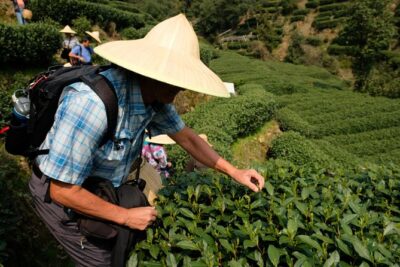
One-Day Hangzhou Dragon Well Tea Culture & West Lake Private Tour
Read our review →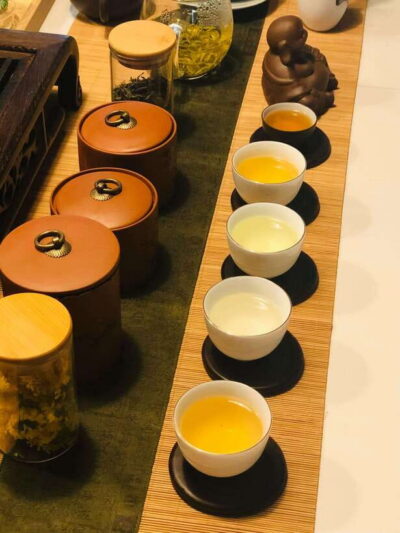
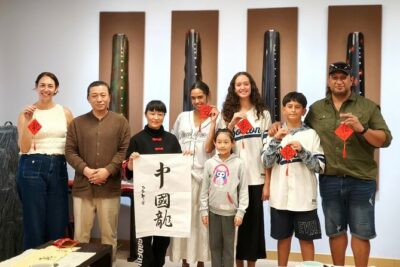
Beijing Culture: Tea Ceremony, Heritage Instrument & Calligraphy
Read our review →

Chinese Tea ceremony in Beijing Hutong courtyard
Read our review →Browse the lists this tea experience appears in