
Review · UJI
Kyoto: Tea Museum and Tsuen Teahouse Guided Tour
Uji’s tea culture comes into focus quickly on this 90-minute private tour, which pairs the modern Chazuna museum with Tsuen, a teahouse founded in 1160. You get both sides of the story: how tea is grown and made, and how it has been served to people for centuries.
I like the contrast between the two stops, and I like that tea and sweets are included rather than left as an optional extra. The main consideration is the short running time. You’ll get a clear introduction, not an unhurried day devoted to every corner of Uji’s tea world.
Key points to know before booking
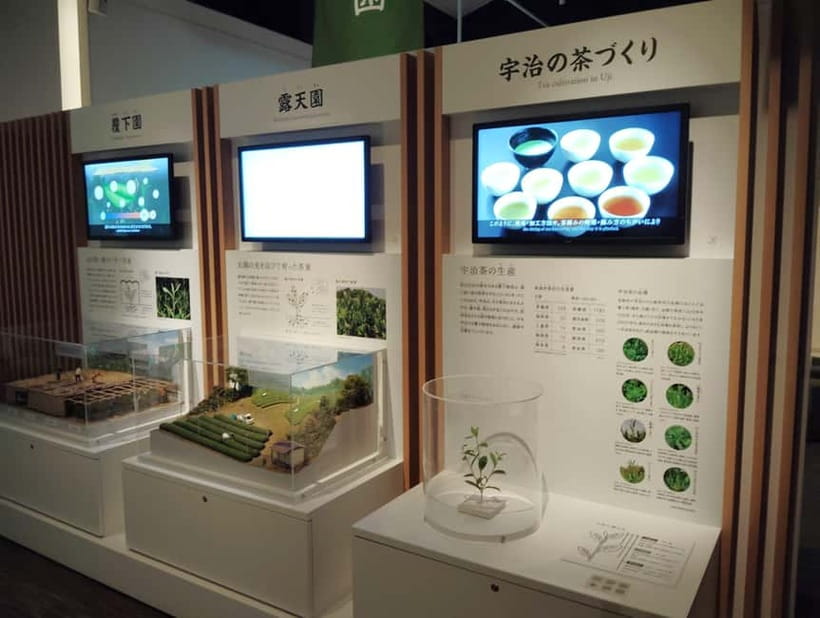
- Chazuna explains tea through hands-on displays: The museum uses multimedia exhibits and practical presentations to show cultivation, processing, and tea’s place in Japanese life.
- Tsuen dates to 1160: The teahouse by Uji Bridge has served tea for more than eight centuries.
- Tea and sweets are included: The tasting gives the tour a pleasant sensory finish.
- Your group is private: You can ask questions at your own pace with an English- or Japanese-speaking guide.
- Guide Teppei has made a strong impression: His kind, accommodating approach is useful for families and mixed-age groups.
- The price is $68 per person: That is fair if you want a guided introduction, museum admission, historic setting, and tasting in one compact visit.
Why Uji is the right place to study Japanese tea
Uji is one of Japan’s best-known tea-producing regions, so this is not a general tea talk placed anywhere in Kyoto. The setting gives the subject a local foundation. You are learning about tea in a place connected to its cultivation, production, trade, and daily use.
That matters because tea in Japan is more than a drink. It can express hospitality, mark a pause in the day, and connect ordinary life with older customs. This tour helps you see those links without requiring a full tea ceremony or a long formal lesson.
I find the 90-minute format useful for a Kyoto or Uji day trip. It is short enough to fit around other sights, but long enough to visit two very different places. You should not expect a technical course in tea production or a full ceremonial performance. Instead, you get a guided introduction with a museum visit, a historic teahouse, and something to taste.
The private format also changes the feel of the outing. You are not being moved through a large group at a fixed pace. If your family has questions about tea cultivation, Japanese customs, or the buildings themselves, your guide can focus the conversation where it helps most.
More Tea Factory Tours in Uji:
- Kyoto: Tea Museum Tickets and Matcha Grinding Experience
★ 4.9 · 739 reviews - Uva Halpewatte Tea Factory Tour in Ella Sri Lanka
★ 5.0 · 653 reviews - Nuwara Eliya: Tea Factory and Pickle Waterfalls Tuk Tuk Tour
★ 4.7 · 113 reviews
Starting at the Chazuna Tea Museum
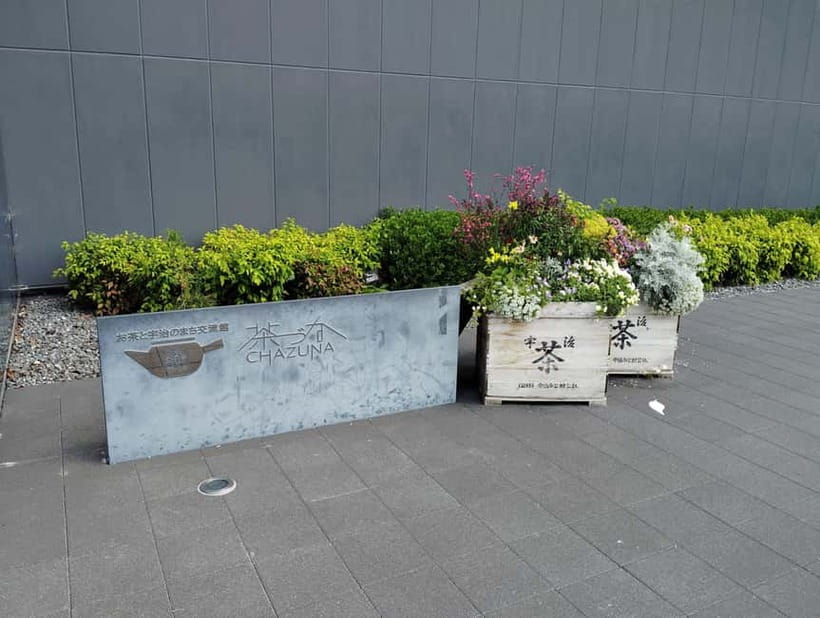
Meet your guide in front of the entrance to Chazuna, formally known as the Ocha to Uji no Machi Koryukan Chazuna. Look for a yellow sign marked DeepExperience. This simple meeting arrangement matters because the tour begins at the museum itself, rather than at a distant hotel or an unclear street corner.
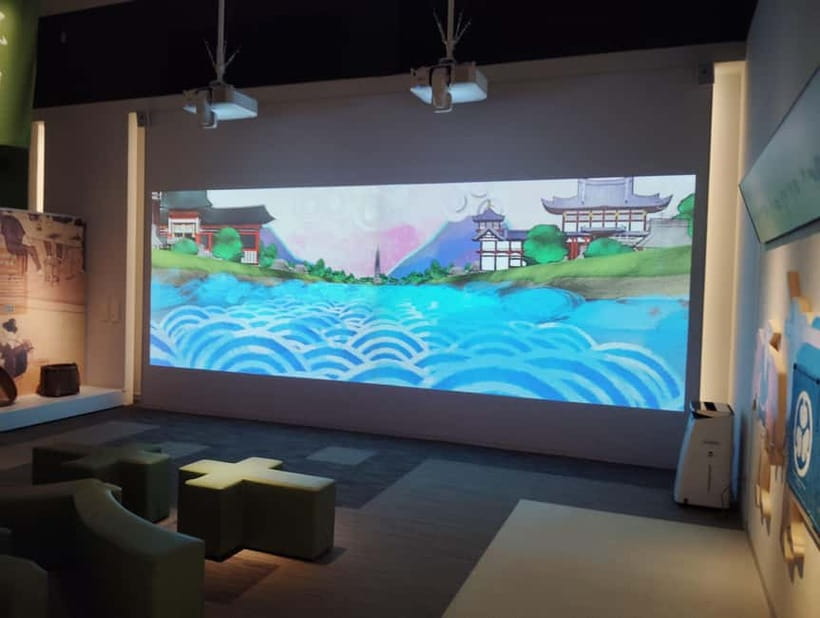
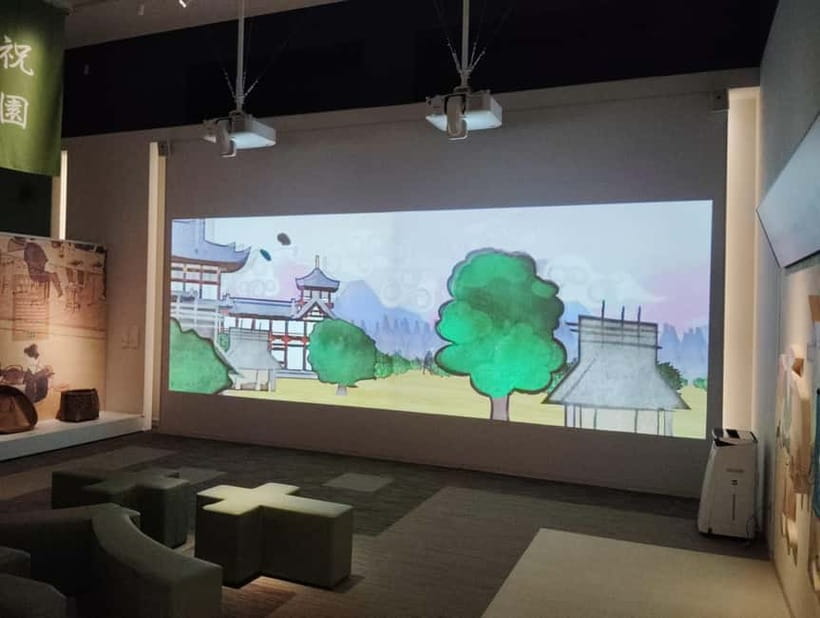
Chazuna is a modern museum dedicated to tea and Uji. Its architecture is part of the visit. The design takes cues from the relationship between tea and nature, creating a calm setting that feels contemporary while still connected to older traditions.
I like starting here because it gives you a framework before you visit Tsuen. At the teahouse, you will see the finished social side of tea. At Chazuna, you first learn how tea begins, how it is processed, and why the drink carries such cultural weight.
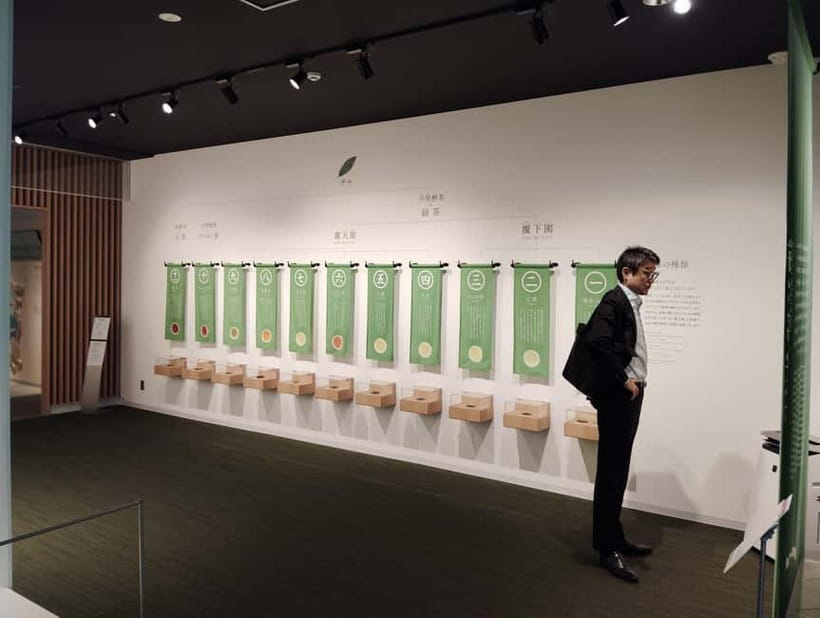
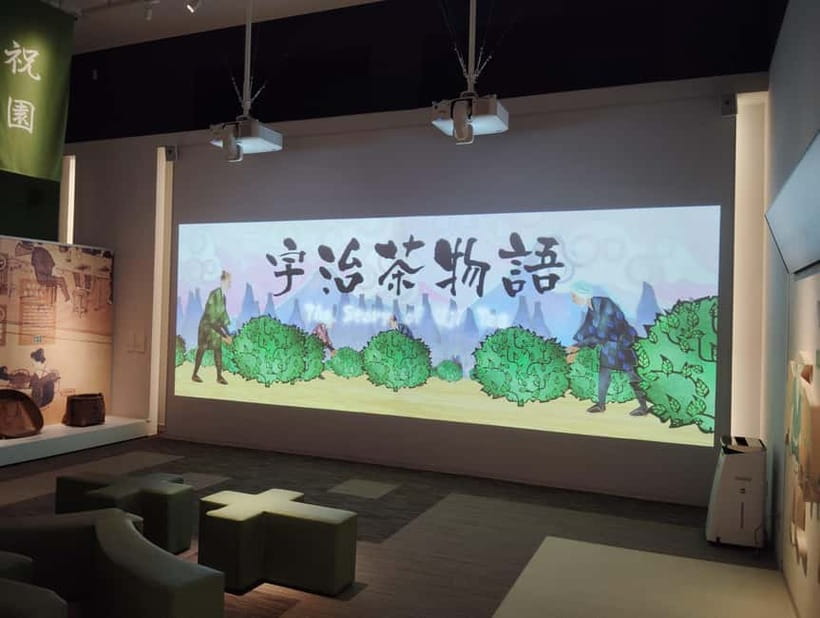
The museum is presented as an active experience rather than a row of dry academic cases. Multimedia material, hands-on displays, and visual exhibits help explain the path from cultivation to the cup. That approach should work well if you prefer seeing and doing to listening to a long lecture.
The first hour is devoted to Chazuna, including the guided visit, sightseeing, walking, and time for photographs. An hour is enough to give the museum real attention, though you may need to keep moving if you want to cover every display in detail.
What Chazuna teaches you about tea
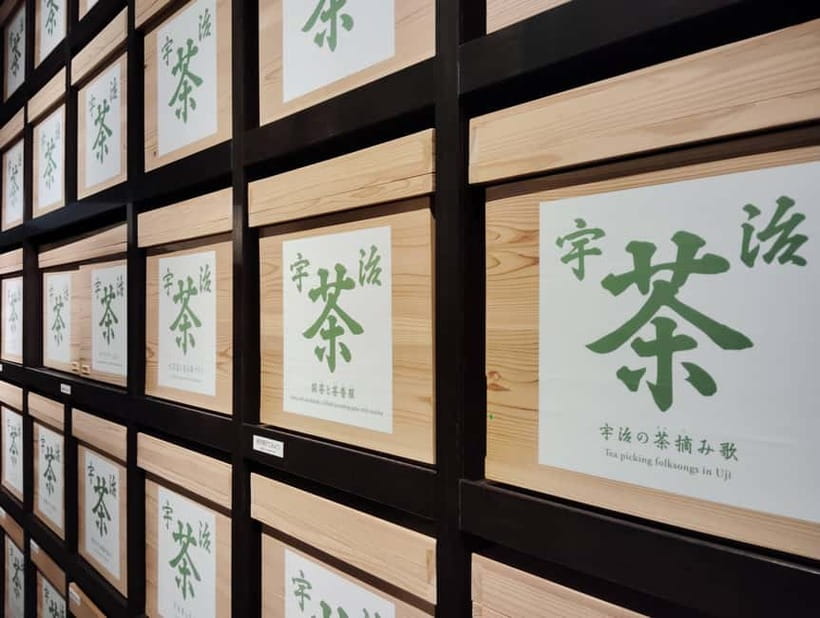
The most useful part of the museum is the connection between stages. Tea does not simply appear as a finished powder or leaf. You learn about cultivation in Uji, processing methods, and the cultural role of tea in Japanese life.
The exhibits can help you notice details later in the tour. Once you understand that tea has a production story as well as a serving tradition, the small act of drinking it at Tsuen carries more meaning.
I would pay attention to how the museum presents tea as both a natural product and a human craft. The building’s calm design reinforces that idea. Tea culture depends on plants, seasons, skilled work, tools, hospitality, and social habits. Chazuna brings those pieces together without asking you to commit half a day to a specialist museum.
The museum portion should suit families particularly well. A child may not want a long history lesson, but visual and hands-on displays can make the subject easier to follow. The private guide also gives your group room to ask basic questions without feeling rushed or self-conscious.
At the same time, serious tea enthusiasts should set their expectations properly. The supplied details describe the museum as an introduction to cultivation, processing, and cultural meaning. They do not promise an advanced tasting class, a detailed comparison of tea varieties, or a lesson in preparing matcha. If those are your main goals, ask your guide what can fit into the visit.
Walking back eight centuries at Tsuen
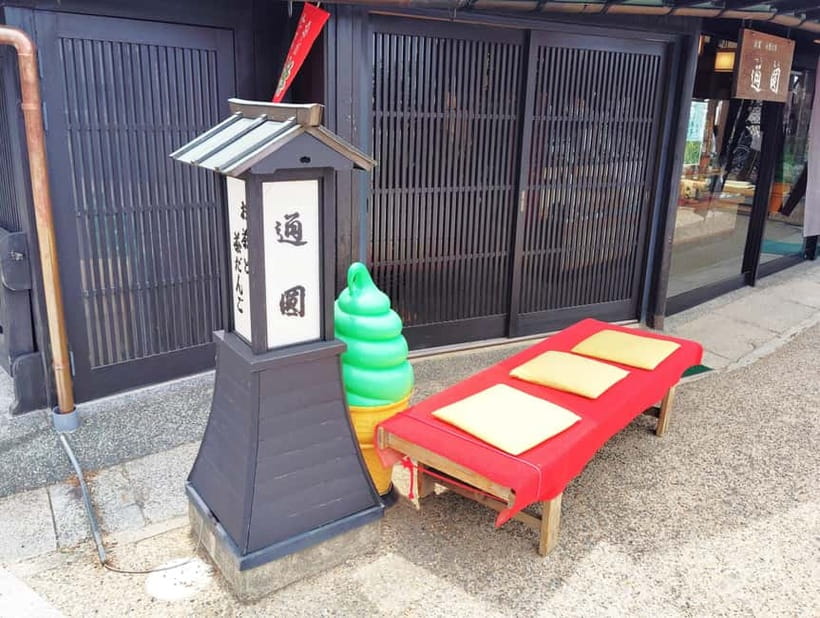
The second stop is Tsuen Main Branch, at the foot of Uji Bridge. The building has served tea since 1160, making it one of Japan’s oldest teahouses. Its long connection with the bridge is important: this was a place where people could stop for refreshment as they passed through Uji.
Tsuen’s story includes service to samurai, monks, and emperors. That list gives you a sense of the teahouse’s reach across Japanese society, but the setting is not presented as a grand palace. Its appeal is the continuity of a working place devoted to welcome, tea, and travelers crossing the bridge.
After the modern museum, Tsuen feels like a turn backward in time. You pass through timeworn doors and see a building where hospitality is part of the structure’s identity. The visit lasts about 30 minutes, including a break, photographs, guided sightseeing, and the tasting.
That half hour is compact, but it gives you the essential contrast. Chazuna tells you how tea is cultivated and understood. Tsuen shows you how tea has been offered to people in a real social setting.
The teahouse is also where the idea of omotenashi, Japanese hospitality, becomes practical. You do not just hear that hospitality matters. You experience it through the welcome, the setting, and the act of serving tea and sweets.
More Museum Visits with Tea around Uji:
- Afternoon Tea at the British Museum
★ 4.2 · 511 reviews - Private Abu Dhabi Sheikh zayed mosque with Louver Museum & Emirates Place Tea
★ 5.0 · 173 reviews - London: National Gallery Guided Tour and Afternoon Tea
★ 4.5 · 64 reviews - Official National Gallery Highlights Tour and Afternoon Tea
★ 3.5 · 10 reviews
Tea and sweets make the lesson memorable
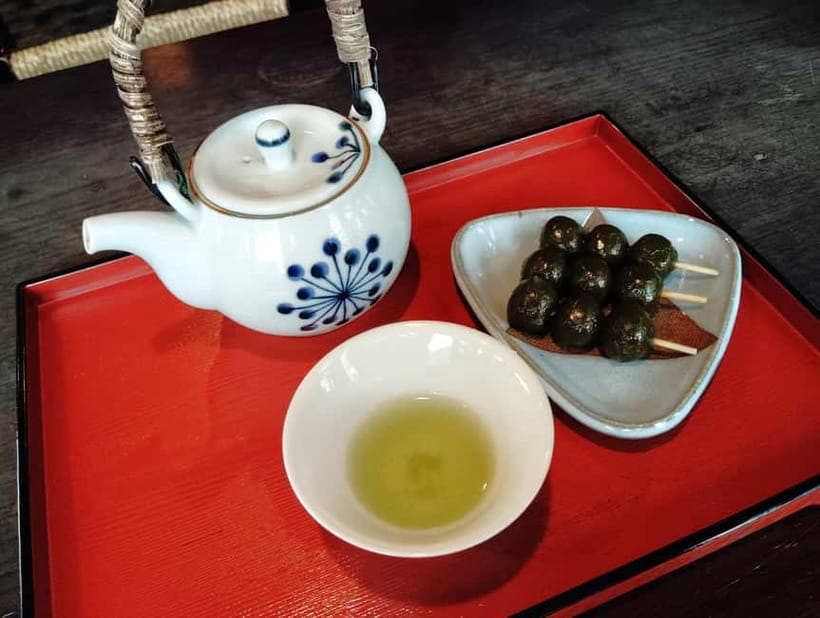
The included tea and traditional sweets are a small but important part of the value. Without a tasting, the tour could remain mostly visual and historical. With it, you have a chance to connect the museum’s information to taste, aroma, and the simple rhythm of being served.
The supplied details do not specify the exact tea or sweets, so I would not book this expecting a particular variety. What you can count on is a tasting at a traditional teahouse. That is enough to make the final stop feel like a conclusion to the visit rather than another lecture.
I also like that the tasting takes place at Tsuen instead of in a generic café. The building and its long service tradition give the drink a stronger sense of place. You are not simply sampling tea in Uji. You are tasting it in one of the area’s oldest tea-serving institutions.
For a family, the sweets may be especially welcome after the museum portion. For adults with a serious interest in Japanese tea, the tasting offers a point of comparison for later visits to tea shops or restaurants. Just keep in mind that this is a brief tasting, not a formal tea ceremony.
The guide can shape the private experience
The tour is offered in English or Japanese and is limited to a private group. That is one of its strongest practical features. Your guide can explain unfamiliar terms, adjust the pace, and spend more time on the parts that interest your group.
Guide Teppei is specifically noted for being kind and accommodating, with a style that worked well for a family. If you are traveling with children, older relatives, or people new to Japanese tea, that personal approach can make the difference between a pleasant visit and a stiff one.
A private tour also lets you ask the questions that group tours often skip. You can ask why Uji became known for tea, how tea production fits into local life, or what makes the old teahouse important. The exact depth will depend on your guide and your questions, but the format gives you room to have that conversation.
Do not confuse private with leisurely. The full tour is still only 90 minutes, and the museum takes about an hour. You will have time for guided explanation and photographs, but not for a long, wandering inspection of every exhibit and corner.
Is $68 per person a fair price?
At $68 per person, this is not the cheapest way to have a cup of tea in Uji. The price makes more sense when you count what is bundled together: a guided visit to Chazuna, a stop at Tsuen, a local guide, and tea with traditional sweets.
I see the value most clearly for first-time visitors. You do not need to work out the cultural connection between Uji, tea production, and the old teahouse on your own. The guide gives the two stops a clear thread.
The price is also easier to justify for a private group. You are paying for a more personal format rather than joining a large, fixed-paced tour. A family or small group that values questions and direct attention may find this more worthwhile than a cheaper general museum visit.
The value is less obvious if you already know Uji’s tea culture well or want a full-day specialist experience. In that case, 90 minutes may feel brief, and the tour may repeat basic information you have already learned. For most visitors, though, it offers a neat introduction without taking over the day.
Who will enjoy this Uji tea visit?
I would recommend this experience to:
- First-time visitors who want a clear introduction to Japanese tea
- Families looking for a short, private cultural activity
- Anyone interested in how tea is grown and processed
- Visitors who want both modern museum design and an old teahouse
- People who value a tasting but do not need a full tea ceremony
- Anyone staying in or visiting Uji who wants context for the town’s tea identity
It may be less suitable if you want an extended tea workshop, detailed agricultural instruction, or a formal ceremony. Those expectations go beyond the information provided for this visit.
The tour also suits a busy sightseeing schedule. Ninety minutes is manageable, and the start and finish are clearly defined: meet at Chazuna and finish at Tsuen Main Branch. Since both stops are part of the same Uji visit, you are not spending the experience on long transfers.
Practical details that affect your decision
The activity lasts 1.5 hours, with starting times dependent on availability. I would check the time carefully against the rest of your day, since the museum portion is the larger part and the visit ends at Tsuen rather than returning to Chazuna.
You can cancel up to 24 hours in advance for a full refund. The reserve-now, pay-later option also gives you some flexibility when your Kyoto plans are still shifting.
English and Japanese are available. The meeting point is in front of Chazuna’s entrance, where your guide will hold the yellow DeepExperience sign. Finish at Tsuen Main Branch, also identified as 通圓本店.
There are only two listed reviews, so the perfect rating is a small sample rather than proof that every visit will be identical. Still, the specific praise for Teppei’s kindness and accommodating manner is useful, especially if you are bringing a family. The same booking also singled out the museum and the tea-house items, which are the two parts most likely to shape your overall impression.
Should you book this tea tour?
Book it if you want a compact, personal introduction to Uji tea with a modern museum, an eight-century-old teahouse, and a tasting in one visit. The contrast between Chazuna and Tsuen is the real strength. You see tea as a crop, a craft, a tradition, and an act of welcome.
I would choose this tour for a first visit to Uji, especially with family or friends who appreciate clear explanations and a relaxed private format. I would skip it only if you need a longer technical tea class or a formal ceremony. For $68, it offers a focused look at one of Uji’s defining traditions without consuming your whole day.
FAQ
How long does the Kyoto tea tour last?
The tour lasts 90 minutes, or 1.5 hours.
Where does the tour begin?
Meet in front of the entrance to Chazuna, the Uji Tea Museum.
How will I find the guide?
The guide will be holding a yellow sign marked DeepExperience.
Where does the tour finish?
The experience finishes at Tsuen Main Branch, also identified as 通圓本店.
What languages are available?
The tour is available in English and Japanese.
Is this a private tour?
Yes. The activity is offered for a private group.
Are tea and sweets included?
Yes. Tea and traditional tea sweets are included at the teahouse.
How much does the tour cost?
The listed price is $68 per person.
Can I cancel the booking?
Yes. You can cancel up to 24 hours in advance for a full refund.
Can I reserve now and pay later?
Yes. The reserve-now, pay-later option lets you book without paying at the time of reservation.
Newly steeped around Uji
- Kyoto tea town for matcha lovers★ 5.0 · 16 reviews
- Uji: Private immersion into Kyoto’s tea and reglious culture★ 5.0 · 17 reviews
- Uji and Wazuka Matcha Farm Half Day Private Guided Tour★ 5.0 · 21 reviews
- Utilising upcycled Matcha! Creating matcha incense (Uji, Kyoto)★ 5.0 · 6 reviews
- Kyoto Matcha Green Tea Tour★ 4.5 · 23 reviews
- Uji Tea Ceremony and UNESCO Heritage Walking Tour★ 5.0 · 20 reviews
- 7 Hours Private Guided Tour Uji and Wazuka Matcha Farm★ 5.0 · 2 reviews
- Half Day Matcha Tour in Uji, home of culture, with a local★ 4.8 · 14 reviews
Tea Factory Tours, compared.
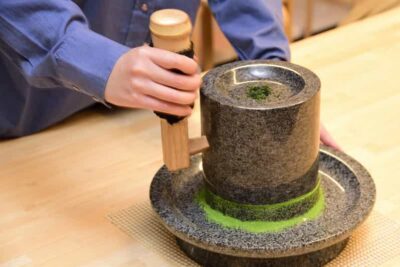
Kyoto: Tea Museum Tickets and Matcha Grinding Experience
Read our review →Uva Halpewatte Tea Factory Tour in Ella Sri Lanka
Read our review →
Nuwara Eliya: Tea Factory and Pickle Waterfalls Tuk Tuk Tour
Read our review →
From Colombo: Kandy, Pinnawala and Tea Factory Full-Day Trip
Read our review →
Ella: Tea Factory, Train, and Nine Arch Day Tour with Pickup
Read our review →

Ella Private Day Trip with Train Ride & Tea Factory-All Inclusive
Read our review →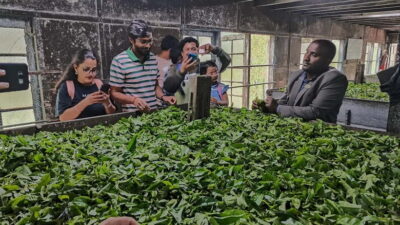
Munnar: Tea trail, Tea Factory, and Tea Tasting Tour
Read our review →Browse the lists this tea experience appears in