
Review · UJI
7 Hours Private Guided Tour Uji and Wazuka Matcha Farm
Wazuka’s rolling tea fields are the real draw here. After seeing Uji’s famous Byōdō-in, you head into a rural tea area with more than 800 years of matcha production behind it, then meet local farmers and learn how tea moves from leaf to bowl. Masae, who has lived abroad and traveled widely, leads the day in English and brings a personal connection to the area.
I like two things right away: the private format, which lets you ask questions without keeping pace with a large group, and the chance to taste at least three local teas instead of treating matcha as one single flavor. The Japanese lunch and tea tasting in a traditional home add a warm, human touch.
The main drawback is the price: $520 per person is a serious splurge, especially for a tour listed at about six hours. Farm access can also be muddy and bumpy, so this is not the best pick if you want a polished city stroll or a low-cost Kyoto side trip.
Key Points Before You Book
- Uji begins the story: Visit Byōdō-in and walk through a town known for its ancient bridge and tea culture.
- Wazuka brings you to the source: Walk among working tea fields and meet a fifth-generation tea farmer.
- Three or more teas are included: Compare premium matcha and other local teas rather than tasting only one cup.
- You get hands-on practice: Pick tea leaves and whisk matcha in the traditional style.
- Lunch is part of the cultural exchange: Enjoy a Japanese lunch set in a traditional home, with vegetarian food available if requested ahead of time.
- The experience is private: Only your group participates, making it easier to shape the pace and ask detailed questions.
Starting at Uji Station and Meeting Masae
The day begins at Uji Station, making the meeting point easy to reach by public transportation. You finish back at the same meeting point, which simplifies your return trip and avoids the usual uncertainty of a one-way rural outing.
Masae is the guide and the main link between the tea fields and the wider Japanese story. Her background includes more than seven years living overseas and travel in more than 40 countries, so you can expect English communication and a guide used to explaining local customs to people from outside Japan.
That matters on a tea tour. Matcha has its own vocabulary, tools, preparation methods, and ideas about taste. A private guide can slow down when you want to understand a point, whether that means asking how ceremonial tea differs from other grades or learning why tea farming remains important in this part of Kyoto.
The advertised title refers to seven hours, while the practical tour information describes the experience as approximately six hours. I would plan for most of a day rather than build a tight connection around the stated length. The schedule includes several stops, travel between Uji and Wazuka, tea tasting, lunch, and time on the farm.
More Matcha Experiences in Uji:
- Kyoto: Tea Museum Tickets and Matcha Grinding Experience
★ 4.9 · 739 reviews - Slow Cycling Tour at Uji’s Matcha Green Tea Fields and Heritage
★ 5.0 · 25 reviews - Kyoto Matcha Green Tea Tour
★ 4.5 · 23 reviews
Byōdō-in and Uji’s Tea-Town Setting
Your first major stop is Byōdō-in, one of Japan’s best-known Buddhist temples and the image printed on the back of the 10-yen coin. The temple gives the day a useful starting point because it connects Uji’s beauty with its long religious and cultural importance.
Uji itself is more than a staging point for the farm. It is a compact tea town with Japan’s oldest bridge, and tea shops are woven into the streets around the center. A guided walk helps you see the town as a place shaped by tea rather than simply a stop between Kyoto and the countryside.
I like this sequence. You begin with a famous cultural site, then move toward the less familiar farming community that supplies the product. The contrast helps you understand that matcha is not only a souvenir or café drink. It is tied to land, seasonal work, craft, and formal Japanese customs.
The temple visit is part of the included experience, but the available details do not promise a private interior tour or a specific amount of time there. If Byōdō-in is your main reason for coming to Uji, you may want to confirm the planned timing when booking. This experience is centered on tea, with the temple serving as the cultural opening.
The Road to Wazuka’s Tea Fields
From Uji, the experience heads to Wazuka, a tea village in the hills. The change in scenery is important. Instead of seeing packaged tea on a shop shelf, you see the fields where the work begins.
Wazuka has produced high-quality tea for more than 800 years. The farms visited here were previously associated with the Imperial Family, and the tea tradition is described as one once reserved for imperial use. That history gives the tasting more meaning, though the real pleasure is seeing the fields and hearing directly from the people who keep the work going.
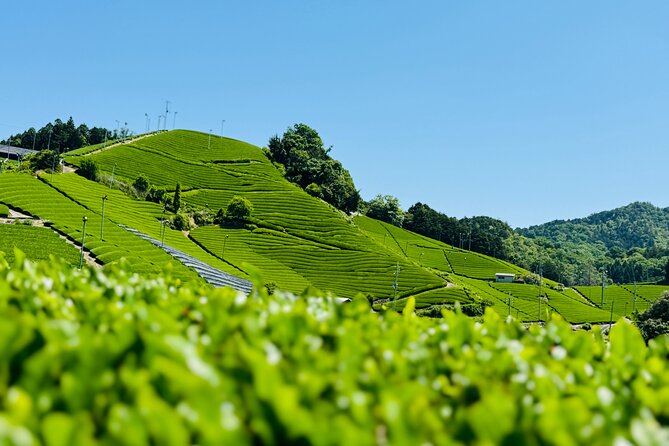
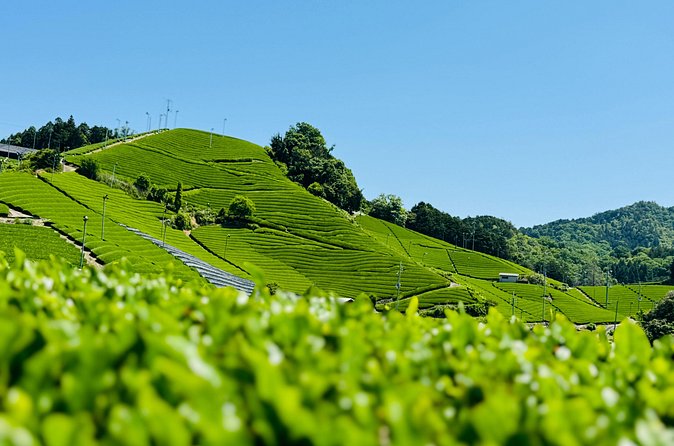
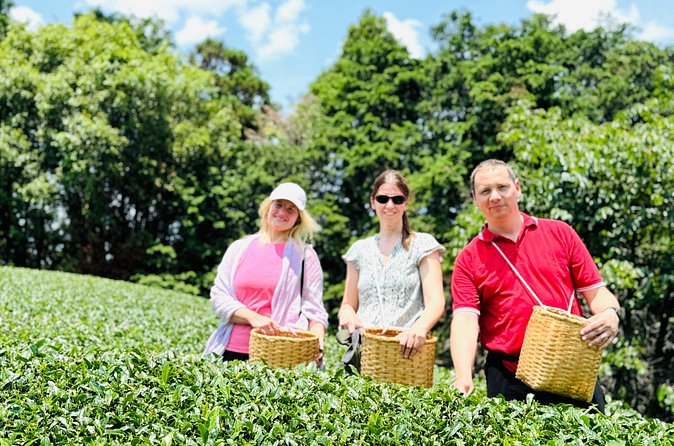
The tour includes a tea farm walk and a visit to a scenic viewpoint. You might find the viewpoint especially rewarding on a clear day, when the neatly planted rows make a striking pattern across the hills. The supplied details do not guarantee a particular lookout or weather conditions, so treat the view as part of the rural setting rather than a fixed photographic stop.
Wear shoes that can handle uneven ground. Farm access may be bumpy and muddy, and the condition will depend on weather and the time of year. Comfortable clothing is more useful than anything formal, especially since the day combines walking, a farm visit, and hands-on tea preparation.
Meeting a Fifth-Generation Tea Farmer
One of the strongest parts of the experience is the chance to meet a fifth-generation tea farmer. That personal connection gives you information a shop demonstration cannot provide. You can ask about the work, the family tradition, and the care needed to produce tea worthy of careful tasting.
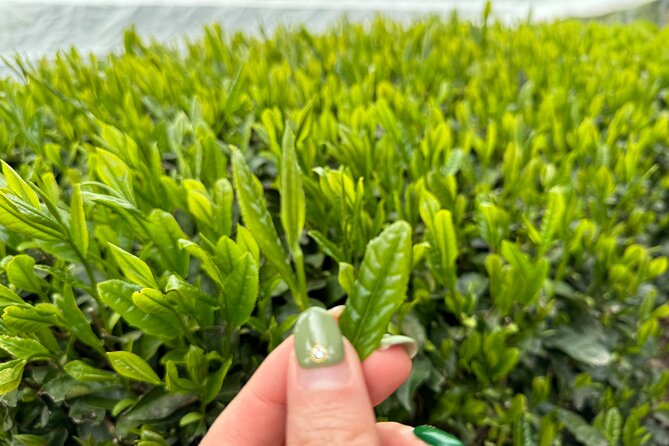
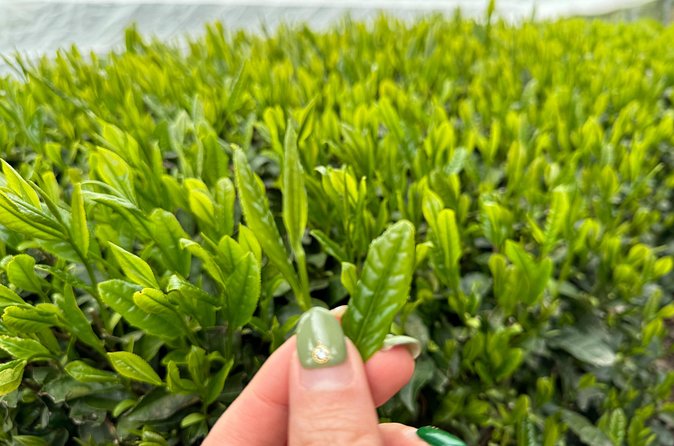
The tour also includes a chance to hand-pick tea leaves. This is a small activity, but it changes how you look at the finished drink. You begin to notice that matcha is not simply green powder. It starts with living plants, repeated farm work, and choices about which leaves are picked and how they are processed.
The experience is aimed at people who want more than a quick photo among the tea rows. If you are curious about farming, Japanese food, or the way local families carry on a long craft, this is where the tour earns its place in your schedule.
The wording around the tea farms includes several historical claims, such as the 800-year tradition and former imperial connection. Masae can help put those claims into local context. I would listen for the practical details as much as the grand history, because the day’s value comes from understanding current tea-making as well as its past.
More Tea Experiences around Uji:
- Uji: Green Tea Tour with Byodoin and Koshoji Temple Visits
★ 4.8 · 72 reviews - Uji: UNESCO Heritage & Tea Ceremony Walking Tour
★ 4.6 · 54 reviews - Uji and Wazuka Matcha Farm Half Day Private Guided Tour
★ 5.0 · 21 reviews - Uji Tea Ceremony and UNESCO Heritage Walking Tour
★ 5.0 · 20 reviews
Tasting Three or More Premium Teas
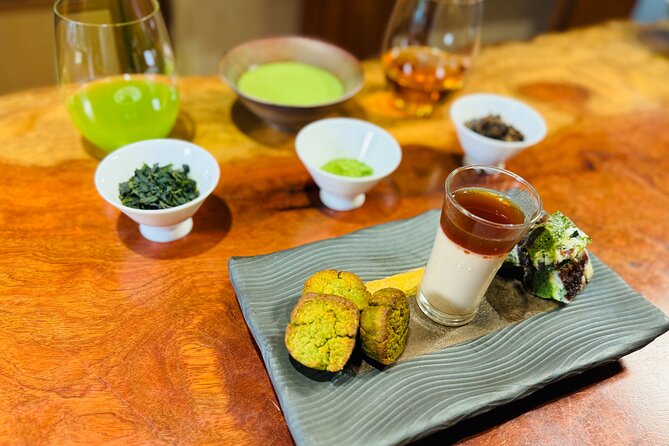
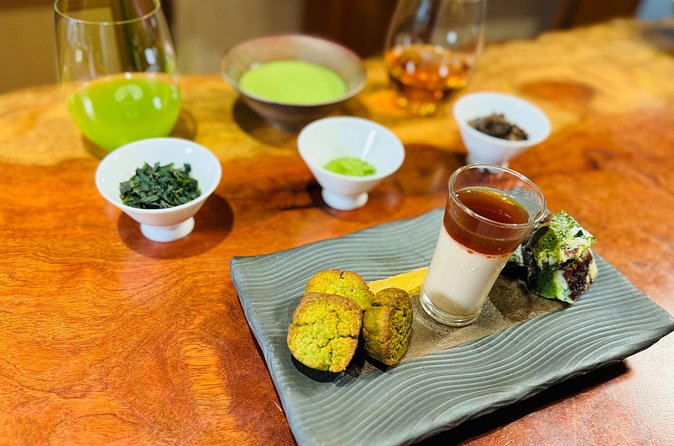
Tea tasting is included, with a minimum of three different kinds of local tea. The experience focuses on premium matcha, including ceremonial grades, and may also include coffee or other local tea options listed in the inclusions.
This comparison is one of the best reasons to book a dedicated tea tour. At a café, you may enjoy matcha without knowing why one cup tastes smooth, bitter, grassy, sweet, or roasted. Tasting several types side by side gives you a better sense of how teas differ.
Masae can guide you through the tasting and explain how to appreciate the aroma, color, texture, and aftertaste. You may also learn about tea ritual and the traditional way of preparing matcha. One important point from the experience is that you do not only look at the tea. You smell it, taste it, and take some premium matcha home.
The exact brands, quantities, and amount of tea to take home are not specified. If bringing tea back is important to you, ask Masae what is included and what may be purchased separately. Extra drinks and street snacks are not included, though they are available for purchase.
Whisking Matcha the Traditional Way
The hands-on preparation is another useful part of the day. You get to whisk matcha in the traditional style, an activity that looks simple until you try to create a fine, even foam.
This is not meant to turn you into a tea master in one afternoon. It gives you a feel for the tools and motions behind the drink. You gain a better understanding of why freshly whisked matcha has a different character from a sweetened bottled tea or a modern café version.
For families, the whisking and leaf-picking activities may be easier to enjoy than a long formal talk. Solo visitors and couples may appreciate the quieter, more focused pace of a private session. The experience is also a good fit for anyone who has already tried matcha but wants to understand the tradition behind it.
A Japanese Lunch in a Traditional Home
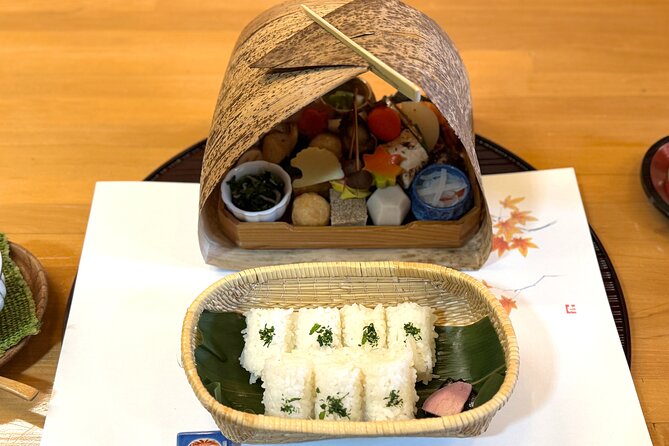
Lunch is a Japanese lunch set served in a traditional Japanese-style home. The setting matters as much as the meal. You are not simply stopping at a restaurant between activities, but sharing food in a place connected to local daily life.
The details of the menu are not provided, so do not book expecting a specific dish. A vegetarian option is available with advance notice. I would make that request when booking rather than waiting until the morning of the tour.
A home meal also gives you a natural chance to ask questions and continue the conversation about tea. The day is designed around several forms of contact: walking through the town, seeing the fields, meeting farmers, tasting tea, and sitting down to eat. That variety keeps the tour from feeling like a single long lecture.
The meal is included, but extra drinks and snacks purchased on the street are not. Bring a little spending money if you like to browse Uji’s tea shops or want something additional during the day.
Is $520 Per Person a Fair Price?
At $520 per person, this is expensive for a six-hour experience. You are paying far more than the cost of a regular temple visit, a tea dessert, or a group walking tour.
The value comes from the combination. The price includes a private guide, Uji sightseeing, Byōdō-in, transport through the day’s route, a scenic viewpoint, a farm walk, tea tasting, hands-on activities, and lunch. You also get access to local farmers and a rural setting that is harder to arrange independently.
For two people, the cost becomes a substantial private-day expense. For a family or small group, ask about group discounts before booking. Since only your group participates, the cost can make more sense if you value flexibility, focused English guidance, and direct contact with the tea producers.
I would not choose this tour simply because you want to drink one cup of matcha. You can do that for far less. I would consider it if you want to understand the full chain from tea field to bowl and prefer a private experience over a standard sightseeing day.
The two available ratings are both five out of five, and the strongest praise centers on the depth of the tea instruction, Masae’s English, her friendly manner, and how quickly the day passes. Those points match the structure of the experience: this is built for conversation and explanation, not a rushed checklist of photo stops.
Who Will Get the Most From This Day?
This tour suits solo visitors who want a local connection without joining strangers. It also works well for families, matcha fans, and people interested in Japanese customs, food, and farming.
You will get the most from it if you are willing to ask questions and try the activities. The tea picking and whisking are simple, but they are central to the experience. If you prefer to observe quietly, the farm scenery and tasting still offer plenty, but the private format is most useful when you take part in the conversation.
It is less suitable for anyone seeking a cheap half-day outing, a fully urban Kyoto itinerary, or a smooth route with no uneven ground. The rural access can be muddy, and the day covers several different settings.
Service animals are allowed, and the meeting point is near public transportation. Still, the farm access may be difficult for some visitors because of the bumpy and muddy conditions. Ask the provider about your specific mobility needs before paying.
Should You Book the Uji and Wazuka Matcha Tour?
Book it if matcha is a real interest, not just a flavor you want to sample once. The combination of Uji’s temple and tea-town setting with Wazuka’s working farms gives you both the famous sights and the source of the tea.
I especially recommend it for a first visit to the area when you want one well-organized day with Masae rather than several separate bookings. The private format, direct farmer contact, multiple tastings, and traditional lunch make the high price easier to justify.
Skip it if $520 feels uncomfortable or if you want a short, low-cost activity. Also think twice if muddy farm paths would be a problem. For everyone else, this is a serious tea lesson wrapped in a pleasant day outside Kyoto, with enough hands-on work to make the subject stick.
FAQ
Where does the tour start?
The tour starts at Uji Station in Uji, Kyoto Prefecture. The listed address is 17 Uji Umonji, Uji, Kyoto 611-0021, Japan.
Where does the tour end?
The activity ends back at the meeting point at Uji Station.
How long does the experience last?
The tour title describes seven hours, while the practical duration is listed as approximately six hours. Plan for most of a day.
Is this a private tour?
Yes. Only your group participates in the activity.
What is included?
The tour includes a viewpoint visit, a tea farm walk, tasting of at least three different kinds of local tea, a Japanese lunch set, and a guided visit through Uji.
Is a vegetarian lunch available?
Yes. A vegetarian option is available if you request it in advance.
Can I cancel for a full refund?
Yes. You can cancel at least 24 hours before the experience start time for a full refund. Cancellations or changes made less than 24 hours in advance are not accepted for a refund.
Newly steeped around Uji
- Kyoto tea town for matcha lovers★ 5.0 · 16 reviews
- Uji: Private immersion into Kyoto’s tea and reglious culture★ 5.0 · 17 reviews
- Uji and Wazuka Matcha Farm Half Day Private Guided Tour★ 5.0 · 21 reviews
- Utilising upcycled Matcha! Creating matcha incense (Uji, Kyoto)★ 5.0 · 6 reviews
- Kyoto Matcha Green Tea Tour★ 4.5 · 23 reviews
- Uji Tea Ceremony and UNESCO Heritage Walking Tour★ 5.0 · 20 reviews
- Half Day Matcha Tour in Uji, home of culture, with a local★ 4.8 · 14 reviews
- Kyoto: Tea Museum and Tsuen Teahouse Guided Tour★ 5.0 · 2 reviews
Matcha Experiences, compared.
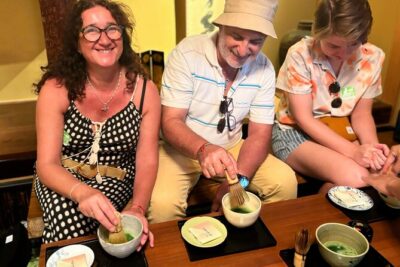
World Heritage Kyoto & Nara Uji Authentic Matcha Experience
Read our review →
Matcha Making Class in Tokyo with Authentic Japanese Sweets Set
Read our review →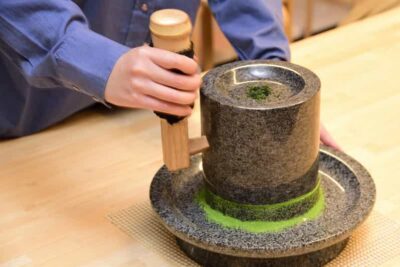
Kyoto: Tea Museum Tickets and Matcha Grinding Experience
Read our review →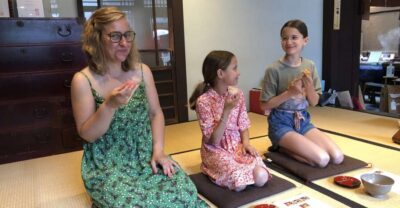
Kyoto: Tea Ceremony Meditation – Make Matcha with Tea Master
Read our review →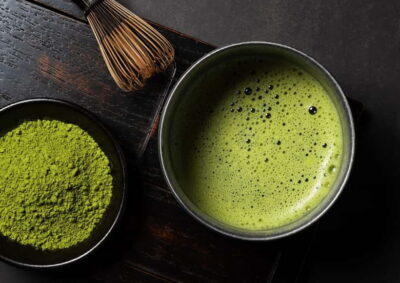
Tokyo: Matcha Making Experience with Mochi Sweets in Asakusa
Read our review →
Kyoto: Kimono Tea Ceremony with Matcha and Sweet
Read our review →
Browse the lists this tea experience appears in