
Review · UJI
Kyoto tea town for matcha lovers
Uji is the place to come when matcha is more than a sweet green topping. This half-day walk connects the tea in your cup with tea fields, old shops, shrines, and local craft. You taste matcha, make it yourself with a stone mill, and take part in a traditional tea ceremony.
I like the small group, limited to seven, and the personal style of guide Terumi. I also like the mix of hands-on activities and history, especially the chance to visit an old tea business, meet local merchants, and learn at a human pace.
The main drawback is the price, $157.65 per person, which is a serious spend for five to five and a half hours. Summer can also be hot, and this is a walking tour, so comfortable shoes, water, and a little stamina matter.
Key points at a glance
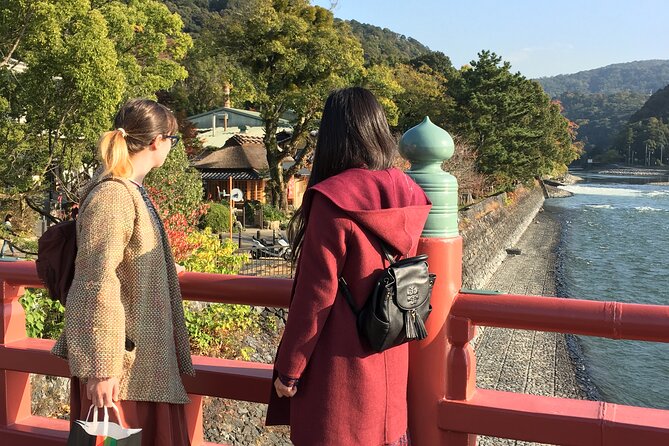
- Uji in one focused morning: Begin at Uji Station at 9:30 a.m. and return there after exploring the town.
- An 850-year-old tea shop: Stop at Tsuen Main Branch for a taste of matcha rice cake skewers.
- Make your own matcha: Grind tea powder with a traditional stone mill before drinking it.
- Tea beyond the teacup: Visit tea fields, local shops, shrines, and places connected with pottery and tea culture.
- A real tea ceremony: Finish with an authentic ceremony in a traditional tea house.
- A small, personal group: With no more than seven people, you can ask questions and set a comfortable pace.
Why Uji works so well for matcha lovers
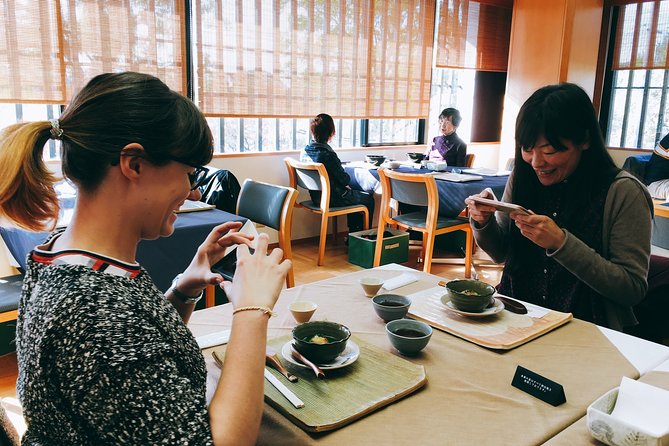
Uji gives tea a sense of place. In many parts of Japan, matcha appears as a flavor in cakes, ice cream, and drinks. Here, the town helps explain where that flavor comes from and why it matters.
This experience treats Uji as more than a stop for a quick snack. You walk through a historic district, learn about tea production, visit tea shops, and see how tea connects with Japanese hospitality. The focus is not only on drinking matcha. It is on the work, customs, tools, and people behind it.
I especially like that the day is not limited to polished tourist sights. You can see the local side of Uji, meet people involved in tea making, and browse historic stores. That gives the visit more texture than a simple tasting session.
The pace also sounds friendly rather than rushed. Terumi has been praised for answering questions, taking photographs, adjusting the walk to the group, and helping with translation after the tour when needed. Those small acts matter in a town where signs, shop customs, and tea terminology can otherwise feel hard to follow.
More Matcha Experiences in Uji:
- Kyoto: Tea Museum Tickets and Matcha Grinding Experience
★ 4.9 · 739 reviews - Slow Cycling Tour at Uji’s Matcha Green Tea Fields and Heritage
★ 5.0 · 25 reviews - Kyoto Matcha Green Tea Tour
★ 4.5 · 23 reviews
Starting at Uji Station at 9:30 a.m.
The meeting point is Uji Station, at 17 Uji Umonji, Uji, Kyoto 611-0021. Starting here makes practical sense because you can arrive by public transportation and meet the guide before setting out on foot.
Your day begins at 9:30 a.m. The tour lasts about five to five and a half hours, and it ends back at the meeting point. That makes it easy to plan a later Kyoto activity, though you should leave some breathing room rather than scheduling something immediately afterward.
The group limit is seven people. That is one of the strongest features for this kind of outing. Tea culture often raises small questions: Why is one tea whisked and another steeped? What makes ceremonial matcha different? How should you handle a tea bowl? In a small group, you have a better chance to ask without holding up a large crowd.
You should expect moderate walking and should have a reasonable level of physical fitness. The route includes outdoor sightseeing, shops, and tea-related stops. In June or other warm months, the heat can make the walking feel harder than the distance suggests.
Uji Shrine and the first look at the town
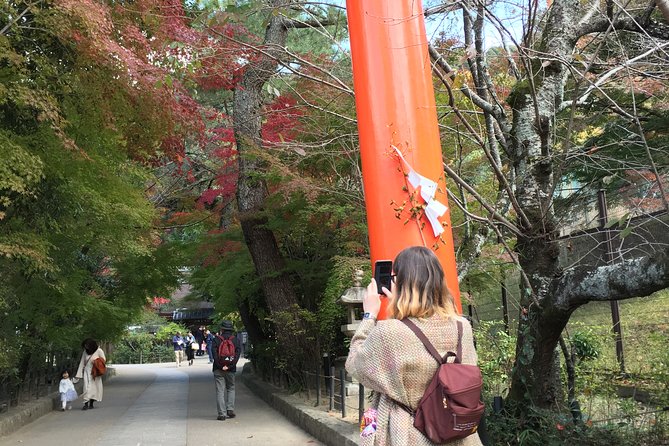
One listed stop is Uji Shrine, with about 20 minutes set aside and no admission charge. It offers an early change of pace from tea tasting, placing the town’s tea culture beside its religious traditions.
The shrine visit is short, so do not expect a long temple lecture or an extended period for independent exploration. Instead, think of it as a useful introduction to Uji and one of its important local landmarks.
This part also helps keep the tour from becoming a food crawl. Tea in Japan is tied to ceremony, seasonal awareness, craftsmanship, and quiet attention. A shrine stop gives you a chance to see that broader setting before the day moves into shops, tastings, and workshops.
Tsuen Main Branch and a taste of old Uji
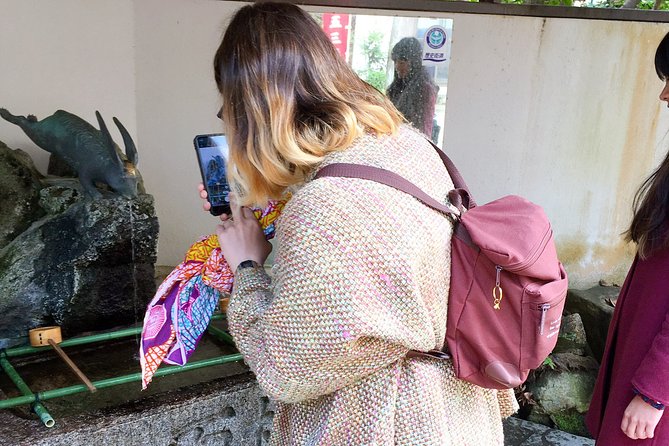
The tour then visits Tsuen Main Branch, described as one of Uji’s oldest tea shops, with more than 850 years of history. The scheduled stop is about 10 minutes, and there is no separate admission charge.
The featured taste is a matcha rice cake skewer made with pure matcha powder. It is a small serving, but it offers a clear lesson in how Uji tea moves from a traditional drink into local sweets.
You should not judge this stop by the number of minutes alone. An old tea shop can tell you a great deal about how tea became part of the town’s daily identity. It also gives you a chance to compare the direct, slightly bitter taste of tea with the softer sweetness of a confection.
If you hope to buy tea or souvenirs, this is one of the places where you may want to pay attention to the products and ask Terumi for help. The day includes several local shops, and the guide’s language support can be useful when you want to understand what you are buying rather than simply point at a package.
More Tea Experiences around Uji:
- Uji: Green Tea Tour with Byodoin and Koshoji Temple Visits
★ 4.8 · 72 reviews - Uji: UNESCO Heritage & Tea Ceremony Walking Tour
★ 4.6 · 54 reviews - Uji and Wazuka Matcha Farm Half Day Private Guided Tour
★ 5.0 · 21 reviews - Uji Tea Ceremony and UNESCO Heritage Walking Tour
★ 5.0 · 20 reviews
Tea fields, tea shops, and the local side of Uji

The broader walk includes tea fields and local tea businesses. The exact amount of time at each place is not specified, so the route may be shaped by the day’s conditions and the group’s interests.
That flexibility can be a benefit. You are not simply moving from one fixed photo stop to another. You can ask about cultivation, processing, tea grades, pottery, and the role tea plays in Japanese life. The experience also introduces you to local merchants and people connected with different stages of tea making.
I would book this for someone who wants context. If you only want the fastest possible matcha dessert tasting, the tour will probably feel too detailed. If you want to understand why Uji is associated with tea, the time spent walking and talking is part of the value.
The outdoor portion also needs realistic expectations. Uji is pleasant to explore, but this is not an air-conditioned food tour. On hot days, the combination of sun, walking, and several stops can tire you. Wear practical shoes and bring water, especially in June.
Grinding your own matcha with a stone mill
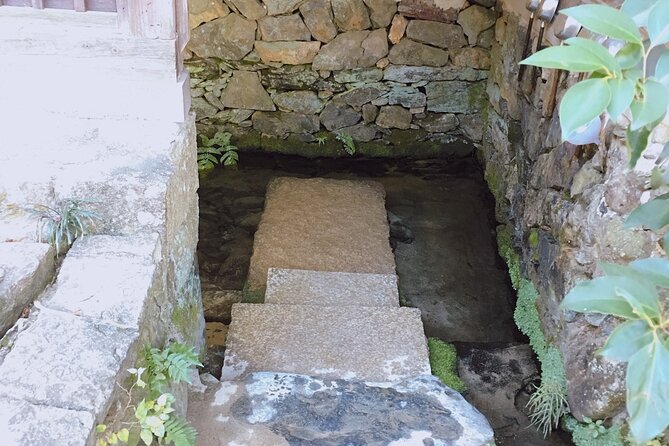
One of the most memorable parts is the matcha-making workshop. You get to grind tea leaves into powder using a traditional stone mill, then prepare the result for drinking.
This hands-on step gives you a better sense of what matcha is. Powder in a packet can seem like an abstract ingredient. Turning tea into powder yourself connects the drink to tools, labor, and technique.
The activity is also a good fit for families. Children and adults can take part, and the task gives the walk a clear physical focus. It is not just listening to explanations. You are handling the equipment and seeing how tea changes before it reaches the bowl.
Do not expect to produce a large quantity of matcha. The value is in the process and the lesson, not in taking home a bag of tea. If you have an interest in Japanese tools, food preparation, or traditional crafts, this may be the part you remember most clearly.
Tea dishes at a famous tea house
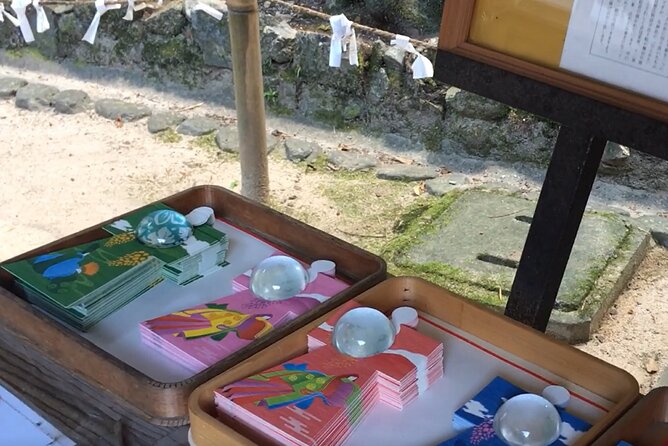
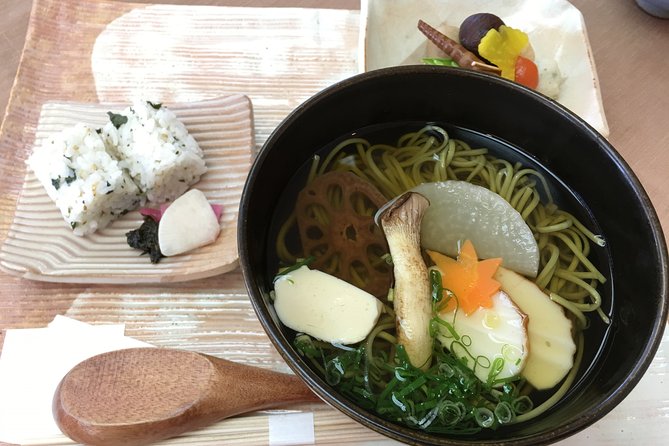
Lunch is built around tea dishes at a well-known tea house. The information provided does not specify the exact menu, so you should think of this as a tea-centered meal rather than a standard restaurant lunch with an ordinary drink on the side.
That distinction matters. A tea dish meal shows how the ingredient can shape food as well as beverages and sweets. It also gives you a proper pause during a long morning of walking.
The price includes more than a single tasting, but you should confirm what is covered when booking if meal inclusions matter to your budget. At $157.65, every part of the day contributes to the value calculation.
For me, the meal makes the tour feel more complete. You are not racing from one snack to another. You have time to sit, eat, and think about the flavors and methods you have seen so far.
A traditional tea ceremony in a tea house
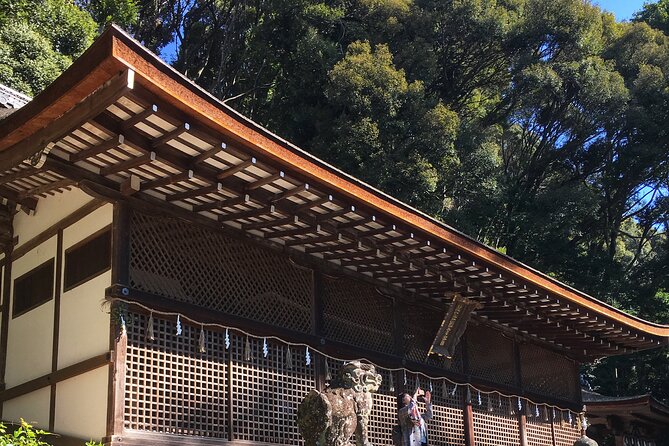
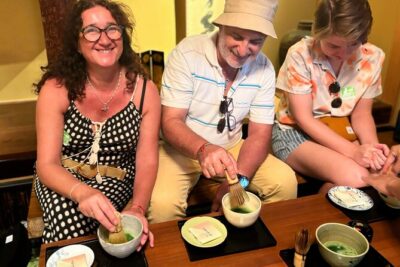
The ceremony is the central cultural experience. You take part in an authentic Japanese tea ceremony at a traditional tea house, where the preparation, presentation, and manners matter as much as the drink itself.
This is different from simply ordering matcha in a café. The ceremony gives you a window into Japanese hospitality and the careful relationship between host, guest, bowl, utensils, and setting. You should expect an experience built around attention and respect rather than speed.
The workshop and ceremony also complement each other. First, you work with the tea yourself. Later, you see how a skilled host handles the drink within a formal tradition. That contrast helps explain why matcha can be both an everyday flavor and a serious cultural practice.
The ceremony may be the strongest reason to choose this experience over a basic Uji walking tour. It is also the part that may appeal less to someone who wants an informal food outing with no cultural instruction. You will get more from it if you are willing to slow down and observe.
What the $157.65 price buys you
At $157.65 per person, this is not a bargain walking tour. You are paying for a small group, a guide who can explain the area in detail, multiple tastings, a tea-focused meal, a workshop, tea-field visits, and a traditional ceremony.
The value depends on how many of those elements matter to you. A serious matcha fan may find the price easier to justify because the experience covers production, tasting, preparation, and ceremony in one outing. You also avoid having to arrange several separate visits around Uji.
The cost is harder to defend if your main goal is sightseeing or a single bowl of tea. Uji can be visited independently, and the shrine and tea shop stops do not require a large admission budget. The premium here is for access, explanation, coordination, and personal attention.
The small group improves that equation. With seven people or fewer, the guide can answer individual questions and help you interact with shops and cultural sites. Terumi’s warm, patient approach is repeatedly emphasized in the feedback, and that personal connection is a key part of what you are buying.
Who should book this Uji experience
I would recommend it most strongly to:
- Matcha fans who want to understand how tea is made and used
- First-time visitors who want a guided introduction to Uji
- Families interested in hands-on cultural activities
- Food lovers who enjoy tea sweets and tea-based dishes
- Visitors who prefer small groups to large coach tours
- Anyone curious about tea ceremony etiquette and Japanese hospitality
You should think twice if you dislike walking, struggle in warm weather, or want a completely independent day. The experience has a set starting time, a planned route, and a strong tea focus.
It is also better suited to people who enjoy explanation. Terumi is praised for sharing information about tea, temples, pottery, and culture, so the tour is not built around silent sightseeing.
Practical details before you reserve
Confirmation is provided when you book. The activity is near public transportation, begins at 9:30 a.m., and returns to the meeting point at Uji Station.
Free cancellation is available if you cancel at least 24 hours before the start time. Changes or cancellations made less than 24 hours before the start are not accepted for a refund.
The tour requires good weather. If poor weather causes cancellation, you can choose another date or receive a full refund. A minimum number of participants is also required, and if that minimum is not met, you will be offered another date or experience, or a full refund.
Plan for moderate physical activity. The maximum group size is seven, but the exact route and time spent at individual tea fields or shops may vary. The listed stops include Uji Shrine and Tsuen Main Branch, while the wider experience includes tea fields, local shops, a workshop, lunch, and the tea ceremony.
Should you book it?
Book this tour if matcha is a real interest, not just a flavor you occasionally order. The strongest combination is the stone-mill workshop, the old tea shop, the tea dishes, and the traditional ceremony, all linked by a guide who can explain the setting and help you interact locally.
I would not book it solely for a quick look at Uji’s main sights. The price is high, the day involves walking, and the value depends on your interest in tea culture. For the right visitor, though, this is a focused and personal way to experience Uji, with enough tasting and hands-on work to make the subject memorable.
FAQ
Where does the tour begin?
It begins at Uji Station in Uji, Kyoto, at 9:30 a.m.
Where does the tour end?
The activity ends back at the meeting point.
How long does the experience last?
It lasts approximately five to five and a half hours.
How many people can join?
The maximum group size is seven people.
What tea-related activities are included?
You can visit tea shops and tea fields, taste matcha sweets, grind your own matcha with a stone mill, enjoy tea dishes, and take part in a traditional tea ceremony.
Does the tour visit a historic tea shop?
Yes. The route includes Tsuen Main Branch, described as more than 850 years old.
Is Uji Shrine included?
Yes. The tour includes a visit to Uji Shrine, with about 20 minutes scheduled there and no admission fee.
Can I cancel for a full refund?
Yes, if you cancel at least 24 hours before the experience start time. Poor weather or failure to meet the minimum number of participants may also lead to an alternate date or a full refund.
Newly steeped around Uji
- Uji: Private immersion into Kyoto’s tea and reglious culture★ 5.0 · 17 reviews
- Uji and Wazuka Matcha Farm Half Day Private Guided Tour★ 5.0 · 21 reviews
- Utilising upcycled Matcha! Creating matcha incense (Uji, Kyoto)★ 5.0 · 6 reviews
- Kyoto Matcha Green Tea Tour★ 4.5 · 23 reviews
- Uji Tea Ceremony and UNESCO Heritage Walking Tour★ 5.0 · 20 reviews
- 7 Hours Private Guided Tour Uji and Wazuka Matcha Farm★ 5.0 · 2 reviews
- Half Day Matcha Tour in Uji, home of culture, with a local★ 4.8 · 14 reviews
- Kyoto: Tea Museum and Tsuen Teahouse Guided Tour★ 5.0 · 2 reviews
Matcha Experiences, compared.
World Heritage Kyoto & Nara Uji Authentic Matcha Experience
Read our review →
Matcha Making Class in Tokyo with Authentic Japanese Sweets Set
Read our review →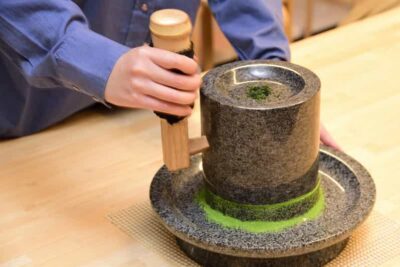
Kyoto: Tea Museum Tickets and Matcha Grinding Experience
Read our review →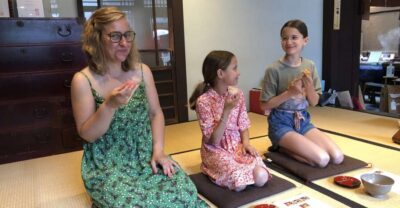
Kyoto: Tea Ceremony Meditation – Make Matcha with Tea Master
Read our review →
Tokyo: Matcha Making Experience with Mochi Sweets in Asakusa
Read our review →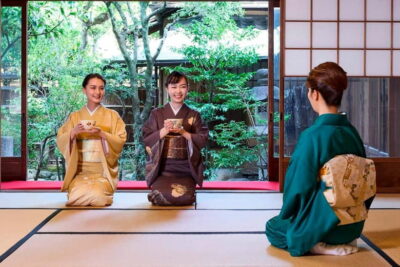
Kyoto: Kimono Tea Ceremony with Matcha and Sweet
Read our review →
Browse the lists this tea experience appears in