
Review · CHINA
Puer Tea Picking and Tasting | 6 Hour Morning Trip
The best part of this outing is that you do not just drink Pu’er tea, you follow it from fresh leaf to finished cup. A local plantation visit, hands-on picking, simple processing work, and a tasting session make this much more useful than a shop stop.
I like the personal scale, with no more than six people, and I like the way guide Maxime acts as a bridge between visitors and local tea producers. The scenic drive, Dai food, and chance to share tea with farmers add real local flavor. The main drawback is time: five to seven hours can feel short if you want a long plantation walk, a full lesson, and the optional coffee stop sometimes included in the day.
Key points
- Pick and process your own tea: You take home 300 grams of Pu’er tea made from the leaves you handle.
- Meet tea producers at a working farm: The visit covers withering, rolling, drying, and tasting rather than just buying packaged tea.
- Maxime guides the day: He provides English, French, German, and Italian support and helps translate detailed questions.
- Small groups keep it personal: The maximum group size is six, with a VW ID.4 for up to three people and a six-seat minivan for larger groups.
- Food can be part of the experience: A local lunch at the farm costs 60 yuan per person when selected, and Dai dishes have been a highlight of the day.
- Expect a real country outing: Wear comfortable shoes, allow five to seven hours, and remember that this is not suitable for babies under one or people over 70.
From Jinghong to Pu’er’s tea country
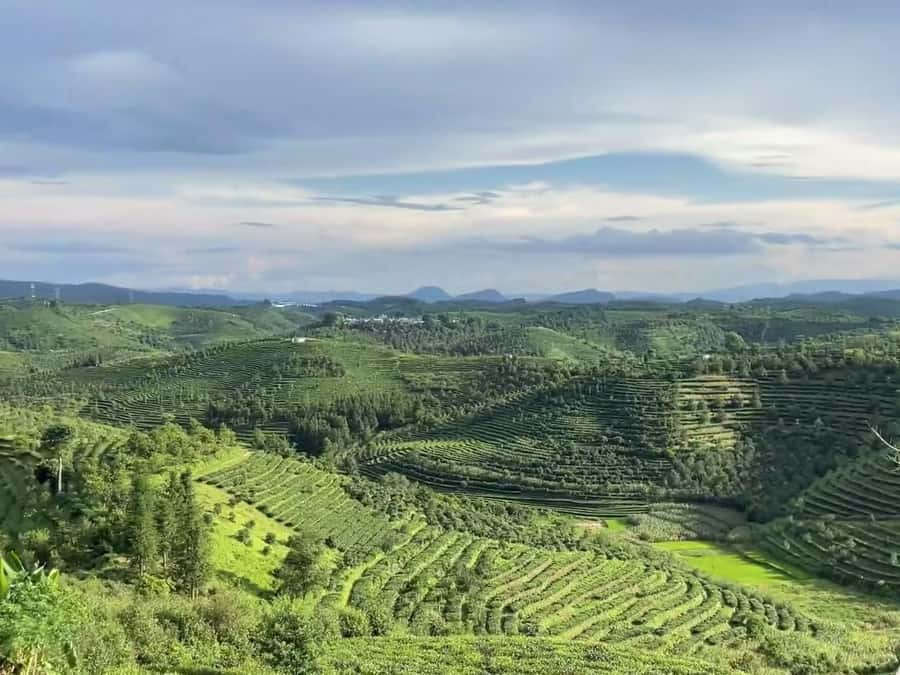
The day begins with pickup in Jinghong or Pu’er, followed by a drive through southwestern Yunnan. The road trip matters here. It gives you a gradual change from town to tea country, with green hills and cultivated fields setting the scene before you reach the farm.
Pickup is in a Volkswagen ID.4 for up to three people. Larger groups use a comfortable six-seat minivan. This is a useful detail for solo visitors and couples, since you are not being placed into a large coach. The small format also makes it easier to ask questions and adjust the pace.
The stated duration is five to seven hours. That range is worth taking seriously. Your exact timing may depend on the drive from Jinghong or Pu’er, how much time you spend at the farm, and whether lunch or extra tasting stops are included. If you have a train to catch, tell Maxime in advance. One visitor wished for more time after having to leave early, which tells you this is best booked on a relaxed morning.
More Tea Experiences around China:
- One-Day Hangzhou Dragon Well Tea Culture & West Lake Private Tour
★ 5.0 · 98 reviews - Traditional Chinese Tea Ceremony Experience
★ 4.7 · 74 reviews - Beijing Culture: Tea Ceremony, Heritage Instrument & Calligraphy
★ 5.0 · 57 reviews
Walking through the plantation near Pu’er
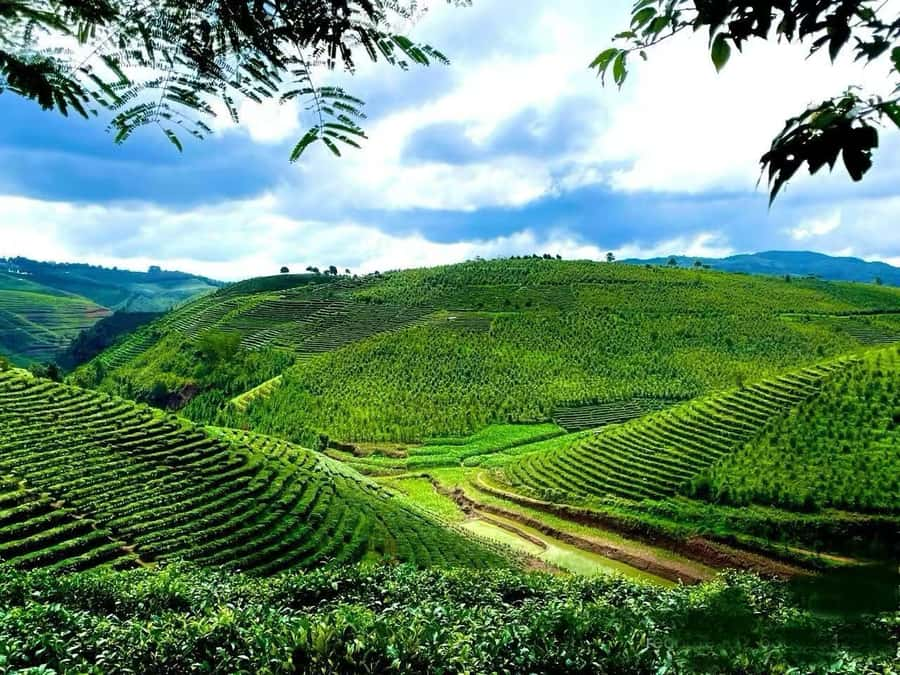
At the plantation, you begin with a guided walk through the tea fields. The point is not simply to take photographs. You learn why Pu’er tea matters in Yunnan, how the plants are managed, and how the leaf changes as it moves through production.
A local plantation manager leads much of the farm explanation, with Maxime translating questions when needed. That arrangement gives the visit a useful balance. You hear from someone working directly with the crop, while Maxime helps explain local customs, tea terms, and technical details in several languages.
The setting is calm and rural. Tea bushes stretch across the hills, and the work is tied closely to the seasons. If you have only tasted Pu’er in a tea shop, seeing the plants first helps make the flavor less mysterious. You begin to understand that the cup is linked to picking choices, handling, drying, and storage.
Do not expect a polished museum or a staged cultural show. This is a farm visit. The appeal lies in seeing normal production in a working setting, where the owner and guide can answer questions as they arise.
Picking the leaves yourself
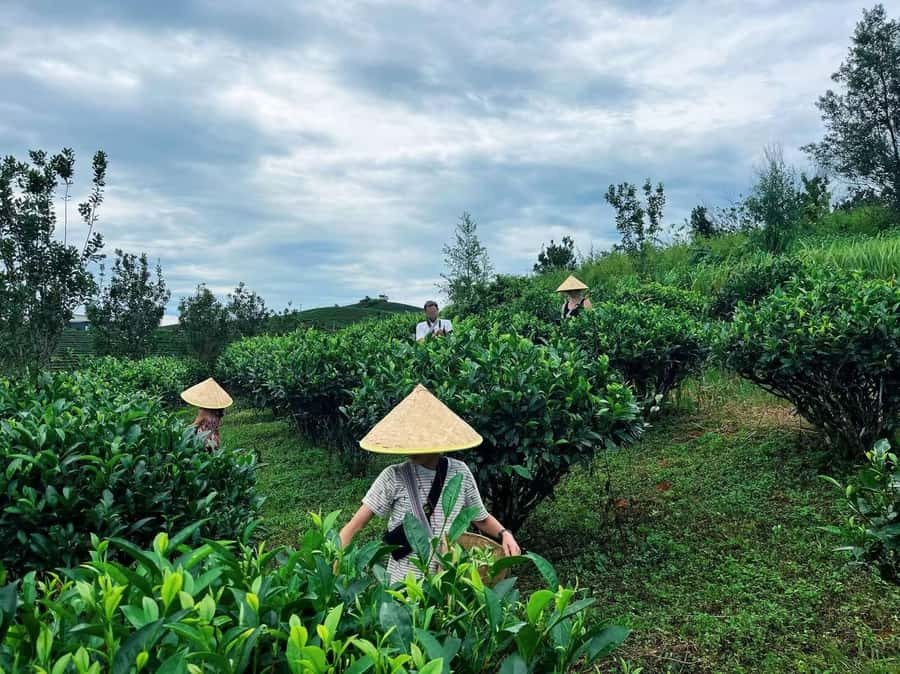
The hands-on picking session is the day’s most memorable activity. Local staff show you how to choose suitable leaves, then you work among the plants yourself.
This sounds simple, but it changes how you see the tea. You notice the size and texture of the leaves, the care needed to avoid damaging the plant, and the patience required to gather enough material for production. You also gain a better sense of the labor behind a small cup of tea.
The tea you pick is not just part of a demonstration. You are allowed to take home 300 grams of Pu’er tea that you picked and processed during the visit. That makes the souvenir more personal than a packet purchased from a shelf.
The information uses slightly different wording about what is included and what counts as a souvenir. The clearest practical reading is that the 300 grams of tea you make is included, while extra gifts, packaged tea, and other purchases cost more. Tea bought at the farm has been offered with a 20 percent discount, but buying is not forced.
Turning fresh leaves into Pu’er tea
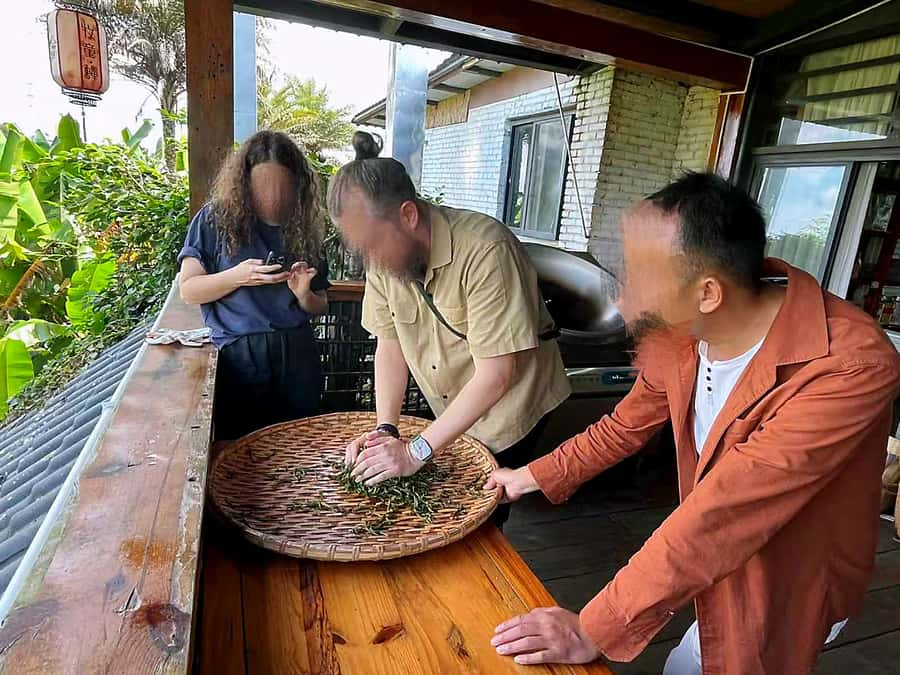
After picking, you visit the processing area. This is where the tour earns its price for anyone who wants more than a scenic farm walk.
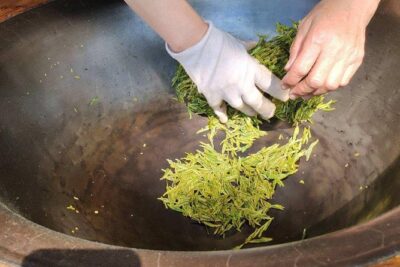
You see the basic stages from withering to rolling and drying. The fresh leaves must be handled in the right way before they become something suitable for brewing. The process is explained at the farm, and you can try some of the work yourself rather than watching from a distance.
The exact production style can vary by tea type, and the tasting may include raw Pu’er, aged tea, candy tea, and red tea. That range helps you compare flavor and processing methods. You do not need a technical background to enjoy it, but tea drinkers will have plenty to ask about.
This is also a good place to ask about storage, brewing, and the differences between varieties. Maxime has translated long question-and-answer sessions between visitors and the farm owner, so you should feel free to ask practical questions rather than nod politely and move on.
The farm is not presented as a sales pitch. You may buy additional tea if you like, but the personal tea you make remains the main keepsake. That makes the experience feel less like a shop visit and more like a short lesson in agricultural work.
Same leaf, a different ritual:
- Tea Tasting and Pairing Concept Workshop
★ 5.0 · 57 reviews - Biking Real Shanghai& Tea Tasting Experience
★ 4.5 · 45 reviews - Authentic Hangzhou Longjing Tea Culture Experience Tour
★ 5.0 · 32 reviews - Tea Village in lost Town and Buddha 1 day tour
★ 5.0 · 32 reviews
Tasting tea at the source
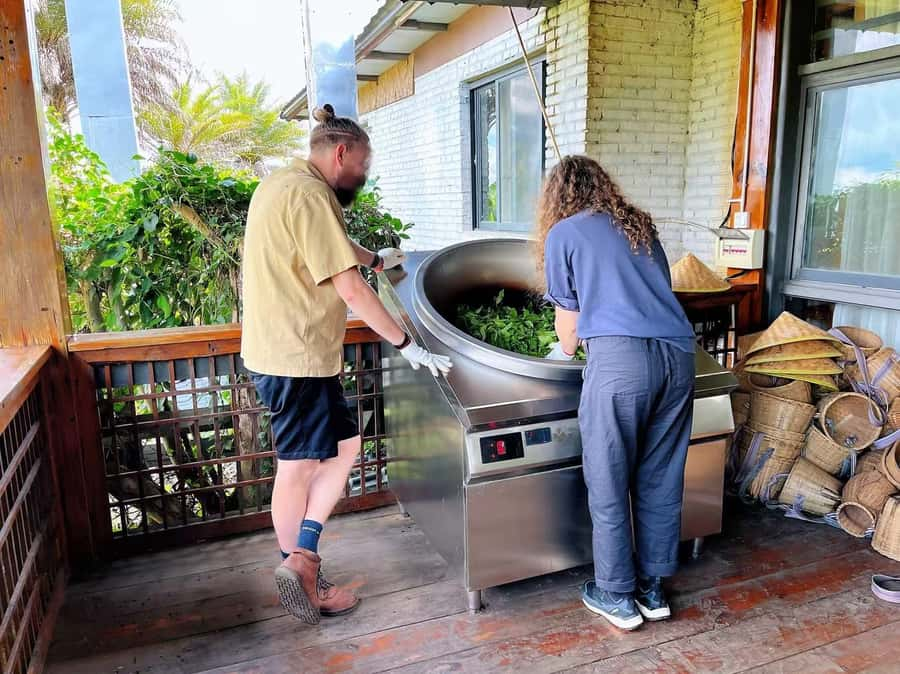
The tasting session follows naturally after the plantation and processing visit. You taste freshly processed Pu’er and may sample several other teas from the estate.
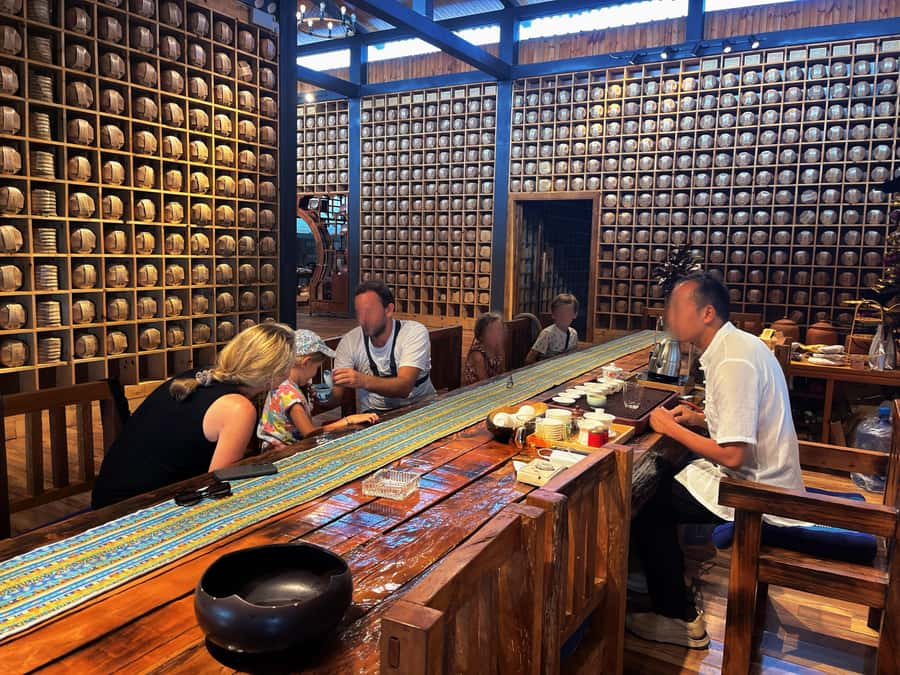
The best way to approach this is to slow down. Look at the color, smell the brewed tea, and notice how the taste changes across several pours. The point is not to identify every flavor perfectly. It is to connect what is in the cup with the leaves and methods you have just seen.
Tea tasting is also where the cultural side of the day becomes clearer. Pu’er is not simply a drink sold to tourists. It is part of daily life, local agriculture, trade, and hospitality in Yunnan. Sharing tea with farmers gives the session a warm, human quality that a commercial tasting room cannot easily copy.
If you already drink Chinese tea, you will likely get more from the comparisons between raw and aged styles. If you are new to Pu’er, the guide can help you start with simple questions: Which tea is fresh? Which has been aged? How does brewing time change the cup? Which one would you actually want to drink at home?
A local lunch with Dai flavors
Lunch can be served at the farm for an additional 60 yuan per person. The provided details describe it as optional in one place, while another section lists lunch among the included elements, so confirm the current arrangement and price before booking.
I would choose the meal if your schedule allows. The food has been praised as delicious and authentic, with Dai dishes adding a clear sense of place. Eating at the farm also keeps the day connected to the people and setting you have just encountered.
This is not a fine-dining stop. It is a local meal in a rural setting, and that is the point. You get a chance to sit down, talk, and taste regional food rather than rushing back to town for a standard restaurant lunch.
The possible coffee addition
Some versions of the day have included a visit to a small coffee farm south of Pu’er. There, you may taste coffee harvested and processed on site, eat Dai food, and drive through an area known locally for coffee production.
This coffee portion is not described consistently enough for me to treat it as guaranteed. Ask Maxime when you book if it will be part of your departure date. If available, it makes the day broader, moving from tea to another important Yunnan crop. If not, the tea plantation remains the core experience.
The coffee stop can also add time. That matters if you need to return to Jinghong or Pu’er for a train, flight, or fixed appointment. A short tea-focused morning may suit you better than a wider farm day if your schedule is tight.
Why the small group matters
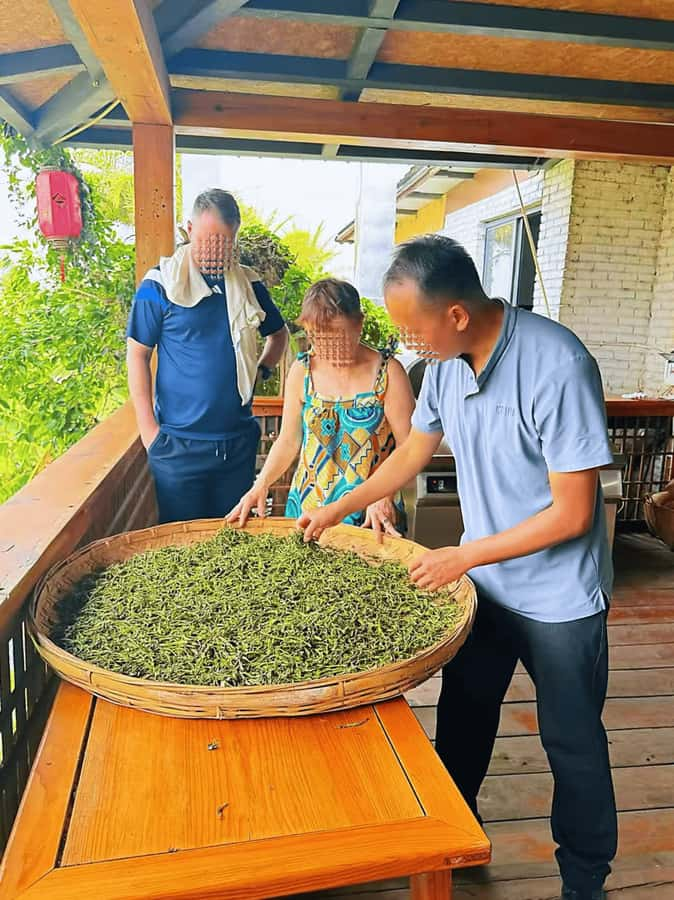
The group limit is six people, and that is a strong feature. Tea production raises plenty of questions, and a small group lets you ask them without competing with a busload of people.
The transport setup is also practical. Up to three people ride in a Volkswagen ID.4, while larger parties use a six-seat minivan. You get door-to-door pickup and return from Jinghong or Pu’er, which removes the need to find a rural bus or arrange a separate taxi.
The guide is a major part of the experience. Maxime has been described as patient with translation, flexible with family needs, and generous with photography. He also has a connection with the tea estate, which helps conversations feel more natural than a quick commercial visit.
Guiding is available in English, French, German, and Italian. That makes this a useful choice for international visitors who want more than a silent walk through tea rows.
What the $82 price buys you
At $82 per person, the cost is reasonable if you value transport, language help, direct access to a farm, practical tea work, tasting, and a 300 gram tea souvenir.
You are not paying only for entry to a plantation. The price also covers pickup and return, a live guide, the farm visit, the tasting, and the tea you make. For a solo visitor, private transport and personal translation can make the cost especially fair.
The value is less clear if you only want a quick view of tea fields or a cheap tasting. You could spend less on a tea shop visit in town, but you would miss the farm work, processing lesson, and direct contact with producers.
Lunch needs clarification because the details give both an included and an optional price description. Plan on 60 yuan per person unless your booking confirmation says otherwise. Extra tea, gifts, and souvenirs are not part of the base price.
Free cancellation is available up to 24 hours before departure, and you can reserve now and pay later. Those terms help if your Yunnan plans are still shifting.
Who should book this morning trip?
I would recommend it most strongly to tea drinkers, curious food travelers, photographers, and anyone who prefers a working farm to a formal attraction. It also suits solo visitors, couples, and small families with older children. The experience has enough activity to keep you involved, but it is not physically demanding in the way a long mountain hike would be.
It is a good fit if you want to understand what you are drinking. Picking and processing the leaves gives the day purpose, and the tasting makes more sense after you have seen the work behind it.
I would hesitate if you dislike rural driving, have a very tight schedule, or want a highly polished attraction with fixed timings. The day works best when you allow room for conversation, questions, and an unhurried meal.
Comfortable shoes are the only specific item requested, but they are important. Tea fields may involve uneven ground, and practical footwear will make the picking session more pleasant.
The activity is not suitable for babies under one year or people over 70. Pets are not allowed.
Should you book the Pu’er tea picking trip?
Book it if you want a personal introduction to Pu’er that reaches beyond tasting and shopping. The combination of plantation walk, leaf picking, hands-on processing, farm conversation, tea comparisons, local food, and 300 grams of tea to take home gives you a real sense of the product from plant to cup.
Before paying, confirm three points: the pickup town, the final duration, and whether lunch or the coffee farm is included that day. If those details fit your schedule, this is a strong-value outing and one of the more personal ways to meet Yunnan’s tea culture.
FAQ
Where does the tea trip begin?
Pickup is available from Jinghong or Pu’er, followed by transport to a nearby Pu’er tea plantation.
How long does the experience last?
The stated duration is five to seven hours. Starting times depend on availability.
What vehicle is used?
Up to three participants travel in a Volkswagen ID.4. Groups of more than three use a comfortable six-seat minivan.
How many people can join?
The activity is limited to six participants.
Which languages are available?
Guiding is available in English, French, German, and Italian.
Do I get to pick tea leaves?
Yes. You receive guidance on picking leaves at the plantation and take part in the process.
How much tea can I take home?
You can take home 300 grams of Pu’er tea picked and processed during the visit.
Is lunch included?
The information describes lunch both as included and as an optional meal costing 60 yuan per person. Confirm the current arrangement when booking.
Can I buy more tea?
Yes. Extra tea and other gifts are not included in the base experience. Tea purchased at the farm may be available with a 20 percent discount.
Is cancellation allowed?
You can cancel up to 24 hours in advance for a full refund. Reserve now and pay later is also available.
Newly steeped around China
- Full-day Tour: Spectacular Sunrise, Tea Plantation & Sunset★ 5.0 · 3 reviews
- Unlock Chinese Tea: Culture, Science, Tasting & Hands-on Brewing★ 5.0 · 12 reviews
- Shanghai Mahjong Experience in Local Tea Bar★ 5.0 · 4 reviews
- Chinese Tea Ceremony Experience★ 5.0 · 3 reviews
- Private Tour Hangzhou West Lake and Tea Fields Discovery★ 5.0 · 3 reviews
- Hangzhou West Lake and Tea Plantation Half Day Tour★ 5.0 · 4 reviews
- Private Hangzhou Day Tour to West Lake, Lingyin Temple, Tea Village, Old Pagoda★ 5.0 · 17 reviews
- Half-Day Hangzhou Private Tour with Green Tea Village and Lingyin Temple★ 5.0 · 3 reviews
China Tea Tours, compared.
One-Day Hangzhou Dragon Well Tea Culture & West Lake Private Tour
Read our review →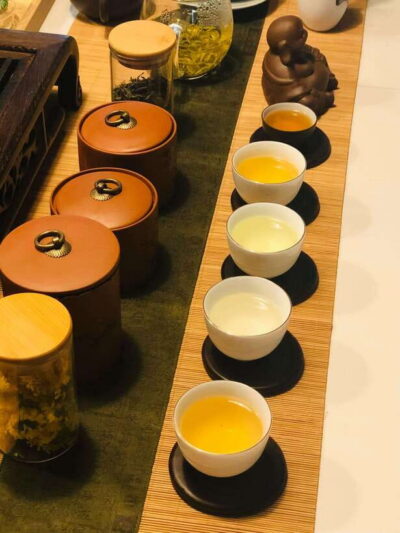
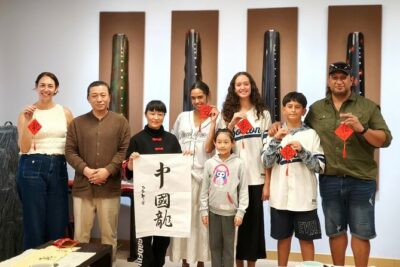
Beijing Culture: Tea Ceremony, Heritage Instrument & Calligraphy
Read our review →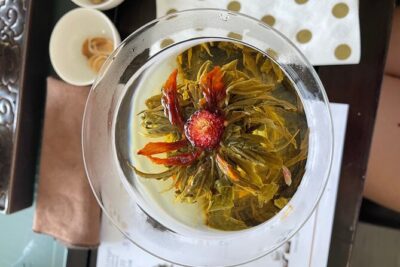

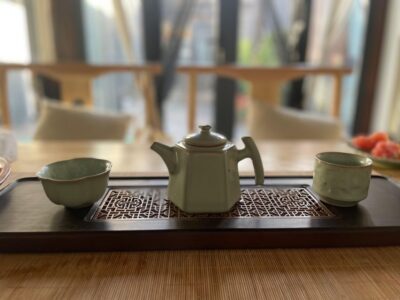
Chinese Tea ceremony in Beijing Hutong courtyard
Read our review →Browse the lists this tea experience appears in