
Review · CHINA
Eat Your Way Through Yunnan’s Tea & Horse Road, from Dali to Lijiang, 8-day Trip
The best part of this 8-day Yunnan trip is that food is not an extra activity squeezed between sights. It is the way you meet the region. You’ll eat rice noodles, fried cheese, Xizhou Baba, Bai and Naxi dishes, market snacks, and family-style meals while moving along the old Tea Horse Road from Dali to Lijiang. I especially like the small group limit of 10 and the mix of meals, markets, cycling, walking, and a cooking class.
I also like the thoughtful overnight stops: Shaxi Ancient Town gives you time to slow down, and the private villa above Tiger Leaping Gorge adds a memorable mountain stay. The main drawback is the price, $2,200 per person, and the fixed schedule. Seven breakfasts, six lunches, seven dinners, transport, lodging, and activities are included, but this is still a serious investment and the nonrefundable booking policy leaves little room for a change of plans.
Key things to know before you book
- Seven nights in boutique guesthouses: You get comfort and local character, with Western amenities rather than standard chain hotels.
- Food leads the journey: Expect local restaurants, street food, market shopping, family meals, and regional minority cooking.
- A real range of activity: The trip includes walking tours, a bike ride, a cooking class, free time, and an optional 3.5-hour hike.
- Tiger Leaping Gorge is a major highlight: You can hike to the river or spend the afternoon relaxing at the guesthouse.
- Private transport is included: Daily ground transportation, airport pickup in Dali, and airport drop-off in Lijiang reduce the usual travel fuss.
- Best for curious eaters: You should be comfortable trying unfamiliar dishes and sharing meals at a steady pace.
Why this Yunnan food trip feels different
Many tours treat food as fuel. This one uses food to explain place, family, trade, and minority culture. You begin in Dali and finish near Lijiang, following a route linked to the old Tea Horse Road, a network that carried tea, horses, salt, and other goods through southwest China.
You will not simply sit down at famous restaurants and check off dishes. The days take you into local markets, small eateries, village courtyards, lakeside restaurants, and home-style kitchens. That matters in Yunnan, where the cooking changes from one valley or ethnic community to the next.
The food is also social. Meals include dishes to share, so you get more variety than you would ordering alone. You might move from rice noodles to fried cheese, cured meats, fish, chicken with chili, plum-fried pork, rose paste, eggplant, mint, and local vegetables in the course of a few days.
The group size helps. With a maximum of 10 people, the guide can keep meals moving without turning every stop into a large production. Guides named on past departures include Daisy, Ruixi, Alison, Brian, Evon, and Longjiao, though your guide will depend on the date you choose.
More Horse-Drawn Outings around China:
- Arabian Nights immersion Pyramids Horse,camel Ride,Bedouin Tea
★ 5.0 · 13 reviews - York: Private Horse-Drawn Carriage Ride and Afternoon Tea
★ 5.0 · 3 reviews - York: Horse Drawn Carriage ride & Cream Tea
★ 5.0 · 3 reviews
Days 1 and 2: Dali through street food and local markets
The trip opens with a four-hour walking food tour in Dali Ancient Town. This is a smart first evening because it gives you a quick introduction to Yunnan flavors without asking you to navigate unfamiliar streets on your own.
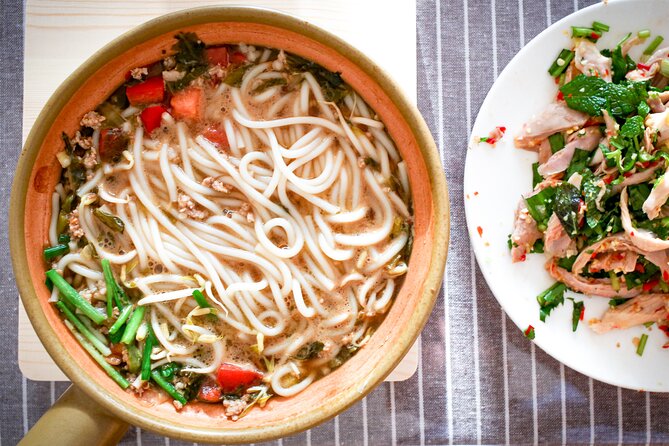
You’ll try locally made rice noodles, fried cheese, street snacks, and a Dai minority feast served on a very large shared platter. The meal is not just about quantity. It shows you how different communities in Yunnan use rice, herbs, preserved foods, and bold seasonings in distinct ways.
The next morning shifts from evening snacks to everyday life. You’ll visit a part of Dali that remains popular with local residents, eat a well-loved breakfast, and walk through a market spread across small lanes. This is one of the more useful parts of the trip for photographers and food lovers because you see ingredients before they become dishes.
You then get free time in Dali’s old town before a Bai minority lunch. That pause is important. The itinerary does not fill every minute with a guide-led activity, so you can browse, take photos, or simply sit with a coffee.
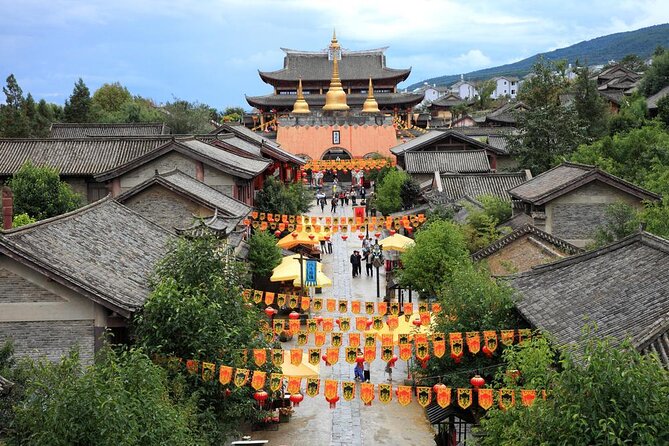
In the afternoon, you head to Xizhou, a smaller village known for old wooden buildings, cobbled lanes, and distinct local architecture. After checking into the guesthouse, dinner brings freshly caught fish, local chicken with chili and rice cakes, plum-fried pork, fried eggs with jasmine flowers, and other dishes selected for the group.
The tradeoff is a full day of eating and moving. If you prefer long private meals or lots of unscheduled wandering, the rhythm may feel brisk. If you want a clear introduction to Dali and its surrounding food culture, the first two days are well judged.
Day 3: Xizhou Baba, Erhai Lake, and Shaxi
Xizhou gets more attention the following morning. You’ll walk its horse-worn streets and see more of the wooden buildings before stopping for Xizhou Baba, a baked bread found specifically in this village.
You choose a savory pork filling or sweet rose paste, then watch the bread being prepared and baked in a traditional charcoal oven. This is the sort of food stop that makes a place memorable. You see the method, not just the finished snack, and you get a dish that belongs to that town rather than to a generic Chinese menu.
Lunch moves to Erhai Lake. At a lakeside restaurant, you’ll eat local shrimp, fish, and several other regional dishes. The setting gives the day a change of pace, though you should expect the meal to remain group-focused rather than a private lakeside experience.
Later, the route continues to Shaxi Ancient Town. You check in, have free time, and then eat at a local family courtyard restaurant. The menu may include carefully prepared pork-stuffed lima beans, cured meats, fried cheese, and dishes based on what is best at the local market that day.
That last detail is worth noting. A market-led menu can give you a more genuine sense of local cooking, but it also means you cannot expect a fixed list of dishes every time. If you have allergies or strong dislikes, tell the guide before meals.
Day 4: A slower day in Shaxi
Shaxi is where the trip eases off the gas. You have the morning to explore coffee shops and a bakery, then sit down to a hotpot lunch before taking a bicycle ride through the countryside.
The cycling route includes a stop at a mountainside cafe and bookstore. It is a nice balance to the restaurant-heavy schedule. You are not only eating your way through Yunnan; you are seeing how the villages, fields, and mountain roads fit together.
The use of bicycles is included, but the supplied information does not give details about bike type, route length, or terrain. Ask the guide for the day’s plan if cycling ability is a concern. The same advice applies to the optional Tiger Leaping Gorge hike.
A second local dinner completes the day. This is one of the strongest sections of the trip for anyone who likes a slower travel style. You have time to get familiar with one small town instead of arriving, taking a few photos, eating, and leaving.
Shaxi also provides a useful contrast with Dali. Dali gives you a larger old town and more activity. Shaxi feels more suited to wandering, sitting down, and noticing small details in the old lanes.
More Day Trips with Tea around China:
- Tea Village in lost Town and Buddha 1 day tour
★ 5.0 · 32 reviews - 1-day Village Tea Picking, Roasting & Serving Guided Private Tour from Hangzhou
★ 5.0 · 9 reviews - From Colombo: Kandy, Pinnawala and Tea Factory Full-Day Trip
★ 4.4 · 99 reviews - Ella Private Day Trip with Train Ride & Tea Factory-All Inclusive
★ 5.0 · 61 reviews
Day 5: Tiger Leaping Gorge and a choice of hiking or rest
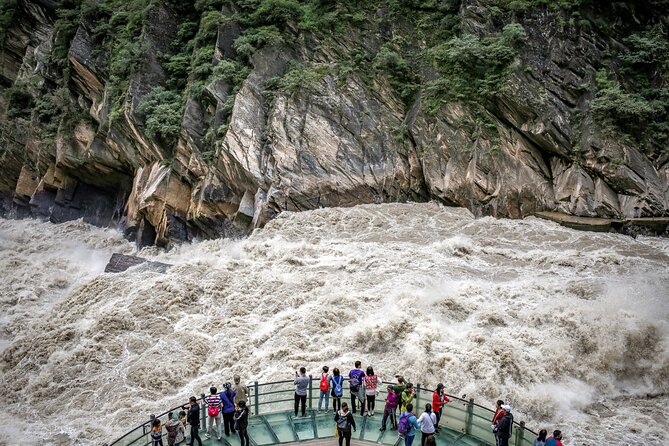
Tiger Leaping Gorge provides the trip’s biggest natural sight. At the viewing deck near the mouth of the canyon, the upper Yangzi River is forced through one of the deepest gorges in the world. The scale is dramatic, and the first viewpoint lets everyone take in the setting without committing to a strenuous walk.
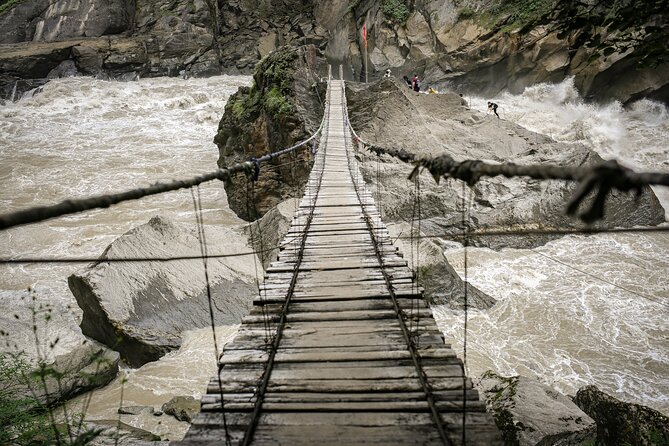
The optional hike from the middle of the gorge takes about 3.5 hours round trip and is described as moderately difficult. The route heads toward the river, crosses suspension bridges, passes waterfalls and rock islands, and returns by a loop route.
This is a genuine choice, not a token alternative. You can make the hike the day’s main physical challenge, or you can return to the guesthouse and relax for the afternoon. The flexible option is useful for mixed groups, families, or anyone who wants the scenery without a demanding descent and climb.
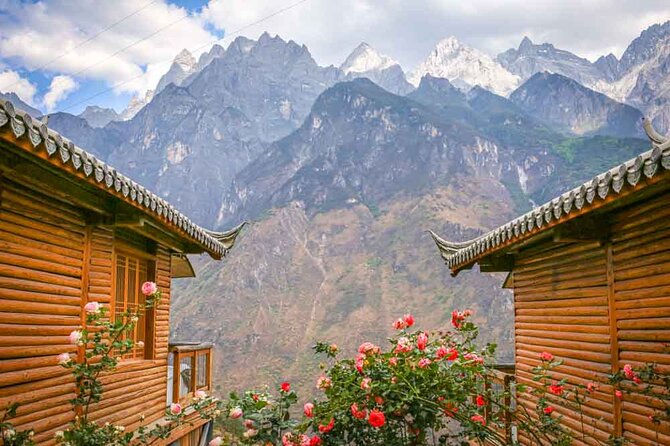
The overnight accommodation is a private villa with views over Tiger Leaping Gorge. It includes a pool and Western amenities, according to the tour description. A stay like this adds value beyond a quick viewpoint stop because you get time to enjoy the mountain setting.
Still, do not book this portion expecting a soft resort break. The gorge visit includes steep terrain for those who choose the hike, and the area is included because of its scenery and position, not because it offers a wide choice of entertainment.
Day 6: Mountain views before Lijiang
The morning at Tiger Leaping Gorge is deliberately leisurely, with breakfast views described as some of the finest on the trip. That slower start helps balance the previous day’s walking and gives you time to appreciate the accommodation.
You then continue toward Lijiang and stay in Shuhe Ancient Town, a quieter old town within the Lijiang area. This is a practical base for the final two days. You remain close to Lijiang’s cultural sights without sleeping in the busiest part of the main old town.
The move from the gorge to Shuhe is one of the longer transitions in the trip, though private transport keeps you from handling the route yourself. Daily driving is included, and that is a meaningful part of the $2,200 price. Public transport would likely require more planning, transfers, and language confidence.
You should still expect some time in the vehicle during this trip. Dali, Xizhou, Shaxi, Tiger Leaping Gorge, and Lijiang are spread across a large area. The reward is variety, but the cost is road time.
Day 7: Lijiang’s market and a Naxi family cooking class
The final full day begins at Lijiang’s oldest market. You shop for ingredients alongside Naxi residents, then carry those ingredients into a private cooking studio run by a local Naxi family.
This is one of the most valuable activities on the schedule because you take part in the process from market to table. You will prepare three dishes and eat them for lunch. The experience offers more than a demonstration, since you handle the ingredients and learn how the meal comes together.
The market visit may be particularly useful if you want to understand the difference between restaurant food and household cooking. You see what people buy, how ingredients are presented, and which products form part of daily meals.
In the afternoon, you head to Baisha Ancient Town, the oldest village in the Lijiang area. Its quiet cobblestone lanes, older buildings, coffee shops, and mountain views provide a gentler final sightseeing stop.
Dinner returns to Shuhe, with a large selection of local Naxi dishes. Expect roast pork belly with mint, fried eggplant, spicy fish, and other shared plates. After a week of regional meals, this final dinner gives you one more chance to compare flavors and decide which dishes you want to seek out again.
What the $2,200 price really covers
At $2,200 per person, this is not a budget food tour. But the cost includes seven nights of boutique accommodation, airport pickup in Dali, airport drop-off in Lijiang, private daily transport, an English-speaking guide, attraction fees, bicycle use, daily water and beer, and the listed meals.
The food package is substantial: seven breakfasts, six lunches, and seven dinners. Drinks during the included meals are covered as well. You are not paying only for restaurant reservations. You are also paying for the guide, vehicle, route planning, lodging, and access to family-run food experiences that would be hard to arrange independently.
The value depends on how you travel. If you are happy using public transport, booking simple rooms, and finding restaurants on your own, you can spend less. If you want to move between several towns without arranging each transfer, eat confidently despite language barriers, and have a guide explain what is on the table, the price becomes easier to defend.
Free-time expenses are not included. Shopping, optional activities, and flights to and from Yunnan are extra. Plan for those costs separately.
Who should book this trip
I would choose this trip if you care more about local meals and small-town experiences than famous landmark collecting. It suits people who enjoy shared dishes, early starts, village walks, market visits, and a mix of comfort and outdoor activity.
It also works well for families and mixed-age groups because the gorge hike is optional and the schedule includes several kinds of activity. Past departures have included families with teenagers, as well as couples and repeat customers of the operator’s China tours.
You should be ready for regional food that may be unfamiliar, a fixed group schedule, and several days of moving between towns. If you have serious dietary restrictions, ask before booking rather than assuming every meal can be adjusted.
The tour requires a minimum number of participants. If that minimum is not met, the operator says you will be offered another date or experience, or a full refund. Otherwise, the booking is nonrefundable and cannot be changed, so insurance may be sensible for a $2,200 commitment.
Should you book the Dali to Lijiang food tour?
Book it if you want Yunnan explained through its kitchens, markets, villages, and family tables. The strongest parts are the small group size, the included meals, the Shaxi cycling day, the Naxi cooking class, and the overnight setting above Tiger Leaping Gorge.
Skip it if you want maximum independence, nightlife, or a low-cost trip. You will pay for structure and convenience, and you will spend much of the week eating on a planned schedule.
For the right person, this is a practical way to see a large and varied part of Yunnan without losing the local flavor. Bring a flexible appetite, comfortable walking shoes, and room in your suitcase for the memories, not just souvenirs.
FAQ
Where does the tour start and finish?
The tour starts with pickup at Dali Airport and finishes with airport drop-off in Lijiang on the eighth day.
How long is the tour?
The experience lasts approximately eight days and includes seven nights of accommodation.
How many people can join the group?
The tour has a maximum of 10 participants.
Are meals included?
Yes. The package includes seven breakfasts, six lunches, and seven dinners, along with food and drinks during the meals listed in the itinerary.
Is the Tiger Leaping Gorge hike required?
No. The hike is optional. It takes about 3.5 hours round trip and is described as moderately difficult. You can relax at the guesthouse instead.
Is transportation included?
Yes. Private ground transportation is provided each day, along with airport pickup in Dali and airport drop-off in Lijiang. Flights to and from Yunnan are not included.
Can I cancel for a refund?
The experience is nonrefundable and cannot be changed for any reason. If the minimum number of participants is not reached and the operator cancels the trip, you will be offered another date or experience, or a full refund.
Newly steeped around China
- Full-day Tour: Spectacular Sunrise, Tea Plantation & Sunset★ 5.0 · 3 reviews
- Shanghai Mahjong Experience in Local Tea Bar★ 5.0 · 4 reviews
- Unlock Chinese Tea: Culture, Science, Tasting & Hands-on Brewing★ 5.0 · 12 reviews
- Chinese Tea Ceremony Experience★ 5.0 · 3 reviews
- Private Tour Hangzhou West Lake and Tea Fields Discovery★ 5.0 · 3 reviews
- Hangzhou West Lake and Tea Plantation Half Day Tour★ 5.0 · 4 reviews
- Private Hangzhou Day Tour to West Lake, Lingyin Temple, Tea Village, Old Pagoda★ 5.0 · 17 reviews
- Half-Day Hangzhou Tianzhu Buddhist Mountain Hiking Tour with Green Tea Village★ 5.0 · 2 reviews
China Tea Tours, compared.
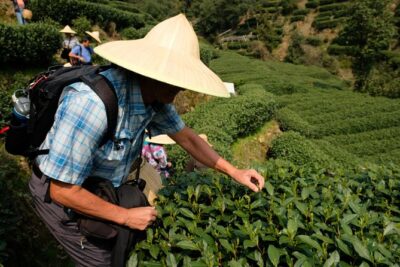
One-Day Hangzhou Dragon Well Tea Culture & West Lake Private Tour
Read our review →
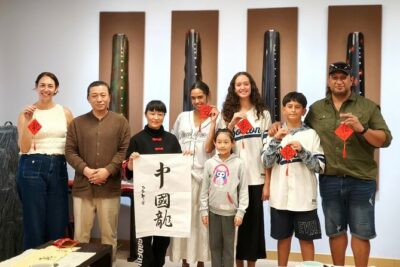
Beijing Culture: Tea Ceremony, Heritage Instrument & Calligraphy
Read our review →
Chinese Tea ceremony in Beijing Hutong courtyard
Read our review →Browse the lists this tea experience appears in