
Review · CHENGDU
Exploring Tibetan Tea· 2DAYS Sichuan Last Primitive Ancient Town
Wangyu Ancient Town is the star here: a quiet former Tea-Horse Road stop where mountain paths, old buildings, coffee, and hands-on craft replace the usual Chengdu sightseeing circuit. The next morning shifts to Ya’an, the birthplace of Tibetan tea, with a museum visit and a look at tea production dating to 1546.
I like the small private format and the chance to make your own tie-dye piece instead of simply photographing one. I also like the human touch associated with Lala, a fluent English-speaking guide praised for her humor, local food knowledge, and easy communication. The main drawback is the timing: this is sold as a two-day trip but lists about 16 hours of touring, so you should confirm the exact schedule, hotel, and dinner arrangements before paying.
What makes this two-day trip different
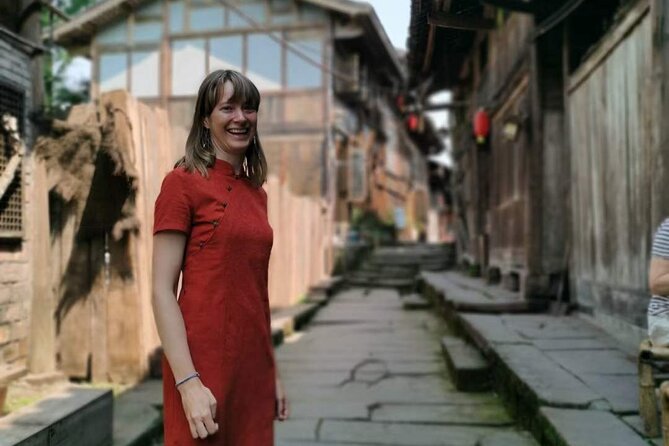
- Wangyu Ancient Town: Visit one of Sichuan’s former Tea-Horse Road stations, with hiking and time to look around at your own pace.
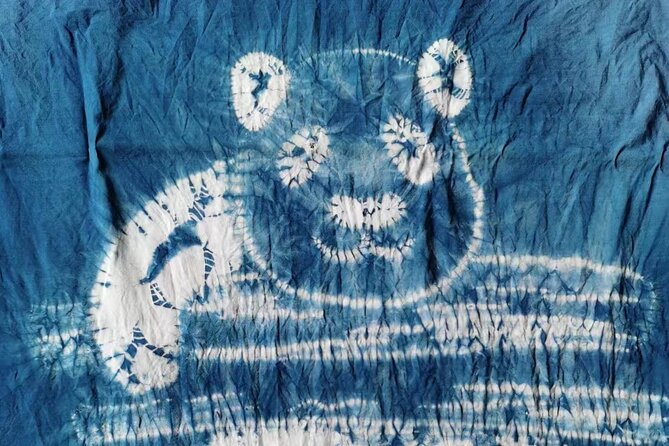
- Chinese tie-dye workshop: Follow local masters and take home a hand-made piece rather than just a souvenir from a shop.
- Ya’an Tibetan tea: Learn how tea from this area supplied the old tea routes into Tibetan regions.
- Century-old production: Visit a tea factory that began operating in 1546 and still produces Tibetan tea.
- Private transportation: A vehicle, driver, and guide take care of the long connections from Chengdu.
- One night away: Sleep outside Chengdu, making this more relaxed than a rushed day trip.
Leaving Chengdu for Wangyu Ancient Town
Your morning begins at 7:30, with pickup from your Chengdu hotel. Airport and train station pickup and drop-off are also included, which helps if you are building this trip around a larger Sichuan visit.
The drive to the Ya’an area takes about two and a half hours. That is a useful point to understand before booking: Wangyu is not a quick side trip from central Chengdu. You are paying for access to a rural historic area, and the private vehicle makes the journey much easier than piecing together public transport.
Wangyu is described as the last original ecological ancient town in Sichuan. It once served as an important stop on routes leading out of Chengdu, including the southern Silk Road and the Tea-Horse Road. Those old routes carried tea, goods, and people across difficult mountain country.
The Tea-Horse Road was not a single paved highway. It was a network of mountain paths linking tea-producing parts of Sichuan and Yunnan with Tibetan areas. Porters carried heavy tea bags over steep ground, and Wangyu’s importance came from its position along that trade system.
You should not expect a large museum complex or a polished theme park. The appeal is the setting and the sense of an old working settlement connected to mountain trade. The town visit includes hiking, so wear shoes that are comfortable for uneven paths and bring a light layer for changing weather.
More Two-Day Tea Trips around China:
- São Miguel: 2-Day Island Tour, Tea & Pineapple Plantation
★ 4.7 · 113 reviews - 2 days Ancient Tea Tour and Real Homestay West of Ha Giang
★ 5.0 · 2 reviews
Coffee, walking, and the pace at Wangyu
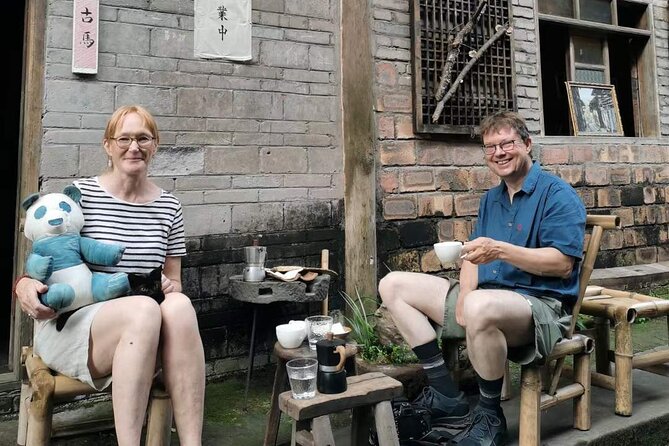
The schedule includes fresh coffee during the hike. That small detail matters. It gives the morning a pleasant break and makes the outing feel less like a history lecture delivered from one fixed spot.
The hiking portion is listed as lasting much of the first day, with admission included. Exact walking distance and difficulty are not provided, so you should ask before booking if anyone in your group has mobility concerns. Most people can participate, but the experience is not described as fully accessible or suitable for wheelchairs.
I like this part because it gives you time to look around rather than forcing every stop into a tight photo opportunity. At the same time, the lack of a precise hiking description means you should not book it expecting a clearly graded trail, a demanding mountain trek, or a flat stroll. The safest expectation is a guided walk around the town and nearby area.
The tour also promotes panda gifts. These are included among the admission and gift arrangements, though the exact gift is not specified. Treat that as a pleasant extra rather than the reason to choose the trip.
Making a Chinese tie-dye craft
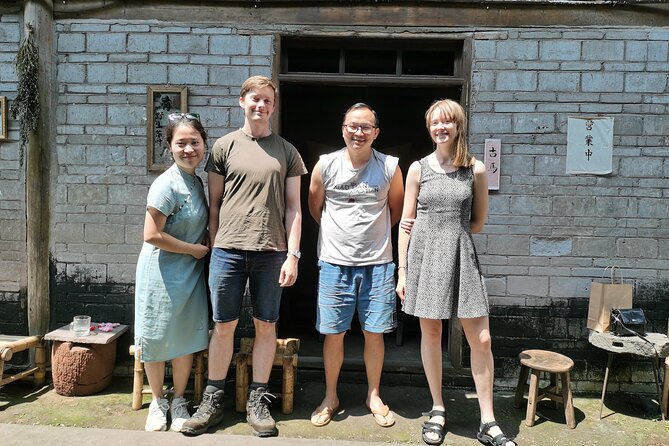
The tie-dye session is one of the strongest parts of the program for anyone who prefers doing something to simply looking at something. Under the guidance of local masters, you make your own handcraft and take it with you.
That changes the value of the stop. You leave with a small reminder of Sichuan craft, and the process gives you a better sense of how cloth is patterned by hand. The available information does not specify the exact fabric, design, or time allowed, so your finished piece may depend on the workshop format and the group’s pace.
This is also a good activity for families and mixed-age groups, provided everyone is comfortable with a hands-on session. You should be prepared for instructions through the guide or workshop staff rather than a long English-language craft demonstration.
Because this is a private tour, your group is the only group taking part in the activity. That can make it easier to ask for help or adjust the pace. It also means the total price can feel high if you are traveling alone or as a couple, since private transportation and guiding are built into the cost.
Spending the night outside Chengdu
The first day ends with an overnight stay at a hotel described as a comfortable property, with a two-bed room included. The hotel name and exact room arrangements are not supplied, so ask for those details if the standard of accommodation matters to you.
An overnight stop is useful here. Without it, Wangyu and Ya’an would make for a long return journey to Chengdu. Sleeping near the next day’s tea visit gives the trip a more sensible rhythm, although the overall tour description also calls the experience about 16 hours. That timing does not fully explain the two-day schedule, so confirm the start and return times.
Meals are listed as Chinese breakfast and local Chinese restaurant meals. The day-by-day outline clearly includes breakfast and lunch. The general inclusions also mention dinner, but the schedule does not assign it to a particular day. Ask the operator to clarify whether dinner is included, where it is served, and whether drinks are covered.
If you enjoy eating local food, the restaurant stops should be a useful part of the trip. Still, no menus or dietary arrangements are provided, so tell the operator about allergies or restrictions before departure.
More Tea Experiences around China:
- One-Day Hangzhou Dragon Well Tea Culture & West Lake Private Tour
★ 5.0 · 98 reviews - Traditional Chinese Tea Ceremony Experience
★ 4.7 · 74 reviews - Beijing Culture: Tea Ceremony, Heritage Instrument & Calligraphy
★ 5.0 · 57 reviews - Tea Tasting and Pairing Concept Workshop
★ 5.0 · 57 reviews
Ya’an and the story of Tibetan tea

After breakfast, the second day continues to Ya’an, with a drive of about one hour. The morning tea program is the educational center of the trip.
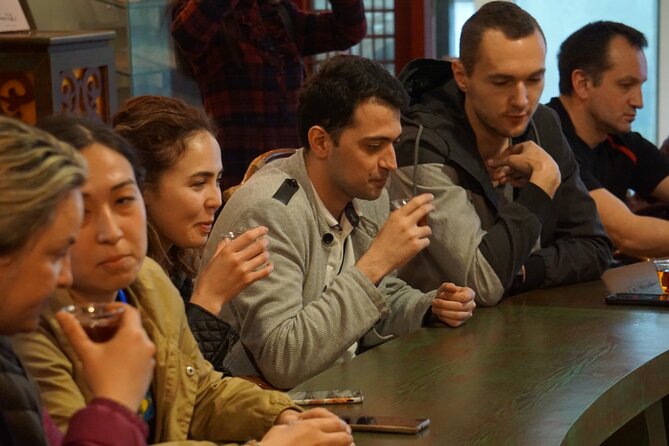
The Tibetan Tea Museum is scheduled for 9:20 to 10:20. An English-speaking guide and a museum instructor explain the tea’s long role in the region. The program describes Tibetan tea as having more than 3,000 years of history, and it presents Ya’an as an important source for the tea trade connecting Sichuan with Tibetan areas.
The museum visit should help you understand why tea was more than a drink. Compressed tea was durable, easy to transport, and valuable along long mountain routes. It could be carried over difficult terrain and traded in places where fresh tea was not available.
The schedule then includes time with a non-heritage tea master and a further tea activity. The wording of the times overlaps slightly, with one session listed from 10:20 to 11:20 and another from 11:00 to 12:00. That suggests the morning may include a flexible presentation rather than two strictly separate one-hour blocks.
You should expect explanations of tea making, the old tea trade, and the continuing production of Tibetan tea. You may also have a chance to ask questions directly through the English-speaking guide. If you are especially interested in tea processing, ask whether tasting or a hands-on demonstration is part of the visit, since those details are not clearly specified.
Inside a tea factory operating since 1546
The tea factory is described as having begun production in 1546 and continuing for 476 years at the time the program was written. It is presented as a century-old factory and a place where you can see the production skills connected with national intangible cultural heritage.
Several credentials are attached to the factory and its tea program. The project entered the second batch of the national intangible cultural heritage list in 2008. It was also selected in 2011 as one of the first national intangible cultural heritage productive protection demonstration bases.
The factory is associated with a United Nations Development Programme Millennium Gold Award and FDA organic certification. These details may interest you if you want to understand how traditional production is being maintained within a modern business setting.
I would treat the factory visit as a cultural and industrial stop, not simply a shopping opportunity. The point is to see how an old tea tradition continues to function. If purchases are offered, compare prices and packaging before deciding. The supplied details do not state that tea shopping is required or included.
How much value do you get for $598?
At $598 per person, this is not a bargain day trip. It is a private, two-day experience with an English-speaking guide, a driver, vehicle transfers, one hotel night, meals listed in the program, admission, coffee or tea, and airport or train station transfers.
The value improves when several people share the booking. Group discounts are available, and a private vehicle becomes more reasonable when divided among a small group. You also avoid arranging the long Chengdu to Ya’an connections yourself.
For a solo visitor, the price may feel steep, especially because there are only two published ratings and no detailed cost breakdown. For a group that wants a guide, transport, a craft activity, and an overnight stay, the package is easier to justify.
I would compare this with the cost and effort of arranging a private driver, hotel, local meals, and separate visits to Wangyu and Ya’an. The tour saves planning time and provides English assistance. It does not offer the flexibility of choosing your own hotel, restaurant, or return time.
The mobile ticket and confirmation at booking are convenient. Free cancellation is available up to 24 hours before the start time. Changes or cancellations inside that window are not accepted for a refund, so check the timing carefully if your Chengdu plans are uncertain.
The guide can make or break the experience

The guide matters greatly on this trip because Wangyu and the tea factory are best understood through context. An English-speaking guide turns old trade routes and tea tools into something you can follow, rather than a series of buildings and displays.
Lala is connected with Lalaland Chengdu and is described as fluent in English, friendly, humorous, and familiar with local food and shopping. If Lala is assigned to your group, you can expect an easy communication style and practical local advice. The supplied information does not guarantee that she leads every departure, so ask who your guide will be.
The private format means your group alone takes part. That gives you more room to ask questions and may make the tie-dye activity more comfortable. It does not necessarily mean every stop can be extended, since the tea museum has set morning time slots and the drive back to Chengdu still has to fit the schedule.
Who should book this experience?
I would choose this trip if you have already seen Chengdu’s main sights and want a quieter connection with western Sichuan. It suits you if you enjoy local history, traditional craft, tea culture, and guided day outings more than big attractions.
It is also a good fit for a small group that values private transport and an English-speaking guide. Families may like the combination of walking, coffee, craft work, and a museum visit, although you should confirm the walking demands for young children or anyone with limited mobility.
Food-focused visitors may enjoy the local restaurant meals and the guide’s local recommendations, particularly if Lala leads the trip. Tea drinkers will get the most from the Ya’an portion, while history fans will probably prefer Wangyu and the Tea-Horse Road background.
I would hesitate if you want a tightly documented schedule, luxury accommodation, a short drive, or a strong focus on major monuments. The program has some timing gaps and does not specify the hotel name, hiking distance, exact craft format, or dinner arrangements.
Should you book it?
Book this experience if you want a private two-day outing that combines a former Tea-Horse Road town with living tea and craft traditions. The best reasons are the Wangyu walk, the chance to make a tie-dye piece, and the visit to a Ya’an tea factory with centuries of production behind it.
Before booking, confirm the exact pickup and return times, the assigned guide, hotel name, dinner inclusion, hiking requirements, and what happens during the tea tasting or workshop. If those details suit you, the $598 price can be fair for a small group seeking convenience and local context. If you are traveling alone or mainly want famous Chengdu sights, spend your money elsewhere.
FAQ
Where does the tour begin?
The tour begins with pickup in Chengdu at 7:30 am. Airport and train station pickup and drop-off are also included.
How long does the experience last?
The tour is described as a two-day experience with one overnight stay. The approximate touring duration is listed as 16 hours.
Is transportation included?
Yes. Necessary vehicle transfers, a driver, and guide are included for the scheduled route between Chengdu, Wangyu Ancient Town, Ya’an, and Chengdu.
Is the tour private?
Yes. This is a private activity, and only your group takes part.
What meals are included?
The inclusions list Chinese breakfast and local Chinese restaurant meals. The day outline names breakfast and lunch, while the general inclusions also mention dinner. Confirm the dinner arrangements before departure.
Is the guide English-speaking?
A professional licensed English-speaking guide is included. Lala is associated with Lalaland Chengdu and is described as fluent in English, but the assigned guide should be confirmed when booking.
Can I cancel for a full refund?
You can cancel for a full refund at least 24 hours before the experience start time. Cancellations or changes made less than 24 hours before the start time are not accepted for a refund.
Newly steeped around China
- Full-day Tour: Spectacular Sunrise, Tea Plantation & Sunset★ 5.0 · 3 reviews
- Unlock Chinese Tea: Culture, Science, Tasting & Hands-on Brewing★ 5.0 · 12 reviews
- Shanghai Mahjong Experience in Local Tea Bar★ 5.0 · 4 reviews
- Chinese Tea Ceremony Experience★ 5.0 · 3 reviews
- Private Tour Hangzhou West Lake and Tea Fields Discovery★ 5.0 · 3 reviews
- Hangzhou West Lake and Tea Plantation Half Day Tour★ 5.0 · 4 reviews
- Private Hangzhou Day Tour to West Lake, Lingyin Temple, Tea Village, Old Pagoda★ 5.0 · 17 reviews
- Half-Day Hangzhou Jiuxi Stream and Tea Plantation Experience★ 5.0 · 2 reviews
Chengdu Tea Tours, compared.

Leshan Buddha + Panda Base or Old Tea House Private Day Tour
Read our review →
Half-day Private Mahjong course in Local Tea House
Read our review →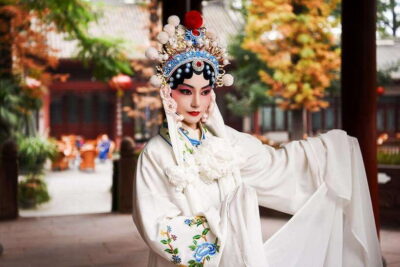
Chengdu: Sichuan Opera Show ShufengYayun & Covered Bowl Tea
Read our review →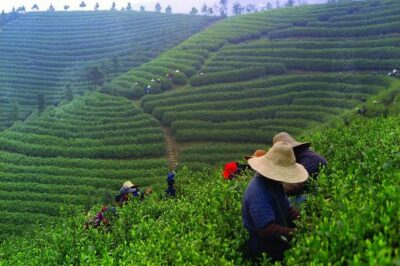
Experience Chengdu: Private Tea-Making Day Tour of Mengdingshan Tea Plantation
Read our review →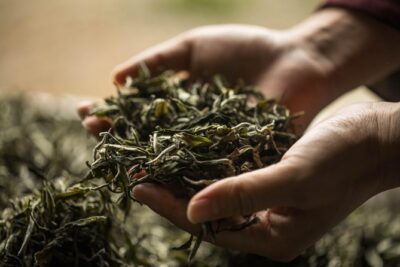
Three-Hour Private Chengdu Tea Wholesale Market Tour
Read our review →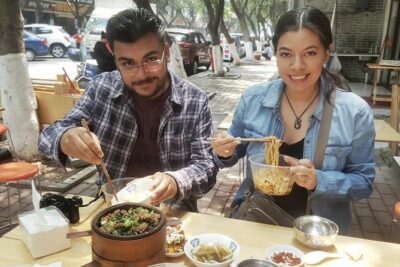
One-Day Leshan Giant Buddha and Tea Terrace Tour In Lost Town
Read our review →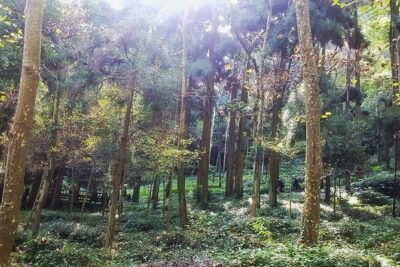
Chengdu Dujiangyan Leshan Buddha Tea Plantation and Sichuan Cooking 3 Days
Read our review →Browse the lists this tea experience appears in