
Review · CHINA
Qixianfeng Tea Plantation Tour in Yangshuo
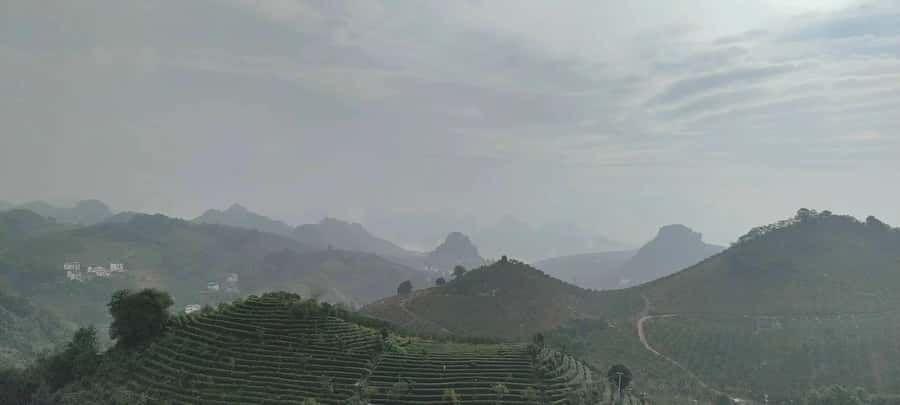
Qixianfeng Tea Plantation gives you a hands-on way to see tea from bush to cup. You pick fresh leaves among seven hills, then work with a tea master to cook and process them before tasting black, white, and green teas.
I like the fresh-leaf picking, since it turns a familiar drink into a real rural activity. I also like that your work produces 100 grams of tea to take home, not just a short demonstration.
The main caution is transportation. One booking had a car more than an hour late, with poor updates from the agency. The plantation itself was praised, but you should allow extra time if you have a tight Yangshuo schedule.
Key points at a glance
- Seven hills of tea: Qixianfeng is a large plantation area reached by a roughly 30-minute drive from central Yangshuo.
- You pick the leaves: This is not only a viewing stop. You collect fresh tea leaves yourself.
- Three tea styles to taste: The session includes black tea, white tea, and green tea, along with instruction on Chinese tea preparation.
- Your harvest becomes a souvenir: The tea master helps process the leaves, and you take home 100 grams of finished tea.
- English instruction: The activity includes an English-speaking instructor and a local tea master.
- Simple three-hour format: Hotel pickup, plantation time, tea making, tasting, and return transport fit into about three hours.
Leaving Yangshuo for Qixianfeng’s seven hills

The experience begins with pickup from the lobby of your centrally located Yangshuo hotel. From there, the drive to Qixianfeng Tea Plantation takes about 30 minutes, though road conditions can affect that timing.
That short transfer matters. Yangshuo is famous for its dramatic karst scenery, but this outing takes you away from the main town and into a working tea-growing area. You are not simply sitting in a shop tasting packaged tea. The plantation gives the activity a more practical feel.
The transport is included, which is useful if you do not want to arrange a separate car. Still, I would keep your schedule loose around the pickup. One booking involved a delay of more than an hour caused by traffic, and the communication about the delay was not good. The driver reportedly spoke good English in at least one case, but the agency’s updates were the weak point.
If you have a flight, train, private transfer, or timed Yangshuo activity later in the day, do not place this tour too close to it. The stated duration is three hours, but traffic can make the full door-to-door period longer.
More Tea Plantation Tours in China
- Half-Day Hangzhou Yunxi Bamboo Forest and Tea Plantation Experience
★ 5.0 · 22 reviews - Half-day Tour: Largest Tea Plantation & Amazing Xianggong Hill
★ 5.0 · 9 reviews - Experience Chengdu: Private Tea-Making Day Tour of Mengdingshan Tea Plantation
★ 4.5 · 7 reviews
Walking through the tea plantation
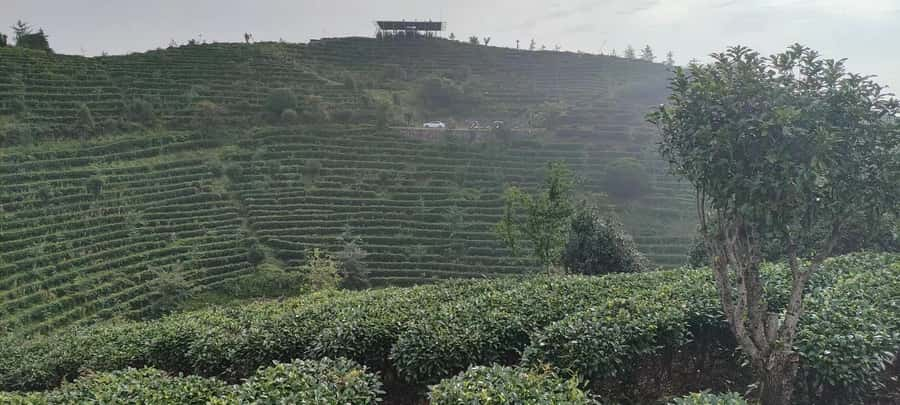
At Qixianfeng, a local tea master shows you around the plantation. The area covers seven hills, so the setting has more scale than a small garden attached to a tasting room.
The useful part of this stop is the connection between the plant and the drink. You see where the leaves begin, then learn that the finished tea depends on what happens after picking. Even if you already drink tea regularly, handling the fresh leaves helps explain why different processing methods produce different results.
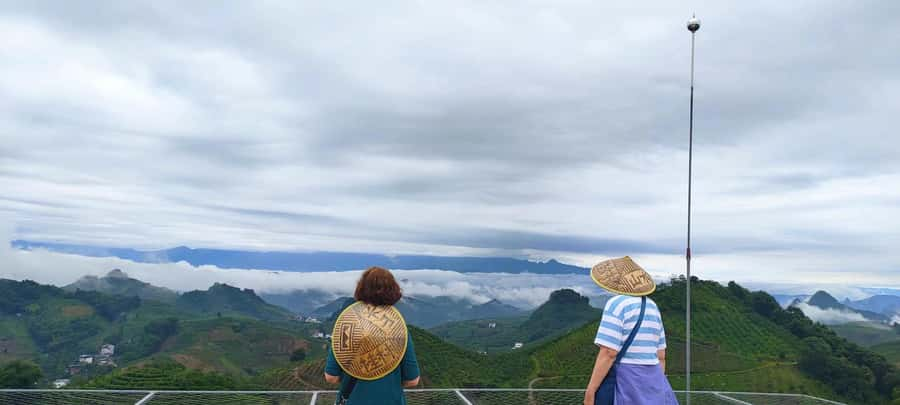
The setting is also one of the strongest reasons to choose this activity. The plantation is high in the mountains, with quiet tea fields and a peaceful feel. You should expect an outdoor visit rather than a polished indoor attraction. Wear shoes that are comfortable for walking around a plantation, although the exact trail conditions are not specified.
The tea master is there to explain the plants and guide your work. The available information does not give the instructor’s name, so do not expect a named celebrity tea expert or a formal lecture. The appeal is the direct, local demonstration.
Picking your own fresh tea leaves
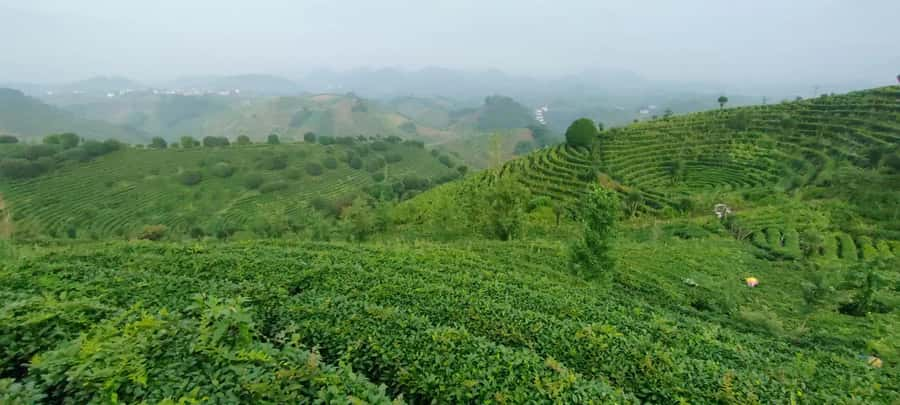
The hands-on part begins when you pick tea leaves in the plantation. This simple task is the dividing line between a standard tasting and a proper activity. You are not just told how tea is made. You gather the raw material yourself.
The picking session also gives you a better sense of how little finished tea comes from a larger amount of fresh leaves. That connection becomes clearer later, when the leaves are processed and weighed for your take-home portion.
The activity description does not specify how much time you spend picking or how many leaves you collect. Your final souvenir is 100 grams of freshly processed tea, but that should not be confused with a large personal harvest. The point is to take part in the process and leave with a small, meaningful sample.
This is a good fit for couples, families, and curious food-and-drink enthusiasts who prefer doing something over visiting another lookout. It may be less satisfying if you want a long agricultural walk or a full-day plantation visit, since the whole experience lasts about three hours.
Learning the Chinese way to prepare tea

After picking, you learn how to make hot tea properly in the Chinese way. The tea master demonstrates the preparation, and you get to connect the method with the leaves you have just handled.
The exact equipment and steps are not listed, so I would not book this expecting a detailed professional tea ceremony with a fixed set of named utensils. Think of it as a practical introduction to Chinese tea preparation. You learn by watching and taking part, rather than by reading a long explanation.
That makes the activity approachable. You do not need prior tea knowledge, and the English instruction helps visitors follow along. At the same time, the session is not advertised as a certification class or an advanced tea course. If you already know a great deal about tea, the plantation and processing stages may interest you more than the basic preparation lesson.
I like this balance. The tea-making demonstration gives the outing a cultural purpose, while the picking and processing keep it from becoming a passive talk. You get context, but also something to do with your hands.
Same leaf, a different ritual:
- One-Day Hangzhou Dragon Well Tea Culture & West Lake Private Tour
★ 5.0 · 98 reviews - Traditional Chinese Tea Ceremony Experience
★ 4.7 · 74 reviews - Tea Tasting and Pairing Concept Workshop
★ 5.0 · 57 reviews - Beijing Culture: Tea Ceremony, Heritage Instrument & Calligraphy
★ 5.0 · 57 reviews
Tasting black, white, and green tea
The tasting includes black tea, white tea, and green tea. Trying all three in one sitting lets you compare them without needing to visit several shops or guess what to order.
The range is useful because these styles can look and taste quite different. The tea master prepares the drinks and shows you how hot tea should be made. The session is not only about choosing a favorite. It helps you notice the effect of processing on the same basic crop.
The supplied information does not list the specific varieties, brewing temperatures, harvest dates, or tasting menu. You should therefore treat this as an introduction rather than a detailed professional tasting. Still, three major tea styles provide enough contrast for most first-time visitors.
For many people, this will be the most relaxed part of the tour. You have already seen the fields and picked leaves. Sitting down with prepared tea gives you time to compare what you tasted with what you handled outside.
Processing the leaves with the tea master
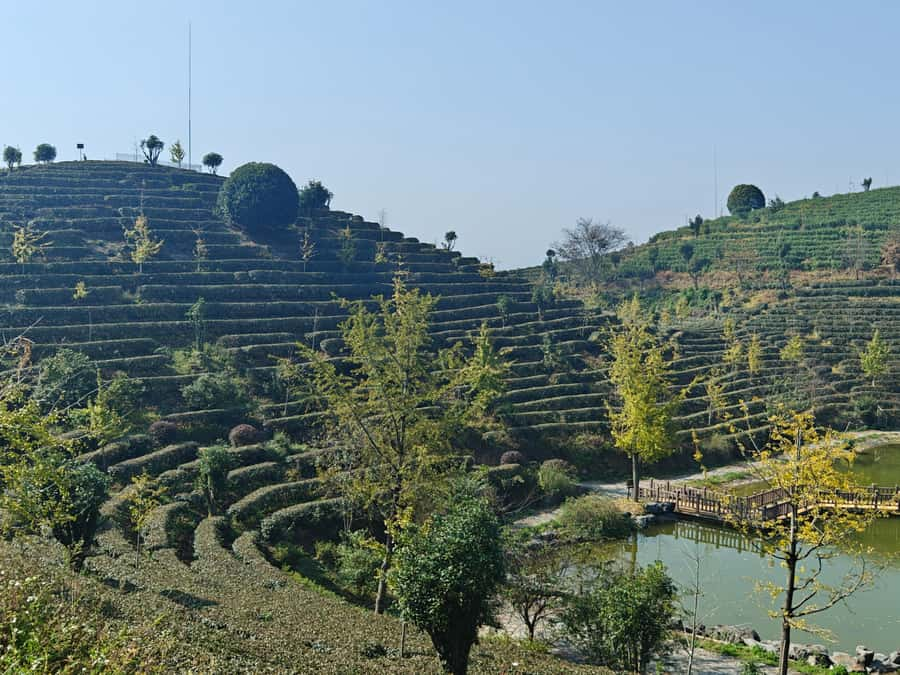
The most distinctive step comes after picking, when you learn how to manufacture the leaves with the tea master. The word manufacture here means the practical processing that turns fresh leaves into drinkable tea. You are not only watching a finished product being packaged.
The precise method is not provided, and it may depend on the type of tea being made. What is clear is that the tea master guides you through the work, and the finished tea is freshly prepared for you.
This is where the $79 price needs a fair look. You are paying for transport from your Yangshuo hotel, an English-guided plantation experience, instruction from a local tea master, tasting, and a take-home portion. The tea itself is not the only value. You are also buying a short cultural activity that connects farming, processing, and drinking.
At the same time, $79 is not a bargain if you are judging the outing only by the cost of 100 grams of tea. You can likely buy tea for less elsewhere. The price makes sense if you value the plantation visit, included car service, and guided hands-on work. It makes less sense if you simply want a bag of tea.
Taking home 100 grams of freshly made tea
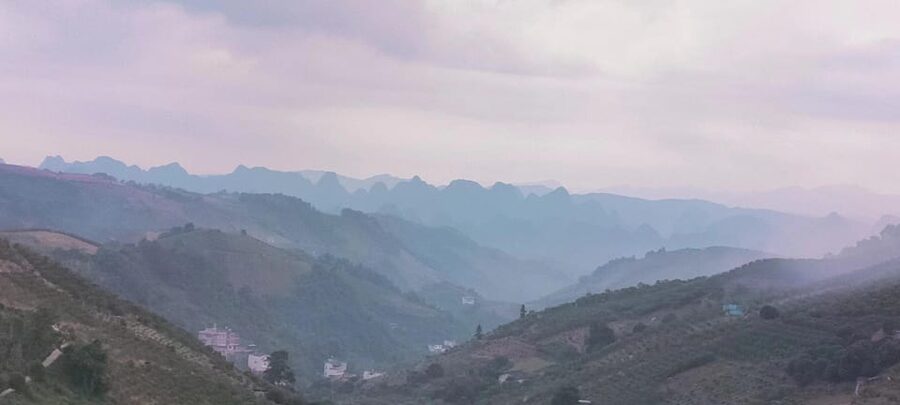
At the end of the processing session, you take home 100 grams of tea. That is a useful souvenir because it carries a clear story: you saw the plantation, picked leaves, and helped turn them into the final product.
The portion is modest, but practical. It will not take up much room in your luggage, and it gives you something to brew after leaving Yangshuo. If you are buying tea as a gift, ask how the final tea is packed, since the provided details do not specify packaging.
The souvenir also helps the activity feel complete. A plantation visit can blur into a pleasant morning outdoors, but a take-home sample gives you a physical reminder of the process. You can compare it with the black, white, and green teas tasted during the session, though the exact type of your finished 100 grams is not stated.
What the three-hour schedule means for you
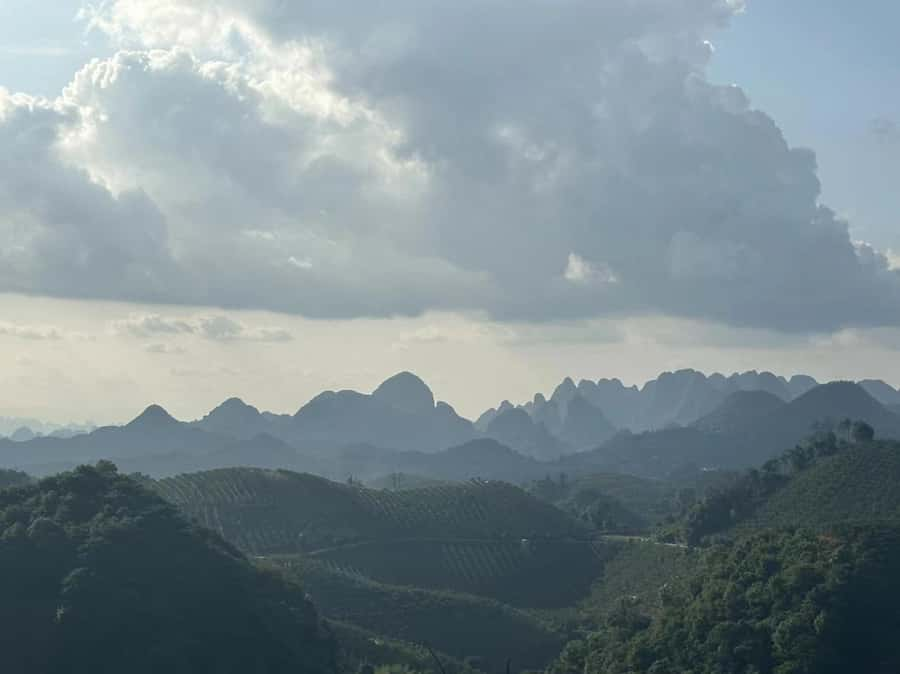
Three hours is enough for a focused introduction, not a slow agricultural day. The advertised sequence is pickup, a 30-minute ride, plantation viewing, leaf picking, tea preparation, tasting, processing, and return to your hotel.
Because the transfer is included, you do not need to find your own way to the plantation. That adds real value for visitors who are staying in central Yangshuo and want a simple half-day plan.
The tradeoff is limited flexibility. A private visit arranged directly with the plantation may offer a different price or schedule, but it would not necessarily include the same booking support or hotel transport. One person specifically found that arranging a car independently could be easier and cheaper after experiencing a late pickup. That is a fair warning, especially for confident visitors who already use DiDi and do not mind arranging the outing themselves.
For most visitors, the included pickup is still convenient. Just confirm the pickup point in your hotel lobby and keep a buffer before your next commitment.
Who will enjoy this plantation visit most
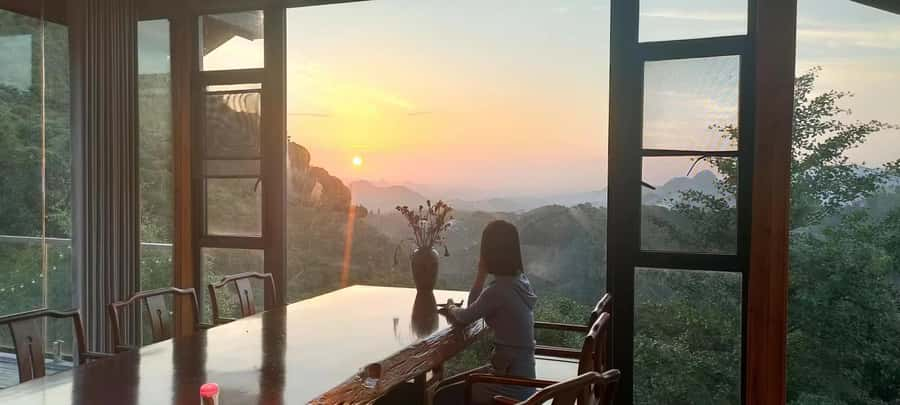
I would recommend Qixianfeng to you if you want a quiet Yangshuo activity with a clear local focus. It works especially well for:
- Tea drinkers who want to understand how leaves become a finished drink
- Couples looking for a calm half-day outing
- Families who prefer a hands-on activity over a museum visit
- Visitors who want an edible souvenir made during the tour
- People who value an English-speaking instructor and included hotel transport
You may want to skip it if you are looking for a full-day mountain excursion, a highly technical tea course, or the cheapest possible way to buy tea. The experience is short, and the transportation service has had at least one serious communication problem.
The setting appears to be the strongest part of the outing. The peaceful mountain tea fields, kind local staff, and good English from one driver add to its appeal. The agency’s role is mainly to arrange the car and booking, so your experience may depend heavily on the driver and the tea master on the day.
Booking advice for Yangshuo
The tour costs $79 per person and includes the tea master, plantation experience, and pickup and drop-off from a centrally located Yangshuo hotel. You can cancel up to 24 hours before the start for a full refund, and the reserve-now, pay-later option keeps you from paying at the time of booking.
Those flexible terms help if your Yangshuo plans are still changing. I would also check the starting time before booking, since the available times depend on the date.
The overall rating is 4.6 from four ratings, with especially strong praise for the peaceful plantation, mountain tea fields, friendly local staff, and the freshly processed tea you take away. The lower rating focused on late transport and poor communication, not on the plantation itself. That distinction is important: the attraction appears to be the safer part of the purchase, while the transfer deserves your attention.
Should you book Qixianfeng Tea Plantation?
Book this experience if you want to pick tea, learn basic Chinese preparation, taste several tea styles, and leave with 100 grams of tea you helped make. The seven-hill setting and quiet mountain fields give it a welcome change of pace from Yangshuo’s busy core.
I would not choose it purely for the tea’s retail value, and I would not schedule it before an important departure. If you can accept a possible transport delay and want a simple, hands-on cultural outing, the $79 price is reasonable. If you are comfortable arranging your own car, compare that option with booking through SilkRoadTrips, but remember that independent transport may leave you without the same packaged support.
FAQ
Where is Qixianfeng Tea Plantation?
It is in the Yangshuo area of southern China, about a 30-minute car ride from central Yangshuo hotels.
How long does the tea plantation experience last?
The stated duration is three hours, including transportation, the plantation visit, tea activities, and return to your hotel.
Is hotel pickup included?
Yes. Pickup and drop-off are included from the lobby of a centrally located hotel in Yangshuo.
Is the tour offered in English?
Yes. The instructor language is English, and the experience includes an English-speaking instructor.
What teas can I taste?
You can taste black tea, white tea, and green tea, among other tea drinks included during the session.
Can I pick the tea leaves myself?
Yes. You pick fresh tea leaves in the plantation as part of the experience.
Can I learn how to prepare Chinese tea?
Yes. A tea master shows you how to make hot tea properly in the Chinese way.
Do I take tea home?
Yes. After processing the leaves with the tea master, you can take home 100 grams of freshly made tea.
How much does the tour cost?
The listed price is $79 per person.
Can I cancel for a refund?
Yes. You can cancel up to 24 hours in advance for a full refund.
Newly steeped around China
- Full-day Tour: Spectacular Sunrise, Tea Plantation & Sunset★ 5.0 · 3 reviews
- Unlock Chinese Tea: Culture, Science, Tasting & Hands-on Brewing★ 5.0 · 12 reviews
- Shanghai Mahjong Experience in Local Tea Bar★ 5.0 · 4 reviews
- Chinese Tea Ceremony Experience★ 5.0 · 3 reviews
- Private Tour Hangzhou West Lake and Tea Fields Discovery★ 5.0 · 3 reviews
- Hangzhou West Lake and Tea Plantation Half Day Tour★ 5.0 · 4 reviews
- Private Hangzhou Day Tour to West Lake, Lingyin Temple, Tea Village, Old Pagoda★ 5.0 · 17 reviews
- Half-Day Hangzhou Private Tour with Green Tea Village and Lingyin Temple★ 5.0 · 3 reviews
Tea Plantation & Farm Tours, compared.

From Taipei: Thousand Island Lake and Pinglin Tea Plantation
Read our review →
Furnas: Tea Plantations, Lake and Volcano Guided Tour
Read our review →
São Miguel: Furnas Volcano & Tea Plantation Tour with Lunch
Read our review →
Furnas Volcano & Tea Plantation With Traditional Lunch, East Tour
Read our review →
Furnas: Volcano Wonders, Tea Plantation & Waterfall Tour
Read our review →
Adventure in the Furnas, with volcanoes, lagoons and tea plantations
Read our review →
Bandung: White Crater, Scenic Tea Plantations & Hot Spring
Read our review →Browse the lists this tea experience appears in