
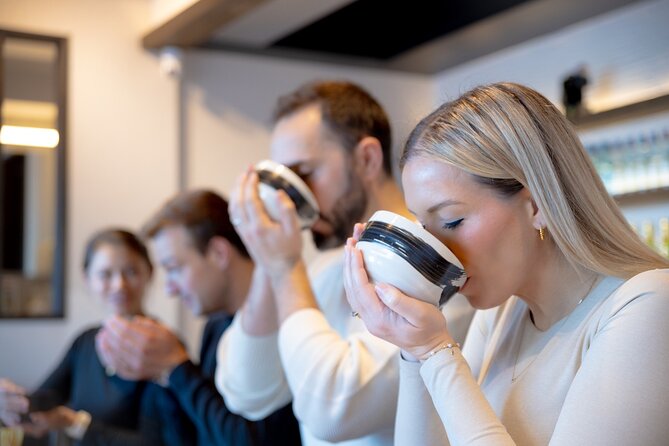
Review · TOKYO
Matcha Making Class in Tokyo with Authentic Japanese Sweets Set
Asakusa is one of Tokyo’s best places for a small cultural lesson, and this one-hour matcha class keeps things friendly rather than stiff. You learn where matcha comes from, how it differs from ordinary green tea, and how to whisk it with traditional tools before sitting down with Japanese sweets.
I like the hands-on teaching and the easy English instruction. I also like the setting: the class takes place at 2-chōme-17-9 Kaminarimon, near the river and public transportation, with some sessions held in a cozy upstairs room where you may sit on the floor in traditional style. The main thing to consider is that the activity is short, and a maximum of 30 people can be booked into a session, so the amount of personal attention may vary.
Key points to know before booking
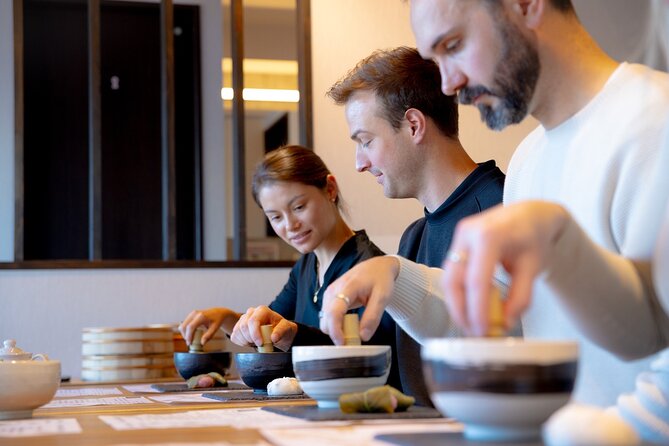
- You make the matcha yourself: The class is not just a demonstration. You use the whisk, practice the technique, and drink the tea you prepare.
- Rino, Shuri, Hiya, and Nama have led sessions: Your exact host depends on the day, but the teaching style is warm, clear, and built for first-timers.
- Seasonal sweets are included: The Japanese confectionery softens matcha’s strong flavor and gives the tasting a proper sense of occasion.
- Asakusa makes the timing useful: The class fits neatly before or after sightseeing around Kaminarimon and the nearby river.
- You learn practical details for home: Instruction can include how to spot better matcha powder and how to prepare it outside Japan.
- The experience is relaxed, not a formal tea ceremony: You get cultural context and traditional tools without needing to know the rules of a full ceremony.
What the Asakusa matcha class is really like
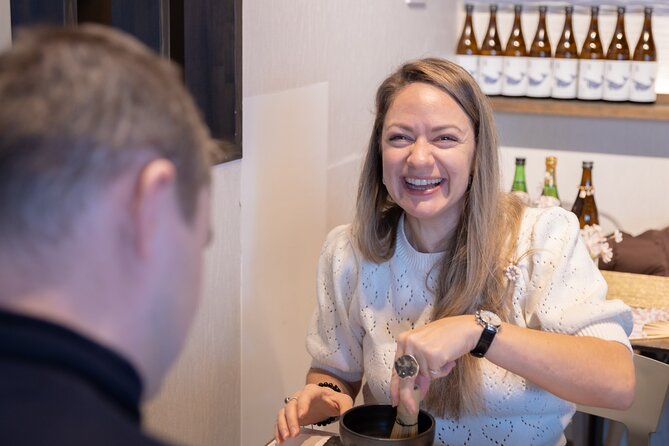
This is a practical introduction to matcha, not a long ceremonial performance. You arrive at the meeting point, check in with the English-speaking instructor, and settle into a setting that has been described as both a café environment and an upstairs tea room.
The atmosphere can change with the group. Some classes are small, with only a few people around the table. Other sessions can be fuller, since the maximum group size is 30. That matters if you are hoping for a private lesson. The instructors make an effort to involve children and keep the pace moving, but a larger group naturally means less one-to-one time.
The class begins with background. You learn how matcha is grown, how it relates to other green tea, and why the powder has such a different texture and taste. One useful part of the lesson is learning how to spot higher-quality matcha. That is a good takeaway because matcha sold outside Japan varies widely in flavor and price.
The teaching is helped by visual material, including images shown on an iPad in at least some sessions. This gives you something concrete to look at while the instructor explains cultivation, history, and tea customs. You are not expected to arrive with any knowledge of Japanese tea.
More Matcha Experiences in Tokyo
- Tokyo: Matcha Making Experience with Mochi Sweets in Asakusa
★ 4.9 · 388 reviews - Asakusa Cultural Walk & Matcha Making Tour
★ 5.0 · 245 reviews - Tokyo: Matcha and Kimono Experience
★ 4.7 · 219 reviews
Whisking your own tea with traditional tools
The main event is making the drink yourself. The instructor walks you through each stage, then shows you how to use the bamboo whisk to create the right texture. You will not simply watch a professional produce a perfect bowl while you sit back. You get a turn, and the teacher can correct your technique as you work.
That hands-on part gives the class its value. Matcha looks simple, but whisking it well takes more care than stirring ordinary tea. You learn how the powder and water combine, how the whisk moves, and how the drink should look when it is ready.
The instructors use a modern teaching style, but the tools and process connect directly to Japanese tea practice. This balance works well for visitors who want something genuine without committing to the formality of a full tea ceremony.
Rino has been praised for making the session interactive and for explaining the origins of matcha and the way tea ceremony customs work. Shuri has led sessions with a patient, friendly manner and strong English. Hiya has explained the history of matcha and helped with family photos, while Nama has been described as an engaging class leader. Your instructor may be someone else, but these names give you a good sense of the team’s approach.
Matcha and Japanese sweets at the end
After making the tea, you drink it with a set of traditional Japanese sweets. The sweets are seasonal, so the exact selection can change. That is a small but important detail: Japanese confectionery is often designed to balance tea, not compete with it.
Matcha can taste grassy, bitter, or pleasantly savory depending on the powder and preparation. The sweets provide a gentle contrast and make the drink easier for first-time drinkers. Several comments about the experience point out that the matcha tasted smooth rather than harsh, but your impression will depend on the batch and your own taste.
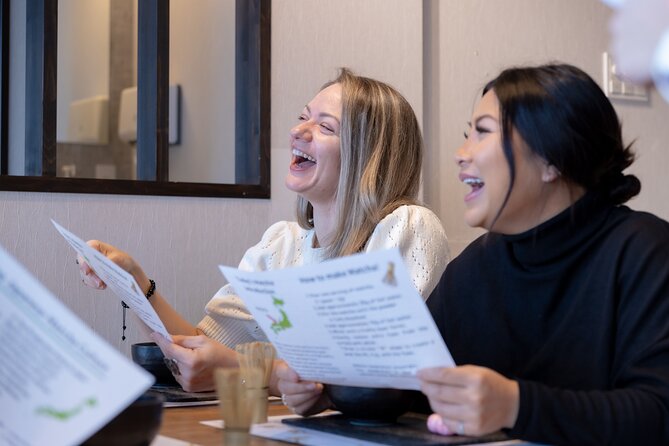
This is also the point where the class feels less like a lesson and more like a shared cultural moment. You can take photographs, enjoy the finished drink, and chat with the host or the other people in the room. Families can use the time for a picture together, and the instructors may help take one.
If you have already visited several cafés serving matcha desserts, this class still gives you something different. You are learning how the tea is made, not simply ordering a matcha latte. The sweets are part of the experience, but they do not replace the practical lesson.
Why the setting in Asakusa works well
The meeting point is at Matcha Making Tokyo, 2-chōme-17-9 Kaminarimon, Taito City, Tokyo 111-0034. The address is near public transportation, and the activity is easy to pair with time in Asakusa.
Asakusa is a sensible neighborhood for this type of class. It is one of Tokyo’s traditional districts, so the tea lesson fits the area better than it would in a generic shopping center. You can schedule the class around sightseeing, then continue exploring the neighborhood afterward.
The setting itself may be part of the appeal. One account describes a cozy café downstairs and a quiet upstairs nook with floor seating. Another points to a pleasant view along the river. These details may depend on the room used for your particular session, but they suggest a more personal atmosphere than a large commercial attraction.
You should still allow time to find the address. Tokyo’s streets can be confusing, especially if you are arriving from a station and trying to match a small building to the map. A mobile ticket makes entry convenient, but it does not replace checking the meeting point before you leave.
More Tea and Sweets Making in Tokyo
- Make Traditional Nerikiri Sweets & Matcha experience in Shibuya
★ 5.0 · 130 reviews - Sweets Making and Kimono Tea Ceremony at Tokyo Maikoya
★ 5.0 · 57 reviews - Japanese Traditional Sweets making and Tea Ceremony
★ 4.7 · 50 reviews - Mochi Matcha Gluten Free Japanese Sweets Class near Shibuya area
★ 5.0 · 26 reviews
A good choice for families and first-time visitors
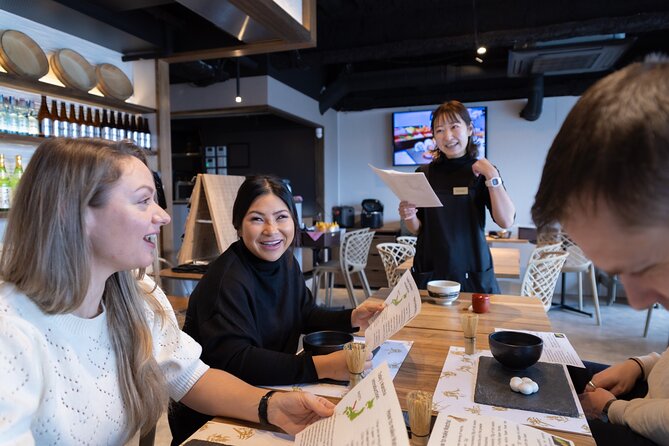
You do not need previous tea ceremony experience. That makes this a useful first activity in Tokyo, especially if you want a gentle introduction to Japanese food culture before attempting something more formal.
Children can take part because the class involves action rather than a long lecture. Families with children aged 6 and 9 have found the format engaging, with the instructors making an effort to include younger participants. Still, the class includes explanations about matcha’s origins and preparation, so very young children may need help staying focused.
The tone is relaxed enough for adults who feel unsure about Japanese etiquette. You will learn how to handle the tools and prepare the drink, but you are not expected to perform a strict ceremony perfectly. That makes the class less intimidating than a formal tea experience.
It also suits solo visitors. The one-hour format gives you a chance to meet people without taking up half a day, and the shared tasting creates an easy reason to talk. If you prefer a quiet private activity, check the likely group size before booking, since sessions can include up to 30 people.
What the $21.89 price includes
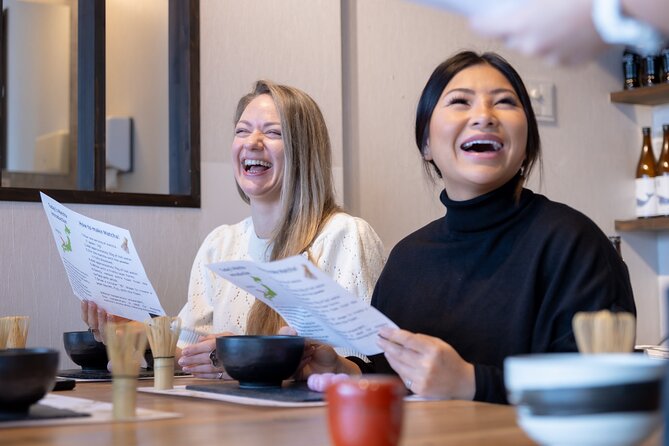
At $21.89 per person, the class offers good value for a short Tokyo activity. The price includes the English-speaking instructor, matcha, and Japanese sweets. You also receive the teaching, the use of the traditional tools, and the chance to make the tea yourself.
That is a fair deal if you value interaction over sightseeing. A café visit may cost less, but it will not teach you how matcha is made or give you the same contact with an instructor. A formal tea ceremony may offer more ritual, but often requires more time and can feel less accessible to beginners.
The value is strongest when you treat this as a cultural lesson with a tasting, not as a full meal. The sweets are a small set, and the class lasts about an hour. You should not book it expecting a long food tour or a detailed professional tea qualification.
The short duration is also a benefit. You can fit the class into a busy Tokyo schedule, and it works well on a day when you are already visiting Asakusa. If you are deciding between several paid activities, this one gives you a clear skill to take home rather than just another photo stop.
Practical details that matter
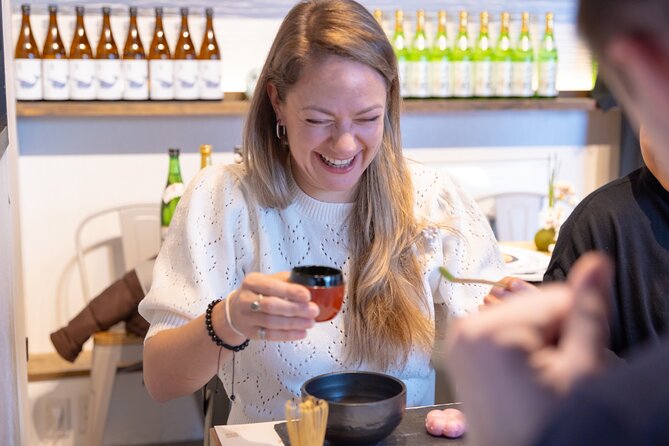
The activity begins and ends at the same meeting point. There is no hotel pickup or drop-off, so you need to make your own way to Kaminarimon.
A mobile ticket is accepted, and confirmation is provided when you book. The activity is near public transportation, which makes it easier to reach from other parts of Tokyo. Service animals are allowed.
The experience lasts about one hour. Arrive on time, since the class follows a set teaching sequence and late arrival can interrupt the demonstration. One person was accommodated after arriving a few minutes late, but that should not be treated as a promise. Tokyo transport is reliable, yet transfers and station exits can take longer than expected.
Free cancellation is available if you cancel at least 24 hours before the start time. Cancellations made less than 24 hours ahead are not refunded, and changes inside that period are not accepted. The cut-off uses local Tokyo time.
The drawbacks to keep in mind
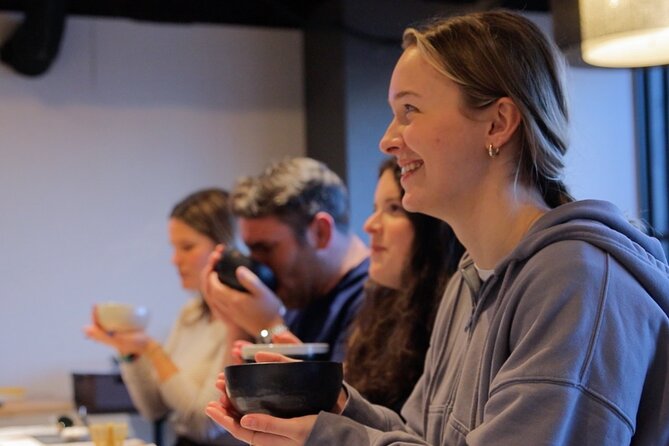
The class is highly accessible in terms of knowledge, but it may not satisfy everyone. If you want a full, formal tea ceremony with extended rules, silence, and a highly traditional performance, this is a lighter experience.
Group size is the other variable. The maximum is 30 people, while some sessions may be much smaller. A small class can feel intimate and allow more questions. A full session may feel more social, but you may have less direct correction while whisking.
The setting can also vary. You might sit at a table, or you might sit on the floor in traditional style. If floor seating would be difficult for you, ask the operator about the arrangement before booking. The supplied information confirms service animals and public transport access, but it does not provide a full mobility-access statement.
Finally, the one-hour schedule leaves little room for a slow, meditative ceremony. The class aims to teach, taste, and send you on your way. That is exactly right for many visitors, but not for someone seeking a half-day tea retreat.
Who should book this experience?
I would choose this class for a first visit to Tokyo, a family day in Asakusa, or an afternoon when you want a cultural activity between major sights. It is especially useful if you have wondered why matcha tastes different from ordinary green tea or if you want to prepare it at home.
You should also consider it if you prefer informal teaching. Hosts such as Rino, Shuri, Hiya, and Nama bring a conversational style, and the class welcomes questions. The English instruction removes much of the worry for international visitors.
I would hesitate only if you want a private lesson, a full meal, or a highly formal tea ceremony. In those cases, the one-hour group format may feel too light. For most people seeking a reasonably priced, hands-on taste of Japanese culture, the balance is good.
FAQ
Where does the matcha class take place?
The class takes place at Matcha Making Tokyo, 2-chōme-17-9 Kaminarimon, Taito City, Tokyo 111-0034, Japan.
How long does the experience last?
The activity lasts approximately one hour.
What is included in the price?
The experience includes an English-speaking instructor, matcha, and Japanese sweets.
Is hotel pickup provided?
No. Hotel pickup and drop-off are not included. You meet the class at the Kaminarimon address and return there when the activity ends.
Do I need previous tea ceremony experience?
No. The class is designed for beginners, and no previous tea ceremony experience is required.
Is the class taught in English?
Yes. An English-speaking instructor leads the experience.
Do I make the matcha myself?
Yes. You learn the preparation steps and whisk your own matcha using traditional tools.
Are Japanese sweets included?
Yes. The matcha is served with a set of traditional Japanese sweets. The sweets may be seasonal.
How many people can join the class?
The activity can have a maximum of 30 participants. The actual group may be smaller.
What is the cancellation policy?
You can cancel for a full refund up to 24 hours before the start time. Cancellations or changes made less than 24 hours before the experience are not accepted for a refund.
Should you book the Asakusa matcha class?
Book it if you want an affordable, hands-on introduction to matcha that fits into a busy Tokyo day. You will learn useful preparation skills, taste seasonal sweets, and get cultural context without the pressure of a formal ceremony.
The best time to reserve is when your Asakusa plans are still flexible. Allow enough time to reach the address, and remember that the experience may be livelier in a larger group. If you accept those limits, this short class gives you something better than a quick cup of tea: you leave knowing how to make it yourself.
Newly steeped around Tokyo
- Yokohama : Tea Ceremony with Sweets and Souvenir★ 5.0 · 5 reviews
- Walking Tour: Yanaka,Nezu& Sendagi: Tea Ceremony & Old Tokyo★ 5.0 · 3 reviews
- Private Mochi・Matcha sweets Making Class Near Shibuya Area★ 5.0 · 22 reviews
- 2 Hours Mochi &Nerikiri Making & Matcha Class in Bunkyo★ 5.0 · 21 reviews
- Private Kimono and tea ceremony at local home near Tokyo Disney★ 5.0 · 6 reviews
- Kimono and Tea Ceremony in Asakusa Private Food Tour With Guide★ 5.0 · 4 reviews
- Giant Sushi Cooking Class: Make a 1.5m Sushi Roll in Tokyo★ 5.0 · 9 reviews
- Tokyo Tea Ceremony Class at a Traditional Tea Room★ 5.0 · 2 reviews
Tea & Sweets Making, compared.

Tangier: Sunset, Tea, Sweets, Camel Ride, and Hercules Caves
Read our review →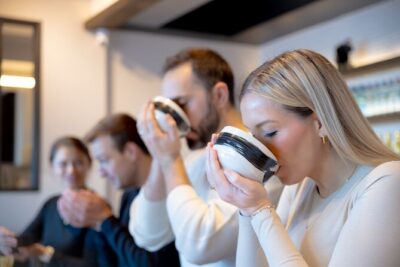
Matcha Making Class in Osaka with Authentic Japanese Sweets Set
Read our review →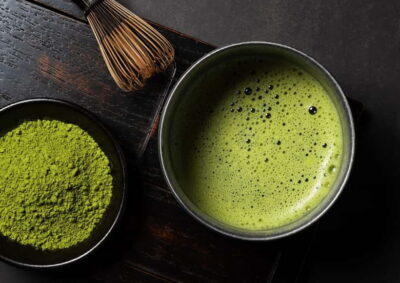
Tokyo: Matcha Making Experience with Mochi Sweets in Asakusa
Read our review →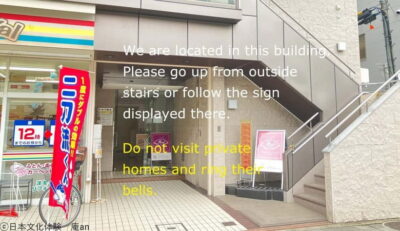
Kyoto: Japanese Traditional Sweets Making and Tea Ceremony
Read our review →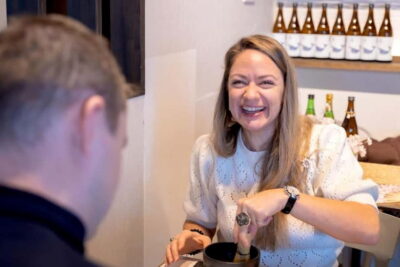
Osaka: Matcha Making Experience with Japanese Sweets
Read our review →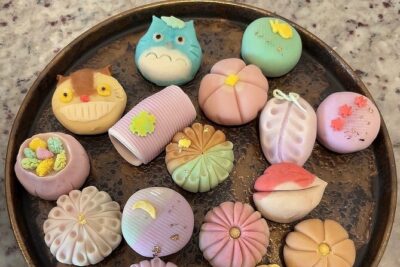
Make Traditional Nerikiri Sweets & Matcha experience in Shibuya
Read our review →
Sweets Making and Kimono Tea Ceremony at Tokyo Maikoya
Read our review →
Kyoto: Traditional Tea Ceremony with Matcha & Sweets in Gion
Read our review →Browse the lists this tea experience appears in