
Review · KYOTO
Kyoto: Tea Ceremony Meditation – Make Matcha with Tea Master
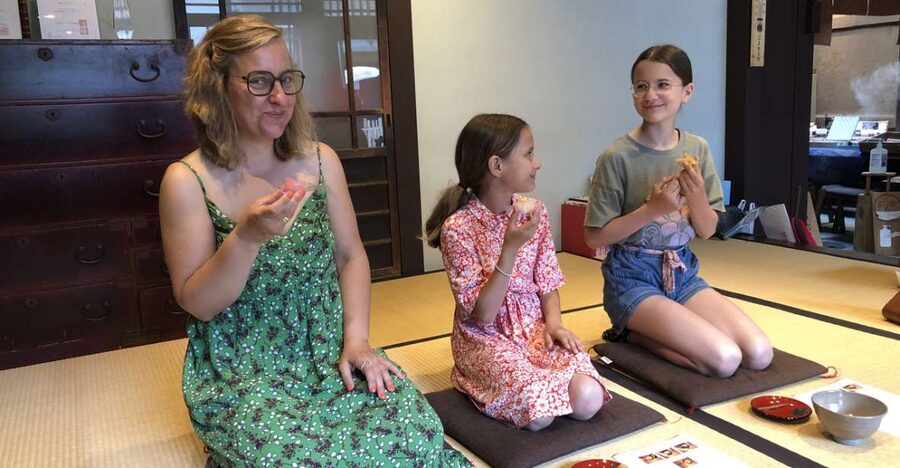
Kyoto’s tea culture becomes much easier to understand when you are allowed to make the tea yourself. In this 45-minute matcha workshop, an English-speaking tea master demonstrates the ceremony, explains its etiquette, and then guides you through whisking your own bowl in a 100-year-old townhouse.
I like the small group limit of 10, which leaves room for questions and personal help. I also like the balance between formal tradition and a friendly teaching style, especially for first-time visitors and families with older children. The main drawback is the short running time: you get a clear introduction, not a full-length tea-school lesson, and kimono rental is not included.
Key points at a glance
- A 100-year-old Kyoto townhouse: Tatami, quiet rooms, and handcrafted tea utensils create a setting with real character.
- You make your own matcha: The tea master demonstrates each step, then gives you a chance to whisk and serve your tea.
- Omotesenke tradition: The session introduces one of Japan’s respected tea ceremony schools without requiring strict prior knowledge.
- Small groups and English instruction: With no more than 10 participants, you can ask questions and receive help.
- A sensible price: At $45 per person, the experience includes the ceremony, one bowl of matcha, and a traditional sweet.
- A practical Kyoto stop: The location is in central Kyoto, near Karasuma-dori, and the workshop lasts only 45 minutes.
Entering a 100-year-old Kyoto townhouse
The setting does much of the work before the tea begins. You enter a traditional townhouse where tatami, quiet rooms, and the scent of woven flooring create a clear change of pace from central Kyoto’s streets.
This is not a large performance space built only for visitors. The townhouse gives the ceremony a sense of place, while the contemporary Japanese arrangement keeps it approachable. You are not expected to arrive already knowing how to kneel, bow, hold a tea bowl, or use a bamboo whisk. The host explains what matters and keeps the atmosphere relaxed.
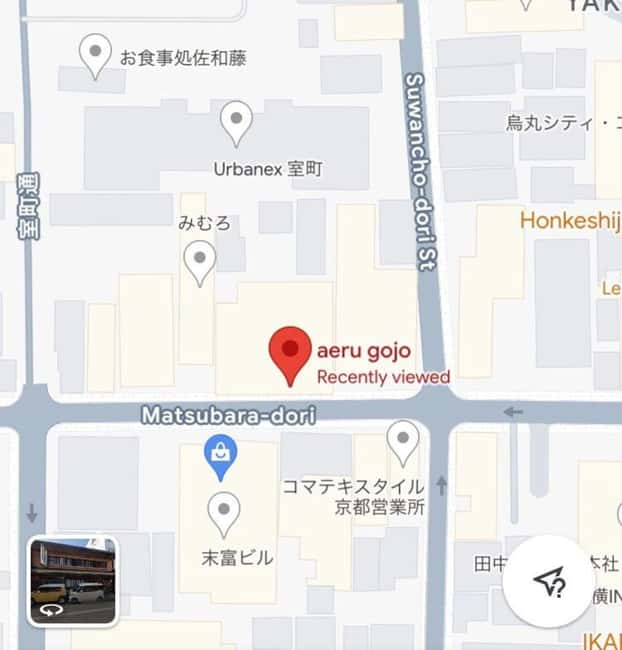
The meeting point is next to aeru gojo, near the Only Corporation and across from Zen Kyoto. If you approach from Karasuma-dori, turn at the Family Mart and walk straight for one block. Look for the aeru gojo sign. It is worth allowing a few extra minutes to find it, since the venue asks you to arrive no earlier than 10 minutes before your scheduled time.
There is no parking lot. If you arrive by bicycle, do not bring it into the venue. Public bicycle parking is available nearby, with the closest location identified by the provider. This is a useful detail in Kyoto, where leaving a bicycle on the street can create trouble.
More Matcha Experiences in Kyoto
- Kyoto: Arashiyama Bamboo Forest, Monkeys, Matcha & Temple Tour
★ 5.0 · 759 reviews - Kyoto: Kimono Tea Ceremony with Matcha and Sweet
★ 4.9 · 249 reviews - Kyoto: Arashiyama Bamboo, Temple, Matcha, Monkeys & secret spots
★ 5.0 · 219 reviews
Watching the tea master’s careful demonstration
The session begins with a demonstration of matcha preparation and tea ceremony manners. Your host explains the order of actions, the purpose of the utensils, and the ideas behind the ritual rather than asking you to copy a series of mysterious movements.
The guide is trained in the Omotesenke tradition, one of Japan’s respected schools of tea ceremony. That gives the demonstration a clear cultural foundation, while the English instruction keeps it usable for an international audience. Hosts have included Miki, Aki, Yoko, Joko, and Kiyoka, so the exact person leading your session can vary.
The strongest part of the teaching is the willingness to explain the reasons behind the actions. You learn that the ceremony is not simply a way to prepare a green drink. The movements, utensils, presentation, and conduct of the host all help create a considerate moment between host and guest.
You can ask about the tea, Japanese customs, the ceremony’s background, or the objects used in the room. Several hosts have been praised for answering questions patiently, including questions that go beyond the mechanics of making matcha. That makes the activity useful for anyone who wants cultural context rather than a quick photo opportunity.
Making your own bowl of matcha
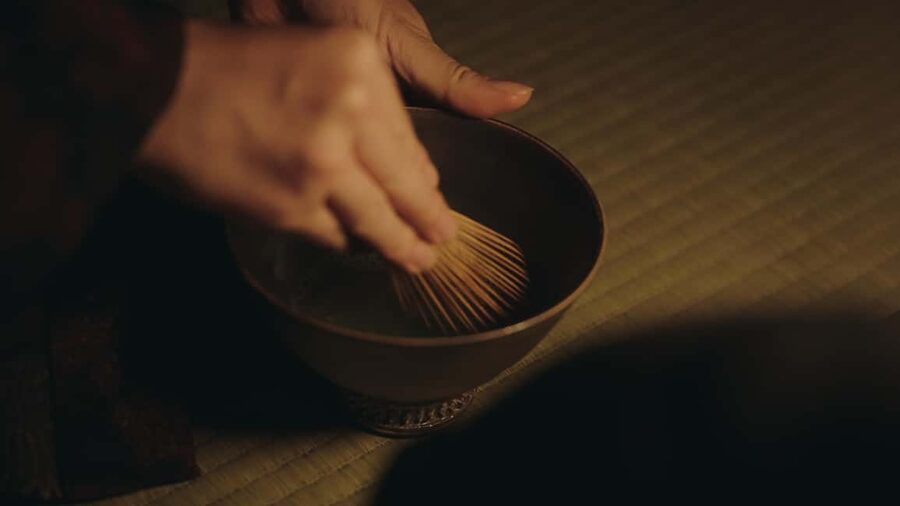
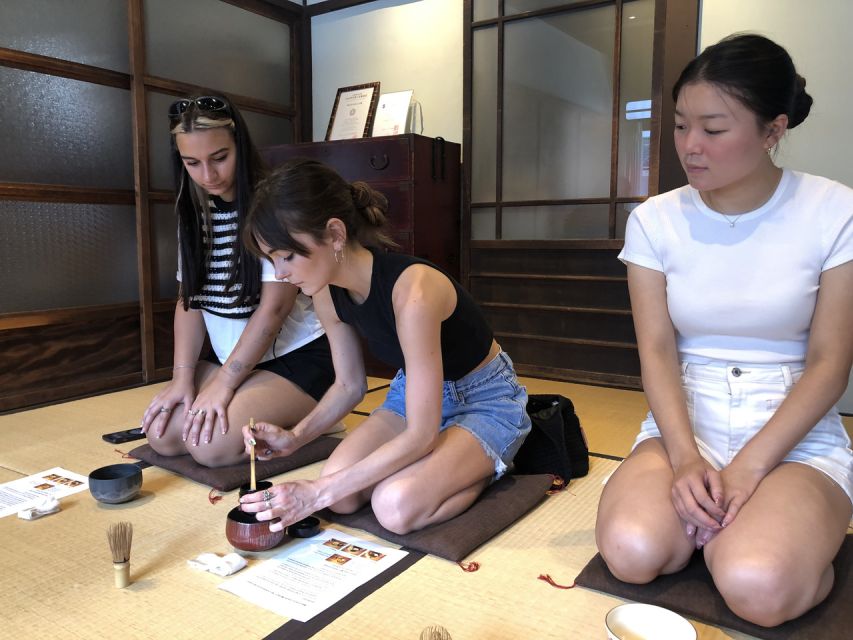
After watching the demonstration, you become the participant. The tea master gives you step-by-step help as you handle the utensils and whisk your own matcha.
This hands-on section is what makes the experience more useful than simply observing a ceremony. You see how much care goes into producing a smooth bowl of tea, and you begin to understand why the whisking motion, posture, and handling of the bowl matter.
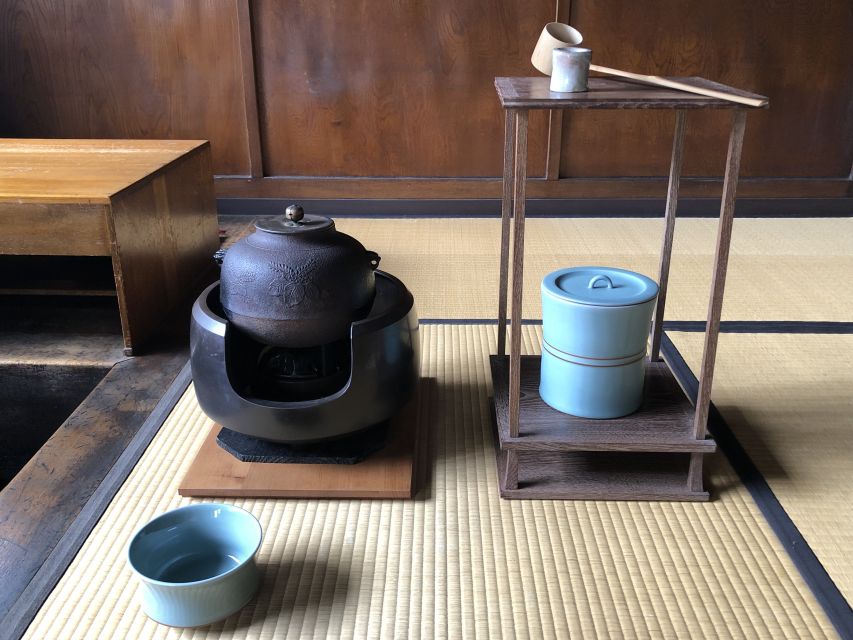
The utensils are authentic, handcrafted pieces made by Japanese artisans. You are able to see and use tea bowls, bamboo tools, and other objects that have a practical purpose as well as an artistic one. The quality of the equipment adds meaning to the lesson, though you should remember that delicate handmade objects require careful handling.
The host will guide you if your technique needs adjusting. You do not need to produce a perfect bowl. The point is to take part, notice the details, and understand the calm concentration that the ritual encourages.
Families can consider this activity, particularly with children old enough to listen and take turns. An 8-year-old and a 10-year-old were considered a good fit by one family, and a host was also praised for being patient with a restless toddler. Still, this is a quiet activity, so children who cannot settle for part of a 45-minute session may find it difficult. The room is not intended for eating, and food and drinks are not allowed.
Drinking matcha with a traditional sweet
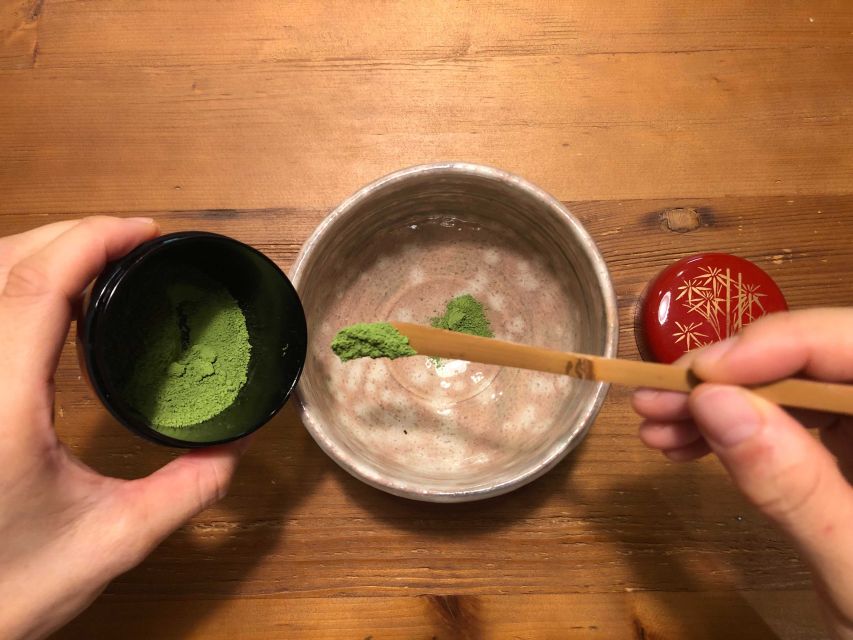
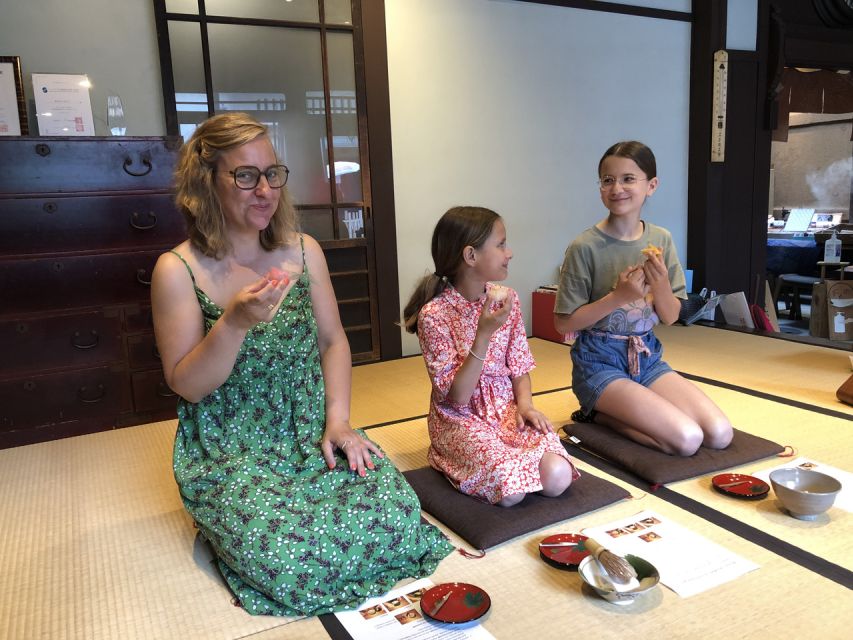
Once your tea is ready, you drink it with a Japanese traditional sweet. The pairing gives you a small taste of the hospitality built into the ceremony, and it also provides a pleasant pause after the hands-on work.
You receive one cup of matcha. There are no free refills, so this is best viewed as a cultural lesson with a tasting, not a matcha café visit. The tea has been described as good quality, and the sweet is part of the included experience.
The flavor of matcha can surprise first-time drinkers. It is grassy, earthy, and more concentrated than ordinary green tea. The sweet helps balance that intensity. If you already enjoy matcha, you will appreciate the chance to prepare it with proper tools. If you are unsure about it, the small serving makes this an easy way to try it without committing to a full meal or extended tea service.
Do not wear perfume or cologne. The instruction is practical, not fussy: the aroma of matcha is part of the experience, and strong fragrance can interfere with it for everyone in the room.
More Tea Ceremonies in Kyoto
- Kyoto: Tea Ceremony in a Traditional Tea House in Kiyomizu
★ 4.9 · 3,519 reviews - Kyoto: Tea Ceremony Ju-An at Jotokuji Temple
★ 4.9 · 3,207 reviews - Kyoto: 45-Minute Tea Ceremony Lesson Experience
★ 4.3 · 2,378 reviews - Kyoto: Table-Style Tea Ceremony at a Kyo-Machiya
★ 4.9 · 1,211 reviews
Why the 45-minute format works
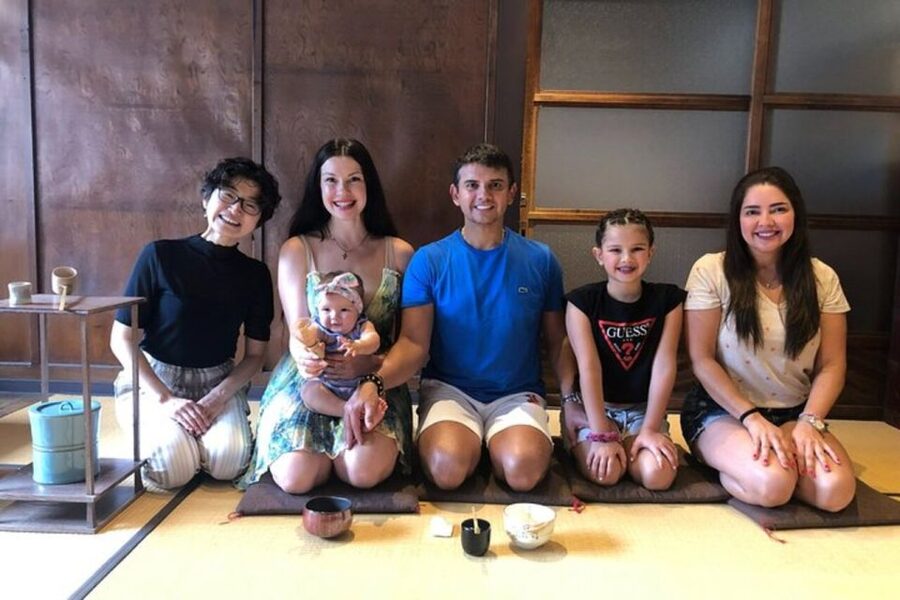
Forty-five minutes is enough time to see the ceremony, hear its cultural explanation, prepare your own tea, and ask questions. The compact schedule also makes this easy to place between sightseeing stops in central Kyoto.
I would not choose this if you want an exhaustive study of tea ceremony schools or a long formal service. The short format limits how much historical and technical detail can be covered. You are getting a well-shaped introduction, with time for participation, rather than a full course in tea practice.
That limitation is also part of the value. Kyoto days can become packed with temples, markets, and transportation. A brief, quiet appointment gives you a change of rhythm without taking half a day. The timing works especially well on a first Kyoto visit when you want a manageable introduction to Japanese customs.
The calm mood can continue beyond the session. Several hosts are described as patient, gentle, and easy to talk with, and the ceremony itself has left people feeling soothed. That is not a promise of a formal meditation session. It is simply the result of slowing down, focusing on one task, and sharing tea in a quiet room.
What the $45 price includes
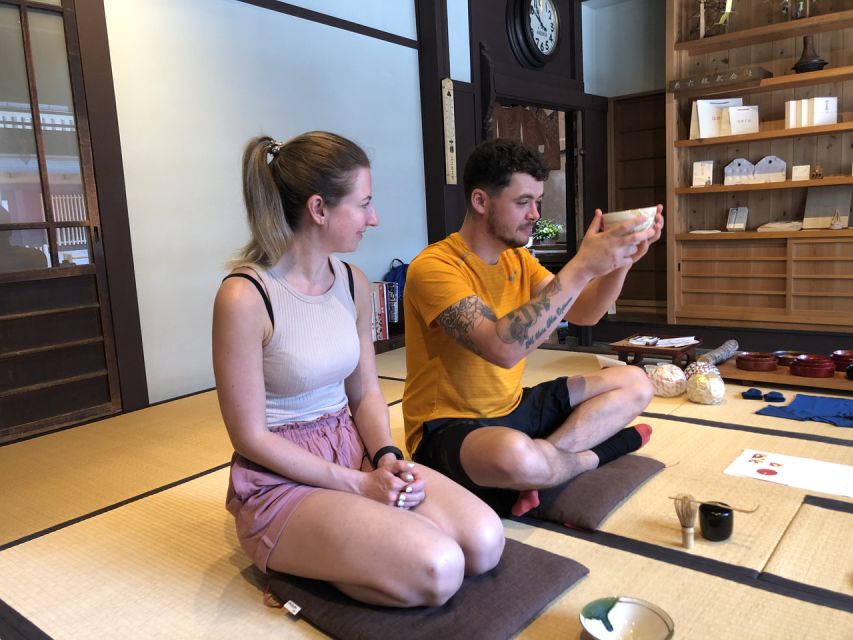
At $45 per person, the price is reasonable for a small-group cultural activity in central Kyoto. You receive the tea ceremony experience, English instruction, one bowl of matcha, and a traditional sweet.
The strongest value comes from the teaching and the chance to make the tea yourself. You are paying for a host who can explain the ritual in English, demonstrate the process, answer questions, and provide access to traditional utensils in a historic setting. The group size matters here. A large class would make the personal instruction less useful.
The price does not include hotel transportation, kimono rental, hair setting, extra food, or additional tea. If you want photographs in a kimono, you will need to arrange that separately. This keeps the price lower, but it also means you should not book this expecting a complete costume-and-tea package.
At the end, you can browse Japanese crafts and buy items to take home. Treat that as an optional souvenir opportunity, not part of the admission fee. It can be a nice way to choose a physical reminder of the lesson, particularly if you want something connected to Japanese craft rather than a generic Kyoto souvenir.
Who should book this Kyoto tea experience?
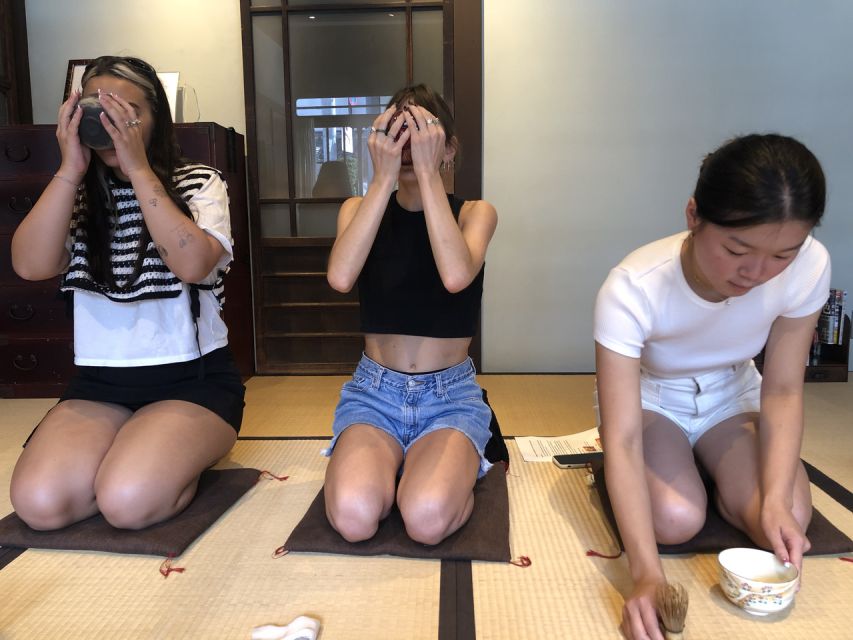
This workshop suits first-time visitors who want an introduction to tea ceremony without committing to a long or highly formal event. It is also a good choice for solo visitors, since the small group makes it easier to meet others and ask questions without feeling exposed.
Couples and families can fit comfortably into the format. Children who enjoy hands-on activities may like whisking their own tea, while teenagers can appreciate the chance to learn about Japanese customs in a practical way. For younger children, consider their ability to remain quiet and attentive in a small room.
You should also book it if you care about objects and craft. The handcrafted utensils are not simply props. They help show how Japanese tea culture links daily use, beauty, respect, and careful movement.
This may not suit you if you want a kimono experience, a substantial snack, several bowls of tea, or a long ceremonial performance. It is also not designed for eating during the visit. The focus is narrow and clear: learn the meaning and basic practice of making matcha, then enjoy the result.
The venue is wheelchair accessible. The activity is conducted in English, and no Japanese language ability is required based on the stated instruction format. You should still check the available starting times when booking, since the session runs at scheduled times.
Booking and arrival advice
You can cancel up to 24 hours in advance for a full refund, and the reserve-now, pay-later option keeps your plans flexible. That is useful in Kyoto, where weather and sightseeing plans can change quickly.
Arrive close to your scheduled time, but not more than 10 minutes early. The space is limited, so early arrivals may not be able to wait comfortably inside. Wear clothing that allows you to sit and move with ease, and avoid perfume or cologne.
If you are walking from Karasuma-dori, use the Family Mart as your turning point and continue for one block. If you are cycling, use public bicycle parking rather than bringing the bike to the venue. These small preparations prevent a rushed arrival, which matters when the session begins with quiet attention.
Should you book it?
I would book this tea ceremony if you want a practical, friendly introduction to matcha in a setting that feels connected to Kyoto. The best reasons are the small group, English-speaking hosts such as Miki and Aki, the Omotesenke background, and the chance to make your own tea with real handcrafted utensils.
The $45 price is fair because the experience combines instruction, participation, a traditional sweet, and a historic townhouse in less than an hour. Just keep your expectations realistic: you get one cup, no kimono, no hotel pickup, and a focused introduction rather than an extensive tea-school course.
For a first visit to Kyoto, this is an easy activity to recommend. It gives you more than a taste of matcha. It shows how preparation, hospitality, craft, and quiet attention come together in one small bowl.
FAQ
How long does the Kyoto tea ceremony last?
The experience lasts 45 minutes.
What is included in the price?
The price includes the tea ceremony experience, one cup of matcha tea, and Japanese traditional sweets.
Is the activity conducted in English?
Yes. The tea masters and instructors provide the experience in English.
How many people can join the session?
The activity is limited to 10 participants, making it a small-group experience.
Is kimono rental included?
No. Kimono rental and hair setting are not included.
Can I cancel my booking?
Yes. You can cancel up to 24 hours in advance for a full refund.
Can I bring food, drinks, or a bicycle?
No. Food and drinks are not allowed, and bicycles cannot be brought into the venue. Public bicycle parking is available nearby.
More Zen Tea Sessions around Kyoto
- Kyoto: Mindful Tea Ceremony in 100-Year-Old Teahouse
★ 4.8 · 160 reviews - Oboro | Mindful Tea Ceremony in a 100-Year-Old Kyoto Teahouse
★ 5.0 · 19 reviews - The Art of Mindful Living: Tea Ceremony in Kyoto
★ 5.0 · 16 reviews - Kyoto Hidden Riverside Zen Mediation and Uji Matcha Experience
★ 5.0 · 9 reviews
Newly steeped around Kyoto
- Whisk Your Own Matcha: A Zen Matcha Experience at Temple★ 3.6 · 7 reviews
- Kyoto: Authentic Tea Ceremony in a Small Group★ 5.0 · 7 reviews
- Tea ceremony at Kyoto’s Zen Temple Teahouse★ 5.0 · 2 reviews
- Uji Walking Tour – Byodo-in temple and Tea Ceremony from Kyoto★ 3.5 · 3 reviews
- Tea Ceremony in 150 Years Old Townhouse with Tables and Chairs★ 5.0 · 22 reviews
- Tea Ceremony Experience in Traditional Kyoto Townhouse★ 5.0 · 19 reviews
- Sencha-do the Japanese Tea Ceremony Workshop in Kyoto★ 5.0 · 21 reviews
- Silent Beauty of Kyoto Zen Walk and Tea Experience★ 5.0 · 2 reviews
Zen Tea & Meditation Experiences, compared.
Kyoto: Mindful Tea Ceremony in 100-Year-Old Teahouse
Read our review →
Tokyo: Practicing Zen with a Japanese Tea Ceremony
Read our review →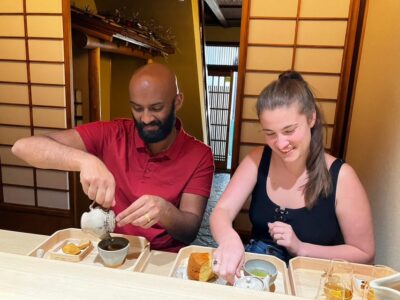
Nara:5 Type of Tea Tasting & Mindful Tea Ceremony
Read our review →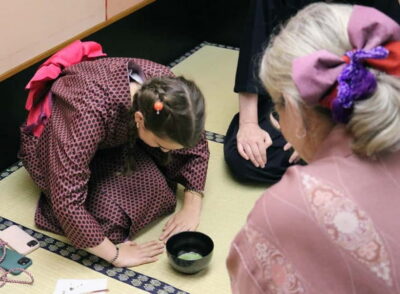
Learn Zen in a class of making Matcha tea near Osaka Castle
Read our review →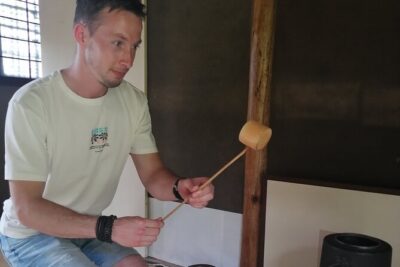
The Art of Mindful Living: Tea Ceremony in Kyoto
Read our review →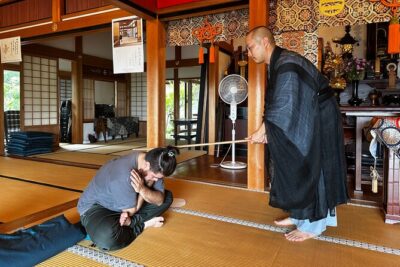
Shizuoka Shore Excursion: Zen, Matcha & Calligraphy Shimizu Port
Read our review →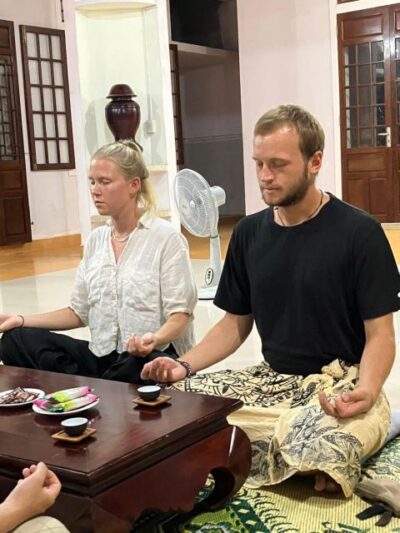
Hue Retreat: Tea and Meditation with Vegetarian Meal
Read our review →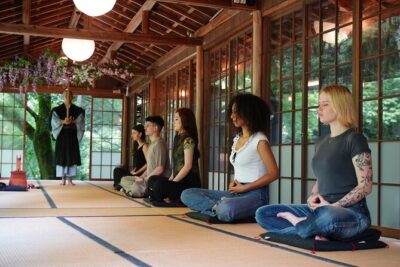
Kyoto Hidden Riverside Zen Mediation and Uji Matcha Experience
Read our review →Browse the lists this tea experience appears in