
Review · HONG KONG
Tea Tasting & Brewing Experience
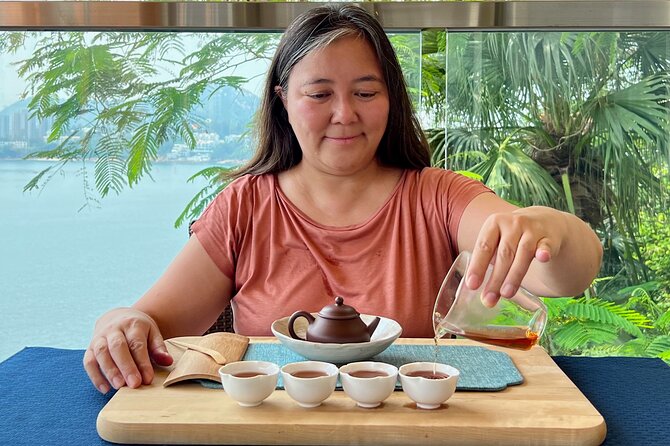
The best part of this 90-minute tea class is its hands-on approach. You do not simply sip a few cups and hear a short talk. You learn how tea is judged, compare different styles, and brew your own tea with a gaiwan, the lidded bowl used throughout Chinese tea culture.
I like the small maximum of six people, which gives the session a personal feel, and I like that Cecilia brings both passion and practical instruction to the table. The main drawback is the price: at $55.11 per person, this is more costly than a casual tea stop, so it makes the most sense if you want a real lesson rather than just a drink.
Key Points at a Glance
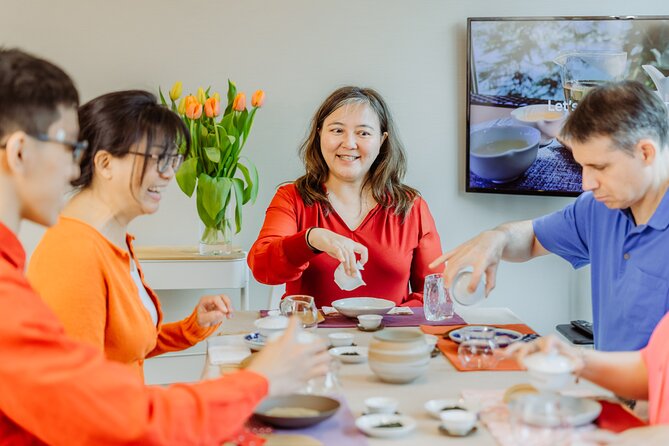
- A six-person maximum keeps the lesson personal: You should have a better chance to ask questions and get help with brewing.
- You taste six categories of tea: The session explains what makes each category different, not just how each one tastes.
- You brew with a gaiwan: This is the practical centerpiece, giving you control over the key parts of making tea.
- Cecilia leads with warmth and enthusiasm: Her friendly approach helps make technical tasting ideas easier to follow.
- Premium teas are paired with snacks: The food gives you another way to notice how aroma and flavor change.
- The experience lasts about 1.5 hours: It fits neatly into a Wan Chai sightseeing day without taking over your schedule.
Why This Wan Chai Tea Class Is More Than a Tasting
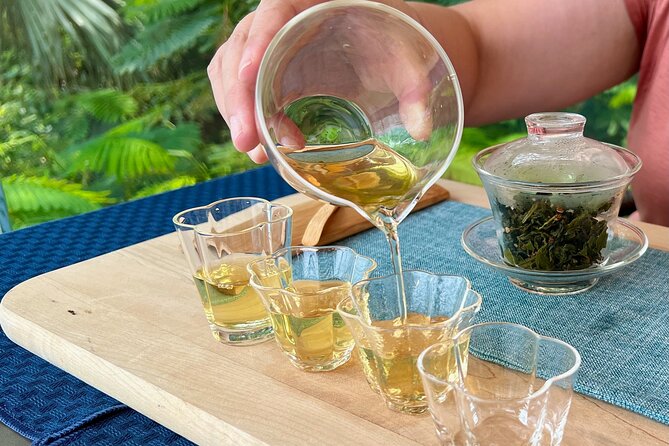
Hong Kong is an easy place to drink tea, but it is not always easy to understand what is in your cup. Tea shops, restaurants, and dim sum halls may offer several choices, yet the differences between green, oolong, black, and other styles can remain a mystery.
This experience gives you a framework. You learn about the six categories of tea and the processing choices that make them different. That matters because tea flavor is not only about the plant itself. How the leaves are handled, prepared, and brewed changes what reaches your palate.
The class also deals with facts and myths. That is useful for beginners who may arrive with a jumble of assumptions about caffeine, health claims, brewing temperature, or the idea that stronger tea is always better. You are not expected to know the vocabulary in advance.
I especially like the balance between explanation and action. A lecture about tea can become dry after a few minutes. Here, the information is tied to actual cups, aromas, and brewing decisions. You hear a point, taste something, and then have a chance to notice it for yourself.
More Tea Tastings in China
- Tea Tasting and Pairing Concept Workshop
★ 5.0 · 57 reviews - Biking Real Shanghai& Tea Tasting Experience
★ 4.5 · 45 reviews - Private Shanghai City and Zhujiajiao Combo Tour with Boating, Tea Tasting, Lunch
★ 5.0 · 15 reviews
Meeting in Wan Chai at 382 Lockhart Road
The starting point is 382 Lockhart Road in Wan Chai. The location is near public transportation, so you can reach it without arranging a private transfer or building a complicated travel plan around the class.
The activity ends back at the same meeting point. That makes the timing simple. You are not dropped in another part of Hong Kong at the end, and you can plan a meal, shopping, or more sightseeing in Wan Chai afterward.
The exact surroundings and room setup are not specified, so you should think of this as a focused indoor tea session rather than a walking tour of Hong Kong. The real attraction is the tasting table and the instruction, not a series of city sights.
The group limit is six people. That is a meaningful detail. In a large class, tasting can become a demonstration where you watch someone else handle the equipment. With six or fewer, you should have a better chance to take part, ask about a flavor, and receive help with the gaiwan.
Starting With Tea Facts and the Six Categories
The session opens by building basic tea knowledge. You learn about the six categories of tea and what separates one from another. The point is not to memorize a list for its own sake. It is to give you a way to organize what you taste.
For a newcomer, this is one of the most useful parts of the experience. Tea menus often use names that tell you little about flavor. After this lesson, you should be better prepared to ask what style of tea you are drinking and why it tastes the way it does.
The class also covers myths and common beliefs. That makes the lesson more grounded. Instead of treating tea as a mysterious product with endless claims attached to it, the session looks at tea as both a cultural drink and a product shaped by careful processing.
Cecilia’s role matters here. The available feedback describes her as friendly, passionate, and able to keep the class fun while still teaching substantial material. That combination is important. A tea expert who uses too much technical language can lose beginners, while a very casual host may leave you with little useful knowledge.
You should expect this opening section to be conversational rather than academic. The supplied details do not give a minute-by-minute schedule, so the pace may vary with the group’s questions. That flexibility is usually an advantage in a group of six, but people who want a rigid, timed presentation may prefer a more formal class.
Learning How Professional Tasters Judge Tea
The next step is sensory. You explore the aromas and flavors that make each tea distinct, while getting an introduction to the way professional tea tasters evaluate it.
This is not simply a matter of deciding if you like a tea. You learn to pay attention to what you smell before sipping, what you notice on the tongue, and how the flavor develops. Those observations help you describe tea with more precision.
That skill is valuable far beyond this one class. Many people say a tea is good or bad without knowing why. After practicing with several styles, you may be able to explain that a tea smells floral, tastes brisk, feels mellow, or leaves a particular finish. You do not need to become a professional taster, but you gain a better vocabulary for choosing tea.
The experience also helps you notice personal preference. One person may favor a light, fresh style, while another prefers a fuller cup. Sampling several categories close together makes those differences easier to spot than ordering one unknown tea at a restaurant.
The tasting is described as a selection of premium teas chosen for the season. That suggests the selection may change instead of following one fixed list all year. This is a plus for freshness and variety, though you should not book expecting specific tea names unless they are confirmed separately.
Same leaf, a different ritual:
- One-Day Hangzhou Dragon Well Tea Culture & West Lake Private Tour
★ 5.0 · 98 reviews - Traditional Chinese Tea Ceremony Experience
★ 4.7 · 74 reviews - Beijing Culture: Tea Ceremony, Heritage Instrument & Calligraphy
★ 5.0 · 57 reviews - Authentic Hangzhou Longjing Tea Culture Experience Tour
★ 5.0 · 32 reviews
Brewing Your Own Tea With a Gaiwan
The most practical part of the session is brewing tea yourself. You use a gaiwan, a small lidded vessel that lets you steep leaves, control the pour, and observe how the tea changes from one infusion to the next.
You learn the main elements that shape a good cup. The information provided does not specify exact measurements or temperatures, so the instructor may adapt the lesson to the teas being served. The important point is that you are not just watching a demonstration. You get hands-on time with the equipment.
That practice can change the way you drink tea at home. Small adjustments in how you brew can affect strength, aroma, and balance. The class gives you a chance to test those changes in a guided setting rather than guessing with an expensive packet of leaves later.
The gaiwan can look awkward at first. You need to hold the bowl, lid, and tea in a coordinated way, and hot water adds a little pressure. A small class helps here because you can slow down, ask for a correction, and try again.
Do not expect a full professional tea education in 90 minutes. You will not master every method or style in one visit. What you should gain is a useful starting point and a clearer sense of how brewing choices affect your cup.
Premium Tea With Complimentary Snacks
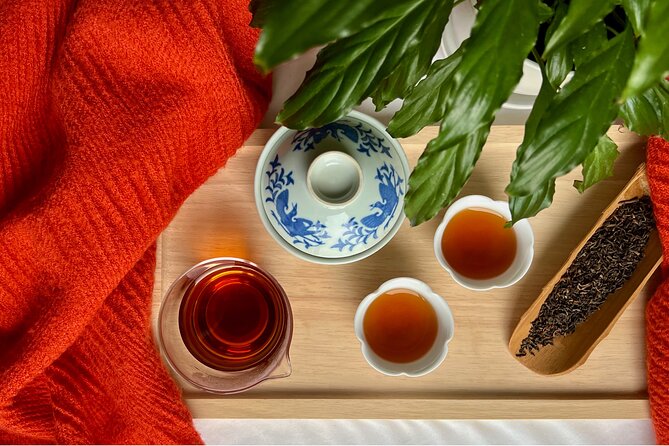
The tea is paired with complimentary snacks. This is a small detail, but it improves the tasting because food can change how you perceive aroma and flavor.
A sweet or savory bite may make a tea seem lighter, stronger, drier, or more rounded. Pairing also keeps the session from feeling like a string of isolated samples. You are tasting tea in a social setting, much as you might enjoy it during a relaxed afternoon in Hong Kong.
The snacks are included, but the available information does not specify what they are or whether special dietary requests can be accommodated. If you have allergies or strict food needs, contact the provider before booking rather than assuming the snacks will suit you.
The focus remains tea, not a full meal. You should not treat the complimentary food as a substitute for lunch. Plan another meal if you are scheduling the experience around a busy day of sightseeing.
What the $55.11 Price Really Buys You
At $55.11 per person, this experience sits above the cost of simply ordering tea. The value comes from the instruction, the range of teas, the small group, and the chance to brew with a gaiwan.
If you are already an experienced tea drinker, the price may feel less attractive unless you want to compare seasonal premium teas or refine your tasting skills. You may already know the basic categories and own brewing equipment.
For curious visitors and beginners, the calculation is better. You receive a guided introduction rather than paying separately for several cups and trying to interpret them alone. The small maximum of six also gives the class a more personal format than a large commercial tasting.
I would judge the price by your goal. If you want a quick cup before sightseeing, this is too much. If you want to understand Hong Kong tea culture, learn a technique you can repeat at home, and taste several styles in one sitting, the cost is easier to justify.
The session is booked an average of 11 days ahead, so it is sensible to reserve before your Hong Kong visit if the timing matters. Confirmation is provided at booking, and the mobile ticket keeps arrival straightforward.
Who Will Get the Most From This Experience
This class suits tea lovers, beginners, couples, and small groups of friends who enjoy learning through taste. It also works well for anyone who wants a quieter cultural activity between Hong Kong’s larger attractions.
You do not need specialist knowledge. The class is designed to explain basic facts, tasting terms, tea categories, and brewing choices. Curiosity is enough.
The experience may be especially useful for people who buy tea as a souvenir. Instead of choosing a package based only on its label, you can leave with a better idea of what styles you enjoy and how to prepare them.
It is less suited to visitors looking for a fast, highly visual attraction. There is no advertised sightseeing route, landmark visit, or extended meal. The reward comes from paying attention to smell, taste, texture, and technique.
The one-hour-thirty-minute length is also worth noting. It is long enough for more than a quick sample but short enough to fit beside other plans. You should still allow time to find 382 Lockhart Road and arrive ready to begin, especially if you are unfamiliar with Wan Chai.
Things to Know Before You Book
The experience requires a minimum number of participants. If that minimum is not reached, the provider may cancel and offer another date or experience, or provide a full refund.
The activity also requires good weather. If poor weather causes cancellation, you are offered a different date or a full refund. This is unusual for an indoor tea session, but it is part of the stated operating policy, so keep some flexibility in your Hong Kong schedule.
You can cancel for a full refund up to 24 hours before the start time. Cancellations or changes made less than 24 hours before the start time are not refunded or accepted, and the cut-off follows local Hong Kong time.
The mobile ticket is useful for a city day when you do not want to print documents. Since the experience returns to its starting point, the logistics are uncomplicated.
Should You Book the Wan Chai Tea Tasting?
Book it if you want more than a pleasant drink. The small group, warm instruction from Cecilia, six tea categories, seasonal premium teas, and hands-on gaiwan brewing give the class real substance.
I would be cautious if you are mainly hunting for a bargain or already know tea preparation well. At $55.11, the value depends on your interest in learning. For most curious visitors, the chance to taste carefully, ask questions, and practice a traditional brewing method makes this a worthwhile break from Hong Kong’s faster-paced sights.
FAQ
Where does the tea tasting take place?
The experience starts at 382 Lockhart Road in Wan Chai, Hong Kong.
Where does the activity finish?
It ends back at the meeting point at 382 Lockhart Road.
How long does the tea experience last?
The session lasts approximately 1 hour and 30 minutes.
How much does the experience cost?
The listed price is $55.11 per person.
How many people can join the group?
The activity has a maximum of six travelers.
Who leads the tea tasting?
The session is led by a professional tea taster. The guide named in the experience feedback is Cecilia.
Will I brew tea myself?
Yes. You receive hands-on experience brewing tea with a gaiwan.
How many types of tea will I learn about?
The class covers six categories of tea and explains what makes each category different.
Are snacks included?
Yes. The experience includes complimentary snacks paired with the tea.
Can I cancel for a full refund?
Yes, if you cancel at least 24 hours before the experience start time. Cancellations made less than 24 hours before the start time are not refunded.
Newly steeped around China
- Full-day Tour: Spectacular Sunrise, Tea Plantation & Sunset★ 5.0 · 3 reviews
- Unlock Chinese Tea: Culture, Science, Tasting & Hands-on Brewing★ 5.0 · 12 reviews
- Shanghai Mahjong Experience in Local Tea Bar★ 5.0 · 4 reviews
- Chinese Tea Ceremony Experience★ 5.0 · 3 reviews
- Private Tour Hangzhou West Lake and Tea Fields Discovery★ 5.0 · 3 reviews
- Hangzhou West Lake and Tea Plantation Half Day Tour★ 5.0 · 4 reviews
- Private Hangzhou Day Tour to West Lake, Lingyin Temple, Tea Village, Old Pagoda★ 5.0 · 17 reviews
- Half-Day Hangzhou Private Tour with Green Tea Village and Lingyin Temple★ 5.0 · 3 reviews
Tea Tastings, compared.
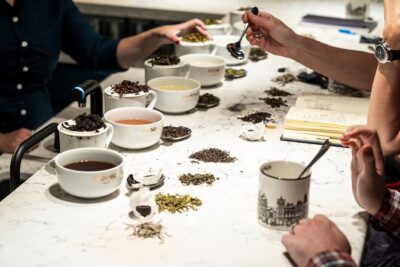
Twinings 2-Hour Tea Tasting Masterclass in London
Read our review →
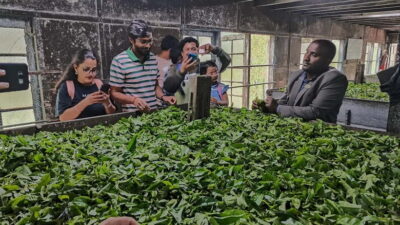
Munnar: Tea trail, Tea Factory, and Tea Tasting Tour
Read our review →
Matcha Experience with of Japanese Tea Tasting in Tokyo
Read our review →
Nara:5 Type of Tea Tasting & Mindful Tea Ceremony
Read our review →
Montmartre Hill French Afternoon Tea Tasting Tour with Crepes and Macarons
Read our review →
Full Day Tour In Uzungol Lake with Turkish Tea Tasting
Read our review →Browse the lists this tea experience appears in