
Review · HONG KONG
Tea Tasting and Pairing Concept Workshop
The clever part of this 90-minute tea workshop is that it treats tea as both a drink and a food partner. At MingCha Tea House, Vivian leads you through four premium Chinese teas, then shows how dried nuts, chocolate, and flower honey toast can change what you taste in the cup.
I like the hands-on brewing with traditional kung fu tea ware, and I like the sensory approach, including before-and-after looks at tea leaves and the dramatic Jasmine Blossoms presentation. The main consideration is the location in Chai Wan, which takes more planning than a workshop in central Hong Kong.
Key points to know before booking
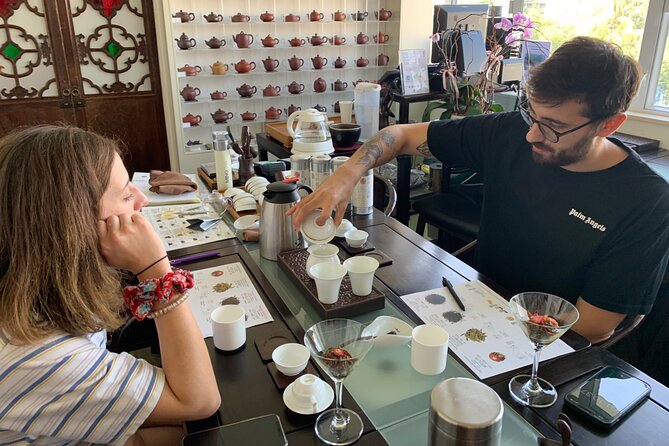
- Four tea styles in one sitting: Taste green, scented green, red, and oolong teas selected from premium Chinese categories.
- Brewing is part of the lesson: Use traditional kung fu tea ware to learn how tea is steeped and poured.
- Food pairings make the differences clear: Compare tea with dried nuts, chocolate, and flower honey toast.
- Vivian leads the session: Her friendly, lively teaching style is a major part of the experience.
- Family-friendly option available: This can work well for adults and children who enjoy hands-on activities.
- Small enough to stay personal: The maximum group size is 20 people, with two start times available.
Why this Hong Kong tea workshop is worth your time
Tea is woven into daily life in Hong Kong, but buying a packet of leaves and ordering a cup in a restaurant will not show you how much flavor can change with preparation. This class gives you a guided way to notice those changes.
You taste four tea categories: green, scented green, red, and oolong. The word red refers to what many Western drinkers call black tea. That variety matters because it keeps the session from becoming a long comparison of similar cups. Green tea can show a fresh, lighter character, while red tea generally gives you a fuller profile. Oolong sits between categories in a way that makes it useful for learning how processing affects flavor.
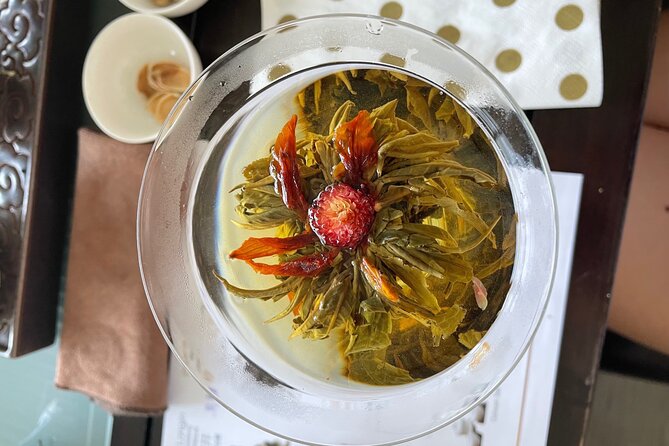
The scented green tea adds another angle. Fragrance becomes part of the tasting, and the Jasmine Blossoms presentation gives the session a visual moment as well as an aromatic one. This is not simply a tray of cups placed in front of you. You are asked to use sight, smell, taste, and touch as you examine the leaves and watch them change.
I especially like that the workshop does not assume you already know tea vocabulary. The aim is practical: taste carefully, learn a few brewing habits, and leave with a better idea of what you like.
More Tea Tastings in China
- Biking Real Shanghai& Tea Tasting Experience
★ 4.5 · 45 reviews - Private Shanghai City and Zhujiajiao Combo Tour with Boating, Tea Tasting, Lunch
★ 5.0 · 15 reviews - Shanghai 3-Hour Afternoon Tea Tasting and Dessert Tour
★ 4.9 · 15 reviews
Arriving at MingCha Tea House in Chai Wan
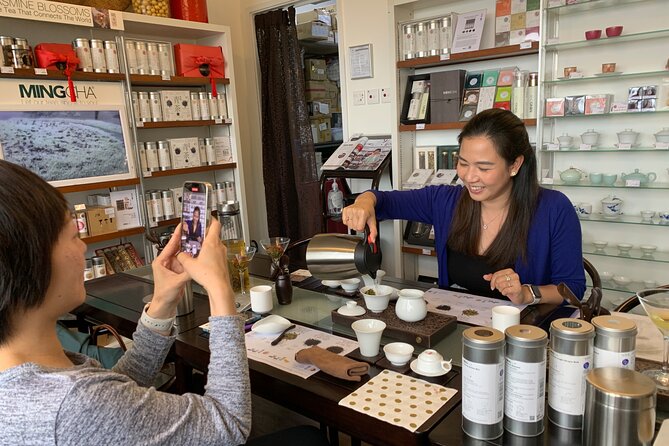
The meeting point is MingCha Tea House, B2, 15/F, Fortune Factory Building Block B, 40 Lee Chung Street, Chai Wan, Hong Kong. The address places you in an industrial building rather than a grand old tea salon, so allow enough time to find the correct building and floor.
The experience begins and ends at this same location. It is near public transportation, but the supplied information does not specify the exact route or station exit. Check your route before setting out, particularly if you are staying in another part of Hong Kong.
That Chai Wan setting is worth keeping in mind when you compare this with a centrally located tasting. You are paying for a focused teaching session, not for a sightseeing route through the city. If your day is already centered on Hong Kong Island’s eastern side, the location fits neatly. If you are based far away, the journey adds time to a short class.
The session has two possible start times, which gives you some flexibility. Exact times should be confirmed when booking.
Four teas, four different ways to taste
The core of the class is the set of four teas. You do not just sip them one after another without context. The tasting is designed to help you connect the tea category with its preparation and its partner food.
Green tea
Green tea is one of the selected categories. The class gives you a chance to see the leaves before and after brewing, an easy visual lesson in how dried tea changes once water opens it up.
You will also learn how steeping and pouring affect the finished cup. That is useful at home because green tea can become unpleasant if prepared without care. The workshop does not promise a single perfect method for every tea. Instead, it gives you a direct sense of how technique shapes flavor.
Same leaf, a different ritual:
- One-Day Hangzhou Dragon Well Tea Culture & West Lake Private Tour
★ 5.0 · 98 reviews - Traditional Chinese Tea Ceremony Experience
★ 4.7 · 74 reviews - Beijing Culture: Tea Ceremony, Heritage Instrument & Calligraphy
★ 5.0 · 57 reviews - Authentic Hangzhou Longjing Tea Culture Experience Tour
★ 5.0 · 32 reviews
Scented green tea
Scented green tea brings aroma into the foreground. The Jasmine Blossoms presentation is one of the most memorable parts of the session, with the tea becoming a small visual display as it opens.
This is a good reminder that tea tasting is not only about bitterness, sweetness, or strength. Aroma can affect how you judge a drink before it reaches your lips. If you enjoy floral flavors or want a more unusual souvenir to take home, this part may be especially appealing.
Red tea
Red tea offers a contrast to the greener, more fragrant cups. The category gives you a fuller style to compare with the lighter teas, and the pairing foods help you think about what makes one tea feel better with a sweet or savory bite.
The class does not simply ask you to declare a favorite. It encourages you to notice how the tea changes alongside food. That makes the lesson more useful than a tasting that ends with a vague list of flavors.
Oolong tea
Oolong is a valuable inclusion because it can show a different level of processing and character from both green and red tea. You get another point of comparison, which helps the four teas make sense as a group.
For a beginner, four categories are enough to create variety without turning the class into a confusing catalogue. You can focus on what is in front of you instead of trying to remember too many names.
The kung fu tea method is the practical heart of the class
The workshop includes hands-on brewing in the kung fu style, using traditional tea ware. The method is not a martial arts demonstration. It is a careful approach to brewing that uses small vessels, measured pours, and close attention to the leaves.
That hands-on element is important. Watching someone prepare tea can be pleasant, but doing the steeping and pouring helps you understand the rhythm of the process. You learn how the leaves look, how the water interacts with them, and how the finished tea is served.
You also get to learn how to pour a proper cup. This may sound minor, but it is the sort of practical detail that stays with you after a tour. You can use the idea later when preparing tea for friends or when trying to get more from leaves bought in Hong Kong.
The session includes before-and-after experimentation with tea leaves. That gives you a clear visual reference rather than leaving the lesson at the level of spoken explanation. It also makes the class more engaging for children, who may prefer watching leaves open and change to listening to a long talk.
Pairing tea with nuts, chocolate, and honey toast
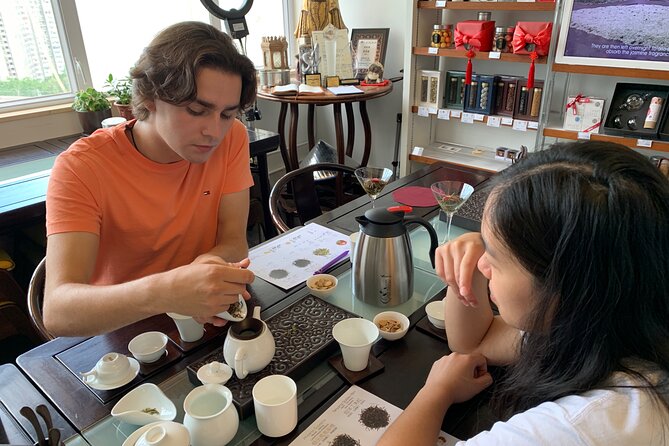
The food pairing is more than a snack break. You taste tea alongside dried nuts, chocolate, and flower honey toast, using those foods to see how the drink changes.
Chocolate can make a tea seem more bitter, softer, sweeter, or heavier depending on the combination. Dried nuts bring a different texture and a less sugary partner. Flower honey toast adds sweetness and floral notes, making it a useful match for the scented tea.
I like this part because it gives you a simple way to remember the lesson. You may forget a technical description of processing, but you are more likely to remember that one tea worked especially well with chocolate or that another became more fragrant with honey toast.
The pairings also make the workshop suitable for people who are curious about food and drink but are not serious tea collectors. You do not need to know the difference between every Chinese tea style before arriving. The food gives you familiar reference points.
Vivian’s teaching style and the family option
Vivian is the tea host and instructor. The information provided about the session describes her as friendly, funny, passionate, and attentive to her group. She also helps with practical matters when needed. One attendee needed a taxi after the class, and Vivian waited until it arrived.
That kind of care matters in a small workshop. You are not simply buying access to tea. You are relying on the host to make the process clear, keep the pace comfortable, and help you feel at ease with unfamiliar equipment.
The class is offered with a family-friendly option. Children who enjoy watching things change, handling simple tea ware, and sampling small food pairings should have plenty to keep them interested. Still, the session is about tasting and brewing, so very young children may need close supervision around hot water and breakable cups.
Families should also consider the 90-minute length. It is long enough to feel worthwhile but short enough to fit into a day of sightseeing. You can plan it as a dedicated activity rather than a full-day commitment.
What the 90 minutes actually gives you
The duration is one hour and 30 minutes. The session begins at the tea house, moves through the four selected teas, includes the kung fu brewing practice, and adds the food pairing.
Because the group can reach 20 people, the experience may not feel like a private lesson. Still, 20 is a manageable maximum for a workshop, especially when the activity is held in one tea house and the instructor is demonstrating a shared process.
The pace should suit you if you want a clear introduction rather than an advanced professional course. You will learn about tea types, preparation, serving, and pairings. You should not expect a full education in every Chinese tea region, production method, or historical tradition in 90 minutes.
That limit is not a flaw, but it is useful to understand before booking. This is a compact tasting class with practical demonstrations. It is not a replacement for a multi-day tea course.
Is the $65.60 price good value?
At $65.60 per person, the price is higher than simply buying four cups of tea. The value comes from the teaching, the traditional tea ware, the hands-on brewing, the food pairings, and the chance to taste several premium teas in one sitting.
The price makes more sense if you are curious about tea and want someone to explain what you are tasting. It also works well if you are looking for an indoor cultural activity that is more focused than a standard café stop.
For a casual tea drinker who only wants a quick beverage, the cost may feel high. You are paying for a guided workshop, not just refreshments. The class is a better fit if you expect to ask questions, compare flavors, and take an interest in the brewing process.
The Jasmine Blossoms presentation and the chance to bring home or later buy similar tea may add personal value, but the supplied information does not specify whether tea purchases are included in the price. Do not assume that retail tea or souvenirs are part of the ticket.
The practical details that can affect your day
A mobile ticket is provided, making entry simpler once your booking is confirmed. Confirmation is sent within 48 hours, subject to availability, so avoid treating the booking as final until you receive that confirmation.
You can cancel free of charge up to 24 hours before the start time for a full refund. Changes or cancellations made less than 24 hours before the start are not accepted for a refund. The cut-off follows local Hong Kong time.
The activity requires good weather. If poor weather causes a cancellation, you are offered another date or a full refund. That may seem unusual for an indoor tea workshop, so keep the weather condition in mind when arranging a tightly packed Hong Kong schedule.
Since the class ends at the tea house, you will need to plan your own onward journey. The location is near public transportation, and the host has helped arrange a taxi in at least one case, but taxi assistance should not be treated as a stated included service.
Who should book this tea experience?
I would choose this workshop if you want a calm, hands-on cultural activity and prefer learning by tasting rather than simply looking at sights. It suits first-time tea drinkers, curious food lovers, couples, and families who can manage a 90-minute session around hot water and tea ware.
It is also a good choice if you are already interested in Chinese tea but want a clearer way to compare categories. The four-tea format gives you a useful starting point without requiring specialist knowledge.
You may want to skip it if your Hong Kong schedule is packed with central attractions and you do not want to spend time reaching Chai Wan. It may also disappoint you if you are looking for a broad city tour, a tea plantation visit, or a long historical lecture. None of those are the focus here.
Final decision: book it if you want to taste with purpose
Book the Tea Tasting and Pairing Concept Workshop if you want more from tea than a quick cup. You will taste four categories, practice kung fu brewing, compare tea with three types of food, and learn from Vivian in a setting designed for questions and participation.
The strongest reasons to book are the hands-on preparation and the food pairing. The main points to weigh are the $65.60 price, the Chai Wan location, and the weather-dependent policy.
For a family, a curious beginner, or anyone who wants a memorable Hong Kong activity away from the usual sightseeing circuit, this is a sensible pick. If you only want an inexpensive drink, spend the money elsewhere.
FAQ
Where does the tea workshop take place?
It takes place at MingCha Tea House, B2, 15/F, Fortune Factory Building Block B, 40 Lee Chung Street, Chai Wan, Hong Kong.
How long does the experience last?
The workshop lasts approximately one hour and 30 minutes.
What teas will I taste?
You will taste four premium teas from selected categories: green, scented green, red, and oolong.
What food is included for pairing?
The tea is paired with dried nuts, chocolate, and flower honey toast.
Will I learn traditional tea preparation?
Yes. The workshop includes hands-on kung fu tea preparation using traditional tea ware, along with instruction on steeping and pouring.
Is the activity suitable for children?
A family-friendly option is available, so families can choose to attend with children.
How many people can join the workshop?
The activity has a maximum group size of 20 people.
Are there different start times?
Yes. You can choose from two different start times, subject to availability.
Can I cancel for a refund?
You can cancel up to 24 hours before the start time for a full refund. Cancellations or changes made less than 24 hours before the start time are not refunded or accepted.
Newly steeped around China
- Full-day Tour: Spectacular Sunrise, Tea Plantation & Sunset★ 5.0 · 3 reviews
- Unlock Chinese Tea: Culture, Science, Tasting & Hands-on Brewing★ 5.0 · 12 reviews
- Shanghai Mahjong Experience in Local Tea Bar★ 5.0 · 4 reviews
- Chinese Tea Ceremony Experience★ 5.0 · 3 reviews
- Private Tour Hangzhou West Lake and Tea Fields Discovery★ 5.0 · 3 reviews
- Hangzhou West Lake and Tea Plantation Half Day Tour★ 5.0 · 4 reviews
- Private Hangzhou Day Tour to West Lake, Lingyin Temple, Tea Village, Old Pagoda★ 5.0 · 17 reviews
- Half-Day Hangzhou Tianzhu Buddhist Mountain Hiking Tour with Green Tea Village★ 5.0 · 2 reviews
Tea Tastings, compared.
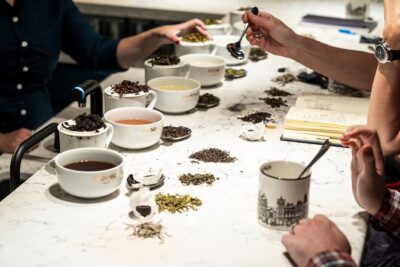
Twinings 2-Hour Tea Tasting Masterclass in London
Read our review →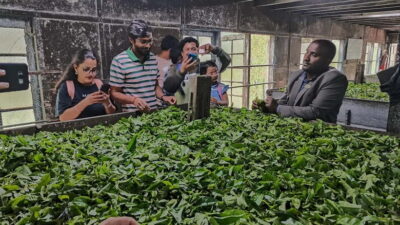
Munnar: Tea trail, Tea Factory, and Tea Tasting Tour
Read our review →
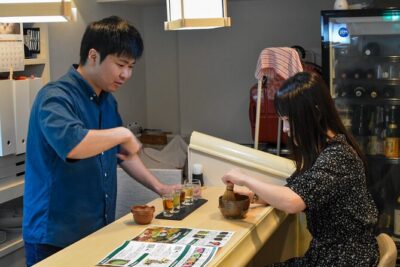
Matcha Experience with of Japanese Tea Tasting in Tokyo
Read our review →
Nara:5 Type of Tea Tasting & Mindful Tea Ceremony
Read our review →
Montmartre Hill French Afternoon Tea Tasting Tour with Crepes and Macarons
Read our review →
Full Day Tour In Uzungol Lake with Turkish Tea Tasting
Read our review →
Full Day Food Tour Of Delhi with a chef. Includes Tea Tasting
Read our review →Browse the lists this tea experience appears in