
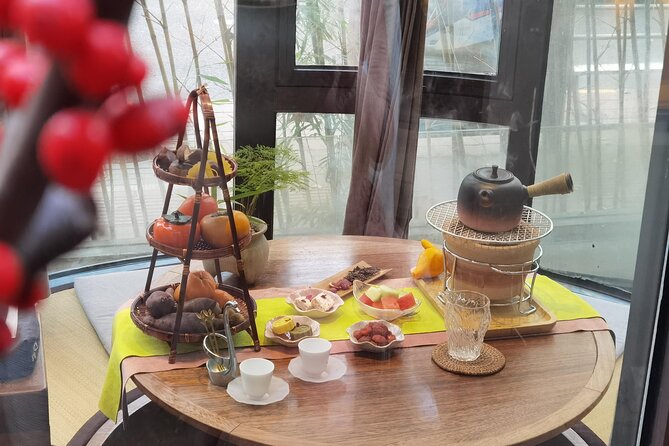
Review · SHANGHAI
Chinese Tea Ceremony Experience
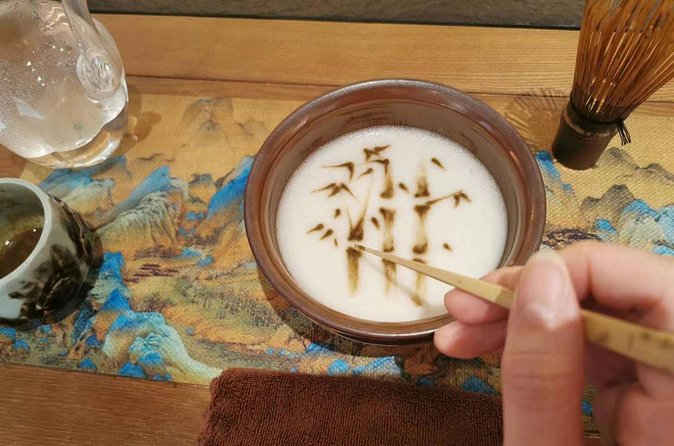
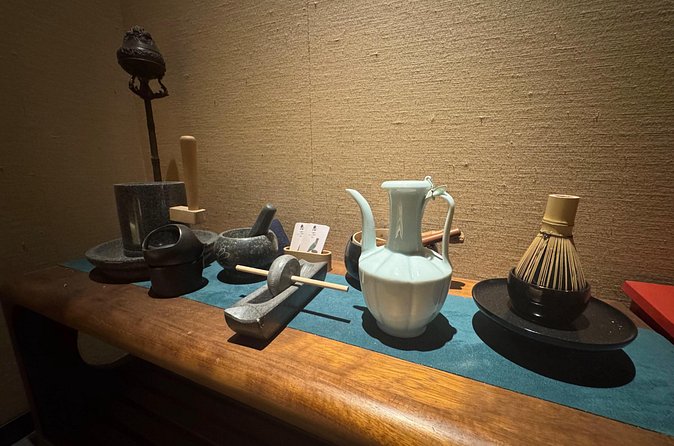
The most unusual part of this Shanghai experience is Song Dynasty tea whisking, known as Dian Cha. You will use a traditional whisking method that came before modern matcha preparation, then taste and brew several Chinese teas in a room styled with classic furnishings and tea tools.
I like the hands-on format, since you do more than sip prepared tea. I also like the clear cultural focus, especially the explanation of how tea is made and served. The main consideration is the price: at $159 per person, this makes the most sense if you want a private, carefully guided activity rather than a quick tasting.
Key points to know before booking
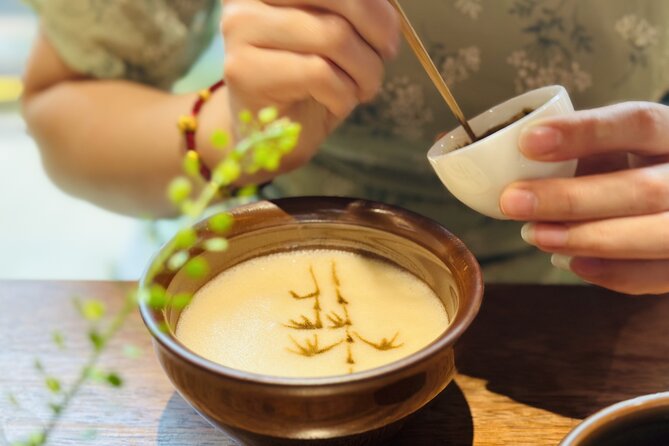
- Dian Cha demonstration and practice: Learn a Song Dynasty tea-whisking method with guidance from a tea master.
- Several traditional tea styles: Taste and brew different Chinese teas, from delicate green tea to bold pu’er.
- Private booking: Only your group takes part, which allows a quieter pace and more room for questions.
- Traditional Chinese setting: Furnishings, utensils, and presentation help give the session a strong sense of place.
- Optional Hanfu: Traditional Chinese clothing is available if you want a more theatrical setting for photographs.
- Easy three-hour format: The experience starts and ends at Baoqing Road in Xuhui District, with no private transportation included.
Why Dian Cha makes this Shanghai tea experience different
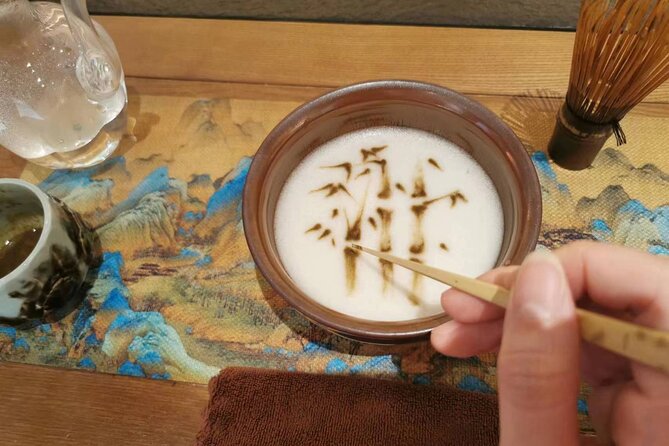
Most tea tastings focus on drinking. This one begins with a technique.
Dian Cha was practiced during the Song Dynasty, when powdered tea was whisked into a frothy drink. The method has an important connection to later tea traditions, but it is not simply a modern matcha class under another name. You learn how an older Chinese preparation style worked and get to try the movements yourself.
That hands-on element matters. Tea can feel abstract when you only hear about growing regions, oxidation, roasting, or brewing temperature. Once you handle the tea tools and take part in the preparation, those ideas become easier to understand.
The tea master guides the session, explains the background of tea drinking, and shows different ways to prepare and drink the tea. The available information does not name the guide, so you should not expect to request a particular host. What is clear is that the session is built around instruction, not just presentation.
I would allow the full three hours. This is not an activity to squeeze between two short sightseeing stops. The pace is meant to be calm, and the process of learning, tasting, brewing, and asking questions takes time.
More Chinese Tea Ceremonies in China
- One-Day Hangzhou Dragon Well Tea Culture & West Lake Private Tour
★ 5.0 · 98 reviews - Traditional Chinese Tea Ceremony Experience
★ 4.7 · 74 reviews - Authentic Hangzhou Longjing Tea Culture Experience Tour
★ 5.0 · 32 reviews
Beginning on Baoqing Road in Xuhui District
The meeting point is on Baoqing Road, Bao Qing Lu, in Shanghai’s Xuhui District. You make your own way there, since private transportation is not included.
The experience ends at the same meeting point. That is useful if you are planning the tea session around a day in Xuhui, but it also means you need to plan your route before and after the activity. The details confirm that the location is near public transportation, so you can use Shanghai’s transit network rather than arrange a private vehicle.
Your booking confirmation is provided at the time of purchase. I would save the meeting-point address in Chinese as well as English, since that can make the final approach easier in Shanghai.
Because the activity is private, only your group participates. That is a meaningful advantage for a tea lesson. You can ask basic questions without holding up a larger class, and the tea master can give more attention to your brewing technique.
The private format does not necessarily mean the experience is custom-designed around your interests. The core program remains the same: Dian Cha, tea tasting, brewing, and cultural explanation. Still, the quieter setting should appeal to couples, families, and small groups who prefer not to share a table with strangers.
Learning the Song Dynasty whisking method
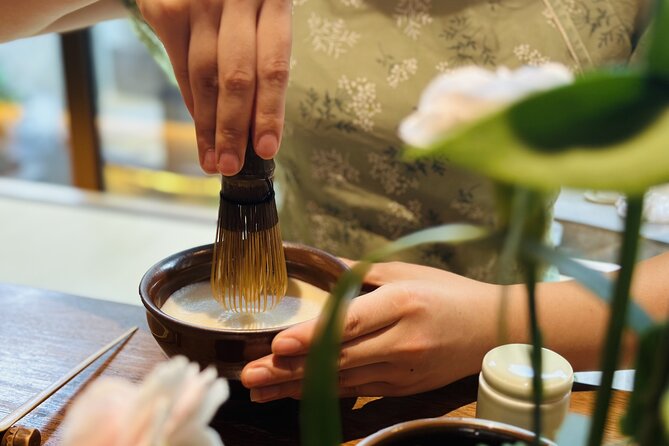
The first main section focuses on Dian Cha. You learn how Song Dynasty tea was whisked, why the technique mattered, and how it differs from the ordinary steeping method used for loose-leaf tea.
The movement is part of the appeal. Instead of dropping leaves into hot water and waiting, you take an active role in making the drink. The process also gives the tea master a natural way to explain older Chinese customs and the place of tea in daily life.
The session is described as refined and meditative, but you should not read that as meaning it is passive. You will be handling the tea set and practicing the whisking technique. If your first attempt is uneven, that is part of the fun. This is a cultural lesson, not a test of professional tea-making skill.
The connection with modern matcha is worth noting. Dian Cha predates modern matcha preparation, so the experience helps you see a broader East Asian tea story without treating Chinese and Japanese traditions as identical. That historical distinction gives the activity more substance than a generic drink tasting.
Tasting and brewing different Chinese teas
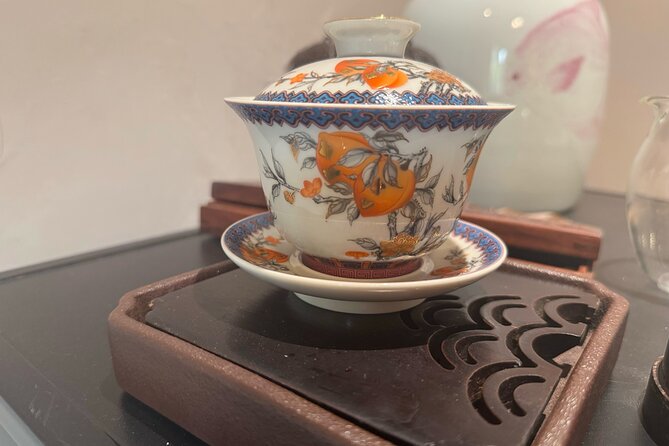
After the whisking lesson, you taste and brew different categories of traditional Chinese tea. The experience specifically includes tea ranging from delicate green tea to bold pu’er, giving you a useful contrast in flavor, texture, aroma, and brewing style.
Green tea is generally presented as a lighter style, while pu’er offers a stronger and more earthy profile. The point is not to decide which one is best. It is to notice how much Chinese tea can vary, and how brewing choices affect what ends up in your cup.
You will not simply be handed a flight of finished samples. The session includes hands-on brewing, so you can watch how the tea changes as it is prepared. That makes the activity a good fit if you want to understand the process rather than buy a souvenir tin based only on a label.
The included tea set supports this part of the experience. Coffee and/or tea are also listed among the inclusions, though the central focus is clearly traditional Chinese tea. I would not book this expecting a meal, snack service, or a full food pairing, since none is specified.
One published comment about the experience praised the explanation of how tea is made and the different ways to drink it. That is useful guidance for your expectations. The strongest part of the session is likely to be the teaching around the cup, not the amount of tea served.
More Tea Ceremonies in China
- Beijing Culture: Tea Ceremony, Heritage Instrument & Calligraphy
★ 5.0 · 57 reviews - Chinese Tea ceremony in Beijing Hutong courtyard
★ 4.7 · 26 reviews - Beijing Culture Event: Tradition Music, Tea Ceremony, Calligraphy
★ 5.0 · 11 reviews - Shanghai: Song Dynasty Tea Ceremony Experience
★ 5.0 · 10 reviews
A traditional room designed for the experience
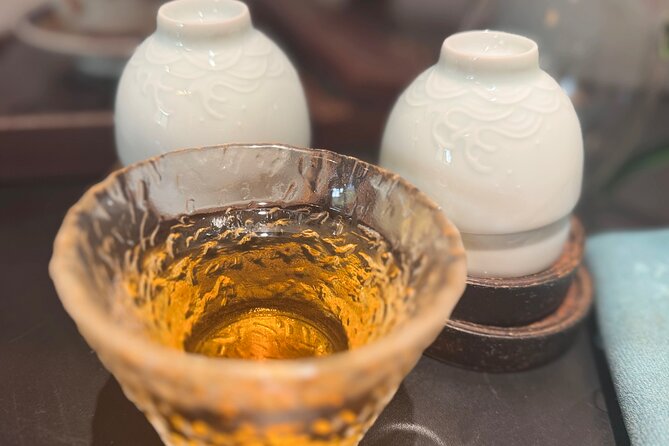
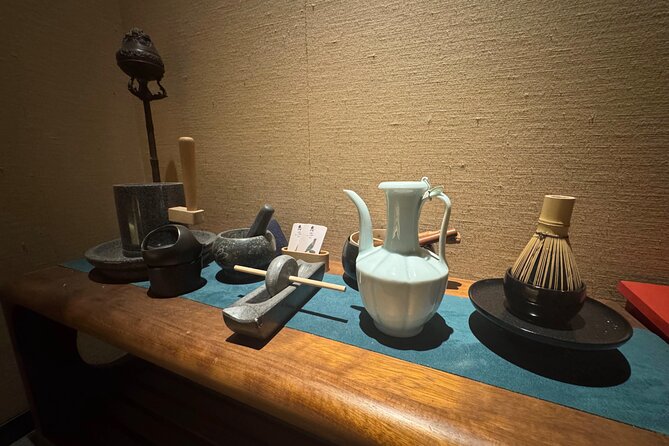
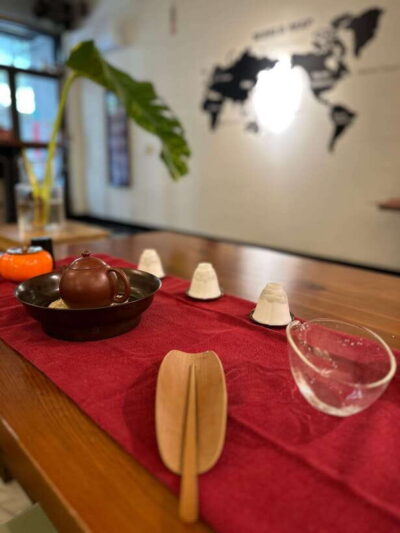
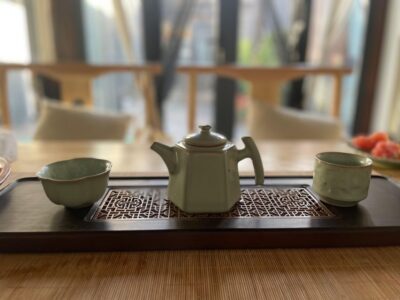
The setting uses traditional furnishings and tea utensils to create a Chinese atmosphere. This matters because tea preparation is closely tied to presentation. The tools, table arrangement, and serving style help you understand that the ritual is about more than flavor.
The room is also part of the visual appeal. The setting gives you a suitable backdrop for photographs, particularly if you choose the optional Hanfu clothing. Hanfu can make the session feel more theatrical and give your pictures a clear connection to the period-inspired setting.
The available information does not state whether Hanfu rental costs extra, which styles are offered, or how much time is set aside for changing. Treat it as an optional feature rather than a guaranteed part of the $159 price unless your confirmation says otherwise.
You should also keep your expectations practical. A traditional-style room is not the same as visiting a preserved historic tea house or a museum. The value here comes from the guided activity and the setting created for it, not from a promise of an original historic building.
Is the $159 price good value?
At $159 per person, this is a premium tea activity. The price is easier to justify if you value privacy, personal instruction, and a cultural lesson that lasts about three hours.
You are paying for more than drinks. The program combines a tea master, a private group format, a tea set, hands-on preparation, several tea styles, Song Dynasty Dian Cha, and a traditional Chinese setting. If you want a quiet cultural experience during your Shanghai visit, those elements add real value.
The price may feel high if your goal is simply to taste Chinese tea. Shanghai offers many casual places to drink tea, and this activity will not be the economical choice for a quick cup. You are choosing instruction and atmosphere over speed.
Group discounts may be available, which could make the cost more manageable for a family or larger party. Since this is a private activity, I would check the final price for your exact group size before booking. A discount can change the calculation considerably.
The strongest value comes when you take part fully. If you skip the whisking, ask few questions, and treat the session as a short beverage stop, $159 will feel harder to defend. If you enjoy learning techniques and comparing teas, the three-hour format gives you more for your money.
Who will enjoy this tea ceremony most?
I would recommend this experience to anyone with a real interest in Chinese foodways, traditional arts, or tea preparation. You do not need prior tea knowledge. The structure is designed to explain the basics while giving you practical steps to follow.
It also suits couples and small private groups who want a slower activity between Shanghai’s major sights. The private format can be especially helpful if one person in your group is curious and another simply wants a peaceful cultural break.
Families may like the hands-on aspect, though the supplied details do not state a minimum age or whether children receive a different price. Ask before booking if those details affect your plans.
The activity can work well for photographers and anyone interested in traditional clothing. Hanfu is available, and the room is designed for the visual side of the experience as well as the tea lesson.
It is less suitable if you want a fast, casual stop, a food-focused outing, or a broad tour of Shanghai. You will stay with one cultural theme for three hours, and that is either the main attraction or the main limitation.
Practical details that affect your plans
The experience lasts about three hours and begins and ends at Baoqing Road. Build in time to reach the meeting point, since transport to and from the activity is your responsibility.
You can use a mobile ticket, and confirmation arrives when you book. The activity is near public transportation, which helps, but the exact station and directions are not provided here. Check your confirmation carefully before leaving for the appointment.
Service animals are allowed. The experience is also listed as a private tour or activity, with only your group participating.
The activity is booked, on average, five days ahead. That is not a formal booking deadline, but it is a useful planning clue. If your Shanghai dates are fixed, reserve before the last day or two, especially if you need a particular time.
Free cancellation is available if you cancel at least 24 hours before the start time. Changes or cancellations made less than 24 hours ahead are not refunded or accepted. The cut-off uses Shanghai local time, so check the clock carefully if you are arranging plans from another time zone.
A minimum number of participants is required. If the provider cancels because that minimum is not met, you can choose another date or experience, or receive a full refund.
My verdict on this private Shanghai tea lesson
Book it if you want tea explained through action, not just served in a cup. The Song Dynasty whisking lesson is the special feature, while the range from green tea to pu’er gives you a useful introduction to China’s varied tea traditions.
I also like the private format and the option to wear Hanfu. Those details make the session more personal and give you a better chance to ask questions and take photographs without a large group around you.
Think twice if $159 is above your cultural-activity budget or if you only want a quick tea tasting. You should also confirm the cost and arrangements for Hanfu if clothing is important to your plans.
For a visitor who values calm instruction, traditional presentation, and a clear cultural focus, this is a worthwhile three-hour addition to a Shanghai itinerary. For everyone else, a less expensive tea stop may offer enough.
FAQ
Where does the Chinese Tea Ceremony Experience begin?
It begins at Baoqing Road, Bao Qing Lu, in Xuhui District, Shanghai, China, postal code 200031.
Where does the experience end?
The activity ends back at the meeting point on Baoqing Road.
How long does the tea experience last?
The experience lasts approximately three hours.
Is transportation included?
No. Private transportation is not included, so you need to make your own way to and from Baoqing Road.
Is this a private activity?
Yes. Only your group participates in the activity.
What tea technique will I learn?
You will learn Song Dynasty tea whisking, known as Dian Cha.
What kinds of tea will I taste?
The session includes different categories of traditional Chinese tea, including green tea and pu’er.
Is Hanfu included?
Hanfu is available as an optional part of the experience. The supplied details do not state whether it costs extra.
Are service animals allowed?
Yes. Service animals are allowed.
Can I cancel for a full refund?
Yes, if you cancel at least 24 hours before the experience start time. Cancellations made less than 24 hours before the start time are not refunded.
Newly steeped around China
- Full-day Tour: Spectacular Sunrise, Tea Plantation & Sunset★ 5.0 · 3 reviews
- Shanghai Mahjong Experience in Local Tea Bar★ 5.0 · 4 reviews
- Unlock Chinese Tea: Culture, Science, Tasting & Hands-on Brewing★ 5.0 · 12 reviews
- Private Tour Hangzhou West Lake and Tea Fields Discovery★ 5.0 · 3 reviews
- Hangzhou West Lake and Tea Plantation Half Day Tour★ 5.0 · 4 reviews
- Private Hangzhou Day Tour to West Lake, Lingyin Temple, Tea Village, Old Pagoda★ 5.0 · 17 reviews
- Half-Day Hangzhou Tianzhu Buddhist Mountain Hiking Tour with Green Tea Village★ 5.0 · 2 reviews
- Half-Day Hangzhou Jiuxi Stream and Tea Plantation Experience★ 5.0 · 2 reviews
Chinese Tea Ceremony Tours, compared.
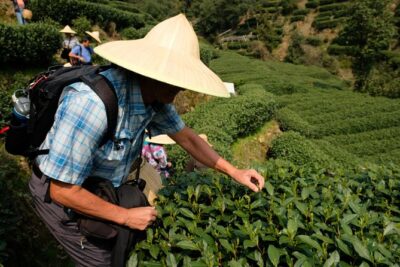
One-Day Hangzhou Dragon Well Tea Culture & West Lake Private Tour
Read our review →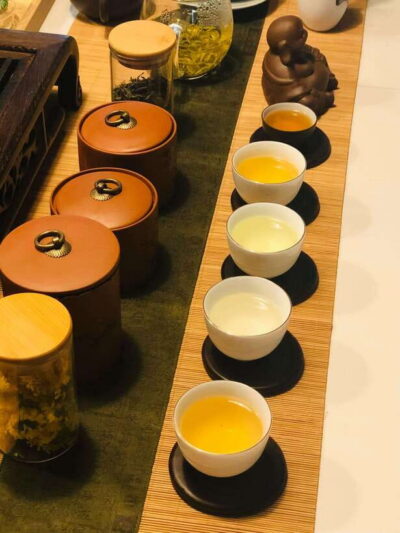
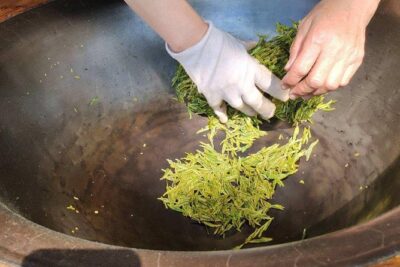
Chinese Tea ceremony in Beijing Hutong courtyard
Read our review →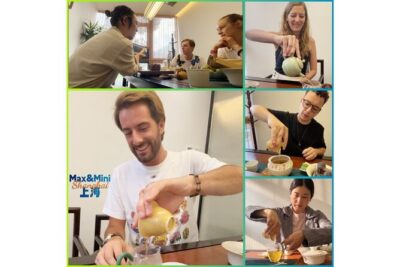
Unlock Chinese Tea: Culture, Science, Tasting & Hands-on Brewing
Read our review →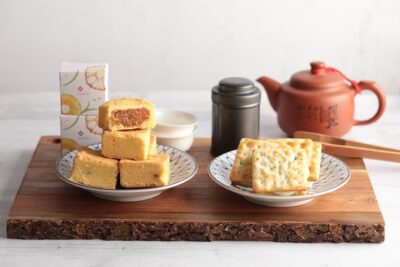
Taiwanese Baking Class with Oolong Tea Tasting in Taipei
Read our review →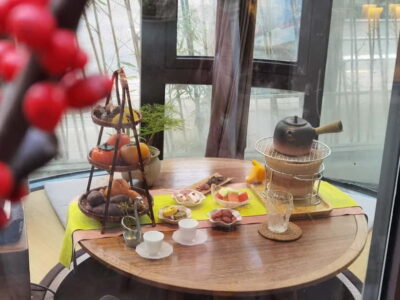
Browse the lists this tea experience appears in