
Review · WORLDWIDE
Tainan Culture Trip: Chinese Tea Ceremony_Oolong Tea
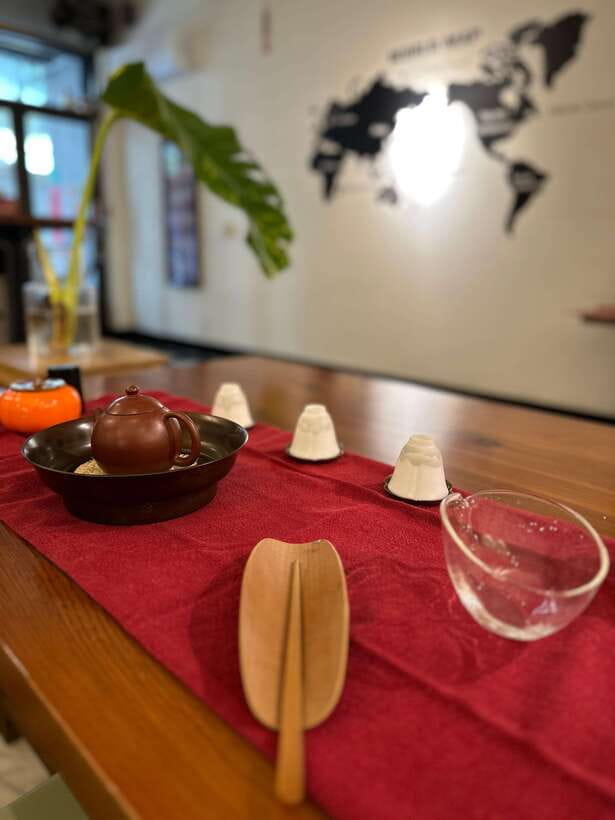
The most interesting part of this Tainan experience is how much attention it gives to the small details of tea. King guides you through at least four Taiwanese oolongs, showing how the same drink changes with its brewing vessel, cup shape, texture, and number of infusions.
I like two things right away: the private format for up to two people, and the chance to compare both Gaiwan and terracotta teapots rather than simply drinking one prepared tea. King also adds stories about Taiwan, Tainan, pottery, and calligraphy, which gives the tasting a wider cultural frame.
The main consideration is the setting and the rules. The front door looks like an ordinary home, you must ring the bell, and the ceremony is quiet and phone-free. Smoking, video recording, and strong perfume are not allowed, so this suits people ready to slow down for 90 minutes.
Key points to know before booking
- Taste at least four Taiwanese oolongs, with different aromas and flavor styles.
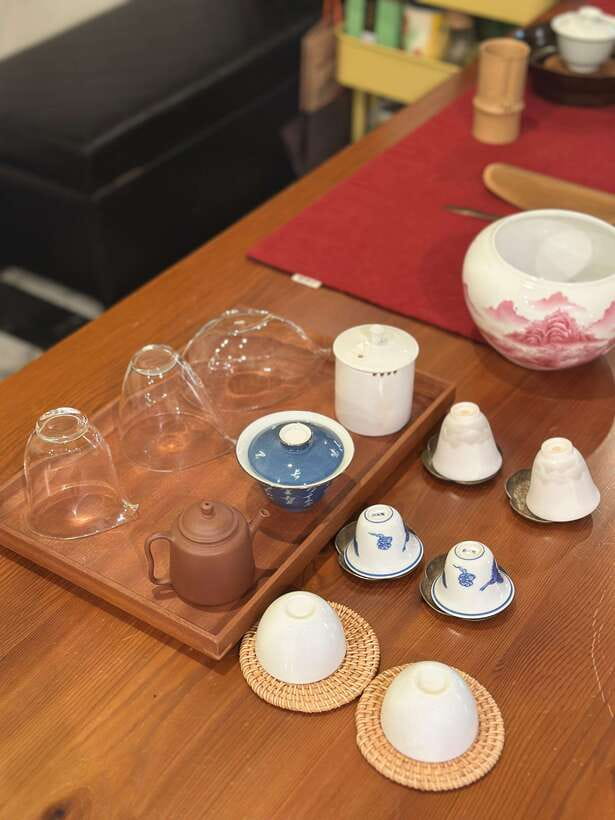
- Compare brewing tools, including a Gaiwan and terracotta teapots.
- Try at least three cup shapes and textures to notice how presentation affects the drink.
- Learn tea manners, from accepting a cup to showing thanks.
- Meet King at TOT House, a private, home-style venue where you press the bell at the front door.
- Book for up to two people at $50 per group, with English instruction and free cancellation up to 24 hours before the start time.
Why this Tainan tea ceremony is worth your time
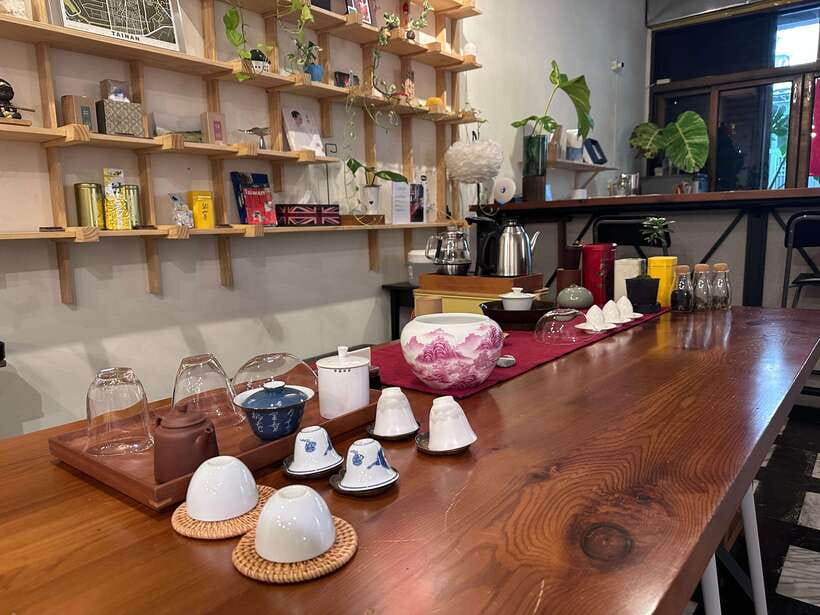
Tainan is a city where food, temples, old streets, and everyday customs all reward a slower pace. This tea ceremony fits that mood well. It is not a quick sample at a shop, and it is not a large demonstration where you sit silently in a crowd. You spend the session with King in a private group, asking questions as the tea is brewed and tasting each cup at a measured pace.
I like this kind of activity because it gives you a useful way to understand Taiwan beyond sightseeing. Oolong is not just a beverage here. It connects farming, craft, hospitality, family customs, daily routines, and ideas about balance and attention.
You do not need to arrive as a tea expert. The session is designed for different experience levels, from a curious beginner to someone already buying loose-leaf tea at home. King explains the basics in English and gives you room to compare tastes in your own words.
The format also works well for a couple or two friends. At $50 per group of up to two, the price is not a per-person bargain for a solo visitor, but it becomes fairer when shared. You are paying for private instruction, several teas, multiple brewing vessels, and a personal conversation rather than a simple drink.
More Chinese Tea Ceremonies in the world:
- One-Day Hangzhou Dragon Well Tea Culture & West Lake Private Tour
★ 5.0 · 98 reviews - Traditional Chinese Tea Ceremony Experience
★ 4.7 · 74 reviews - Authentic Hangzhou Longjing Tea Culture Experience Tour
★ 5.0 · 32 reviews
Finding TOT House and settling into the ceremony
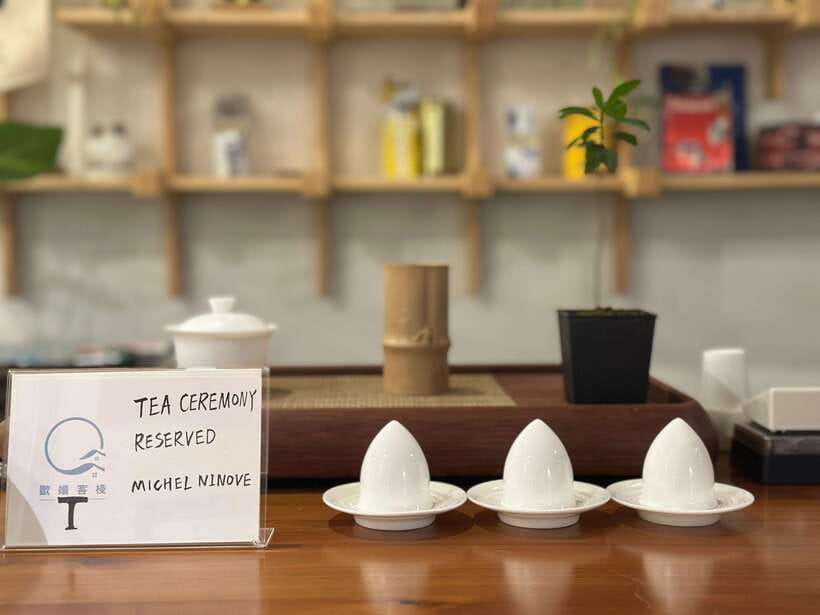
The meeting point is TOT, or Taiwan Oolong Tea, House in Tainan. The front door looks like a normal household, so do not expect a large shop sign or a formal attraction entrance. When you arrive, press the bell.
That small detail matters. Give yourself enough time to locate the house and avoid assuming that you have arrived at the wrong place because the entrance feels residential. You should also contact King by WhatsApp or email at [email protected] after booking, as requested for this experience.
The ceremony lasts 90 minutes. That is long enough for several teas and questions without turning the session into an all-day commitment. If you are visiting Tainan on a short schedule, you can fit it between other plans, though you should allow extra time for getting to the venue because transportation is not included.
The setting is intended to feel personal and calm. King has a friendly, relaxed manner, and the session can develop into a conversation about tea, Tainan, Taiwan, food, pottery, or places to visit. Several people have found his local suggestions useful, particularly when they had limited time in the city.
Starting with Chinese tea and Taiwanese oolong
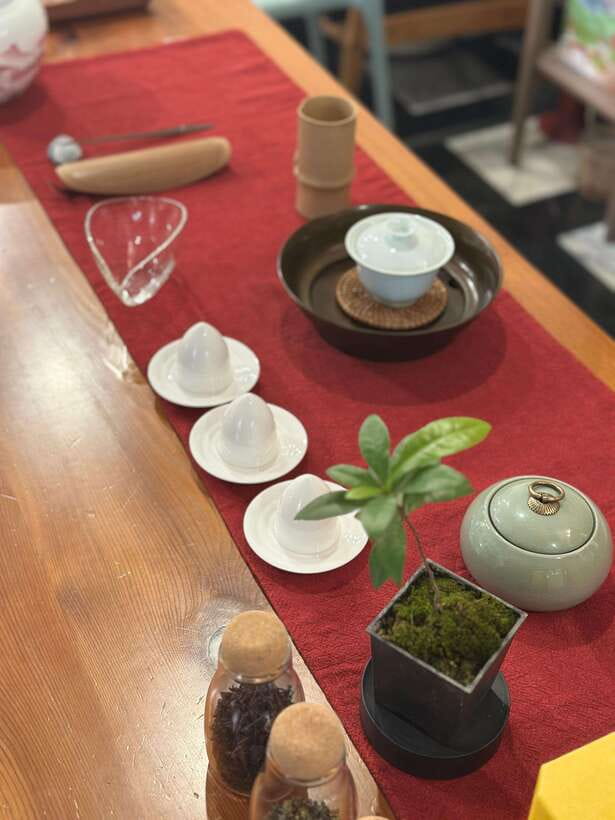
The opening part covers the background of Chinese tea. You learn about tea’s origins in China, the main categories of tea, and the place of oolong among them.
This introduction is useful because oolong can confuse first-time drinkers. It is neither simply green tea nor black tea. Its character can range from floral and fruity to woody and roasted, depending on the tea and how it is made and brewed.
King focuses on what makes oolong distinct. You are encouraged to smell the leaves and brewed tea, taste carefully, and notice how the flavor shifts from one infusion to the next. That last point is important. A strong first impression does not always tell you what the tea will become after several short brews.
You may find one tea light and floral, another more fruity, and another with a darker roasted or woody character. The point is not to memorize a list of tasting terms. It is to learn how to pay attention and describe what you actually notice.
The session also places tea in daily life and social customs. Tea has a role in traditional Chinese medicine, formal rituals, hospitality, and ordinary conversation. This context helps explain why tea preparation can feel deliberate without being stiff or theatrical.
Learning tea manners without feeling awkward
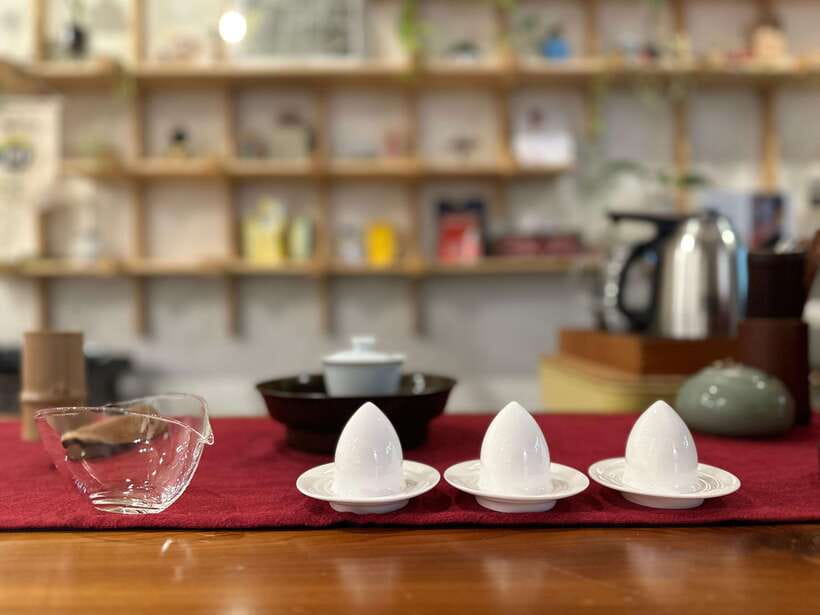
A tea ceremony has its own courtesies. King explains how to accept a cup, how to receive tea respectfully, and how to show gratitude.
For someone new to Chinese tea culture, this may be the most immediately useful part of the experience. You can enjoy tea anywhere, but understanding a few basic manners helps you feel more at ease in a traditional setting or when someone offers you tea in a home.
The etiquette is taught as part of the activity, not as a test. You do not need to worry about making a serious mistake. The slow rhythm gives you time to watch what happens, ask why it is done, and try it yourself.
This is also where the private format helps. With only your group and the instructor, you can stop the flow to ask a basic question. In a bigger class, you might hesitate or lose the chance before the next pour.
More Tea Experiences around the world:
- Kyoto: Tea Ceremony in a Traditional Tea House in Kiyomizu
★ 4.9 · 3,519 reviews - London: Afternoon Tea Cruise on the River Thames
★ 4.4 · 3,274 reviews - Kyoto: Tea Ceremony Ju-An at Jotokuji Temple
★ 4.9 · 3,207 reviews - Afternoon Tea Bus Tour in Dublin
★ 5.0 · 2,791 reviews
Comparing a Gaiwan, clay teapot, and three cup styles
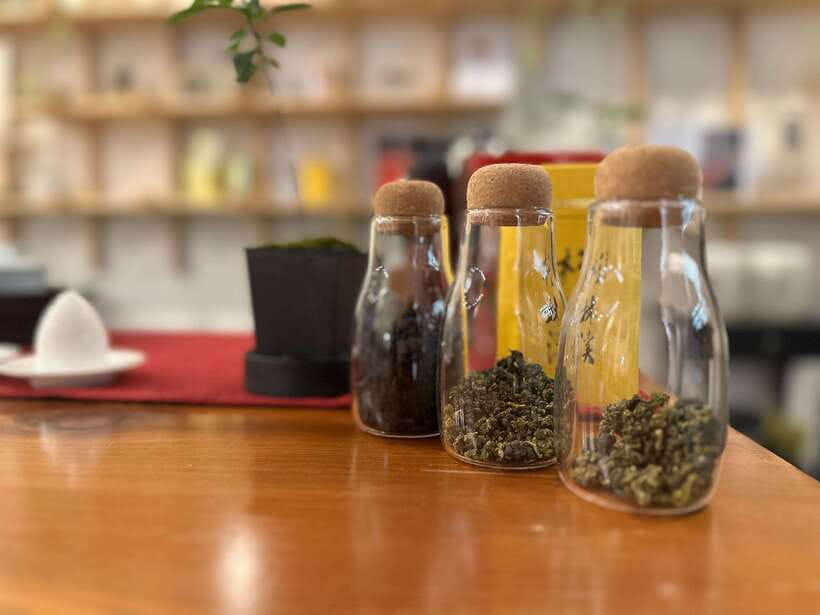
The utensils are a major reason to choose this activity over a standard tea tasting. You will see and use at least two brewing tools, including a Gaiwan and terracotta teapots.
A Gaiwan is a lidded bowl used to steep and pour tea. It lets you observe the leaves closely and gives you direct control over the brewing process. Terracotta teapots offer a different feel, both in the hand and in the way the tea is prepared.
You also try at least three kinds of tea cups with different shapes and textures. This may sound like a minor detail, but the cup changes the physical experience. The rim, weight, surface, and shape affect how you hold the cup and how the aroma reaches you.
King uses different pots and cups with different teas. That gives you a practical comparison instead of a long explanation about equipment in isolation. You can notice how the tea looks, smells, and feels in each arrangement.
The vessels are part of the pleasure. Their craftsmanship adds a visual and tactile layer to the tasting, and the session may also include pottery insights and calligraphy. If you enjoy ceramics, this is more than a side note. It gives you another way to understand why tea preparation is treated as a form of careful craft.
Tasting four or more oolongs at a thoughtful pace
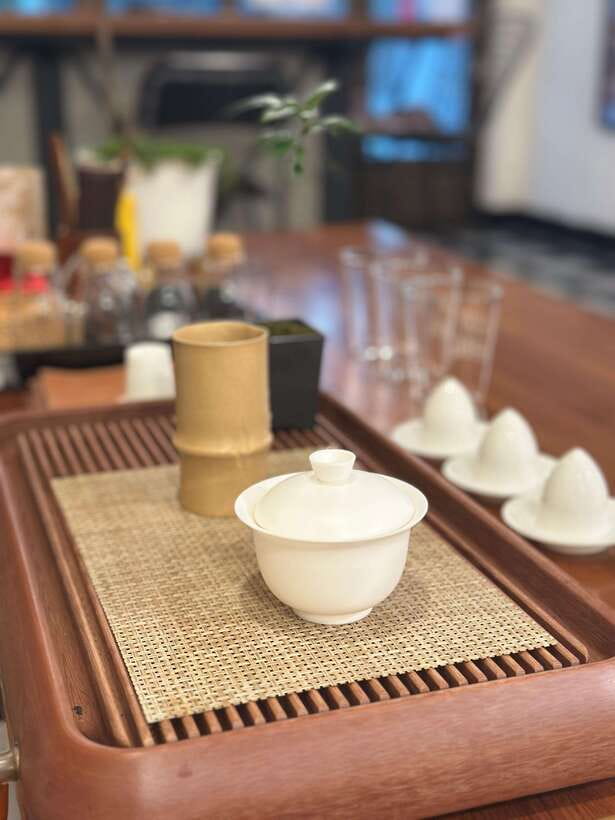
The central event is the tasting. You receive at least four kinds of oolong, and the selection may include five teas, depending on the session.
Do not expect large mugs. Chinese tea ceremonies use smaller servings, often poured in a series of infusions. That lets you compare several teas without becoming uncomfortably full, although the total amount of caffeine is worth keeping in mind if you are sensitive to it.
The best way to approach the tasting is to slow down. Smell the dry leaves if invited, notice the color, sip rather than gulp, and pay attention to what remains after swallowing. Then compare the next infusion.
You may notice that a tea becomes softer, sweeter, more fragrant, or more rounded as it opens. Another may show more roast or wood. The changing flavor is one of the pleasures of oolong, and it gives you something concrete to discuss with King.
The session is not built around finding one correct opinion. You can dislike a tea, prefer a simple flavor, or struggle to identify a particular note. King’s role is to help you pay attention, not force a tasting vocabulary on you.
This makes the activity a good introduction for anyone who says they do not understand tea. You are given several clear contrasts and enough time to work out your own preferences.
The host, the conversation, and the Tainan connection
King is the heart of the experience. He leads the ceremony in English and explains tea with patience and warmth. His style is both informative and conversational, which keeps the session from becoming a lecture.
You can ask about Taiwanese tea, brewing methods, flavor, and the history behind the customs. The conversation can also move toward Tainan itself. King has offered suggestions for food, temples, and places to visit, and he has sometimes shared nearby temple knowledge with people making a short stop in the city.
That local connection adds real value. If you are in Tainan for only a day, you may leave with ideas for what to see next, not just a better understanding of oolong.
The mood is relaxed. One person described the experience as a pleasant way to spend time over five high-quality Taiwanese oolongs, with conversation about tea flavor, history, and Tainan. Another found the session a memorable part of a Taiwan trip and later planned to buy tea from a shop King recommended.
You should still set the right expectation. This is not a tour of tea farms, and transportation to a plantation or tea-growing region is not included. It is a seated cultural experience in Tainan, focused on brewing, tasting, objects, and conversation.
Who should book this private experience
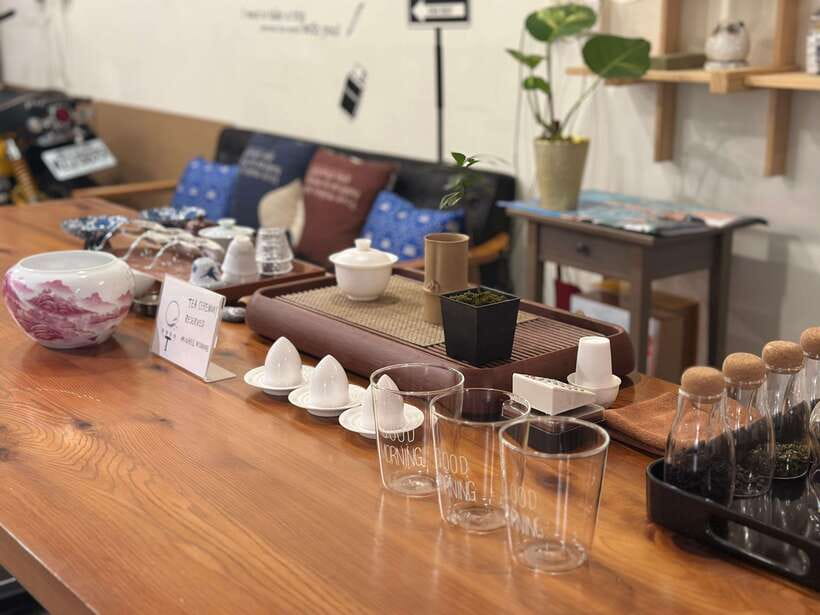
I would choose this ceremony if you want a focused cultural activity rather than another food stop. It suits:
- Couples or friends who want a private session for two.
- First-time tea drinkers who want clear guidance.
- Tea enthusiasts who enjoy comparing vessels and infusions.
- Visitors with a short Tainan schedule.
- People interested in Taiwanese ceramics, calligraphy, and daily customs.
- Anyone who wants a quiet break from a busy sightseeing day.
It is not suitable for children under five. The supplied information also lists the activity as wheelchair accessible but says it is not suitable for people with mobility impairments. That is a meaningful contradiction, so contact the provider before booking if access is important to you.
You should avoid strong perfume because scent is central to tea tasting. Smoking is not allowed, and you cannot use your cellphone or make video recordings during the ceremony. Those restrictions may feel strict if you want to document every moment, but they protect the quiet atmosphere and keep attention on the tea.
Booking value, timing, and practical details
The price is $50 per group of up to two people. For two, that works out to $25 each, which is reasonable for a private 90-minute session with at least four teas, several types of cups, and guided use of more than one brewing vessel.
For one person, the same group price feels less attractive. You may still value the private attention, but compare it with your overall Tainan budget.
The experience is conducted in English. Transportation and meals are not included, so plan it as one part of a day rather than a complete half-day outing.
You can reserve now and pay later, which helps if your Tainan plans are still shifting. Cancellation is free up to 24 hours before the activity for a full refund. Starting times vary, so check availability before building the rest of your schedule around it.
Should you book the Tainan Oolong tea ceremony?
Book it if you want to understand how tea is brewed, served, and discussed in Taiwan, not simply drink a cup and move on. The combination of four or more oolongs, Gaiwan and terracotta teapots, different cup styles, and King’s personal guidance gives the session real substance.
I especially like it for people who have one day in Tainan and want an activity that adds local context without taking over the whole day. It also makes a thoughtful choice for two people who enjoy food, drink, craft, and conversation.
Skip it if you need an outdoor activity, a tea-farm visit, a large social group, or the freedom to film everything. For everyone else, the private format and careful tasting make this a calm, useful introduction to Taiwanese oolong.
FAQ
How long does the Tainan tea ceremony last?
The ceremony lasts 90 minutes. Starting times vary, so check availability when you book.
How many people can join?
The price covers a private group of up to two people.
How many teas will I taste?
You will taste at least four kinds of Taiwanese oolong tea. Some sessions may include five teas.
Is the ceremony conducted in English?
Yes. The instructor conducts the ceremony in English.
Where do I meet the instructor?
Meet at TOT, or Taiwan Oolong Tea, House. The front door looks like a normal household, so press the bell when you arrive.
Can I cancel or pay later?
You can reserve now and pay later. Free cancellation is available up to 24 hours in advance for a full refund.
Newly steeped around the world
- York: Private Horse-Drawn Carriage Ride and Afternoon Tea★ 5.0 · 3 reviews
- Yokohama : Tea Ceremony with Sweets and Souvenir★ 5.0 · 5 reviews
- Washington, D.C.: Tea Around Town Bus Tour with Landmarks★ 3.4 · 7 reviews
- Whisk Your Own Matcha: A Zen Matcha Experience at Temple★ 3.6 · 7 reviews
- Yogyakarta: Prambanan Tour, Sukuh Temple & Tea Plantation★ 5.0 · 3 reviews
- Walking Tour: Yanaka,Nezu& Sendagi: Tea Ceremony & Old Tokyo★ 5.0 · 3 reviews
- Wadi Rum: 2-Hour Jeep Tour with Bedouin Tea★ 5.0 · 11 reviews
- Volcano, Hot Spring, Mud Bath & Tea plantation all included★ 5.0 · 5 reviews
Chinese Tea Ceremony Tours, compared.
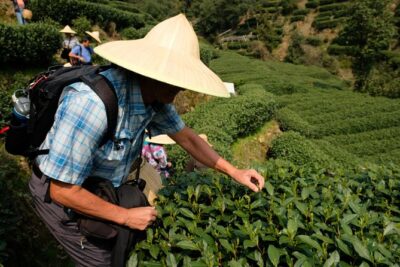
One-Day Hangzhou Dragon Well Tea Culture & West Lake Private Tour
Read our review →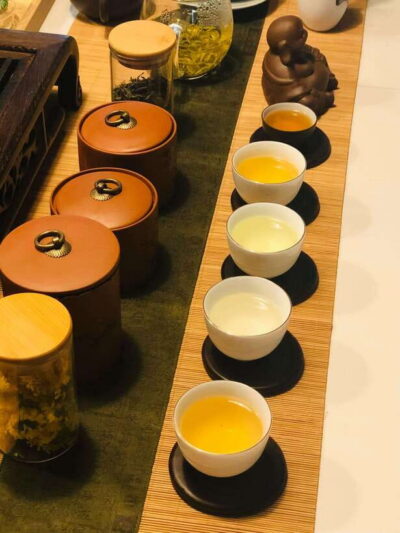
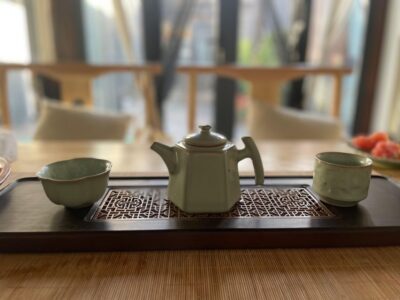
Chinese Tea ceremony in Beijing Hutong courtyard
Read our review →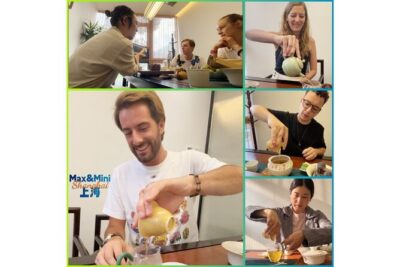
Unlock Chinese Tea: Culture, Science, Tasting & Hands-on Brewing
Read our review →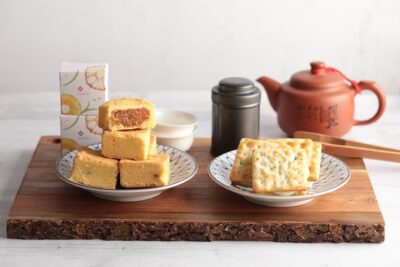
Taiwanese Baking Class with Oolong Tea Tasting in Taipei
Read our review →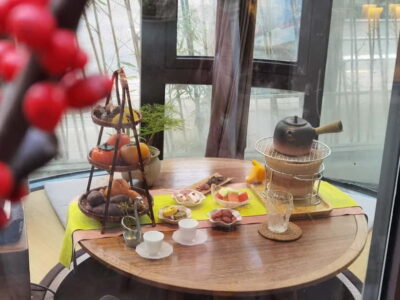
Beijing:Learn Calligraphy & Enjoy Kung Fu Tea Ceremony
Read our review →Browse the lists this tea experience appears in