
Review · UJI
Uji: Private immersion into Kyoto’s tea and reglious culture
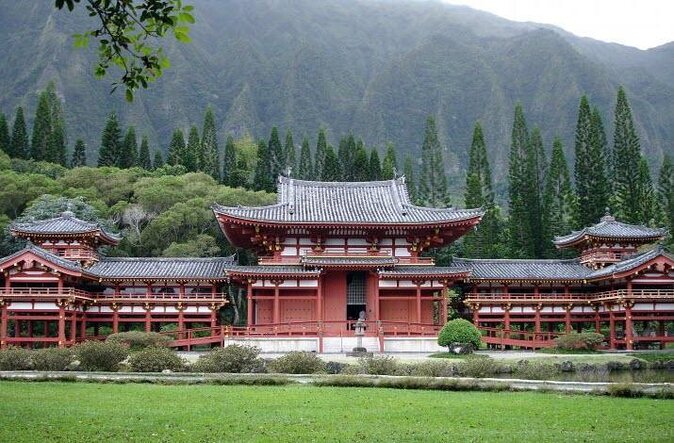
Uji’s best moments come in small details: gyokuro leaves slowly opened in warm water, spring water rising at Ujigami Shrine, and the reflection of Byodoin Temple across its pond. This private tour links those sights into one clear story about tea, Buddhism, and Japanese spirituality.
I like the unusual gyokuro tasting and the chance to see Uji beyond its famous temple. I also like the private format, which lets guides such as Ferdi, Damian, Kevin, Mika, and Lito adjust the pace and explain customs in plain English. The main drawback is that four hours cover a lot of ground, and the route includes many stairs.
Key points to know
- Gyokuro tasting: Learn how Japan’s highest-grade green tea is prepared, with a Japanese sweet included.
- Two UNESCO sites: Visit Ujigami Shrine and Byodoin Temple, with admission to the Byodoin museum.
- Tea and Zen connection: Koshoji Temple helps explain how Buddhism influenced the Japanese tea ceremony.
- A quieter Kyoto outing: Uji offers river scenery, tea shops, and a slower feel than central Kyoto.
- Small private group: The tour allows up to eight people, so questions and pace adjustments are practical.
- Bring some cash: One participant specifically found cash useful during the day, so it is a sensible precaution.
Why Uji makes a smart half-day from Kyoto
Uji is close enough to Kyoto for an easy outing, but it feels like a different chapter of the region. The Uji River cuts through town, tea shops line the road toward Byodoin Temple, and historic religious sites sit within walking distance of one another.
This tour works because it does not treat tea as a quick sample between temple visits. It uses tea as the thread connecting Uji’s river trade, religious life, local shops, and daily customs. You learn not just what to drink, but why the preparation matters.
The price is $162.41 per person. That is not a cheap walk, but it includes a private guide, entry to the temples, the Byodoin museum, and the gyokuro experience. For a small group that wants context rather than a simple sightseeing route, the cost can be fair. You are paying for the guide’s time and interpretation as much as for admission tickets.
The tour lasts about four hours and starts at 9:00 a.m. at the Keihan Uji Station Information Centre. It ends at the same meeting point. Since it averages about 38 days of advance booking, reserve early if your Kyoto dates are fixed.
More Tea Experiences around Uji:
- Kyoto: Tea Museum Tickets and Matcha Grinding Experience
★ 4.9 · 739 reviews - Uji: Green Tea Tour with Byodoin and Koshoji Temple Visits
★ 4.8 · 72 reviews - Uji: UNESCO Heritage & Tea Ceremony Walking Tour
★ 4.6 · 54 reviews
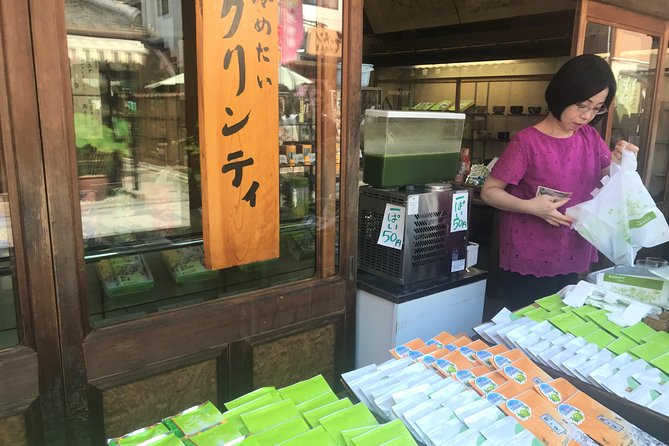
Starting with gyokuro at Takumi-no Yakata
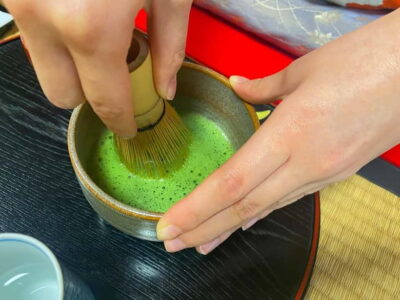
The first stop is Takumi-no Yakata, a 12th-century teahouse where you learn about gyokuro. This is not the usual large cup of green tea served without explanation. Gyokuro is considered the highest grade of Japanese green tea, and the preparation is slow and precise.
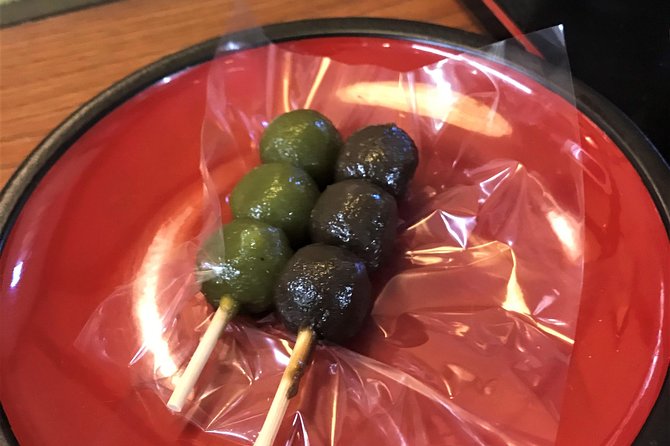
The leaves are steamed in water that becomes warmer in stages. That gradual method gives your guide time to explain the customs around tea drinking and the care that goes into the drink. A Japanese sweet is included, giving you a traditional pairing rather than a stand-alone tasting.
This opening is one of the strongest parts of the experience. It gives you a practical reference point for the rest of the morning. Once you understand the aroma, texture, and careful preparation of gyokuro, the tea shops later in the tour become more meaningful.
You should also know that a tea experience can feel formal if you expect a quick beverage stop. Tea drinking in Japan has rules and small gestures, and one participant found the ceremony complex at first. That is part of the value, but ask questions if a step is unclear. Guides such as David and Kevin have been praised for explaining Japanese customs in English and making the process approachable.
Ujigami Shrine and the spring beneath Uji
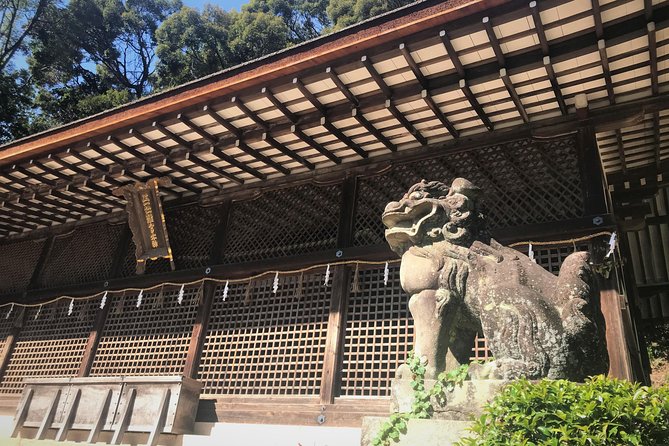
From the teahouse, the tour moves to Ujigami Shrine, described as the oldest original shrine in Japan. It is a UNESCO World Heritage site and a quieter counterpoint to the grander Byodoin Temple later in the morning.
One unusual feature is the underground spring water that naturally reaches the surface here. It is the last such spring in Uji, and local tea shops collect the water. That detail ties the shrine directly to the town’s tea culture. Water is not an afterthought in tea preparation, and here you can see how a local natural source became part of Uji’s identity.
The shrine visit is relatively short, about 30 minutes. That is enough time for a focused explanation and a look around, but not enough for a long, unhurried visit. I see this as a good tradeoff on a four-hour route because it leaves time for Byodoin, the museum, and the river.
The setting also helps explain the spiritual side of the tour. You are not simply checking another famous site. You are seeing how sacred places, natural water, and local craft can occupy the same small town.
Koshoji Temple and the tea ceremony’s Buddhist roots
Koshoji Temple is the oldest Soto Zen temple in Kyoto, and it gives the tour its clearest link between tea and Buddhism. Zen Buddhism came to Japan from China and helped shape the tea ceremony. Your guide uses the temple to explain that connection.
This stop lasts about 30 minutes. It is less about collecting another temple photograph and more about understanding the ideas behind the tea experience. The quiet setting gives the morning a pause after the tasting and shrine visit.
I especially like this part for people who want cultural context. You may not remember every term or historical detail, but you should leave with a clearer sense that Japanese tea culture grew from more than farming and trade. Meditation, discipline, hospitality, and attention to simple actions all helped shape the ceremony.
The tour is not a full religious study session. If you want long periods for silent reflection or detailed architectural analysis, the schedule may feel brisk. If you prefer a guide to connect the dots, the stop earns its place.
Same leaf, a different ritual:
- Slow Cycling Tour at Uji’s Matcha Green Tea Fields and Heritage
★ 5.0 · 25 reviews - Kyoto Matcha Green Tea Tour
★ 4.5 · 23 reviews - Uji and Wazuka Matcha Farm Half Day Private Guided Tour
★ 5.0 · 21 reviews - Uji Tea Ceremony and UNESCO Heritage Walking Tour
★ 5.0 · 20 reviews
Byodoin Temple and the famous 10-yen view
Byodoin Temple is the visual centerpiece of the morning. Built during the Heian period, it sits beside a man-made lake and is recognized as a UNESCO World Heritage site. Its Phoenix Hall is also the temple shown on Japan’s 10-yen coin.
That coin reference is a small but useful detail. Kevin has been praised for pointing it out, and it gives you an easy way to recognize the building long after the tour. You can hold the coin in your hand and connect it to the real site.
The visit includes entry to the temple and its museum. The museum matters because it adds objects and information that you cannot get from simply looking across the pond. One visitor found the museum well worth the time, and I agree that it helps turn a beautiful photograph into a more complete visit.
You have about 45 minutes here. The timing should be enough for the principal views and the museum, though you may wish for longer if you enjoy taking photographs or reading every display. Guides may also help you enter ahead of larger crowds, as Kevin reportedly did for one group. That can make a real difference at a major Kyoto-area sight.
Byodoin is the busiest and most famous stop on the route, so do not expect the same quiet mood found at Ujigami Shrine or Koshoji. The reward is scale and visual impact. The pond, hall, and surrounding grounds make this the place where the morning’s history becomes easy to picture.
Walking the tea shops of Byodoin Omotesando
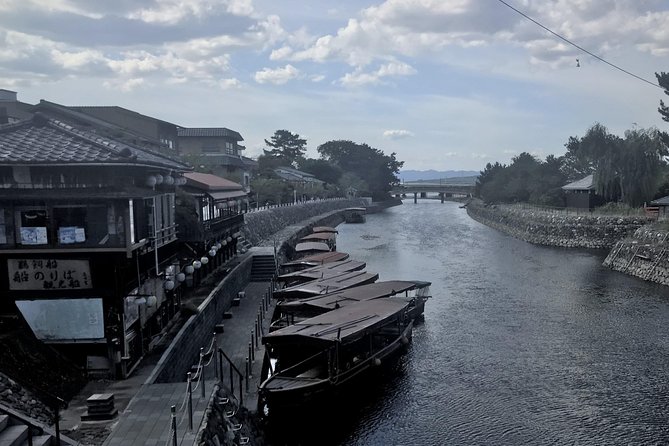
After the temple, you walk along Byodoin Omotesando, the pilgrimage street leading toward Byodoin. Tea shops line the route, some with roots reaching back to the medieval period. You can smell freshly prepared tea and see the range of tea produced in Uji.
This is a valuable part of the tour because it brings tea out of the teahouse and into everyday commerce. You get a sense of how Uji presents its specialty to people who come for the temple. The street also gives you a chance to notice packaging, shop displays, and different tea products at your own pace.
About 45 minutes is allotted here. Depending on the guide and the group, that time may include explanations, browsing, and possible shopping. Food and drink outside the gyokuro experience are not included, so budget separately if you want snacks or additional tea.
One practical point: bring cash. A participant specifically advised it, and it is useful advice when you are moving through small local shops. The tour price does not cover purchases, food, or extra drinks.
Uji Park, cormorant fishing, and the river
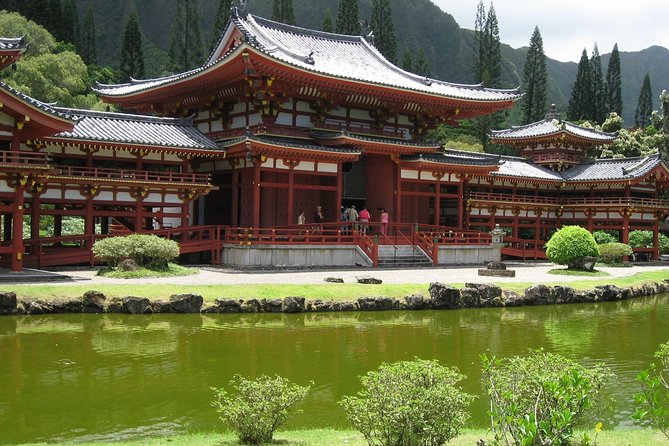
The final main stop is Prefectural Uji Park, an island in the middle of the Uji River. You walk along the river and hear about cormorant fishing, an old practice using trained birds to catch fish.
The river also explains why Uji developed as an important place. Although the water is shallow now, it once carried trade between the capitals of Kyoto and Nara. Tea, sake, and goods from across Japan and other parts of Asia moved along this route.
This section slows the tour down after the temples and tea shops. You see Uji as a working river town, not only as a collection of sacred buildings. The walk lasts about 30 minutes, and the route’s natural setting provides a pleasant finish before returning to the station information centre.
The river walk is not a major nature hike. Think of it as a gentle historical stroll. Still, it may be one of the moments you remember best because it connects the town’s scenery with its economic past.
What the private format adds
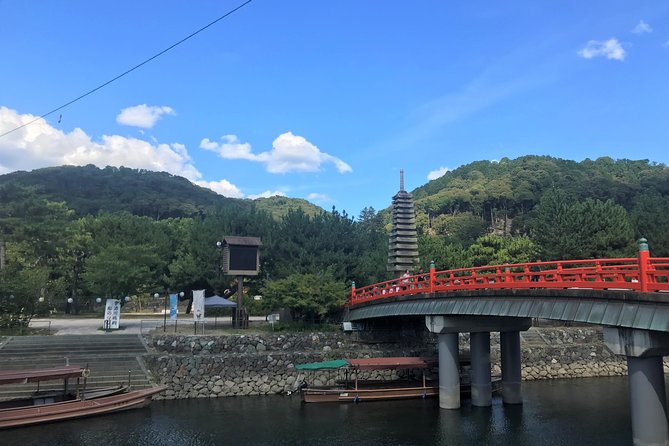
The group limit is eight people, which is small enough for questions and conversation. A private guide can also adjust the order or pace when needed. The tour information notes that changes are possible for people who have trouble with the stairs.
Past guides have included Ferdi, Damian, Kevin, Mika, David, and Lito. Their strengths, based on the details available, include clear explanations, friendly communication, and an ability to connect the cultural pieces. Kevin contacted one group several days before the tour, while other guides were praised for making the experience relaxed and easy to follow.
The guide makes a real difference here. Tea preparation, shrine customs, Zen, and temple symbolism can seem disconnected if you visit alone. With a good explanation, the route becomes one story. The private setting also helps if you have questions about etiquette or want more detail at one particular stop.
The meeting point is the Keihan Uji Station Information Centre, at the Keihan Uji Building on the first floor. The location is near public transportation, but confirm the exact meeting instructions before you go. One person found the meeting point insufficiently specific, though the provider later updated it.
Physical effort, timing, and who should book
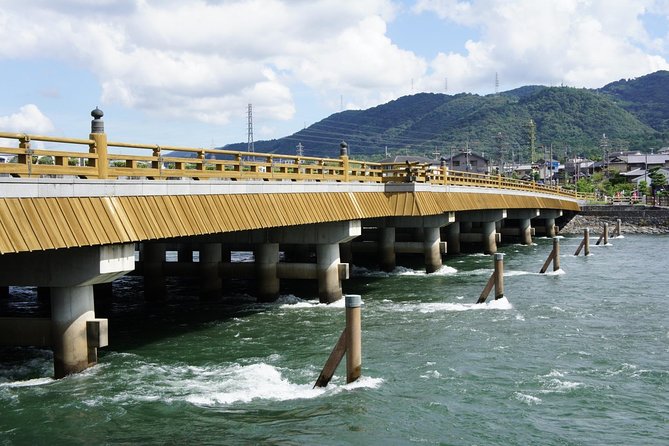
This is a moderate walking tour with many stairs. You do not need athletic ability, but you should be comfortable walking between sites and climbing steps. Tell the provider in advance if stairs are a problem so the route can be modified.
The 9:00 a.m. start makes sense. It gives you a full morning before the biggest heat or afternoon crowds, and the tea tasting feels like a proper beginning rather than a rushed add-on. The four-hour length is long enough for substance but short enough to fit beside another Kyoto plan.
I would recommend it most to:
- First-time visitors who want Uji explained rather than simply photographed
- Tea lovers curious about gyokuro and Japanese preparation customs
- People interested in the link between Zen practice and tea
- Small groups who value a flexible private guide
- Kyoto visitors looking for a calmer outing beyond the city center
I would think twice if you want a slow temple day with lots of unplanned time. The itinerary is full, and the route moves from stop to stop. It is also less suitable if stairs or walking are difficult and you do not arrange modifications.
Is this Uji tour worth $162.41?
For one person, $162.41 is a significant half-day expense. The value depends on what you want from Uji. If you only need transportation and a look at Byodoin, you can visit parts of the town independently for less.
The private format changes the calculation. You receive admission to the temples and museum, a guided gyokuro experience with a sweet, and interpretation across six connected stops. A group discount may also apply, which can make the per-person cost more reasonable for companions.
The strongest value is the connection between the stops. The tea tasting introduces the subject, Ujigami shows the importance of spring water, Koshoji explains Zen’s influence, Byodoin supplies the major monument, Omotesando shows tea in local trade, and the river explains how Uji grew. That is a better use of four hours than a loose list of sights.
Final recommendation
Book this tour if you want Uji to make sense as a tea town and a religious center, not just a place with one famous temple. The gyokuro preparation, Byodoin museum, tea-lined street, and river walk give you a balanced morning.
Skip it if you prefer to wander alone, shop without a schedule, or spend most of your time at Byodoin. For everyone else, the small private group, flexible guiding, and clear link between tea and Buddhism make this a strong addition to a Kyoto stay. Bring cash, wear comfortable shoes, and leave room in your morning for questions.
FAQ
Where does the tour start?
It starts at the Keihan Uji Station Information Centre, Japan, 611-0021 Kyoto, Uji, Otsukata 713, on the first floor of the Keihan Uji Building.
What time does the tour begin?
The scheduled start time is 9:00 a.m.
How long does the experience last?
The tour lasts approximately four hours.
Where does the tour end?
The activity ends back at the meeting point near Keihan Uji Station.
How many people can join?
The maximum group size is eight people.
Is the tea tasting included?
Yes. The experience includes a gyokuro tea house visit and a Japanese sweet.
Are temple and museum admissions included?
Yes. Admission to the temples and the museum at Byodoin is included.
Is food included beyond the tea experience?
No. Food and drinks outside the included tea experience are not covered.
Can the itinerary be changed for people who have trouble with stairs?
The tour includes many stairs, but the provider says suitable modifications can be made if you notify them.
Newly steeped around Uji
- Kyoto tea town for matcha lovers★ 5.0 · 16 reviews
- Uji and Wazuka Matcha Farm Half Day Private Guided Tour★ 5.0 · 21 reviews
- Utilising upcycled Matcha! Creating matcha incense (Uji, Kyoto)★ 5.0 · 6 reviews
- Kyoto Matcha Green Tea Tour★ 4.5 · 23 reviews
- Uji Tea Ceremony and UNESCO Heritage Walking Tour★ 5.0 · 20 reviews
- 7 Hours Private Guided Tour Uji and Wazuka Matcha Farm★ 5.0 · 2 reviews
- Half Day Matcha Tour in Uji, home of culture, with a local★ 4.8 · 14 reviews
- Kyoto: Tea Museum and Tsuen Teahouse Guided Tour★ 5.0 · 2 reviews
Japan Tea Tours, compared.
Kyoto: Tea Ceremony in a Traditional Tea House in Kiyomizu
Read our review →
Kyoto: 45-Minute Tea Ceremony Lesson Experience
Read our review →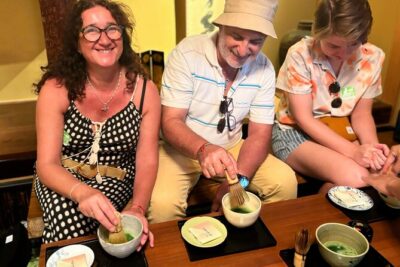
World Heritage Kyoto & Nara Uji Authentic Matcha Experience
Read our review →
Kyoto: Table-Style Tea Ceremony at a Kyo-Machiya
Read our review →

Browse the lists this tea experience appears in