
Review · UJI
Uji: Green Tea Tour with Byodoin and Koshoji Temple Visits
Uji is where Japan’s tea culture, Buddhist temples, Shinto worship, and samurai-era politics come together in a compact riverside town. The most unusual moment is not simply drinking the tea, but eating the softened gyokuro leaves with ponzu sauce after tasting them. It is a small lesson in using the whole leaf, and a good reminder that Japanese tea is more than a green drink.
I like the mix of serious tea instruction and peaceful temple walks, and I like that the route gets you away from Kyoto’s busiest lanes without sending you far from the city. Guides such as Damien, Ferdinand, Brian, Bryan, David, and Kevin have been praised for clear explanations, humor, flexibility, and help with trains. The main drawback is physical: stairs, mountain paths, and several hours on foot make this a poor fit for anyone with limited mobility, back problems, or heart problems.
What makes this Uji tour worth your morning
- Taste high-grade gyokuro: Learn how brewing time and water affect flavor, then eat the tea leaves with ponzu.
- Visit Uji’s oldest tea house: Hear how a samurai retainer’s family has operated the shop for 24 generations.
- See Ujigami Shrine: Enter a wooded setting with a natural spring once used by tea makers.
- Explore Byodo-in: Visit the famous Phoenix Hall and its modern museum, with admission included.
- Walk to Koshoji Temple: Finish beside the mountain in a quieter setting suited to a little calm.
- Get cultural context: A guide explains how Shinto, Buddhism, samurai power, and tea shaped Uji.
Why Uji makes a fine change from central Kyoto
Uji is about 30 minutes by local train from central Kyoto areas such as Kyoto Station and Gion. That short ride changes the feel of the day. Instead of crossing one packed sightseeing district after another, you get a riverside town framed by hills, tea shops, temples, and wooded paths.
You meet at the only exit of Keihan Uji Station. An escalator reaches ground level, which helps when you are carrying a day bag, but the ease of the meeting point should not fool you into expecting an easy walk. The tour later includes stairs and mountain-side paths.
The route lasts four hours and returns to the starting point. That makes it easy to fit into a Kyoto schedule, though you should allow extra time if you want to shop for tea, eat a matcha dessert, or explore the Uji River area on your own afterward.
The experience is offered as a private or small-group tour, with English and Spanish guides available. A small group gives you room to ask questions, while a private booking may be useful if your party wants a slower pace or has particular interest in tea, temples, or Japanese customs.
More Green Tea Tours in Japan
- Slow Cycling Tour at Uji’s Matcha Green Tea Fields and Heritage
★ 5.0 · 25 reviews - Kyoto Matcha Green Tea Tour
★ 4.5 · 23 reviews - Uji Tea Ceremony and UNESCO Heritage Walking Tour
★ 5.0 · 20 reviews
The old tea house and Uji’s family story
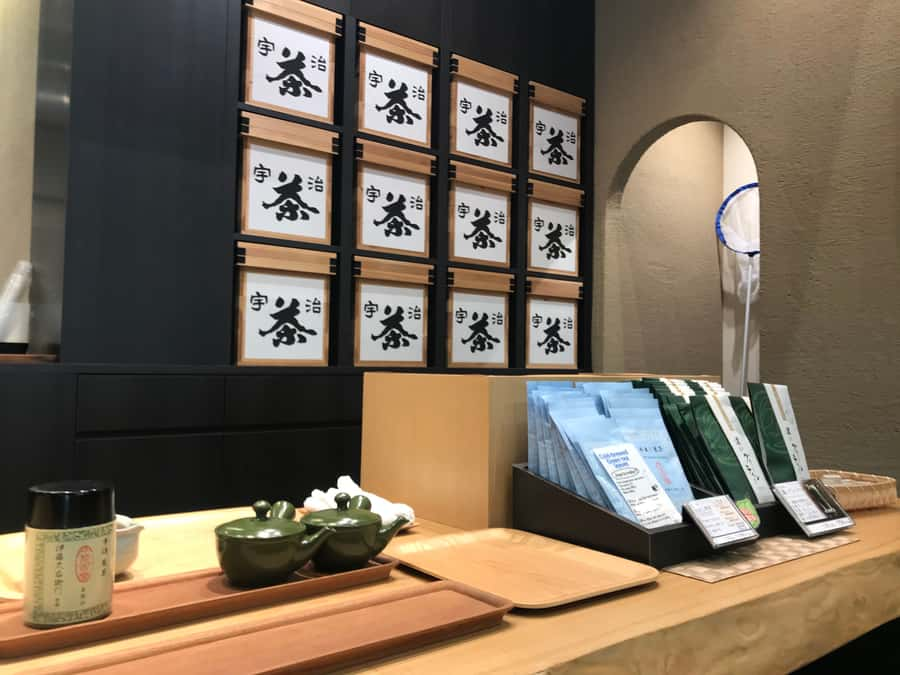
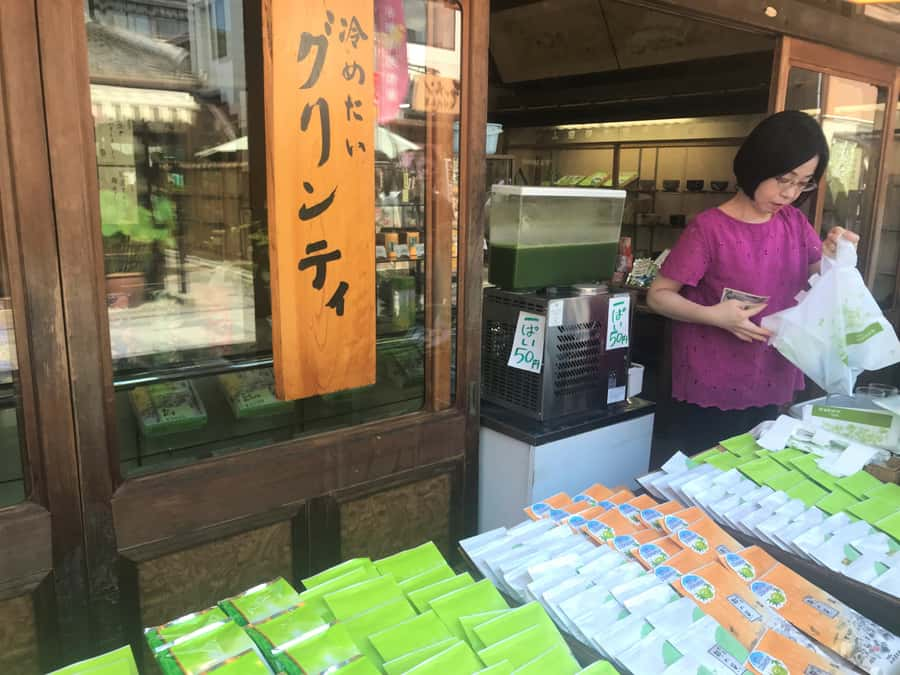
The tour begins at a tea house said to have operated since 1160. Its importance is not just its age. The family story links tea commerce with samurai society: one retainer of a famous warrior became the head of a tea business that has continued through 24 generations.
That detail gives the tea culture a human shape. Uji’s reputation did not appear by accident. Tea needed land, water, skilled growers, wealthy patrons, religious communities, and a market. Samurai households and temples helped sustain the customs that later became central to Japanese culture.
Your guide can also explain the difference between a shop that sells tea and a place that has carried a family trade across centuries. For many people, this is more memorable than a quick stop at a modern gift shop.
The shop visit is also a useful introduction to Uji’s local identity. Tea is not merely a souvenir here. It is tied to the town’s old trade routes, its religious sites, and the river that helped move people and goods.
Tasting gyokuro, then eating the leaves
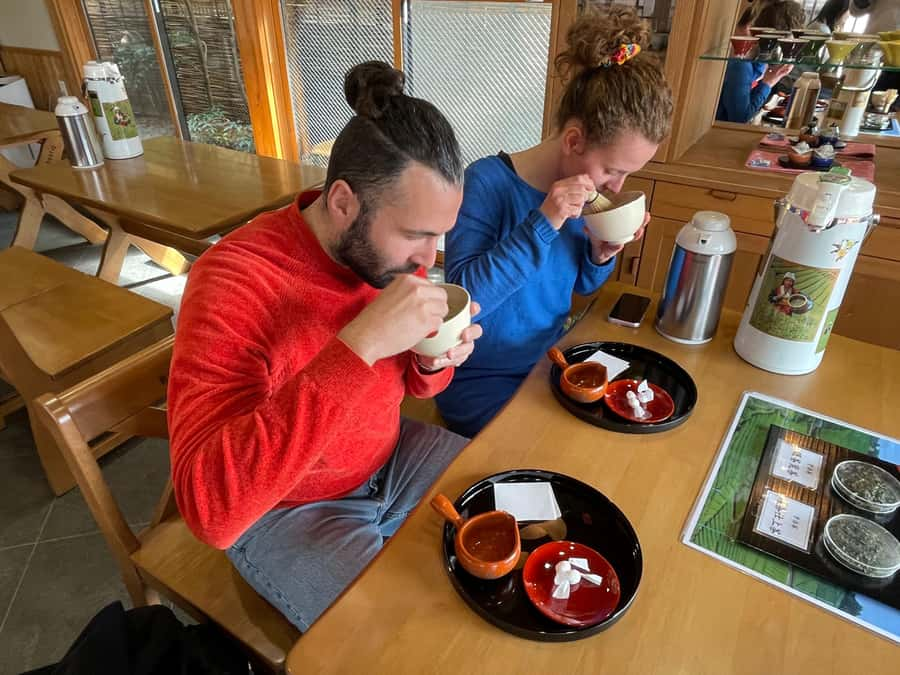
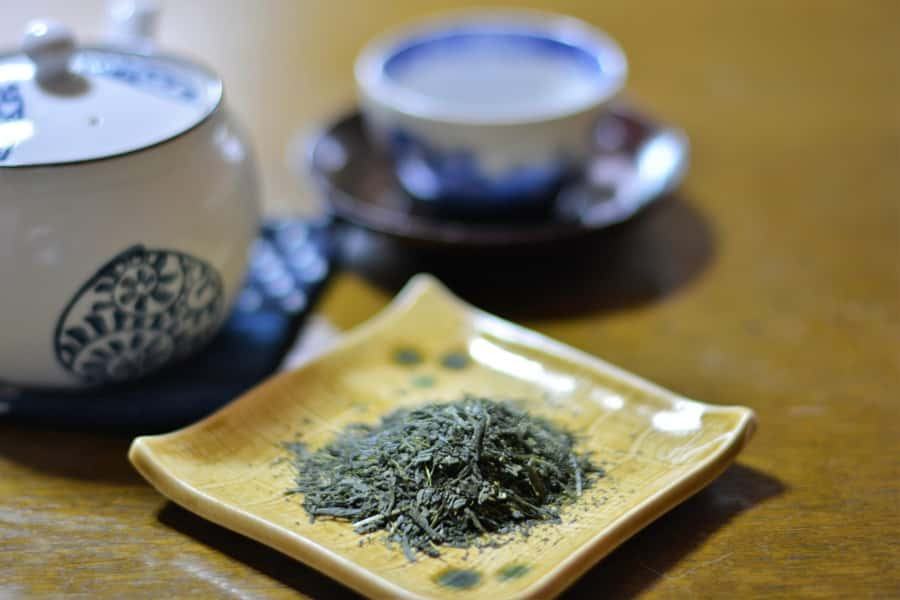
The tea portion is the heart of the morning. You taste Japanese green tea, including high-grade gyokuro, and learn how it is grown and prepared. Gyokuro is valued for its careful production and concentrated flavor, so the brewing method matters.
This is not a rushed cup poured while someone recites a few facts. The guide explains how water temperature, timing, and brewing choices change what you taste. You may notice different levels of sweetness, bitterness, fragrance, and savory flavor from one preparation to the next.
That practical lesson is valuable because it gives you something to use later. If you buy tea in Uji, you will have a better idea how to treat it at home. You also gain a clearer sense of why premium Japanese tea can cost more than an everyday packet.
The best surprise comes at the end. Instead of throwing away the leaves, you mix them with ponzu sauce and eat them. The texture and flavor will not suit everyone, but it is an inventive and very Japanese way to finish the tasting. It also turns tea production into something tangible: you are not just smelling or sipping the leaf, you are tasting the plant itself.
Tea lovers will get the most from this section, but you do not need to arrive with special knowledge. The guides are used to explaining the subject to first-time visitors, and several have been praised for answering broad questions about Japanese customs along the way.
Food and drinks beyond the tea experience are not included. You should plan to buy lunch or a snack separately, especially if the tour runs close to midday.
Ujigami Shrine, spring water, and quiet woods

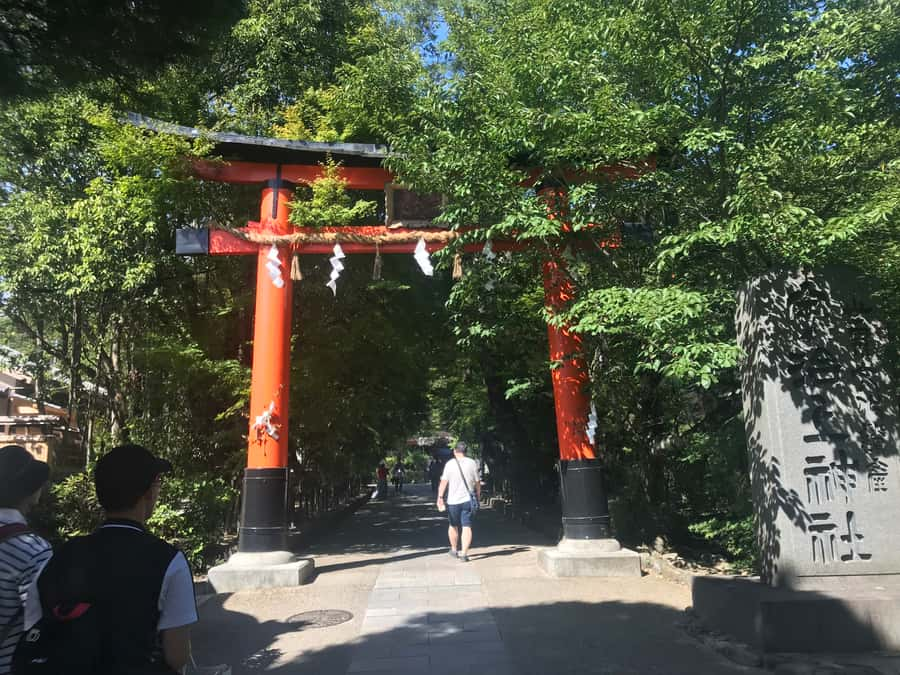
After the tea tasting, the route goes into the mountain greenery toward Ujigami Shrine. The shrine is presented as Japan’s oldest extant Shinto shrine, and it is also a UNESCO World Heritage site.
The setting matters as much as the age. You leave the shop-lined streets and enter a more natural space, where the wooded surroundings help explain why sacred places in Japan are often linked to springs, rocks, trees, and hills.
Ujigami Shrine is associated with Uji’s guardian deities. The site also contains the last remaining source of natural spring water in the area that many tea houses still collect for brewing. You can step into a stone grotto and purify yourself with the water.
Your guide will explain how to behave at a Shinto shrine and how Shinto practice differs from Buddhist worship. Several guides, including Brian, Bryan, Damien, Ferdinand, and David, have been praised for explaining these customs in a way that helps you feel respectful without becoming anxious about doing everything perfectly.
That is one of the tour’s strongest features. Temples and shrines can look beautiful but confusing if you do not know what you are seeing. A guide can explain what the gates, water, gestures, and spaces mean, then show you how to take part in a simple and respectful way.
More Green Tea Tours in Uji:
- Experience all of Japanese culture and Japanese food experience classes “origami, udon, Japanese food, green tea, calligraphy” in 4 hours
★ 5.0 · 105 reviews - Scenic Green Tea Fields of Hidden Kyoto & Local Tea Exp (Private)
★ 5.0 · 32 reviews - Osaka; Japanese Tea ceremony experience, Macha and Sencha
★ 4.9 · 29 reviews - Kyoto Matcha Green Tea Tour
★ 4.7 · 28 reviews
The Uji River and the road to Byodo-in
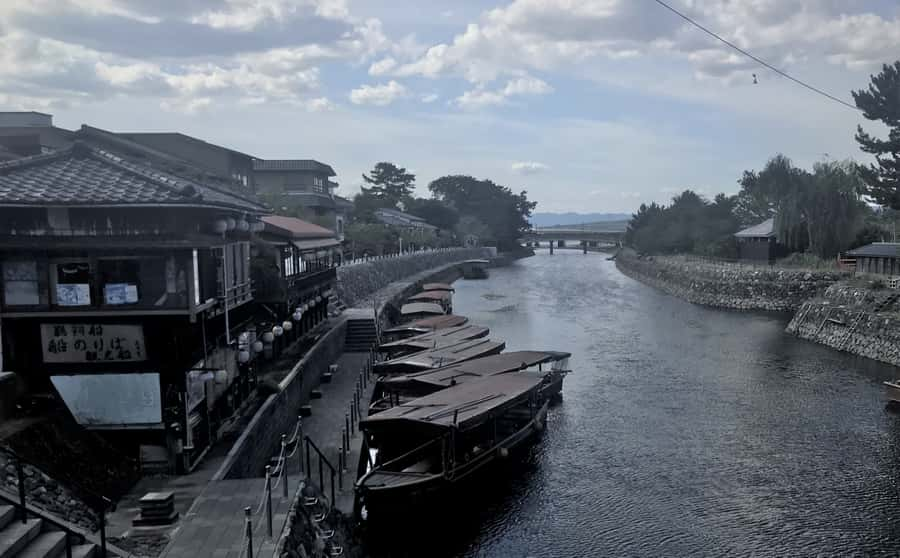
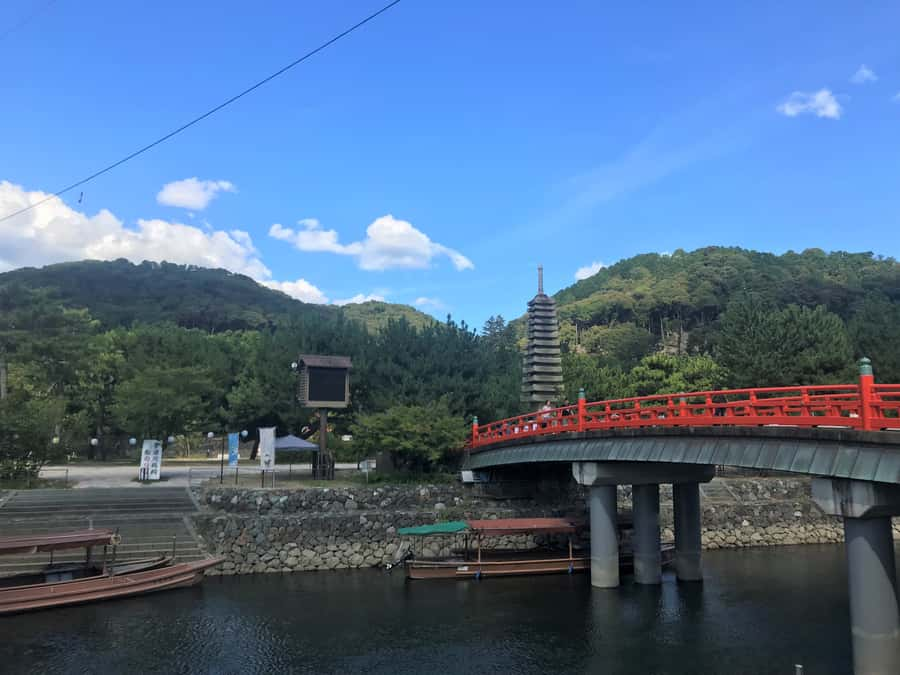
From Ujigami Shrine, you cross the Uji River and follow the approach to Byodo-in Temple. The river gives the tour a welcome change of pace. You get open views of the water and surrounding hills before returning to a more developed street lined with tea shops and food businesses.
The pilgrimage road has deep connections with Uji’s tea trade. Shops along the route reach back to the medieval period, and today you can browse tea, matcha sweets, souvenirs, and meals. The area can feel lively, especially compared with the wooded shrine path, but it is not the same kind of crowded sightseeing corridor found in central Kyoto.
If you have time after the tour, this is a good place to look for matcha noodles, matcha ice cream, or packaged tea. The tour itself does not include those purchases, so treat them as optional extras rather than part of the price.
Byodo-in and the Phoenix Hall
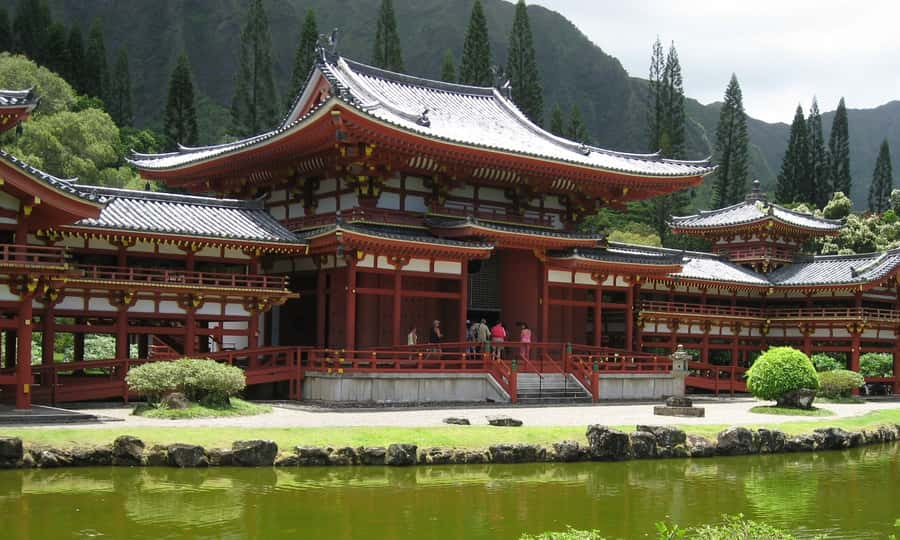
Byodo-in is the major temple visit and one of the clearest reasons to consider this tour. Admission is included, and the temple is a UNESCO World Heritage site.
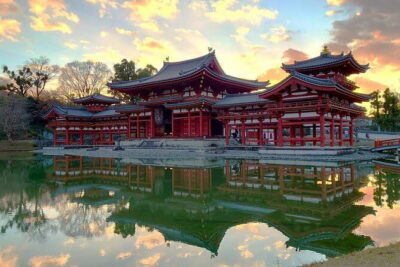
The centerpiece is Phoenix Hall, the elegant building shown on the back of Japan’s 10-yen coin. Its image is familiar, but seeing it across the pond gives the design more force. The building reflects the Heian Period, from 794 to 1185, when aristocratic culture, Buddhist ideas, and courtly architecture shaped Kyoto and the surrounding region.
The guide connects the temple to the larger story of Uji. Here, religion, wealth, political power, and ideas about the afterlife meet in one carefully designed place. Stories of war and changing power also help explain why some buildings survived while others did not.
The modern museum is another strong point. It displays Buddhist images and historic objects in a controlled setting, allowing you to examine details that may be hard to see from outside. A guide adds context, but you will also have time to appreciate the objects without treating the museum as a quick passage to the main hall.
Byodo-in can attract many people, so the timing of your visit may affect how peaceful it feels. The tour does not promise an empty temple. Still, having a guide helps you focus on the design and meaning rather than simply taking a picture and moving on.
Koshoji Temple, the quieter finish
The final temple is Koshoji, a mountain-side temple that hugs the slope and offers a calmer finish to the day. Its position gives the end of the tour a different mood from Byodo-in’s famous central hall and museum.
This is where the walking and setting work together. You have already tasted tea, crossed the river, visited a shrine, and considered Uji’s political and religious past. Koshoji gives you time to slow down and take in the temple’s connection to the surrounding hills.
Admission is included. The temple also brings the physical demands of the tour into focus. You will encounter stairs and uneven or uphill sections, so comfortable shoes are essential. Rain does not cancel the tour, and wet weather may make the paths feel more tiring.
Some people will find that a rainy day adds to the quiet mood. Others will prefer clear weather for the river views and walking. Either way, bring clothing suitable for the forecast and expect the tour to continue in rain or shine.
The guides make the difference

The company assigns different guides, so the personality of your morning may vary. Damien has been praised for flexibility and for explaining both Shinto and Buddhist practices. Ferdinand is noted for broad cultural knowledge and thoughtful explanations. Brian and Bryan are associated with strong storytelling, local paths, and clear tea instruction.
David has been praised for a relaxed pace, detailed explanations, and help with tea and shrine questions. Kevin has helped people find the correct train afterward. Lito has been described as personable and good with photographs and local recommendations, while Mardi has adapted routes to suit a group’s interests.
These details matter because the tour contains several layers. You are not only looking at buildings. You are learning how to drink tea, how to act at a shrine, why a temple was built, and how Uji fits into Japanese history. A guide who can connect those pieces makes the four hours feel useful rather than hurried.
The language choices are English and Spanish. The advertised price is $111 per person. That is not a bargain if you only want to see Byodo-in, since you could visit Uji independently. The value comes from the included temple admissions, the gyokuro experience, transportation guidance within the town, and the explanations that turn separate sights into one story.
The option to reserve now and pay later, along with free cancellation up to 24 hours before the start, gives you some planning flexibility. Check the available starting times before booking, since the tour runs for four hours and returns to the meeting point.
Who should book this Uji experience?
I would choose this tour if you want more than a quick Byodo-in photo stop. It suits first-time visitors who want help understanding Japanese temples and shrines, tea drinkers who want to learn how premium tea is prepared, and families who prefer a guided day with a clear route.
It also works well as a break from Kyoto’s crowded central sights. Uji is close enough for an easy side trip but offers river views, wooded paths, and a slower rhythm.
I would hesitate if you dislike walking, cannot manage stairs, or have back or heart problems. The tour is not recommended for people with mobility impairments, and the mountain-side sections may be tiring even if you normally enjoy sightseeing.
Should you book it?
Book this tour if you want Uji explained rather than simply photographed. The strongest parts are the gyokuro tasting, the unusual chance to eat the tea leaves, the connection between samurai and tea culture, and the guide-led visits to Ujigami Shrine, Byodo-in, and Koshoji.
Skip it if your priority is a short, self-directed temple visit or if the price feels high for a half-day outing. For most visitors who want cultural context, an intimate group, and a thoughtful route beyond the main tourist trail, the $111 fee is reasonable. Wear good shoes, leave room for questions, and keep a little extra time afterward for Uji’s tea shops and riverside streets.
FAQ
Where does the tour start?
The tour starts at the only exit of Keihan Uji Station. An escalator goes all the way to ground level.
Where does the tour end?
The activity ends back at the meeting point.
How long does the experience last?
The tour lasts four hours. Starting times vary, so check availability when booking.
What languages are available?
Live guides are available in English and Spanish.
Is the tour private or shared?
Private and small-group options are available.
Is tea included?
Yes. The experience includes a Japanese gyokuro green tea session and tea tasting.
Are temple admission fees included?
Yes. Admission to Byodo-in and Koshoji Temple is included.
What should I bring?
Bring comfortable shoes. The tour includes stairs and mountain-side walking, and it takes place in rain or shine.
Newly steeped around Uji
- Kyoto tea town for matcha lovers★ 5.0 · 16 reviews
- Uji: Private immersion into Kyoto’s tea and reglious culture★ 5.0 · 17 reviews
- Uji and Wazuka Matcha Farm Half Day Private Guided Tour★ 5.0 · 21 reviews
- Utilising upcycled Matcha! Creating matcha incense (Uji, Kyoto)★ 5.0 · 6 reviews
- Kyoto Matcha Green Tea Tour★ 4.5 · 23 reviews
- Uji Tea Ceremony and UNESCO Heritage Walking Tour★ 5.0 · 20 reviews
- 7 Hours Private Guided Tour Uji and Wazuka Matcha Farm★ 5.0 · 2 reviews
- Half Day Matcha Tour in Uji, home of culture, with a local★ 4.8 · 14 reviews
Green Tea Tours, compared.
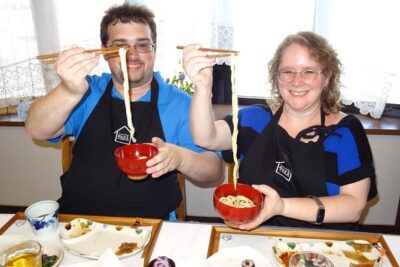
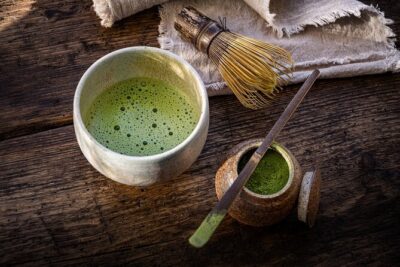
Scenic Green Tea Fields of Hidden Kyoto & Local Tea Exp (Private)
Read our review →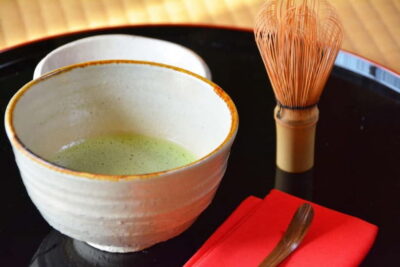
Osaka; Japanese Tea ceremony experience, Macha and Sencha
Read our review →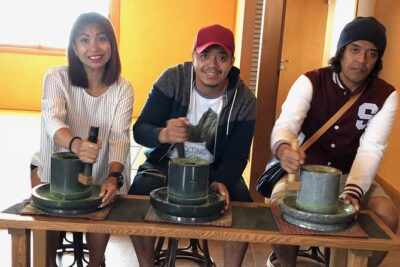
Slow Cycling Tour at Uji’s Matcha Green Tea Fields and Heritage
Read our review →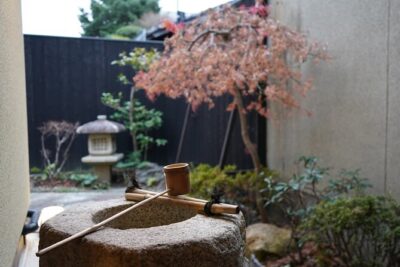
Sencha-do the Japanese Tea Ceremony Workshop in Kyoto
Read our review →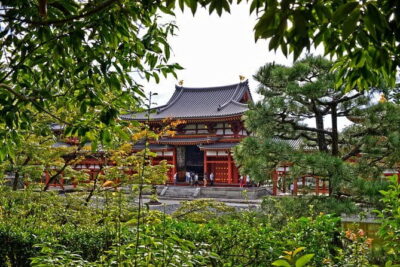
Uji Tea Ceremony and UNESCO Heritage Walking Tour
Read our review →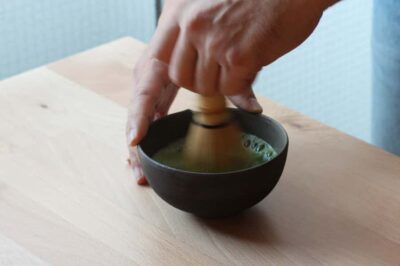
Authentic Japanese tea tasting: sencha, matcha and gyokuro
Read our review →Browse the lists this tea experience appears in