
Review · SEOUL
Seoul: Herbal Tea Class & Korean Medicine Tour
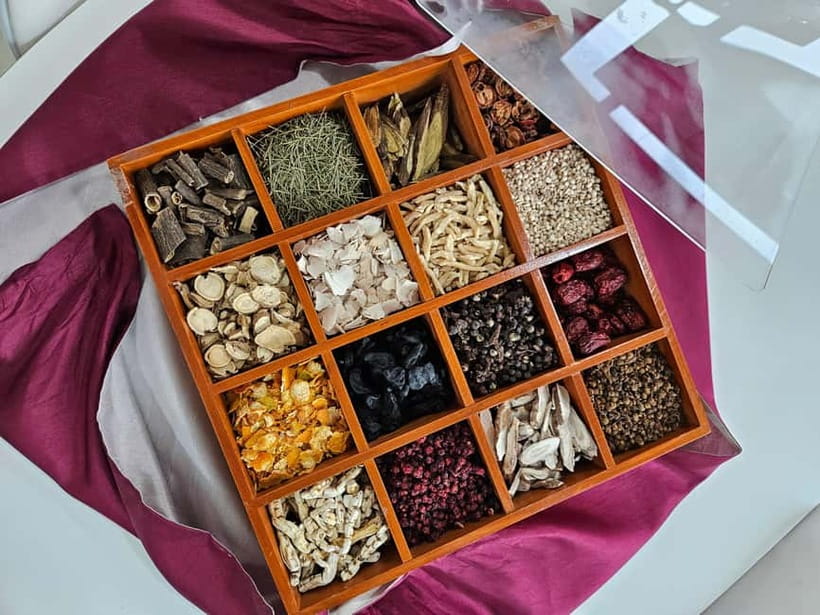
Seoul’s Korean Medicine Tour begins with a table full of herbs you can touch, smell, compare, and use. Under the guidance of Sungil Choi, you’ll make a personal tea blend, then visit the K-medi Center and Yaknyeong Market for a look at Korea’s traditional medical culture.
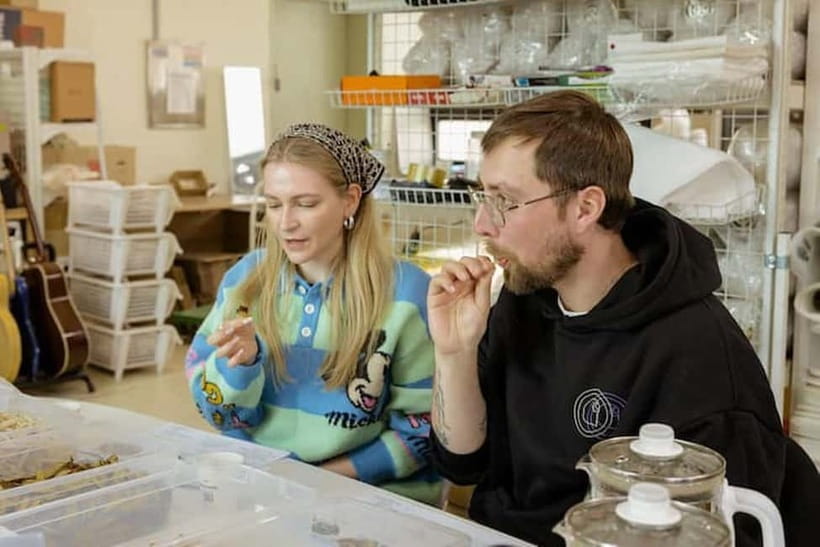
I like the hands-on tea making, which gives the afternoon a clear purpose instead of turning it into a passive lecture. I also like the flexible approach: Choi adjusts the discussion for beginners, curious home cooks, or people who already know something about herbs.
The main caution is that the museum portion may depend heavily on the guide’s availability and English explanations. One visitor found the exhibits easy to explore but wanted more spoken interpretation, while another praised the museum commentary. Optional treatments and shopping also cost extra, so your final bill can rise above the $50 tour price.
Key points to know before booking
- About 40 herbs to examine: You handle commonly used ingredients from Traditional Korean Medicine rather than simply looking at them behind glass.
- Your own tea blend: You choose ingredients with guidance, drink some during the session, and take the rest home in a bottle.
- A flexible lesson: Sungil Choi adjusts the explanations to your level and interests.
- K-medi Center and Yaknyeong Market: The museum visit adds context to the workshop and introduces Seoul’s herbal medicine district.
- Optional treatments cost extra: Foot baths, massage, acupuncture, moxibustion, and clinic visits are separate purchases.
- A 2:00 p.m. start: The activity begins at Room 401 and returns to the same meeting point.
Starting at Room 401 with Sungil Choi
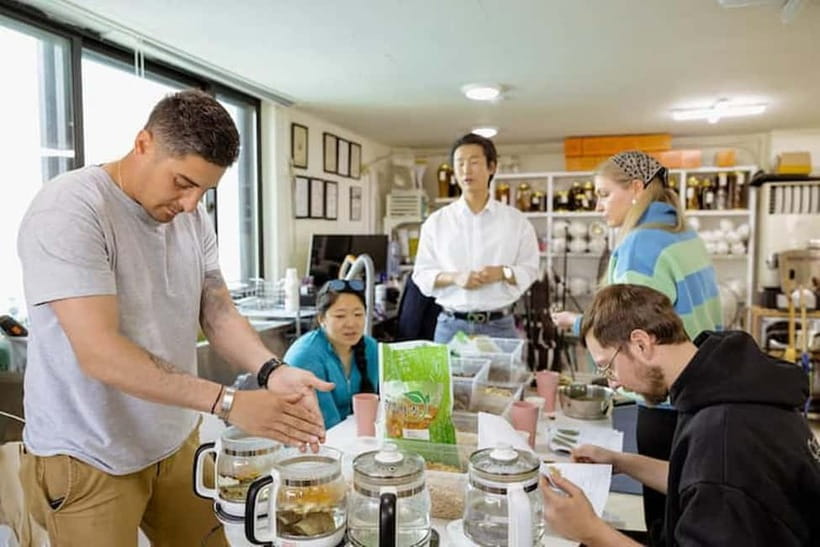
The afternoon starts at 2:00 p.m. in Sungil Choi’s workshop, listed as Room 401. If Seoul addresses make your head spin, the meeting instructions are sent on the day of the tour, which should make the first step easier.
Choi studied herbal subjects at university and has worked as an herbal specialist since 2017. His work includes selling medicinal herbs in South Korea, so this is not simply a generic tea tasting. The focus is on how herbs are identified, combined, and discussed within Traditional Korean Medicine.
The session is taught in English. That matters because the subject can become dense very quickly. Korean medicine uses its own vocabulary and ideas, and the tour tries to keep the first explanations simple enough for someone with no previous background.
You should still expect a conversation rather than a medical school class. The purpose is to help you understand the basic framework and make an informed tea blend, not to diagnose illness or replace advice from a licensed medical professional.
More Tea-Making Classes around the world:
- London: Traditional English Scone Making and Tea Workshop
★ 5.0 · 702 reviews - London Traditional English Scone Making and Tea Workshop
★ 5.0 · 271 reviews - Marrakech: Moroccan Pastries and Tea Class with a Local
★ 4.7 · 84 reviews
Handling 40 herbs at the workshop
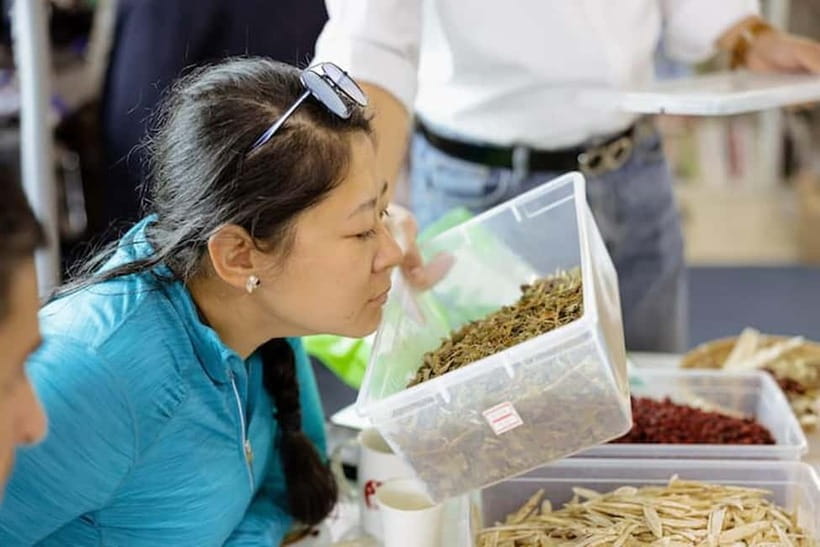
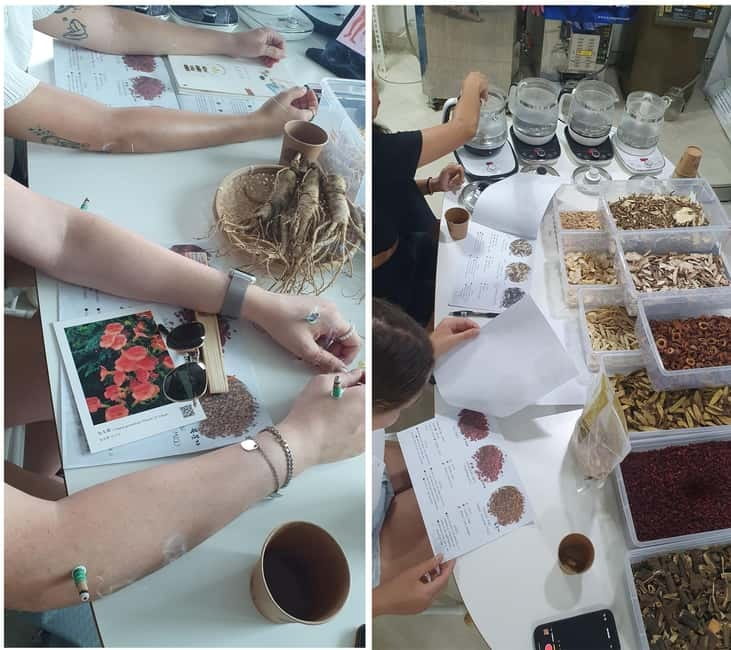
The strongest part of the experience is the herb table. You’ll see, touch, and examine around 40 commonly used medicinal herbs connected with Traditional Korean Medicine.
That physical contact makes a difference. Dried roots, leaves, bark, seeds, and other plant ingredients can look remarkably similar in photographs. Smelling and handling them helps you notice why identification and preparation matter.
Choi explains what the herbs are used for within Korean medicine and helps you think about which ingredients might suit your interests. The language here should be understood as traditional practice, not a promise of medical results. If you take prescription medicine, have a health condition, or are pregnant, ask a qualified medical professional before using herbs for treatment.
I would allow yourself time to ask basic questions. This is one of the better settings for asking why two ingredients are combined, why a certain herb is prepared in a particular way, or how Korean medicine describes balance in the body.
The flexible teaching is useful here. Beginners can learn the basic purpose of each plant without being buried in technical terms. People with prior interest can ask more specific questions and spend more time on the plants that catch their attention.
Blending a tea that you can take home
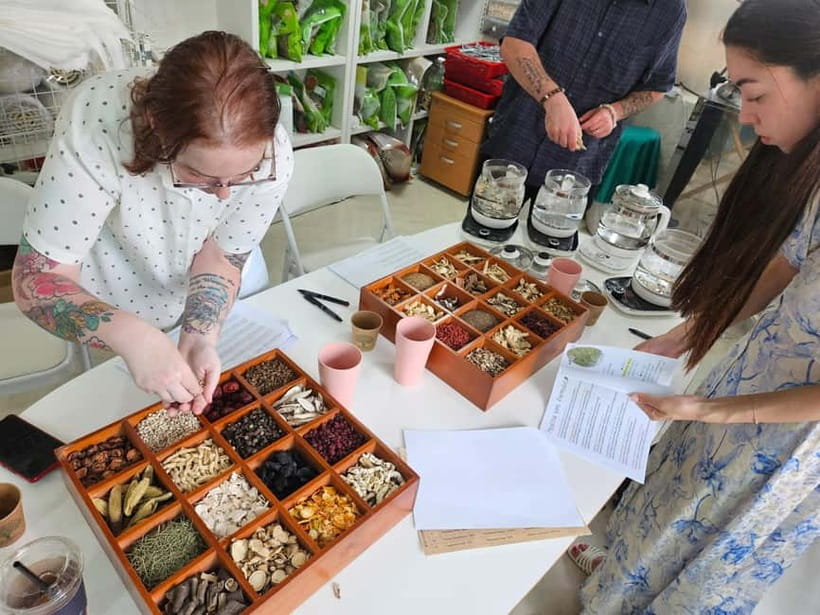
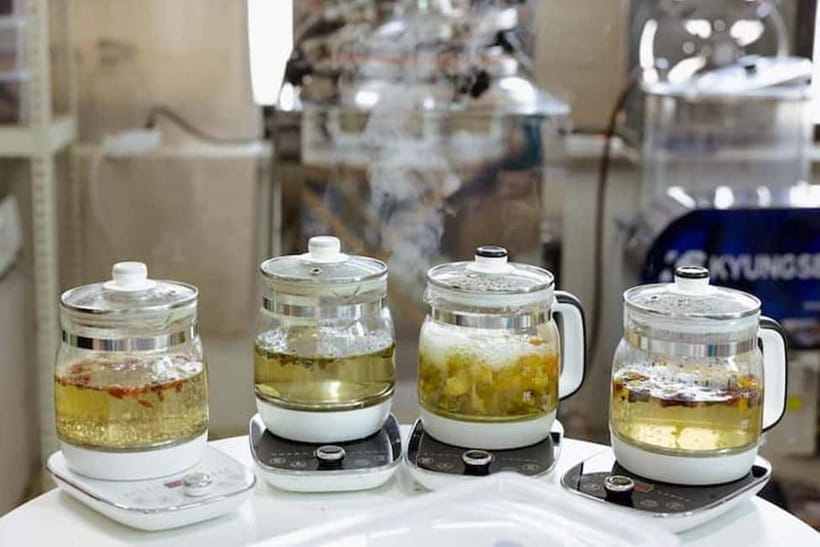
After the introduction, you select ingredients for a personalized herbal tea. The guide provides the herbs and teapot needed for blending, then helps you make a combination suited to your interests.
This is the point where the tour becomes more than a museum visit. You are not simply told that Korean medicine values balance. You make a small decision about how ingredients work together, then taste the result.
The welcome drink is an herbal medicine tea, and you also prepare your own blend during the workshop. After drinking some of your tea, you receive a bottle for taking it home. That small bottle is a useful souvenir because it connects directly with what you learned instead of sitting unused in your luggage.
The exact blend depends on your discussion with Choi. Do not expect a fixed menu of identical ingredients for every participant. The personal element is one of the main reasons to choose this experience over a standard tea ceremony.
The lesson also introduces differences between Eastern and Western medicine. The comparison is presented in an accessible way, with Traditional Korean Medicine explained through ideas such as Yin-Yang and the Five Elements.
These concepts can sound abstract if you encounter them in a book. Here, they are tied to the herbs and your tea. You will not master the complete system in one afternoon, but you should leave with a clearer sense of how Korean medicine organizes its ideas about balance and health.
From the workshop to the K-medi Center
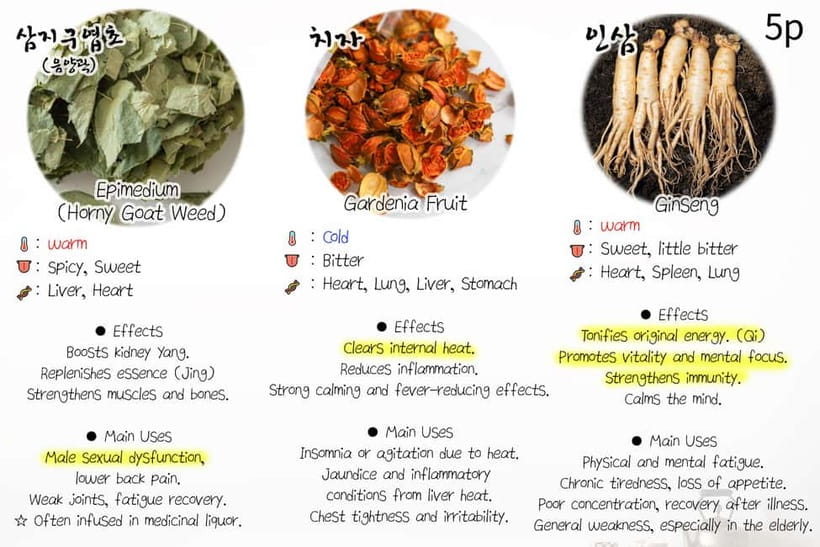
After a short break and your tea, the tour continues to the K-medi Center. This area connects the workshop experience with Seoul’s wider Korean medicine scene and the Yaknyeong Market district.
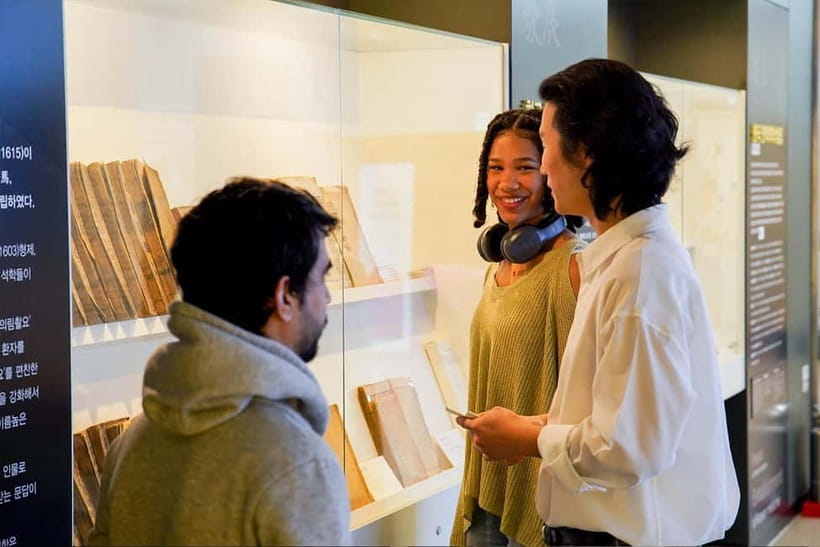
The Traditional Korean Medicine Museum is the main planned stop. You receive admission and a guided explanation of the exhibits from a Korean medicine specialist.
The museum itself may contain Korean-language displays, so the quality of the spoken guidance matters. One account of the experience found that some displays had no English text and that phone translation was needed. Another found the museum explanations very useful. I would treat this as a possible weak point and ask questions directly rather than assuming every panel will be translated.
That said, the museum is valuable after the workshop because you already have some basic terms in mind. You can connect what you saw on the herb table with the objects, displays, and medical traditions presented at the center.
If your main reason for booking is a long, formal museum tour in English, this may not be the right choice. If you want a practical introduction followed by a museum visit, the order makes sense.
More Tea Experiences around the world:
- Kyoto: Tea Ceremony in a Traditional Tea House in Kiyomizu
★ 4.9 · 3,519 reviews - London: Afternoon Tea Cruise on the River Thames
★ 4.4 · 3,274 reviews - Kyoto: Tea Ceremony Ju-An at Jotokuji Temple
★ 4.9 · 3,207 reviews - Afternoon Tea Bus Tour in Dublin
★ 5.0 · 2,791 reviews
Optional foot baths, massage, and medical consultations
After the museum, you can choose from several extra activities. These are not included in the $50 price, and you should budget separately if one appeals to you.
The options include:
- An outdoor foot bath for 6,000 KRW per tub, with one tub fitting two people
- Meridian massage for 5,000 KRW per person
- Moxibustion or acupuncture for approximately 50,000 KRW
- A Korean medicine clinic consultation for around 50,000 KRW without health insurance
Prices may vary slightly, especially for clinic services. Shopping for herbs is also separate.
Choi can help interpret your symptoms for the doctor and guide you through the consultation and treatment process. He can connect you with a suitable specialist based on your needs. This support may be useful if you are curious about how a Korean clinic works but feel uncertain about handling the conversation in English.
Still, keep your expectations sensible. A tour guide’s help with interpretation is not the same as medical advice. If you choose acupuncture, moxibustion, or clinic treatment, discuss your health history openly with the practitioner and make sure you understand the cost before treatment begins.
The foot bath and massage are easier additions for someone who wants a relaxing finish without committing to a medical appointment. They also keep the afternoon affordable if you simply want to learn and enjoy the setting.
What the $50 price includes
At $50 per person, the tour offers more than a short tea demonstration. Your fee includes the welcome herbal tea, the herbs and teapot for your blend, the basic Traditional Korean Medicine lesson, a take-home bottle, museum admission, and museum commentary.
The value depends on what you want from the afternoon. If you enjoy asking questions and want a personal introduction to herbs, the workshop makes the price reasonable. The museum ticket and guide’s time add useful structure, while the take-home tea gives you something practical to remember the session.
The value is less clear if you mainly want a long tour of market stalls or a full medical consultation. Shopping and treatments are not part of the base fee, and the museum commentary may be lighter than you expect.
I would set aside extra cash only if you already know you want a foot bath, massage, or treatment. You do not need to pay for those additions to get the main experience.
Who will enjoy this afternoon most
This tour is a good fit for several types of visitor:
- You are new to Korean medicine and want a friendly starting point.
- You enjoy food, plants, tea, and traditional health practices.
- You prefer making something yourself to watching a demonstration.
- You already know a little about herbs and want to ask more focused questions.
- You want to visit Yaknyeong Market and the Korean Medicine Museum with some context.
- You are curious about a Korean clinic but want help understanding the process.
It may be less suitable if you want a fast-paced sightseeing tour. The appeal lies in conversation, handling herbs, and following a subject at your own speed.
It is also not the right choice if you expect medical treatment to be included. The optional clinic services can be arranged, but they are paid separately. Think of the main tour as education and cultural context, with treatment available only as an add-on.
The guide’s follow-up support
One unusual feature is the offer to stay connected after the tour for questions. If you buy herbs or take home a blend, you can ask follow-up questions rather than trying to remember every detail from the afternoon.
That support is especially helpful because one session cannot explain every part of Korean medicine. Choi openly frames the tour as an introduction to a very broad subject, then adjusts the time toward your interests.
The personal attention is also why group dynamics matter. A small group or private booking should allow more questions and a more tailored tea blend, while a larger group could make the workshop feel less personal. The exact group size is not provided, so I would ask before booking if that detail is important to you.
A further practical point: ask before any photography or video recording. One participant objected to content being recorded without everyone’s permission. Even when the guide is creating material for the business, you should feel comfortable stating your preference clearly.
Booking, timing, and practical details
Plan for a 2:00 p.m. start and an ending back at the same meeting point. The exact total length is not specified, so avoid scheduling a tight evening appointment immediately afterward.
The activity is offered in English, and detailed directions to Room 401 are sent on the day of the tour. You can reserve now and pay later, which helps if your Seoul plans are still shifting. Cancellation is allowed up to 24 hours in advance for a full refund.
Wear something comfortable for sitting, handling tea, and moving between the workshop and K-medi Center. The tour includes a short break, but it is sensible to eat before the 2:00 p.m. start if you need a full meal. The schedule is centered on learning and tasting, not lunch.
Should you book this Korean Medicine Tour?
Book it if you want a personal, practical introduction to Korean herbs rather than a quick photo stop. The best parts are the 40-herb workshop, the tailored tea blend, and the chance to connect those ideas with the K-medi Center and Yaknyeong Market.
I would book with two expectations in mind. First, the museum commentary may vary, and some English translation may fall to your phone. Second, treatments, massage, foot baths, clinic visits, and purchases are extra.
For an herbal enthusiast, curious first-time visitor, or anyone interested in the difference between Korean and Western medical traditions, the $50 price is fair. If you mainly want a polished museum tour or included medical treatment, choose another activity. For everyone else, this is a thoughtful way to spend an afternoon learning something specific and taking home a tea you made yourself.
FAQ
Where does the Korean Medicine Tour begin?
The tour begins at Room 401. Detailed directions are sent on the day of the activity for anyone unfamiliar with the address.
What time does the tour start?
The activity begins at 2:00 p.m.
Who leads the experience?
The tour is led by Sungil Choi, an herbal specialist who studied herbal subjects at university and has worked with medicinal herbs since 2017.
What language is the tour offered in?
The tour is offered in English.
How many herbs will I see?
You will examine around 40 commonly used medicinal herbs from Traditional Korean Medicine.
Can I make my own tea?
Yes. You choose and blend ingredients with guidance, enjoy some of the tea during the session, and take tea home in a bottle.
Are acupuncture and other treatments included?
No. Acupuncture, moxibustion, clinic treatment, massage, foot baths, and herb purchases are optional and cost extra.
Can I cancel or pay later?
Yes. You can reserve and pay later, and you can cancel up to 24 hours before the activity for a full refund.
Newly steeped around the world
- York: Private Horse-Drawn Carriage Ride and Afternoon Tea★ 5.0 · 3 reviews
- Yokohama : Tea Ceremony with Sweets and Souvenir★ 5.0 · 5 reviews
- Whisk Your Own Matcha: A Zen Matcha Experience at Temple★ 3.6 · 7 reviews
- Yogyakarta: Prambanan Tour, Sukuh Temple & Tea Plantation★ 5.0 · 3 reviews
- Washington, D.C.: Tea Around Town Bus Tour with Landmarks★ 3.4 · 7 reviews
- Walking Tour: Yanaka,Nezu& Sendagi: Tea Ceremony & Old Tokyo★ 5.0 · 3 reviews
- Wadi Rum: 2-Hour Jeep Tour with Bedouin Tea★ 5.0 · 11 reviews
- Volcano, Hot Spring, Mud Bath & Tea plantation all included★ 5.0 · 5 reviews
Tea Making & Blending Classes, compared.
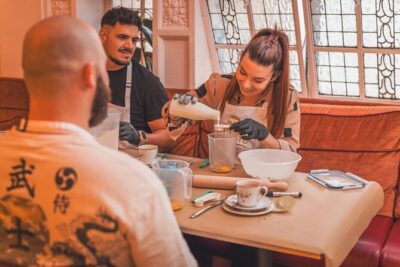
London: Traditional English Scone Making and Tea Workshop
Read our review →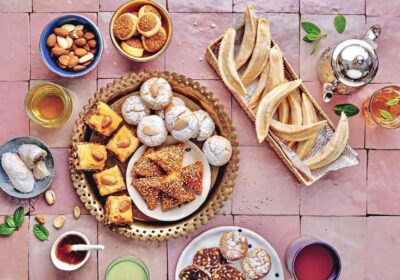
Marrakech: Moroccan Pastries and Tea Class with a Local
Read our review →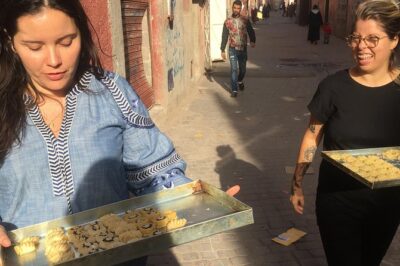
Moroccan Hands on traditional pastries & Tea class in Marrakech
Read our review →
Istanbul: World Teas & Turkish Tea Brewing, Tasting Workshop
Read our review →
Discover Japanese Tea Blending Techniques in Osaka
Read our review →
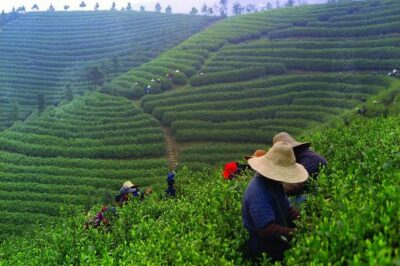
Experience Chengdu: Private Tea-Making Day Tour of Mengdingshan Tea Plantation
Read our review →
Taipei Fresh Market Tour and Colorful Bubble Tea Making
Read our review →Browse the lists this tea experience appears in