
Review · SOUTH KOREA
Boseong Tour : Green Tea Field, Mountain & Lake Trail (Private)
Boseong’s tea fields are the star, but this private day goes well beyond a pretty hillside. You’ll walk through Daehan Dawon, sip tea in a hands-on ceremony, follow a quiet lake trail, and see the old stone route once used to move Ondol slabs down Mt. Obongsan.
I like the mix of nature and local culture. I also like the thoughtful food choices, from green-tea pork patties to lotus-leaf rice for vegetarians. The main drawback is the long day: about 10 hours, with roughly 70 minutes of driving from Gwangju each way and another 40 minutes between the tea museum and lake.
Key points at a glance
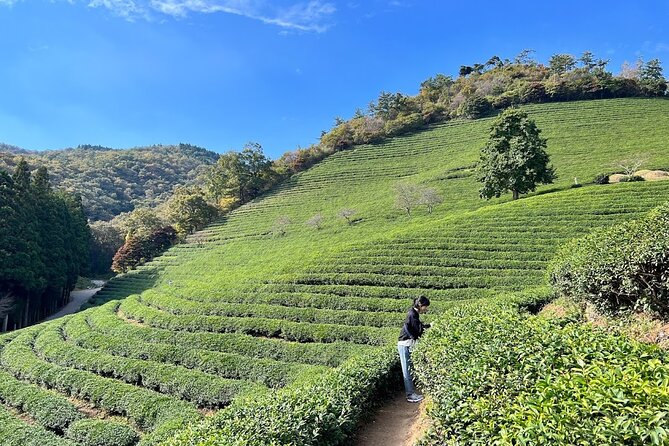
- Daehan Dawon’s famous tea hills: Walk uphill through Boseong’s iconic rows of tea bushes to a viewpoint, then cool off with green tea ice cream.
- A real Korean tea lesson: The Korea Tea Museum includes a tea ceremony class and green tea tasting, not just display cases.
- Lunch with local flavor: Choose grilled pork patties made with green tea powder, cockle bibimbap, or a vegetarian option such as lotus-leaf rice.
- A peaceful 3.9-kilometer walk: Haepyeong Lake Trail brings cedar, bamboo, maple, cherry trees, stone towers, and forest air.
- History under your feet: Mt. Obongsan’s old cart trail recalls the quarrying of Gudeuljang, flat stone used in Korea’s traditional Ondol heating system.
- A genuinely private format: Only your group takes part, with transportation, meals, admissions, tastings, and the guide’s time included.
Why Boseong makes a rewarding day from Gwangju
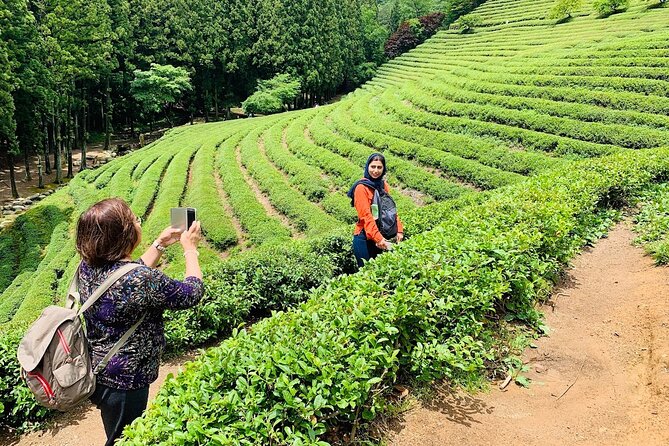
Boseong is known across Korea for green tea, and the setting explains why. Tea bushes cover the hills in neat, rounded rows, creating a striking pattern that changes with the light and season. The area remains green throughout the year, so you are not limited to one short viewing window.
The drive from Gwangju takes about 70 minutes. That is long enough to make a private vehicle useful, especially if you want to combine several places that are spread across Boseong County. You do not have to work out separate buses, connections, and rural taxi rides.
This is also more than a photo stop. The day links agriculture, food, Korean tea customs, forest walking, and an unusual piece of industrial history. If you only want to see a tea plantation, a shorter visit may be enough. If you want to understand why Boseong matters, the wider route earns its place.
More Green Tea Tours in the world:
- Experience all of Japanese culture and Japanese food experience classes “origami, udon, Japanese food, green tea, calligraphy” in 4 hours
★ 5.0 · 105 reviews - Uji: Green Tea Tour with Byodoin and Koshoji Temple Visits
★ 4.8 · 72 reviews - Scenic Green Tea Fields of Hidden Kyoto & Local Tea Exp (Private)
★ 5.0 · 32 reviews
Walking through Daehan Dawon’s tea-covered hills
Your first major stop is Boseong Green Tea Field, Daehan Dawon. Admission is included, and you have about two hours here. That gives you time to walk at a steady pace rather than rush in for one photograph.
The path leads uphill toward an observatory. You can expect a moderate walk, fresh air, and broad views across layered slopes of tea bushes. The appeal is simple: the plantation is enormous, and the repeating lines of plants make the hills look carefully drawn.
I like starting here because it gives you the big visual experience before the quieter parts of the day. You see the scale of Boseong’s tea production, not just a small garden. The green tea ice cream at the end adds a light, cheerful finish to the walk.
You should still take the uphill section seriously. The tour asks for a moderate level of physical fitness, and the day later includes a trail and a mountain walk. Wear shoes that are comfortable on paths and uneven ground. Daehan Dawon is green year-round, but weather will affect comfort and visibility.
Lunch in Boseong-eup with useful choices
Lunch lasts about one hour and 10 minutes in a local restaurant in Boseong-eup. The featured dish is a grilled pork patty seasoned with green tea powder and served with rice. It is a practical way to taste Boseong’s tea culture in a meal rather than treating tea as something reserved for a cup.
You can also request cockle bibimbap, another local specialty. For vegetarians, the stated alternative is steamed rice wrapped in a lotus leaf, and Italian pasta is also available. These choices matter because the meal is built into the day, so you are not left searching for food between rural stops.
I would tell the guide about dietary needs early. The tour description gives clear alternatives, but meal changes are easier when discussed before you sit down. Alcoholic drinks are not included, while lunch itself is included in the price.
Learning how Korean tea is prepared
The Korea Tea Museum is more useful than a quick gift-shop stop. It was established in 2010 and explains the full tea process, from cultivation through production, with graphic panels, images, and dioramas.
The best part for many people will be the tea ceremony room. The class is included, along with green tea tasting, and gives you a chance to learn how tea is prepared and served in Korea. This adds a human scale to the plantation visit. You have already seen the bushes and eaten food made with tea powder, and now you learn how the finished drink fits into Korean culture.
Allow about one hour and 10 minutes here. That is enough time to view the exhibits and take part in the hands-on portion without turning the stop into a rushed lesson.
The museum also gives the day some shelter and variety. After the open paths at Daehan Dawon, you get an indoor cultural stop before returning to the countryside. The 40-minute drive from the museum to Haepyeong Lake is worth noting, though. You will spend a fair part of the day in the vehicle, even with a private schedule.
More Tea Experiences around the world:
- Kyoto: Tea Ceremony in a Traditional Tea House in Kiyomizu
★ 4.9 · 3,519 reviews - London: Afternoon Tea Cruise on the River Thames
★ 4.4 · 3,274 reviews - Kyoto: Tea Ceremony Ju-An at Jotokuji Temple
★ 4.9 · 3,207 reviews - Afternoon Tea Bus Tour in Dublin
★ 5.0 · 2,791 reviews
The Nokcha-ro viewpoint and a welcome pause
Nokcha-ro is a short stop of about 20 minutes. Here you pause at a viewpoint where a lake and tea farms share the scene. It is free to visit and works as a simple breathing space between the museum and the longer walking portion.
Do not expect a full attraction with a long program. The value is the view and the chance to rest. Your guide can help you make the most of the short stop, especially if weather or daylight changes the visibility.
This is one reason a private tour helps. The schedule includes several short pauses, and your group can use them for photographs or a quick reset without managing a large party.
Haepyeong Lake Trail, 3.9 kilometers of quiet walking
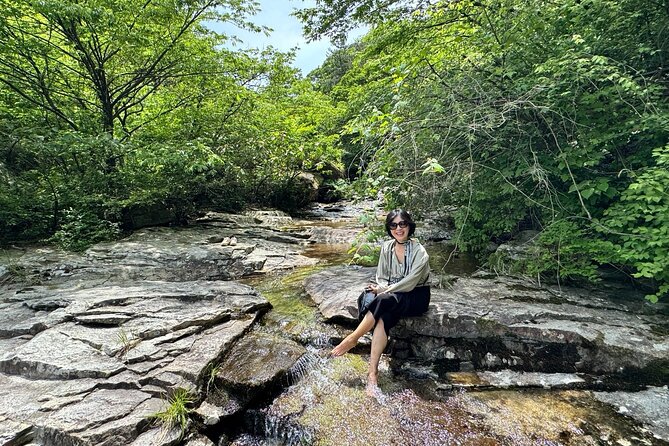
The Haepyeong Lake Trail is one of the day’s most appealing changes of pace. The route around the lake covers 3.9 kilometers, or about 2.4 miles, and is described as easy. You will walk beside calm water and through forest, with stone towers, cedar trees, bamboo, maple trees, and cherry blossoms along the way.
The trail is not just a viewpoint followed by a return to the car. It gives you time to walk without a packed schedule of monuments. The forest setting and lake make a good counterpoint to the carefully planted tea hills. You get open views in the morning, then shade and a slower rhythm later.
The word easy should not be confused with completely effortless. Three-point-nine kilometers takes time, and the tour also includes Mt. Obongsan afterward. If you prefer a shorter walk, discuss your pace and options with the guide. The tour is private, so the walking rhythm can be more personal than on a fixed group outing.
Along the trail, you reach Choroo Vinegar Park. The park produces naturally fermented grain vinegar and includes a specially designed café. A vinegar drink is included, giving you another local taste that is quite different from the tea earlier in the day.
That stop makes sense because it is tied to the walk rather than added as a random shop visit. You see a local food product, pause in a café, and have a chance to enjoy the surroundings before the mountain section.
Mt. Obongsan and the old Ondol stone route
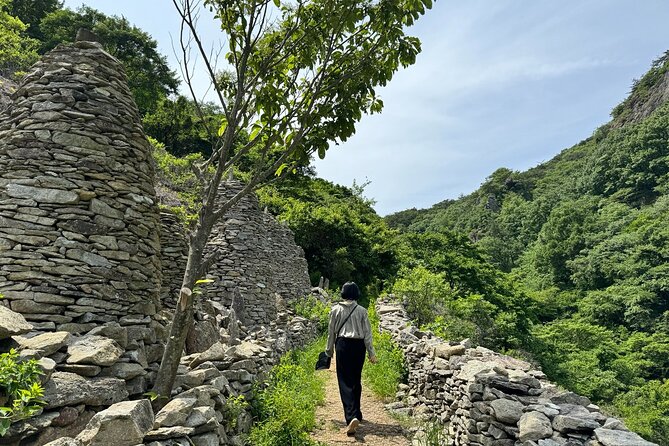
Mt. Obongsan provides the most unusual history of the tour. The mountain was a major source of Gudeuljang, flat stone used in Ondol, the traditional Korean underfloor heating system. Quarrying was active from the 1940s through the 1980s, and the area accounted for 70 percent of national production.
The old cart trail remains in place. Carts pulled by cows once carried quarried stone down the mountain, and you follow part of this route on foot. That detail changes how you see the path. It is not simply a forest hike. It is a working route connected to homes, heating, labor, and the practical history of rural Korea.
The hike to the waterfall takes about 15 minutes. The route to the peak takes about 40 minutes. Along the way, you can expect a rocky ridge, rock formations, stone pagodas, and waterfalls.
You should choose the length that fits your energy and the day’s conditions. After Daehan Dawon and the lake trail, the peak option may feel demanding. The waterfall walk offers a shorter way to experience the cart route, while the peak gives stronger views for those ready for a longer climb.
Comfortable walking shoes are important here. The tour requires moderate physical fitness, and this is the least casual section. The private format helps because you are not forced to match a stranger’s pace, but you should still be honest about your ability before choosing the peak.
The guide can shape the day
The guide named in the available information is Veronica. Her role is especially important on a route like this, where the sites are connected by history but do not explain themselves fully. The tea fields are easy to admire, but the tea ceremony, Ondol stone, cart trail, and local food benefit from clear explanation.
You can also expect help with practical choices. The tour can adapt the lunch menu, and the private setting gives your group room to spend more time at a favorite stop or keep moving if you are tiring. Several reviews specifically praise Veronica’s friendly manner, English conversation, knowledge of Korean history and Gwangju, and willingness to help beyond the basic schedule.
That personal service is a major part of the value here. You are not simply paying for a car between attractions. You are paying for a full day with someone who can connect the stops and make rural travel easier.
Is $190 per person fair?
The listed price is $190 per person. That is a serious cost, especially for a solo visitor, but this is a private 10-hour experience rather than a short admission-based excursion.
The price includes private transportation, all fees and taxes, lunch, green tea ice cream, the tea ceremony with tasting, and the rice vinegar beverage. Admissions are included at Daehan Dawon and the Korea Tea Museum. You also avoid the planning burden of reaching several rural locations without a car.
For two or more people, the value improves because the vehicle and guide are shared by your group. Group discounts are offered, though the exact amount is not specified. A solo visitor pays more for the same private format, but may value the flexibility and personal attention.
I would not book this mainly to save money. I would book it to combine places that are awkward to link independently, with food and cultural activities already arranged. If you are comfortable with public transport and only want Daehan Dawon, this may be more than you need.
Timing, fitness, and weather
The tour begins at 9:30 a.m. and lasts about 10 hours. Travel takes about 70 minutes from Gwangju to Boseong, 40 minutes from the Korea Tea Museum to Haepyeong Lake, and 70 minutes from Haepyeong Lake back to Gwangju.
That makes this a full day, not a quick side trip. The schedule includes several walks, so plan for comfortable clothing and shoes. A moderate fitness level is needed for the tea plantation paths, 3.9-kilometer lake trail, and optional Mt. Obongsan hike.
The experience depends on good weather. If poor weather forces cancellation, you are offered another date or a full refund. You can cancel for a full refund up to 24 hours before the start time. Service animals are allowed, and the activity is near public transportation, although the private vehicle is the practical way to cover the whole route.
Who should book this Boseong day tour?
I would choose this tour if you are staying in Gwangju and want a full day in the countryside without renting a car. It suits you if tea, Korean food, gentle walking, and local history all sound appealing.
It is also a strong fit for couples, families, and small groups who want their own pace. The private format is useful for mixed abilities because the mountain walk can be adjusted between the waterfall and peak options.
I would think twice if you want a slow hotel day, dislike several hours in a vehicle, or have difficulty walking on hills and rocky paths. The experience covers a lot, and its strength is variety. That same variety means the day is active and tightly packed.
Should you book it?
Book this Boseong tour if you want the famous tea fields plus the deeper story behind the region. Daehan Dawon supplies the memorable views, while the tea ceremony, local lunch, vinegar drink, lake trail, and Ondol stone route give the day substance.
The best reason to choose it is the combination. You get scenery, food, hands-on culture, and a private guide in one long outing. The main tradeoff is time and price, but for a small group seeking an easy, well-connected trip from Gwangju, the package offers solid value.
FAQ
Where does the tour start?
The tour starts from Gwangju Metropolitan City at 9:30 a.m.
How long does the experience last?
The tour lasts approximately 10 hours.
Is transportation included?
Yes. Private transportation is included, and only your group participates in the activity.
What food is included at lunch?
The main lunch option is a grilled pork patty made with green tea powder and rice. Cockle bibimbap and vegetarian choices, including lotus-leaf rice or Italian pasta, are also available.
Is the tea ceremony included?
Yes. The Korea Tea Museum visit includes a tea ceremony class and green tea tasting.
How long is the Haepyeong Lake Trail?
The trail is 3.9 kilometers, or about 2.4 miles, and is described as an easy route around the lake.
Newly steeped around the world
- York: Private Horse-Drawn Carriage Ride and Afternoon Tea★ 5.0 · 3 reviews
- Yokohama : Tea Ceremony with Sweets and Souvenir★ 5.0 · 5 reviews
- Washington, D.C.: Tea Around Town Bus Tour with Landmarks★ 3.4 · 7 reviews
- Whisk Your Own Matcha: A Zen Matcha Experience at Temple★ 3.6 · 7 reviews
- Yogyakarta: Prambanan Tour, Sukuh Temple & Tea Plantation★ 5.0 · 3 reviews
- Walking Tour: Yanaka,Nezu& Sendagi: Tea Ceremony & Old Tokyo★ 5.0 · 3 reviews
- Wadi Rum: 2-Hour Jeep Tour with Bedouin Tea★ 5.0 · 11 reviews
- Volcano, Hot Spring, Mud Bath & Tea plantation all included★ 5.0 · 5 reviews
Green Tea Tours, compared.
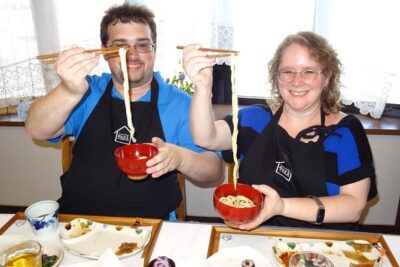
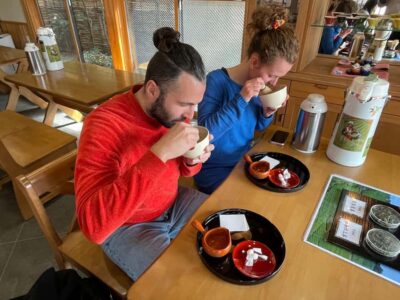
Uji: Green Tea Tour with Byodoin and Koshoji Temple Visits
Read our review →
Scenic Green Tea Fields of Hidden Kyoto & Local Tea Exp (Private)
Read our review →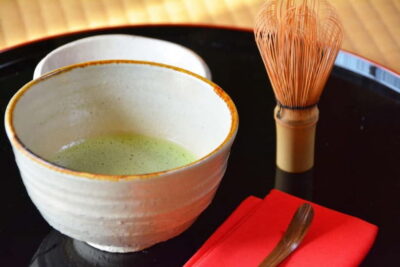
Osaka; Japanese Tea ceremony experience, Macha and Sencha
Read our review →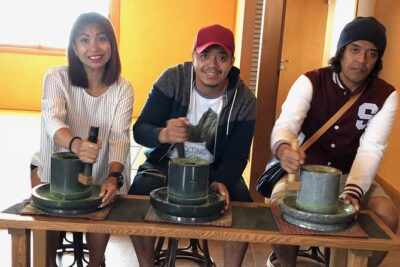
Slow Cycling Tour at Uji’s Matcha Green Tea Fields and Heritage
Read our review →
Sencha-do the Japanese Tea Ceremony Workshop in Kyoto
Read our review →
Uji Tea Ceremony and UNESCO Heritage Walking Tour
Read our review →Browse the lists this tea experience appears in