
Review · BEIJING
Beijing:Learn Calligraphy & Enjoy Kung Fu Tea Ceremony
The most appealing part of this Beijing activity is its hands-on approach. You do not just watch a tea demonstration or admire Chinese characters on a wall. You learn how to handle the tools, ask questions, taste tea, and make something yourself. The English-speaking instruction is especially useful when small details matter, from how a gaiwan is held to how a brush meets paper.
I like the choice between two very different paths: a Kung Fu tea class for anyone curious about Chinese tea culture, and a calligraphy session for anyone who wants a personal souvenir. I also like the setting, described as a tea room filled with teapots, cups, and tea leaves. The main consideration is simple: you must choose one option when booking, so you will not receive a full class in both tea and calligraphy during the same two-hour visit.
Key Points
- Choose one clear focus: Study Kung Fu tea or Chinese calligraphy, rather than trying to squeeze both into two hours.
- Taste several Chinese teas: The tea class covers six major tea types, storage, buying, classification, utensils, and brewing.
- Create a take-home scroll: The calligraphy option gives you guided practice and your own finished artwork.
- Learn in English: Certified or professional English-speaking instructors lead both options, with Chinese also available.
- Tea and snacks are included: You do not need to bring supplies or pay extra for the tea used in class.
- Allow for local transport: Hotel transfers and transportation are not included, and the meeting point depends on your selected option.
Two Hours of Hands-On Beijing Culture
This is a compact cultural class priced at $48 per person. It works well when you want more than sightseeing but have only a short opening in your Beijing schedule.
The two-hour format gives the activity a clear shape. You arrive at a traditional cultural space, meet your English-speaking teacher, and begin with an introduction to the subject. From there, the class becomes practical. You taste and prepare tea in one option, or handle brush and ink in the other.
I would not book this expecting a broad tour of Beijing or a full-day cultural workshop. There is no transportation, hotel pickup, lunch, or dinner. Instead, you are paying for direct instruction, materials, tea, snacks, and time in a dedicated cultural setting.
That focus is a strength. A large sightseeing program can give you many quick impressions. This class gives you enough time to slow down and understand one subject properly.
More Chinese Tea Ceremonies in China
- Traditional Chinese Tea Ceremony Experience
★ 4.7 · 74 reviews - Chinese Tea ceremony in Beijing Hutong courtyard
★ 4.7 · 26 reviews - Traditional Chinese Tea Ceremony Experience
★ 5.0 · 7 reviews
Option One: Learning the Rhythm of Kung Fu Tea
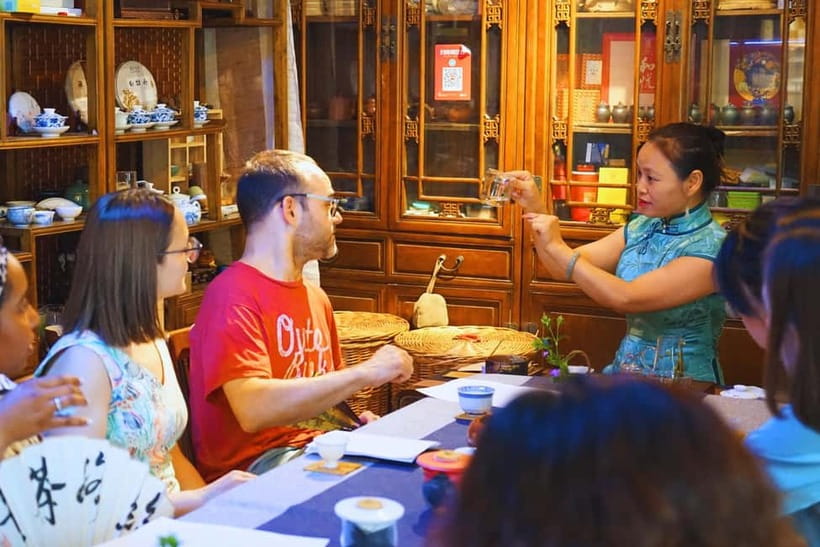
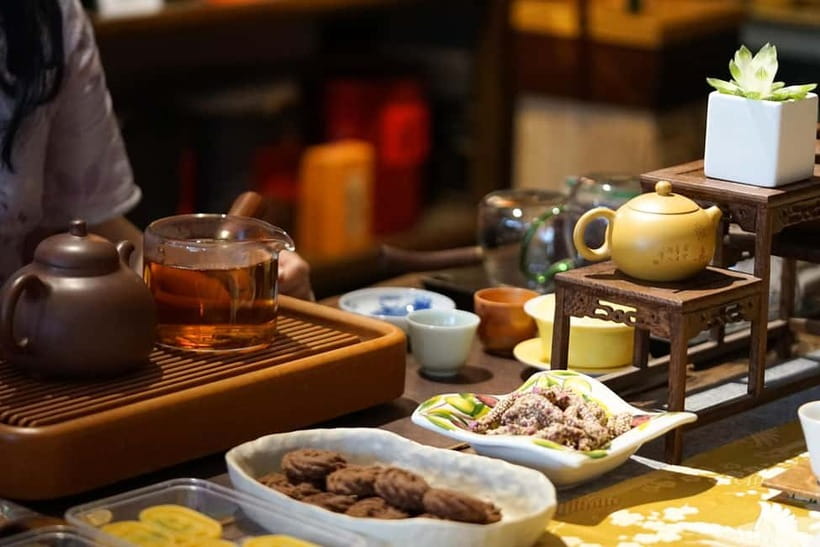
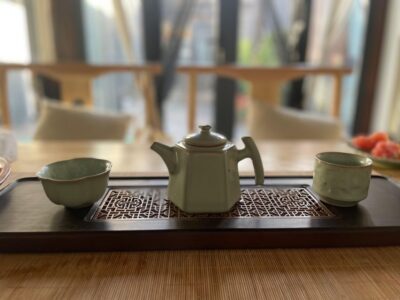
The tea class begins in a traditional tea space, where the objects around you are part of the lesson. You can expect to see different teapots, cups, tea leaves, and brewing tools rather than a standard café setup.
The instructor introduces the six major types of Chinese tea. The class also covers how tea is stored and classified, how people purchase it, and how tea is appreciated in daily Chinese life. That wider context matters because Kung Fu tea is not simply a method for making a strong cup. It is also about water, timing, vessels, serving order, and attention.
You learn how to work with utensils ranging from simple gaiwans to more intricate Yixing teapots. A gaiwan is a lidded bowl used for brewing and pouring tea. Its design looks simple, but using it comfortably takes a little practice. The Yixing teapot adds another layer, with its distinctive clay construction and close connection to Chinese tea customs.
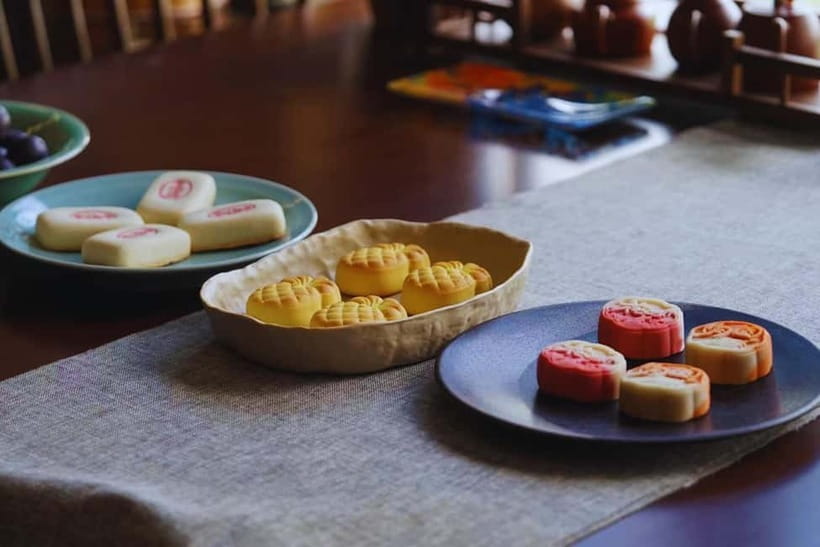
The class includes all tea leaves and ingredients used during the session. You also receive traditional tea and local snacks, so the tasting is part of the activity rather than an extra purchase.
The most useful part for me would be the chance to taste several teas side by side. One recent participant from Denmark described trying many interesting teas and gaining a lot from the teacher’s explanations. That is a good sign for anyone who wants more than a ceremonial photo.
You should also expect the class to cover practical tea habits. The supplied information does not promise a full shopping trip or a tea purchase, but it does address how tea is bought and appreciated across Chinese society. That can help you make better sense of Beijing tea shops later in your trip.
What the Tea Space Adds
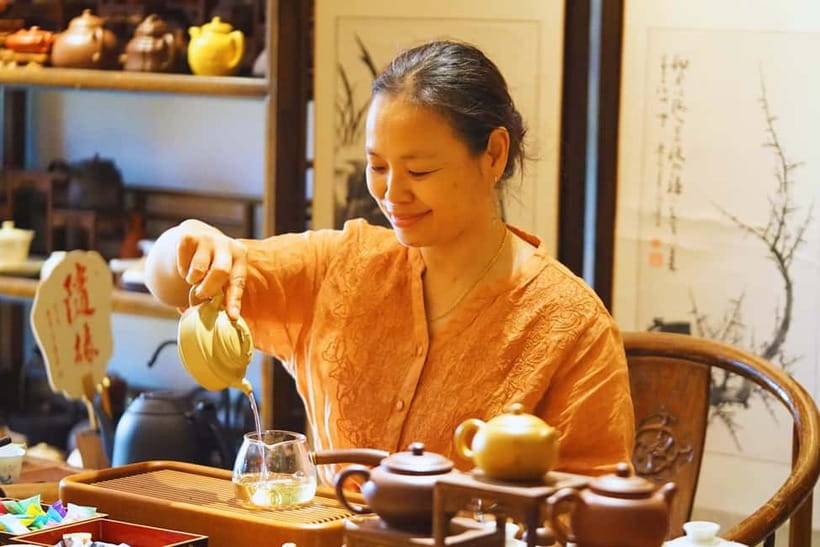
The room itself appears to be an important part of the visit. Charlotte, one of the instructors named in a recent booking, welcomed a French participant into a space filled with teapots, cups, and teas. That setting created a warm atmosphere and gave the class a visual connection to the subject.
This is a useful distinction. A tea lesson in a plain meeting room could still teach brewing technique, but a dedicated tea space gives you more to look at and handle. The utensils are not just props. They help explain why tea preparation has so many variations.
You should come ready to ask questions. Charlotte was praised for giving detailed explanations and responding to curiosity. That makes this a good choice if you prefer a conversational class rather than a silent demonstration.
The class is led in English by a certified tea instructor, with Chinese also available. For a subject built around small gestures and unfamiliar vocabulary, direct English instruction can save time and confusion.
Option Two: Brush, Ink, Paper, and Inkstone
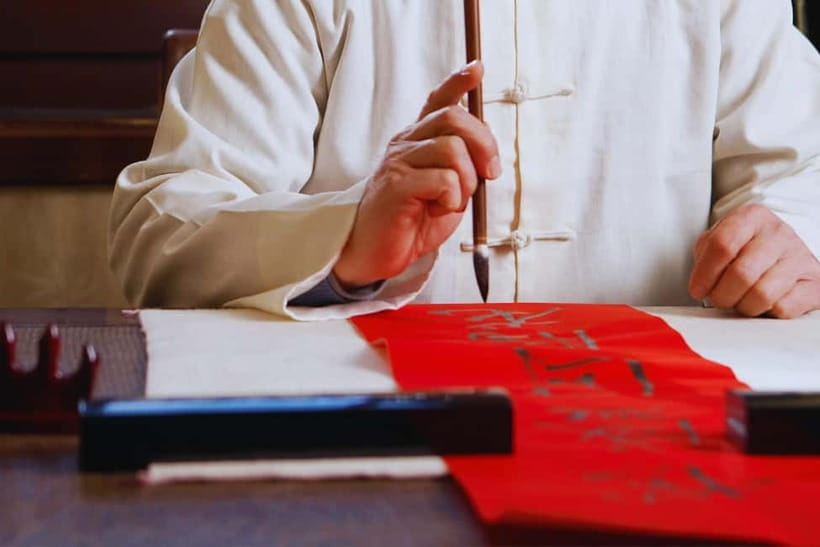
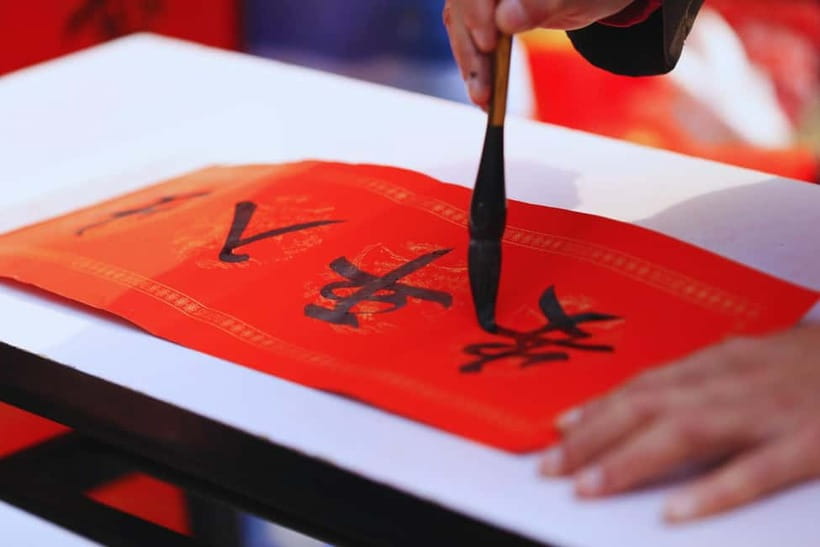
The calligraphy session takes place in a traditional cultural space and introduces the four main tools used in Chinese calligraphy: brush, ink, paper, and inkstone.
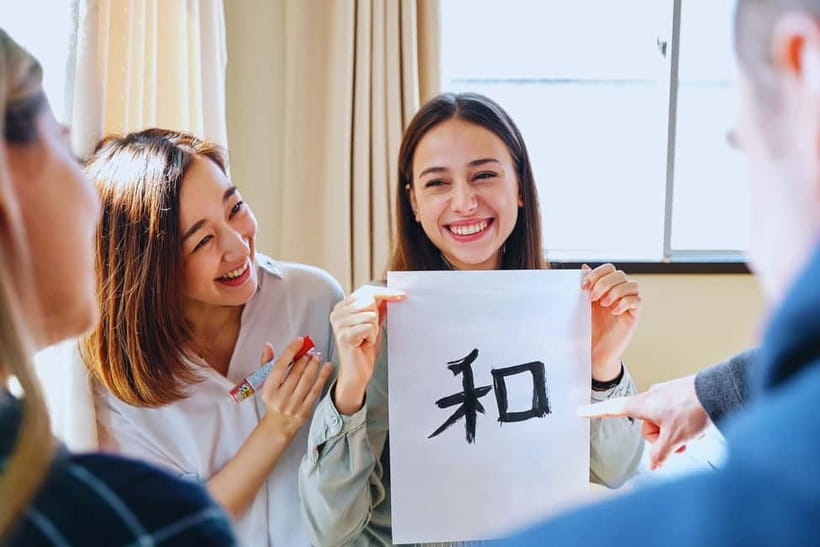
You begin by learning about calligraphy’s place in Chinese culture and its basic techniques. The teacher then guides you through writing Chinese characters. You do not need previous art experience, and the class is designed for beginners.
The pace is likely to be more thoughtful than frantic. Calligraphy requires control, and the teacher can help you understand how to hold the brush, apply pressure, and shape each stroke. The supplied details do not specify which characters you will write, so you should not book this expecting to produce a particular phrase or name.
The best part is the finished piece. You create a calligraphy scroll yourself and take it home. That makes the souvenir more personal than a bought item, even if the final characters are not perfect.
Tea and local snacks are included during the calligraphy class as well. This gives you a quiet break from brush practice and keeps the session connected to the wider cultural setting.
A professional English-speaking teacher leads the lesson. The description calls the instructor a renowned Chinese teacher with excellent English, but no personal name is provided for the calligraphy teacher. If having a particular instructor matters to you, check the booking details before paying.
More Tea Ceremonies in China
- Beijing Culture: Tea Ceremony, Heritage Instrument & Calligraphy
★ 5.0 · 57 reviews - Beijing Culture Event: Tradition Music, Tea Ceremony, Calligraphy
★ 5.0 · 11 reviews - Beijing: Temple Of Heaven+Tai Chi Class+Tea Ceremony
★ 5.0 · 8 reviews - Beijing Tai Chi and Tea Ceremony Experience
★ 5.0 · 4 reviews
How the Two Choices Compare
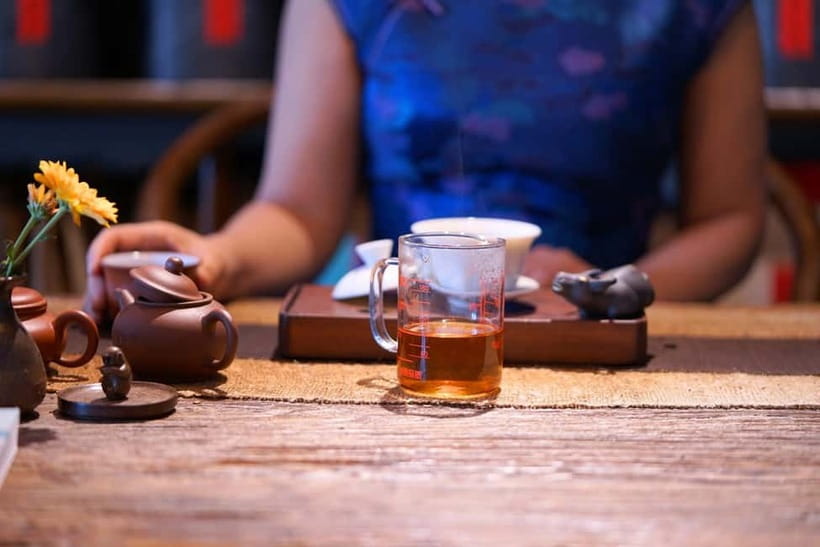
The tea option suits you if you want tasting, conversation, utensils, and practical cultural background. It has more variety during the two hours because you encounter several teas and several brewing tools.
The calligraphy option suits you if you prefer a focused craft and want a physical keepsake. You spend more time practicing one skill, then take home the scroll you create.
For couples or friends, choosing different options may be possible only if the booking arrangement allows it, so check before assuming you can split between tea and calligraphy. The two options have different meeting points, and the meeting point may vary according to the booking.
Families can consider the activity, but children under five are not suitable. Older children may enjoy the tactile nature of both classes, though the available information does not specify a child discount or a separate children’s program.
Solo visitors should find the format easy to manage. The teacher provides the structure, materials, and instruction, so you do not need to bring a companion to make the class worthwhile.
Is $48 a Fair Price?
At $48 per person, this is not the cheapest tea tasting or craft class you could find in Beijing. But the price includes two hours of guided instruction, tea and snacks, all tea ingredients for the tea class, and all calligraphy materials for the art class.
The value depends on what you want from the visit. If you only want to taste tea, a shop tasting might cost less and take less time. If you want to understand six tea types, learn about storage and classification, handle traditional utensils, and ask questions in English, the class offers more substance.
The calligraphy option has an obvious souvenir value. Your scroll is created during the session, and the price includes the tools and guidance needed to make it. You are paying for a lesson as well as an object.
The lack of transportation keeps the price from covering your whole outing. You must arrange your own way to the meeting point, and there is no hotel transfer. Build local transport time into your schedule, especially since the exact meeting point depends on the option you choose.
Tips for Getting More from the Class
Wear comfortable clothing. You will be sitting, handling tea equipment, or practicing with a brush, and comfort matters more here than dressing formally.
Arrive ready to participate. The value comes from trying the motions yourself, not just listening to an explanation. In the tea class, pay attention to how the teacher handles the gaiwan and teapot. In the calligraphy class, watch the order and direction of each stroke.
Ask questions early. The class is led in English, and the instructors are there to explain details. If a tea flavor, utensil, or character is unfamiliar, stop and ask rather than quietly guessing.
Do not plan this as a meal replacement. Snacks are provided, but lunch and dinner are not included. Schedule the class before or after a proper meal.
Smoking is not allowed. The activity is wheelchair accessible, although you should still confirm the meeting point if you have specific access needs because the location can differ between the two options.
The activity offers free cancellation up to 24 hours before the start time, and you can reserve now and pay later. Those terms help if your Beijing schedule is still shifting, but check the exact start time and meeting location when you book.
Who Should Book This Beijing Experience?
I would recommend the tea class to first-time visitors who want a clear introduction to Chinese tea without committing to a full-day food or culture tour. It is also a good choice for anyone who enjoys tasting, objects, and conversation.
I would recommend the calligraphy class to people who like making things with their hands. It is particularly appealing if you want a Beijing souvenir that you helped create rather than something picked up in a shop.
This is also a practical choice for couples, solo visitors, families with older children, and small groups. The two-hour length fits neatly between major Beijing sights, though you must handle your own transport.
You may want to skip it if you dislike seated instruction, have no interest in tea or calligraphy, or want a wider city tour. The class is focused by design. It gives you a close look at one cultural subject, not a survey of Beijing.
Should You Book It?
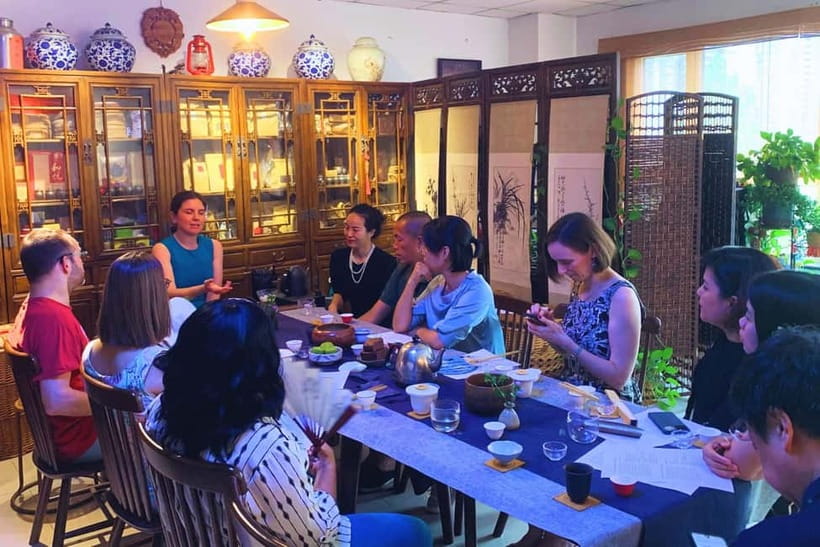
Book this experience if you want an English-led cultural lesson with real participation. At $48, the tea option offers tasting, utensils, brewing methods, and cultural background, while the calligraphy option gives you instruction and a scroll to take home.
My choice would depend on your souvenir priorities. Pick Kung Fu tea if you want to understand what you are drinking and how Chinese tea is prepared. Pick calligraphy if you want to practice a traditional art and leave with something made by your own hand.
The strongest reasons to book are the dedicated tea setting, the English-speaking teachers, the included materials, and the chance to ask detailed questions. Just remember that transport is not included, the meeting point varies, and you choose one class rather than both.
FAQ
How long does the Beijing tea or calligraphy experience last?
The activity lasts two hours. The calligraphy instruction is described as lasting one to two hours within the experience.
Do I choose between tea and calligraphy?
Yes. You choose either the Kung Fu tea ceremony class or the Chinese calligraphy class when booking.
Is the class taught in English?
Yes. Both options are guided by professional English-speaking instructors. Chinese is also available.
What is included in the Kung Fu tea option?
The tea option includes a two-hour tea class, an English-speaking tea instructor, traditional Chinese tea, snacks, and all tea leaves and ingredients used during the class.
What do I receive from the calligraphy option?
You receive guided instruction, tea and local snacks, use of the calligraphy materials, and a calligraphy scroll that you create yourself.
Is transportation to the meeting point included?
No. Transportation and hotel transfers are not included. The meeting point can vary depending on the option you book.
Can young children join?
Children under five are not suitable for this activity. The experience is otherwise described as suitable for beginners, families, couples, solo visitors, and small groups.
More Tea and Calligraphy Workshops in Beijing
- Beijing Hands-On Culture Tour: Tea, Instrument, Calligraphy
★ 5.0 · 6 reviews - Osaka: Tea Ceremony, Calligraphy, and Kimono Experience
★ 4.9 · 130 reviews - Experience all of Japanese culture and Japanese food experience classes “origami, udon, Japanese food, green tea, calligraphy” in 4 hours
★ 5.0 · 105 reviews - An Amazing set of Cultural experience: Kimono, Tea Ceremony and Calligraphy
★ 5.0 · 69 reviews
More Chinese Tea Ceremonies in Beijing
- One-Day Hangzhou Dragon Well Tea Culture & West Lake Private Tour
★ 5.0 · 98 reviews - Authentic Hangzhou Longjing Tea Culture Experience Tour
★ 5.0 · 32 reviews - Tainan Culture Trip: Chinese Tea Ceremony_Oolong Tea
★ 5.0 · 29 reviews - Unlock Chinese Tea: Culture, Science, Tasting & Hands-on Brewing
★ 5.0 · 12 reviews
Newly steeped around Beijing
- Private Tour to the Temple of Heaven and Tea tasting at the Maliandao Tea city★ 5.0 · 3 reviews
- Temple of Heaven Private Tour and Tea Tasting at Maliandao Tea Street★ 5.0 · 2 reviews
- Private Beijing Spiritual Tour with Lunch and Tea Ceremony★ 5.0 · 2 reviews
- Traditional Chinese Tea Ceremony Experience★ 5.0 · 7 reviews
- Beijing Tai Chi and Tea Ceremony Experience★ 5.0 · 4 reviews
- 3-Hour Private Hutong Walking Tour with Drum Show at Drum Tower and Tea Tasting★ 5.0 · 3 reviews
- 3-hour Morning/Afternoon Tea Tasting on Maliandao Street & Dimsum★ 5.0 · 7 reviews
- Beijing Hands-On Culture Tour: Tea, Instrument, Calligraphy★ 5.0 · 6 reviews
Chinese Tea Ceremony Tours, compared.

One-Day Hangzhou Dragon Well Tea Culture & West Lake Private Tour
Read our review →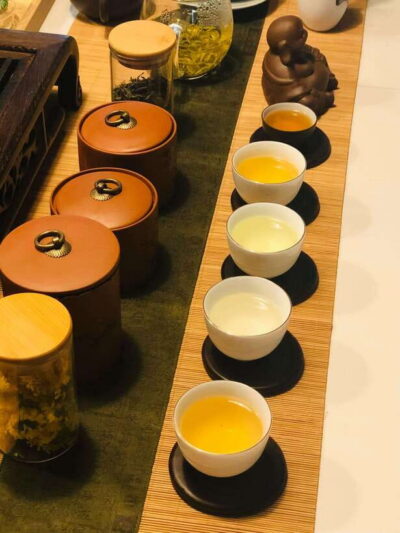
Chinese Tea ceremony in Beijing Hutong courtyard
Read our review →
Unlock Chinese Tea: Culture, Science, Tasting & Hands-on Brewing
Read our review →
Taiwanese Baking Class with Oolong Tea Tasting in Taipei
Read our review →
Browse the lists this tea experience appears in