
Review · KYOTO
Tea Ceremony Experience in Kyoto
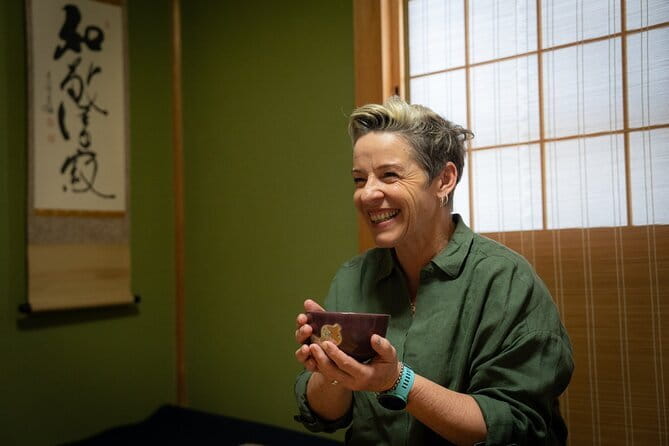
The most appealing part of this Kyoto tea ceremony is that you do not just watch. With guidance from Chisato, a tea teacher with more than 30 years of experience, you can whisk your own matcha and learn why each movement matters. The session is designed for beginners, so you do not need prior knowledge of tea ceremony etiquette.
I like the small group limit of six, which should make it easier to ask questions and receive personal help. I also like the calm, welcoming tone: Chisato explains how to show respect and stay present, rather than treating the ceremony as a stiff performance. The main consideration is that the English can sometimes require simple questions, and the activity lasts only about an hour.
Key points to know before booking
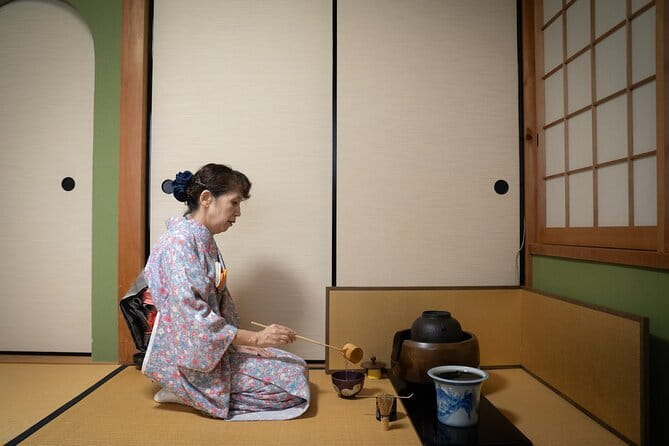
- Make your own matcha: You can prepare and whisk your tea under Chisato’s direction instead of only observing.
- A teacher with 30 years of experience: Chisato explains both the practical steps and the ideas behind the ceremony.
- Matcha and wagashi included: The traditional Japanese sweet gives you a small taste to enjoy with the tea.
- Maximum of six people: The intimate format suits visitors who want a quieter, more personal lesson.
- Near Kamogawa Delta: The meeting point is about a 15-minute walk from the riverside area and Demachiyanagi Station.
- One-hour introduction: This fits neatly into a Kyoto day, though it is not a long cultural workshop.
What this Kyoto tea ceremony actually offers
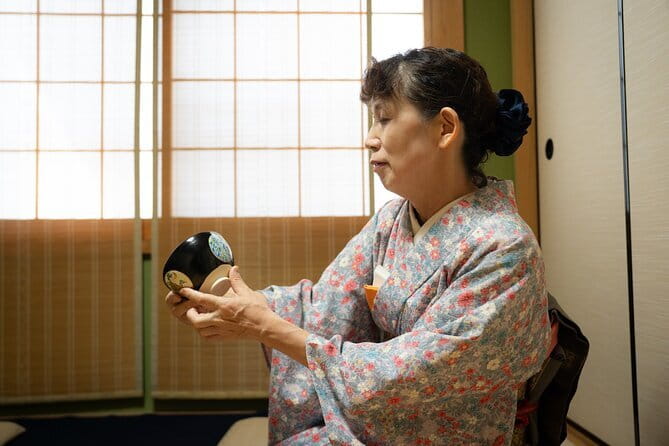
Japanese tea ceremony is not simply a lesson in making a hot drink. It is a set of careful actions shaped by respect, attention, and calm. This experience gives you a short, approachable introduction to those ideas without assuming you already know the rules.
Chisato guides you through the preparation of matcha, including the use of the bamboo whisk and the controlled movements needed to mix powdered tea with water. The emphasis is not only on getting the bowl ready. You also learn how the process reflects harmony and mindfulness.
That distinction matters. A quick matcha tasting can leave you with a sweet and a cup of tea, but little sense of why the ritual exists. Here, the actions themselves are part of the lesson. You are encouraged to slow down and pay attention to how the tea is prepared and received.
You can take part at your own comfort level. If you prefer to watch first, the format allows for that. If you want a more hands-on experience, you can make your own tea with Chisato’s help.
More Tea Ceremonies in Kyoto
- Kyoto: Tea Ceremony in a Traditional Tea House in Kiyomizu
★ 4.9 · 3,519 reviews - Kyoto: Tea Ceremony Ju-An at Jotokuji Temple
★ 4.9 · 3,207 reviews - Kyoto: 45-Minute Tea Ceremony Lesson Experience
★ 4.3 · 2,378 reviews
Meeting Chisato and settling into the lesson
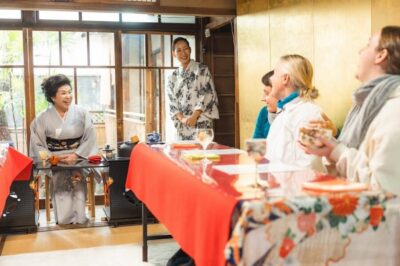
Chisato is the named host for this experience, and she brings more than 30 years of tea ceremony experience to the session. Her role is part teacher, part guide, and part cultural interpreter. She explains not just what to do, but how to approach the ceremony respectfully.
The atmosphere is intended to be friendly rather than intimidating. That is useful in Kyoto, where formal customs can sometimes make first-time visitors worry about making a mistake. You are not expected to perform perfectly. The point is to understand the gestures and take part with care.
The activity is conducted in English. Chisato can explain the ceremony in English, though you may find it easier to ask short, clear questions if you need clarification. This is a practical detail worth knowing, especially if you want a long discussion about fine points of Japanese culture.
The group size is limited to six people. That is a strong feature for a lesson involving physical demonstration. In a large class, you might spend much of the time watching someone else whisk tea. With six or fewer participants, you have a better chance of seeing the details and getting help with your own movements.
Preparing matcha, one careful step at a time
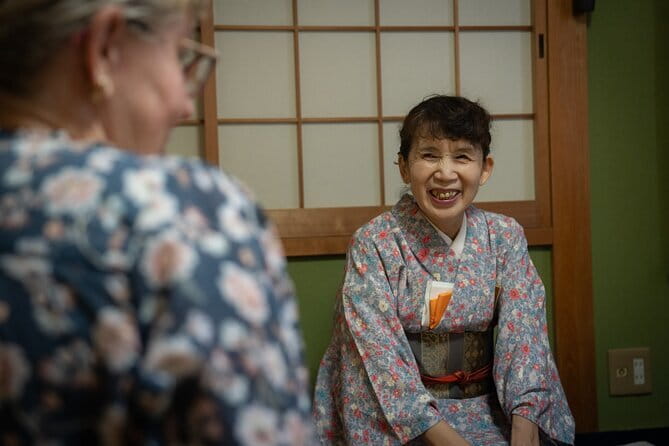
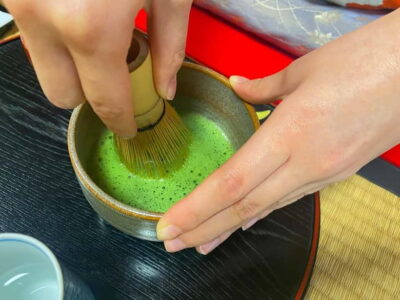
The hands-on tea preparation is the heart of the experience. You learn how powdered matcha is whisked into a smooth drink, along with the controlled motions that make the process more than ordinary stirring.
The pace is deliberately measured. Tea ceremony values precision, but that does not mean the session should feel like an exam. Chisato’s job is to guide you through the sequence and explain the purpose behind it.
You may notice that the method calls for more attention than you usually give to making a cup of tea. That is the lesson. The ceremony gives you a reason to focus on one small task rather than rushing toward the next part of your sightseeing day.
The chance to make your own bowl also adds value to the session. You leave with a memory tied to an action you performed, not just an explanation you heard. The result may not look as polished as a tea master’s preparation, but that is not the goal.
If you have never tried matcha before, expect a flavor that is more concentrated and earthy than ordinary green tea. The included wagashi helps balance it with sweetness. The traditional confection is part of the tea experience, not just an extra snack.
Why the etiquette lesson matters
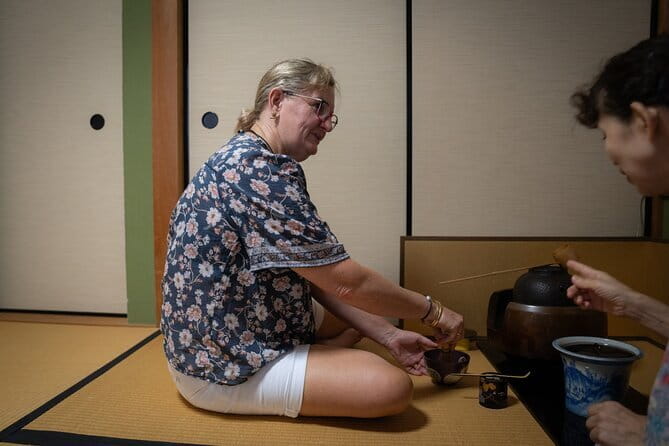
The ceremony includes guidance on how to respect Japanese customs and remain present during the process. That may sound abstract, but it is useful when you are visiting temples, gardens, shrines, and other formal places in Japan.
You learn that the ceremony is shaped by consideration for the people sharing the room, the tools being used, and the tea being served. Small movements have meaning because they show care. Even in a one-hour introduction, this gives you a better sense of why tea ceremony has lasted as a cultural practice.
I like this approach because it avoids reducing tea ceremony to costume and photographs. There is no kimono included, so the focus stays on the tea, the etiquette, and the preparation itself. If dressing up is your main aim, this is not the right product. If you want a straightforward cultural lesson, the lack of costume may be an advantage.
The session also works well for families. Chisato has been accommodating with small children, and the activity offers a concrete task that can hold a child’s attention. Younger participants may not absorb every cultural point, but they can still enjoy making tea, tasting wagashi, and watching the whisking process.
Same leaf, a different ritual:
- Kyoto: Table-Style Tea Ceremony at a Kyo-Machiya
★ 4.9 · 1,211 reviews - Kimono Tea Ceremony at Kyoto Maikoya, NISHIKI
★ 5.0 · 911 reviews - Arashiyama Bamboo, Temple, Monkeys, or Secret Sake Brewery
★ 4.8 · 886 reviews - Kyoto: Arashiyama Bamboo Forest, Monkeys, Matcha & Temple Tour
★ 5.0 · 759 reviews
A convenient stop near Kamogawa Delta
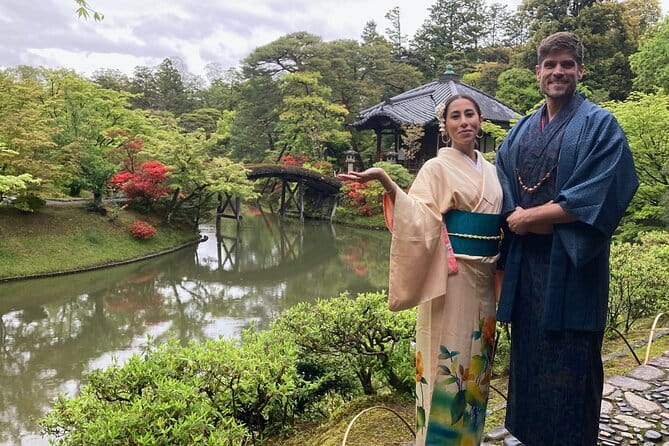
The meeting point is at Chisato67-23 Shimogamo Matsunokichō in Kyoto’s Sakyo Ward. It is about a 15-minute walk from the Kamogawa Delta, a pleasant riverside area where you can pause before or after the tea ceremony.
This location gives you an easy way to connect the activity with a broader day in northern Kyoto. Kamogawa Delta is known as a place for quiet riverside scenery and local outdoor life. You can pair the tea ceremony with a walk along the water rather than treating it as an isolated appointment.
Demachiyanagi Station is also about a 15-minute walk away. The station is a useful starting point for visiting Kibune Shrine and Rurikou Temple, according to the activity information. That makes the tea session a possible morning or afternoon stop before continuing toward other sights.
The walk times are approximate, so allow room for finding the address and arriving without a rush. A tea ceremony is built around calm attention. Arriving breathless or cutting it close would work against the mood.
The experience begins and ends at the same meeting point. That keeps the logistics simple, but you will need to plan your own route to and from the address. A mobile ticket is provided, which is convenient if you are keeping your Kyoto bookings on your phone.
Is one hour enough?
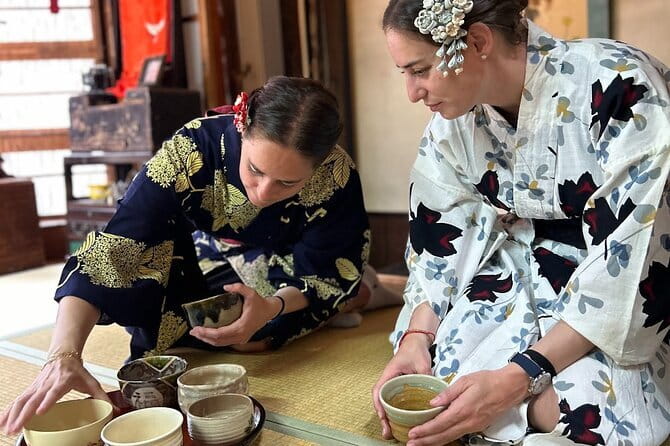
One hour is enough for a first introduction, but it sets a clear limit on what you will learn. You can expect an overview of the ceremony, an explanation of the preparation, time to taste matcha and wagashi, and the chance to make your own tea if you choose.
You should not expect a full-day study of tea philosophy or a long historical lecture. The short format is better understood as a focused cultural experience that fits between other Kyoto plans.
That compact length is useful for several types of visitors. You can add it before lunch, after a visit to the Kamogawa Delta, or as part of a day around Demachiyanagi. It also reduces the risk of committing to a long formal session when you are not sure how much tea ceremony you want.
The tradeoff is depth. If you already have substantial experience with Japanese tea ceremony, you may find the content introductory. For most first-time visitors, that is likely to be the right level.
What the $39.09 price gets you
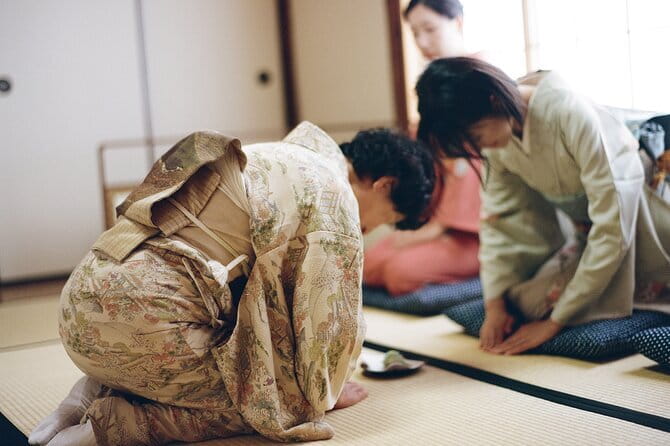
At $39.09 per person, the price is reasonable for a small, guided cultural activity in Kyoto. You are paying for more than a bowl of matcha. The fee includes Chisato’s instruction, the tea, and wagashi, along with the chance to prepare the drink yourself.
The small group limit improves the value. A private or nearly private lesson gives you more contact with the teacher than a crowded demonstration, especially when the central activity involves learning precise movements.
The value is strongest if you want context. If you only want to taste matcha, you can find simpler and possibly cheaper ways to do that. If you want to understand the customs and practice the preparation under guidance, this session offers more.
The one-hour duration also helps keep the cost practical for a busy itinerary. You are not giving up half a day, yet you get a cultural activity that feels distinct from standard sightseeing.
Tips are not included. A kimono is also not included, so factor in no costume rental because none is part of this booking.
Who will enjoy this experience most
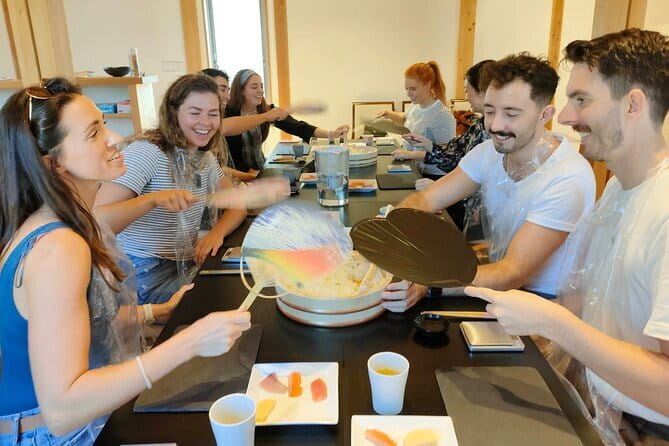
I would recommend this tea ceremony to first-time visitors who want a gentle introduction to Japanese customs. You do not need previous experience, and the welcoming format removes much of the pressure that can surround formal cultural activities.
It is also a good fit for families. The activity is suitable for small children in the sense that Chisato has been accommodating, though parents should decide whether their children will enjoy a quiet, careful one-hour lesson.
Couples and solo visitors who prefer a calm activity should find the small group format appealing. The session gives you time to focus without the noise and speed of a major sightseeing attraction.
English-speaking visitors can take part, but you should be comfortable with occasional communication limits. Chisato explains the experience in English, and simple questions may work best when discussing detailed points.
This is not suitable for wheelchair users because the activity is not wheelchair accessible. Check your own mobility needs carefully before booking.
How to fit it into a Kyoto day
The tea ceremony works best when you build a little breathing room around it. Since it is near Kamogawa Delta, plan a riverside walk before or after the session. That connection suits the quiet tone of the activity better than racing across the city for another major attraction.
You can also use Demachiyanagi Station as part of the day’s route. The area gives you access to places connected with Kibune Shrine and Rurikou Temple, so the tea ceremony can sit within a broader northern Kyoto plan.
Keep the timing realistic. The ceremony itself lasts about an hour, but your walking time to the address and onward to the next stop will add to the schedule. The same-location return makes the end simple, but it does not remove the need to plan transportation afterward.
A mobile ticket keeps your confirmation at hand. You should still check the exact meeting details before setting out, particularly if you are navigating Kyoto’s residential streets.
Should you book this tea ceremony?
Book it if you want an approachable, hands-on introduction to matcha, especially one led by an experienced teacher in a group of no more than six. The chance to make your own tea, taste wagashi, and learn the meaning behind the gestures gives the hour real substance.
It is also a smart choice if your Kyoto schedule includes Kamogawa Delta or Demachiyanagi. The nearby sights make the location easy to fold into a day without a major detour.
Think twice if you want a kimono photo session, a long historical lecture, or a fully advanced tea study. None of those is the focus here. You should also account for the limited English nuance and the lack of wheelchair access.
For most beginners, I see this as a good-value cultural stop: short, personal, and more thoughtful than a simple tea tasting. Free cancellation is available up to 24 hours before the start time, which gives you some flexibility while planning.
FAQ
How long does the tea ceremony experience last?
The activity lasts approximately one hour.
Where does the experience begin and end?
It begins at Tea Ceremony Experience Chisato67-23 Shimogamo Matsunokichō, Sakyo Ward, Kyoto, 606-0816, Japan, and ends back at the same meeting point.
Is matcha included?
Yes. Matcha is included in the price.
Are Japanese sweets included?
Yes. Wagashi, a traditional Japanese sweet, is included.
Can I make my own tea?
Yes. You can prepare your own matcha if you wish, with guidance from the teacher.
How many people can join the activity?
The group has a maximum of six participants.
Is the experience wheelchair accessible?
No. The activity is not wheelchair accessible.
Newly steeped around Kyoto
- Whisk Your Own Matcha: A Zen Matcha Experience at Temple★ 3.6 · 7 reviews
- Kyoto: Authentic Tea Ceremony in a Small Group★ 5.0 · 7 reviews
- Tea ceremony at Kyoto’s Zen Temple Teahouse★ 5.0 · 2 reviews
- Uji Walking Tour – Byodo-in temple and Tea Ceremony from Kyoto★ 3.5 · 3 reviews
- Tea Ceremony Experience in Traditional Kyoto Townhouse★ 5.0 · 19 reviews
- Tea Ceremony in 150 Years Old Townhouse with Tables and Chairs★ 5.0 · 22 reviews
- Traditional Tea Ceremony in Kyoto★ 4.5 · 3 reviews
- Sencha-do the Japanese Tea Ceremony Workshop in Kyoto★ 5.0 · 21 reviews
Tea Ceremony Experiences, compared.
Kyoto: Tea Ceremony in a Traditional Tea House in Kiyomizu
Read our review →
Kyoto: 45-Minute Tea Ceremony Lesson Experience
Read our review →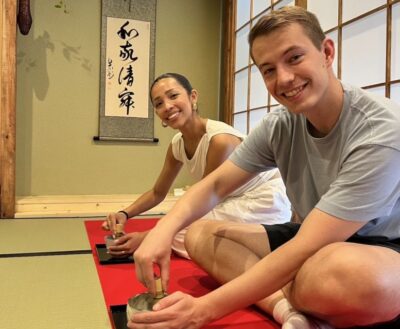
Kyoto: Table-Style Tea Ceremony at a Kyo-Machiya
Read our review →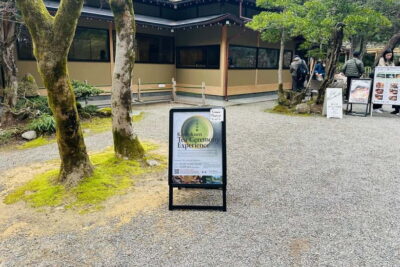


Browse the lists this tea experience appears in