
Review · KYOTO
Traditional Tea Ceremony in Kyoto
Kyoto’s tea tradition gets a personal guide here: Randy Channell Soei, the highest-ranked tea ceremony master from outside Japan. He introduces you to ryurei, a formal style of hospitality developed in the 1870s for visiting foreign dignitaries. You learn the gestures, taste Kyoto sweets, and prepare your own bowl of matcha.
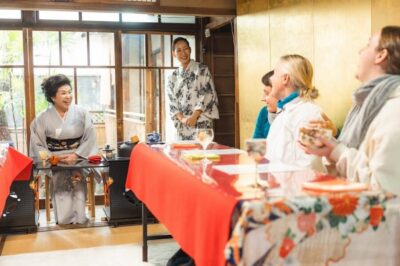
I like the hands-on format, since you do more than watch a master work. I also like the practical setting: you sit on benches rather than kneeling on tatami mats, a welcome detail for anyone with stiff knees or limited mobility.
The main drawback is that this is held in a small townhouse, and a group can reach 25 people. If you expect a quiet ceremony in a grand tea room, the compact space and bench seating may feel less traditional than you hoped.
Key points to know before booking
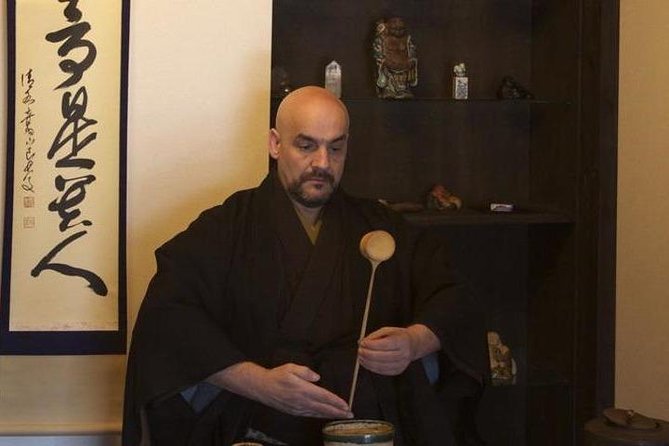
- Randy Channell Soei leads the ceremony: He is the highest-ranked tea master from outside Japan and explains the customs as you take part.
- Ryurei uses raised seating: You sit on benches, not tatami mats or low tables, so you avoid kneeling.
- You make your own matcha: The experience includes instruction and the chance to prepare your own bowl.
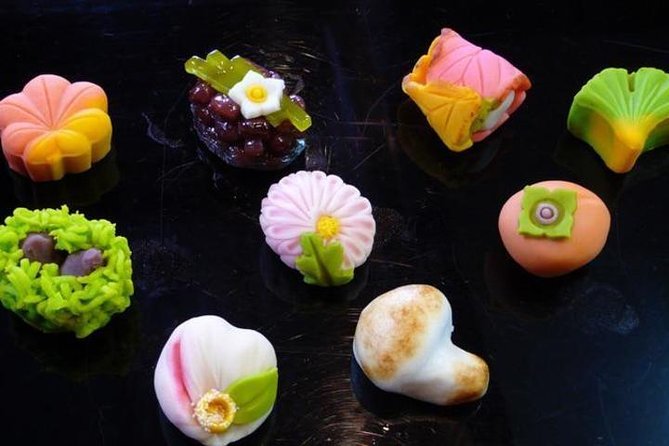
- Kyoto sweets are part of the lesson: You sample traditional sweets from well-known Kyoto makers alongside Randy Sensei’s Kyoto-grown matcha.
- The visit lasts about 90 minutes: It begins and ends at the same Kyoto meeting point.
- The group may be fairly large: Up to 25 people can join, which keeps the price reasonable but may limit quiet, individual attention.
Meeting a tea master in central Kyoto
The heart of this experience is not a sightseeing view or a famous temple. It is the chance to sit with a tea master and learn why a simple bowl of powdered tea carries so much ceremony.
Randy Channell Soei is presented as the highest-ranked tea ceremony master from outside Japan. That gives the session an unusual angle. You are learning a Japanese custom from someone who has made its rules and meaning his life’s work, while also understanding the questions that visitors from abroad tend to have.
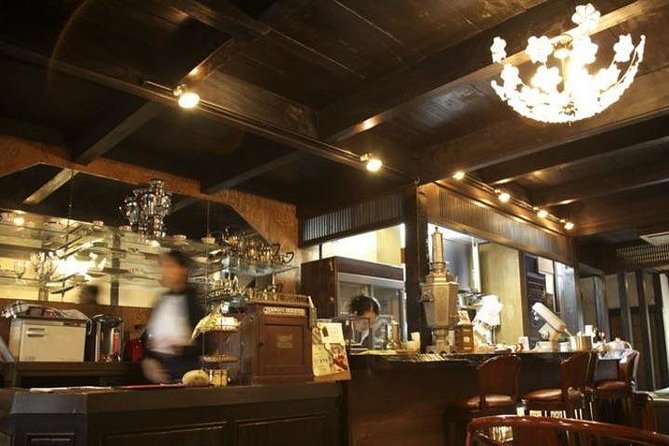
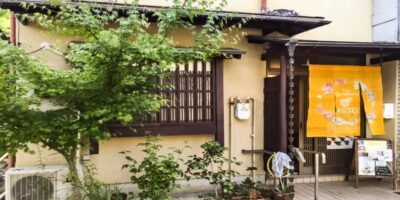
The experience takes place in a Kyoto townhouse. That setting gives you a more personal feel than a large performance hall, though the room is described as small. If you prefer a close, informal class, this can work well. If you picture a spacious historic tea house, adjust your expectations.
You meet at ran Hotei64 Kamikawarachō in Nakagyo Ward. Transportation is not included, so you need to make your own way there. The activity returns to the same meeting point, which makes the plan simple once you arrive.
More Tea Ceremonies in Kyoto
- Kyoto: Tea Ceremony in a Traditional Tea House in Kiyomizu
★ 4.9 · 3,519 reviews - Kyoto: Tea Ceremony Ju-An at Jotokuji Temple
★ 4.9 · 3,207 reviews - Kyoto: 45-Minute Tea Ceremony Lesson Experience
★ 4.3 · 2,378 reviews
Why ryurei changes the experience
Many people associate tea ceremony with kneeling on tatami, low tables, and careful movements performed close to the floor. This session teaches ryurei, a different formal style that uses raised seating.
Ryurei dates to the 1870s and was used as a polished way to welcome foreign dignitaries. That background matters because it explains why the format feels approachable to visitors. You still learn the discipline and order of tea ceremony, but you do not have to copy a floor-based posture that may be hard on your legs.
You sit on benches rather than tatami mats or low tables. That is both a comfort feature and a cultural compromise. You get a formal ceremony without the physical demands of traditional floor seating, but the room may feel less like the classic image of a Japanese tea gathering.
I see this as a good choice for people who want to understand the ceremony rather than simply photograph it. Randy explains what happens, why it happens, and how you should respond. The aim is not just to serve tea. It is to show how etiquette turns a small act of hospitality into a structured exchange.
What happens during the 90-minute visit
The session lasts about an hour and a half. The exact order of every demonstration is not specified, but the experience is built around a formal ceremony, an explanation of its details, tasting, and your own turn making matcha.
You first get an introduction to the customs of chanoyu, the Japanese way of tea. This is useful because tea ceremony etiquette can seem mysterious if you only watch from the side. Small actions matter, from how tea is received to how the bowl is handled, and the instructor gives those actions a clear setting.
Randy then demonstrates the formal hospitality of ryurei. The ceremony’s connection with foreign dignitaries adds context to the movements. You are not simply learning how to whisk green powder. You are seeing a traditional way of greeting and honoring another person.
The sweets are an important part of the balance. Traditional confectioners in Kyoto make sweets that are designed to be eaten with tea, and the sugary bite prepares your palate for matcha’s stronger, slightly bitter flavor. This pairing helps you understand why the food is served when it is, rather than treating it as a separate snack.
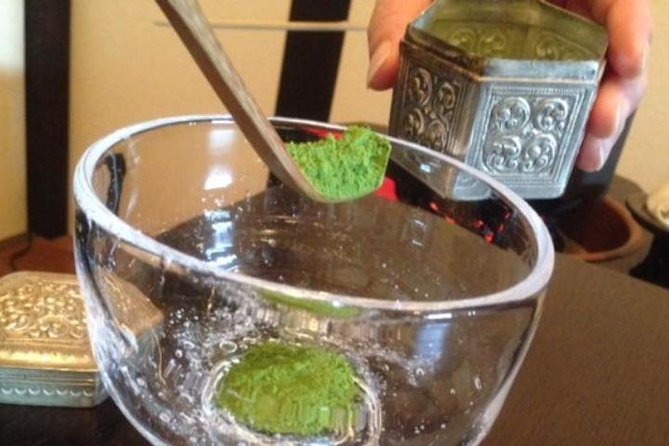
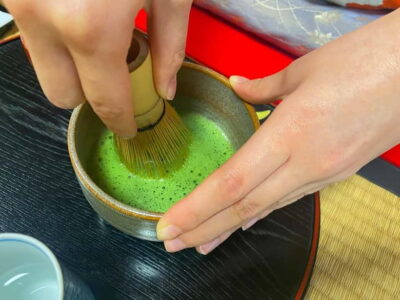
The most active part comes when you make your own bowl of matcha. You get to handle the process instead of watching Randy work from start to finish. One of the strongest reasons to book this session is that everyone has a chance to prepare tea, not just one volunteer at the front.
The visit ends with a group photo. That is a small extra, but it gives you a clear keepsake from an activity built around quiet gestures rather than big visual attractions.
Matcha, sweets, and the value of doing it yourself
The included tea is Randy Sensei’s original Kyoto-grown matcha. That detail gives the tasting a local connection, while the preparation lesson shows you how the powder becomes the drink in your bowl.
You should not expect matcha to taste like ordinary brewed green tea. The flavor is more concentrated, and the sweets help make sense of it. One person who took the class found the tea delicious, while another said the lesson changed their opinion of matcha and made them like it. That is a useful sign for anyone who is unsure about the drink.
The class also helps you notice the difference between drinking matcha casually and receiving it in a formal setting. The bowl, the movements, the timing, and the sweet all work together. You leave with a better sense of why tea ceremony is treated as an art, not simply a beverage demonstration.
Still, you should not confuse a hands-on class with a long, silent ceremony conducted for a tiny audience. With up to 25 people, the teaching needs to move at a practical pace. You will take part, but the session may not offer extended personal coaching.
Same leaf, a different ritual:
- Kyoto: Table-Style Tea Ceremony at a Kyo-Machiya
★ 4.9 · 1,211 reviews - Kimono Tea Ceremony at Kyoto Maikoya, NISHIKI
★ 5.0 · 911 reviews - Arashiyama Bamboo, Temple, Monkeys, or Secret Sake Brewery
★ 4.8 · 886 reviews - Kyoto: Arashiyama Bamboo Forest, Monkeys, Matcha & Temple Tour
★ 5.0 · 759 reviews
Authenticity, comfort, and the small-room tradeoff
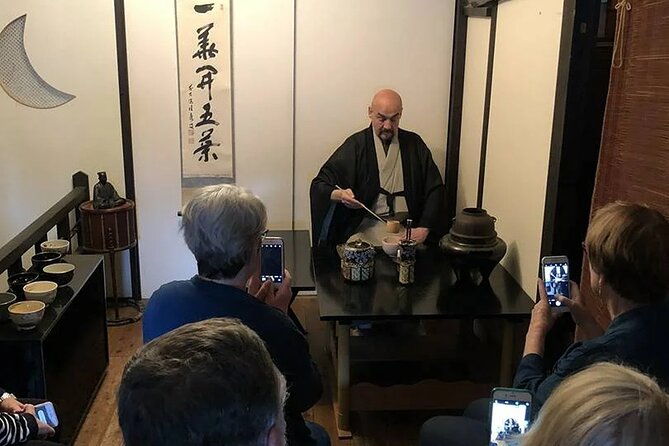
This experience offers a formal traditional format, but it is not designed to recreate every feature of a private tea ceremony. The biggest difference is the seating. Benches make the session easier for most people, yet they also remove the tatami setting that many visitors imagine when they picture chanoyu.
The townhouse is described as small. A compact room can make the ceremony feel direct and personal, but a full group could make it feel crowded. One attendee found the space smaller than expected and felt that sitting on benches made the experience less authentic. That is a fair concern, especially if your main goal is a classic floor-seated ceremony in a highly polished tea room.
At the same time, the seating choice has real practical value. You do not need to worry about kneeling for 90 minutes, and the activity is suitable for most people. If comfort and clear instruction matter more to you than a perfect visual recreation, the compromise makes sense.
I would describe the experience as an accessible introduction to formal tea ceremony, not as the most private or traditional presentation available in Kyoto. That distinction helps you book with the right expectations.
Is the $56.34 price good value?
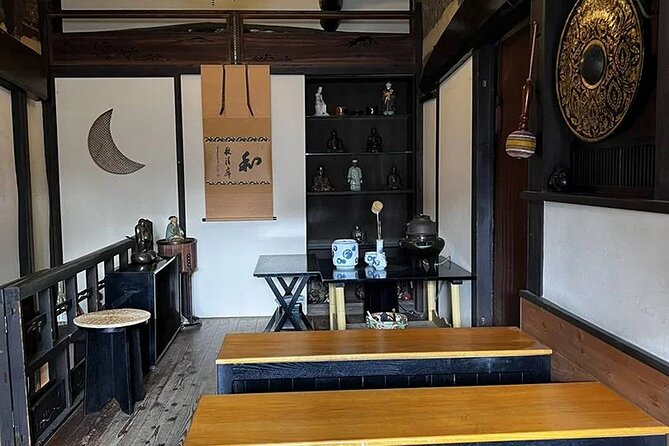
At $56.34 per person, the price is reasonable for a 90-minute cultural lesson that includes a tea master, Kyoto-grown matcha, traditional sweets, your own bowl of tea, and a group photo.
The value comes from the instruction and access to Randy, not from the amount of food or the length of the visit. You are paying for explanation, demonstration, participation, and cultural context. If you only want to sample matcha, a café will cost less and take less time. If you want to understand the customs and practice them yourself, this offers more substance.
Group discounts may improve the cost for families or friends booking together. The maximum group size is 25, so a lower per-person price may come with less individual attention. I would see that as a fair trade for visitors who enjoy learning in a social setting.
The experience is often booked around 61 days in advance. That does not mean you must reserve it that early, but it suggests that you should not leave it until the last moment during a busy Kyoto visit. Confirmation arrives within 48 hours, subject to availability, so leave room in your schedule in case your preferred time is not confirmed right away.
Who will enjoy this Kyoto tea ceremony?
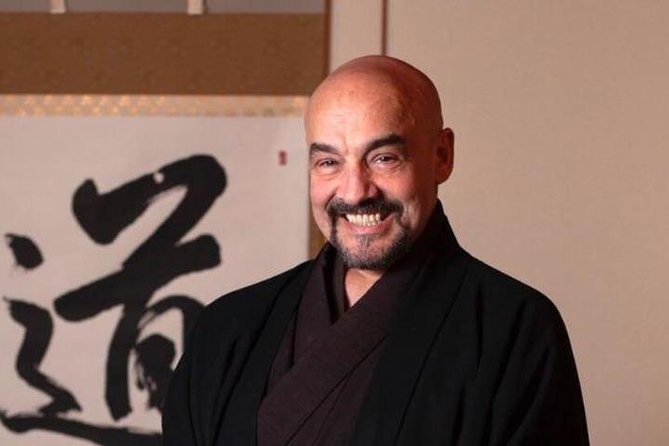
I would recommend it to first-time visitors who want a clear introduction to chanoyu without needing to kneel on tatami. It also suits anyone who likes learning by doing. You taste the tea, watch the formal process, and then prepare your own bowl.
It is a good fit for families, couples, and small groups who want a shared cultural activity. Group discounts can help, and the group photo gives everyone a simple memento. Since most people can participate, you do not need special training or prior knowledge of tea ceremony.
It may be less satisfying for someone seeking a secluded, highly traditional room with a very small audience. The townhouse is small, the group may be large, and the bench seating is intentionally different from the classic tatami arrangement.
You should also note that kimono is not included. If wearing traditional clothing is central to your Kyoto plan, you will need to arrange that separately. The activity focuses on tea, etiquette, and matcha preparation rather than costume.
Timing, tickets, and cancellation
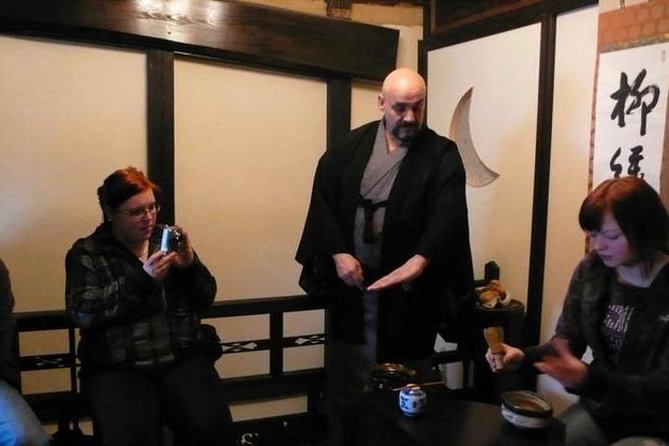
The mobile ticket makes it easy to keep the reservation on your phone. Bring the booking details with you and allow enough time to reach the meeting point in Nakagyo Ward, since transportation is not part of the experience.
Free cancellation is available up to 24 hours before the local start time for a full refund. Changes or cancellations made less than 24 hours before the start are not accepted for a refund, so check your Kyoto schedule before the deadline.
The activity begins and ends at the meeting point. That makes it easy to pair with other plans in the same general part of the city, though the provided details do not specify nearby attractions or the exact travel time from major stations.
Should you book it?
Book this experience if you want a practical, welcoming introduction to Kyoto tea ceremony and like the idea of making your own matcha. Randy Channell Soei’s role gives the session a distinctive guide, while ryurei makes the formal customs easier to approach without floor seating.
Skip it if your priority is a tiny, hushed tea room, tatami mats, or a ceremony that feels completely removed from a group class. The small townhouse and possible 25-person group can limit intimacy, and the benches are a deliberate departure from the usual image.
For most visitors, the best reason to choose it is the balance of explanation and participation. You do not merely watch tea being prepared. You learn what the gestures mean, taste the traditional pairing, and try the process yourself. At $56.34, that is a fair introduction to one of Kyoto’s most enduring customs, as long as you value learning over theatrical setting.
FAQ
How long does the tea ceremony experience last?
The experience lasts approximately 1 hour and 30 minutes.
Where does the activity begin?
It begins at ran Hotei64 Kamikawarachō in Nakagyo Ward, Kyoto, Japan.
Where does the activity end?
The activity ends back at the meeting point.
Do I sit on tatami mats?
No. The activity uses benches rather than tatami mats or low tables.
Is transportation included?
No. Transportation to and from the meeting point is not included.
Is a kimono included?
No. Kimono is not included in the experience.
Can I prepare my own matcha?
Yes. The activity includes the chance to make your own bowl of matcha.
What is the cancellation policy?
You can cancel up to 24 hours before the local start time for a full refund. Cancellations or changes made less than 24 hours before the start are not accepted for a refund.
Newly steeped around Kyoto
- Whisk Your Own Matcha: A Zen Matcha Experience at Temple★ 3.6 · 7 reviews
- Uji Walking Tour – Byodo-in temple and Tea Ceremony from Kyoto★ 3.5 · 3 reviews
- Kyoto: Authentic Tea Ceremony in a Small Group★ 5.0 · 7 reviews
- Tea ceremony at Kyoto’s Zen Temple Teahouse★ 5.0 · 2 reviews
- Tea Ceremony Experience in Traditional Kyoto Townhouse★ 5.0 · 19 reviews
- Tea Ceremony in 150 Years Old Townhouse with Tables and Chairs★ 5.0 · 22 reviews
- Sencha-do the Japanese Tea Ceremony Workshop in Kyoto★ 5.0 · 21 reviews
- Silent Beauty of Kyoto Zen Walk and Tea Experience★ 5.0 · 2 reviews
Tea Ceremony Experiences, compared.
Kyoto: Tea Ceremony in a Traditional Tea House in Kiyomizu
Read our review →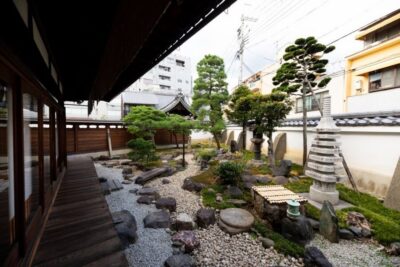
Kyoto: 45-Minute Tea Ceremony Lesson Experience
Read our review →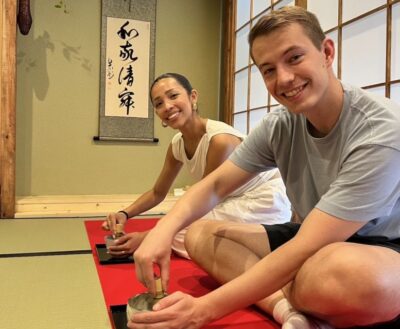
Kyoto: Table-Style Tea Ceremony at a Kyo-Machiya
Read our review →


Browse the lists this tea experience appears in