
Review · SHANGHAI
Unlock Chinese Tea: Culture, Science, Tasting & Hands-on Brewing
Chinese tea is more than a drink here. It is agriculture, chemistry, ritual, hospitality, and a useful window into Chinese life. This Shanghai workshop brings those pieces together with tastings, visual aids, snacks, and hands-on brewing led by Max, a certified English guide and former PayPal ESG lead and senior trainer.
I like two things right away: the small group limit of seven, which should leave room for questions, and the practical format. You do not just sit while someone talks. You taste, compare, handle tea ware, and brew tea yourself. The main consideration is the price, $72 per person, which is fair for a small, focused class but more than a simple tea tasting.
What makes this Shanghai tea workshop useful
- Five or more Chinese teas to compare, with attention to aroma, flavor, and processing.
- All six major tea categories are explained, including green, black, and oolong tea.
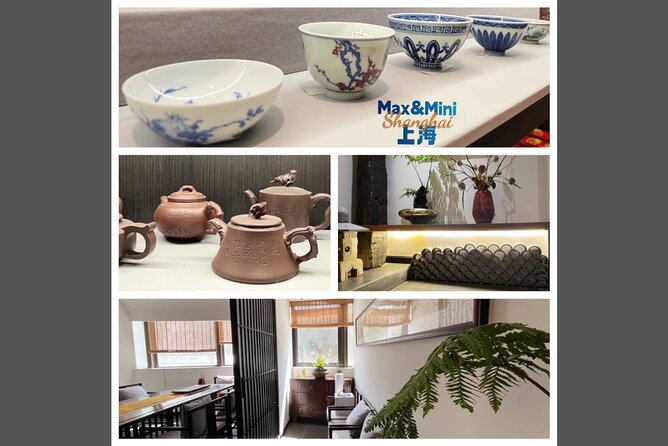
- Hands-on brewing with tea ware such as a gaiwan and clay pots.
- Max leads the session himself, combining English instruction with practical tea knowledge.
- Seasonal snacks are included, such as pomelo and other tea-friendly foods.
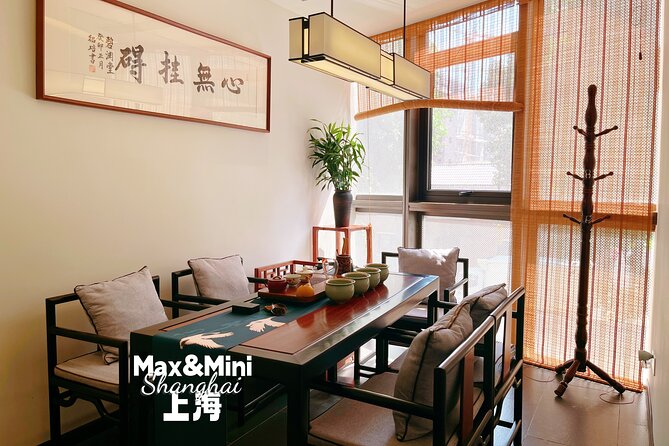
- A private, air-conditioned tea-house room provides a calm setting away from the street.
A practical introduction to Chinese tea
The workshop begins near Shanghai’s Old Town, at 宁海招待所, located at 149 Nong, 100 Nanchezhan Road, Huangpu District. The supplied address is written in Chinese, so copy it carefully into your map app before leaving. The activity ends at the same meeting point, making this easy to fit into a half-day plan.
The Old Town setting gives the experience a useful sense of place, but do not expect a long walking tour. The main event takes place inside a private tea room. This is a seated class and tasting, not a broad sightseeing circuit through Shanghai.
That arrangement works well for tea. You can focus on the cup in front of you instead of trying to listen beside traffic or a crowded shop. The room has air conditioning and practice tea ware, two small details that matter during Shanghai’s warmer months.
More Chinese Tea Ceremonies in China
- One-Day Hangzhou Dragon Well Tea Culture & West Lake Private Tour
★ 5.0 · 98 reviews - Traditional Chinese Tea Ceremony Experience
★ 4.7 · 74 reviews - Authentic Hangzhou Longjing Tea Culture Experience Tour
★ 5.0 · 32 reviews
Meeting Max, your tea guide
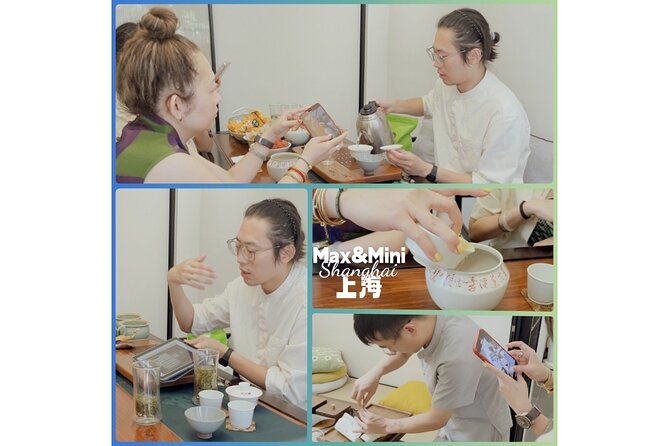
Max leads the experience personally. His background includes work as a PayPal ESG lead and senior trainer, followed by certification as an English guide specializing in Chinese culture and tea. That mix helps explain the workshop’s teaching style: structured enough to follow, but open to questions.
I would expect Max to be particularly useful if you want more than tasting notes. The session connects tea to Chinese customs, changing production methods, and the science behind different flavors. Several parts are designed for beginners, but people who already brew tea at home can also use the time to test their habits and ask more technical questions.
The one guide format has a clear advantage. You are not being passed from a presenter to a translator or from one station to another. Max handles the explanation, brewing instruction, and questions himself. With a maximum of seven people, that should give the session a personal feel.
A small group can also be a drawback for some people. If you prefer a lively, social food tour with constant movement, this may feel quiet and classroom-like. The appeal is concentration, not speed.
Tasting several Chinese tea styles
The tasting is the heart of the experience. You sample several Chinese teas and compare their different features instead of judging one cup in isolation. The precise selection can vary, but the session covers the main categories of Chinese tea and has included five different types in one workshop.
The six broad categories discussed are green, black, oolong, white, yellow, and dark tea. These names are not simply labels for color. They point to different ways the leaves are treated after picking, including drying, oxidation, shaping, and aging.
That basic framework gives you a better way to shop for tea later. Instead of asking only if a tea is strong or mild, you can begin to notice freshness, roasted notes, floral scents, bitterness, sweetness, body, and aftertaste. You may not become a tea expert in one afternoon, but you should leave with a more useful vocabulary.
The comparison is especially valuable for people who normally add milk, sugar, or lemon to tea. Here, the purpose is to notice what is already in the leaves and how brewing changes the result. The tasting should also help you understand why two teas that look similar can taste completely different.
Expect a sensory class rather than a formal wine-style examination. The point is not to produce a perfect answer for every cup. It is to slow down, pay attention, and see how your impressions change from one tea to the next.
Tea’s story from herb to daily drink
The historical section explains how tea developed from an herbal substance into one of China’s everyday drinks. The subject is broad, but it gives the tasting a useful foundation. Tea is not treated as an isolated product. You learn how it became part of daily routines, social customs, and formal manners across different Chinese dynasties.
This portion should appeal to you if you like cultural context but do not want a long lecture. The visual aids help organize the information, especially the differences between tea categories and their production methods. For a first introduction, that is more helpful than memorizing a list of famous tea names.
The science adds another layer. Processing affects the leaf’s color, aroma, and taste, so the tea in your cup reflects choices made well before brewing. That connection between farming, craft, chemistry, and culture is one of the strongest reasons to choose this workshop over a simple café tasting.
The amount of historical detail may not satisfy a specialist looking for a scholarly account of every dynasty. It is better understood as an accessible cultural lesson, linked directly to the teas you are tasting.
Same leaf, a different ritual:
- Tea Tasting and Pairing Concept Workshop
★ 5.0 · 57 reviews - Beijing Culture: Tea Ceremony, Heritage Instrument & Calligraphy
★ 5.0 · 57 reviews - Biking Real Shanghai& Tea Tasting Experience
★ 4.5 · 45 reviews - Tea Village in lost Town and Buddha 1 day tour
★ 5.0 · 32 reviews
Brewing with a gaiwan and clay pots
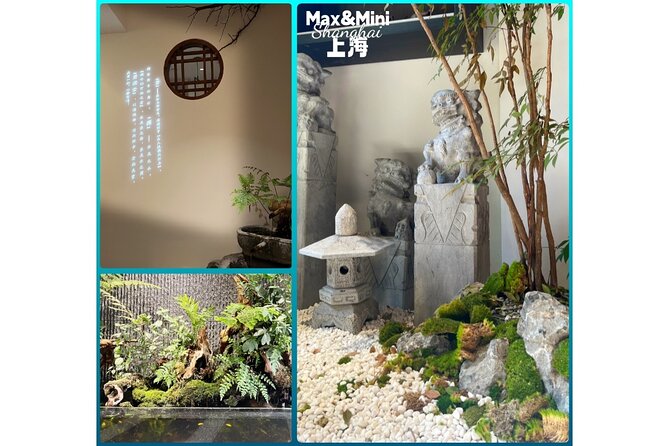
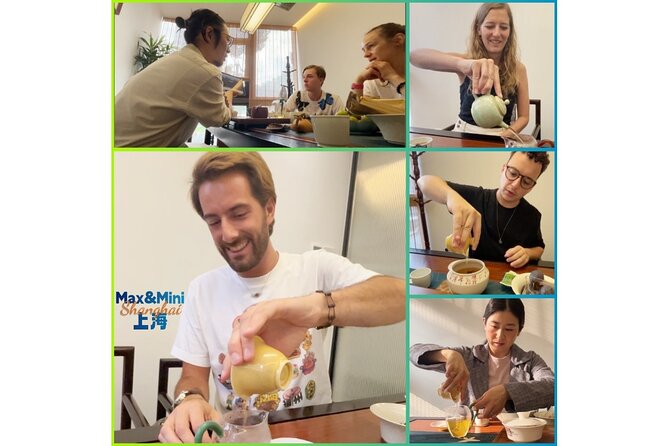
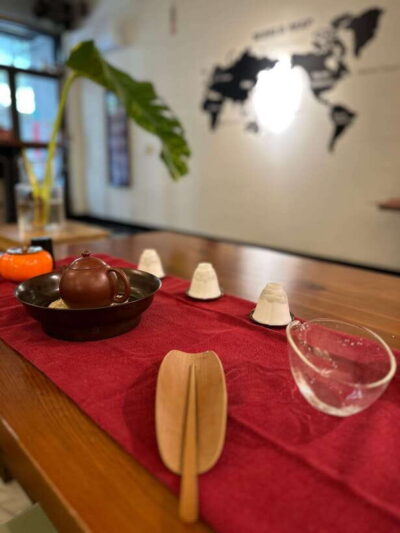
The class becomes more active when you use the tea ware yourself. You practice traditional brewing methods with equipment that can include a gaiwan and clay pots. This is where the session earns much of its practical value.
A gaiwan is a lidded bowl used to steep and pour tea. A clay pot brings a different shape and feel to the process. You learn how the vessel, amount of tea, water, and steeping time work together. The exact brewing method depends on the tea, so the same approach will not suit every leaf.
You also learn basic etiquette. That matters because Chinese tea service often includes small gestures involving how tea is poured, offered, and received. Even if you never host a formal tea session, these details can make a future visit to a tea house less puzzling.
The hands-on format is particularly useful for you if you plan to buy tea in China. A shop label can tell you the name, but brewing practice helps you recognize how a tea behaves. You can also see why a tea that tastes harsh in one preparation might taste softer with a different approach.
Do not expect a full professional tea ceremony certification. The goal is to build confidence with the basic tools and methods. That is a sensible target for a two-and-a-half-hour class.
Snacks that make the tasting easier
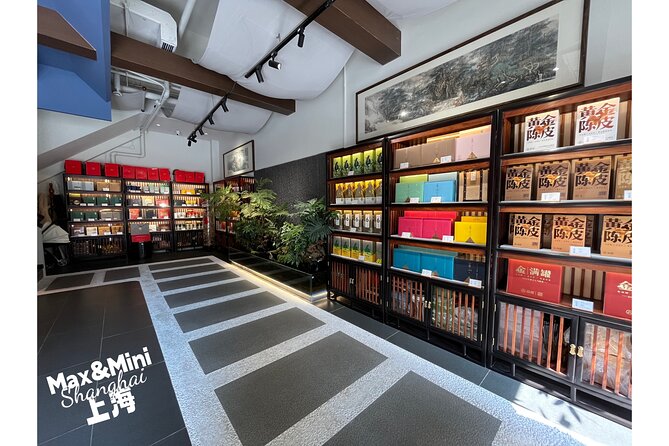
Tea is served with snacks, including seasonal fruit such as pomelo. These foods do more than fill a gap between tastings. They show how tea is enjoyed in a social setting and give you a chance to notice how food changes your palate.
Pomelo is a useful example because its sweet and citrusy character can affect how you perceive the next cup. Other snacks may be chosen according to the season. Since the exact menu is not specified, you should treat this as a light accompaniment rather than a meal.
The snacks also help keep the session relaxed. A class devoted only to technical points could become dry, especially for someone new to tea. Small bites create natural pauses between explanations and brewing practice.
If you have dietary concerns, ask about the snacks before booking or at the start of the session. The provided information does not give a full ingredient list or allergy policy.
Is $72 a fair price?
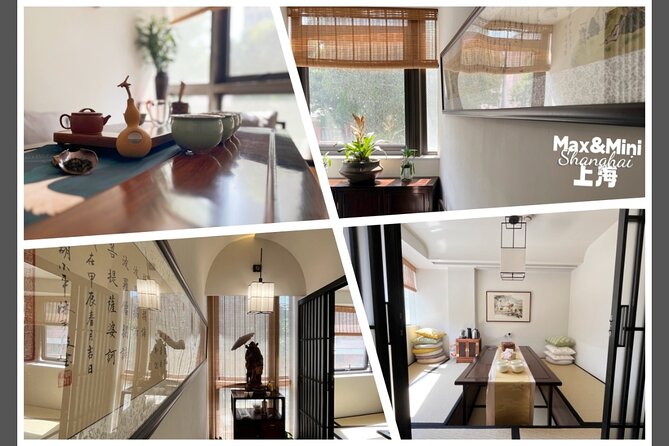
At $72 per person, this is not the cheapest way to drink tea in Shanghai. You can certainly find a cup of tea for far less. The question is what you are paying for.
The fee covers about two and a half hours, several tastings, snacks, a private air-conditioned room, tea ware for practice, and direct instruction from Max. It also buys structure. Instead of guessing what to order in a tea shop, you get a guided comparison of the main Chinese tea styles and a chance to ask questions as they come up.
I consider the price reasonable if you care about Chinese culture, plan to buy tea, or want a focused indoor activity during a hot or rainy day. It is less convincing if you only want a quick beverage or a casual stop between major Shanghai sights.
Group discounts are available, which can improve the value for couples, families, or friends booking together. The small maximum group size also matters. You are not paying for a large presentation with limited access to the teacher.
Who should book this experience?
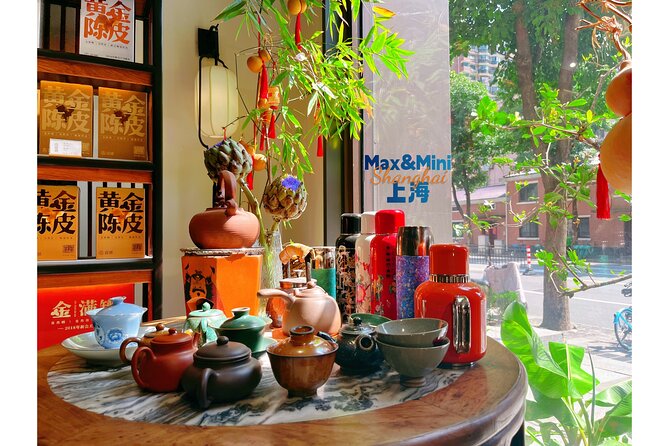
I would recommend it to first-time tea drinkers who want a clear introduction without having to learn through trial and error. It also suits people who already enjoy tea and want more confidence with Chinese brewing tools.
This is a good fit for:
- Couples seeking a quiet cultural activity.
- Small groups who want to learn together.
- Visitors interested in Chinese customs beyond the main sights.
- Tea drinkers who want to compare several categories.
- Anyone who values direct English instruction.
- Locals looking for a structured weekend activity.
It may be a weaker match if you want a walking tour, a full meal, or a large social event. The itinerary lists Old Town as the stop, but the tea session itself takes place in the private room at the meeting point. Plan for focused conversation, tasting, and practice rather than sightseeing.
Service animals are allowed, and the meeting point is near public transportation. The activity is mobile-ticketed, and confirmation is provided at booking. Free cancellation is available up to 24 hours before the local start time. Inside that window, the payment is not refunded and changes are not accepted.
How to get the most from the two and a half hours
Arrive ready to ask questions. The workshop is built for interaction, and Max’s teaching style gives you room to explore topics that interest you. If you already know the difference between green and black tea, ask about brewing temperatures, clay pots, or how processing affects aroma.
Take mental notes about the teas you prefer. You may taste a tea that is floral, roasted, earthy, grassy, or sweet. Those impressions will help later when you look at tea menus or shop labels.
Pay attention to the equipment as much as the liquid. The gaiwan and clay pots can seem unusual at first, but the class is designed to let you practice rather than simply watch. That is the part most likely to remain useful after you leave Shanghai.
Give yourself time around the appointment. The address is provided in Chinese and includes a lane number, so finding the exact entrance may require care. Since the activity returns to the same meeting point, you can plan another Old Town stop before or after the workshop, but leave enough time to arrive without rushing.
Should you book Max’s tea workshop?
Book it if you want a thoughtful, hands-on look at Chinese tea rather than a quick tasting. The best reasons are Max’s personal instruction, the small group limit, and the chance to brew with real tea ware after learning how the six tea categories differ.
Skip it if your main goal is sightseeing or a full meal. At $72, the value comes from the teaching, variety, private room, and practice time. For tea lovers and culturally curious visitors, that is a solid use of an afternoon in Shanghai. For everyone else, a cheaper cup in a tea shop may be enough.
FAQ
Where does the Chinese tea workshop meet?
It meets at 宁海招待所, China, Shanghai, Huangpu District, 149 Nong, 100 Nanchezhan Road, postal code 200011.
Where does the activity end?
The activity ends back at the meeting point.
How long does the experience last?
It lasts approximately two hours and thirty minutes.
How much does the experience cost?
The listed price is $72 per person.
How many people can join the activity?
The maximum group size is seven travelers.
Who leads the workshop?
Max leads the workshop. He is a certified English guide and a tea and Chinese culture specialist.
What types of tea will I taste?
You will taste several Chinese teas, with the session covering the six major categories of green, black, oolong, white, yellow, and dark tea. The exact selection can vary.
Will I brew tea myself?
Yes. The workshop includes hands-on brewing with tea ware such as a gaiwan and clay pots.
Are snacks included?
Yes. Snacks are included, and examples have included seasonal fruit such as pomelo.
Can I cancel for a full refund?
Yes. You can receive a full refund if you cancel at least 24 hours before the experience start time. Cancellations or changes made within 24 hours are not refunded or accepted.
Newly steeped around China
- Full-day Tour: Spectacular Sunrise, Tea Plantation & Sunset★ 5.0 · 3 reviews
- Shanghai Mahjong Experience in Local Tea Bar★ 5.0 · 4 reviews
- Chinese Tea Ceremony Experience★ 5.0 · 3 reviews
- Private Tour Hangzhou West Lake and Tea Fields Discovery★ 5.0 · 3 reviews
- Hangzhou West Lake and Tea Plantation Half Day Tour★ 5.0 · 4 reviews
- Private Hangzhou Day Tour to West Lake, Lingyin Temple, Tea Village, Old Pagoda★ 5.0 · 17 reviews
- Half-Day Hangzhou Private Tour with Green Tea Village and Lingyin Temple★ 5.0 · 3 reviews
- Half-Day Hangzhou Tianzhu Buddhist Mountain Hiking Tour with Green Tea Village★ 5.0 · 2 reviews
Chinese Tea Ceremony Tours, compared.
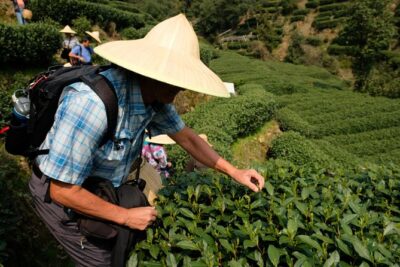
One-Day Hangzhou Dragon Well Tea Culture & West Lake Private Tour
Read our review →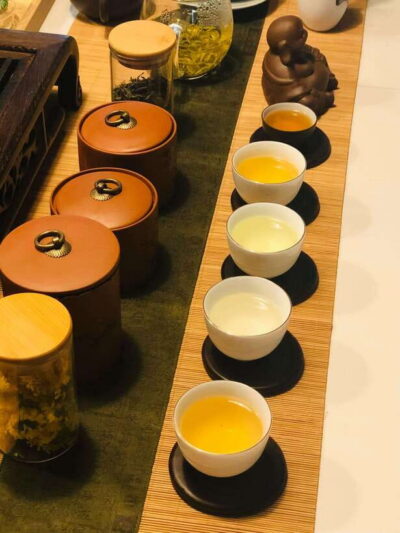
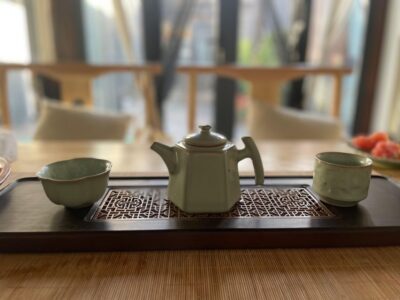
Chinese Tea ceremony in Beijing Hutong courtyard
Read our review →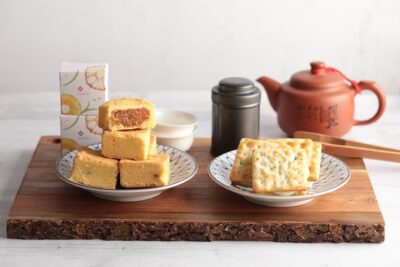
Taiwanese Baking Class with Oolong Tea Tasting in Taipei
Read our review →
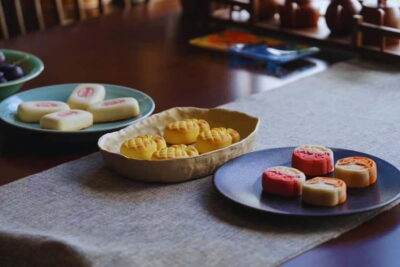
Beijing:Learn Calligraphy & Enjoy Kung Fu Tea Ceremony
Read our review →Browse the lists this tea experience appears in