
Review · UJI
Uji and Wazuka Matcha Farm Half Day Private Guided Tour
Uji gives you the famous name, but Wazuka shows you where the tea comes from. This private half-day tour links Uji’s riverfront and old tea shops with working tea fields in the hills of Wazuka, a village with more than 800 years of tea production.
I like the personal scale and the chance to spend time with Masae, a guide who explains tea farming, production, and local customs with clear enthusiasm. I also like the generous mix of three or more tea tastings, a bento lunch, and countryside views. The main drawback is the price, $360 per person, and the farm roads can be muddy and bumpy.
Key points to know before booking
- Uji and Wazuka in one compact tour: You see the famous tea town first, then reach the quieter growing area that supplies the tea.
- A private experience with Masae: Only your group takes part, so the pace can feel more personal than a large bus outing.
- Tea tasting with local context: You taste at least three kinds of local tea while learning how matcha and other teas are produced.
- Three hours in Wazuka: Most of the tour is spent among tea fields, viewpoints, and mountain scenery rather than in town.
- Lunch is included: A Japanese bento meal is part of the package, with a vegetarian option available if requested ahead of time.
- Practical footwear matters: The farm access may be muddy and uneven, so sturdy shoes are a smart choice.
Why this tour goes beyond a cup of matcha
Many visitors meet matcha as a sweet drink, a dessert flavor, or a neatly whisked bowl in a Kyoto tea shop. This outing gives you the missing connection: you see the places where tea grows and hear how farming and production shape the final drink.
That distinction matters. Uji is famous, easy to reach, and packed with tea shops. Wazuka is quieter and more rural, with hills, fields, and a long connection to tea making. The tour lets you compare the polished tea culture of Uji with the working countryside behind it.
You also get a guide rather than a self-guided farm visit. Masae explains the subject from a local point of view, including the family side of the tea industry. Her approach is especially useful if you want more than names and dates. You can ask about cultivation, processing, matcha, and the differences between the teas in your cup.
The experience lasts about four hours. That is enough time for a strong introduction, but not enough for a slow, all-day rural exploration. You should book it for focused access to Uji and Wazuka, not for a long farm stay or an extended food tour.
More Matcha Experiences in Uji:
- Kyoto: Tea Museum Tickets and Matcha Grinding Experience
★ 4.9 · 739 reviews - Slow Cycling Tour at Uji’s Matcha Green Tea Fields and Heritage
★ 5.0 · 25 reviews - Kyoto Matcha Green Tea Tour
★ 4.5 · 23 reviews
Starting beside the Uji River
The meeting point is at Itoh Kyuemon near JR Uji Station. From there, the tour begins with a walk along the Uji River and through the small tea-centered town.
This opening works well because it gives you immediate context. Uji is not simply a stop with a famous name. Tea shops, matcha cafés, and stores selling tea products are part of the town’s daily identity. You have time to look around and get a feel for how tea is presented and sold before seeing the fields where it begins.
The river walk also gives the first change of pace. Instead of rushing from one sight to another, you start outdoors, with water, bridges, and traditional streets around you. The town portion lasts about 30 minutes, so it is an introduction rather than a long shopping session.
If you want to buy tea, this is a useful point to ask Masae for guidance. The tour includes tasting, but extra drinks, snacks, and purchases made on the street are not included. That keeps the package clear, though you should carry money if you expect to shop.
A short stop at Uji Shrine
The visit to Uji Shrine lasts about 10 minutes. That is brief, but it adds a cultural layer to the tea focus.
You should think of this as a compact visit rather than a full shrine tour. The stop lets you see one of Japan’s oldest shrines while already walking through the historic part of Uji. Masae can connect the place to the wider setting, but the available schedule does not leave room for a long temple and shrine circuit.
This is a good fit if you want variety. A tour made only of tea fields could feel narrow, especially for family members who are less interested in tea. The shrine gives you a second subject without taking much time away from Wazuka.
Crossing Ujibashi Bridge
Ujibashi Bridge is another quick stop, about 10 minutes. It is described as one of Japan’s oldest bridges and provides a natural link between the river walk and the town.
The value here is not a long formal visit. It is the setting. You get a recognizable Uji sight, a river view, and a chance to understand why the town developed around this crossing. The bridge also makes a useful photo stop before the tour changes from urban Uji to rural Wazuka.
Because both the shrine and bridge stops are short, you should not expect detailed sightseeing at each. Their purpose is to frame Uji before the main part of the day begins.
More Tea Experiences around Uji:
- Uji: Green Tea Tour with Byodoin and Koshoji Temple Visits
★ 4.8 · 72 reviews - Uji: UNESCO Heritage & Tea Ceremony Walking Tour
★ 4.6 · 54 reviews - Uji Tea Ceremony and UNESCO Heritage Walking Tour
★ 5.0 · 20 reviews - Uji: Private immersion into Kyoto’s tea and reglious culture
★ 5.0 · 17 reviews
Three hours among Wazuka’s tea fields
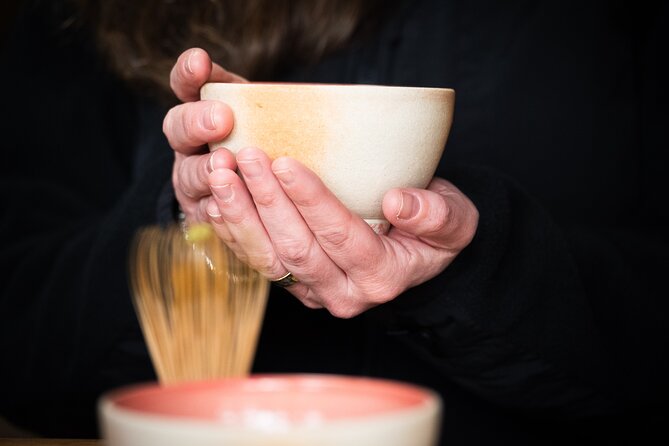
Wazuka receives the largest share of the tour, about three hours. That balance tells you where the real focus lies.
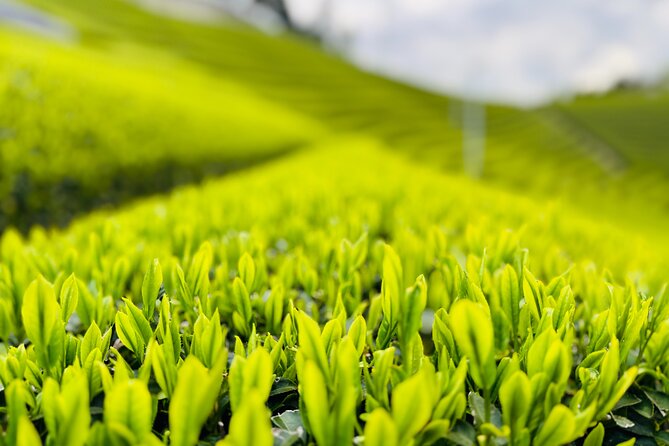
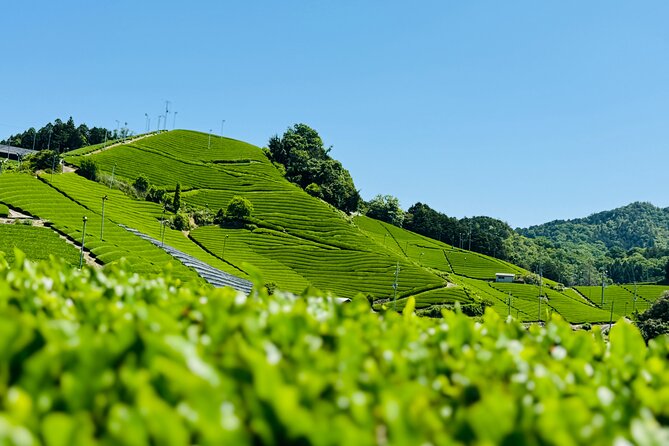
The village sits in a valley surrounded by mountains and crossed by a river. Tea has been produced here for more than 800 years, and the area is closely tied to Uji tea culture. The fields and hills give you a more direct sense of the work behind the product than a city café can provide.
The tea farm walk is the heart of the experience. You can expect to walk through or near growing areas and hear about farming and tea production from Masae. Her family connection to the industry gives the explanations a personal angle. That is valuable because tea making is not just a finished product in a package. It depends on land, seasonal work, processing, and local skill.
The provided details do not promise a particular harvest activity or a hands-on farming task, so you should not book this expecting to pick tea leaves. The clear promise is a farm walk, views, explanations, and tasting.
The access can be muddy and bumpy. This is one of the few practical cautions worth taking seriously. Wear shoes you can walk in comfortably and do not choose your most delicate footwear. The setting is rural, not a paved garden designed for easy strolling.
Tasting at least three local teas
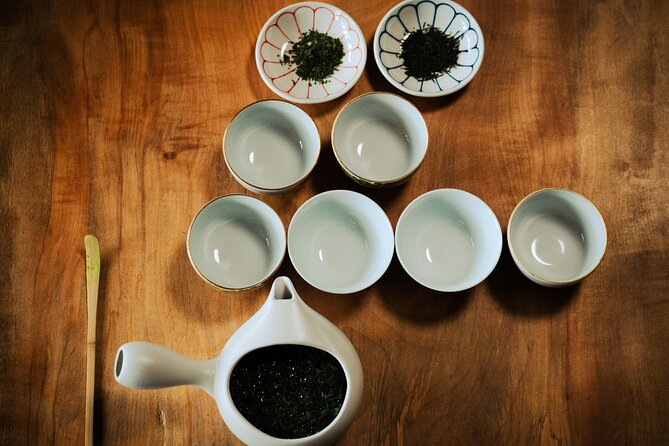
The tea tasting is more useful when it follows the farm visit. You have just seen the growing area, so the cup has a story attached to it.
At least three kinds of local tea are included. That gives you a chance to compare flavor and preparation rather than treating matcha as one single category. Coffee and tea are listed as part of the included refreshments, with local tea as the main draw.
Masae’s explanations are a major part of the tasting. Several people specifically praised her ability to explain matcha, tea farming, and the manufacturing process in a way that was clear and engaging. You should expect the tasting to be educational, but not stiff or academic.
The tour may also include a chance to make and eat mochi, based on the activities described by past participants. Since this is not stated as a fixed inclusion, treat it as a possible extra feature rather than a guaranteed part of every departure.
If you already know matcha well, the value will come from the local setting and the comparison between teas. If you are new to matcha, this is likely the part that gives you the most useful foundation.
A Japanese bento lunch in the valley

Lunch is a Japanese bento set, and it is included in the price. That matters on a four-hour outing, especially since you are leaving the main town and spending much of the time in the countryside.
The meal has been described as generous, and it gives the tour a welcome pause between walking and sightseeing. It also means you do not need to spend part of the short schedule searching for food in Wazuka.
Vegetarian meals are available with advance notice. You should make that request before the tour rather than waiting until the meeting point. Extra drinks and street snacks are not included, so plan to purchase those separately if needed.
The meal is not presented as a formal culinary class or a dedicated food experience. Its role is practical and cultural: you eat a Japanese lunch while spending time in the tea valley.
What the private format changes
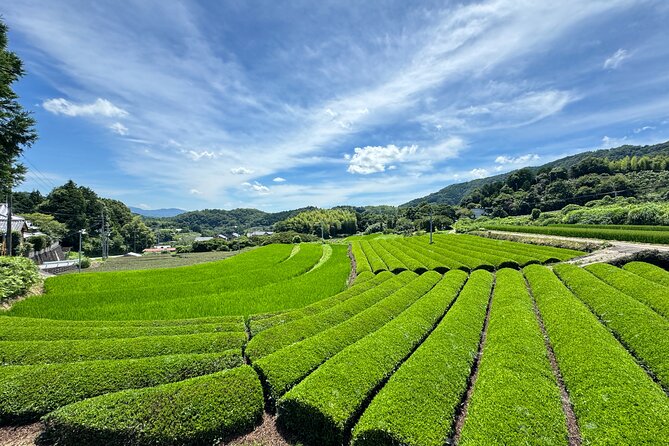
This is a private activity, so only your group participates. That is a meaningful advantage when the subject is specialized.
With a private guide, you can ask more questions about tea farming, local families, production, and the differences between the teas. You are also less likely to spend time waiting for a large group to gather or move between stops.
The format suits solo visitors, couples, families, and small groups. Families may appreciate the mixture of river walking, a shrine, a bridge, food, and open countryside. A dedicated matcha fan will likely value the added time in Wazuka. Someone who wants a broad first look at Kyoto’s major sights may find the tour too focused.
The private arrangement does not mean the schedule is completely loose. Four hours is a short window, and the route has several planned elements. Think of the format as personal guidance within a compact structure.
Is $360 per person a fair price?
At $360 per person, this is not a budget sightseeing walk. The value depends on how much you want the private access and the Wazuka setting.
The price includes an air-conditioned vehicle, private transportation, a tour guide, local tea tasting, a bento lunch, a farm walk, and a viewpoint visit. You are paying for transport between Uji and Wazuka as well as for a private guide who can interpret the places and tea.
For a solo visitor, the cost is a serious decision. A couple or family may find the private format more worthwhile because the vehicle, guide, meal, and tasting are bundled into one outing. Group discounts are available, so larger parties should check the final per-person rate before deciding.
I would not choose this tour simply because it is the cheapest way to see Uji. It is not. I would choose it because you want the harder-to-reach rural portion, a personal guide, and a structured introduction to tea production without arranging separate transport and tastings.
The five-star rating from 21 published evaluations and a 100 percent recommendation rate point to consistent satisfaction, especially with Masae’s guidance, the scenery, the meal, and the tea explanations. Those ratings do not remove the price question, but they do help show where the tour delivers its value.
Who will enjoy it most
You are a strong match for this tour if you:
- Want to connect Uji’s tea shops with real growing areas
- Prefer a private guide to a large group
- Enjoy scenery, local food, and cultural explanation
- Are curious about how tea is farmed and processed
- Have only a half day available
- Do not mind uneven or muddy rural access
You may want another option if you want a full day of temples, a formal tea ceremony, extensive shopping, or a long hands-on farming session. None of those are the main promise here.
The experience also works well for someone who likes a clear balance of activity. You walk beside the river, visit a shrine and bridge, ride into the hills, walk among tea fields, taste several teas, and eat lunch. It is not a passive scenic drive, but it is not a strenuous hike either. The exact physical effort will depend on the farm conditions.
Timing, meeting point, and small practical details
The tour begins at Itoh Kyuemon near JR Uji Station. It ends in a different location, so check the end point details before you book and allow time for your next journey.
Confirmation is provided when you book. The activity is near public transportation, and most people can participate. Service animals are allowed.
You receive free cancellation if you cancel at least 24 hours before the local start time. Changes or cancellations made inside that 24-hour window are not accepted for a refund.
Bring comfortable footwear and prepare for the possibility of mud. Since extra snacks and drinks cost more, a little planning helps. If you need a vegetarian bento, request it in advance.
Should you book the Uji and Wazuka tea tour?
Book it if you want the tea story behind the tea shop. The best parts are the private time with Masae, the move from historic Uji to rural Wazuka, the three or more teas, and the included lunch. The countryside portion gives the experience a sense of place that a standard Uji café visit cannot provide.
Think twice if $360 per person feels high for four hours, or if your main goal is a formal tea ceremony or a broad tour of Kyoto. The schedule is compact, the farm access may be rough, and street purchases are extra.
For matcha lovers and culture-minded visitors who value personal guidance, this is a focused and worthwhile half day. It gives you a clearer understanding of where Japanese tea comes from, served with good views, a proper meal, and enough time in Wazuka to make the trip feel like more than a quick Uji stop.
FAQ
How long does the tour last?
The tour lasts approximately four hours.
Where does the tour begin?
It begins at Itoh Kyuemon near JR Uji Station, at SaboUmonji-16-1, Uji, Kyoto 611-0021, Japan.
Where does the tour end?
The activity ends at a different location from the starting point. You should check the end point details when booking.
What is included in the tour?
The tour includes a viewpoint visit, a tea farm walk, an air-conditioned vehicle, local tea tasting, a Japanese bento lunch, private transportation, and a tour guide.
How many teas can I taste?
The included tasting features at least three different kinds of local tea.
Is a vegetarian lunch available?
Yes. A vegetarian Japanese bento option is available when requested in advance.
Can I cancel for a full refund?
Yes. You can receive a full refund if you cancel at least 24 hours before the experience start time. Cancellations or changes made less than 24 hours before the start time are not accepted for a refund.
Newly steeped around Uji
- Kyoto tea town for matcha lovers★ 5.0 · 16 reviews
- Uji: Private immersion into Kyoto’s tea and reglious culture★ 5.0 · 17 reviews
- Utilising upcycled Matcha! Creating matcha incense (Uji, Kyoto)★ 5.0 · 6 reviews
- Kyoto Matcha Green Tea Tour★ 4.5 · 23 reviews
- Uji Tea Ceremony and UNESCO Heritage Walking Tour★ 5.0 · 20 reviews
- 7 Hours Private Guided Tour Uji and Wazuka Matcha Farm★ 5.0 · 2 reviews
- Half Day Matcha Tour in Uji, home of culture, with a local★ 4.8 · 14 reviews
- Kyoto: Tea Museum and Tsuen Teahouse Guided Tour★ 5.0 · 2 reviews
Matcha Experiences, compared.
World Heritage Kyoto & Nara Uji Authentic Matcha Experience
Read our review →
Matcha Making Class in Tokyo with Authentic Japanese Sweets Set
Read our review →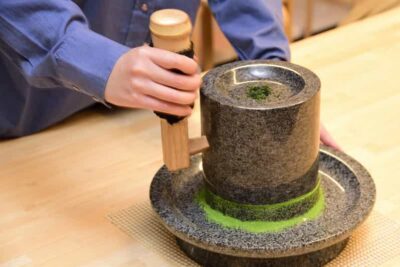
Kyoto: Tea Museum Tickets and Matcha Grinding Experience
Read our review →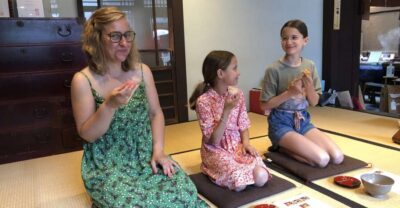
Kyoto: Tea Ceremony Meditation – Make Matcha with Tea Master
Read our review →
Tokyo: Matcha Making Experience with Mochi Sweets in Asakusa
Read our review →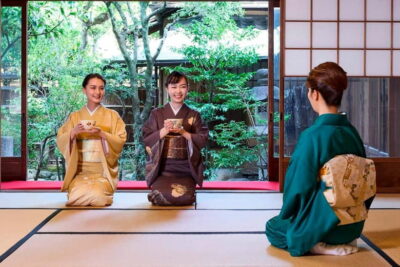
Kyoto: Kimono Tea Ceremony with Matcha and Sweet
Read our review →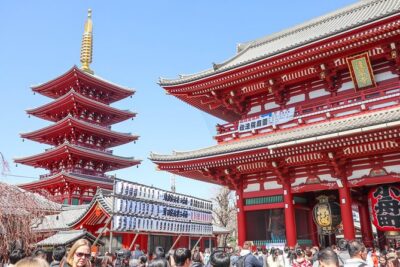
Browse the lists this tea experience appears in