
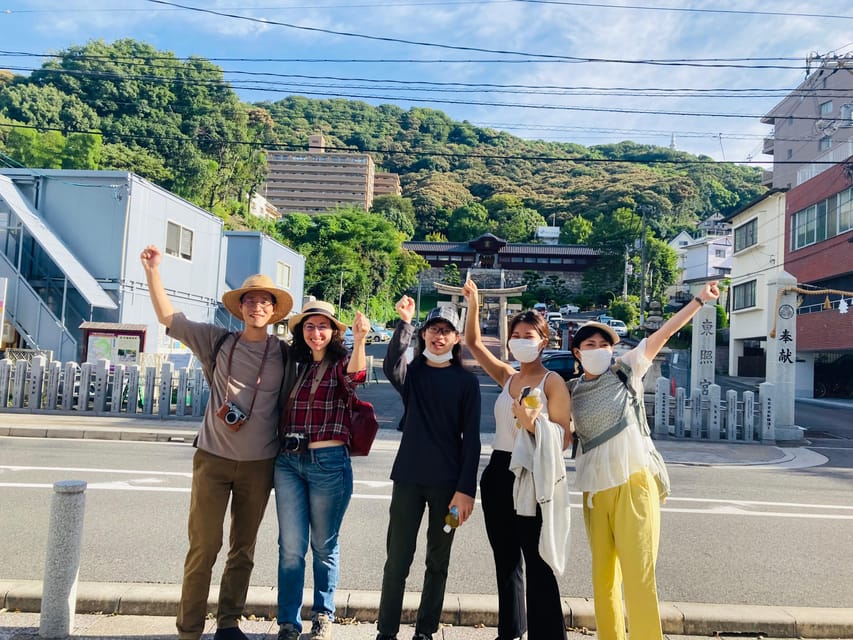
Review · HIROSHIMA
Hiroshima: Morning Hiking Tour with Open-air Tea Ceremony
Futaba Mountain gives you a different morning in Hiroshima: 500 steps through woodland, several shrines, and a wide view across the city before most people have finished breakfast. I like the mix of movement and quiet time, especially the open-air tea ceremony at Kinko Inari Shrine. I also like that guides such as Naomi, Nana, Mimi, Michiyo, and Stephanie bring local stories and personal warmth to a small group.
The main thing to consider is the climb. This is not a gentle stroll. You go up roughly 500 steps, then descend by a similarly demanding route, so comfortable shoes and a fair level of fitness matter. The forest bathing is a sensory meditation, not swimming, and the tea ceremony is a relaxed outdoor version rather than a formal, kimono-clad performance.
Key points at a glance
- A 500-step climb from Hiroshima Station: You reach Futaba Mountain on foot without a long transfer, but the stairs require effort.
- Shrines before the view: Hiroshima Toshogu Shrine and Kinko Inari Shrine add cultural depth to the walk.
- Peace Pagoda viewpoint: From high on the mountain, you can see Hiroshima City, the Seto Inland Sea, and Miyajima.
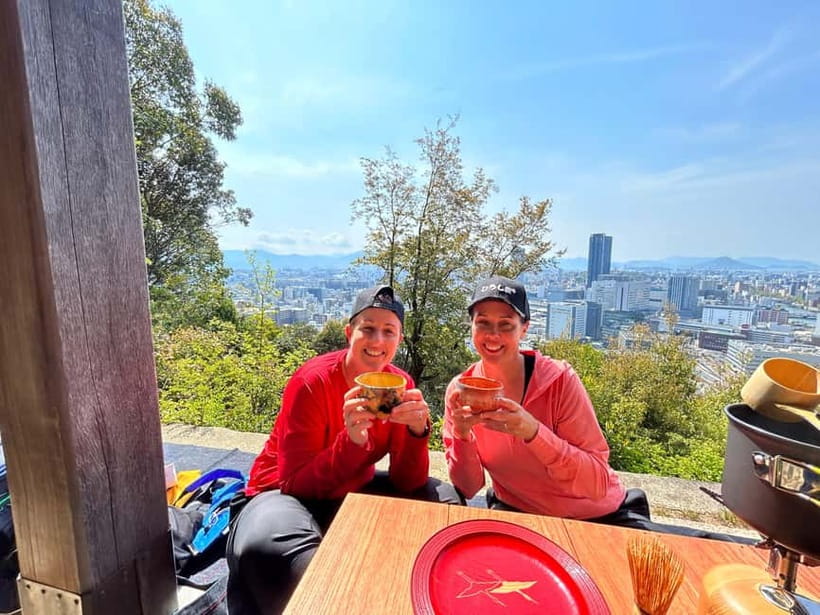
- Outdoor tea in the forest: Your guide prepares matcha at Kinko Inari Shrine, with time to pause and take photographs.
- Forest bathing means sensory rest: Expect a calm nature exercise, not a swim or spa treatment.
- Small-group guiding: The tour is limited to six people, with Japanese and English available.
Why this morning feels different from central Hiroshima
Most visitors come to Hiroshima for the Peace Memorial Park, the Atomic Bomb Dome, and Miyajima. Those places matter, but Hiroshima is more than its wartime story. This tour gives you a chance to see the city through its wooded hills, Shinto shrines, local volunteers, and everyday spiritual traditions.
The timing helps. A morning start brings cooler air, softer light, and a better chance of quiet paths. The view from Futaba Mountain changes your sense of the city. Hiroshima spreads below you, while the Seto Inland Sea and Miyajima sit beyond it. You are close to the station, yet the trees and mountain paths make the city feel far away.
I also appreciate the size of the group. With no more than six participants, the guide can explain shrine details, answer questions, and adjust the pace more easily than on a large coach tour. Several guides are named in the experience information, including Naomi, Nana, Mimi, Michiyo, and Stephanie. The comments about them are consistent: they are friendly, patient, and keen to share the place.
More Tea Ceremonies in Japan:
- Kyoto: Tea Ceremony in a Traditional Tea House in Kiyomizu
★ 4.9 · 3,519 reviews - Kyoto: Tea Ceremony Ju-An at Jotokuji Temple
★ 4.9 · 3,207 reviews - Kyoto: 45-Minute Tea Ceremony Lesson Experience
★ 4.3 · 2,378 reviews
Meeting at Hiroshima Station and setting off
You meet your guide on the deck on the second floor of Hiroshima Station, in front of the Shinkansen North Exit. This is a practical starting point, especially if you are staying near the station or arriving by train. The meeting instructions also refer to the Seven Bank ATM as one of the station-area locations, so check the exact confirmation details before you go.
The guide first explains the route and what to expect. That briefing matters here because the walk includes steep steps, shrine grounds, forest paths, viewpoints, and a return descent. You will want to know from the start that the tour is a physical outing with several slow, reflective sections mixed in.
The full activity lasts about three hours. Some outings may run a little longer, particularly if the group spends extra time at shrines or takes many photographs. If you have a train, reservation, or fixed lunch booking immediately afterward, leave some breathing room.
Hiroshima Toshogu Shrine: architecture before exertion
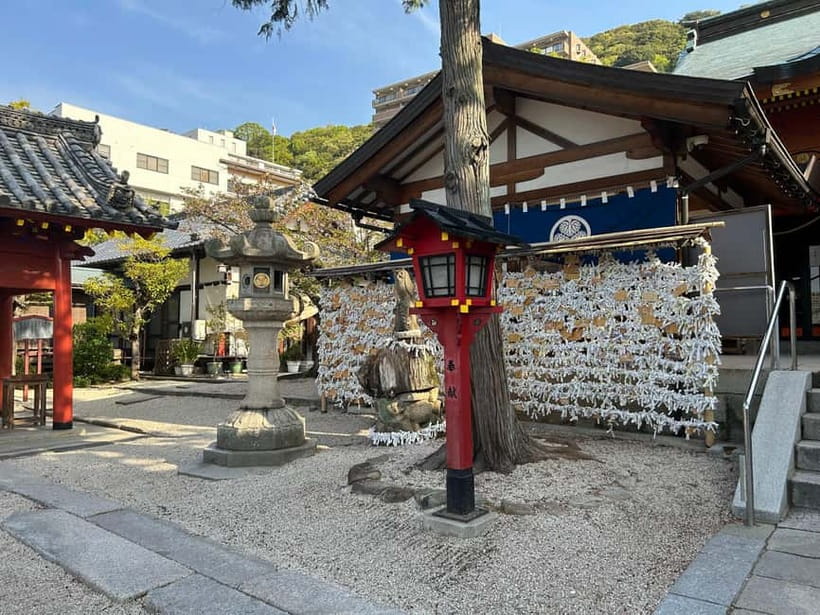
The first major stop is Hiroshima Toshogu Shrine, where you spend about 30 minutes walking and listening to an explanation of the grounds. The shrine is known for its traditional architecture and important cultural assets. This is not just a quick photo stop. It gives you a useful introduction to Shinto customs before you head higher into the trees.
Your guide can point out the character of the shrine buildings and explain what you are seeing. The exact depth of the discussion depends on your guide and the questions you ask, but the tour is designed to connect the architecture with local history and Japanese religious practice.
This part is a good reason to choose the tour even if you are not a serious hiker. You receive cultural context before the physical section begins. If the steps later leave you short of breath, the time at Toshogu Shrine also gives the morning a balanced start rather than making it a nonstop climb.
Kinko Inari Shrine and the woodland climb
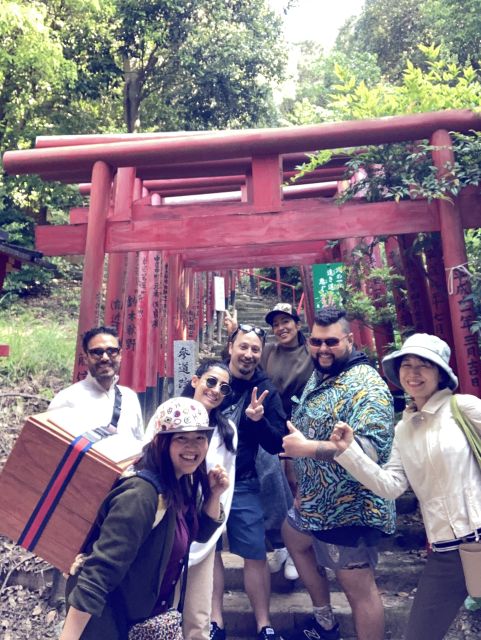
From Hiroshima Toshogu Shrine, the route continues toward Kinko Inari Shrine in the hills of Futaba. The walking and hiking portion takes about 25 minutes in the stated schedule, though the whole climb includes additional time and stairs. The route passes through greenery and shrine areas, with pauses to look around and hear about the mountain.
The number to remember is about 500 steps uphill. One participant counted 466, while the official guidance says 500, so think of this as an approximate figure rather than a precise tally. Either way, you should expect a real stair climb. The descent can also work your legs, even though it may feel easier at first.
The route is not presented as a race. Guides have built in pauses, and the overall tone is a mix of walking, conversation, and quiet observation. That makes the tour more manageable than the step count may suggest, but it does not remove the physical demand.
Wear shoes with a secure sole. The only listed item to bring is comfortable footwear, but water and sun protection are sensible choices for a morning hike. The tour is not suitable for people with heart problems, and anyone unsure about steep stairs should consider that warning seriously.
More Tea Country Hikes around Japan:
- Hiroshima Local guided Hiking Tour&Open-air Tea Ceremony
★ 5.0 · 213 reviews - Tuk-Tuk Safari Liptons seat,Tea Fields Hike,TeaFactory Tour
★ 4.8 · 46 reviews - Private Munnar Tea Trek
★ 4.6 · 38 reviews - NuwaraEliya Tea Factory,Plantation & Water Falls Hike Tour by Car
★ 5.0 · 12 reviews
Peace Pagoda and the best view of the morning
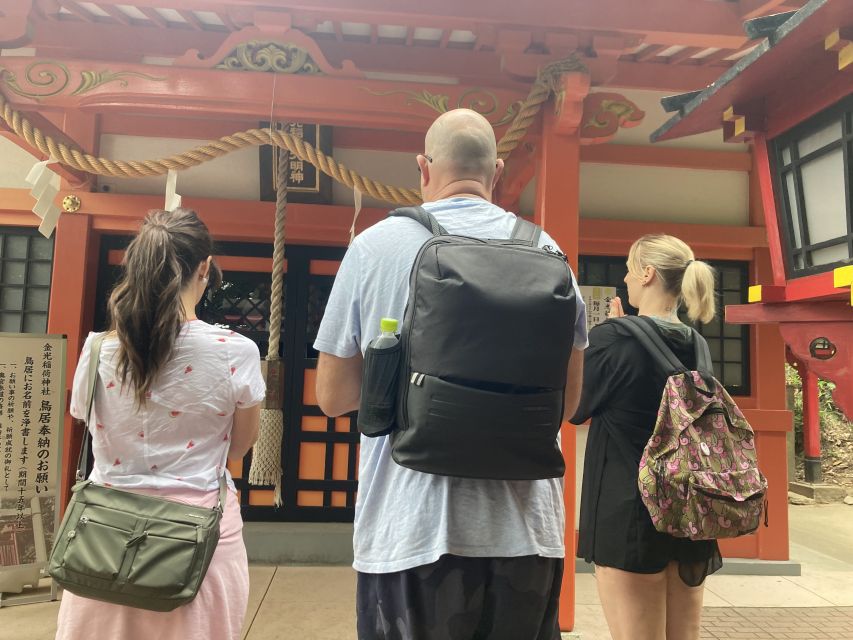
After the climb, you reach the Peace Pagoda area for a photo stop and scenic break. The scheduled visit takes about 35 minutes, including views along the way. From the mountain, you can look over Hiroshima City toward the Seto Inland Sea and Miyajima.
This is one of the strongest parts of the experience because the view gives you geographical context. From street level, Hiroshima can feel like a collection of separate sights. From Futaba Mountain, you see how the city sits between water and hills. You also gain a different perspective on Miyajima than you get from the ferry or the island itself.
Bring a camera, but do not rush this stop. The morning light is part of the appeal, and the guide can help you understand what you are looking at. The views are weather dependent, of course. On a clear day, they are a major reward for the stairs. On a hazy day, the woodland and shrine visits still carry the tour.
Forest bathing: a pause for your senses
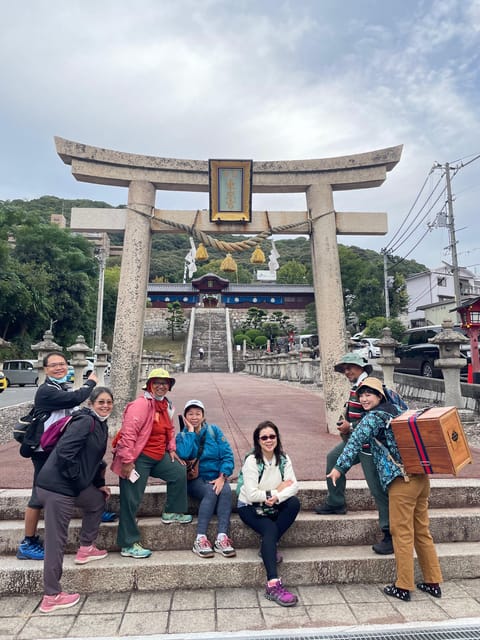
The forest bathing session is held around Kinko Inari Shrine. The phrase can be misleading if you have not encountered it before. You are not bathing in water. Instead, the guide leads you through a sensory meditation or nature-focused exercise designed to help you slow down and pay attention to the forest.
The activity may include quiet observation, breathing, gentle movement, or simple ways to notice the sounds and feel of the surroundings. One person described it as a pleasant sensory meditation after initially expecting a swim. Another enjoyed a more active, unusual style of yoga. These descriptions suggest that the exact form can vary with the guide and group.
I like this part because it prevents the hike from becoming only a climb to a viewpoint. You have already used your legs. Forest bathing gives you permission to stop, listen, and let the mountain do some of the work. It is also a useful contrast with busy sightseeing in central Hiroshima.
Do not expect a medical treatment or a formal wellness class. Think of it as guided quiet time outdoors. You will get more from it if you are willing to put your phone away for a few minutes and follow the activity with an open mind.
The open-air Nodate tea ceremony
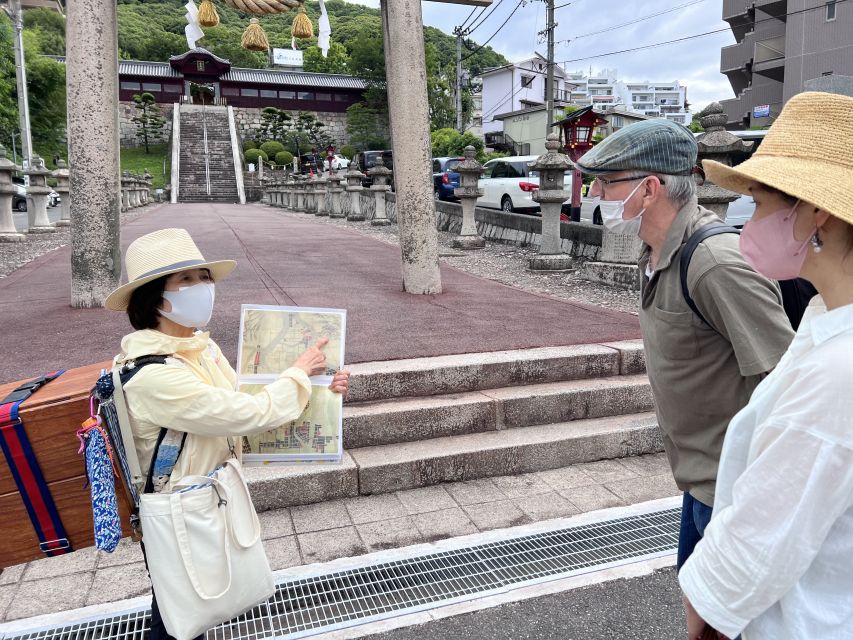
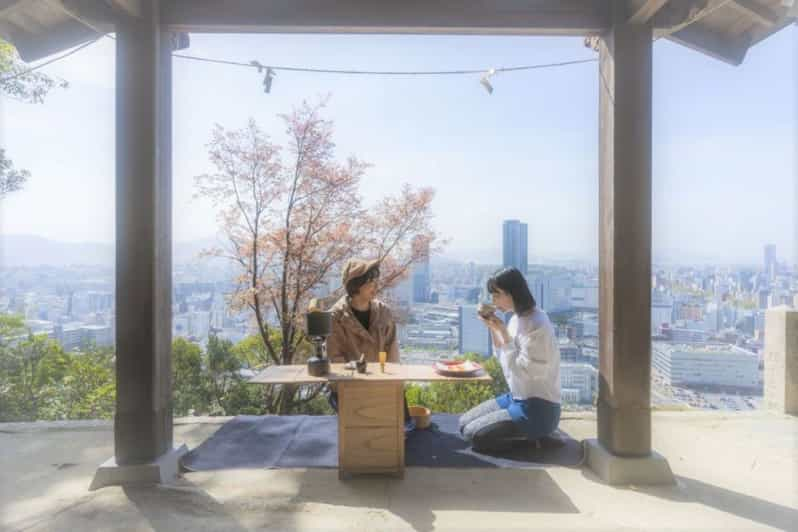
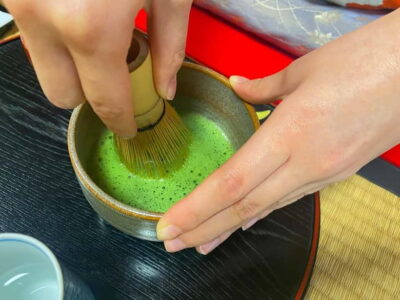
The tea ceremony is the tour’s signature moment. At Kinko Inari Shrine, your guide prepares green tea outdoors in the Nodate tradition. You sit in a natural setting, often with a view, and share a quiet cup after the climb.
This is not the highly formal tea ceremony you might see in a private room, with elaborate dress and strict staging. It is a casual open-air version. That is also its strength. You see how the ritual can connect with a mountain setting rather than existing only as a polished indoor performance.
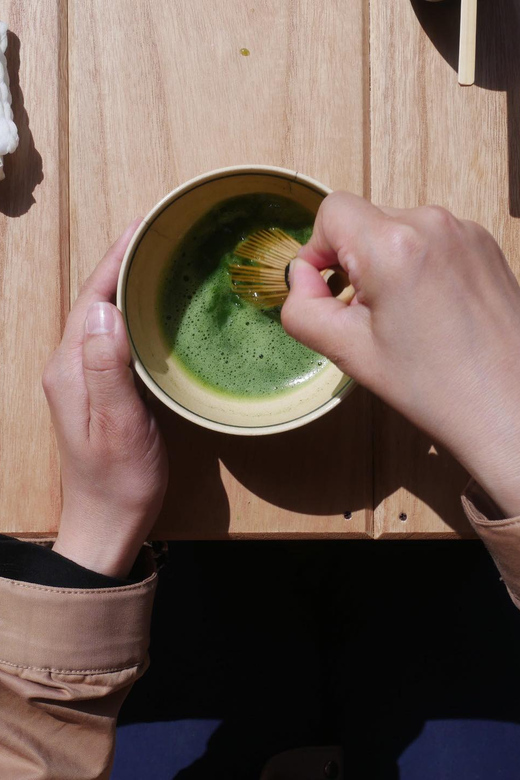
The guide prepares the tea and explains the process. Depending on the group, you may be invited to take part in making matcha yourself. One participant had the chance to practice the ceremony, and another guide involved a child in preparing the tea correctly. Small sweets are also part of the experience according to one account.
The tea tastes especially good after the climb, though you do not need to be a matcha fan to enjoy the setting. The combination of green trees, open views, and deliberate preparation makes this feel more personal than a quick cup served at a tourist attraction.
The tea stop is scheduled for about an hour, including a break, photographs, scenery, and the ceremony. That long pause is important. It gives the tour a proper ending instead of rushing you straight back down the mountain.
Guides, language, and the small-group advantage
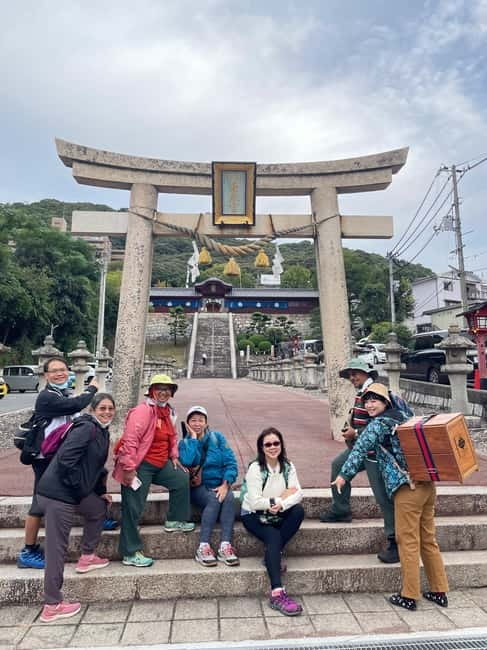
The tour operates in Japanese and English. The named guides include Naomi, Nana, Mimi, Michiyo, and Stephanie, and each brings a slightly different personality. Some have a strong interest in local history and shrine traditions. Others focus on making the group comfortable and involved in the tea or forest bathing.
You should expect a friendly, conversational style rather than a lecture. Guides explain the area, answer questions when they can, and may use photos or demonstrations. One participant felt that a few shrine and worship questions would have been better answered by a priest or shrine worker. That is a fair limitation. Your guide is a local interpreter and host, not necessarily a religious official.
The group limit of six is a real advantage. It gives you space to ask about Shinto, Buddhism, Hiroshima, or the tea ritual without holding up a large crowd. It also means the pace may feel more personal, particularly if there are only one or two people booked that day.
Price, breakfast, and practical value
At $106 per person, this is not the cheapest way to spend a morning in Hiroshima. You can visit shrines and walk in the hills without paying for a tour. The price makes more sense if you value the guide, the cultural explanation, the forest bathing activity, and the prepared tea ceremony.
The tour combines several separate elements: local guiding, shrine visits, a mountain hike, a major city view, forest bathing, and an outdoor tea experience. It also begins and ends near Hiroshima Station, so you do not spend extra time arranging transport to a remote trailhead. For a first visit, that combination gives you access to a side of Hiroshima that is easy to miss.
Breakfast is included only if you select that option. Check the booking choice carefully so you know what you are paying for. Hotel pickup and drop-off are not included, but the station meeting point keeps the logistics simple.
Free cancellation is available up to two days in advance for a full refund. Starting times vary, so check availability when booking. The activity does not permit alcohol or drugs.
Who should book it, and who should skip it
I would choose this tour if you want a cultural experience with some exercise, prefer a small group, and have already planned to see Hiroshima’s central memorial sites. It is especially good for early risers who enjoy quiet paths, views, shrines, and a slower tea ritual.
Families can enjoy it, but the children need to manage the stairs. The tea ceremony can include younger participants, yet the physical climb remains the deciding factor. People with heart problems should not book it, and anyone uncomfortable with 500 steps should choose a flatter activity.
This is also a good pick if you want a guide who does more than point out buildings. The strongest part of the morning is the connection between place and activity: you walk through shrine grounds, learn about local traditions, rest among the trees, and drink tea on the mountain you just climbed.
Should you book the Futaba Mountain morning tour?
Book it if the idea of a strenuous but unhurried morning appeals to you. The stairs are real, but the rewards arrive in stages: traditional shrine buildings, green woodland, a broad view of Hiroshima, guided forest bathing, and matcha prepared outdoors.
Skip it if you want a purely restful tea ceremony, dislike steep climbs, or need to finish exactly three hours after the start. For everyone else, the $106 price is reasonable when you want personal guiding and several connected experiences rather than a simple viewpoint walk. It gives you a thoughtful, physical, and distinctly local way to see Hiroshima beyond its best-known memorials.
FAQ
How long does the Hiroshima hiking and tea tour last?
The tour lasts about three hours. It may run a little longer, so allow extra time if you have a fixed plan afterward.
Where do I meet the guide?
Meet the guide on the deck on the second floor of Hiroshima Station, in front of the Shinkansen North Exit. The Seven Bank ATM is also listed as a station-area location.
How many steps are involved?
You need to climb about 500 steps. One participant counted 466, so the exact number can vary, but you should prepare for a substantial stair climb.
Is forest bathing a swim?
No. Forest bathing is a sensory meditation or nature-focused activity in the forest. It may include quiet observation, breathing, gentle movement, or yoga-like exercises.
Is the tea ceremony formal?
It is an outdoor Nodate tea ceremony, so it is more relaxed than a formal indoor ceremony. The guide prepares green tea or matcha, and you may have the chance to take part in making it.
What languages are available?
The tour is available with a Japanese-speaking or English-speaking guide.
Is breakfast included?
Breakfast is included only if you select the breakfast option when booking. Hotel pickup and drop-off are not included.
Newly steeped around Japan
- Yokohama : Tea Ceremony with Sweets and Souvenir★ 5.0 · 5 reviews
- Whisk Your Own Matcha: A Zen Matcha Experience at Temple★ 3.6 · 7 reviews
- Walking Tour: Yanaka,Nezu& Sendagi: Tea Ceremony & Old Tokyo★ 5.0 · 3 reviews
- Visit local home for music and tea ceremony near Disney★ 4.9 · 13 reviews
- Trip to Kamakura & Enoshima: Shrines, Seaside, Temples &Tea★ 5.0 · 11 reviews
- Yokohama: Sushi & Gyoza Cooking with Matcha & GreenTea Experience★ 5.0 · 3 reviews
- Kyoto tea town for matcha lovers★ 5.0 · 16 reviews
- Uji: Private immersion into Kyoto’s tea and reglious culture★ 5.0 · 17 reviews
Tea Ceremony Experiences, compared.
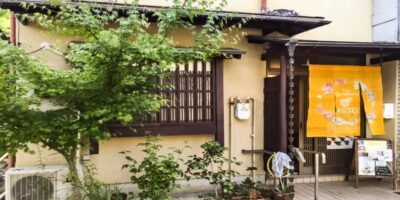
Kyoto: Tea Ceremony in a Traditional Tea House in Kiyomizu
Read our review →
Kyoto: 45-Minute Tea Ceremony Lesson Experience
Read our review →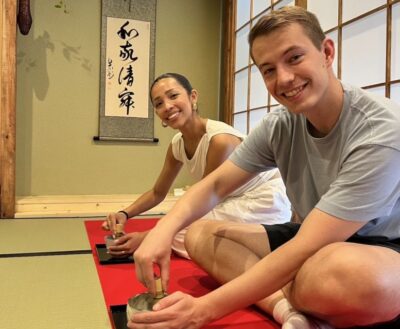
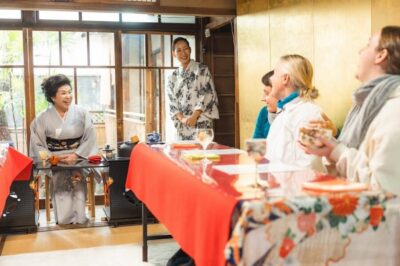
Kyoto: Table-Style Tea Ceremony at a Kyo-Machiya
Read our review →


Browse the lists this tea experience appears in