
Review · KYOTO
Kyoto: Tea Ceremony Experience in a Small Tea Room
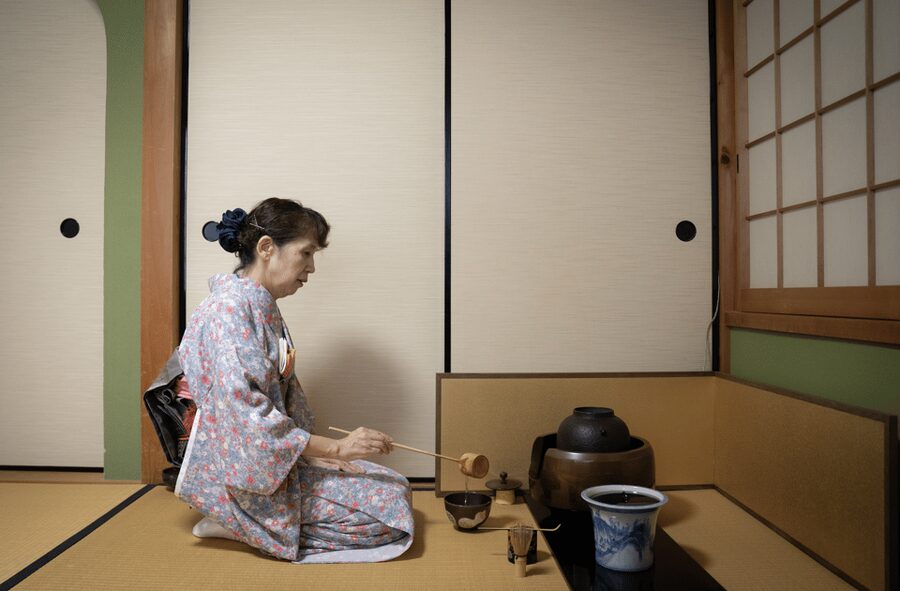
Kyoto’s tea tradition becomes much easier to understand when you are sitting in a small room, watching each movement up close, rather than trying to decode a formal ceremony from across a crowded hall. Here, an experienced teacher with 30 years in the art of tea explains the meaning behind the gestures, the matcha, and the quiet pace.
I like the small group of six, which gives you room to ask questions and try the tea yourself. I also like the setting near the Kamogawa Delta, where you can pair the one-hour session with a peaceful riverside walk. The main consideration is time: one hour gives you a good introduction, but not an exhaustive study of every tea-school custom.
Key points at a glance
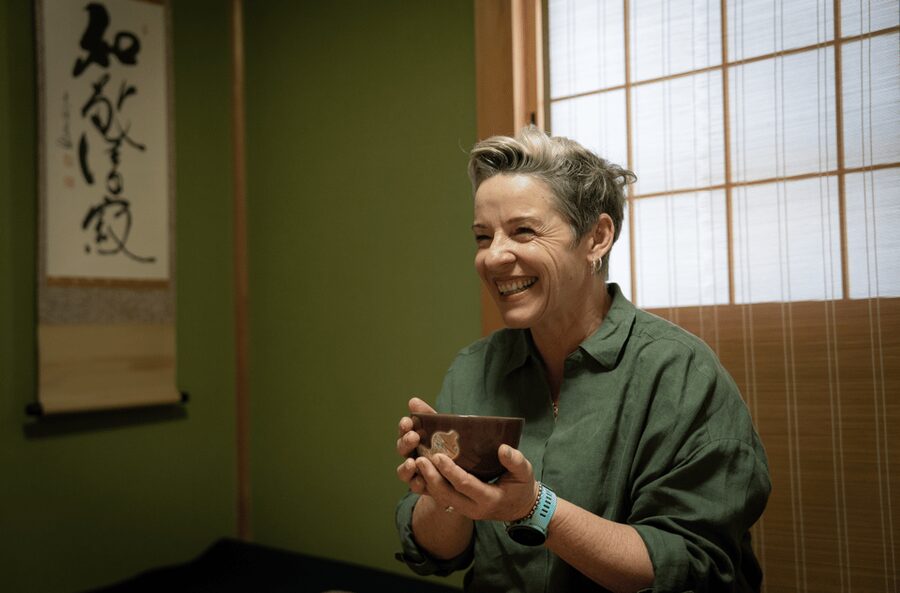
- Prepare your own matcha: You can whisk powdered tea yourself under careful instruction.
- Learn from an experienced teacher: The instructor brings 30 years of tea practice to a beginner-friendly lesson.
- Enjoy a quiet Kyoto setting: The tea room is about a 15-minute walk from Kamogawa Delta.
- Keep the group personal: A maximum of six participants means a closer look at each step.
- Taste simple traditional treats: Matcha is served with traditional dried sweets.
- Pair it with northern Kyoto sights: Demachiyanagi Station is about 15 minutes away and serves as a starting point for trips toward Kibune Shrine and Rurikou Temple.
A small tea room near Kamogawa Delta
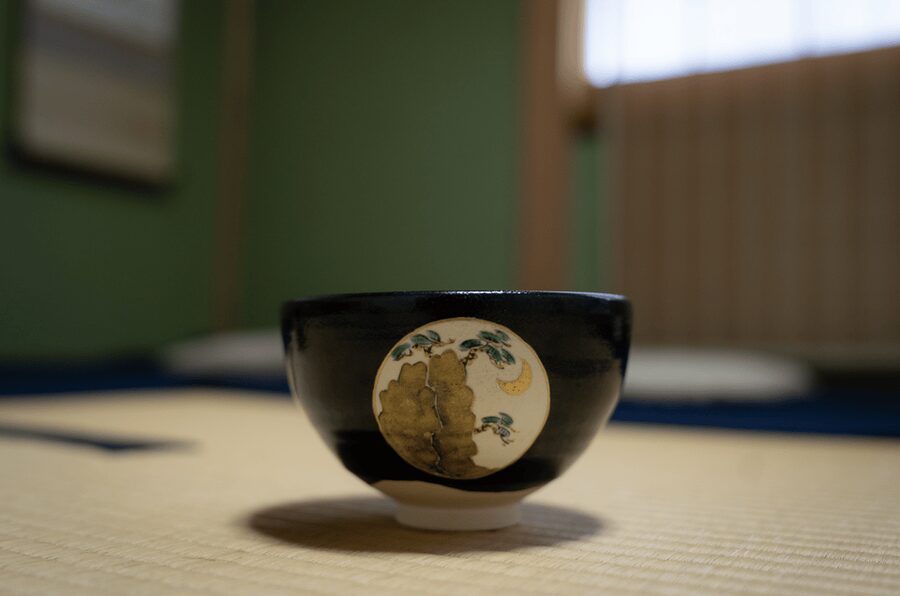
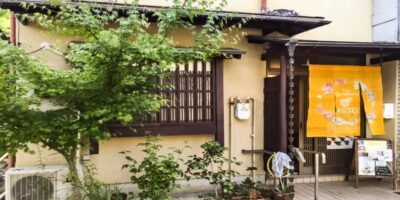
The setting does much of the work. This experience takes place in a Japanese house near the Kamogawa Delta, rather than in a large attraction built for crowds. You enter by looking for the house and the sign marked Tisato. That detail matters, since the meeting point is a house rather than an obvious public landmark.
The tea room is about a 15-minute walk from Kamogawa Delta. I would plan to arrive in the area a little early, then use the walk to slow down before the ceremony begins. The delta is a pleasant place for riverside scenery, so this activity fits well into a morning or afternoon spent around northern Kyoto.
The location is also roughly 15 minutes on foot from Demachiyanagi Station. That makes the tea session practical if you are already using the station as your gateway toward Kibune Shrine or Rurikou Temple. You are not committing half a day to reach an isolated venue. The ceremony can fit neatly between other Kyoto plans.
Still, do not expect the tea room itself to function like a large museum or sightseeing complex. The attraction is the lesson and the atmosphere. If you want a full tour of historic buildings, gardens, or tea-production areas, this one-hour session will feel focused rather than expansive.
More Tea Ceremonies in Kyoto
- Kyoto: Tea Ceremony in a Traditional Tea House in Kiyomizu
★ 4.9 · 3,519 reviews - Kyoto: Tea Ceremony Ju-An at Jotokuji Temple
★ 4.9 · 3,207 reviews - Kyoto: 45-Minute Tea Ceremony Lesson Experience
★ 4.3 · 2,378 reviews
What happens during the one-hour ceremony
The session begins with an introduction to Japanese tea ceremony customs. The teacher explains what you are seeing and why the movements matter, making the activity suitable even if you know nothing about matcha or Japanese etiquette.
That beginner-friendly approach is important. Traditional tea ceremonies can seem formal from the outside, with rules about posture, movement, bowls, and serving order. Here, the aim is to lower those barriers. You can ask questions, follow along, and enjoy the ritual without pretending to have prior knowledge.
The teacher’s 30 years of experience add useful depth. You are not simply shown how to stir a drink. You are introduced to the care and attention that shape the ceremony, including the measured movements used when preparing and serving tea.
The exact sequence may vary with the group, but the central activity is clear: you learn about the ceremony, taste matcha, enjoy dried sweets, and have the chance to make your own tea. The one-hour length keeps the session approachable. You get enough time to understand the basics without having to reserve a large part of your day.
I would treat the session as a guided cultural lesson rather than a performance. The teacher is there to explain and help, not simply to demonstrate while you sit silently. That distinction makes the experience more useful for first-time visitors.
Making matcha yourself
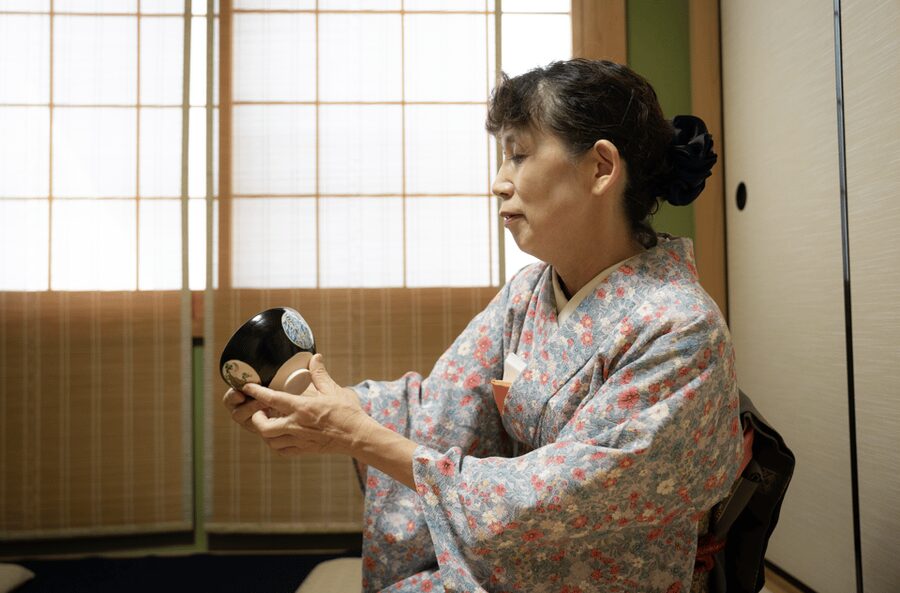
The hands-on portion is the heart of the activity. Under instruction, you learn to prepare matcha by whisking powdered tea and following the careful movements associated with the ceremony.
You can make your own tea if you wish. That choice is helpful for mixed groups. One person may want to try every step, while another may prefer to watch and absorb the explanation. You are not required to perform before you feel ready.
The preparation also gives you a better sense of why tea ceremony is about more than drinking tea. Whisking matcha requires attention, and the process encourages you to focus on small actions rather than rushing toward the finished cup. Even a short lesson can make the familiar green drink feel different.
Do not expect café-style customization. This is a traditional preparation, with the flavor and texture of matcha at the center. If you usually add milk or sugar to tea, you may find the taste more direct and earthy. The dried sweets provide a contrasting bite and are part of the ceremony’s balance.
The practical benefit of making your own tea is that you leave with a clearer memory of the custom. You have not only watched a teacher move through the steps. You have held the tools, whisked the tea, and felt how much care goes into a seemingly simple cup.
Why the small group matters
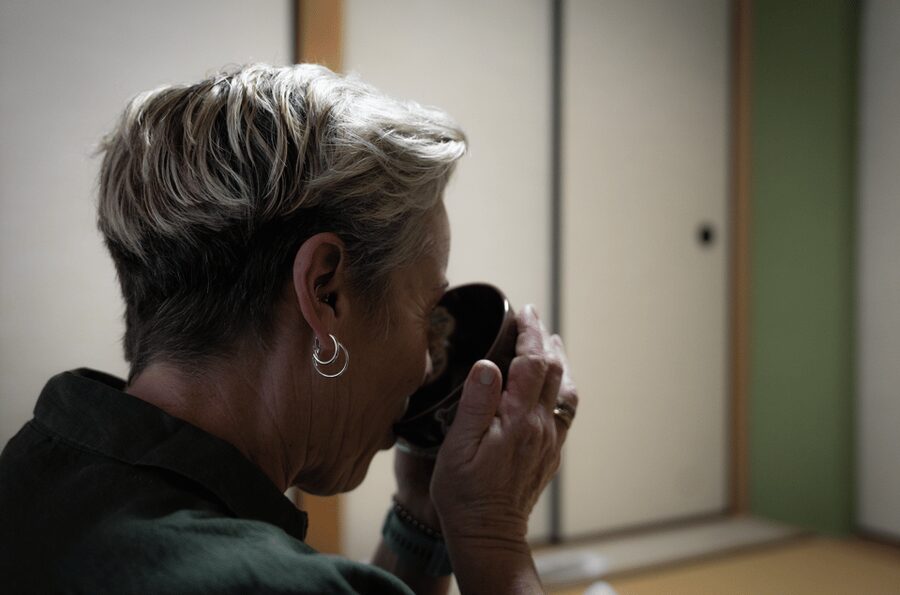
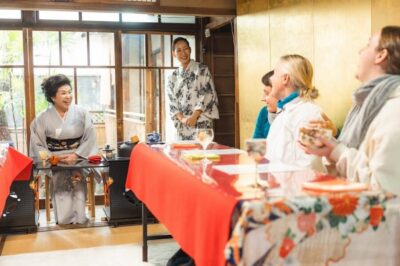
The maximum group size is six people. For a hands-on cultural activity, that is a useful limit. You should be able to see the teacher’s movements without straining from the back of a room, and the instructor can give attention to individual participants.
A small group also keeps the atmosphere quiet. Tea ceremony depends on concentration, and a large crowd would work against that. With only a few people present, questions and explanations can remain part of the experience rather than becoming a scripted speech delivered to a room full of strangers.
The group size does not guarantee a private ceremony. Six participants can still create different levels of interest and comfort. Some people may want to ask many questions, while others may prefer to watch. The advantage is that the format has room for both.
The English-language instruction is another practical strength. You can follow the explanation without needing to rely only on gestures or a translated handout. The activity is designed for people with no prior tea ceremony experience, so you do not need to study etiquette before arriving.
Same leaf, a different ritual:
- Kyoto: Table-Style Tea Ceremony at a Kyo-Machiya
★ 4.9 · 1,211 reviews - Kimono Tea Ceremony at Kyoto Maikoya, NISHIKI
★ 5.0 · 911 reviews - Arashiyama Bamboo, Temple, Monkeys, or Secret Sake Brewery
★ 4.8 · 886 reviews - Kyoto: Arashiyama Bamboo Forest, Monkeys, Matcha & Temple Tour
★ 5.0 · 759 reviews
The taste of matcha and dried sweets
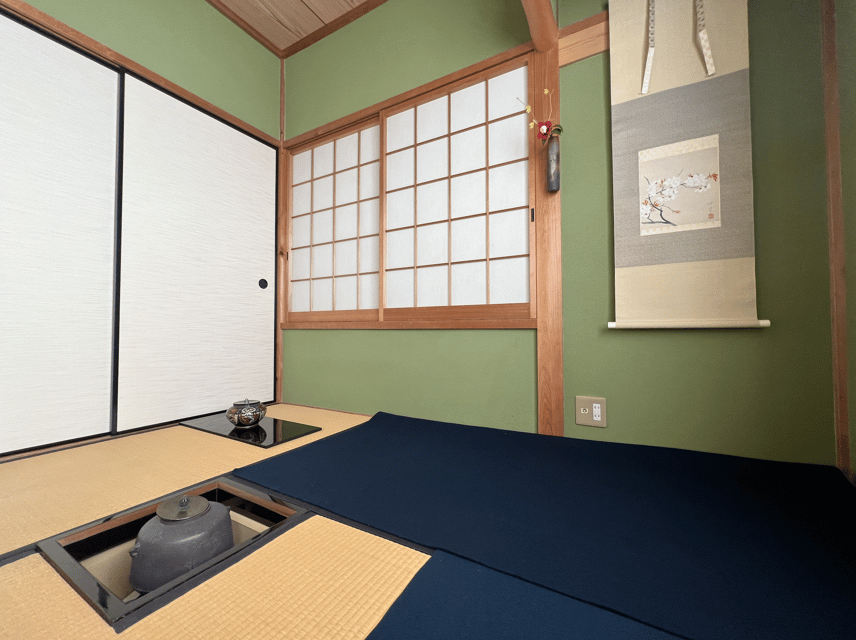
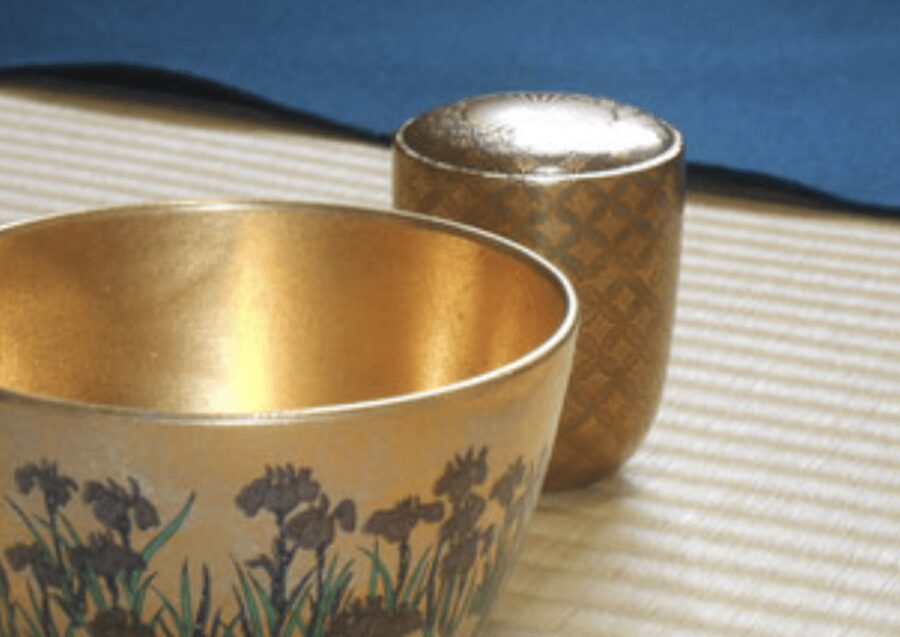
Matcha is served with traditional dried sweets. This pairing is not just a snack added to the booking. The sweet helps offset matcha’s stronger, slightly bitter taste and gives you a simple example of how Japanese tea customs balance flavors.
The sweets are described as traditional dried treats, but no specific type is provided. I would not book this expecting a large food tasting or a full meal. The food is a small part of the ceremony, intended to accompany the tea.
The focus remains on the experience of preparing and drinking matcha. If you have a strong interest in Japanese food, this can give you a starting point for noticing how tea, sweets, and presentation work together. It is not a substitute for a dedicated culinary tour.
The short format also means you can easily eat before or after the session. That is useful in Kyoto, where a tea activity may sit between lunch and another sightseeing stop.
Adding it to a Kyoto day
This experience works especially well as part of a day around Demachiyanagi and the Kamogawa Delta. You can walk along the river, attend the ceremony, and continue toward other northern Kyoto plans without spending much time in transit.
Demachiyanagi Station is identified as a starting point for exploring Kibune Shrine and Rurikou Temple. The tea room’s location therefore gives you a natural cultural stop before or after those sites. You will need to plan the wider route separately, since this booking does not include transport or guided visits to those places.
The 15-minute walk from the station is short by Kyoto standards, but you should allow time to locate the Japanese house and the Tisato sign. A private-looking entrance can be easy to pass if you are hurrying. The meeting point instructions are simple, yet you will want your phone and booking details ready.
Kamogawa Delta offers a different mood from Kyoto’s busiest temple districts. The nearby river setting makes the ceremony feel connected to everyday local surroundings rather than isolated from the city. I like that combination: a formal tradition followed by an ordinary Kyoto walk beside the water.
What the $38 price includes
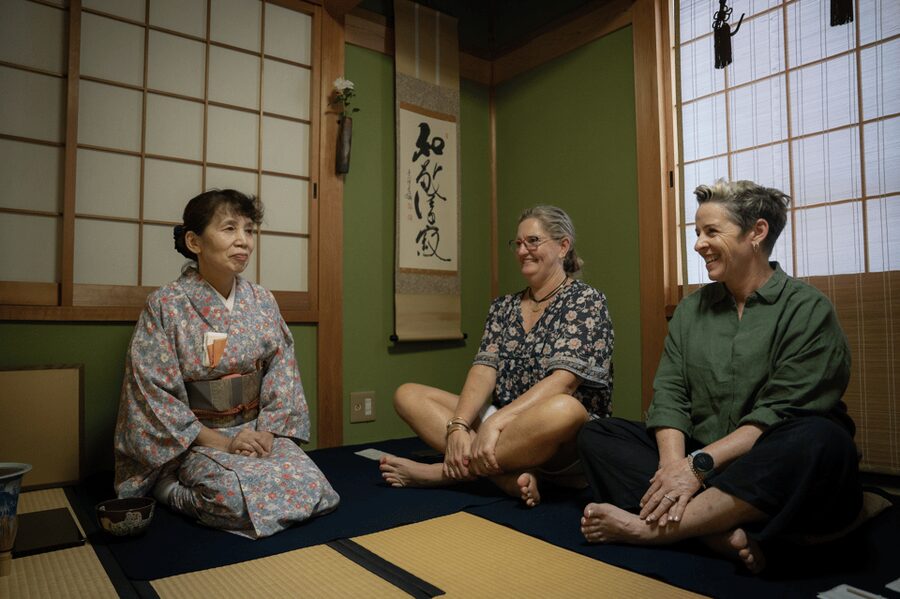
At $38 per person, the price is reasonable for a one-hour small-group cultural activity, especially because it includes the ceremony, English instruction, matcha, and traditional dried sweets. The value comes from direct teaching and participation, not from a long itinerary packed with transport and entrance tickets.
You are paying for access to an experienced instructor and a setting where the group can learn at close range. A cheaper tea tasting might give you a cup of matcha, but not necessarily the same chance to understand the movements or prepare the drink yourself.
At the same time, the session is only one hour. If you measure value by the number of sights visited, this will not compete with a full-day tour. Its value is concentrated: one tradition, one teacher, one calm room, and a practical lesson.
The price makes the most sense for you if you want cultural context and a hands-on activity. It may feel less worthwhile if you simply want a quick drink or have already taken a detailed tea ceremony course.
What the feedback tells you about the teaching
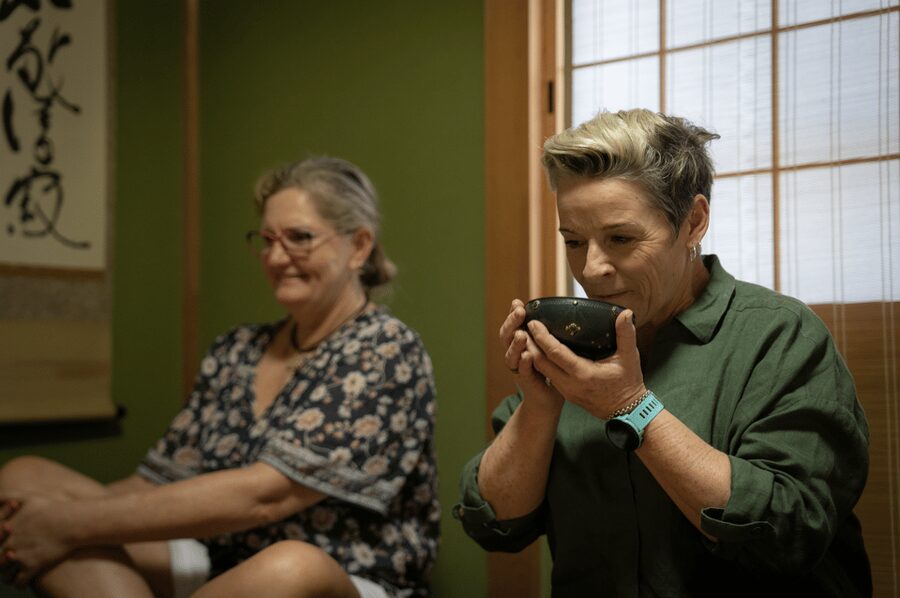
The strongest pattern in the comments is the quality of the explanation and the patience of the host. Several people describe the session as informative, calm, and authentic. One German participant specifically praised how clearly everything was explained, while another highlighted the host’s patience.
Ms Yamazaki is named in one of the comments as kind and well informed about the ceremony. Other comments refer to a friendly host and an instructor who took time with the group. That is useful evidence for beginners, since a tea ceremony can feel intimidating if the teacher treats every mistake as a serious breach of etiquette.
The comments also repeatedly point to the pleasant taste of the tea and sweets. That does not mean you should expect to love matcha, since its flavor is distinctive. It does suggest that the refreshments are handled as an important part of the session rather than an afterthought.
The overall rating is 4.9 from 70 reviews, with the available recent comments giving the experience top marks. Ratings are not a guarantee of your exact session, but the consistent praise for explanation, patience, and atmosphere fits the design of the activity.
Who should book this experience
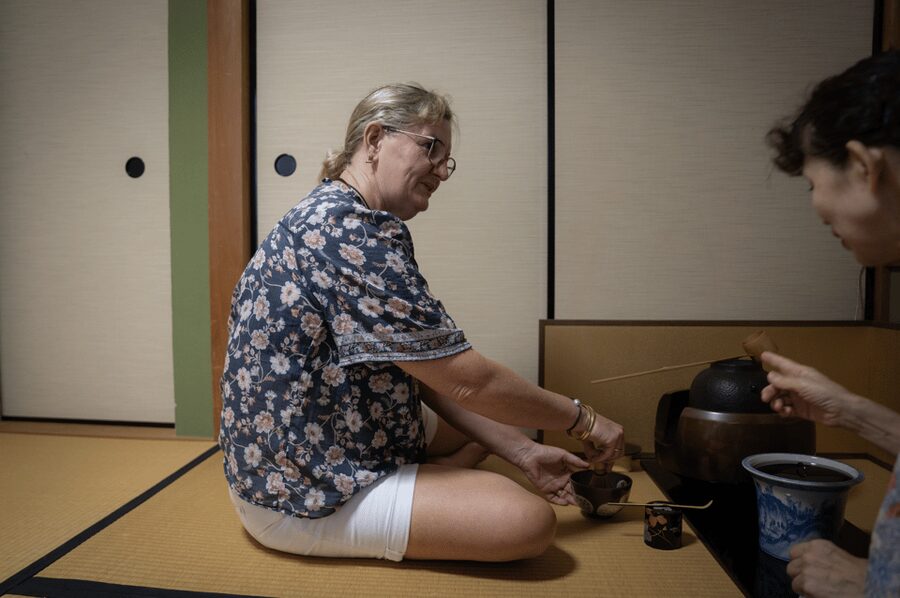
I would recommend it most strongly to first-time visitors who want a manageable introduction to Japanese tea ceremony. You do not need previous knowledge, and the English instruction removes a major barrier.
It also suits couples, solo visitors, and small families who prefer a quiet cultural activity over a large group tour. The six-person limit should make it easier to stay involved, though younger children may vary in how well they respond to the calm pace. The supplied information does not specify a minimum age, so check the booking details if age matters for your group.
This is also a good choice for anyone building a day around northern Kyoto. The short walk from Kamogawa Delta and Demachiyanagi Station gives you flexibility before and after the lesson.
You may want to skip it if you are looking for a long formal ceremony, a meal, a tea-farm visit, or a broad tour of Kyoto’s tea culture. None of those are promised. This is a compact introduction with a hands-on matcha lesson.
Booking details worth knowing
The activity costs $38 per person and lasts one hour. Starting times depend on availability, so check the date and time before you settle your Kyoto plans.
Instruction is in English, and the group is limited to six participants. The price includes the tea ceremony, guidance from an experienced teacher, matcha, and traditional dried sweets.
You can reserve now and pay later, which helps if your schedule is still shifting. Free cancellation is available up to 24 hours before the activity for a full refund. The meeting point is the Japanese house marked Tisato, about a 15-minute walk from both Kamogawa Delta and Demachiyanagi Station.
Should you book the Kyoto tea ceremony?
Book it if you want a calm, personal introduction to matcha and Japanese tea customs, especially if you appreciate learning by doing. The small group, English instruction, experienced teacher, and chance to whisk your own tea give the hour real substance.
I would place it on a Kyoto itinerary near Kamogawa Delta or Demachiyanagi rather than crossing the city for it alone. That way, the river walk and nearby sightseeing give the activity a natural setting.
Skip it if you want a full-day cultural tour or a substantial food experience. For everyone else, $38 is a fair price for an intimate lesson that turns a simple cup of tea into a better-understood part of Kyoto.
FAQ
Where does the tea ceremony take place?
It takes place in a Japanese house near Kyoto’s Kamogawa Delta. Look for the sign marked Tisato to enter.
How long does the experience last?
The tea ceremony lasts one hour.
How much does it cost?
The price is $38 per person.
Is the experience taught in English?
Yes. The instructor provides English-language guidance.
How many people can join the group?
The group is limited to six participants.
Do I need previous tea ceremony experience?
No. The session is designed to welcome complete beginners as well as people with some familiarity with tea ceremonies.
Can I prepare my own matcha?
Yes. You can make your own tea under the teacher’s guidance if you wish.
What is included in the price?
The price includes the tea ceremony, instruction from an experienced teacher, matcha tea, and traditional dried sweets.
How far is the tea room from Kamogawa Delta?
The tea room is about a 15-minute walk from Kamogawa Delta.
Can I cancel for a refund?
Yes. You can cancel up to 24 hours in advance for a full refund.
Newly steeped around Kyoto
- Whisk Your Own Matcha: A Zen Matcha Experience at Temple★ 3.6 · 7 reviews
- Uji Walking Tour – Byodo-in temple and Tea Ceremony from Kyoto★ 3.5 · 3 reviews
- Kyoto: Authentic Tea Ceremony in a Small Group★ 5.0 · 7 reviews
- Tea ceremony at Kyoto’s Zen Temple Teahouse★ 5.0 · 2 reviews
- Tea Ceremony Experience in Traditional Kyoto Townhouse★ 5.0 · 19 reviews
- Tea Ceremony in 150 Years Old Townhouse with Tables and Chairs★ 5.0 · 22 reviews
- Sencha-do the Japanese Tea Ceremony Workshop in Kyoto★ 5.0 · 21 reviews
- Silent Beauty of Kyoto Zen Walk and Tea Experience★ 5.0 · 2 reviews
Tea Ceremony Experiences, compared.
Kyoto: Tea Ceremony in a Traditional Tea House in Kiyomizu
Read our review →
Kyoto: 45-Minute Tea Ceremony Lesson Experience
Read our review →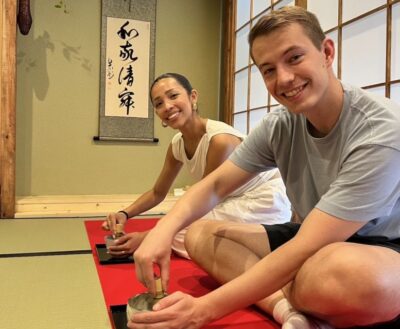
Kyoto: Table-Style Tea Ceremony at a Kyo-Machiya
Read our review →


Browse the lists this tea experience appears in