
Review · KYOTO
Silent Beauty of Kyoto Zen Walk and Tea Experience
Kyoto’s Higashiyama district is at its best early in the day, before the narrow streets fill up. This small-group walk takes you from lantern-lit Yasaka Shrine to Kodaiji’s gardens, the mysterious Rokudo Chinno-ji, and the five-story Yasaka Pagoda, then finishes with a traditional tea ceremony.
I like the maximum group size of eight, which gives you a better chance to hear your guide and ask questions. I also like the balance of famous sights and quieter cultural details, especially the stories tied to the afterlife at Rokudo Chinno-ji. The main consideration is the walking: you need a moderate level of fitness, and the three-hour route includes several temple visits before the one-hour tea session.
Key points at a glance
- Early 7:30 am start: Begin at Yasaka Shrine when Higashiyama is calmer and easier to appreciate.
- Four major sights on foot: Visit Yasaka Shrine, Kodaiji Temple, Rokudo Chinno-ji, and Yasaka Pagoda.
- A local English-speaking guide: Yoshino, also named Taira Yoshino, is praised for clear English and useful explanations of Japanese culture.
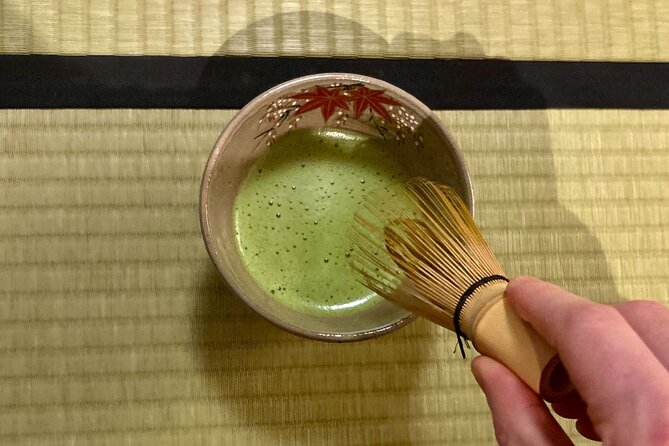
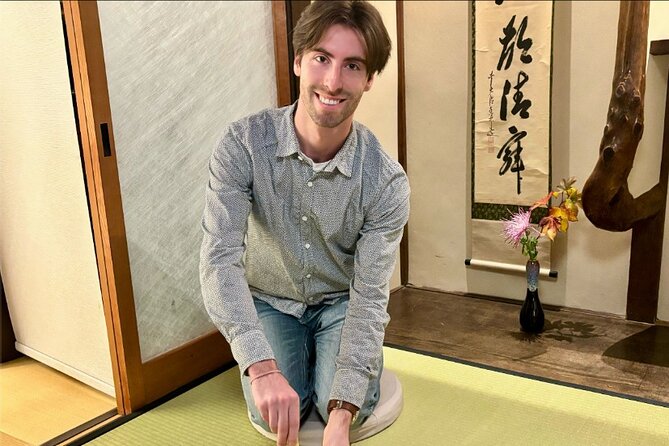
- Tea ceremony included: Spend one hour at Camellia Flower learning the basics of Japanese tea practice.
- Small group format: The outing is limited to eight people, a useful advantage in narrow lanes and compact temple grounds.
- All admissions included: The listed price of $78.57 per person covers entry tickets for the planned stops and the tea ceremony.
Why this Higashiyama walk works so well
This outing is built around a simple idea: Kyoto makes more sense when you connect its places to their beliefs and customs. Yasaka Shrine shows you public religious life. Kodaiji presents the calm precision of Zen garden design. Rokudo Chinno-ji introduces a darker, more mysterious side of local tradition. Yasaka Pagoda gives you the classic Kyoto scene, while the tea ceremony lets you take part in a living custom rather than only looking at old buildings.
I like that the route does not rely on a bus to hop between distant sights. You move through the historic Higashiyama district on foot, where stone lanes and wooden houses create the setting between stops. The walk itself is part of the experience.
The group size matters here. Higashiyama has narrow streets, busy photo spots, and temple entrances where a large party would feel awkward. With no more than eight people, your guide can keep the pace personal and explain details without shouting across a crowd.
You should also set realistic expectations. This is not a slow, silent meditation retreat. It is a guided sightseeing walk with five planned sections, and each temple visit is scheduled for about 30 minutes. The tea ceremony takes one hour, so the entire experience lasts about three hours.
More Zen Tea Sessions around Kyoto:
- Kyoto: Tea Ceremony Meditation – Make Matcha with Tea Master
★ 4.8 · 406 reviews - Kyoto: Mindful Tea Ceremony in 100-Year-Old Teahouse
★ 4.8 · 160 reviews - Oboro | Mindful Tea Ceremony in a 100-Year-Old Kyoto Teahouse
★ 5.0 · 19 reviews
Starting at Yasaka Shrine at 7:30 am
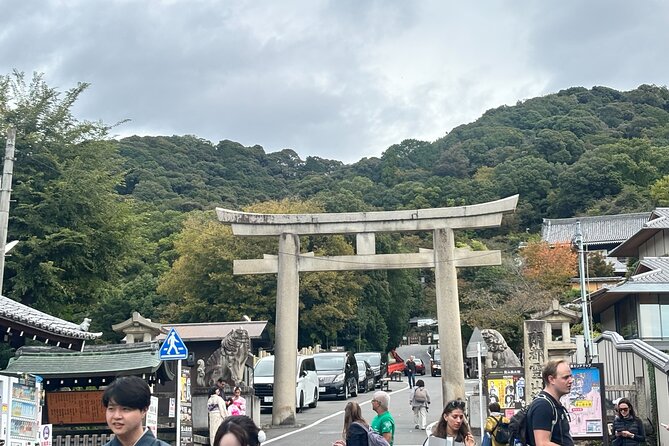
The meeting point is Yasaka Shrine at 625 Gionmachi Kitagawa in Higashiyama. Starting at 7:30 am is one of the strongest features of the schedule. Kyoto’s most popular streets can become crowded later, and an early start gives you a quieter introduction to the district.
Yasaka Shrine is about 1,300 years old and sits at the heart of Kyoto’s Gion area. Its vermilion gates and lanterns make an immediate visual impression, but the guide adds the context that turns a quick photo stop into a useful first lesson in Kyoto’s religious culture.
Plan on about 30 minutes here. That is enough time for an introduction, a look at the shrine grounds, and an explanation of its connection to traditional Kyoto. It is not enough for an unhurried study of every feature, so you will need to stay with the group and listen closely.
The early hour also helps with photographs. The glowing lanterns and bright shrine colors are especially appealing when the area is not yet crowded. If you prefer a relaxed start and dislike being hurried through a major sight, arrive ready to begin at the stated meeting time.
Kodaiji Temple and its Zen garden
From Yasaka Shrine, the route continues to Kodaiji Temple, founded in 1606. The temple is known for its carefully arranged gardens, raked gravel, ponds, maple trees, and cherry trees.
Kodaiji provides a useful contrast with Yasaka Shrine. At the shrine, you encounter a place tied closely to Kyoto’s public traditions and festivals. At Kodaiji, the mood turns more controlled and contemplative. The garden’s gravel, water, trees, and temple buildings are arranged to reward close attention.
The visit lasts about 30 minutes, with admission included. That makes this a focused introduction rather than an extended temple exploration. Your guide can help you notice how garden design shapes the feeling of a place, something that is easy to miss when you are taking photographs on your own.
Season matters at Kodaiji. The supplied details specifically note changing maple and cherry colors, so the visual character can vary greatly depending on your visit. Spring and autumn may bring especially strong color, while other seasons offer a simpler view of the garden’s structure.
A possible drawback is that the schedule may feel short if gardens are your main reason for coming to Kyoto. You will see the key setting, but you will not have unlimited time to linger. If you enjoy a brisk cultural walk with several different stops, the timing should suit you.
The stories of Rokudo Chinno-ji
Rokudo Chinno-ji is the most unusual stop on the route. This small temple is known as the Gate to the Afterlife and is said to mark the boundary between the world of the living and the dead.
That idea gives the walk a welcome change of tone. Yasaka Shrine is colorful and open. Kodaiji is quiet and composed. Rokudo Chinno-ji brings in legends, death, and the unseen world, showing you that Kyoto’s religious traditions are not limited to peaceful gardens and elegant architecture.
The temple visit lasts about 30 minutes, with admission included. Because the site is described as small, the guide’s explanation is especially important. You are not simply checking off another large complex. You are learning why this particular place has a powerful role in local belief.
I would pay close attention here, even if supernatural stories are not usually your interest. The point is not to decide if the legend is literally true. The value is seeing how old stories help shape the meaning of a neighborhood and its sacred places.
The route’s main cultural strength is this variety. You receive more than a sequence of pretty views. You see a shrine, a Zen temple, a temple connected to the afterlife, and a famous pagoda. Each stop offers a different way to think about Kyoto.
More Tea Experiences around Kyoto:
- Kyoto: Tea Ceremony in a Traditional Tea House in Kiyomizu
★ 4.9 · 3,519 reviews - Kyoto: Tea Ceremony Ju-An at Jotokuji Temple
★ 4.9 · 3,207 reviews - Kyoto: 45-Minute Tea Ceremony Lesson Experience
★ 4.3 · 2,378 reviews - Kyoto: Table-Style Tea Ceremony at a Kyo-Machiya
★ 4.9 · 1,211 reviews
Yasaka Pagoda, Kyoto’s classic view
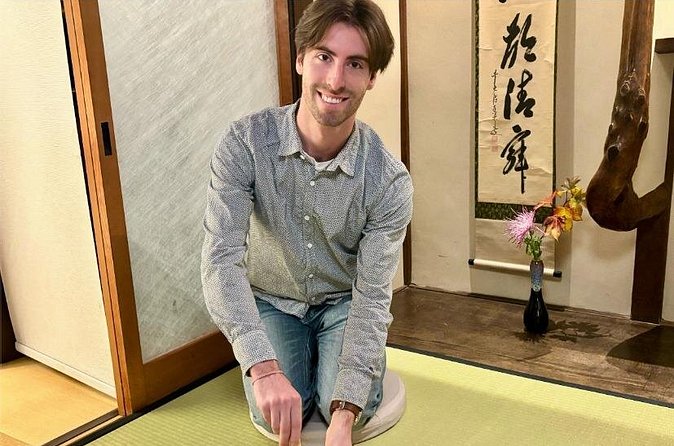
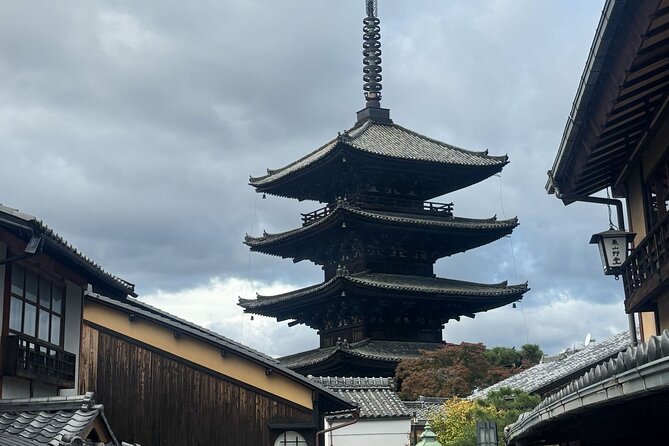
Hōkan-ji Temple is better known as Yasaka Pagoda, a five-story landmark that rises above the traditional streets of Higashiyama. It is one of the most recognizable sights in Kyoto, and the surrounding streets provide the classic old-city scene many people hope to see.
The pagoda is scheduled for about 30 minutes, with admission included. Your guide can explain its place in the district and help you understand why this structure has become such a powerful symbol of Higashiyama.
This stop is likely to be the most familiar visually, thanks to its frequent appearance in photographs. That does not make it disposable. Seeing the pagoda in its actual street setting is different from seeing a picture, especially when the guide connects it to the surrounding temples and traditional houses.
You should keep your expectations measured. The experience does not promise a long private visit inside the pagoda or extended free time for photography. The supplied plan simply identifies Hōkan-ji as a 30-minute stop. Treat it as a guided look at one of Kyoto’s signature landmarks, not as a full architectural study.
The walk between sites is important here. Higashiyama’s narrow stone streets and wooden houses create the atmosphere that makes the pagoda memorable. You are not being dropped at a viewpoint and taken away again. You are moving through the district that gives the landmark its sense of place.
A one-hour tea ceremony at Camellia Flower
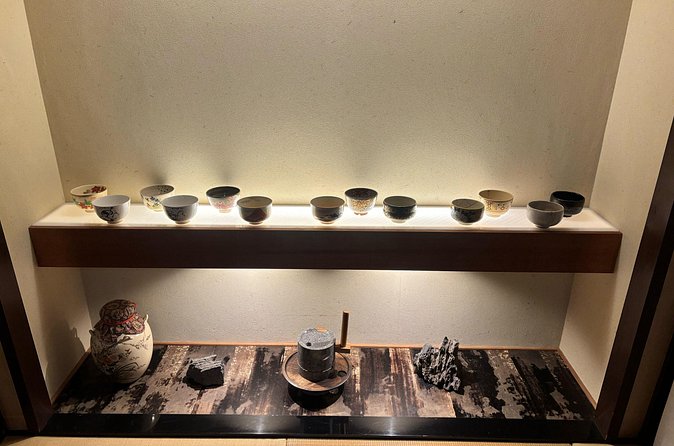
The final stop is Camellia Flower, a tea house in the historic Higashiyama district. Here, an expert tea master introduces you to the art of preparing and serving Japanese tea.
This is more than a pleasant ending. After several temple and shrine visits, the tea ceremony gives you a chance to slow down and focus on a specific Japanese practice. You are no longer only observing a building or garden. You are learning the gestures, order, and care that shape tea culture.
The tea session lasts one hour, making it the longest single part of the experience. That is a good proportion. A shorter demonstration could feel like a quick performance, while an hour gives the activity enough room to feel substantial.
The tea ceremony also rounds out the tour’s central theme. Kyoto’s traditions are not all found behind temple gates. Some continue through small, formal acts of hospitality. The tea house setting gives you a direct cultural experience after the walking portion.
Keep in mind that the day ends at Camellia Flower, at 4-chōme-172-7 Kiyomizu in Higashiyama. You will need to make your own plans after the tea ceremony. Since the tour starts early, you still have much of the day available for lunch, shopping, or another Kyoto sight.
What the guide adds
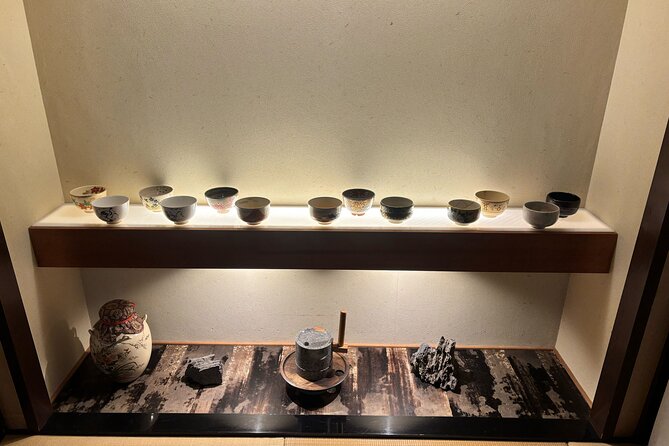
The guide is central to the value of this experience. Without explanation, the route could become a pleasant walk past attractive buildings. With a local English-speaking guide, each place has a clearer purpose.
Yoshino, also identified as Taira Yoshino, has been praised for clear English and for explaining the importance of temples and shrines in Japanese culture. That is useful on this route because several sites carry meanings that are not obvious from their appearance.
You can expect the guide to explain local stories, religious ideas, and details that are easy to miss when using only a map. The available information does not promise a particular lecture style or a fixed list of hidden lanes, so I would not book this expecting an elaborate private tour. The dependable benefit is a small group and an English-speaking guide who can put the sites into context.
The group limit of eight supports that format. You can ask questions without slowing a large party, and the guide can respond to individual interests. If you want a self-directed walk with unlimited time at each place, this is not the right structure. If you want help understanding what you are seeing, it is a sensible choice.
Is $78.57 a fair price?
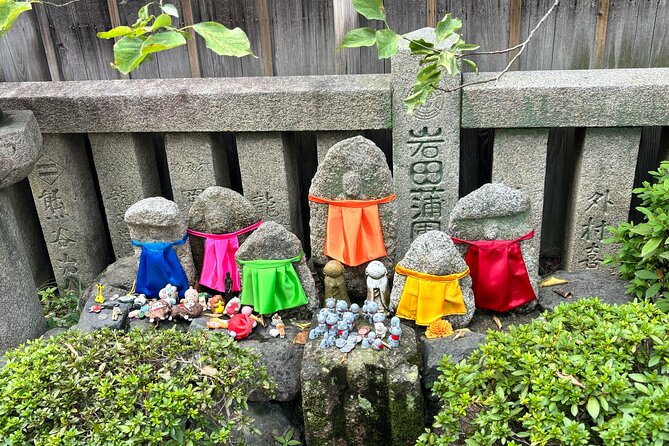
At $78.57 per person, this is not the cheapest way to walk through Higashiyama. You are paying for more than entry tickets. The price includes a local English-speaking guide, admission to the listed sites, a one-hour tea ceremony, and a small group capped at eight people.
The tea ceremony is important when judging the cost. A simple walk past shrines and temples would offer less value. Here, the final hour adds a hands-on cultural activity and gives the outing a clear ending.
The price makes the most sense if you are visiting Kyoto for a short stay, want several important sights connected in one morning, or prefer not to research the meaning of each location yourself. You get a planned route through a historic district and a guide who can explain the cultural background.
The value is weaker if you already know Higashiyama well, plan to visit these places independently, or want to spend a long time at one temple. The schedule gives each temple about 30 minutes, so the experience favors breadth and interpretation over extended personal exploration.
All listed admissions are included, which makes the cost easier to assess. You should still account for your own food and any plans after the tour, since no meal is described and the outing ends at the tea house.
Walking, timing, and practical concerns
You need a moderate level of physical fitness. The experience covers several Higashiyama locations on foot and includes narrow streets, temple grounds, and a total duration of about three hours. The information provided does not give a detailed accessibility assessment, so anyone with mobility concerns should confirm the route before booking.
Wear comfortable shoes. That is simple advice, but it matters more here than on a bus-based sightseeing trip. You will be walking between sites, and the route is designed around the streets of the district rather than vehicle transfers.
The early start is both a benefit and a commitment. Meet at Yasaka Shrine at 7:30 am, not at the first temple later in the morning. If you are staying far from Gion, allow enough time to reach the starting point.
A mobile ticket is provided, and confirmation is received at booking. Free cancellation is available if you cancel at least 24 hours before the start time. Changes or cancellations made within 24 hours are not accepted for a refund, so check your plans before that deadline.
Who should book this Kyoto experience?
I would recommend it to you if you want a compact introduction to Kyoto’s spiritual traditions, prefer a small group, and like having a guide explain the meaning behind what you see. It works especially well for a first visit or a short stay when you want several Higashiyama highlights in one organized morning.
It also suits you if the tea ceremony matters as much as the temples. The final hour prevents the outing from becoming only a sightseeing checklist and gives you a chance to take part in a living cultural practice.
I would think twice if you want a slow photography walk, a private guide, or a full morning at one temple. The route is structured, and the 30-minute stops require you to keep moving.
Should you book it?
Book this tour if you want four major Higashiyama sights, clear cultural explanations, and a tea ceremony in one small-group outing. The strongest reasons are the early start, the eight-person limit, and the range of experiences, from Yasaka Shrine’s lanterns to Rokudo Chinno-ji’s afterlife legends.
Skip it if your priority is complete freedom or extended time in one garden. For most first-time visitors who want Kyoto’s famous sights explained rather than simply photographed, $78.57 is a reasonable price for the guide, included admissions, and one-hour tea experience.
FAQ
Where does the tour begin?
The tour begins at Yasaka Shrine, located at 625 Gionmachi Kitagawa, Higashiyama Ward, Kyoto, 605-0073, Japan.
What time does the tour start?
The start time is 7:30 am.
Where does the tour end?
The tour ends at Tea Ceremony Camellia Flower, located at 4-chōme-172-7 Kiyomizu, Higashiyama Ward, Kyoto, 605-0862, Japan.
How long does the experience last?
The experience lasts approximately three hours, including the temple and shrine visits and the tea ceremony.
How many people can join the tour?
The group has a maximum of eight people.
Is admission included?
Yes. Admission tickets are included for Yasaka Shrine, Kodaiji Temple, Rokudo Chinno-ji Temple, Hōkan-ji Temple, and the tea ceremony.
Can I cancel for a refund?
Yes. You can cancel for a full refund if you cancel at least 24 hours before the experience start time. Cancellations or changes made less than 24 hours before the start time are not accepted for a refund.
Newly steeped around Kyoto
- Whisk Your Own Matcha: A Zen Matcha Experience at Temple★ 3.6 · 7 reviews
- Kyoto: Authentic Tea Ceremony in a Small Group★ 5.0 · 7 reviews
- Tea ceremony at Kyoto’s Zen Temple Teahouse★ 5.0 · 2 reviews
- Uji Walking Tour – Byodo-in temple and Tea Ceremony from Kyoto★ 3.5 · 3 reviews
- Tea Ceremony Experience in Traditional Kyoto Townhouse★ 5.0 · 19 reviews
- Tea Ceremony in 150 Years Old Townhouse with Tables and Chairs★ 5.0 · 22 reviews
- Sencha-do the Japanese Tea Ceremony Workshop in Kyoto★ 5.0 · 21 reviews
- Traditional Tea Ceremony in Kyoto★ 4.5 · 3 reviews
Zen Tea & Meditation Experiences, compared.
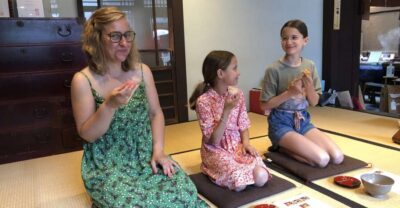
Kyoto: Tea Ceremony Meditation – Make Matcha with Tea Master
Read our review →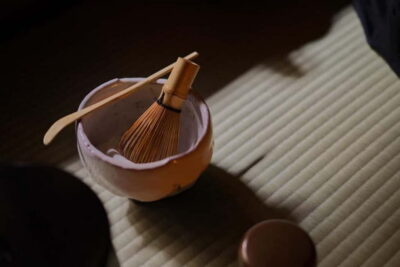
Kyoto: Mindful Tea Ceremony in 100-Year-Old Teahouse
Read our review →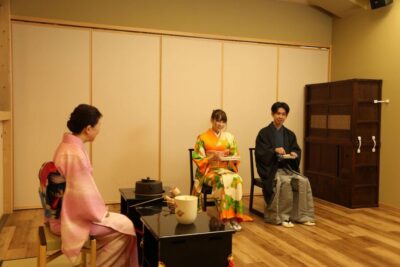
Tokyo: Practicing Zen with a Japanese Tea Ceremony
Read our review →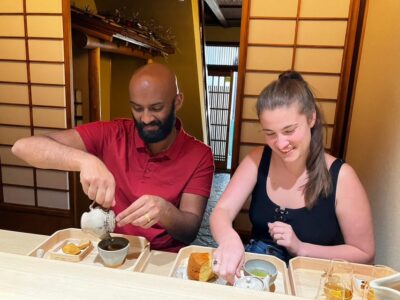
Nara:5 Type of Tea Tasting & Mindful Tea Ceremony
Read our review →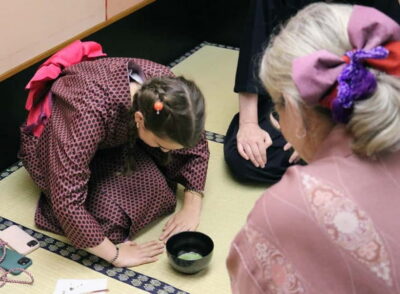
Learn Zen in a class of making Matcha tea near Osaka Castle
Read our review →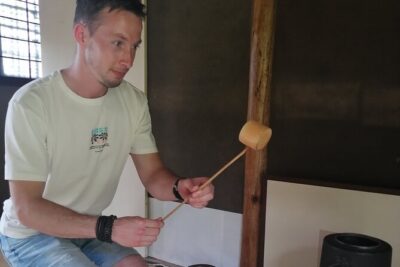
The Art of Mindful Living: Tea Ceremony in Kyoto
Read our review →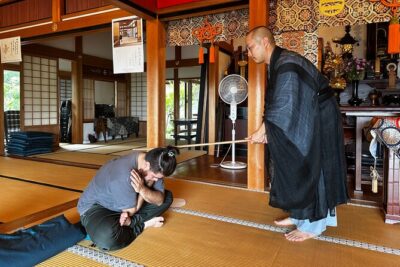
Shizuoka Shore Excursion: Zen, Matcha & Calligraphy Shimizu Port
Read our review →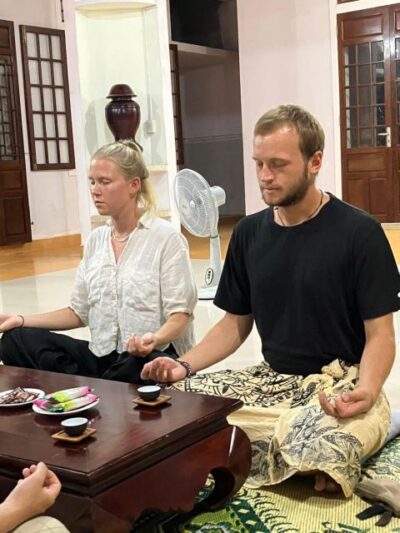
Hue Retreat: Tea and Meditation with Vegetarian Meal
Read our review →Browse the lists this tea experience appears in